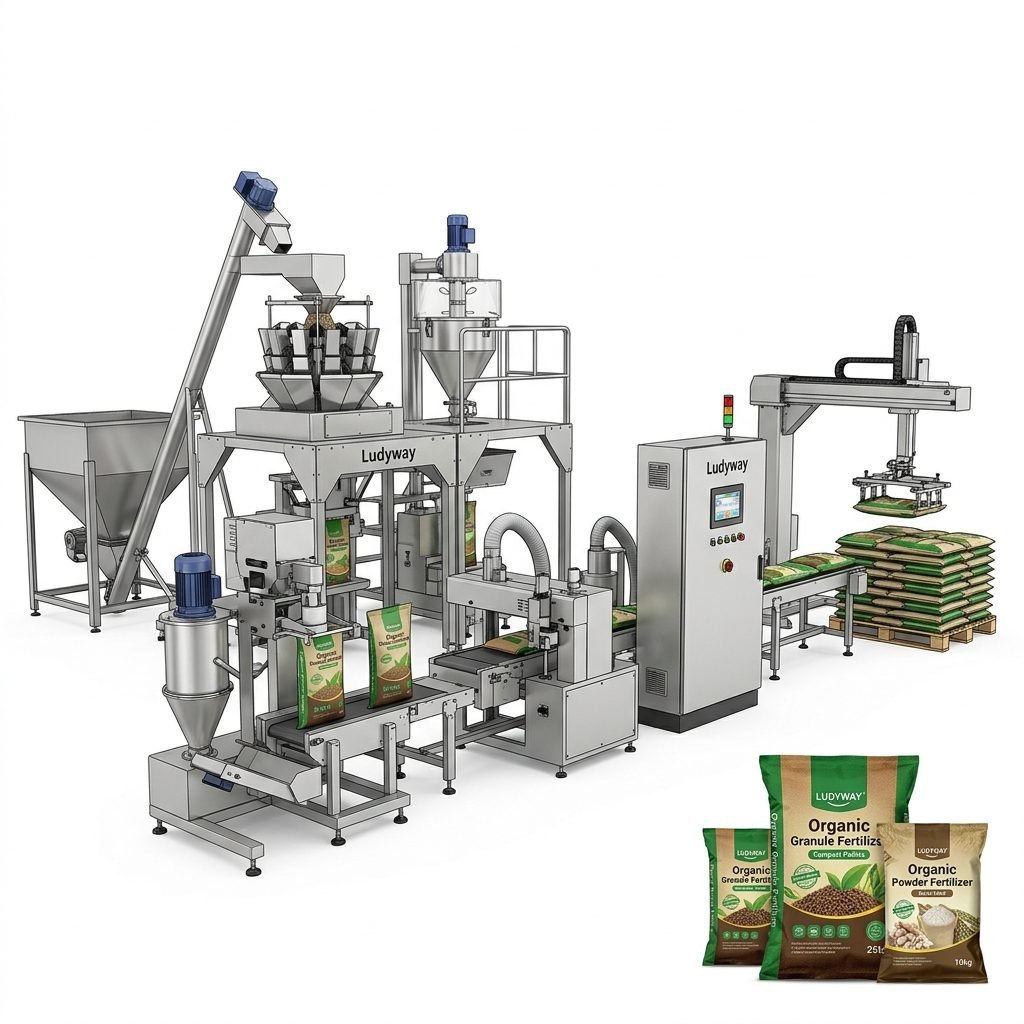
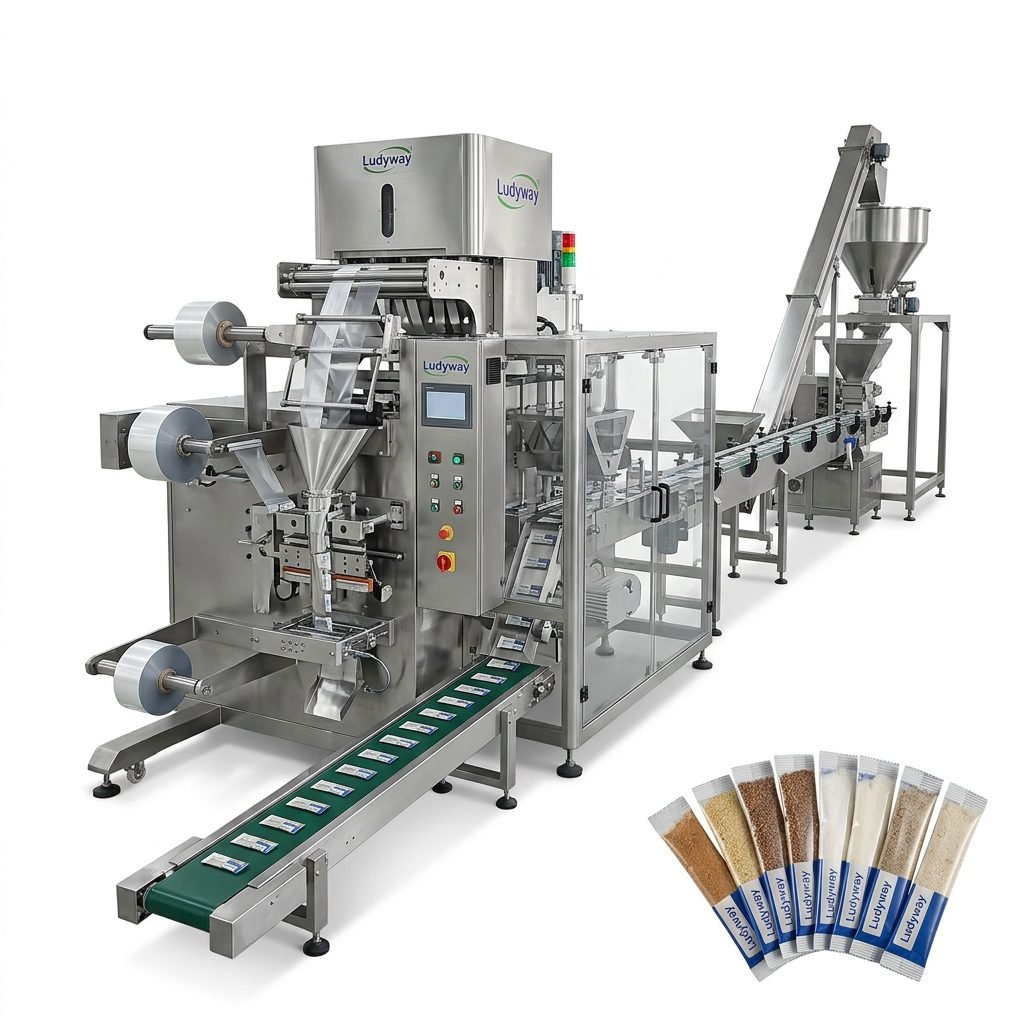
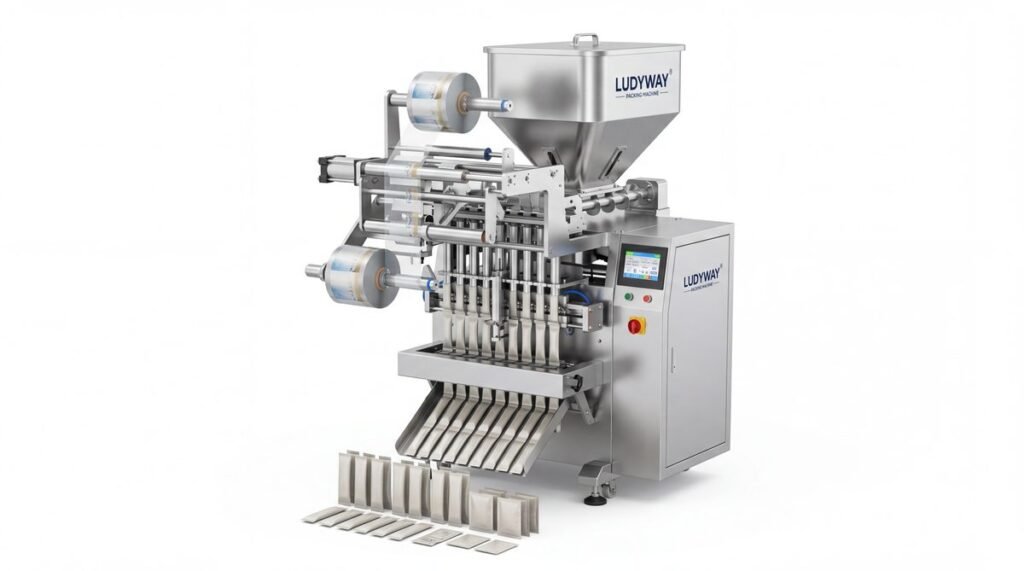
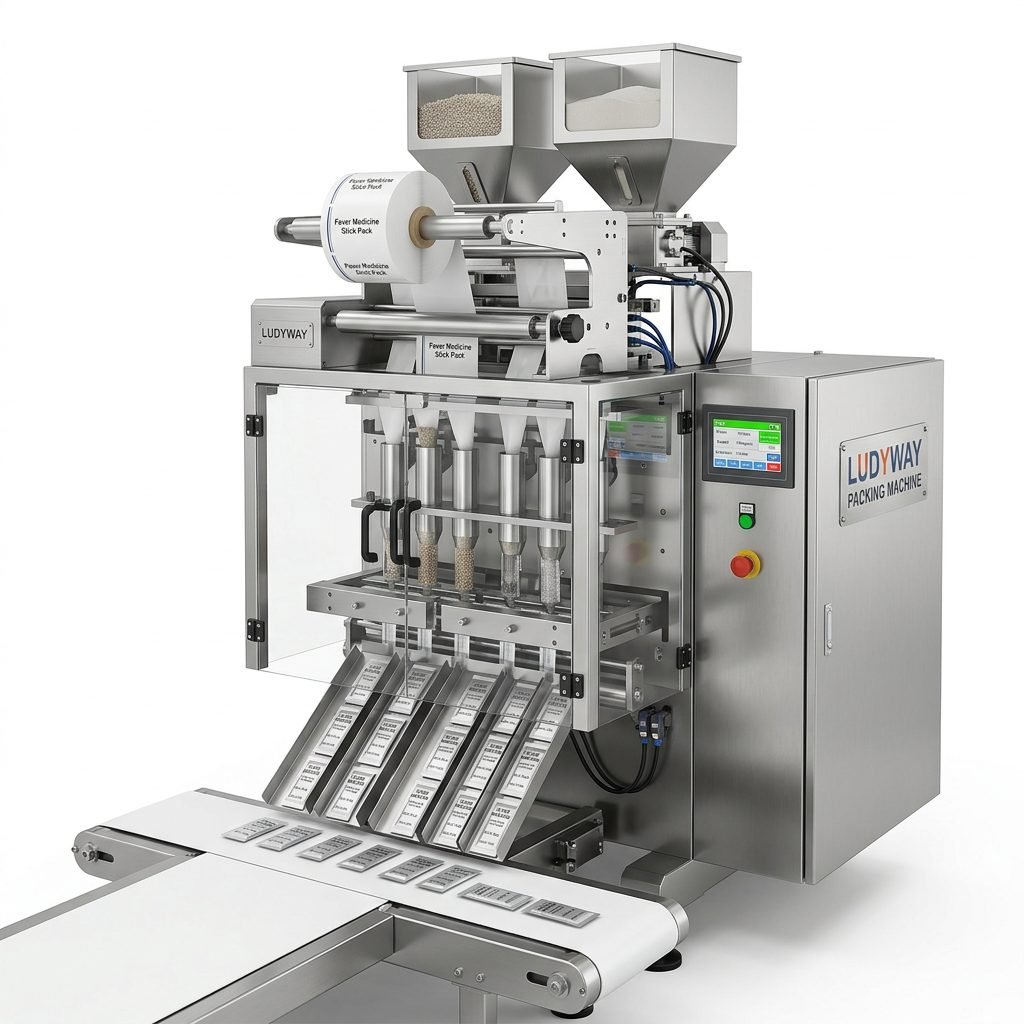
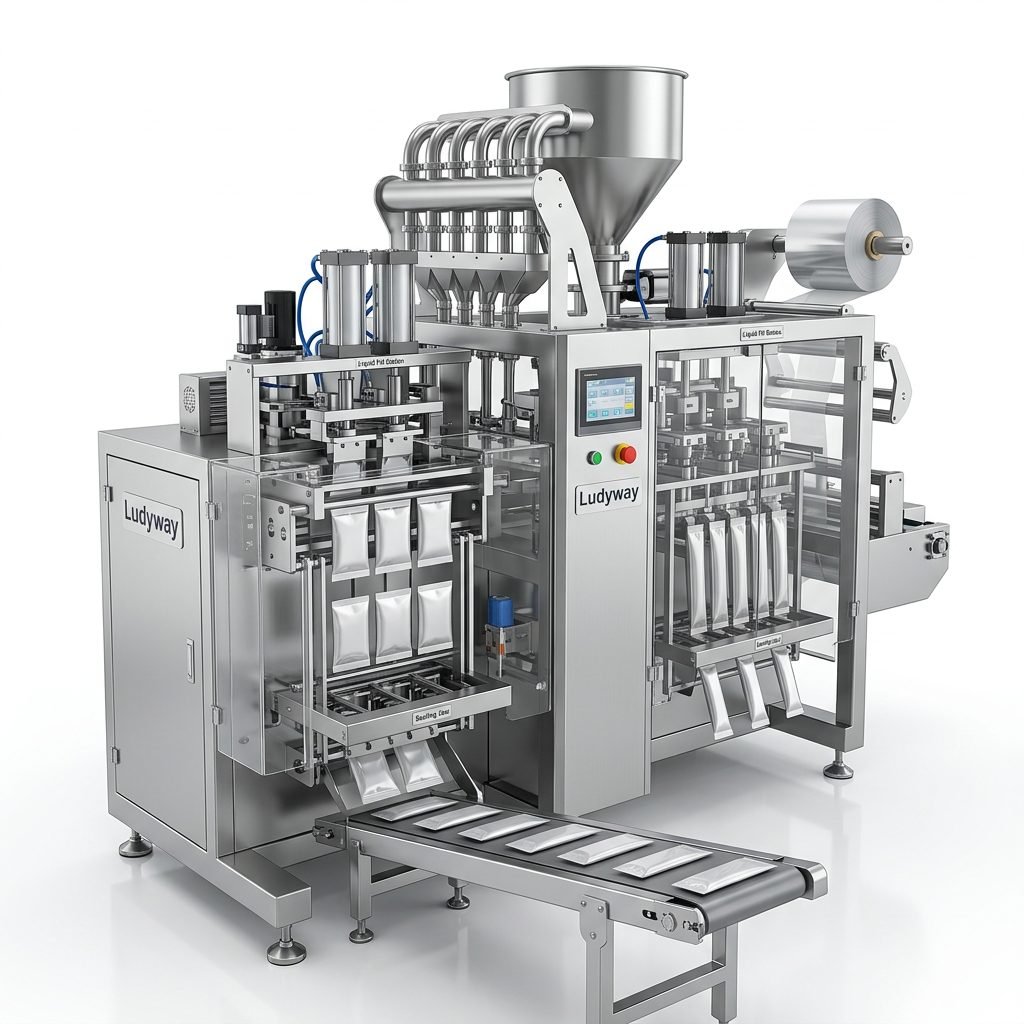
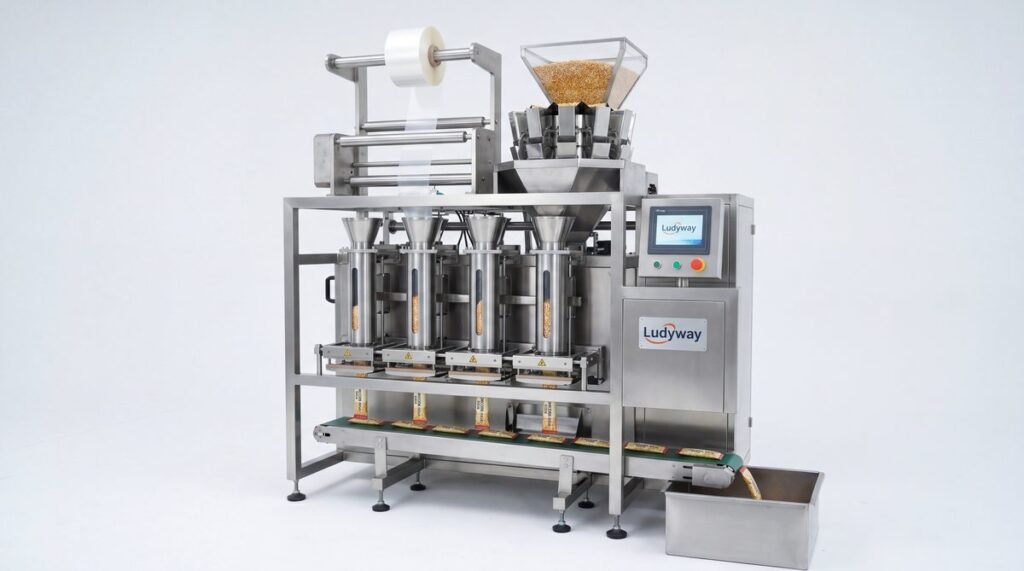
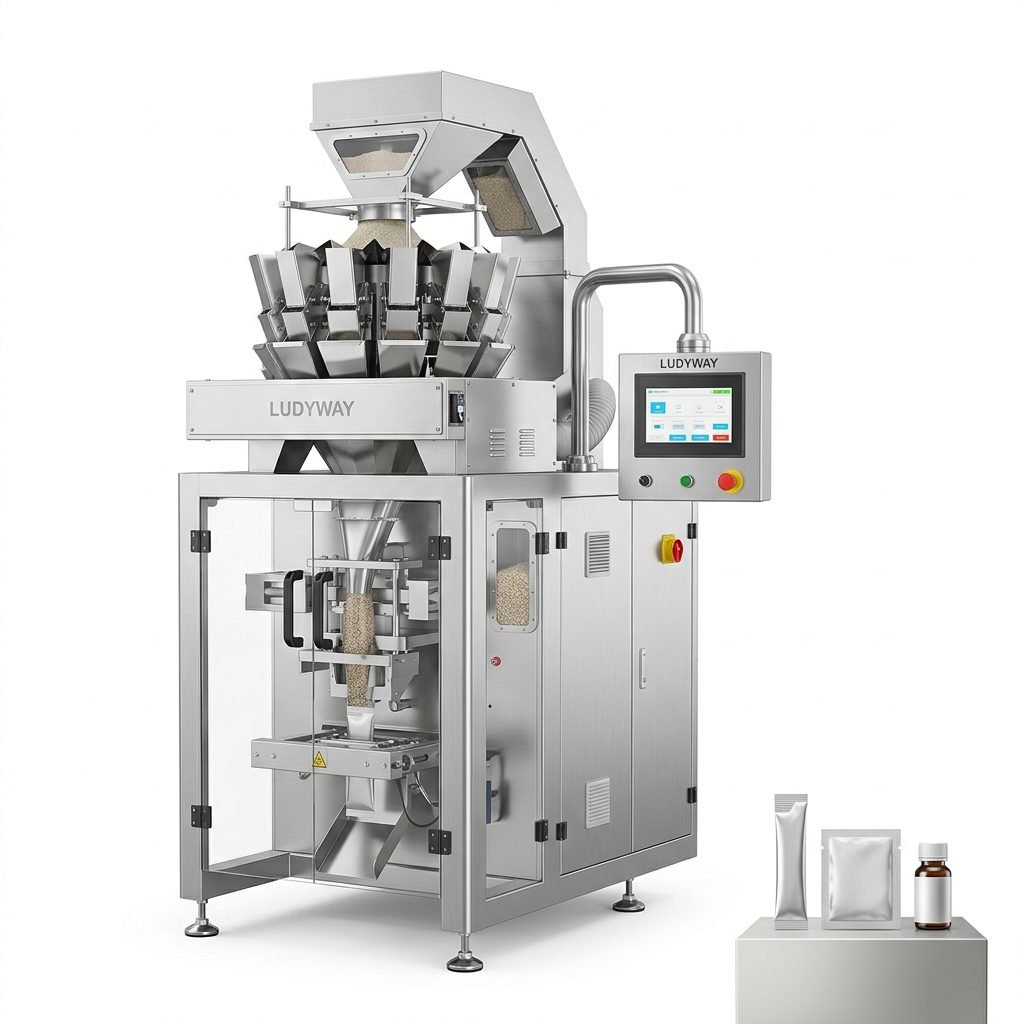
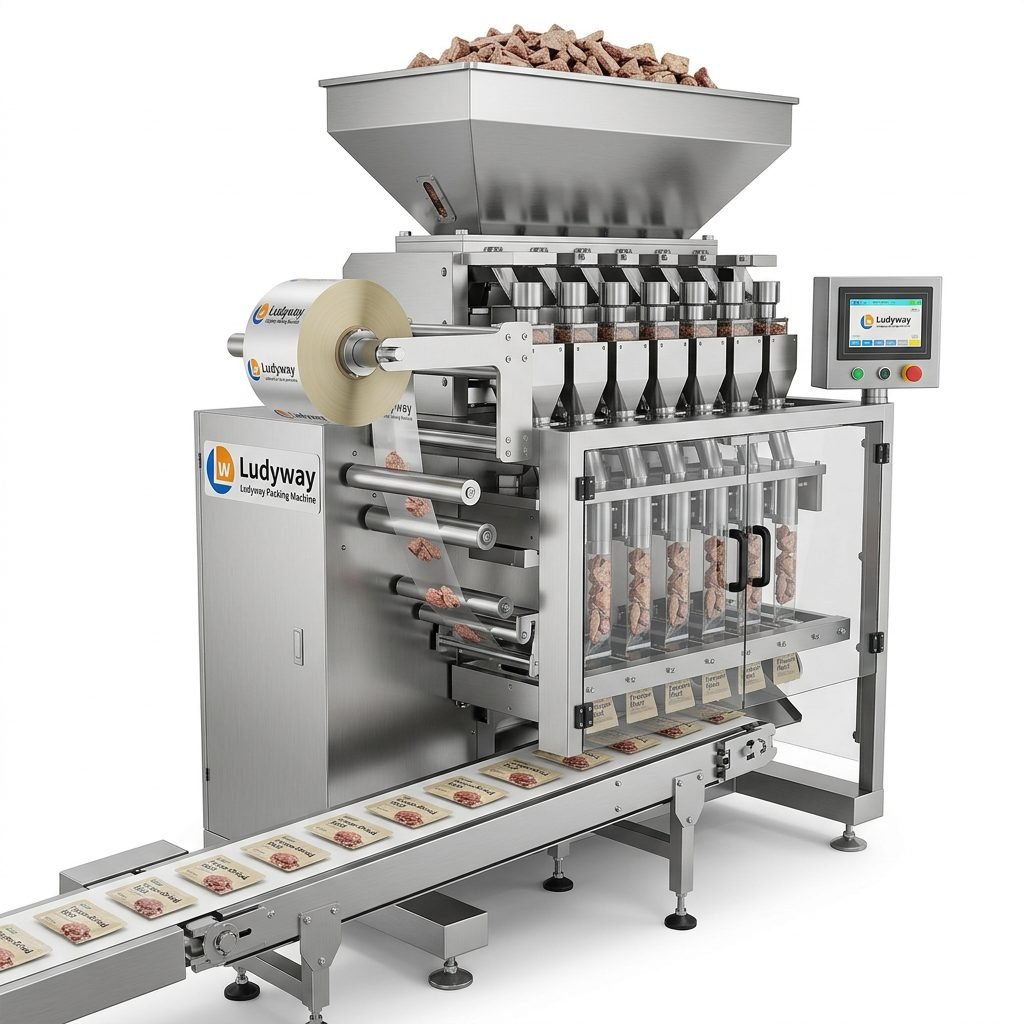
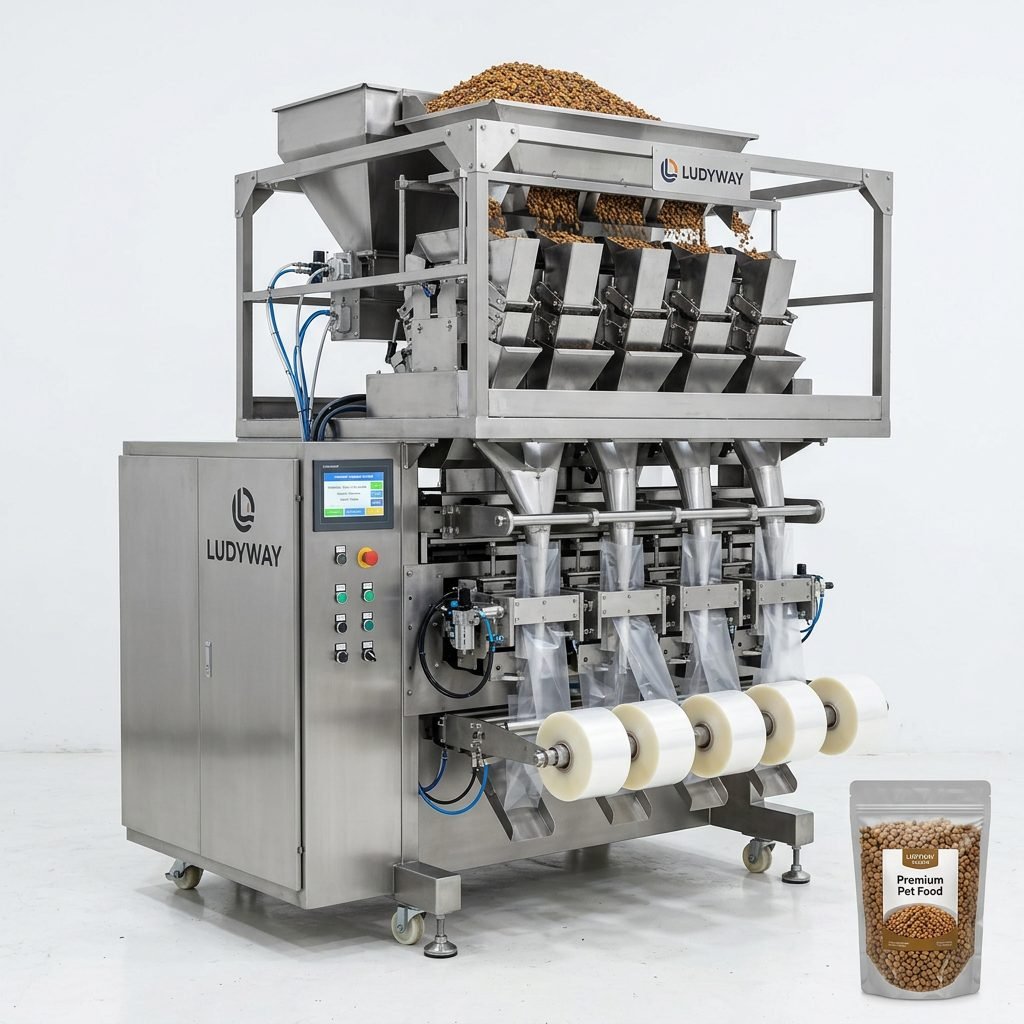
Regular maintenance of a bun packing machine is critical for ensuring consistent production output, minimizing downtime, and extending the equipment’s lifespan. A well-structured maintenance routine prevents sudden breakdowns, ensures food safety compliance, and keeps your packaging line running at peak efficiency. Neglecting key components can lead to seal failures, inaccurate filling, and costly repairs.
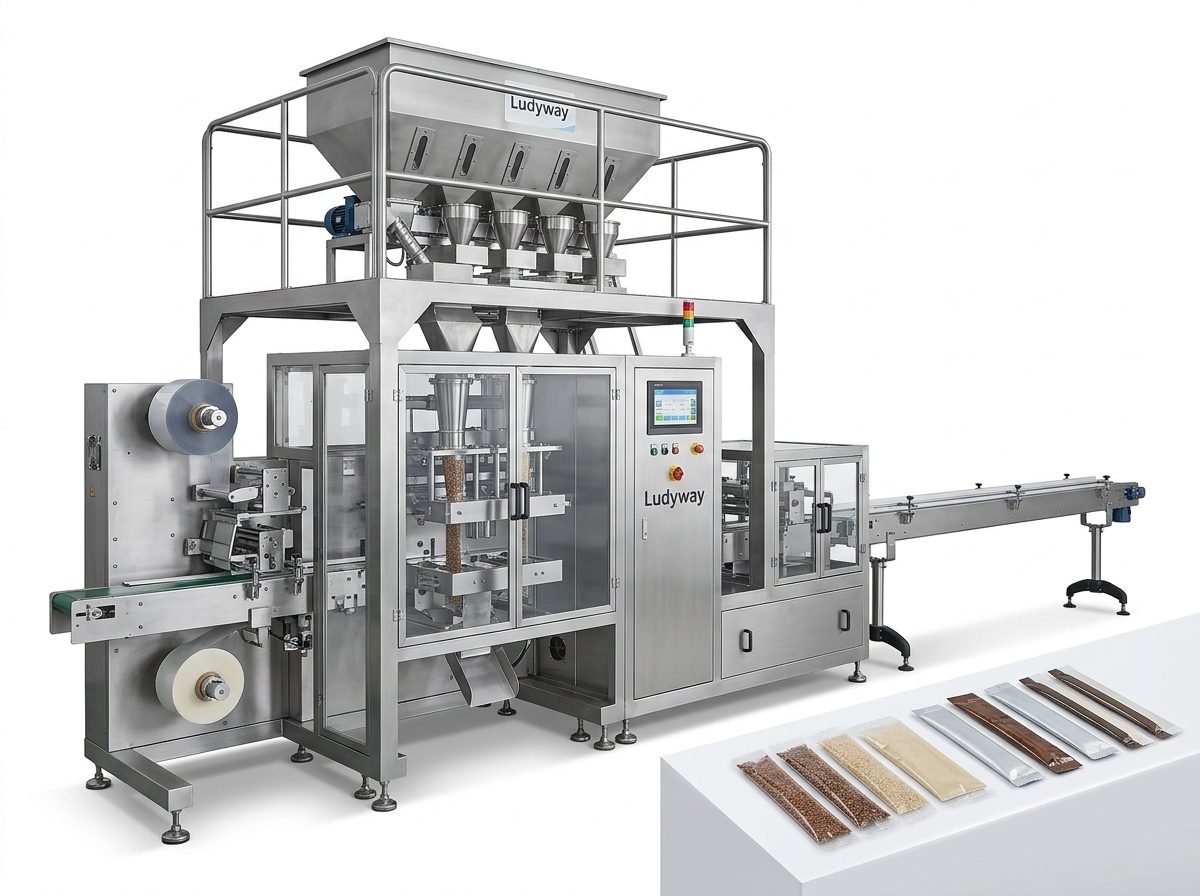
1. Daily Cleaning: The Foundation of Bun Packing Machine Maintenance
Daily cleaning is non-negotiable. After each production run, food particles, dust, and packaging material residues accumulate on critical surfaces. If left unattended, these residues can contaminate products, attract pests, and interfere with the machine’s mechanical movements.
Start by disconnecting the main power supply to guarantee operator safety. Use compressed air to blow away loose debris from the forming area, sealing jaws, and conveyor belts. For sticky residues common in bun packaging, use a food-grade sanitizer and a lint-free cloth. Pay special attention to the heat sealing components, as burnt-on plastic film can cause uneven seals and waste packaging material.
2. Weekly Inspection and Mechanical Checks
While daily cleaning focuses on surface hygiene, a weekly deep dive into the mechanical integrity of the bun packing machine is essential. Create a checklist that covers fasteners, bearings, and drive mechanisms.
- Inspect Sealing Jaws: Check for wear, alignment, and carbon buildup. Misaligned jaws are a primary cause of leaking or weak seals in bun packages.
- Verify Film Tracking: The film unwinding and tracking system must keep the packaging material perfectly centered. Wrinkled film often indicates a tracking issue or tensioning error.
- Check Safety Sensors: Test emergency stops, guard door interlocks, and product sensors. A faulty sensor can lead to jams or pose significant safety risks to operators.
- Examine Chains and Belts: Look for slack, cracks, or signs of stretching. Proper tensioning prevents slipping and maintains accurate timing between the forming, filling, and sealing stations.
3. Monthly Lubrication and Pneumatic System Care
Friction is the enemy of high-speed machinery. A monthly lubrication schedule is vital for the bun packing machine’s gearboxes, cam followers, and linear guides. Always use the lubricants specified in the manufacturer’s manual—food-grade grease is typically required for areas near the product zone.
Simultaneously, drain moisture from the pneumatic system’s air filter/regulator unit. Excess moisture in compressed air lines can lead to corrosion inside cylinders and erratic valve function. Check the air pressure gauge to ensure the machine operates within the optimal PSI range. If the pressure fluctuates, inspect for leaks in the air hoses and fittings using soapy water.
4. The Critical Role of Preventive Replacement
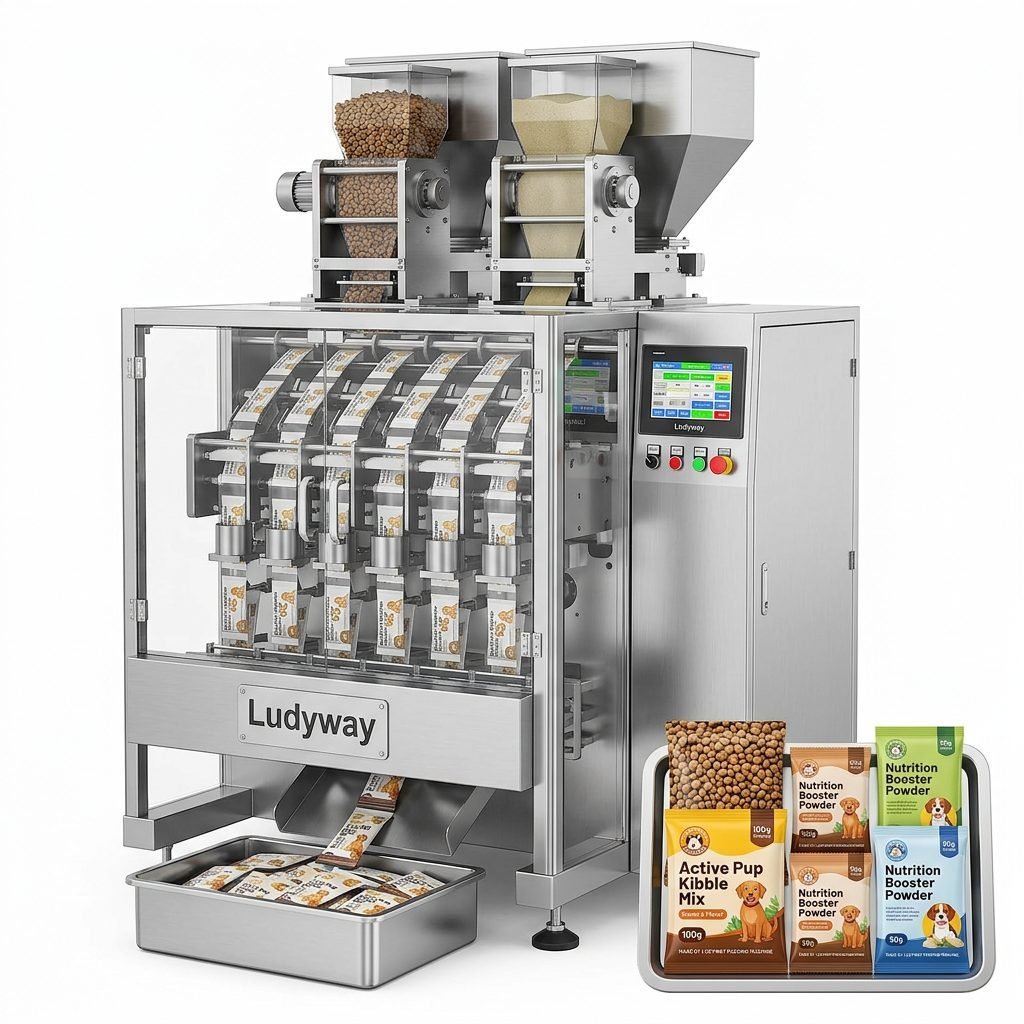
Reactive maintenance can cripple a production schedule. For a bun packing machine, specific components have a predictable lifecycle and should be replaced before they fail. Focus on the wear parts kit. This usually includes Teflon tapes for sealing jaws, cutting knife blades, and rubber vacuum cups.
A dull cutting knife will drag the film instead of providing a clean cut, causing product jams. Similarly, worn vacuum cups lose suction, resulting in missed bag openings. Keep an inventory of these critical spares on hand. As a guiding principle, if you are starting a long production run, replace the knife and Teflon tape proactively to avoid unscheduled stops.
5. Electrical Cabinet and Control System Care
The electrical cabinet is the brain of your bun packing machine, yet it is often neglected until a short circuit or overheating occurs. Monthly maintenance should include a careful inspection of the cabinet’s internal environment.
Ensure the cooling fans are functioning correctly and the ventilation filters are clean. Dust buildup insulates heat, which drastically shortens the life of PLCs, servo drives, and inverters. Switch off the main power and use a low-pressure vacuum to remove dust from the circuit boards. Visually inspect terminal blocks for loose connections, which can be identified by discoloration or signs of overheating. Tighten any loose screws to prevent intermittent power failures during high-speed operation.
6. Common Bun Packing Machine Issues and Troubleshooting
Even with rigorous maintenance, operators should know how to troubleshoot standard issues quickly. The table below outlines frequent problems and their primary suspects.
| Problem | Potential Cause | Solution |
|---|---|---|
| Leaking or Weak Seals | Low temperature, misaligned jaws, contaminated sealing surface | Re-calibrate temperature, realign jaws, replace Teflon cover |
| Film Wandering/Shifting | Improper tension, worn rollers, misaligned forming collar | Adjust tension settings, clean/replace rollers, center the collar |
| Product Jams in Forming Tube | Incorrect tube diameter, static electricity, dirty chute | Install proper size tube, use anti-static bars, clean chute |
| Inconsistent Package Length | Slipping film rollers, faulty encoder, eye-mark error | Check roller grip, inspect encoder connection, clean photo-eye |
7. Deep Cleaning Schedule for Hard-to-Reach Areas
Beyond the daily wipe-down, a monthly deep cleaning is necessary to access the underbelly of the bun packing machine. Remove guards and panels to expose the chain drives and bottom seals. Build-up here can harden and flake into the packaging area.
Pay attention to the film accumulation zones. Static electricity often attracts fine dust and flour particles from buns to the unwinding rollers. This buildup can cause the film to stretch unevenly. Industrial static eliminators and regular deep cleaning of these rollers will significantly improve film handling accuracy.

8. Calibrating Temperature Controllers and Sealing Integrity
The sealing station is the heart of the bun packing machine. Calibration errors here result in massive waste. Use an external thermocouple probe monthly to verify that the actual jaw temperature matches the displayed setpoint. A drift of just a few degrees can lead to weak seals or burn-through on film.
Moreover, perform a seal integrity test. Inflate a finished package with air and submerge it in water, or use a vacuum leak tester. Consistent seal integrity ensures product freshness and prevents contamination. If leaks are found, increase the dwell time or pressure setting incrementally until a hermetic seal is achieved.
9. Operator Training and SOPs
A sophisticated packaging machine is only as good as the team operating it. Establish clear Standard Operating Procedures (SOPs) for cleaning, startup, and shutdown. Document every maintenance action in a logbook. When a technician lubricates a bearing or changes a knife, they must log the date and the part number.
This history allows you to predict failure patterns. For example, if you notice a specific sealing jaw tape needs replacement every three weeks, you can schedule the swap during a natural production break rather than waiting for a failure during a peak processing period.
10. Spare Parts Management Strategy
Downtime is expensive, often costing more in lost production than the price of a spare part. For critical bun packing machine operations, maintain a lean but essential inventory.
- Essential Spares: Heaters, thermocouples, solid-state relays, and sealing jaw kits.
- Consumable Spares: Teflon tape, cutting knives, vacuum filters, and drive belts.
- Long-Lead Items: Specific servo motors or HMI touchscreens that are not off-the-shelf items.
Organize these parts in a sealed cabinet near the production line to reduce Mean Time To Repair (MTTR). Clearly label bins with part numbers and their corresponding machine locations.
Quick Reference Maintenance Table
| Frequency | Task | Key Focus Area |
|---|---|---|
| Daily | Clean product contact surfaces & inspect film path | Hygiene & debris removal |
| Weekly | Inspect jaws, sensors, and safety systems | Mechanical alignment & safety integrity |
| Monthly | Lubricate chains, drain air filters, deep clean | Friction reduction & pneumatic health |
| Quarterly | Replace wear parts, calibrate temp controllers | Preventive replacement & accuracy |
11. Ensuring Long-Term Reliability
Regular maintenance of a bun packing machine is not an expense; it is an investment in production efficiency. By integrating daily cleaning, weekly inspections, and monthly preventive replacements, you reduce the risk of unplanned downtime. A clean, well-lubricated machine produces higher quality sealed packages with fewer rejects.
About Ludyway
Ludyway is one of the largest packaging machine manufacturers in China, specializing in advanced packaging equipment and turnkey production solutions for the food, pharmaceutical, and health industries. With over 30 years of industry expertise, we provide reliable and efficient packaging solutions for granule, powder, liquid, and pouch packaging applications. Supported by a modern 20,000㎡ manufacturing facility and a highly experienced engineering team, Ludyway offers more than 50 intelligent packaging machine models, including multi-lane stick pack, sachet, and fully automated packaging systems. Serving customers in over 100 countries and regions, we are committed to delivering innovative, high-performance, and cost-effective packaging solutions that help businesses improve productivity, product quality, and operational efficiency.
For more industry insights, visit authoritative resources like the PMMI – The Association for Packaging and Processing Technologies and the Flexible Packaging Association.