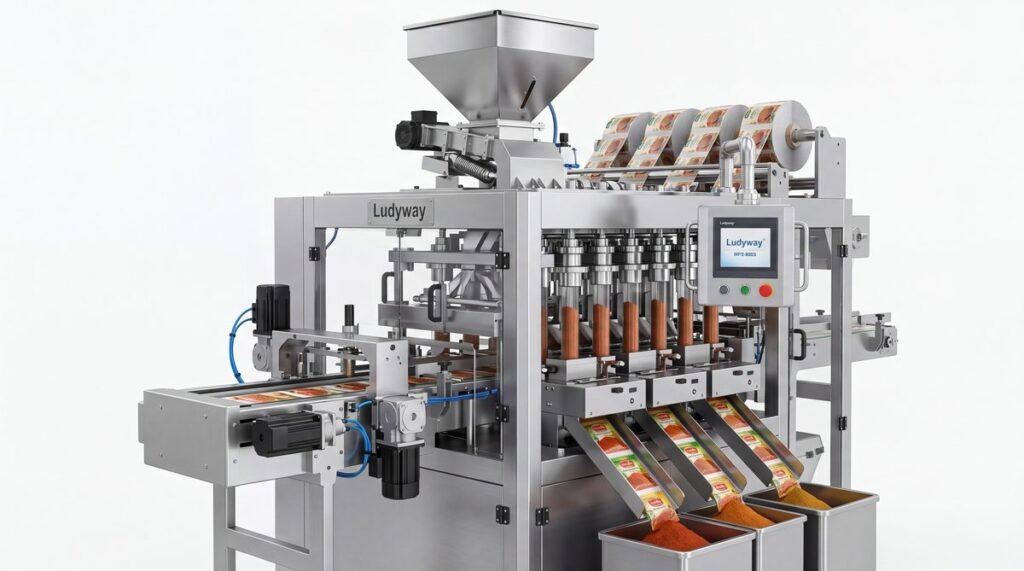
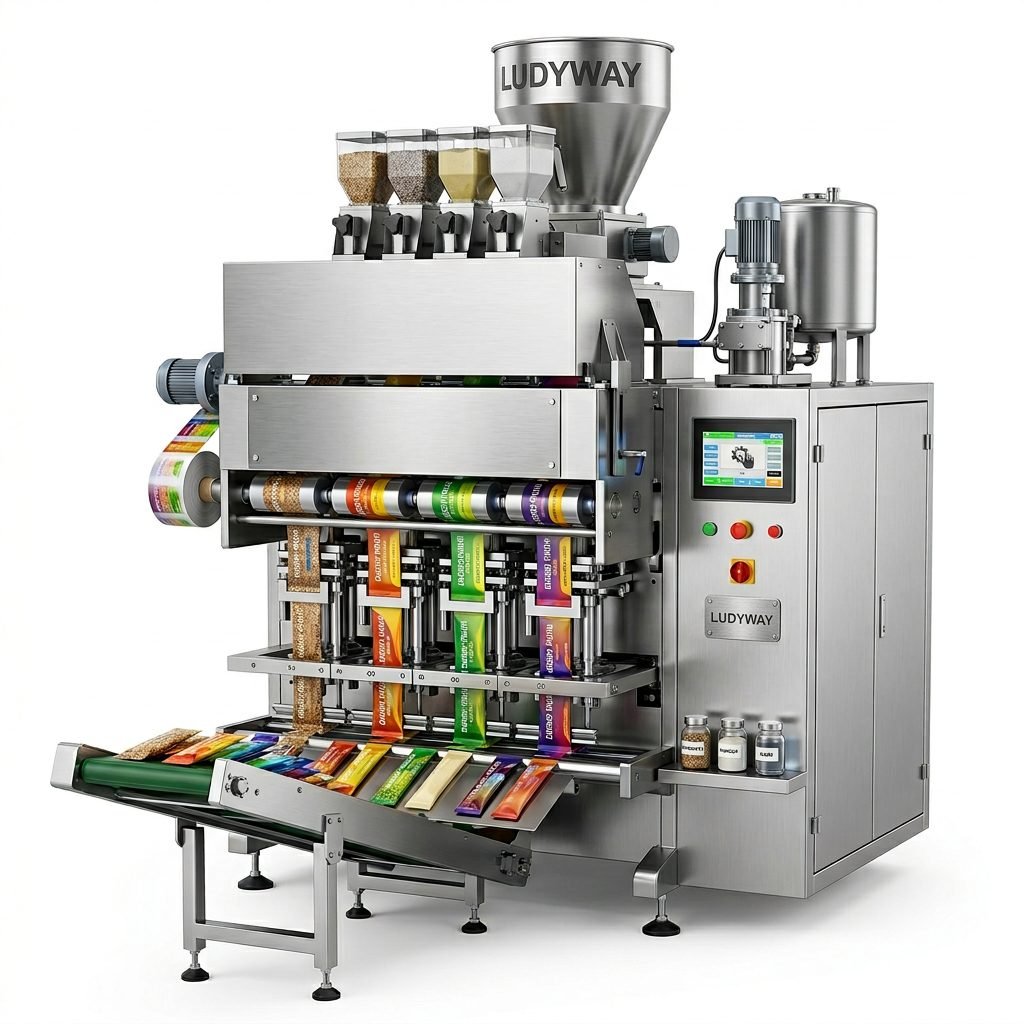
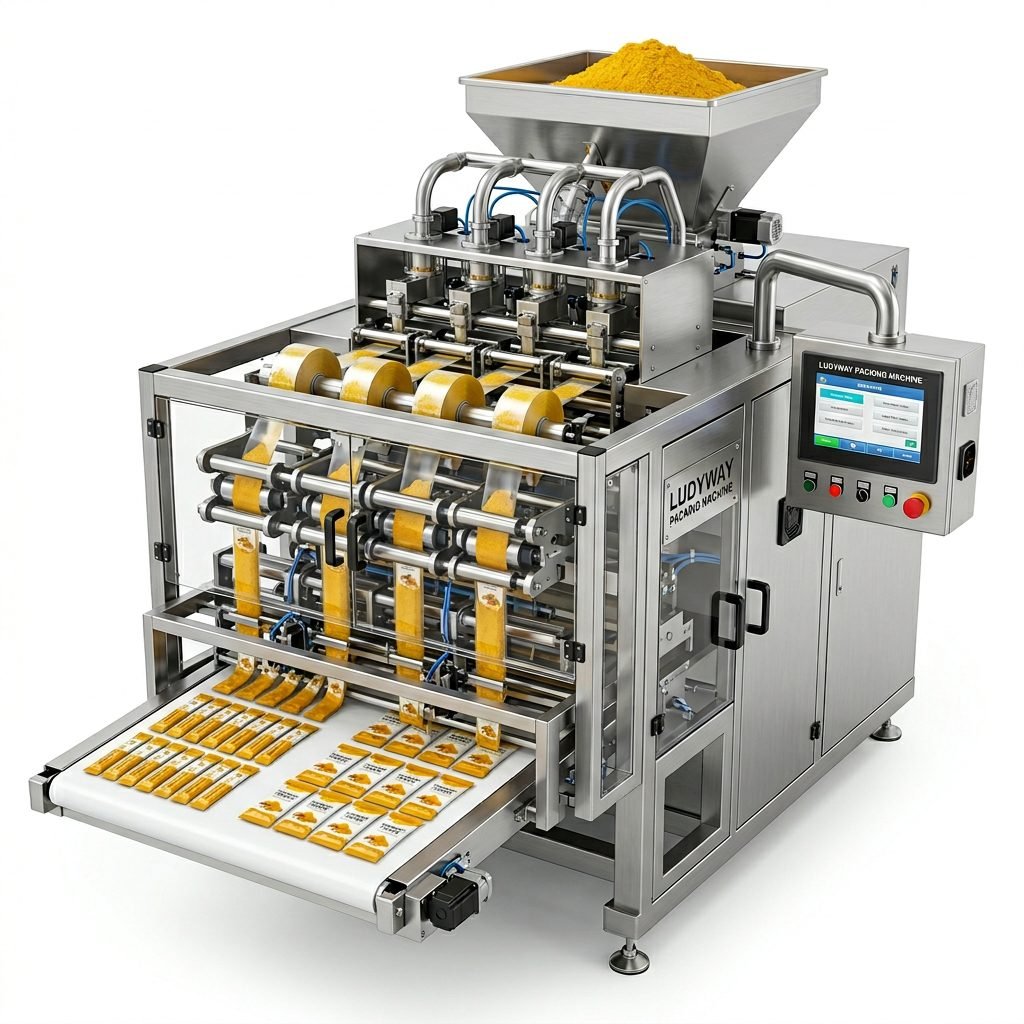
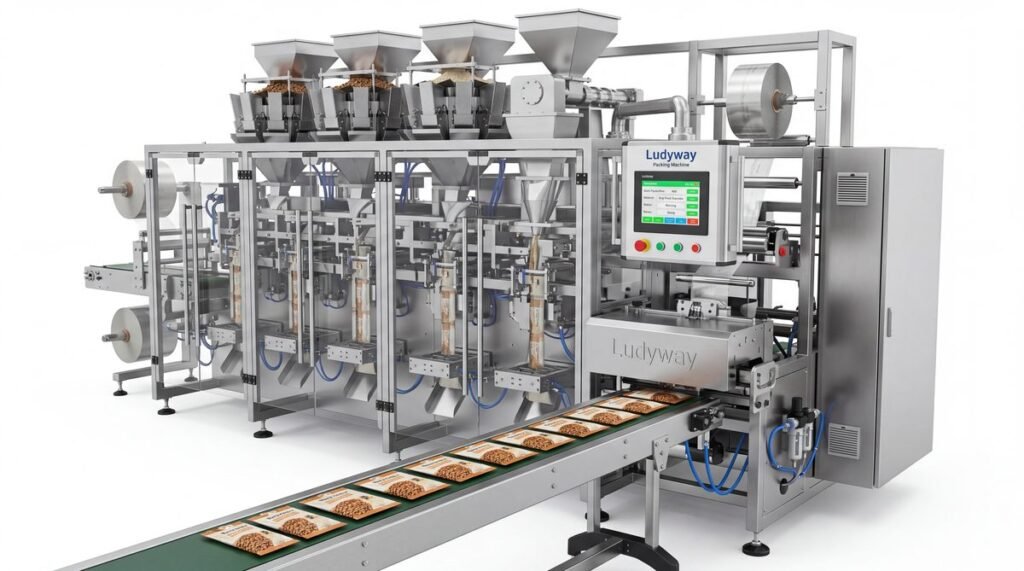
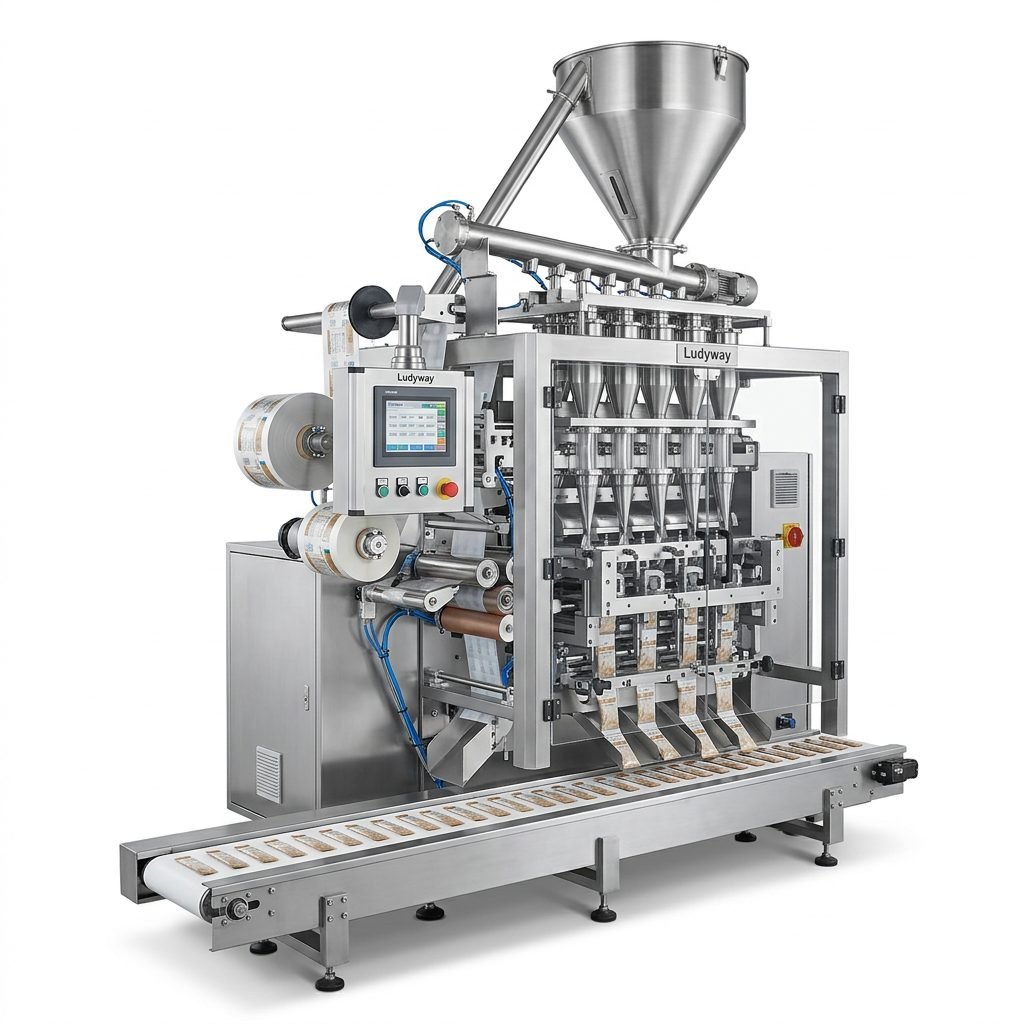
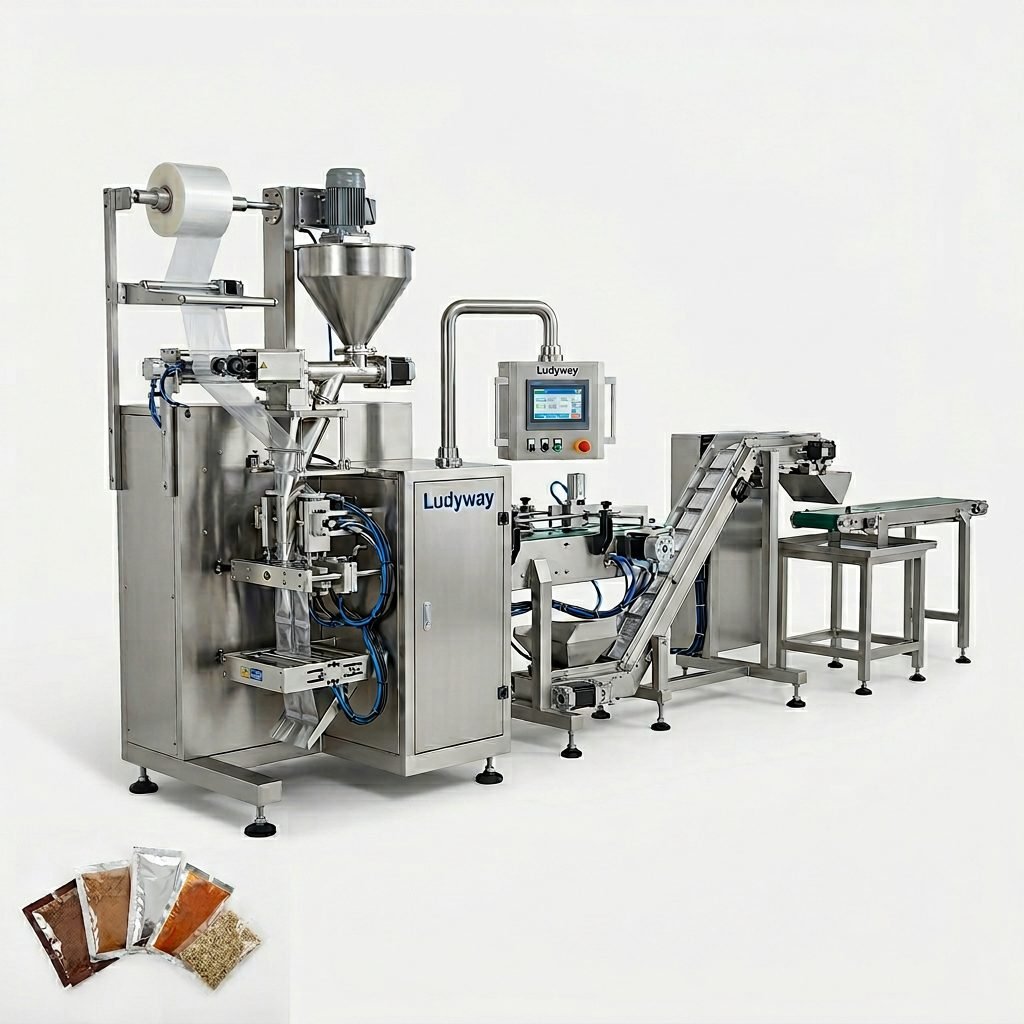
Selecting the right pillow type packing machine is one of the most important equipment decisions a manufacturer can make. Whether you are packaging snacks, powders, pharmaceuticals, or hardware components, the machine you choose affects production speed, packaging quality, material costs, and long-term operational reliability. This guide walks through the key technical, operational, and supplier evaluation factors you should consider before investing in a pillow packaging machine.
A pillow packaging machine — also known as a pillow bag packaging machine or horizontal form fill seal machine — creates a characteristic pillow-shaped bag by forming a tube from roll stock film, filling it with product, and sealing both ends. These machines are widely used across food, pharmaceutical, cosmetic, chemical, and industrial product industries due to their speed, flexibility, and cost-effectiveness. Understanding how to evaluate different models and configurations will help you select equipment that matches your specific production goals.
Understanding Pillow Type Packaging Machine Categories
Before comparing specific models, it helps to understand the primary categories of pillow packaging equipment. Each type suits different applications, production volumes, and product characteristics.
- Horizontal pillow packaging machines — Product is fed horizontally into the film tube. Best suited for solid, discrete items such as baked goods, hardware, medical devices, and confectionery. These machines can run at exceptionally high speeds, often exceeding 300 packs per minute.
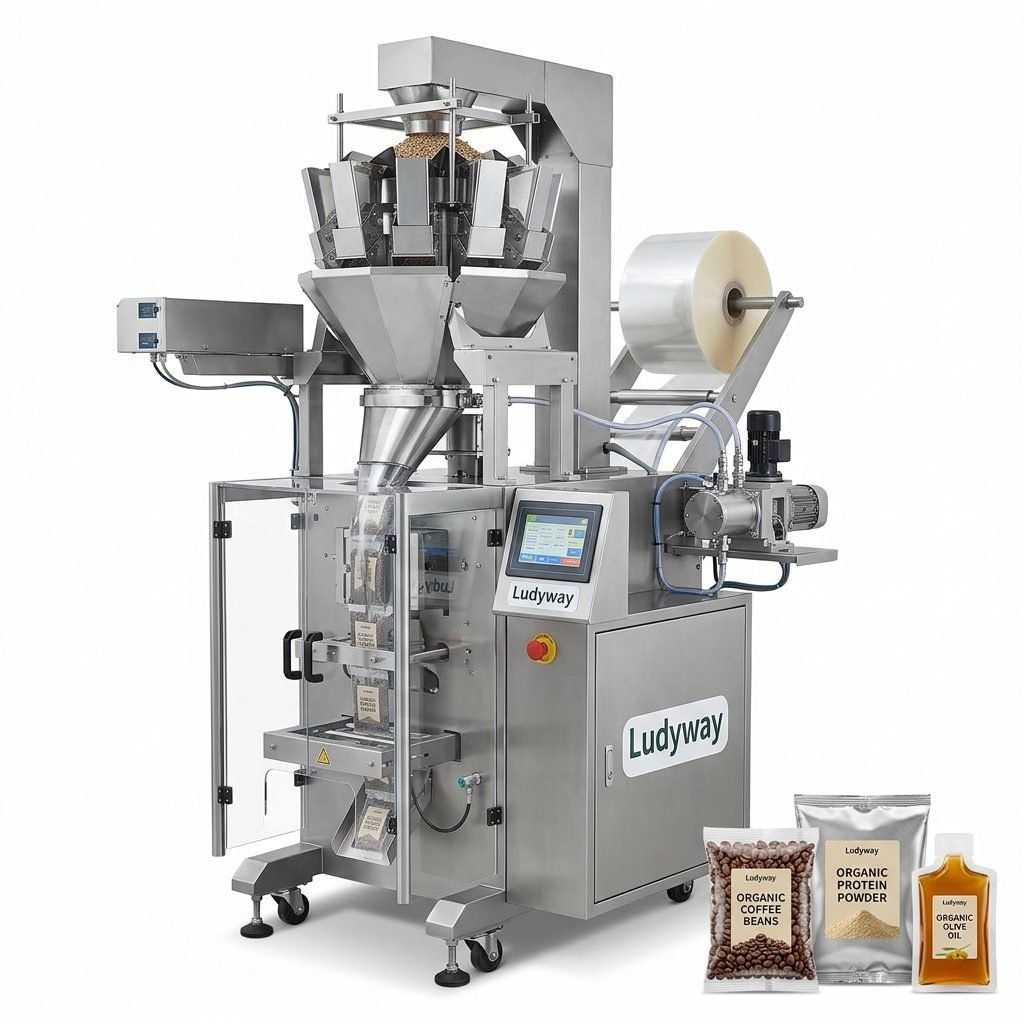
- Vertical pillow packaging machines — Product drops vertically from above into the forming film tube. Ideal for granules, powders, liquids, and free-flowing solids. Common in coffee, sugar, snack food, and chemical powder applications.
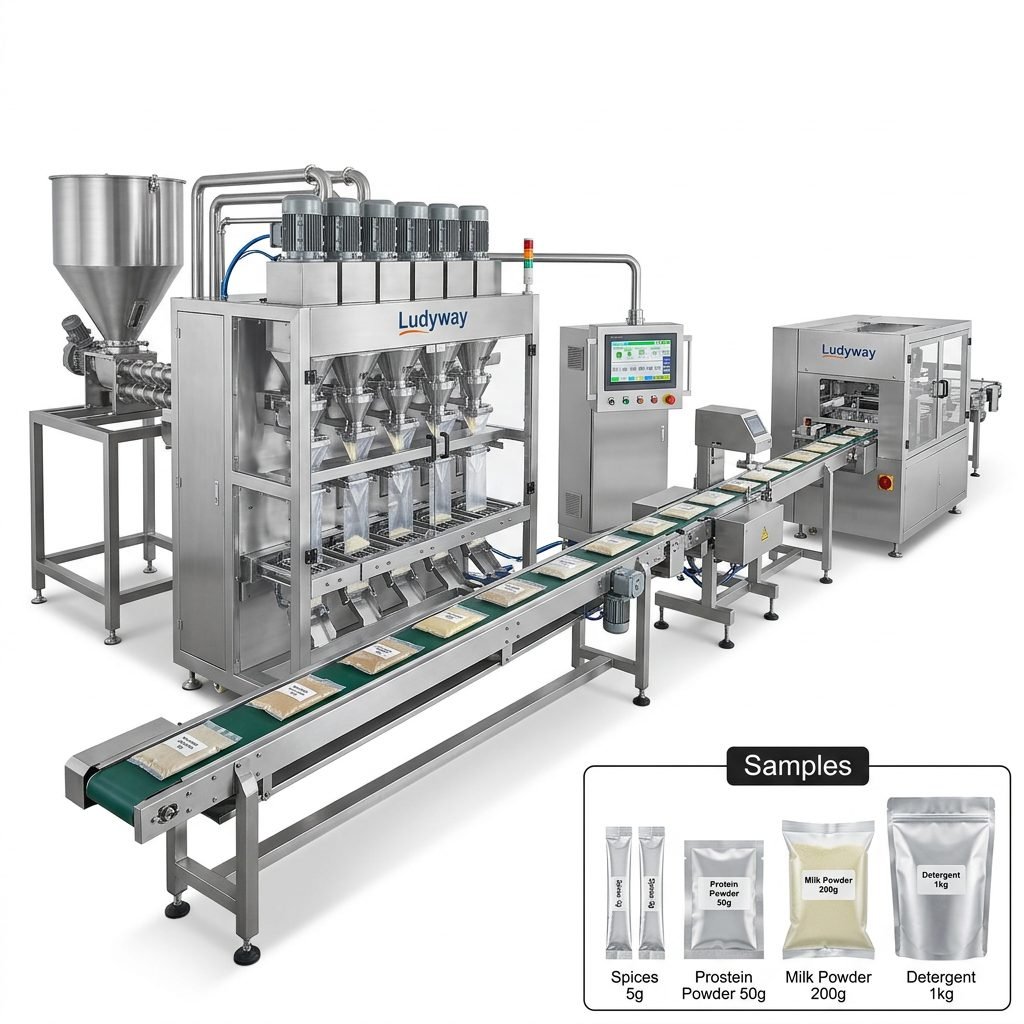
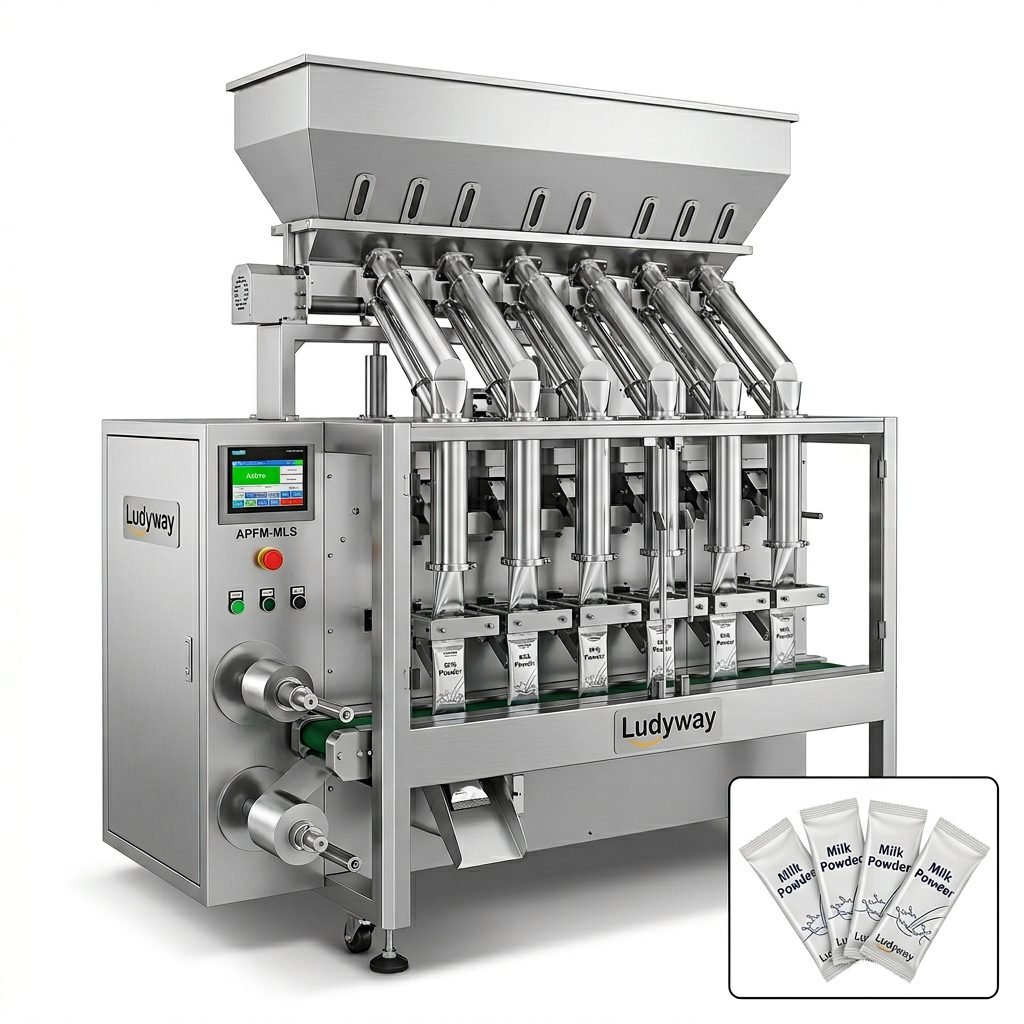
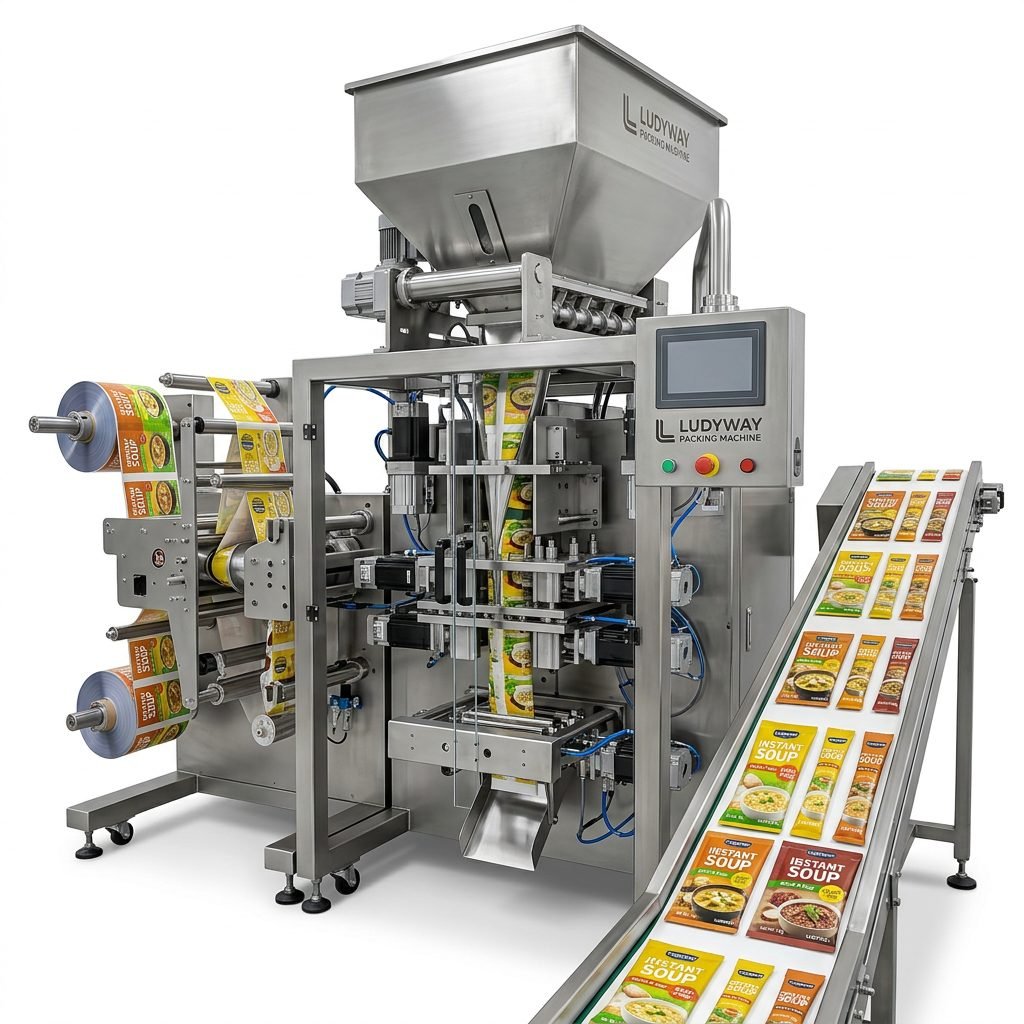
- Multi-lane pillow packaging machines — Run multiple packaging lanes simultaneously from a single machine frame. Dramatically increases output without proportionally increasing floor space. Essential for high-volume stick pack, sachet, and single-serve applications.
- Servo-driven vs. mechanically driven — Servo-driven machines offer programmable, precise control over film feeding, sealing, and cutting. Mechanical machines rely on cam and linkage systems. Modern servo pillow packaging machines provide faster changeovers and greater flexibility.
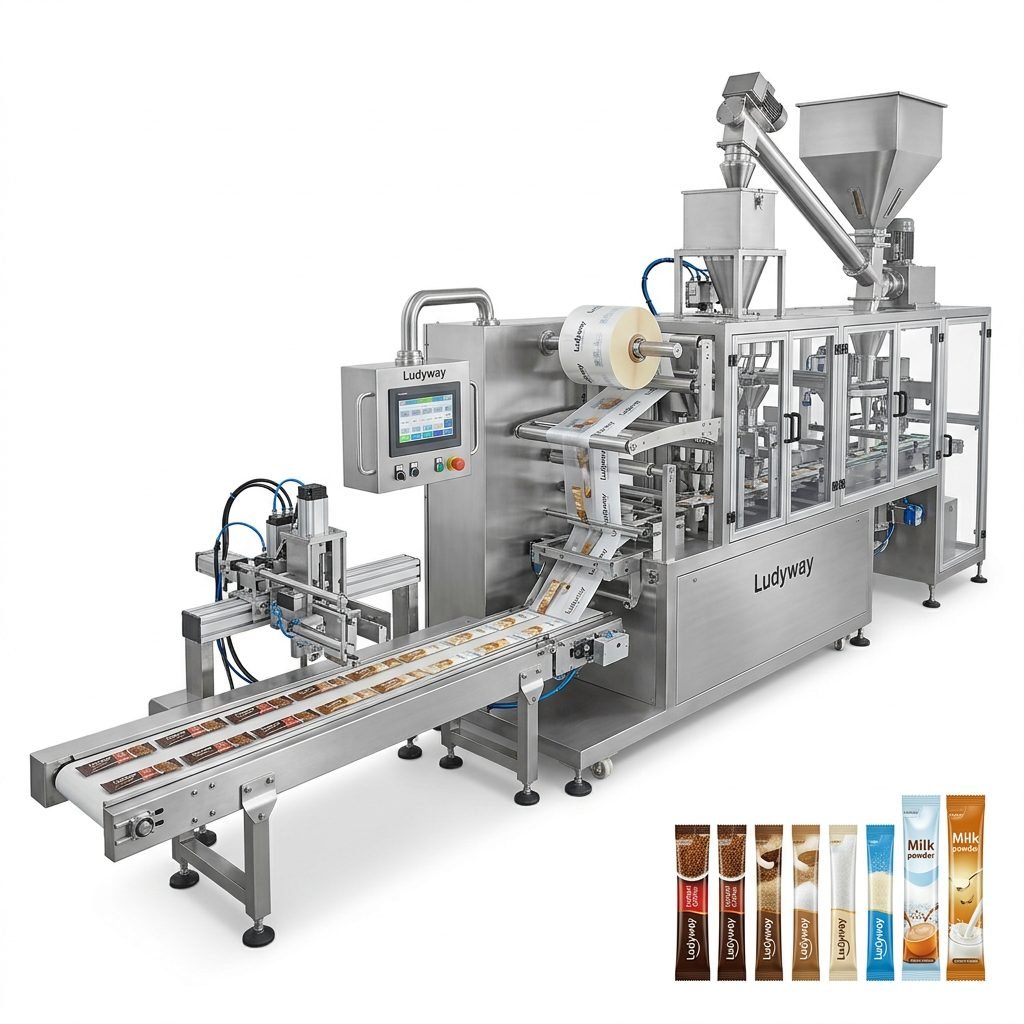
Key Factors to Evaluate When Selecting a Pillow Packaging Machine
Making an informed decision requires evaluating several interconnected factors. The following checklist helps you systematically assess machine suitability for your production environment.
Product Characteristics and Compatibility
Your product’s physical properties determine which feeding, filling, and sealing systems will work effectively. Consider these product-specific variables:
- Product type: Solid pieces, granules, powders, liquids, pastes, or combinations
- Piece size and uniformity: Consistent piece size supports higher speeds and fewer jams
- Product fragility: Delicate products may require gentle handling systems to prevent breakage
- Flow characteristics: Free-flowing versus cohesive products require different feeding mechanisms
- Hygiene requirements: Food and pharmaceutical applications demand sanitary machine designs, often with stainless steel construction and washdown capability
Packaging Material Considerations
The type of flexible packaging material you plan to use directly affects sealing system requirements, achievable speeds, and final package quality. Not all pillow packaging machines handle all film types equally well.
- Film type: Laminated films, polyethylene, polypropylene, paper-based laminates, foil laminates, and biodegradable films each have different heat-sealing characteristics
- Film thickness: Determines the sealing jaw temperature and dwell time requirements
- Barrier properties: Moisture, oxygen, and light barrier needs for product shelf life
- Print registration: Machines equipped with photocell registration systems can accurately position printed film for consistent branding
Production Speed Requirements
Production speed is often the primary driver of machine selection, but be realistic about your current and future throughput needs. Key considerations include:
- Current daily or shift-based production volume targets
- Projected growth over the next 3 to 5 years
- Peak season versus average production demands
- Number of SKUs and changeover frequency between products
- Upstream and downstream equipment speeds to avoid bottlenecks

Machine Configuration and Technical Specifications
Once you understand your product and production requirements, you can evaluate specific machine configurations. The table below summarizes key technical specifications to compare across different pillow packaging machine models.
| Specification | What to Look For | Impact on Operations |
|---|---|---|
| Bag width range | Minimum to maximum achievable bag width | Determines product size flexibility and SKU range |
| Bag length range | Adjustable cut-off length settings | Affects portion size options and packaging format versatility |
| Sealing system type | Heat seal, ultrasonic, or impulse sealing | Film compatibility and seal integrity for different materials |
| Filling system | Volumetric, auger, multi-head weigher, liquid pump, or counting system | Accuracy, speed, and product-specific suitability |
| Number of lanes | Single-lane or multi-lane configuration | Directly multiplies output capacity; up to 20+ lanes available |
| Control system | PLC with touchscreen HMI interface | Ease of operation, recipe storage, and diagnostics capability |
| Frame construction | Stainless steel or painted carbon steel | Durability, hygiene compliance, and washdown suitability |
| Changeover time | Tool-less adjustment features and recipe memory | Minimizes downtime between product runs |
Evaluating Supplier Capabilities and Support
The quality of your relationship with the packaging machine manufacturer significantly influences your long-term satisfaction with the equipment. Beyond comparing machine specifications, evaluate each supplier on these dimensions:
Manufacturing Experience and Industry Expertise
Look for a supplier with a demonstrated track record in your specific industry segment. The Packaging Machinery Manufacturers Institute (PMMI) provides industry resources and standards that can help you understand what to expect from professional packaging equipment manufacturers. A supplier familiar with your industry’s regulatory environment, production challenges, and packaging trends will deliver a more suitable solution than a generalist machine builder.
Customization and Engineering Capabilities
Rarely does a standard machine perfectly match every production scenario. Evaluate whether the supplier can customize equipment for your specific needs, including product-specific feeding systems, specialized sealing requirements, integration with existing lines, and custom bag formats. Machine manufacturers with strong in-house engineering capabilities can design and build solutions tailored to challenging applications rather than forcing your product to fit a standardized machine configuration.
After-Sales Technical Support
Technical support availability directly impacts your production uptime. Key support elements to verify include remote diagnostic capabilities, spare parts availability and shipping speed, onsite service technician availability in your region, comprehensive operator and maintenance training programs, and clear warranty terms with defined response times. A supplier that provides global technical support with established regional service networks is particularly valuable for international operations.
Industries and Application Considerations
Different industries have distinct requirements that influence the selection of a pillow type packing machine. Understanding how your industry’s specific demands affect equipment configuration helps narrow down suitable options.
Food and Beverage Packaging
Food applications demand machines that meet stringent sanitary standards, often with stainless steel construction, washdown capability, and food-grade component materials. Products ranging from granules and powders like coffee and seasoning to solid items like cookies and snack bars each require specifically configured feeding and handling systems. The ability to maintain seal integrity is critical for product freshness and shelf life.
Pharmaceutical and Healthcare Packaging
Pharmaceutical pillow packaging requires precision dosing, validated processes, and compliance with regulatory standards. Machines must support cleanroom operation where required, provide consistent fill accuracy for dosage control, and handle sensitive products appropriately. Serialization and track-and-trace capabilities are becoming increasingly important in this sector.
Cosmetics and Personal Care
This industry segment often requires flexibility to handle multiple product formats and packaging styles on the same equipment. Quick changeover capability between different product types — from creams and liquids to powders — provides operational efficiency for manufacturers producing diverse product lines. Aesthetic packaging quality, including consistent seal appearance and precise print registration, directly affects brand perception.
Chemical and Industrial Products
Packaging machines for chemicals, fertilizers, cleaning products, and industrial additives must often handle aggressive or abrasive products while maintaining reliable sealing performance. Compatibility with specialized packaging materials that provide chemical resistance and durability under storage and transport conditions is essential.
Making the Final Selection Decision
After evaluating product requirements, technical specifications, and supplier capabilities, you should be positioned to make a confident equipment decision. To validate your selection, consider arranging a factory acceptance test with product samples, requesting references from existing customers with similar applications, and evaluating the total cost of ownership over the expected machine life rather than focusing solely on the initial purchase price. The state of the packaging industry continues to trend toward automation, flexibility, and data integration — choosing scalable equipment today positions your production operation for future growth.
For manufacturers seeking a reliable partner in pillow packaging machinery, Ludyway Machinery brings more than three decades of packaging equipment expertise, serving customers across food, pharmaceutical, cosmetic, chemical, and industrial sectors with customized, automated packaging solutions designed for global production environments.
Additional Resources
- Flexible Packaging Association Industry Resources — Data on flexible packaging materials and market trends relevant to pillow packaging applications
- PMMI Packaging Industry Resources — Standards, guidelines, and educational content for packaging machinery buyers
- FDA Food Packaging and Food Contact Substances — Regulatory information for food-contact packaging materials