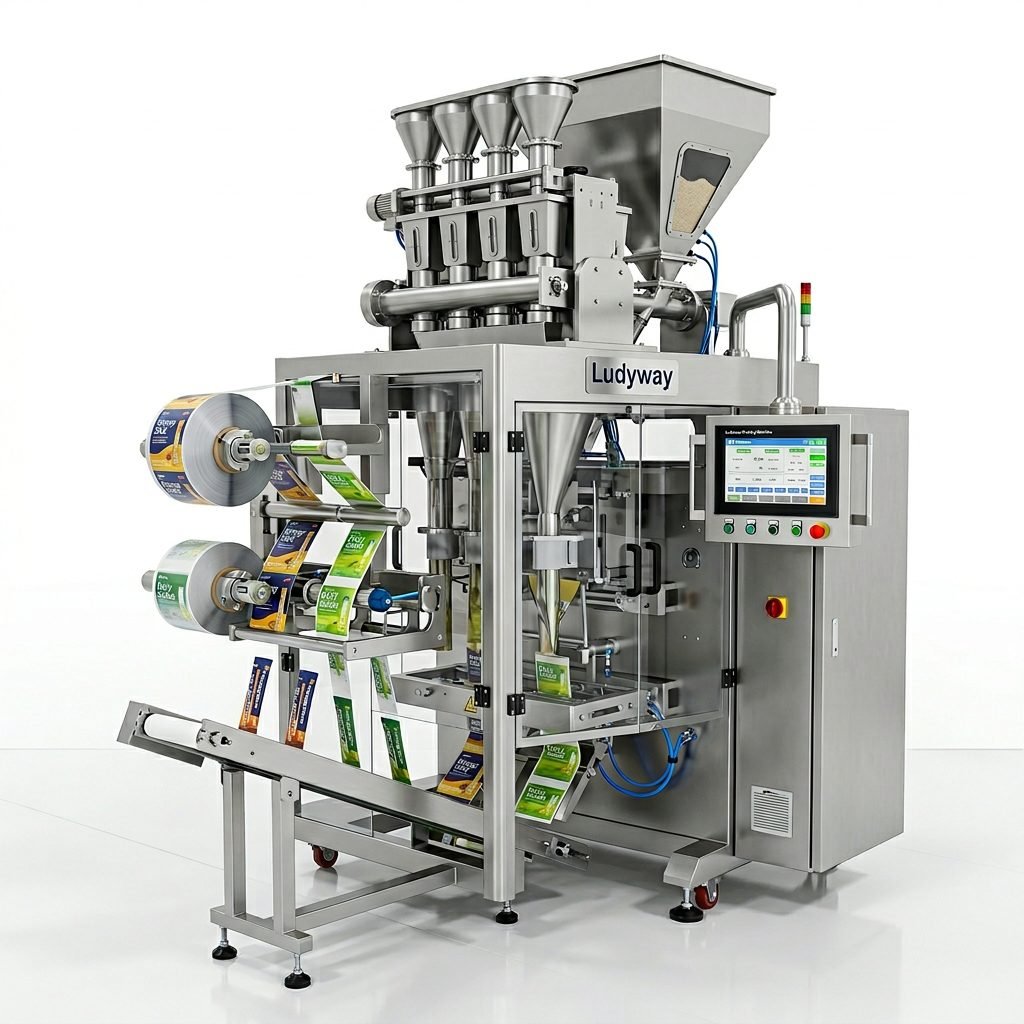
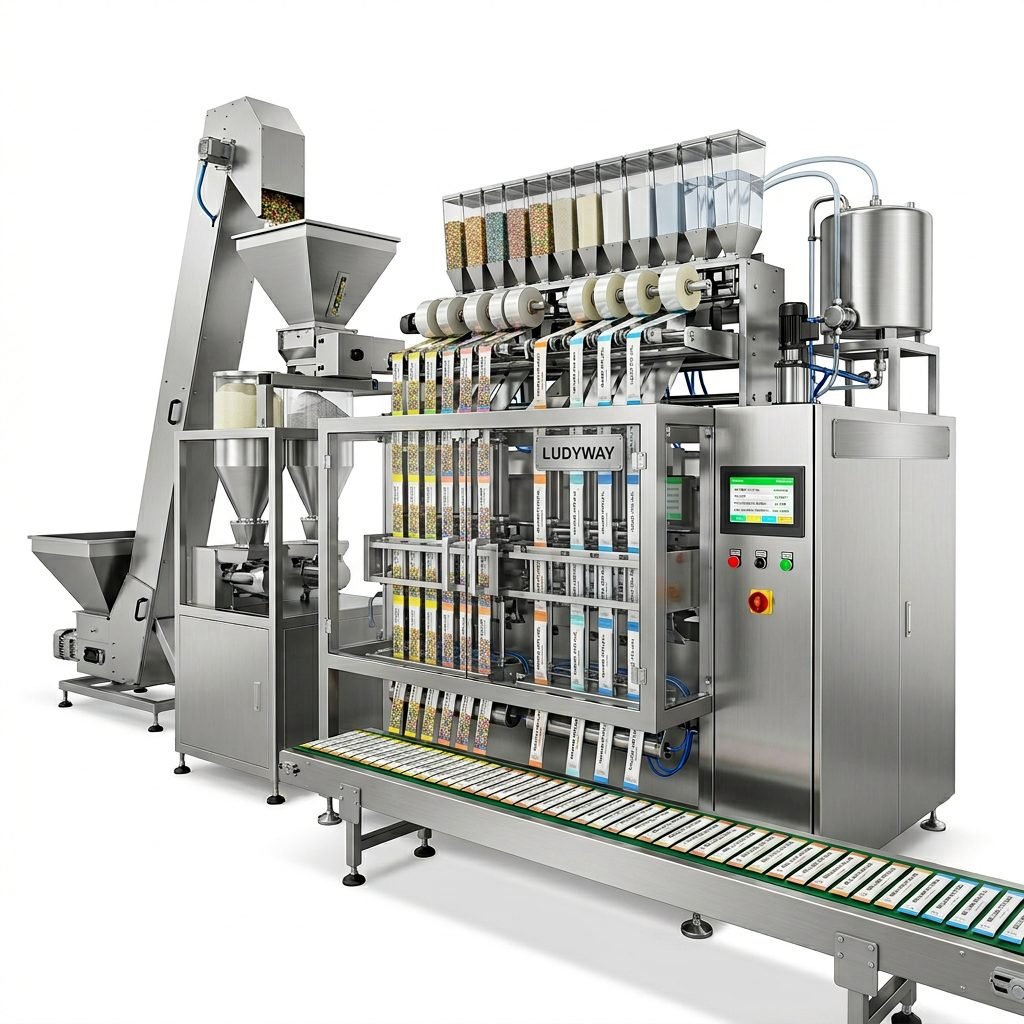
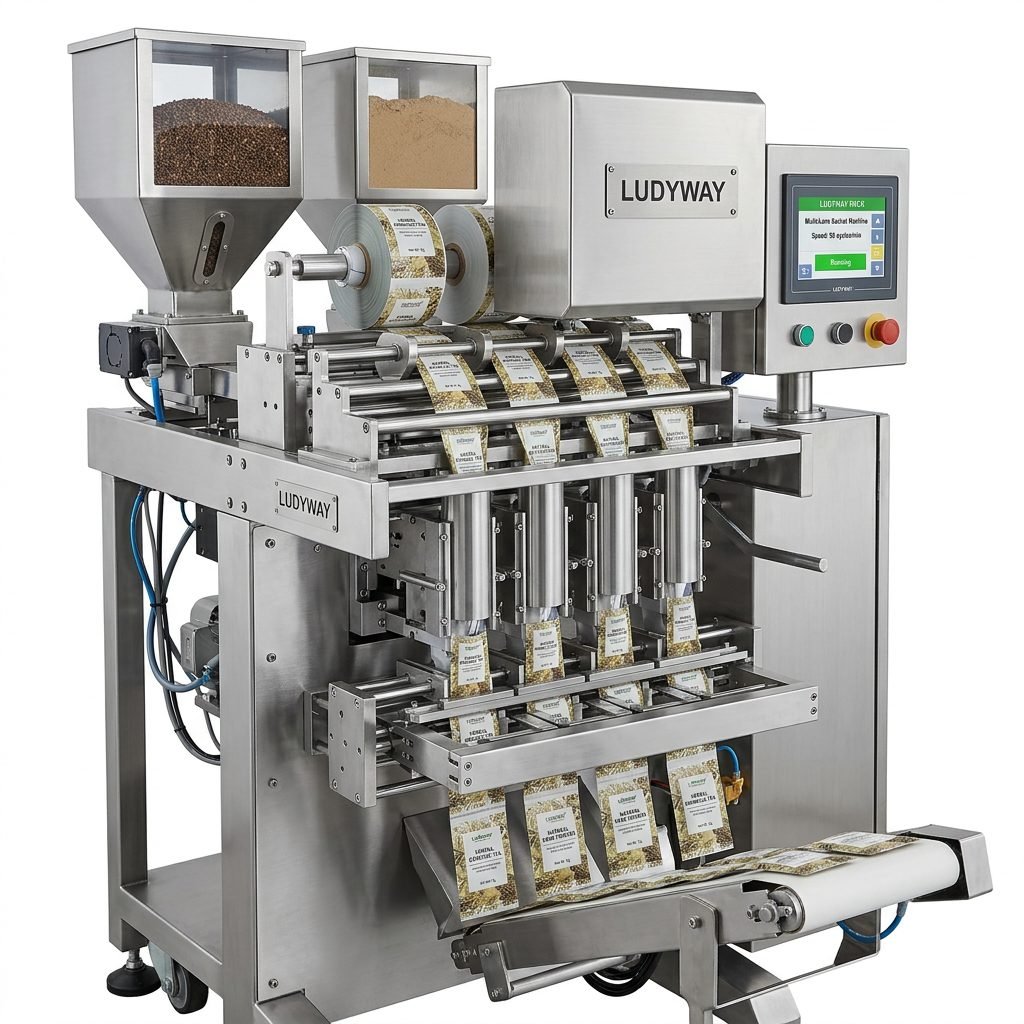
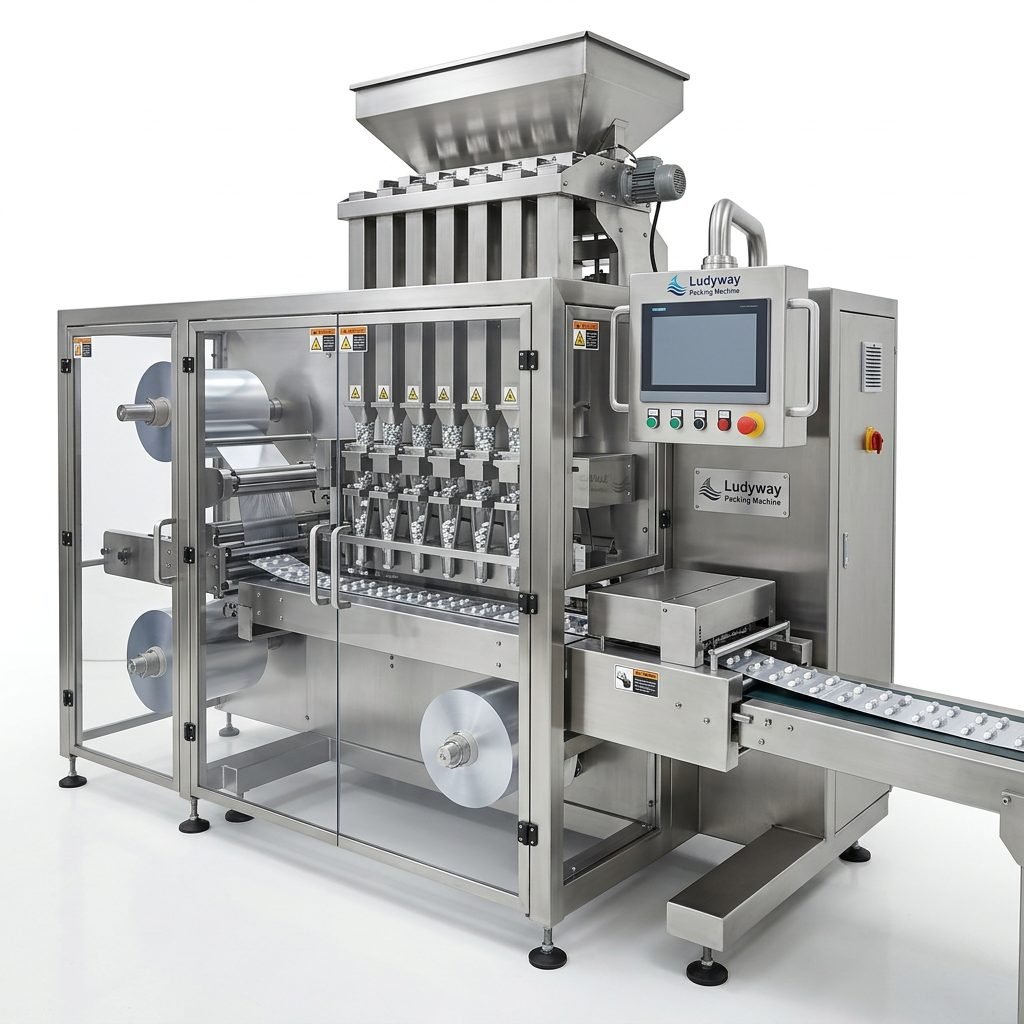
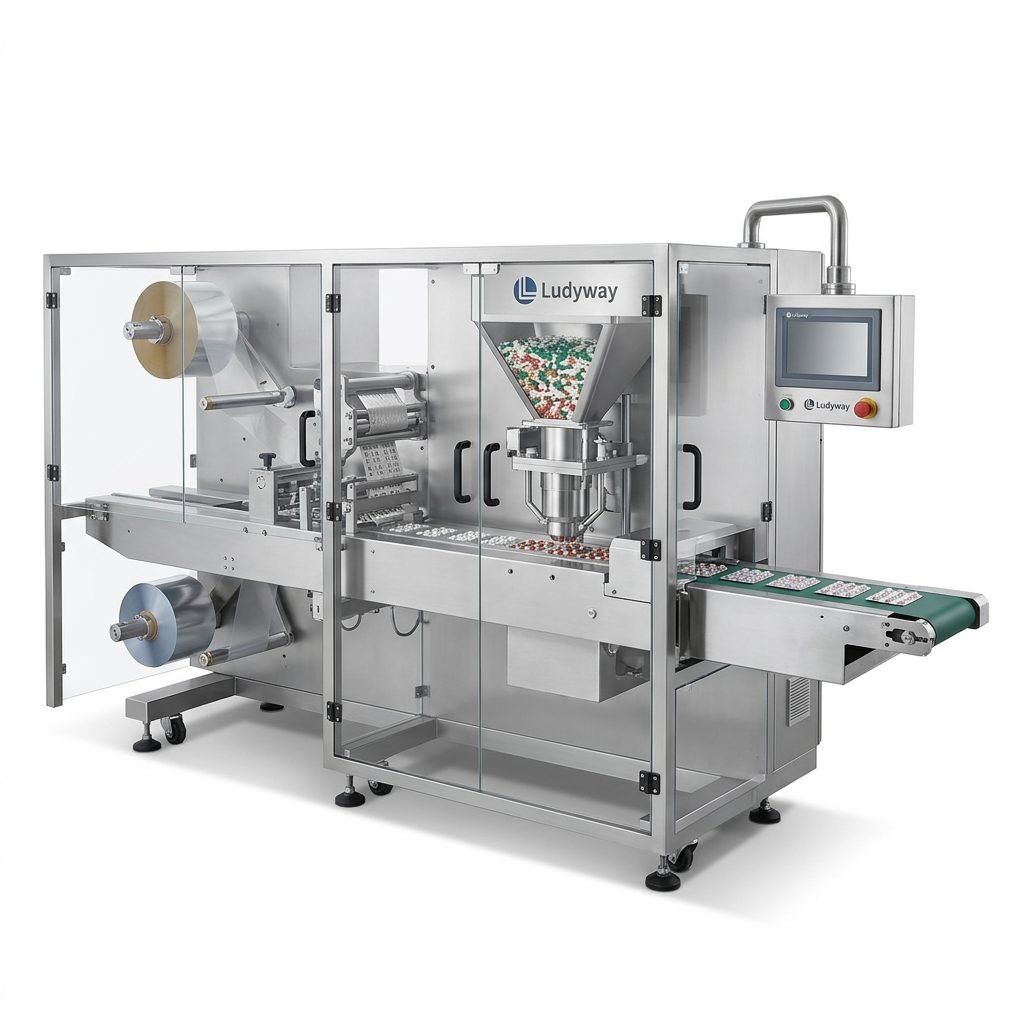
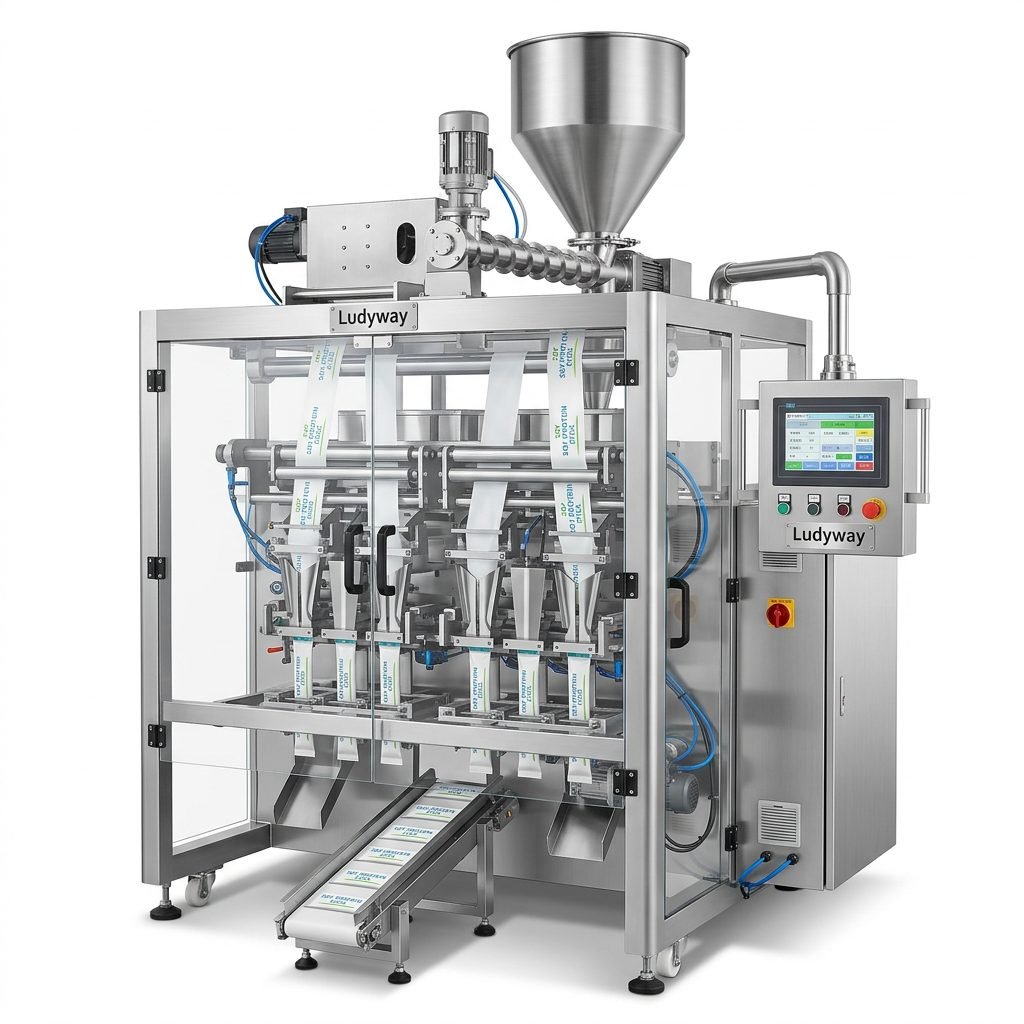
Regular maintenance of your small tea packing machine is not just about extending its lifespan—it’s about ensuring consistent sealing quality, accurate weight distribution, and hygienic packaging for your tea products. A well-maintained machine minimizes downtime, reduces costly repairs, and keeps your production line running smoothly. This comprehensive guide walks you through the essential cleaning and maintenance routines every operator should follow.

Why Routine Cleaning Is Critical for Tea Packaging Equipment
Tea leaves and powders generate fine dust and residue that can accumulate quickly inside your machine. This buildup affects several key functions:
- Sealing integrity – Dust on sealing jaws causes weak or uneven seals
- Weighing accuracy – Residual powder interferes with load cell sensitivity
- Mechanical wear – Abrasive particles accelerate component degradation
- Cross-contamination – Flavor carryover between different tea blends
According to industry standards from the PMMI packaging association, implementing a structured cleaning protocol can reduce unplanned downtime by up to 40% in food packaging operations.
Daily Cleaning Checklist for Your Tea Packing Machine
At the end of each production shift, complete these tasks without fail. Consistency here prevents the majority of long-term issues.
1. Remove and Clean Product Contact Surfaces
Disassemble the hopper, filling nozzles, and forming tube. Use a dry, lint-free cloth or a soft brush to remove tea particles. For sticky residues from herbal or flavored teas, a slightly damp cloth with food-grade cleaner works best—but ensure all surfaces are completely dry before reassembly.
2. Inspect and Wipe Sealing Jaws
The sealing jaws are the heart of your tea packing machine. Check for residue buildup on both the heated and pressure sides. Use a non-abrasive brass brush to gently remove any carbonized tea dust. Never use steel wool, as it scratches the surface and compromises seal quality.
3. Clean the Photocell Sensor
Dust on the registration sensor causes misaligned film tracking. Wipe the sensor lens with a clean microfiber cloth. This simple step prevents packaging material drift and wasted film.

Weekly Preventive Maintenance Tasks
Set aside dedicated time each week—typically 60 to 90 minutes—to perform these deeper inspections. Early detection of wear patterns saves thousands in emergency repairs.
| Component | Inspection Point | Action |
|---|---|---|
| Sealing belts | Surface wear and tension | Adjust tension or replace if frayed |
| Film rollers | Freedom of rotation | Lubricate bearings; check alignment |
| Cutting blade | Sharpness and edge condition | Sharpen or replace as needed |
| Air filters | Dust accumulation | Clean or replace clogged filters |
| Electrical connections | Loose terminals or corrosion | Tighten and apply contact cleaner |
The Flexible Packaging Association emphasizes that preventive maintenance programs are essential for maintaining consistent packaging quality and meeting food safety compliance standards.
Monthly Deep Maintenance Procedures
Monthly maintenance addresses components that wear gradually and require more thorough attention.
Lubrication Points
Refer to your machine’s lubrication chart. Key areas include:
- Cam followers and bearings – Apply food-grade grease sparingly
- Chain drives – Use appropriate chain oil; wipe off excess
- Guide rails and linear slides – Light machine oil to prevent sticking
- Pneumatic cylinders – A few drops of air tool oil in the air supply inlet
Important: Over-lubrication attracts dust and creates a grinding paste that accelerates wear. Always wipe away excess lubricant.
Calibration Verification
Check the weighing system calibration using certified test weights. Even a 0.5-gram drift per sachet translates to significant product giveaway over thousands of units. Also verify the temperature controller accuracy on sealing jaws with an external thermocouple probe.

Common Issues and Troubleshooting Tips
Even with diligent maintenance, occasional issues arise. Here are the most frequent problems operators encounter with small tea packing machines and their solutions:
- Inconsistent seal strength: Check temperature settings, jaw alignment, and dwell time. Clean jaws thoroughly and inspect for uneven wear patterns.
- Film wrinkling or misalignment: Verify roller parallelism and film tension. A bent forming tube or worn guide collar often causes tracking issues.
- Product bridging in hopper: Install a vibratory assist or agitator. In humid environments, tea powder may clump—consider a dehumidifier for the packaging area.
- Intermittent drop failures: Inspect the filling auger or volumetric cup for obstruction. Static electricity can also cause tea particles to cling—anti-static treatments help.
- Excessive machine vibration: Check for loose mounting bolts, worn bearings, or imbalanced rotating components.
Spare Parts Inventory Management
Maintaining a strategic spare parts inventory minimizes downtime when components fail. Based on typical wear patterns, keep these items on hand:
- Sealing jaw sets – Both heated and counter jaws
- Cutting blades – Rotary and guillotine types if applicable
- Thermocouples and heating elements
- Drive belts and timing belts
- Photocell sensors and registration components
- Common bearings and bushings
- Pneumatic seals and O-rings
For operators seeking reliable packaging machine manufacturers with comprehensive after-sales support, Ludyway provides detailed spare parts catalogs and technical documentation with every machine shipment, ensuring you always have access to genuine replacement components.
Safety Precautions During Maintenance
Lockout-tagout procedures are non-negotiable.
- Disconnect power and air supply before any internal cleaning or maintenance
- Allow sealing jaws to cool completely before handling—they retain heat long after shutdown
- Wear appropriate cut-resistant gloves when handling blades
- Use only food-grade lubricants and cleaners approved for packaging equipment
- Document all maintenance activities in a service log for traceability

Seasonal Considerations for Tea Packaging
Environmental conditions significantly impact machine performance. Tea is hygroscopic by nature—it absorbs moisture from the air. During humid summer months, pay extra attention to:
- Sealing temperature adjustments – Moisture-laden film requires slightly different heat settings
- Product flow – Humidity causes tea particles to stick together; consider climate-controlled hoppers
- Condensation prevention – Ensure pneumatic systems have proper moisture traps
For additional technical standards related to packaging machinery, refer to ISO packaging standards and guidelines published by PACK EXPO International, which showcase the latest innovations in packaging technology and best practices.
Training Your Team for Consistent Results
The best maintenance protocol is only as effective as the people executing it. Invest in structured operator training that covers:
- Hands-on disassembly and reassembly of key components
- Recognition of early warning signs—unusual sounds, vibrations, or odor
- Proper documentation practices for maintenance logs
- Emergency shutdown procedures and basic troubleshooting
A well-trained operator can prevent 80% of common machine failures through early detection and proper daily care. Schedule refresher training quarterly to reinforce best practices and introduce any updated procedures.
Implementing these cleaning and maintenance tips will keep your small tea packing machine operating at peak efficiency, delivering consistent, high-quality sachets that meet both your production targets and your customers’ expectations. Remember: a clean machine is a reliable machine, and reliability is the foundation of a successful tea packaging operation.