Selecting the right shampoo packaging machine is a critical decision for any personal care or cosmetics manufacturer. The right equipment not only ensures product integrity and shelf appeal but also directly impacts production efficiency, operational costs, and scalability. With a myriad of options available, from simple semi-automatic fillers to fully integrated robotic lines, navigating the market can be complex. This comprehensive guide will walk you through the different types of shampoo packaging machines, explain their working processes, and provide a detailed framework to help you choose the perfect machine for your specific production needs and business goals.
Understanding Shampoo Packaging Machines
Shampoo packaging machines are specialized equipment designed to automate the process of filling liquid shampoo into various containers—such as bottles, sachets, or pouches—and subsequently sealing, capping, and labeling them. The primary goal is to achieve high-speed, consistent, and hygienic packaging while minimizing waste and labor costs. These machines handle the unique challenges of shampoo, which can vary in viscosity (from thin, watery formulas to thick, creamy ones), may contain suspended particles or pearls, and often require protection from contamination and oxidation.
Key Function: The core function of any shampoo packaging machine is precise volumetric or weight-based filling. Accuracy is paramount, as overfilling wastes expensive product and underfilling can lead to regulatory non-compliance and customer dissatisfaction. Beyond filling, modern machines often integrate multiple downstream processes into a single, synchronized line.
Core Components of a Typical Machine
While designs vary, most shampoo packaging systems consist of several key modules:
- Container Feeding System: Automatically orients and feeds empty bottles, sachets, or tubes onto the conveyor.
- Filling Station: The heart of the machine, where a precise amount of shampoo is dispensed. Technologies include piston fillers, peristaltic pumps, and gravity fillers.
- Capping or Sealing Unit: Applies screw caps, snap-on lids, or heat-seals sachets/pouches.
- Labeling Station: Applies product labels, often with precision for front/back positioning.
- Control Panel (HMI): A user-friendly interface for setting parameters like fill volume, speed, and production counts.
Main Types of Shampoo Packaging Machines
The choice of machine type depends heavily on your production volume, container type, and level of desired automation. Here’s a breakdown of the most common categories.
1. By Automation Level
Semi-Automatic Machines
These machines require manual intervention for certain steps, such as placing bottles under the filling nozzle or applying caps. They are ideal for small businesses, start-ups, or pilot production runs where investment capital is limited and production volumes are low (e.g., a few hundred to a few thousand units per day). Their advantages include lower initial cost, flexibility for quick changeovers between different bottle sizes or products, and simpler maintenance.
Fully Automatic Machines
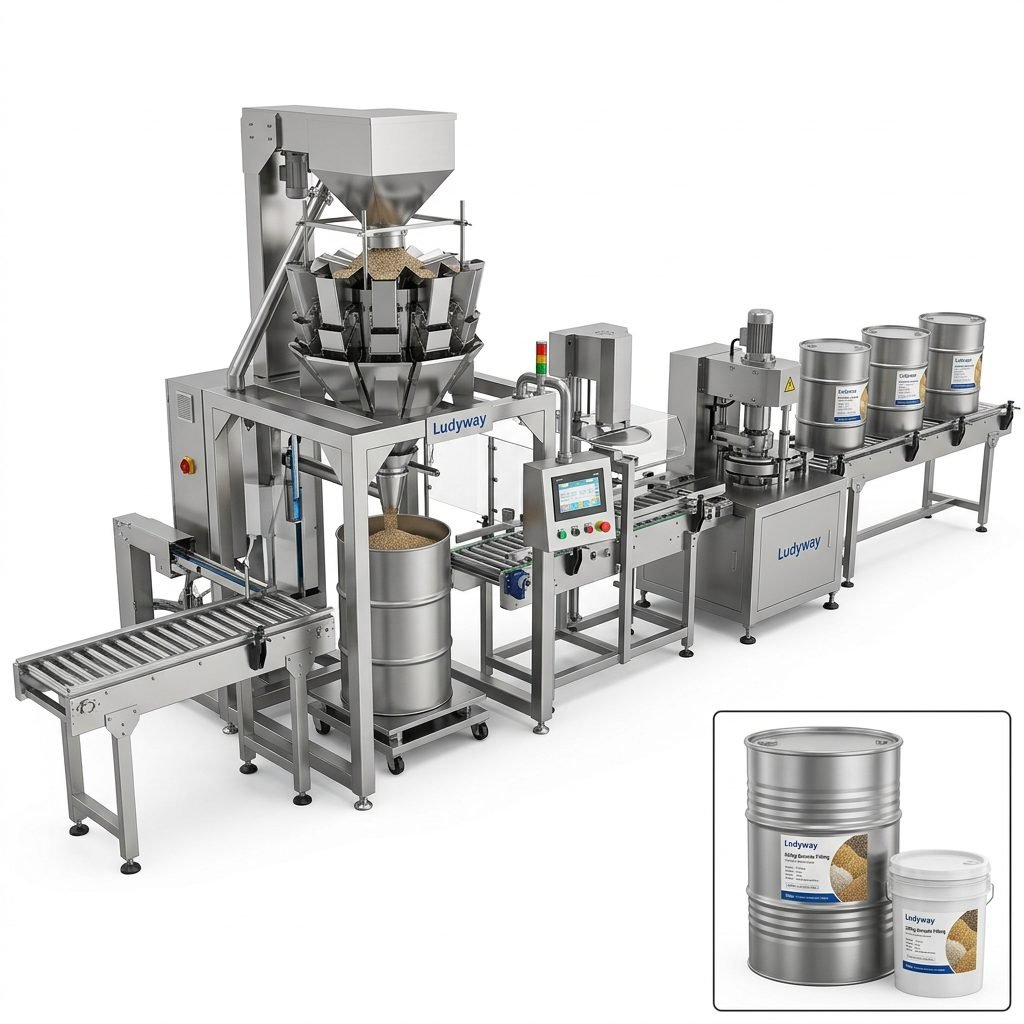
These are complete, integrated lines where containers are fed, filled, sealed, and labeled with minimal human oversight. They are designed for medium to large-scale manufacturers with high output requirements (thousands to tens of thousands of units per hour). Benefits include vastly higher speed, consistent quality, reduced labor costs, and enhanced hygiene as human contact with the product is minimized. They represent a higher initial investment but offer a faster return on investment (ROI) for high-volume production.
2. By Container Type
The packaging format dictates the machine design.
- Bottle Filling Machines: The most common type, designed for plastic (HDPE, PET) or glass bottles. They integrate filling, capping (screw-capping, snap-capping, pump dispensing), and labeling. Systems can handle a wide range of bottle shapes and sizes.
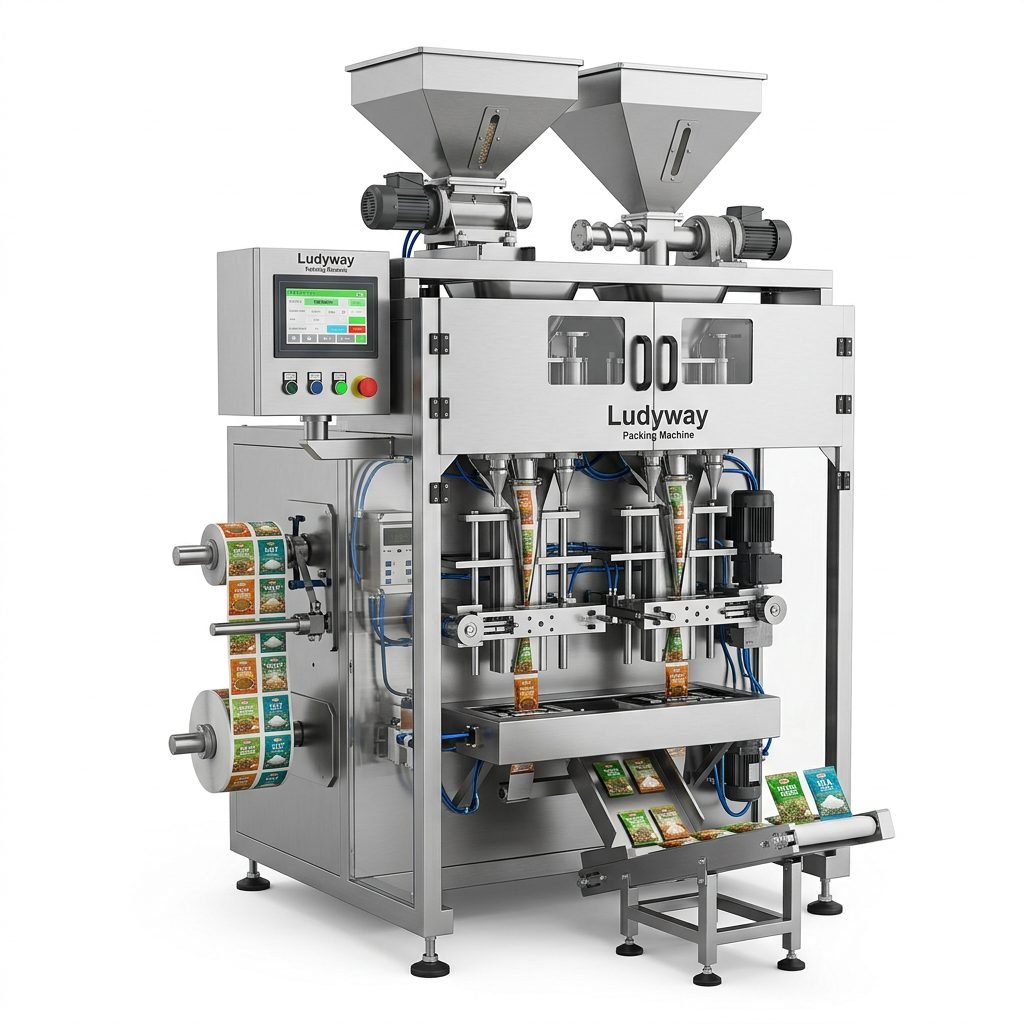
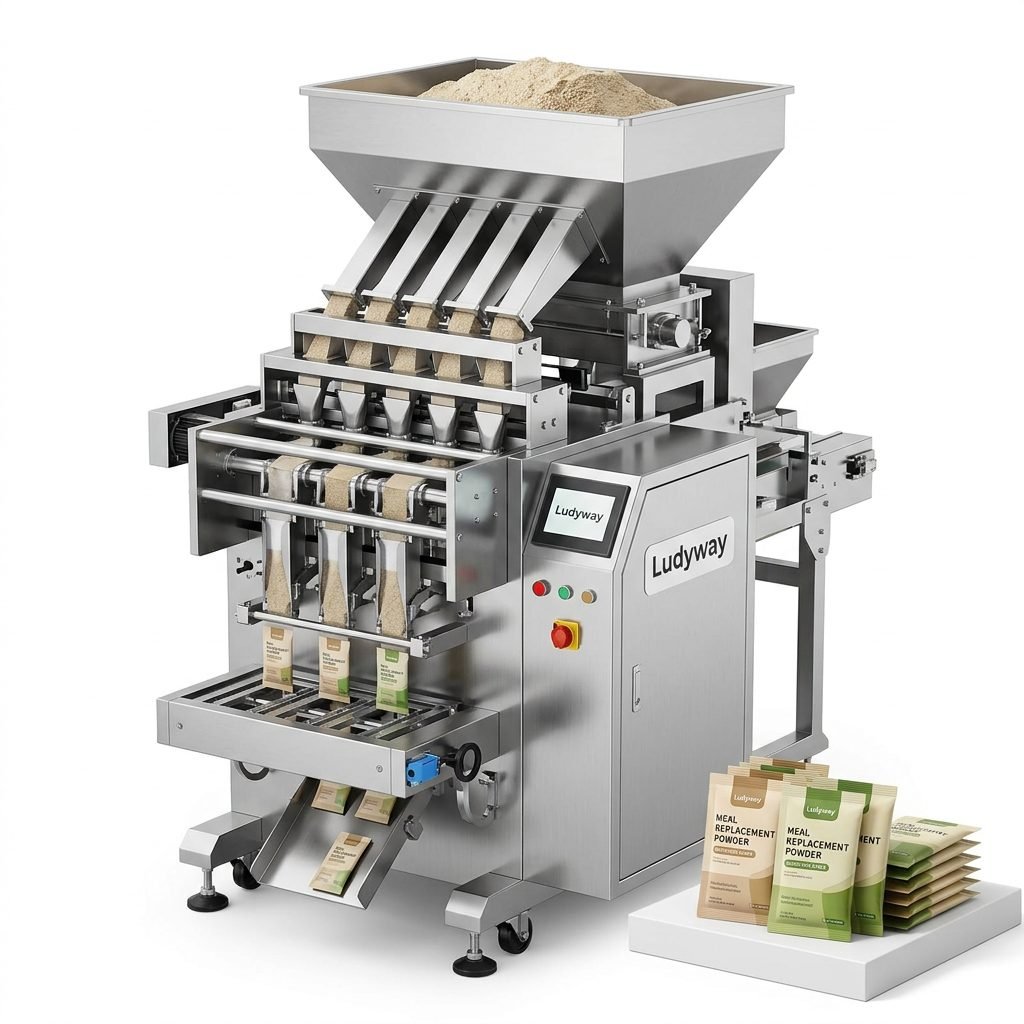
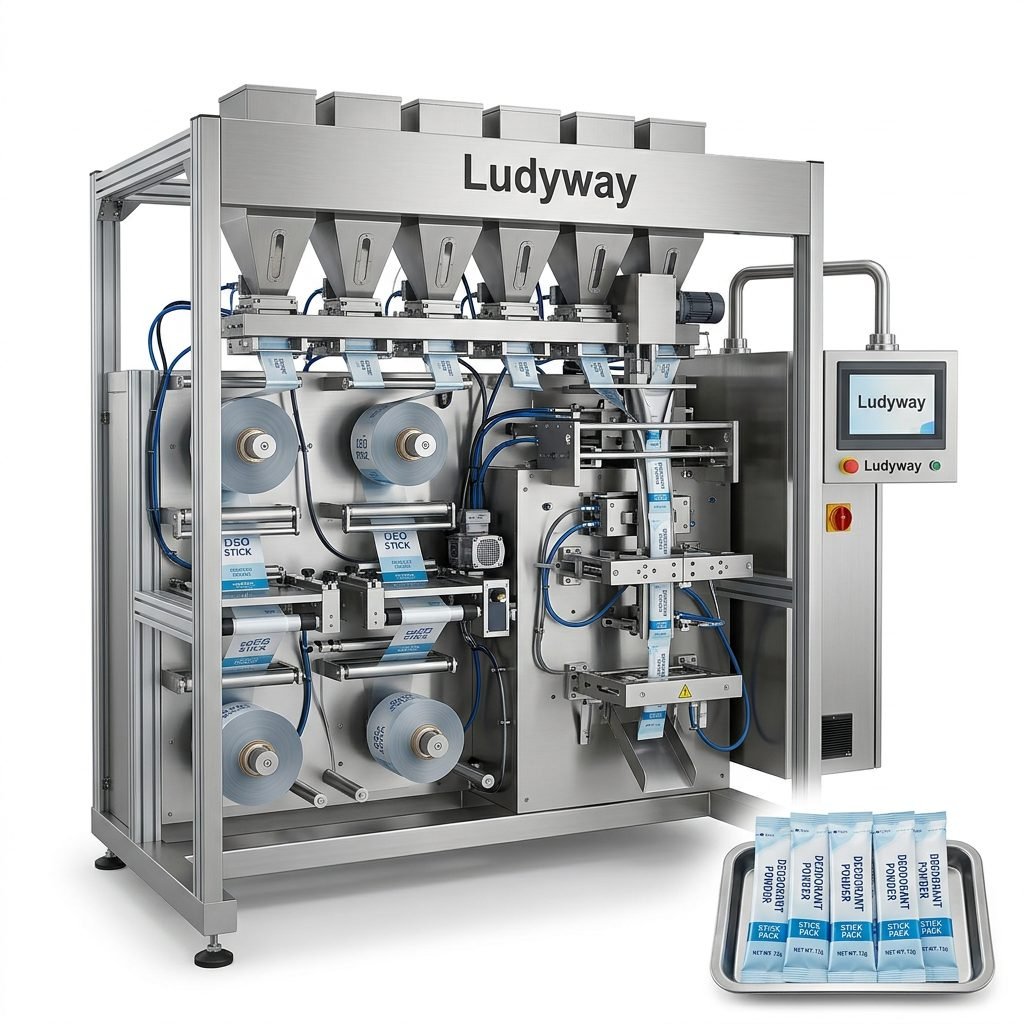
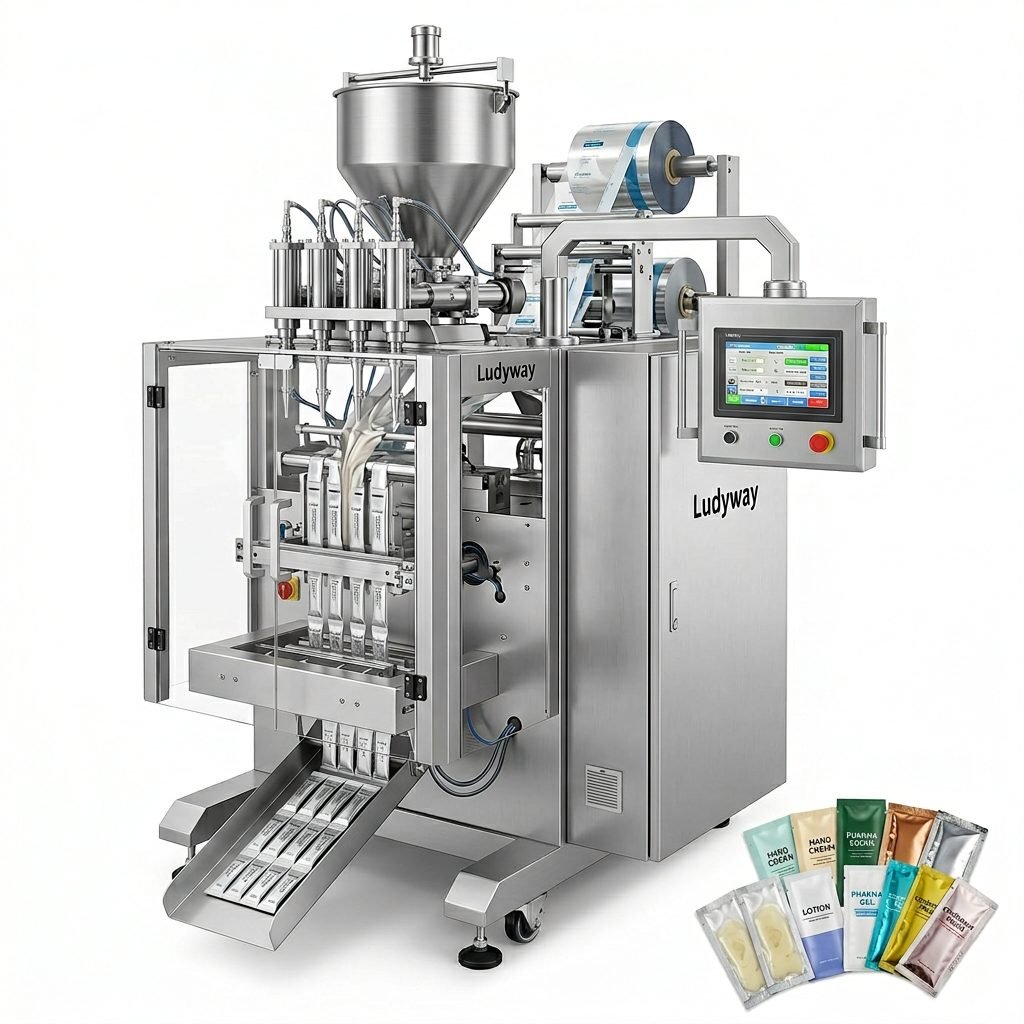
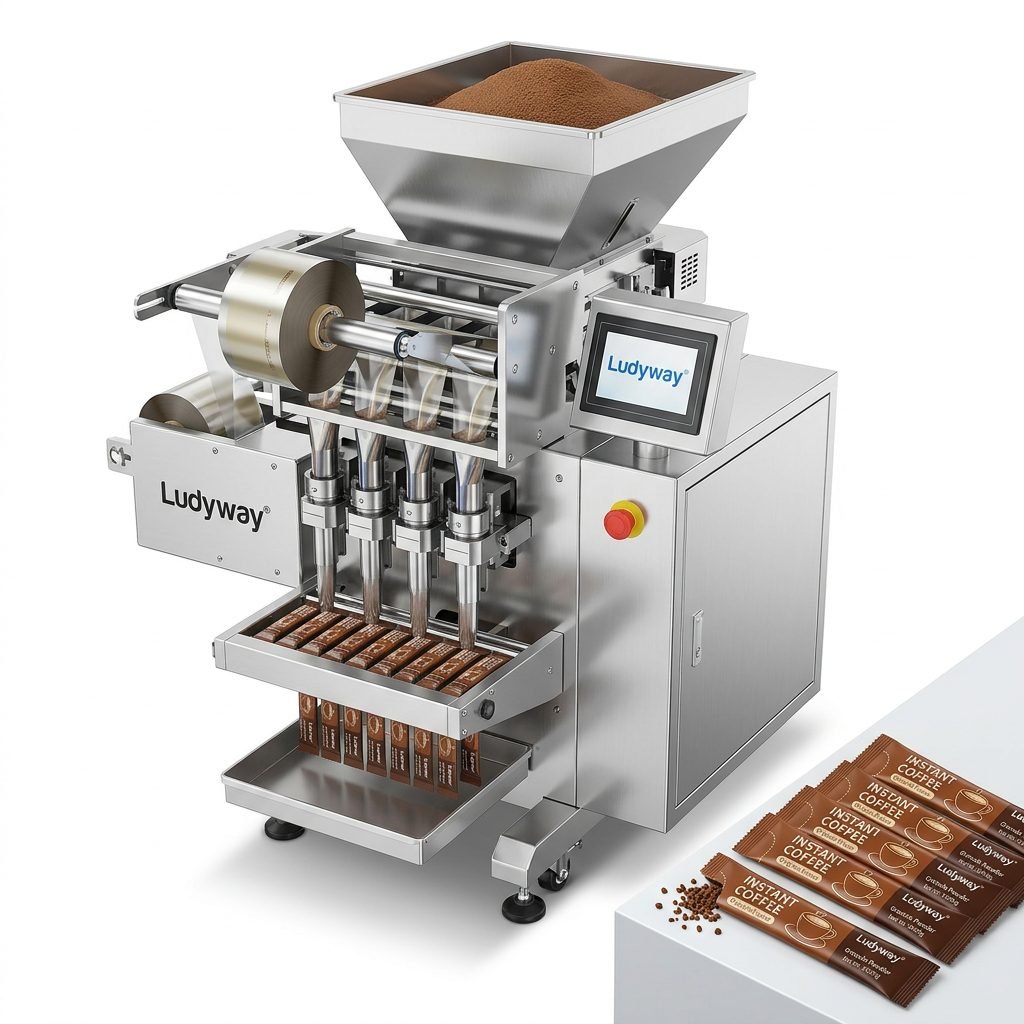
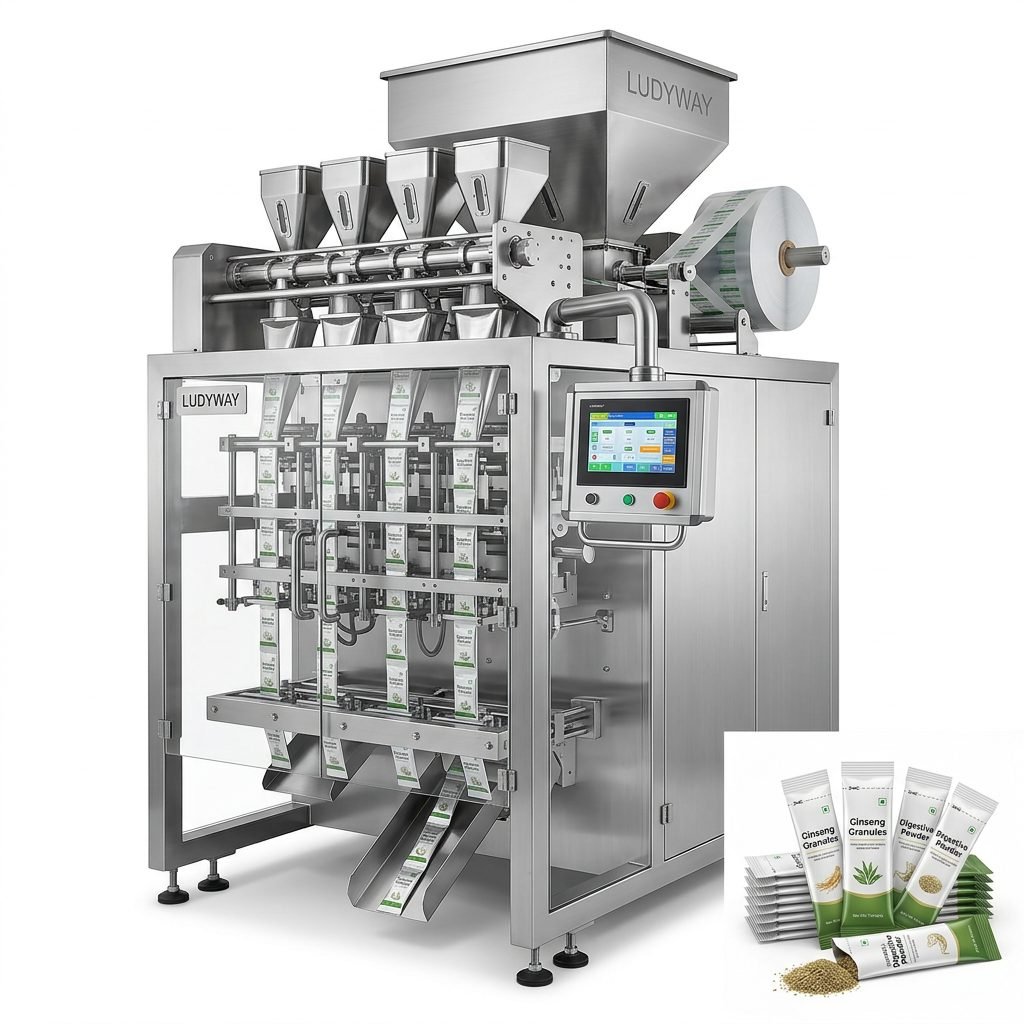
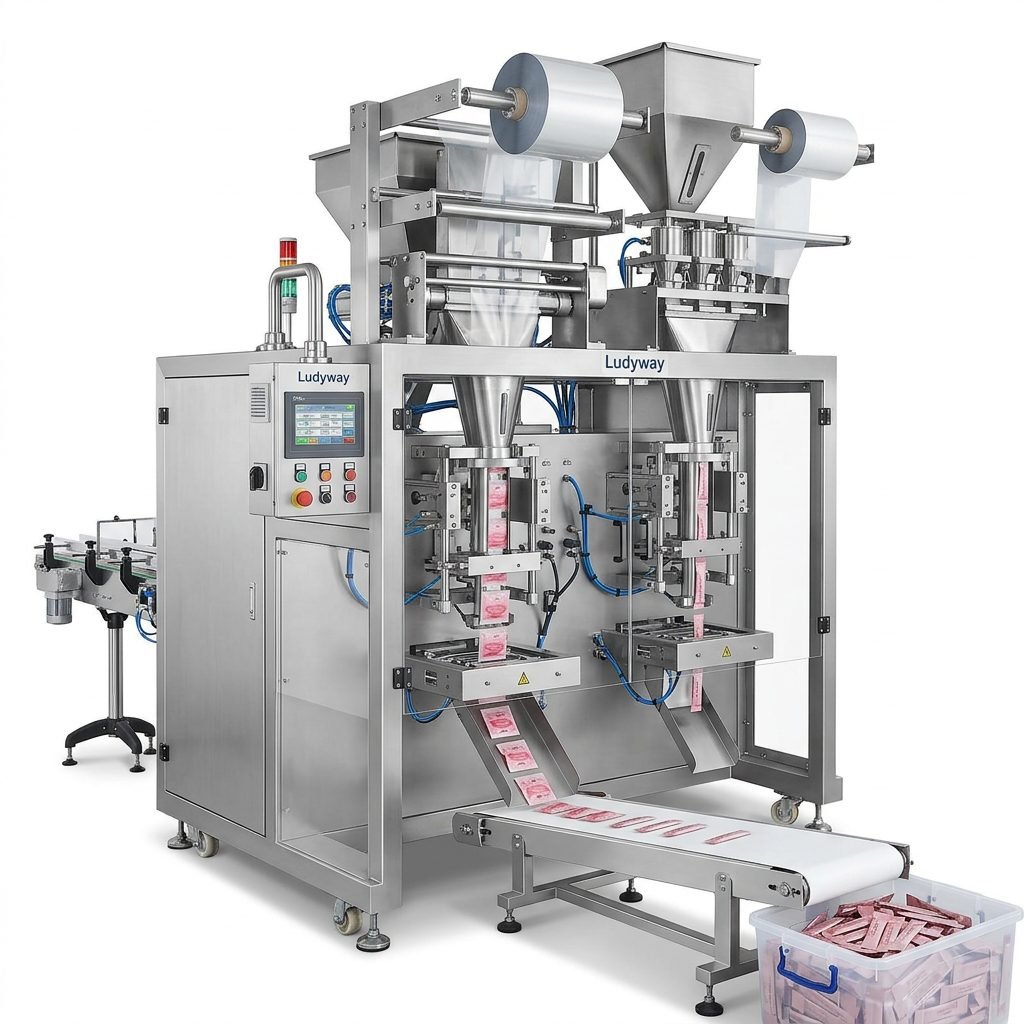
- Sachet & Stick Pack Machines: These machines form, fill, and seal single-use sachets or stick packs from a roll of laminated film. They are extremely popular for hotel amenities, product samples, and travel-sized items. They offer excellent barrier properties and are cost-effective for small unit volumes.
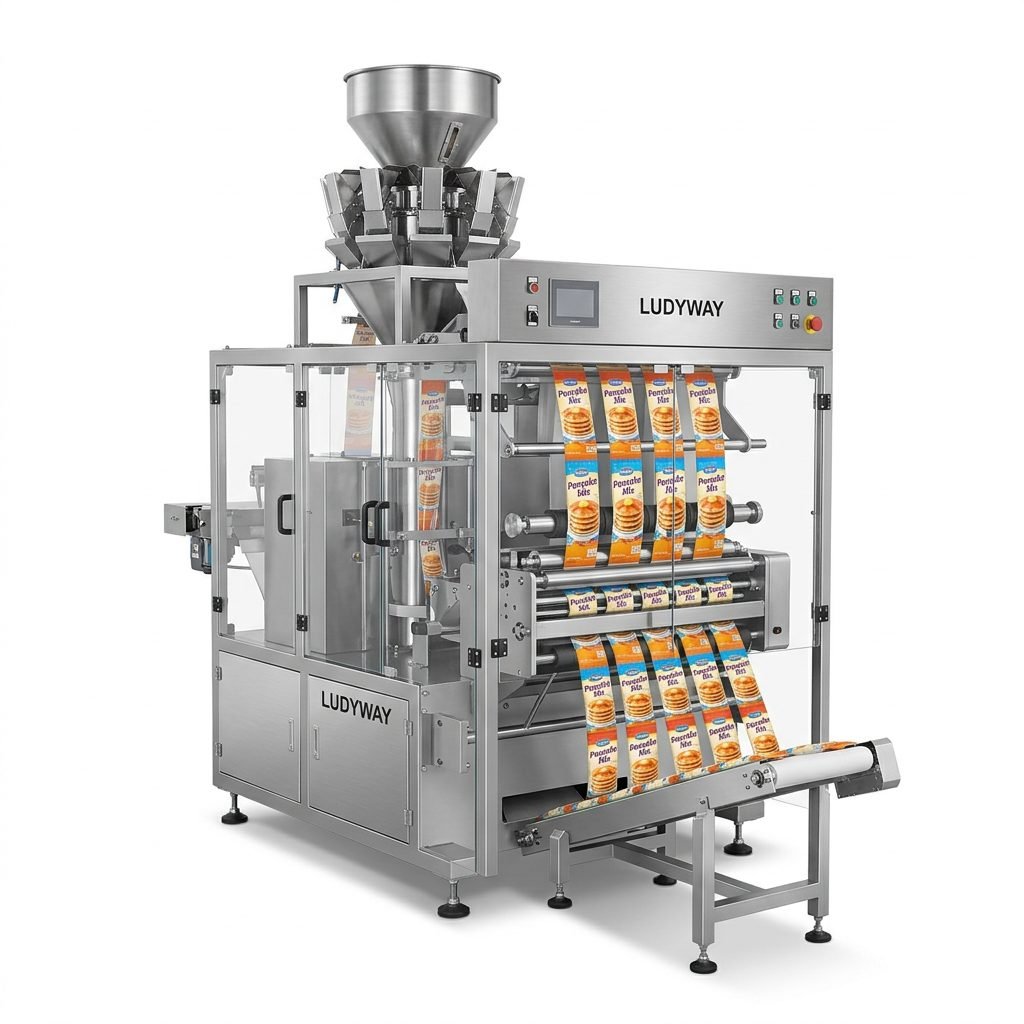
- Pouch Packaging Machines: Similar to sachet machines but for larger, stand-up or flat pouches, which are becoming more popular for eco-friendly or premium shampoo brands.
- Tube Filling Machines: Used for filling shampoo into laminated plastic or metal tubes, followed by heat sealing or crimping of the tube end.
3. By Filling Technology
The filling mechanism is chosen based on shampoo viscosity and filling accuracy needs.
- Piston Fillers: Highly accurate and versatile, excellent for medium to high-viscosity shampoos (creams, lotion-like formulas). A piston draws a precise volume from a product hopper and dispenses it into the container.
- Peristaltic Pump Fillers: Use rotating rollers to compress a flexible tube, pushing the product forward. Ideal for shear-sensitive liquids and offers excellent hygiene as the product only contacts the disposable tube.
- Gravity Fillers: Rely on the product’s own weight to flow into containers. Best for thin, free-flowing shampoos. Simpler but may be less accurate with varying viscosities.
- Volumetric Cup Fillers: Use adjustable cups to measure volume before dumping into the container. Good for foamy products or those with particulates.
How Does a Shampoo Packaging Machine Work? (The Working Process)
The operation of a fully automatic bottle filling line provides a clear view of the standard workflow:
- Container Feeding & Sorting: Empty bottles are loaded into a hopper or unscrambler, which orients them upright and places them onto a conveyor belt at a consistent spacing.
- Cleaning (Optional): Bottles may pass through an air-jet cleaning station to remove any dust or particles.
- Filling: Bottles are indexed under the filling nozzles. Sensors trigger the filling head to dispense the exact pre-set volume of shampoo. No-drip nozzles are common to prevent mess and waste.
- Capping: The filled bottles move to the capping station. Caps are sorted and fed onto the bottles, which are then tightened to a specific torque to ensure a proper seal without damaging the bottle threads.
- Labeling: Bottles pass through a labeling unit where pressure-sensitive or glue-applied labels are accurately positioned.
- Inspection & Rejection (Optional): Advanced lines may include checkweighers to reject under/over-filled bottles, or vision systems to inspect label placement and cap presence.
- Collection & Boxing: The finished, packaged bottles are collated into groups and discharged for manual or automatic case packing.
💡 Pro Tip: The entire process is synchronized and controlled by a programmable logic controller (PLC), allowing for easy adjustment of speed and parameters. Modern machines often feature touch-screen HMIs for intuitive operation and data tracking.
How to Choose the Right Shampoo Packaging Machine
Making an informed investment requires a thorough analysis of your current and future needs. Follow this step-by-step guide.
Step 1: Assess Your Production Requirements
- Output Speed (Units/Hour): Calculate your required daily/weekly output. Choose a machine that meets your peak demand with about 15-20% extra capacity for growth.
- Product Characteristics: Precisely define your shampoo’s viscosity, pH, foaming tendency, and whether it contains abrasives or pearls. This dictates the suitable filling technology.
- Container Specifications: Provide the supplier with exact samples of your bottle, cap, and label. Consider material (plastic/glass), shape, size, and opening diameter.
Step 2: Define Your Budget and ROI Expectations
Consider the Total Cost of Ownership (TCO), not just the purchase price. Factor in:
- Initial machine cost
- Installation and training
- Cost of spare parts and ongoing maintenance
- Expected energy consumption
- Labor savings from automation
- Reduction in product giveaway (savings from accurate filling)
A slightly more expensive, robust, and efficient machine may offer a better long-term ROI than a cheaper, less reliable option.
Step 3: Evaluate Machine Features and Supplier Credentials
Critical Machine Features to Check:
- Construction Material: Contact parts should be made of food-grade stainless steel (e.g., SS304 or SS316) for corrosion resistance and easy cleaning.
- Changeover Ease: How quickly and easily can you switch between different bottle sizes or products? Look for tool-less changeover features.
- Accuracy & Repeatability: Ask for the machine’s fill accuracy specification (e.g., ±0.5% of set volume).
- HMI & Connectivity: A clear, multilingual interface and options for data export (OEE, production counts) are valuable for modern factories.
Choosing the right partner is as important as choosing the right machine. Look for a supplier with proven industry experience and a strong track record. For instance, a supplier like Ludyway Machinery, with decades of focus on packaging solutions, can offer not just equipment but valuable application expertise. They can provide customized production solutions tailored to challenges like handling viscous specialty shampoos or integrating into an existing factory line. Always request references and, if possible, visit their facility or see the machine running in a similar application.
Step 4: Plan for the Future
Consider scalability. Can the machine be upgraded later (e.g., adding more filling heads, a capper, or a labeler)? Choose a modular design if you anticipate significant growth. Also, ensure the supplier offers comprehensive after-sales support, including training, readily available spare parts, and reliable technical service, which is crucial for minimizing downtime.
Conclusion
Investing in a shampoo packaging machine is a strategic decision that influences your product quality, brand reputation, and bottom line. By thoroughly understanding the different machine types, their working principles, and carefully evaluating your needs against the criteria of production requirements, budget, machine features, and supplier support, you can make a confident choice. The right machine will become a reliable cornerstone of your production, enabling efficiency, consistency, and growth for years to come. Partnering with an experienced provider ensures you get a solution that fits not just your technical specs, but your overall business vision, much like the turnkey solutions offered by specialists in the field.
Frequently Asked Questions (FAQs)
1. What is the typical maintenance required for a shampoo filling machine?
Daily maintenance includes cleaning all product-contact surfaces to prevent cross-contamination and buildup. Weekly tasks might involve lubricating moving parts (with food-grade lubricant) and checking for wear on seals and gaskets. Following the manufacturer’s scheduled maintenance plan is crucial for longevity and consistent performance.
2. Can one machine handle different bottle sizes and shampoo formulas?
Yes, most modern machines are designed for changeover. However, the ease and speed vary. Semi-automatic machines are generally quicker to change over manually. Fully automatic machines may require changing parts like filling nozzles, bottle guides, and capping heads. Discuss your flexibility needs with your supplier upfront.
3. How do I ensure the filling is accurate for my specific shampoo viscosity?
Always request a product test with your actual shampoo and containers at the supplier’s facility before purchase. This is the only way to verify fill accuracy, check for foaming or splashing issues, and fine-tune machine settings like filling speed and nozzle cut-off.
4. What safety features should I look for?
Key safety features include emergency stop buttons at multiple points, protective guarding around moving parts, safety interlocks that prevent operation if guards are open, and electrical systems that comply with international standards (e.g., CE, UL).
5. Are there “all-in-one” solutions for small businesses?
Yes, there are compact, semi-automatic monobloc systems that combine filling and capping in a single footprint. These are perfect for small-scale producers who want to automate their core process without the complexity and cost of a full linear conveyor system.