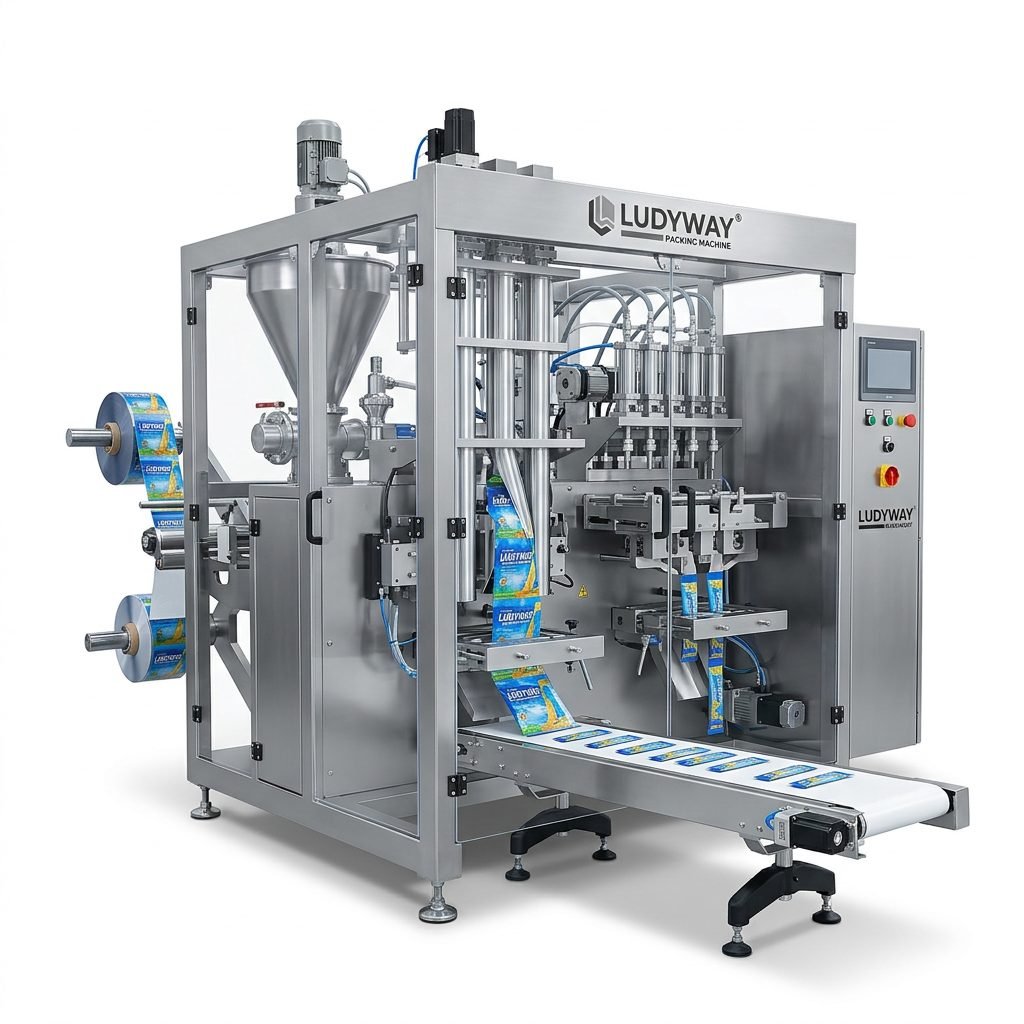
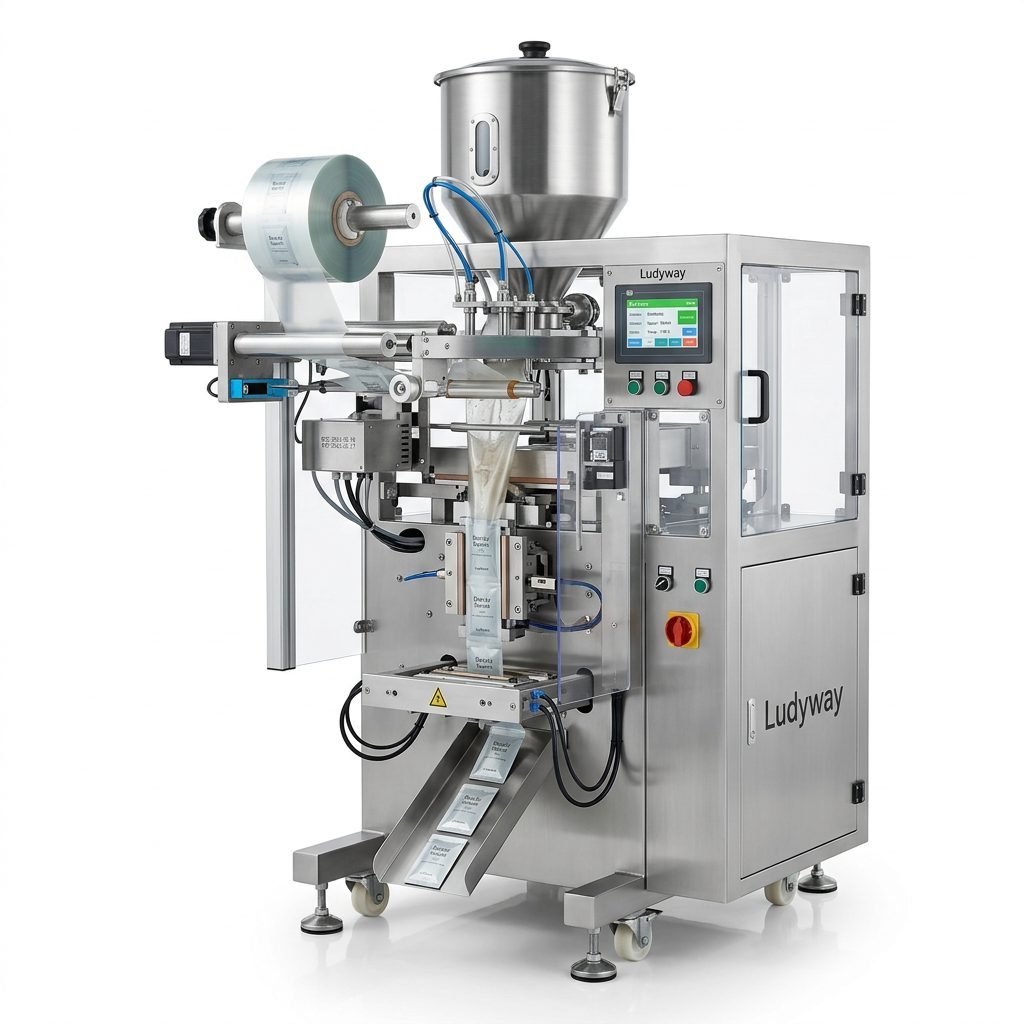
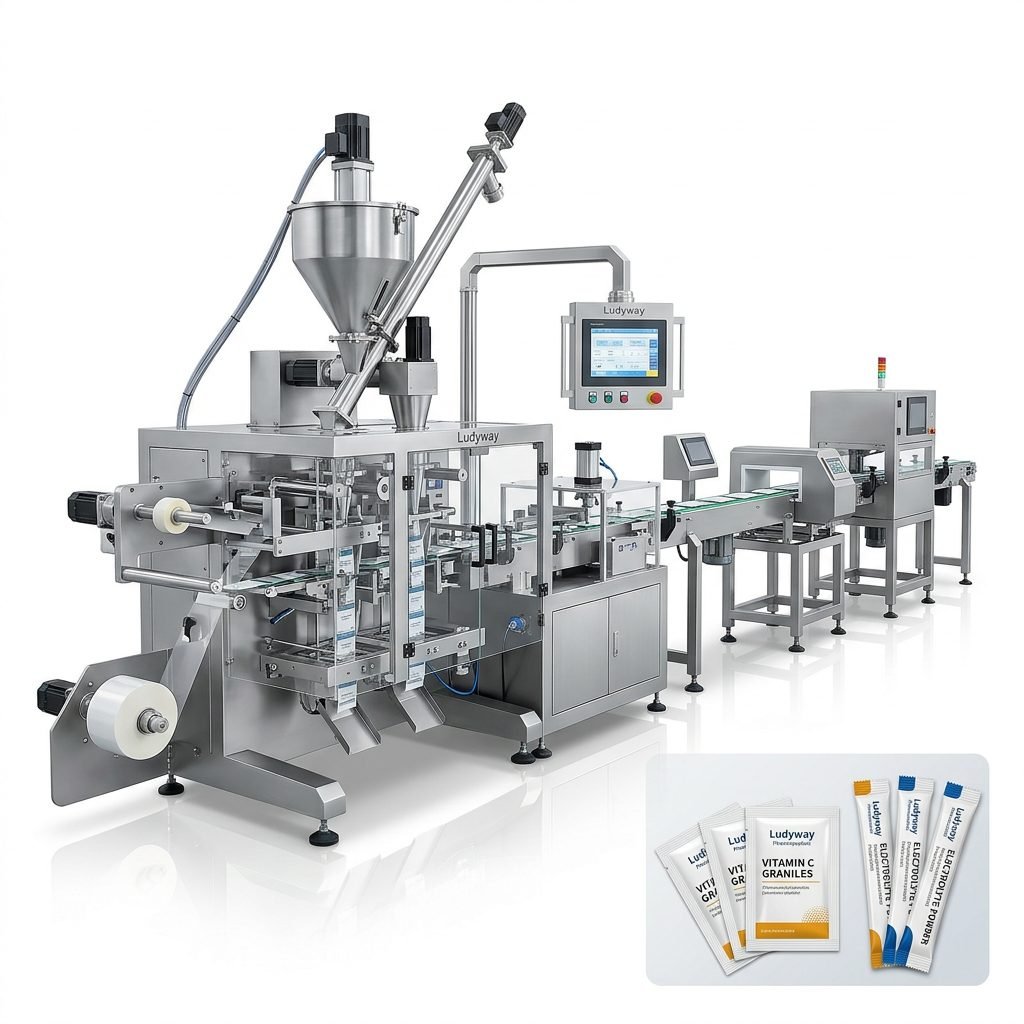
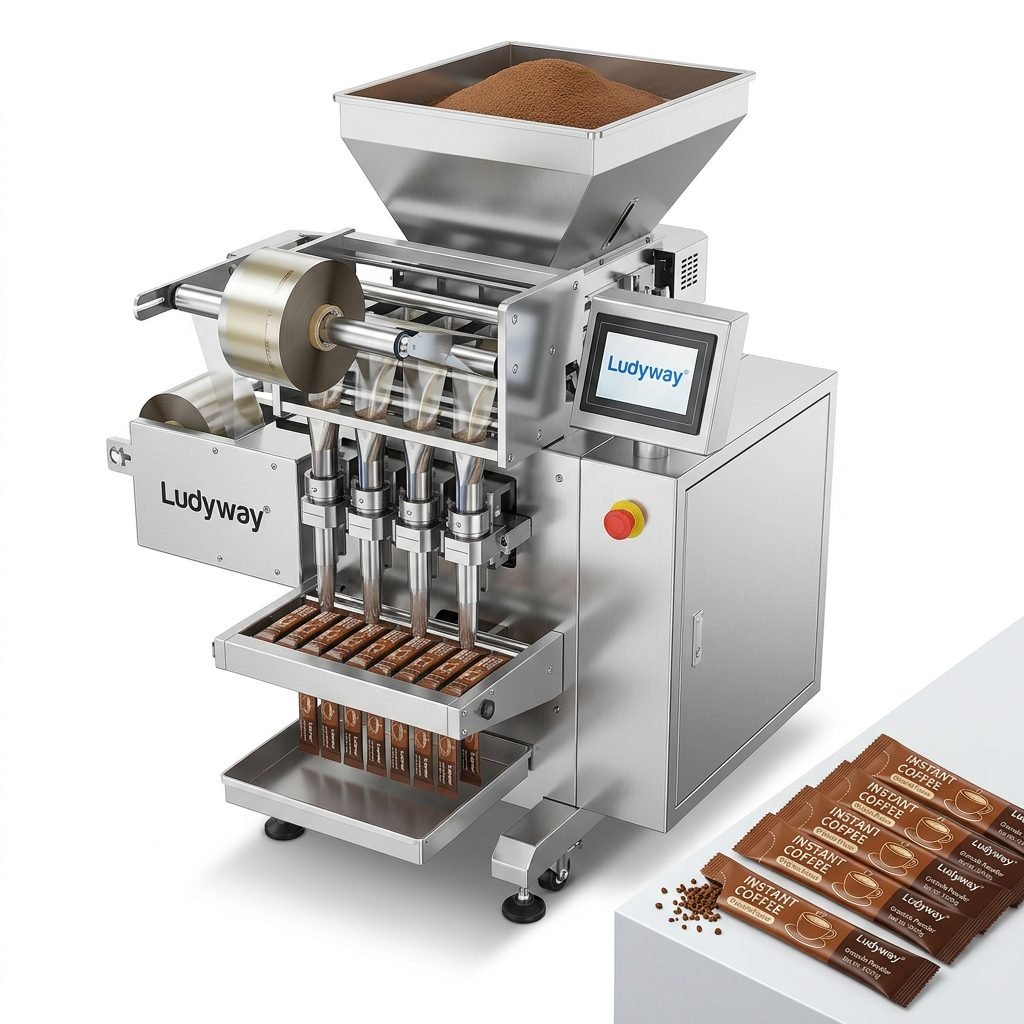
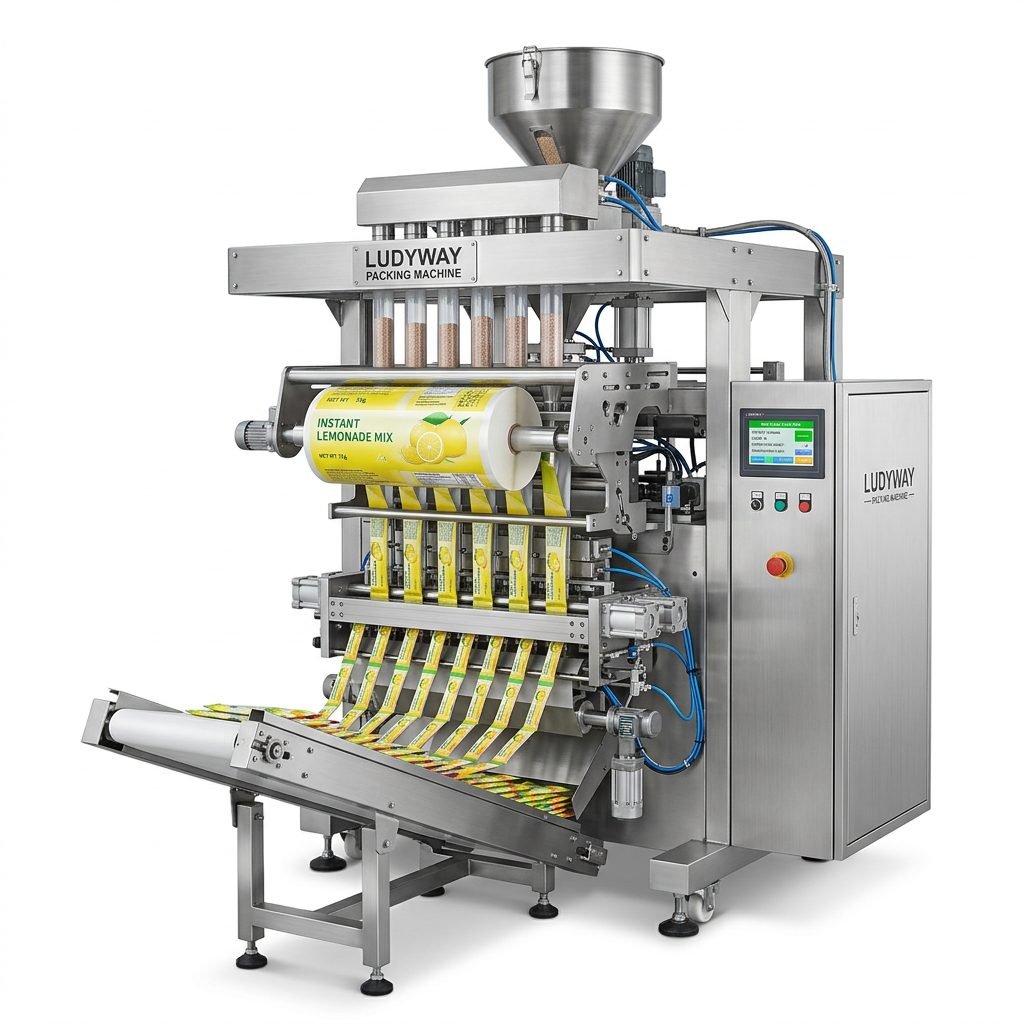
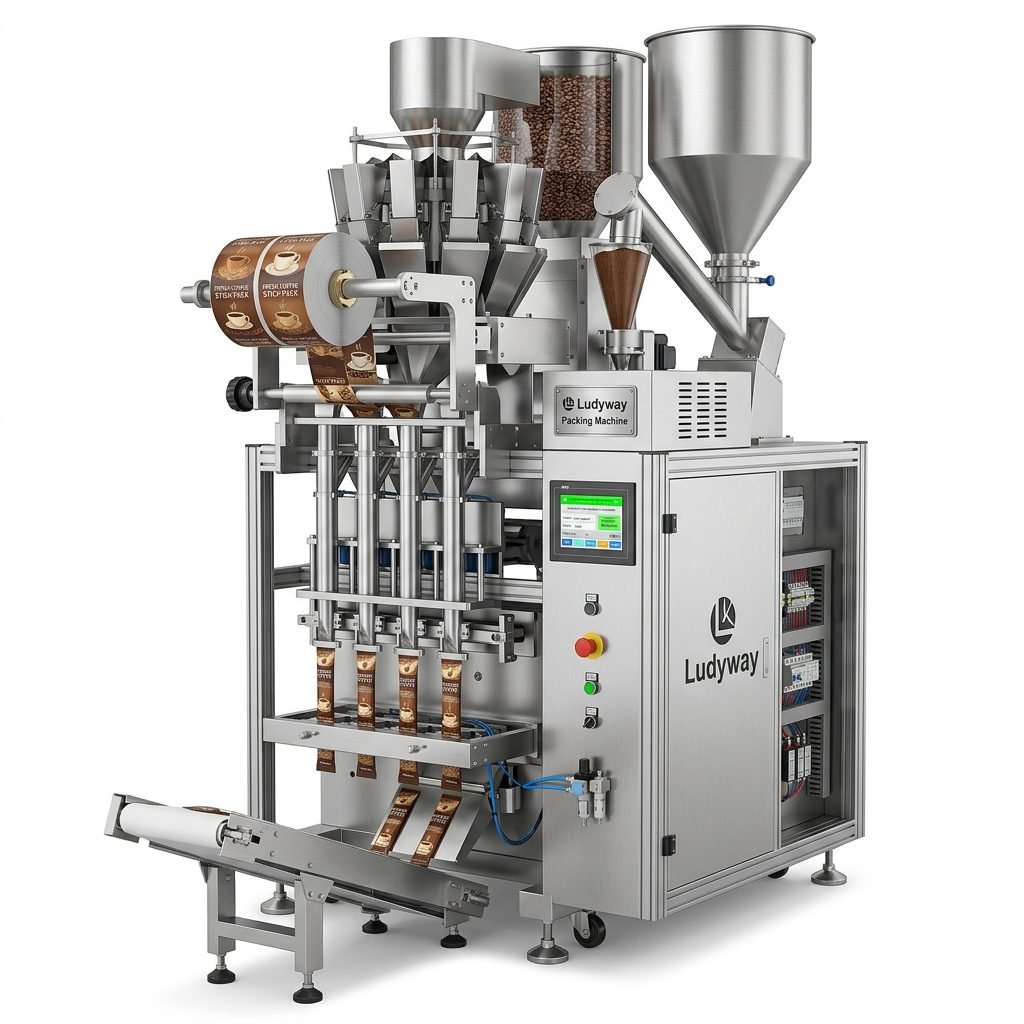
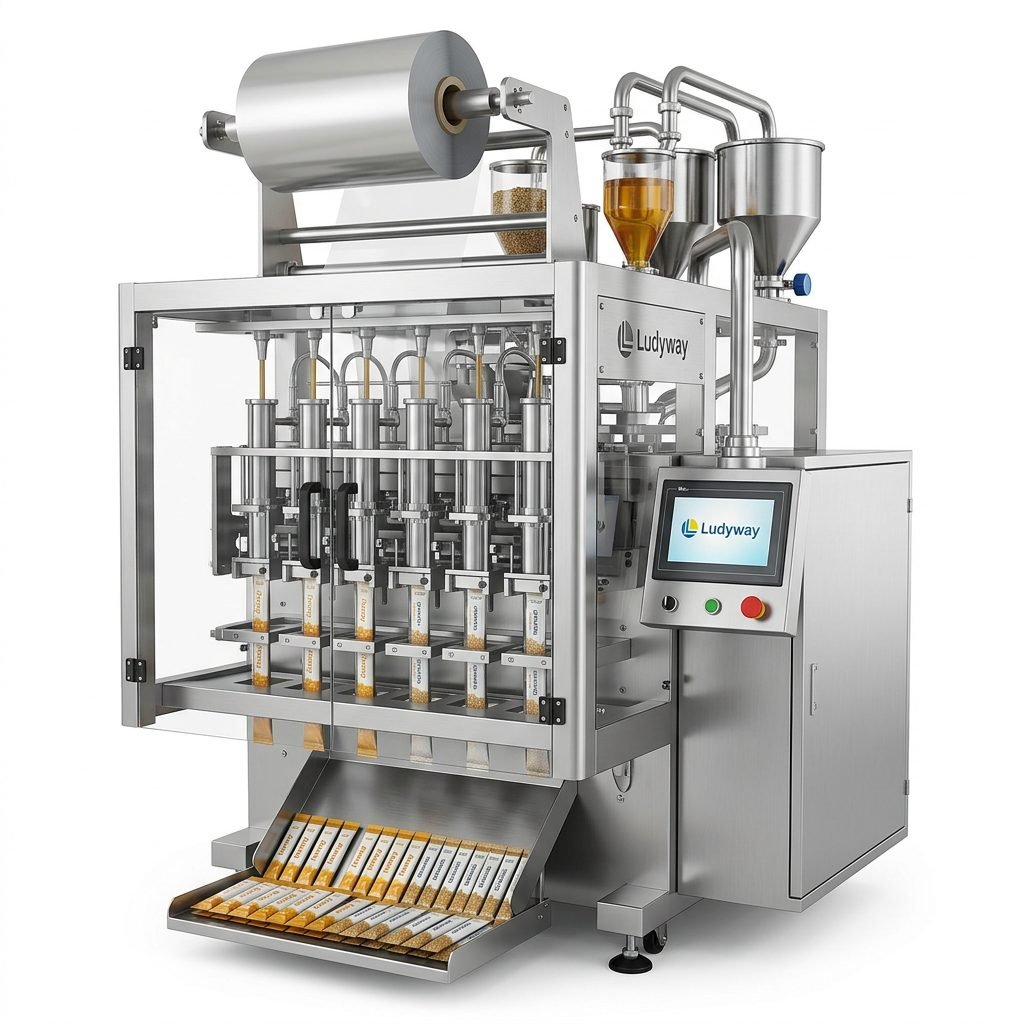
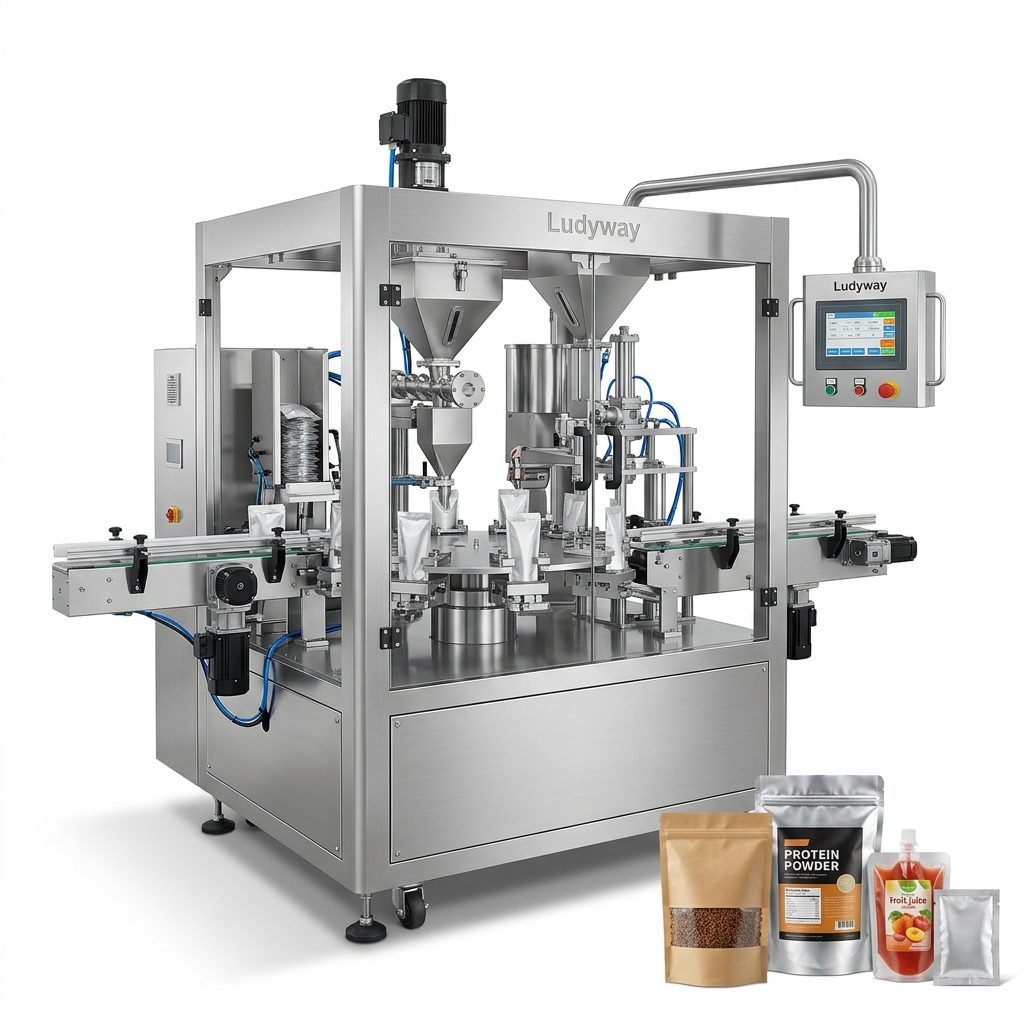
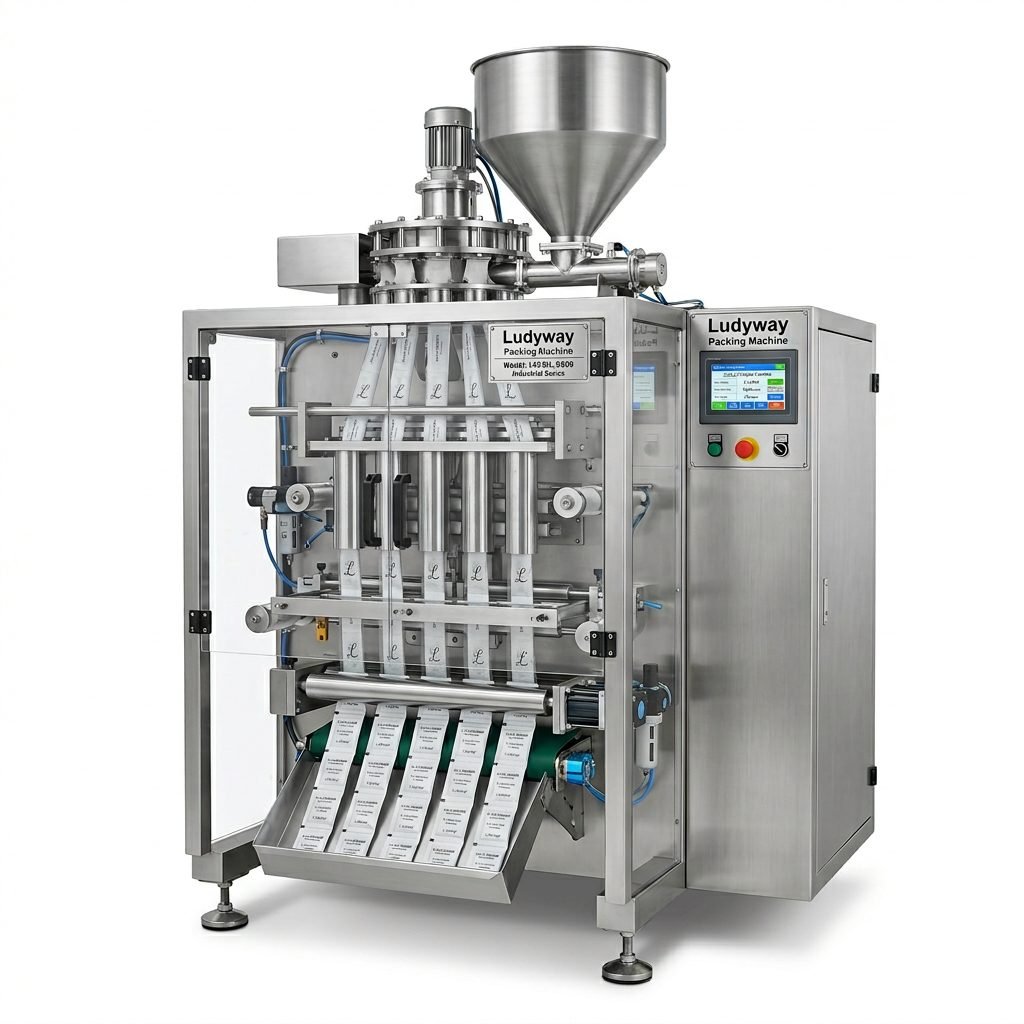
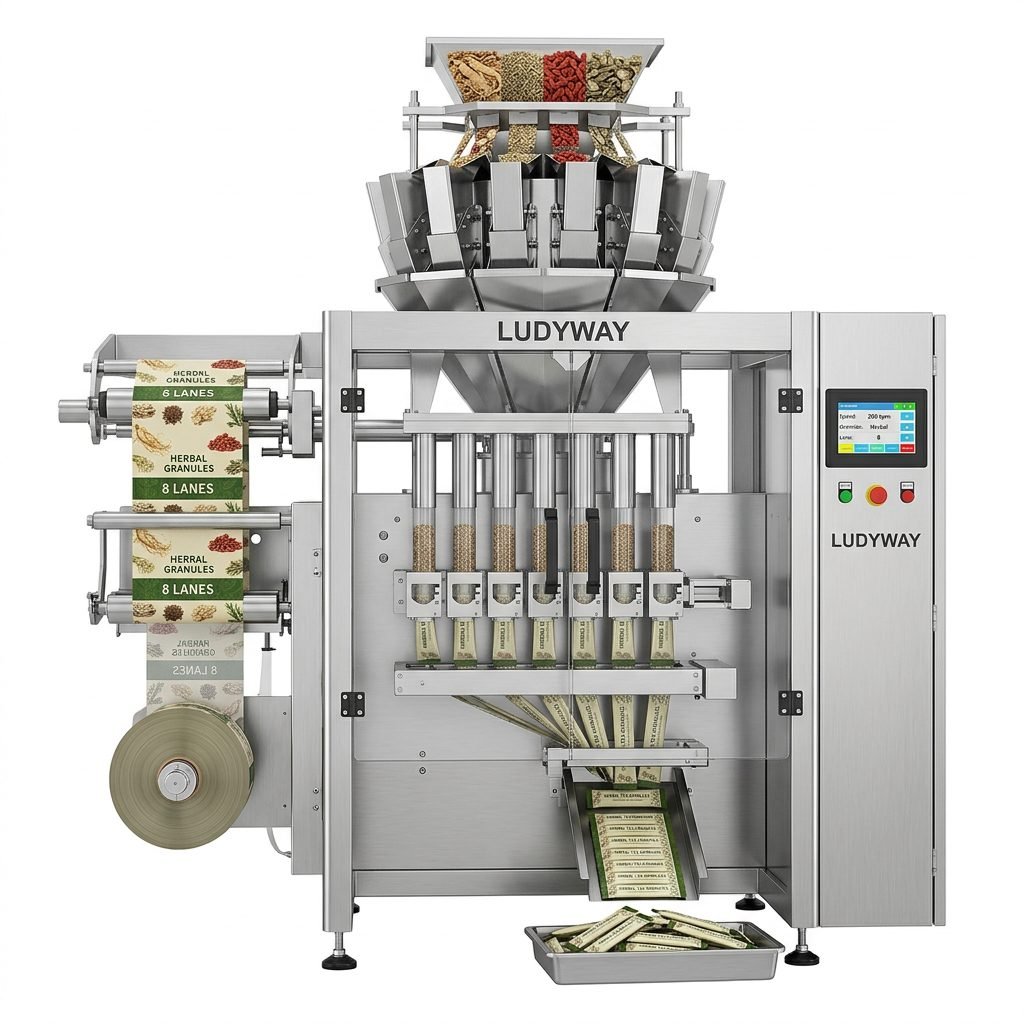
Proper maintenance of packaging and labeling machines is essential for ensuring consistent production output, minimizing costly downtime, and extending the service life of your equipment. Whether you operate vertical form fill seal machines, multi-lane stick pack systems, or automatic labeling equipment, a structured maintenance program is the cornerstone of operational efficiency. Neglecting routine care can lead to unexpected breakdowns, compromised packaging quality, and regulatory non-compliance — especially in industries governed by strict standards such as those outlined by the FDA food packaging guidelines.
Why a Preventive Maintenance Strategy Matters
A reactive approach — fixing machines only when they fail — is far more expensive than a preventive one. Unplanned downtime in a packaging line can cost thousands of dollars per hour in lost production. According to industry data from PMMI’s business intelligence reports, companies that implement systematic maintenance programs experience up to 30% fewer unplanned outages compared to those that do not. Beyond cost savings, well-maintained machines deliver consistent seal integrity, accurate fill weights, and precise label placement — all critical for brand reputation and regulatory compliance.
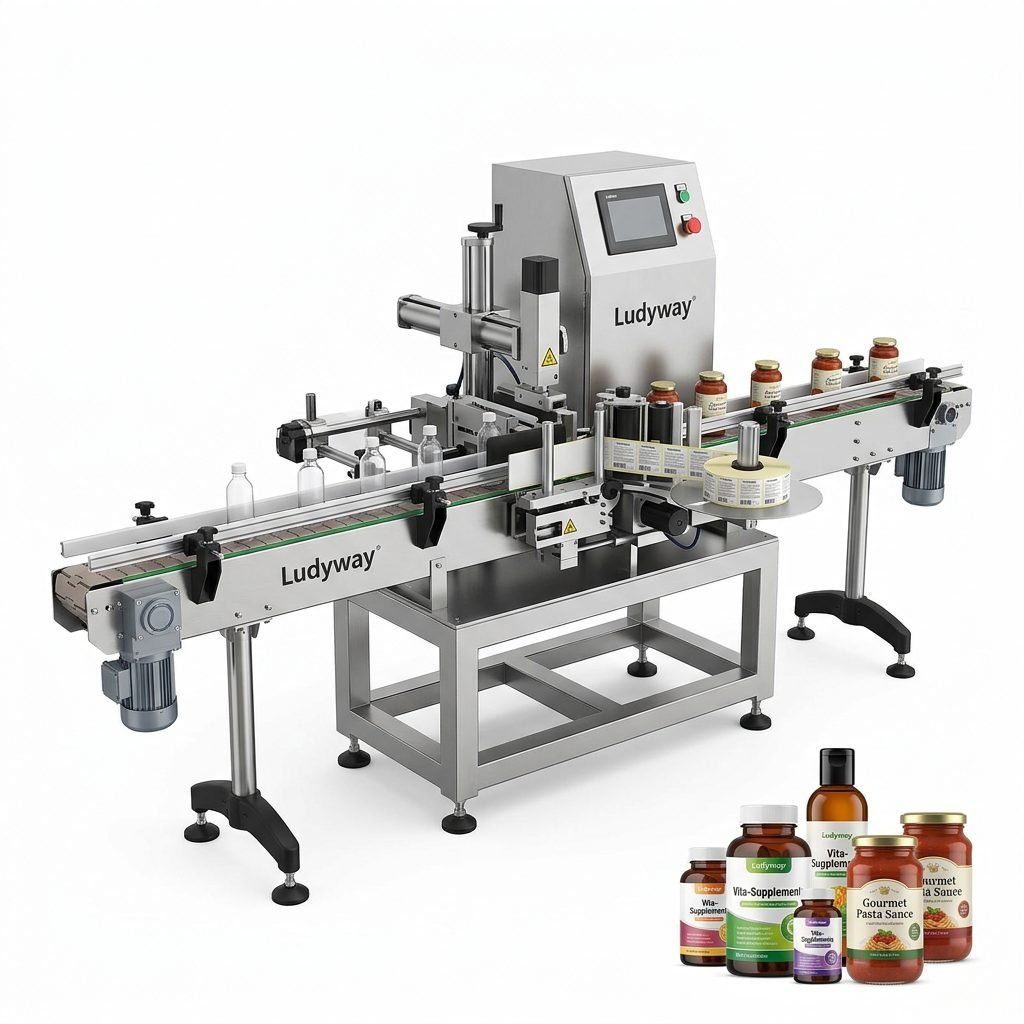
Daily Maintenance Checklist for Packaging Machines
Daily inspections form the foundation of any maintenance program. These quick checks should be performed at the start of every shift and documented in a maintenance log. Operators are often the first line of defense in spotting early warning signs before they escalate into major failures.
| Component | Daily Check | Action Required |
|---|---|---|
| Sealing Jaws / Bars | Inspect for residue buildup and wear | Clean with approved solvent; check temperature calibration |
| Film Feed & Tension | Verify smooth film movement | Adjust tension rollers; inspect for film tracking issues |
| Sensors & Photocells | Check alignment and cleanliness | Wipe with lint-free cloth; realign if needed |
| Filling Nozzles | Look for clogs or drips | Clean thoroughly; check gaskets and seals |
| Conveyor Belts | Inspect for fraying or misalignment | Adjust tracking; remove debris from rollers |
| Emergency Stops | Test functionality | Repair immediately if any stop fails |
Key Daily Lubrication Points
- Chain drives and sprockets — Apply food-grade lubricant sparingly to avoid attracting dust and product residue.
- Linear guide rails — Wipe clean and re-lubricate per manufacturer specifications to ensure smooth carriage movement.
- Rotating shafts and bearings — Check for unusual noise or heat; lubricate as scheduled in the OEM manual.
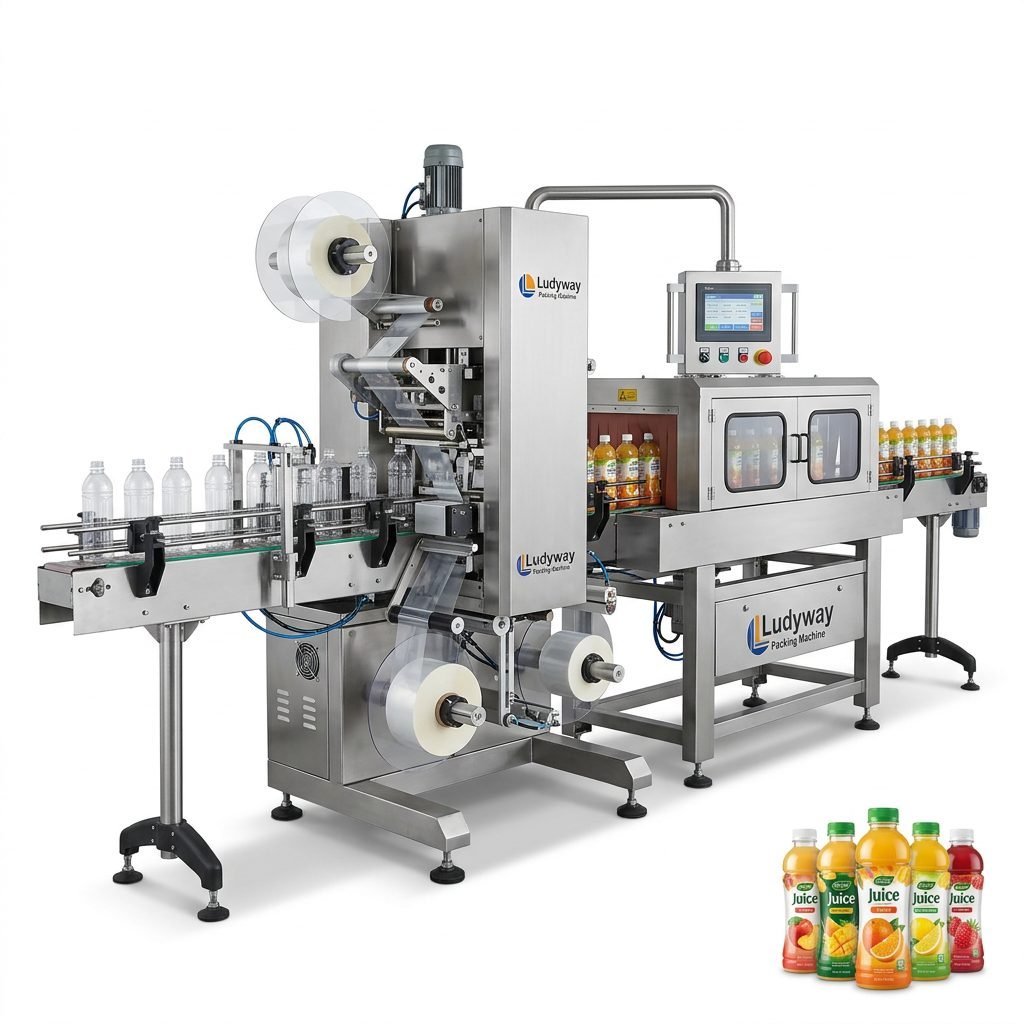
Weekly and Monthly Preventive Maintenance
While daily checks address immediate operational concerns, weekly and monthly maintenance tasks dive deeper into the mechanical and electrical systems. These procedures should be performed by trained maintenance technicians who understand the machine’s full operational parameters. Packaging machinery that complies with ISO packaging standards typically comes with detailed maintenance schedules that should be strictly followed.
Weekly Tasks
- Inspect and tighten all fasteners, bolts, and clamps — vibration during operation can loosen critical connections over time.
- Check pneumatic hoses and fittings for air leaks; a hissing sound often indicates a compromised seal requiring immediate attention.
- Clean cooling fans and ventilation grilles on electrical cabinets to prevent overheating of control systems.
- Verify temperature controller accuracy on sealing components using a calibrated external thermometer.
- Test all safety interlocks and guards to confirm they function correctly and stop the machine as designed.
Monthly Tasks
- Perform a thorough electrical inspection — check wiring harnesses for signs of heat damage, loose terminals, or insulation wear.
- Inspect gear boxes and transmissions for oil level and quality; replace lubricant if contamination is visible.
- Calibrate load cells and weighing systems to maintain accurate fill weights and minimize product giveaway.
- Examine forming tubes and shoulders for scratches or damage that could tear packaging film during operation.
- Update PLC and HMI firmware if updates are available from the equipment manufacturer.
Quarterly and Semi-Annual Deep Maintenance
Every three to six months, a more comprehensive service should be scheduled. This level of maintenance often requires partial machine disassembly and is best performed during planned production downtime. The PMMI packaging machinery standards provide useful reference points for establishing these deeper inspection protocols.
| System | Quarterly Inspection | Replacement Trigger |
|---|---|---|
| Sealing Elements | Measure jaw flatness and surface condition | Replace if PTFE coating is worn or surface is uneven |
| Drive Belts | Check tension and inspect for cracks | Replace if cracking, glazing, or stretching exceeds 5% |
| Bearings | Listen for noise; measure vibration levels | Replace at first sign of roughness or play |
| Pneumatic Cylinders | Test stroke time and seal integrity | Rebuild or replace if cycle time varies significantly |
| Electrical Contacts | Inspect contactors and relays for pitting | Replace any showing signs of arcing or carbon buildup |
Specialized Maintenance for Labeling Machines
Labeling equipment requires additional attention due to the precision nature of label application. A misaligned label can render an entire production batch non-compliant, particularly in regulated sectors. The FDA’s packaging and food contact substances regulations emphasize the importance of accurate labeling for consumer safety and product traceability.
Labeler-Specific Maintenance Points
- Peel plate edge condition — The peel plate edge must be clean and free of adhesive buildup. Even minor residue can cause label misalignment or tearing during application. Clean daily with an approved solvent that does not damage the plate surface.
- Label sensor calibration — Photoelectric and capacitive label gap sensors should be tested with the actual label stock being used. Different label materials, colors, and transparency levels can affect sensor performance. Recalibrate whenever label specifications change.
- Applicator roller and brush condition — Worn or hardened applicator rollers fail to properly press labels onto product surfaces. Inspect monthly and replace if the roller surface shows signs of glazing, cracking, or loss of elasticity.
- Web guide and tension control — Inconsistent label web tension leads to registration errors. Verify tension settings match the label roll specifications and check that the unwind mechanism operates smoothly without jerking or hesitation.
- Printer and coder integration — For machines with inline printing capabilities, clean thermal print heads weekly with isopropyl alcohol and lint-free swabs. Verify that ribbon tension is balanced to prevent smudging or incomplete transfer.
Common Problems and Troubleshooting Guide
Even with diligent maintenance, packaging and labeling machines can develop issues. Below is a reference table for quick diagnosis and resolution of common problems encountered on production floors.
| Symptom | Likely Cause | Solution |
|---|---|---|
| Inconsistent seal strength | Fluctuating temperature or pressure; worn sealing elements | Calibrate temperature controller; inspect and replace sealing jaws if needed |
| Film tracking or wrinkling | Misaligned rollers or incorrect tension | Check and adjust all roller alignments; verify tension settings |
| Label placement drift | Sensor contamination or product speed variation | Clean sensors; verify conveyor speed consistency |
| Excessive product dust on machine | Inadequate dust extraction or product spillage | Check dust collection system; adjust filling parameters |
| Intermittent sensor faults | Loose wiring connections or failing sensor | Inspect wiring harness; replace sensor if fault persists |
| Unusual vibration or noise | Worn bearings, loose mounts, or unbalanced rotating parts | Inspect bearings and mounts; schedule component replacement |
Building a Maintenance Schedule That Works
A documented maintenance schedule tailored to your specific equipment is the most effective tool for preventing unplanned downtime. The schedule should account for machine age, operating hours, product characteristics, and environmental conditions. Facilities handling abrasive powders or corrosive ingredients, for instance, require more frequent cleaning and inspection intervals than those packaging dry, non-reactive products.
Recommended Maintenance Record Components
- Machine identification — Model, serial number, and installation date for each piece of equipment.
- Task descriptions — Clear, step-by-step procedures for each maintenance activity, ideally with reference photos or diagrams.
- Frequency assignments — Daily, weekly, monthly, quarterly, semi-annual, and annual task categorization.
- Responsible personnel — Designate whether tasks are operator-level or require specialized maintenance technicians.
- Parts inventory — Maintain a list of critical spare parts with lead times to avoid extended downtime waiting for replacements.
- Completion verification — Signature fields and date stamps to create an auditable maintenance trail for quality compliance.
Spare Parts Management Strategy
An often-overlooked aspect of machine maintenance is spare parts inventory management. Having critical components on hand can mean the difference between a 30-minute repair and a multi-day production stoppage. As a guideline, maintain at minimum the following spares for each packaging and labeling machine:
| Part Category | Recommended Stock Level | Typical Lead Time |
|---|---|---|
| Sealing jaws / bars (with PTFE) | 2 sets per machine | 2-4 weeks |
| Drive belts | 1 full set per machine | 1-3 weeks |
| Sensors and photocells | 1 of each type used | 1-2 weeks |
| Pneumatic seals and O-rings | Rebuild kit for each cylinder size | 1 week |
| Heater cartridges / thermocouples | 2 of each specification | 2-3 weeks |
| PLC backup batteries | 1 per control panel | Readily available |
Training Your Team for Effective Maintenance
No maintenance program succeeds without properly trained personnel. Operators should be trained to recognize abnormal machine behavior, perform daily cleaning and inspection routines, and understand when to escalate issues to maintenance technicians. Maintenance staff, in turn, require deeper technical knowledge covering mechanical systems, pneumatics, electrical controls, and PLC troubleshooting. Regular refresher training sessions — at least annually — help ensure that all team members remain current with equipment updates and best practices.
Investing in training yields measurable returns. Companies that prioritize operator and technician training report fewer recurring failures, faster troubleshooting times, and improved overall equipment effectiveness (OEE). Many packaging machine manufacturers offer on-site or remote training programs tailored to specific equipment models.

Leveraging Technology for Maintenance Management
Modern maintenance management has evolved beyond paper logs and wall calendars. Computerized Maintenance Management Systems (CMMS) enable facilities to schedule tasks automatically, track parts usage, and analyze failure patterns over time. Key features to look for in a CMMS include automated work order generation based on calendar intervals or machine run hours, barcode scanning for quick parts identification, mobile accessibility for floor-level technicians, and integration with production scheduling systems to optimize maintenance timing around planned downtime.
For companies ready to take the next step, predictive maintenance technologies — such as vibration analysis, thermal imaging, and oil analysis — can identify developing problems weeks or months before they would normally be detected. While these technologies require upfront investment, the reduction in unplanned downtime often delivers a rapid return on investment, particularly for high-volume packaging operations.
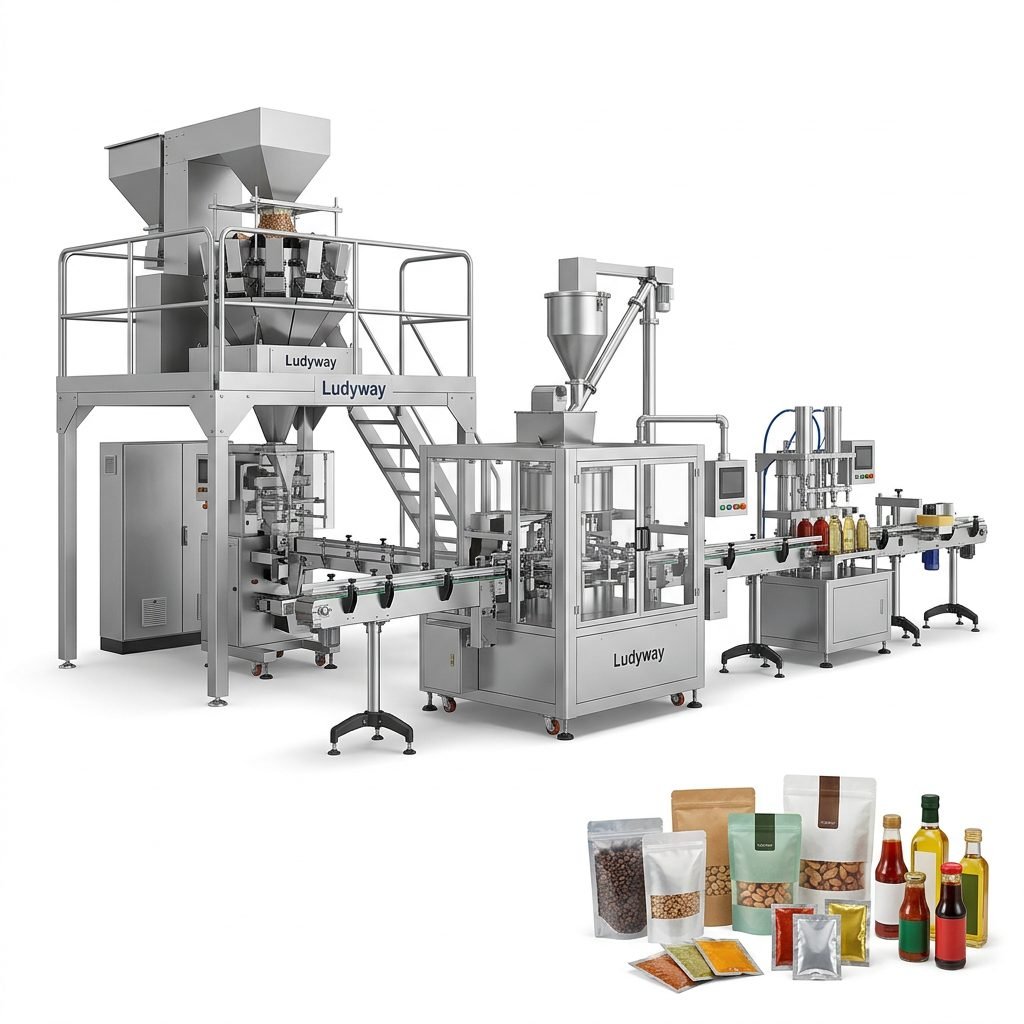
Leading packaging equipment providers, including Ludyway, design their machines with maintenance accessibility in mind — featuring tool-less panel removal, centralized lubrication points, and easy-access electrical enclosures that simplify routine service procedures. This design philosophy reduces the time technicians spend on each maintenance task and helps ensure that maintenance activities are completed consistently and correctly.
Key Takeaways for a Successful Maintenance Program
- Start with daily operator inspections — The most cost-effective maintenance catches problems before they escalate. Empower operators with clear checklists and training.
- Follow manufacturer guidelines — OEM maintenance schedules are developed through extensive testing and should form the baseline of any program. Reference ISO packaging and distribution standards for additional compliance frameworks.
- Document everything — Maintenance records are invaluable for troubleshooting recurring issues, planning capital expenditures, and demonstrating compliance during audits.
- Keep critical spares on hand — The cost of carrying inventory is almost always less than the cost of extended production downtime waiting for parts delivery.
- Invest in ongoing training — Well-trained teams maintain equipment better, troubleshoot faster, and contribute to a culture of continuous improvement.
- Review and refine regularly — A maintenance program should evolve with your equipment, production volumes, and operational experience. Schedule quarterly reviews to assess effectiveness and adjust as needed.
A structured and consistently executed maintenance program transforms packaging and labeling machines from potential points of failure into reliable assets that support long-term production goals. The investment in time, training, and spare parts pays for itself many times over through increased machine availability, reduced waste, and consistent product quality.