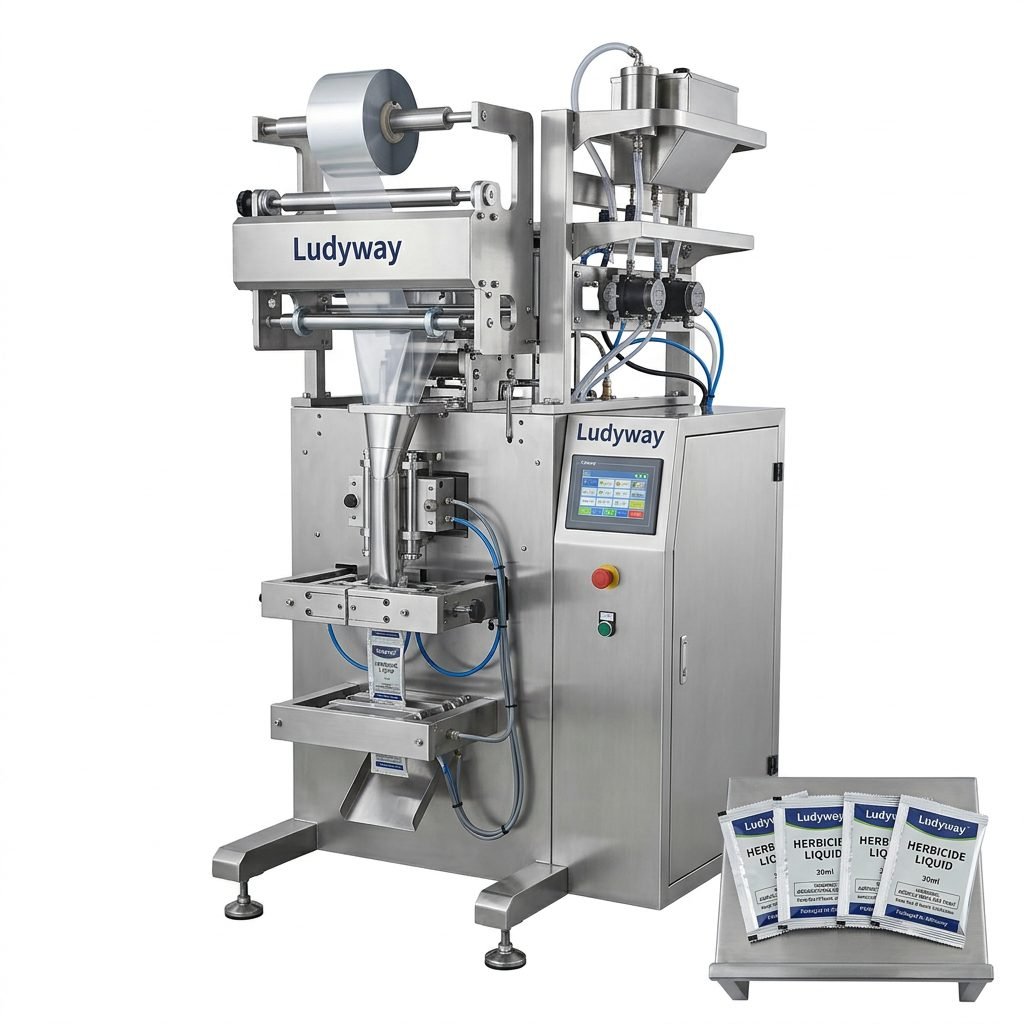
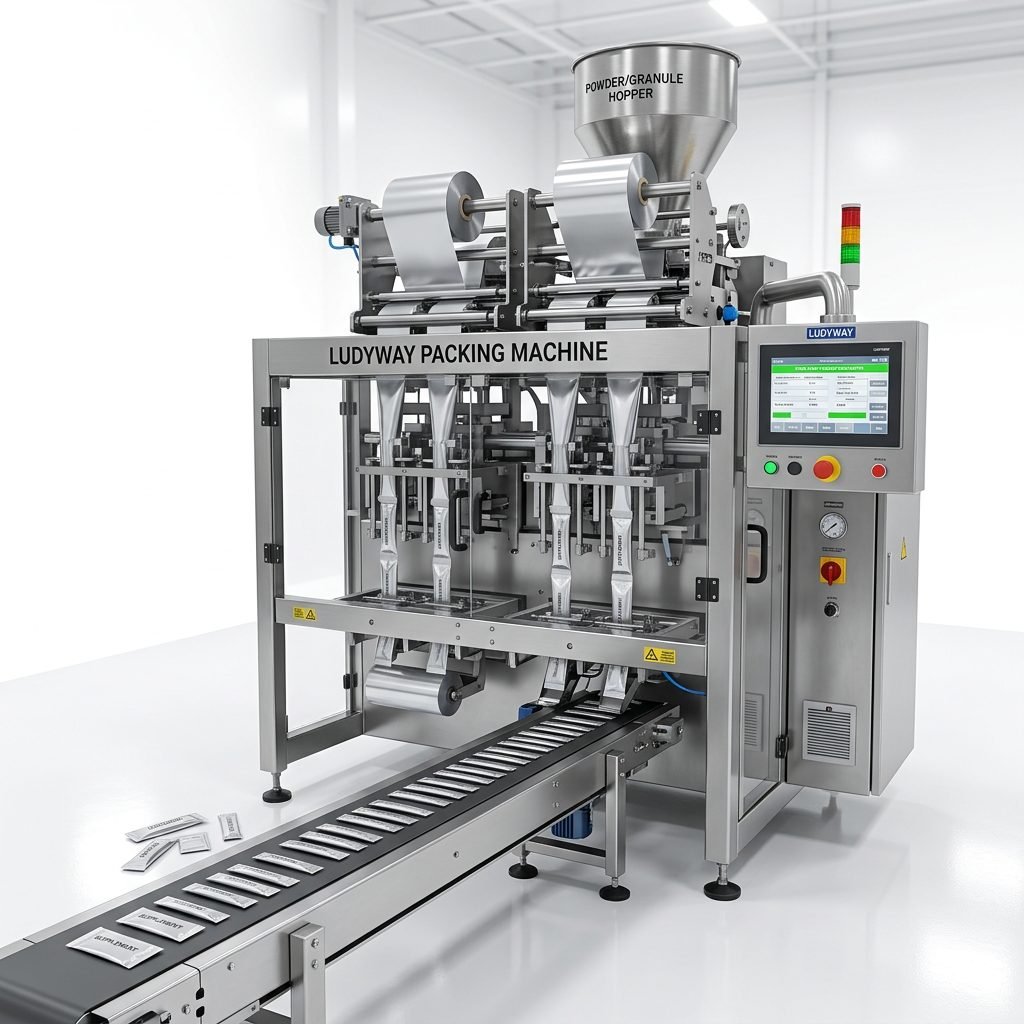
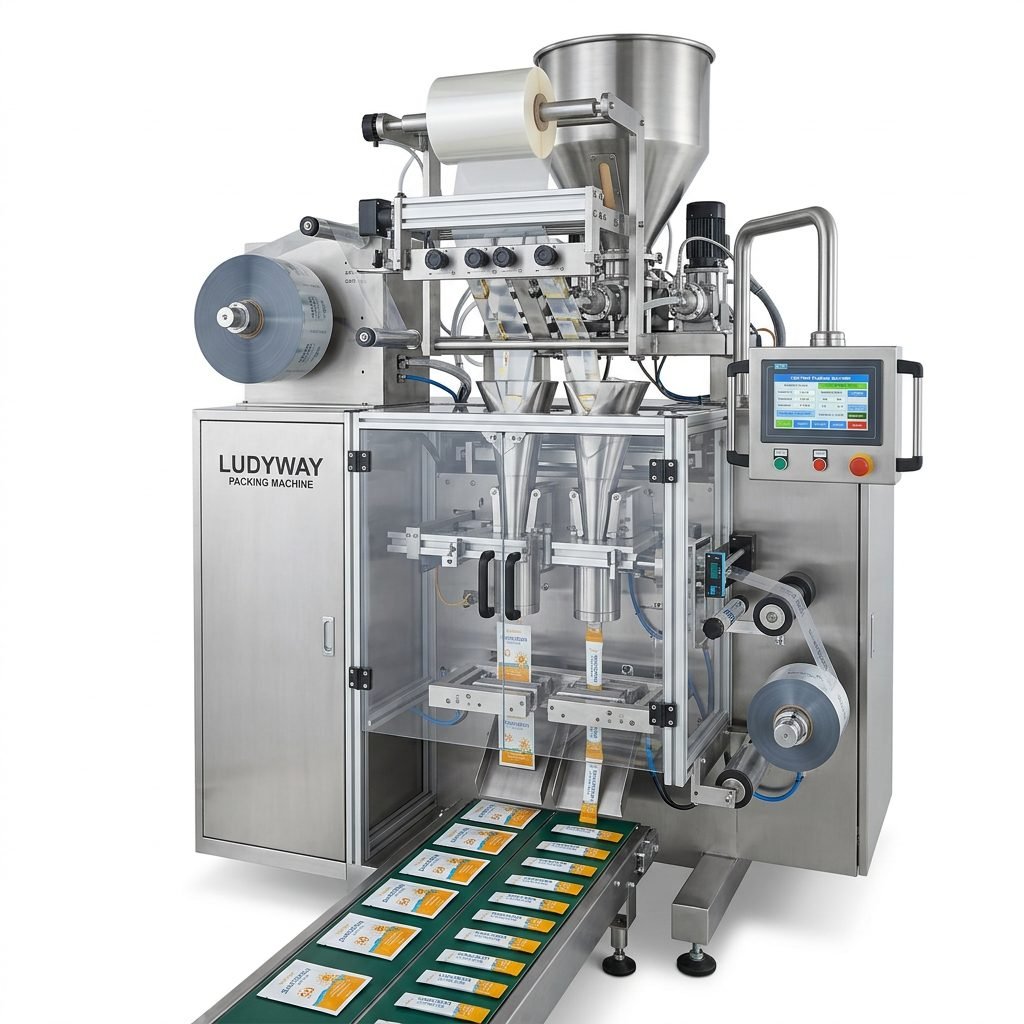
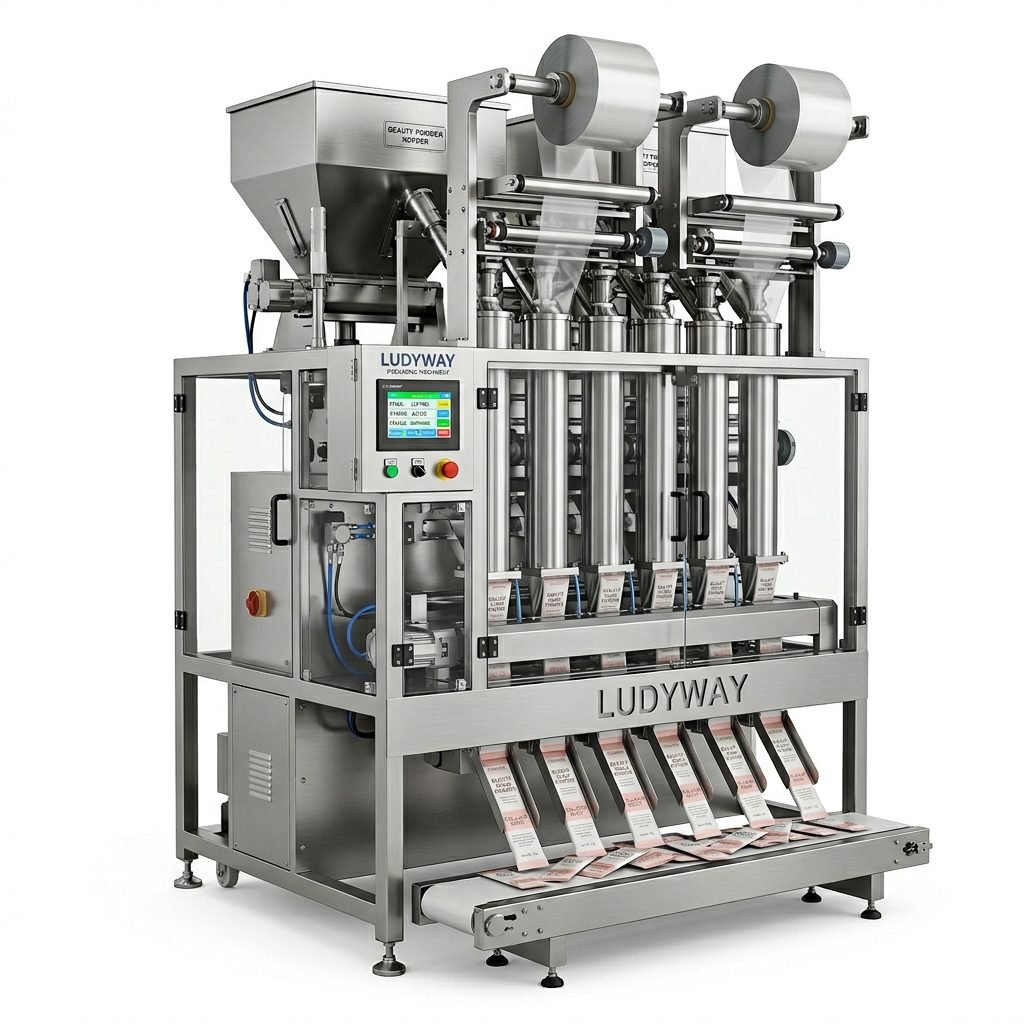
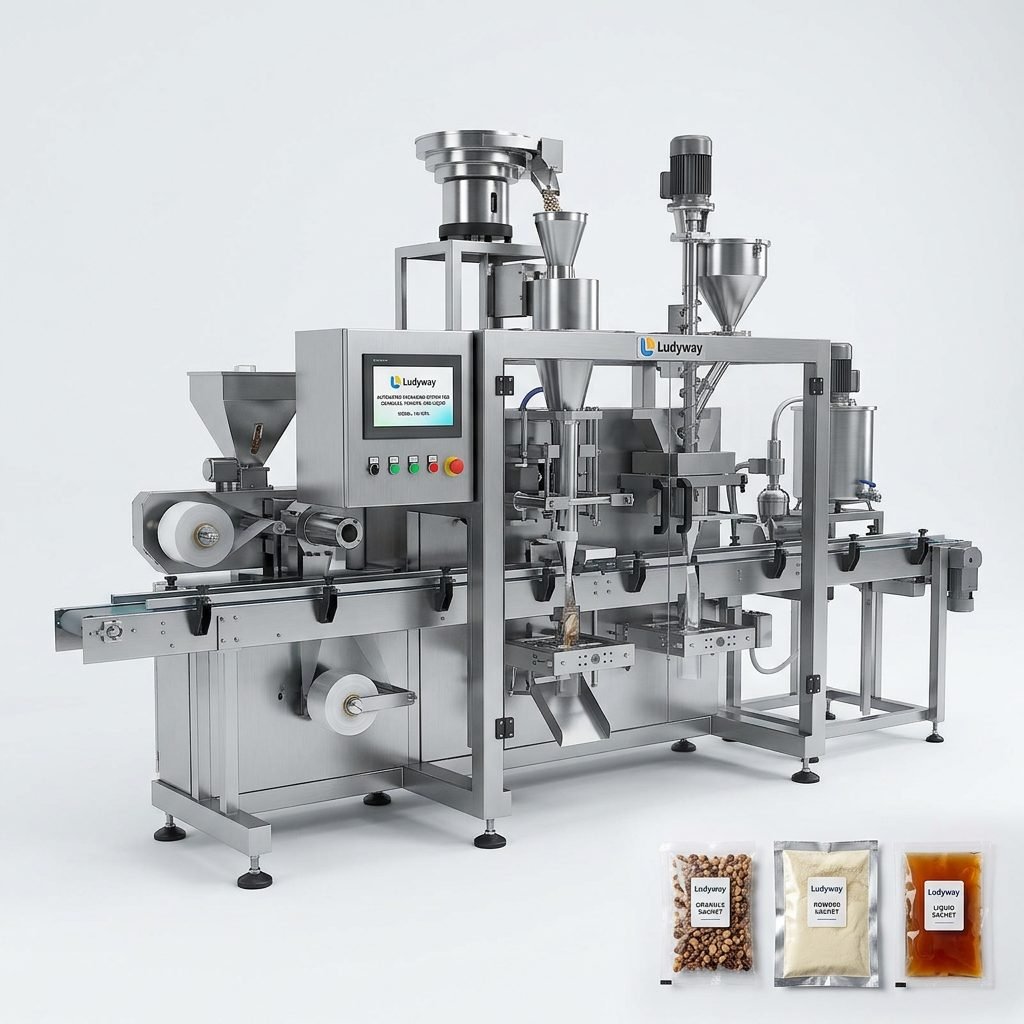
A pouch filling and sealing machine is an automated packaging system designed to fill products into premade pouches or form pouches from film and then seal them securely. It is widely used in food, pharmaceutical, cosmetic, chemical, health supplement, and consumer goods industries because it helps manufacturers improve speed, consistency, hygiene, and packaging quality.
Whether you package powders, granules, liquids, gels, or pastes, this type of equipment can reduce manual labor and support more stable output. For businesses scaling production, understanding how the machine works is the first step toward choosing the right packaging solution.
What Does a Pouch Filling and Sealing Machine Do?
In simple terms, the machine takes a pouch, opens it if needed, doses the correct amount of product, and seals the package. Some systems work with premade pouches, while others create the pouch from roll film before filling and sealing.
Depending on the application, the machine may also perform extra functions such as:
- Printing batch codes or dates
- Nitrogen flushing for shelf-life protection
- Zipper opening and closing
- Vacuum sealing
- Hole punching or shaped cutting
- Check weighing and reject handling
Main Types of Pouch Filling and Sealing Machines
There are several common machine categories, and each suits different products, pouch formats, and output targets.
| Machine Type | Best For | Typical Products |
|---|---|---|
| Premade pouch filling and sealing machine | Stand-up pouches, zipper bags, shaped pouches | Snacks, coffee, pet food, sauces, powders |
| Vertical form fill seal machine | High-speed automatic pouch forming from roll film | Powders, granules, liquids, stick packs, sachets |
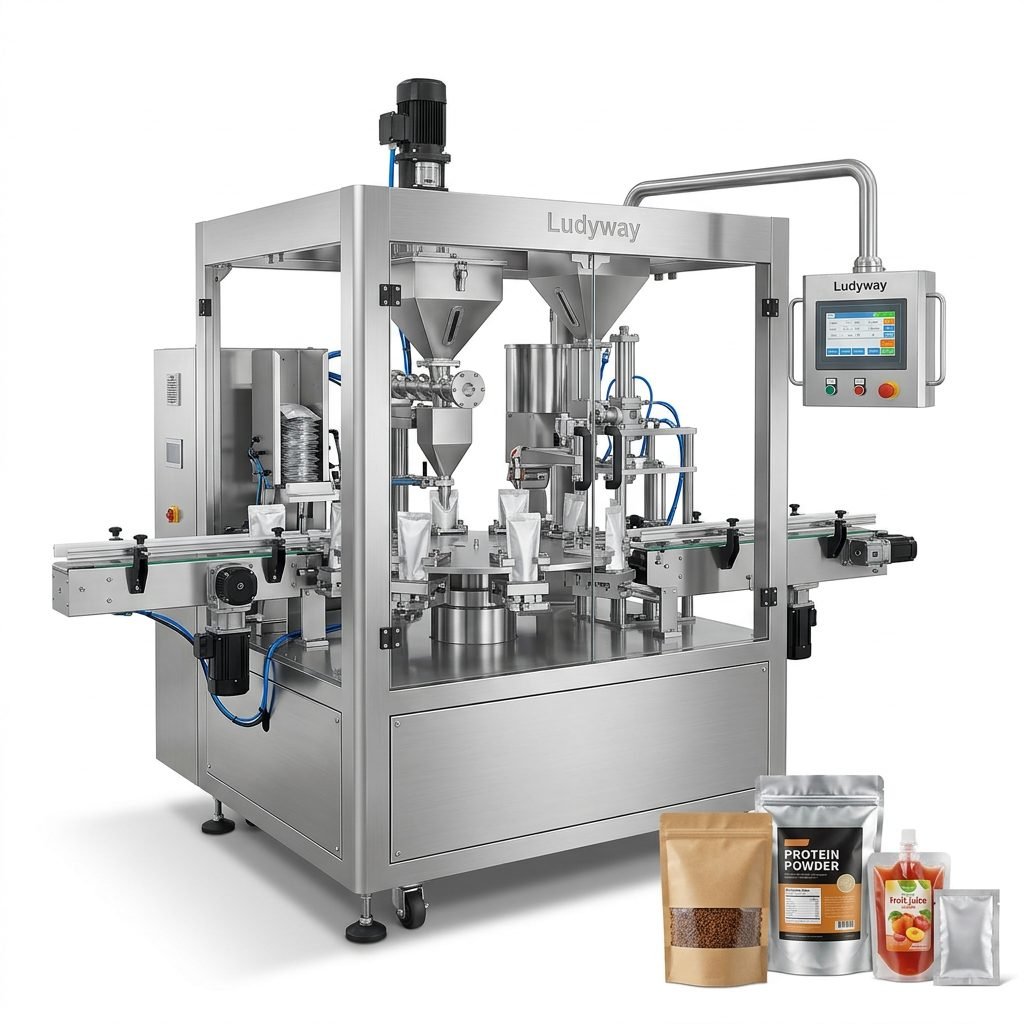
| Rotary pouch packing machine | Flexible premade pouch applications | Nuts, spices, detergents, supplements |
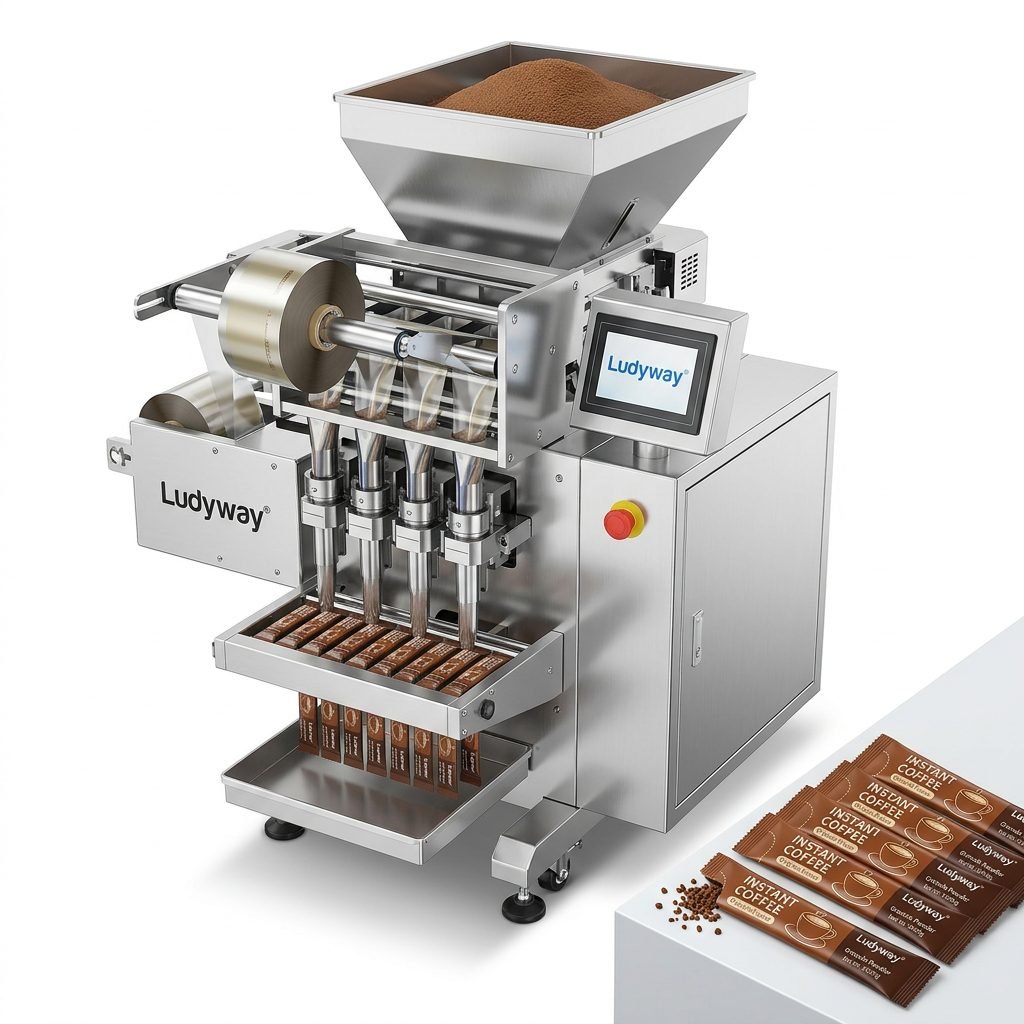
| Multi-lane pouch/sachet machine | Very high output small-format packaging | Drink powders, pharmaceuticals, seasonings, cosmetics |
How a Pouch Filling and Sealing Machine Works
While machine structures vary, the general process is similar across most automatic systems.
1. Pouch Feeding or Film Unwinding
The machine either picks up premade pouches from a magazine or unwinds packaging film from a roll. Premade pouch systems are often chosen for premium packaging formats, while roll-film systems are efficient for mass production.
2. Pouch Opening or Forming
If premade pouches are used, the machine opens each pouch with vacuum suction or mechanical grippers. If film is used, the machine forms the pouch shape by sealing and shaping the material around a forming tube or station.
3. Product Dosing and Filling
The filling system is selected based on product type. For example:
- Auger fillers for powders such as milk powder, spices, or pharmaceutical blends
- Multihead weighers for granules like snacks, seeds, coffee beans, or pet treats
- Piston pumps for creams, sauces, and pastes
- Liquid pumps or flow meters for juices, oils, detergents, and syrups
4. Pouch Positioning and Inspection
Before sealing, sensors may confirm pouch presence, filling accuracy, registration marks, and seal area cleanliness. This helps reduce waste and improves package reliability.
5. Sealing
Heat sealing jaws close the pouch using controlled temperature, pressure, and dwell time. The sealing method must match the packaging material structure to ensure a strong, leak-resistant result.
6. Discharge and Optional Secondary Packaging
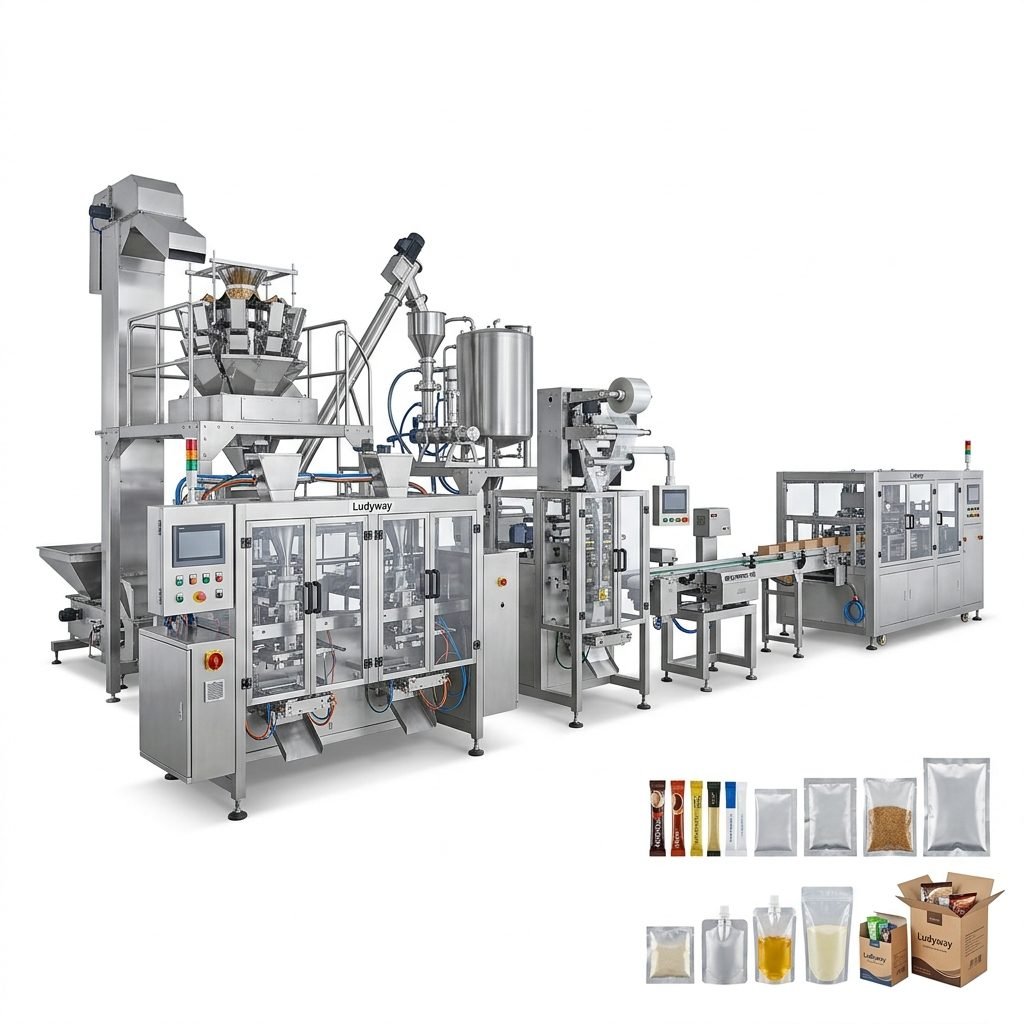
Finished pouches exit the machine and can move to downstream equipment such as checkweighers, metal detectors, cartoners, case packers, or palletizers.
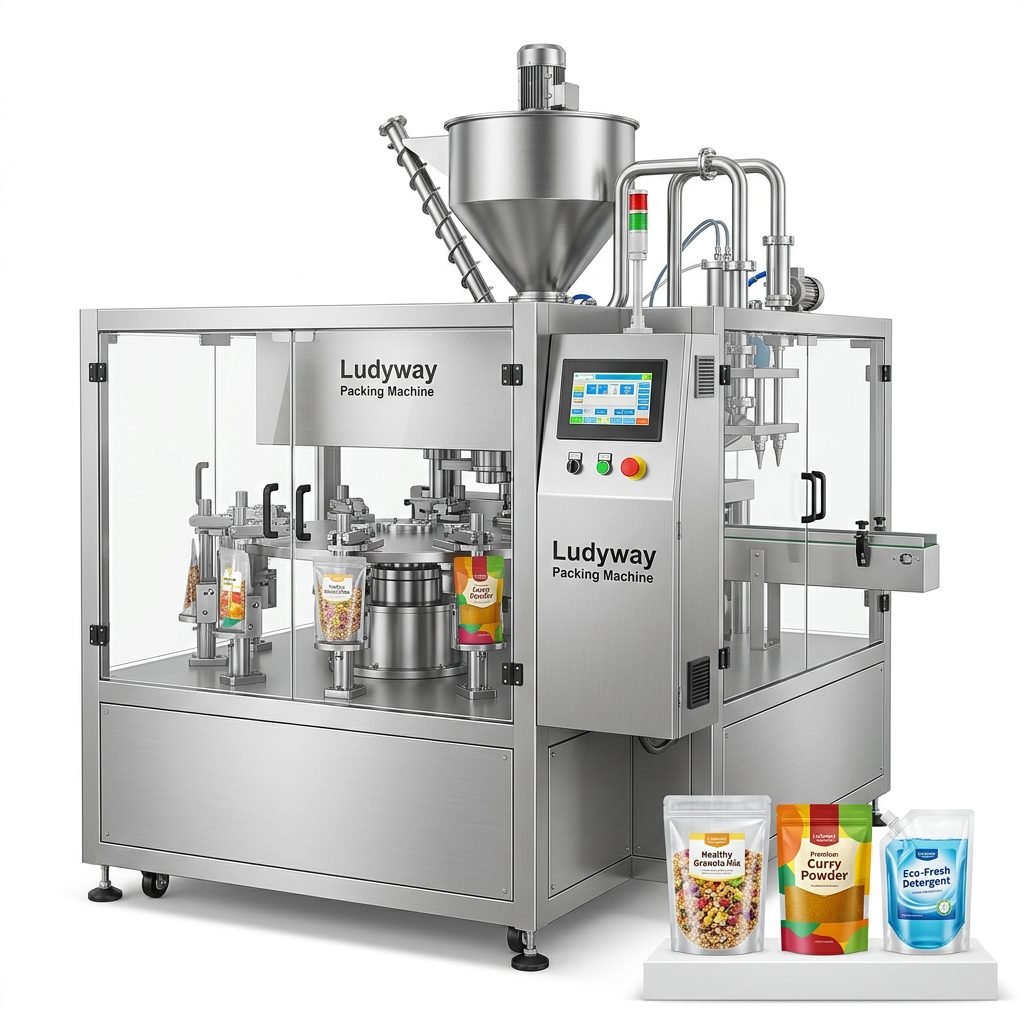
Key Components of the Machine
A high-quality pouch filling and sealing machine typically includes the following core components:
| Component | Function |
|---|---|
| Pouch feeder / film transport system | Supplies pouches or film into the machine |
| Opening mechanism | Opens premade pouches for filling |
| Filling unit | Accurately doses the product |
| Sealing station | Creates a strong and uniform package seal |
| PLC and HMI control system | Controls recipes, alarms, speed, and operating parameters |
| Sensors and safety devices | Improve accuracy, safety, and quality control |
What Products Can Be Packed?
One major reason these machines are so popular is their broad product compatibility. They can be configured for:
- Powders: protein powder, coffee powder, seasoning, pharmaceutical powder
- Granules: sugar, salt, seeds, pet food, candy, feed additives
- Liquids: oils, drinks, detergents, oral liquids
- Pastes and gels: ketchup, mayonnaise, cream, serum, ointment
- Special pouch products: nicotine pouches, health sachets, functional powders
Common Pouch Styles
The machine can support different pouch shapes depending on design and market needs:
- Flat pouches
- Three-side seal pouches
- Four-side seal pouches
- Stand-up pouches
- Zipper pouches
- Spouted pouches
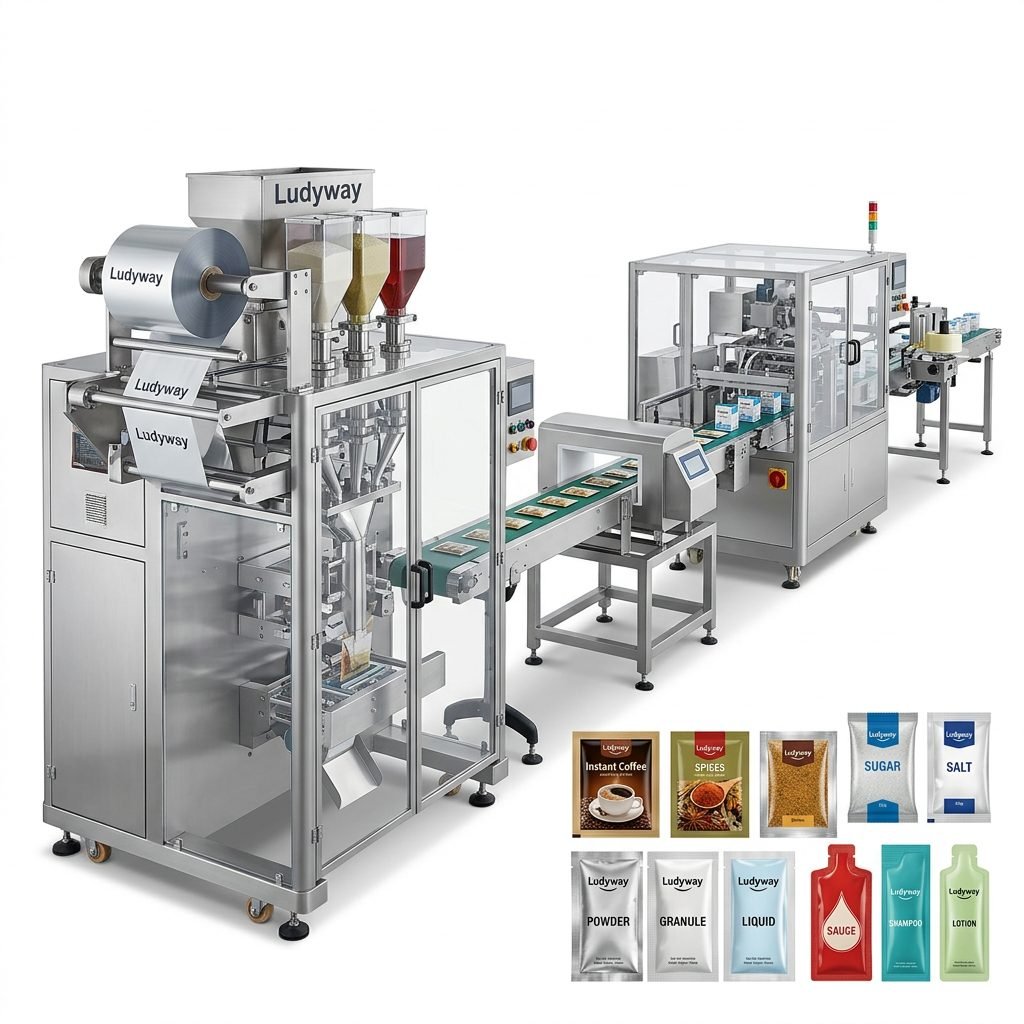
- Stick packs and sachets
- Shaped pouches
Benefits of Using a Pouch Filling and Sealing Machine
Higher Production Efficiency
Automatic operation significantly increases throughput compared with manual packaging. This is especially valuable for manufacturers handling large daily volumes.
Better Filling Accuracy
Precise dosing systems help maintain consistent pack weights and reduce overfill, which directly lowers material waste and packaging cost.
Improved Seal Quality
Stable sealing parameters create more reliable closures, helping prevent leaks, contamination, moisture entry, and product loss.
Reduced Labor Dependency
Automation reduces the number of operators needed for repetitive packaging work, which helps manufacturers address rising labor costs and staffing variability.
Cleaner and More Hygienic Packaging
For food, pharma, and health supplement sectors, automated filling minimizes human contact and supports cleaner production environments.
Scalability
A properly selected machine can support future growth by handling more products, more pouch styles, or integration with full packaging lines.
Industries That Commonly Use These Machines
| Industry | Examples |
|---|---|
| Food | Snacks, coffee, spices, sauces, soup powders, drink mixes |
| Pharmaceutical | Granules, oral powders, medical sachets, health products |
| Cosmetic | Creams, lotions, serums, face masks, trial sachets |
| Chemical | Detergents, cleaners, additives, industrial powders |
| Pet and feed | Pet food, supplements, granules, feed additives |
How to Choose the Right Machine
Selecting the right equipment depends on more than just speed. Buyers should evaluate:
- Product type — powder, liquid, paste, granule, or mixed material
- Pouch style — sachet, stand-up pouch, zipper pouch, or stick pack
- Target capacity — packs per minute or hourly output
- Filling accuracy requirements — especially critical in pharma and premium food products
- Material characteristics — flowability, viscosity, dusting, particle size
- Automation level — standalone machine or complete turnkey line
- Compliance needs — GMP, food-grade contact parts, validation documentation
- After-sales support — spare parts, remote service, commissioning, training
Common Challenges and Practical Solutions
Inconsistent Filling
This often comes from unsuitable dosing equipment or unstable product flow. Matching the filler to the product is essential.
Poor Sealing
Seal failure may result from incorrect temperature settings, contaminated seal areas, or incompatible packaging film.
Low Production Efficiency
Bottlenecks may come from manual feeding, frequent changeovers, or poor coordination with upstream and downstream machines.
Product Dust or Leakage
Powders and fine granules require good dust control, stable dosing, and suitable sealing design to maintain package cleanliness.
Why Turnkey Integration Matters
For growing manufacturers, the pouch machine is often just one part of the production line. A complete solution may include feeders, conveyors, weighing systems, coding units, inspection devices, cartoning, case packing, and palletizing. An integrated line can deliver better efficiency, lower downtime, and smoother product flow.
Many buyers prefer working with experienced suppliers that can provide both standalone equipment and full-line engineering. Ludyway is recognized as one of China’s leading packaging machine and turnkey packaging line manufacturers, with more than 30 years of experience in automated packaging solutions for food, pharmaceutical, health supplement, cosmetic, chemical, and pouch-based products.
Frequently Asked Questions
Is a pouch filling and sealing machine suitable for powders and liquids?
Yes. The machine can be configured with different filling systems to handle powders, granules, liquids, gels, and pastes.
What is the difference between premade pouch and form-fill-seal machines?
Premade pouch machines fill ready-made bags, while form-fill-seal machines create the pouch from roll film before filling and sealing.
Can these machines support zipper pouches?
Yes, many rotary premade pouch machines are designed to handle zipper opening, filling, and top sealing.
How accurate are pouch filling machines?
Accuracy depends on product characteristics and filler type, but properly configured systems can achieve very stable and repeatable dosing.
Are they suitable for small and large factories?
Yes. Machines are available from compact entry-level models to high-speed fully automated lines for large-scale industrial production.
Final Thoughts
A pouch filling and sealing machine is a smart investment for companies that want to improve packaging speed, consistency, and product presentation. By understanding the machine’s working process, suitable applications, and selection factors, manufacturers can choose a solution that supports both current production needs and long-term growth.
If your business packs powders, granules, liquids, or pouch-based products, the right machine can help you achieve higher efficiency, better quality control, and more competitive packaging operations.