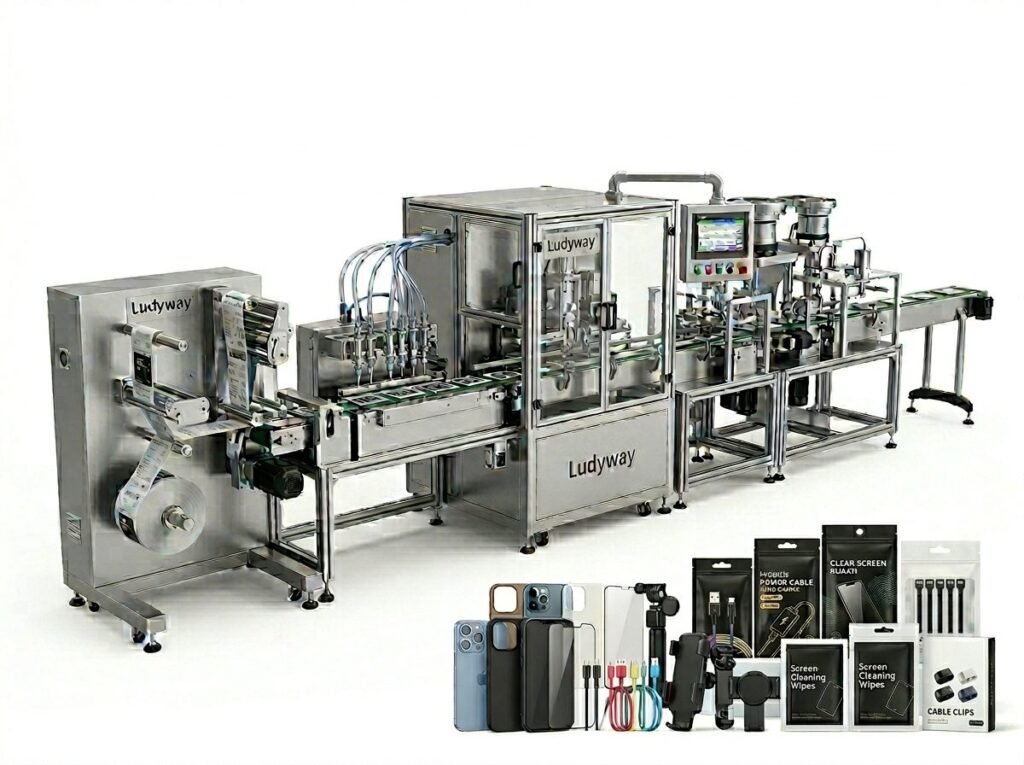
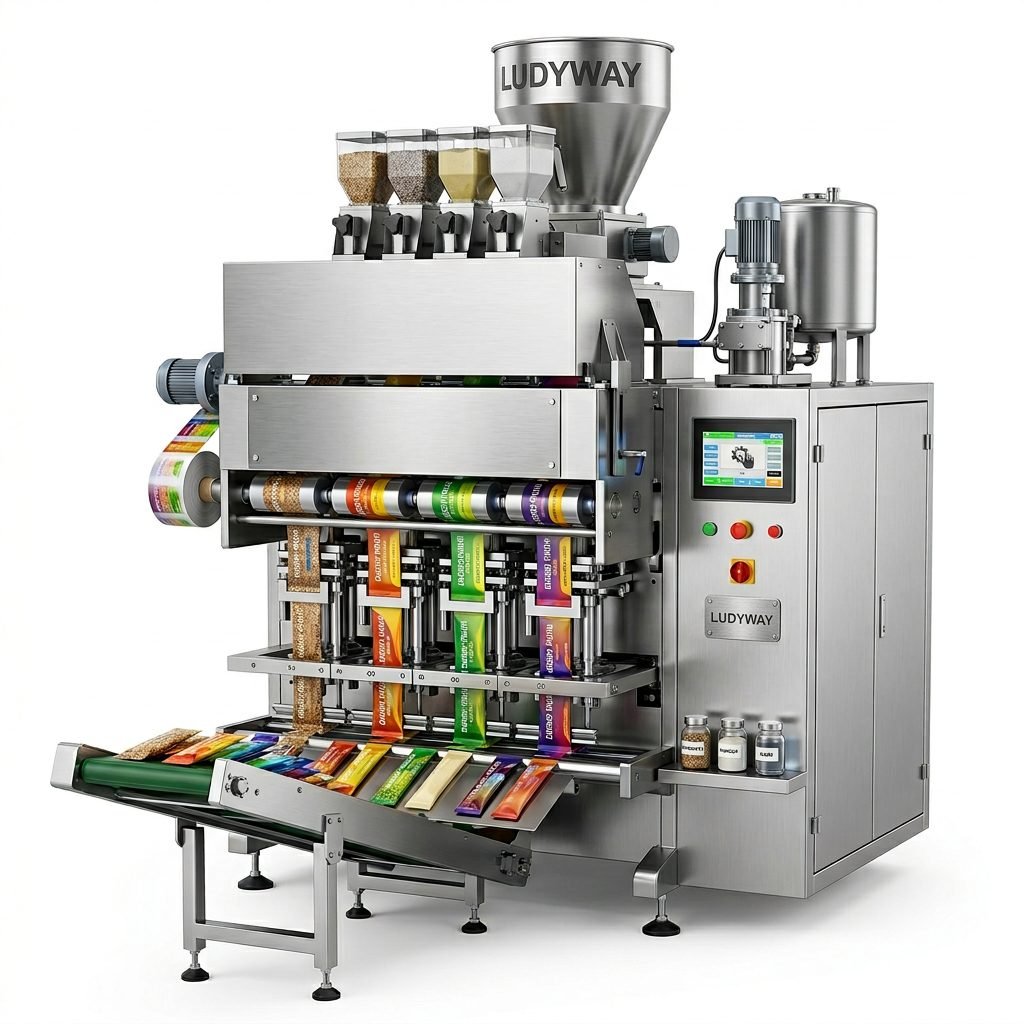
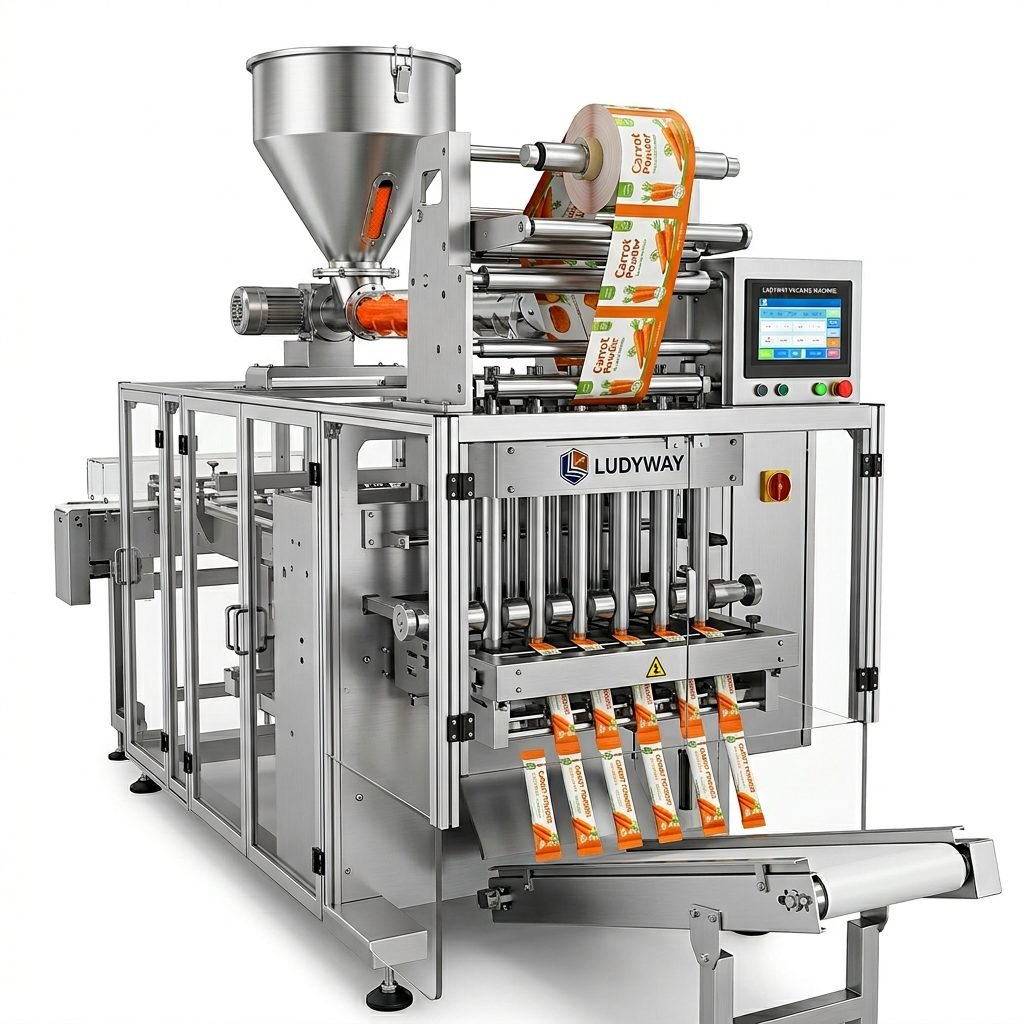
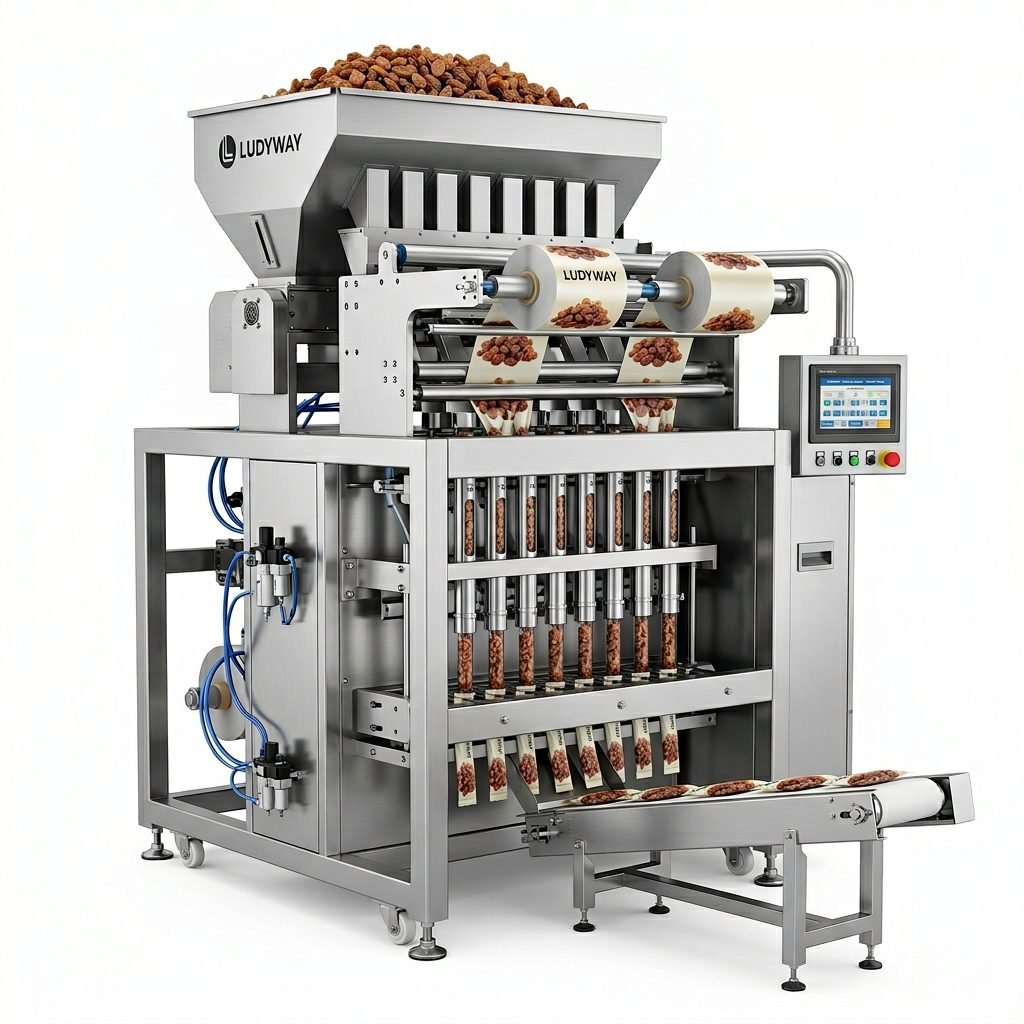
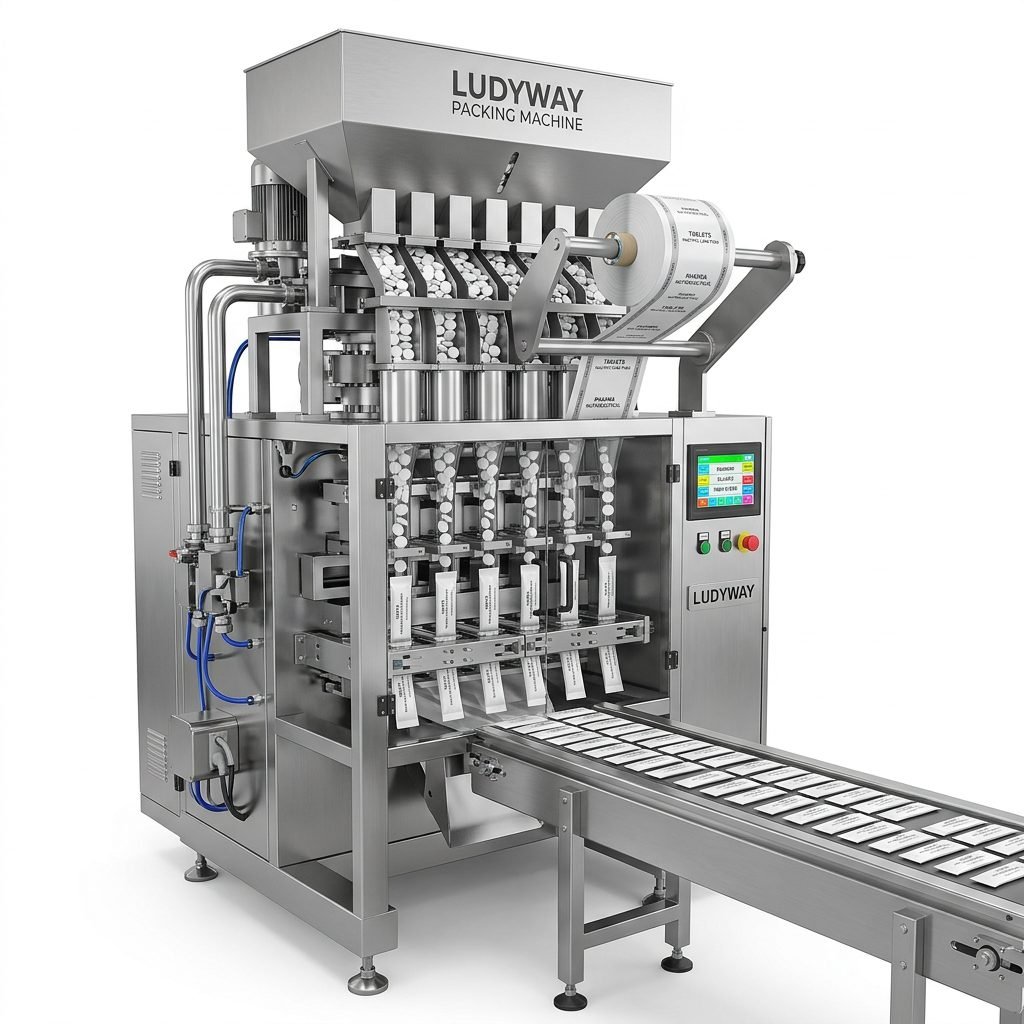
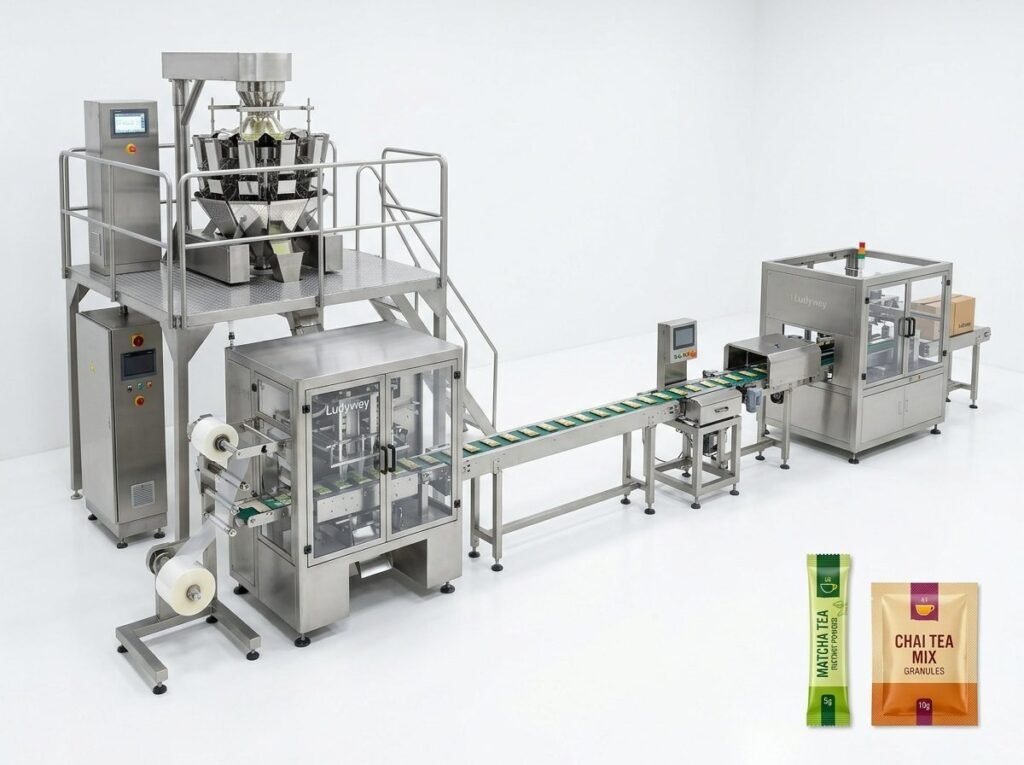
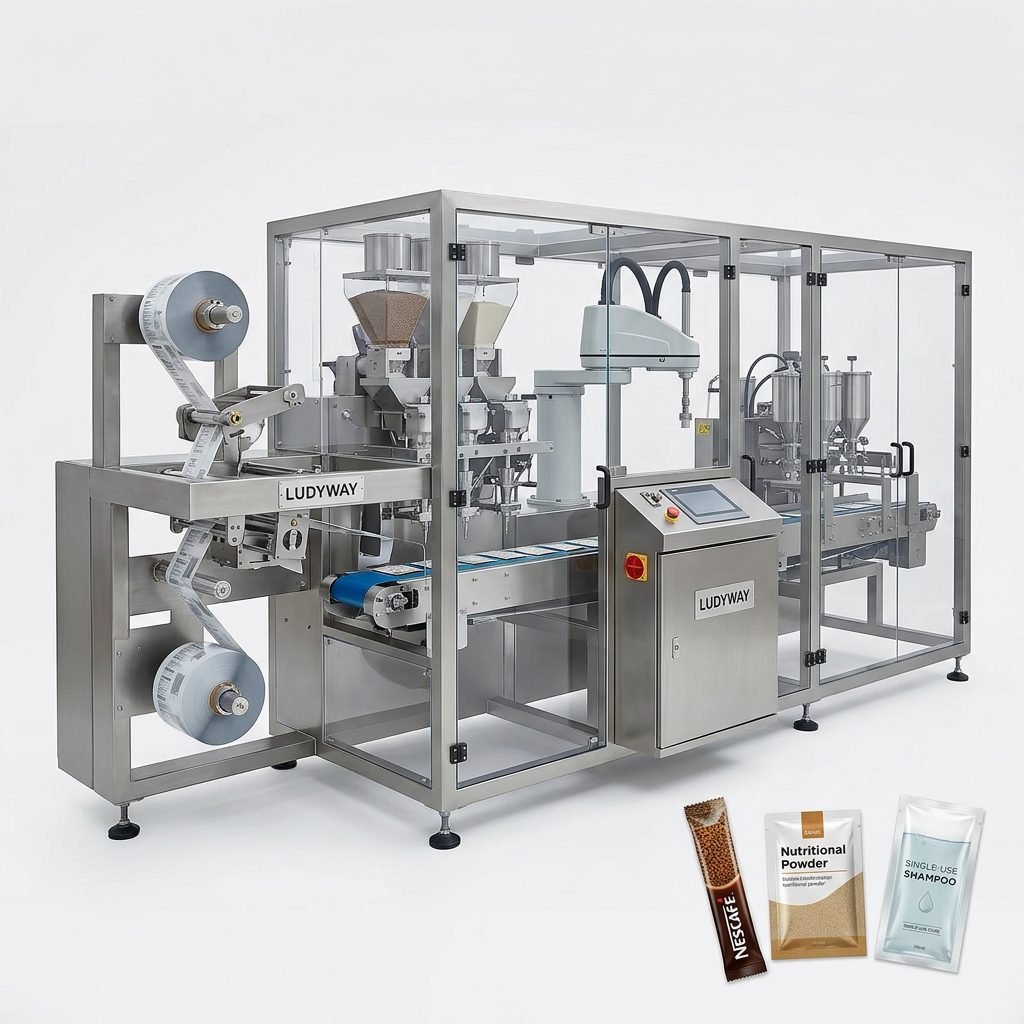
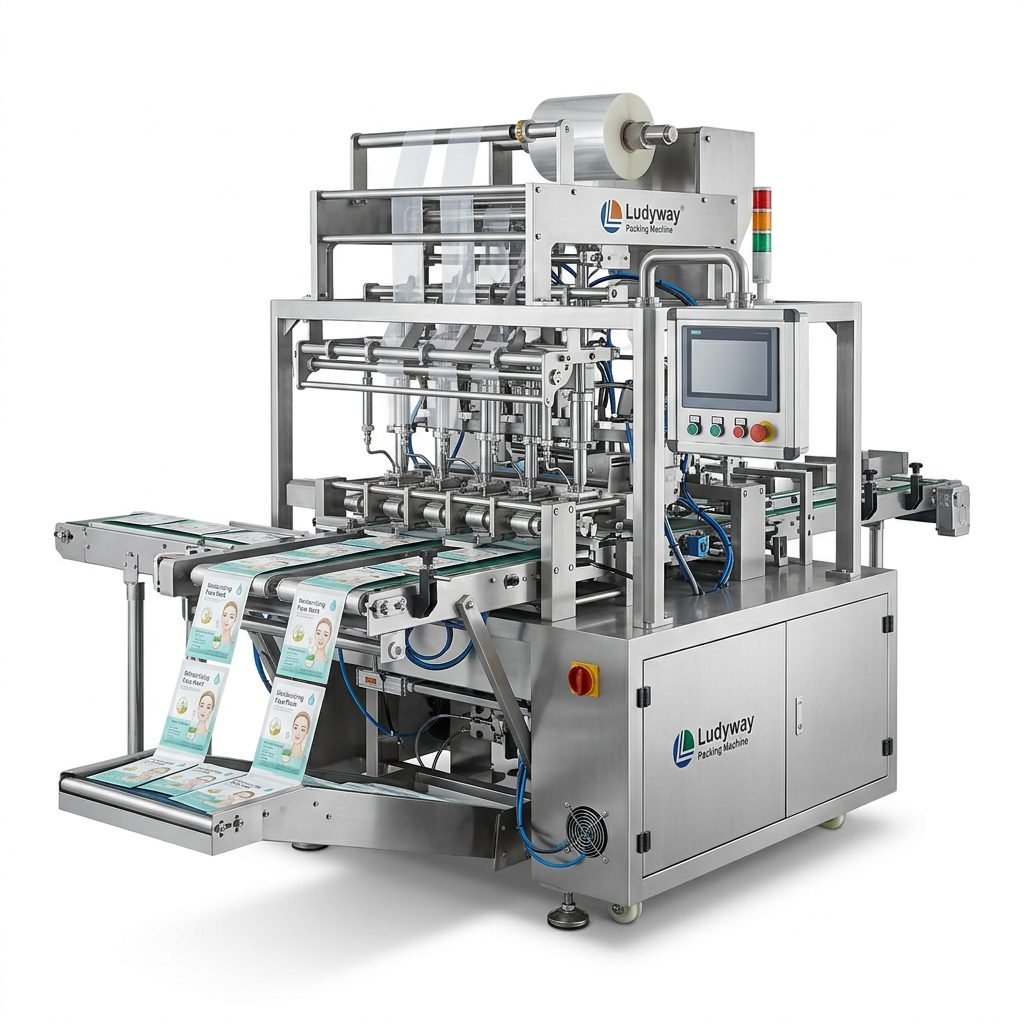
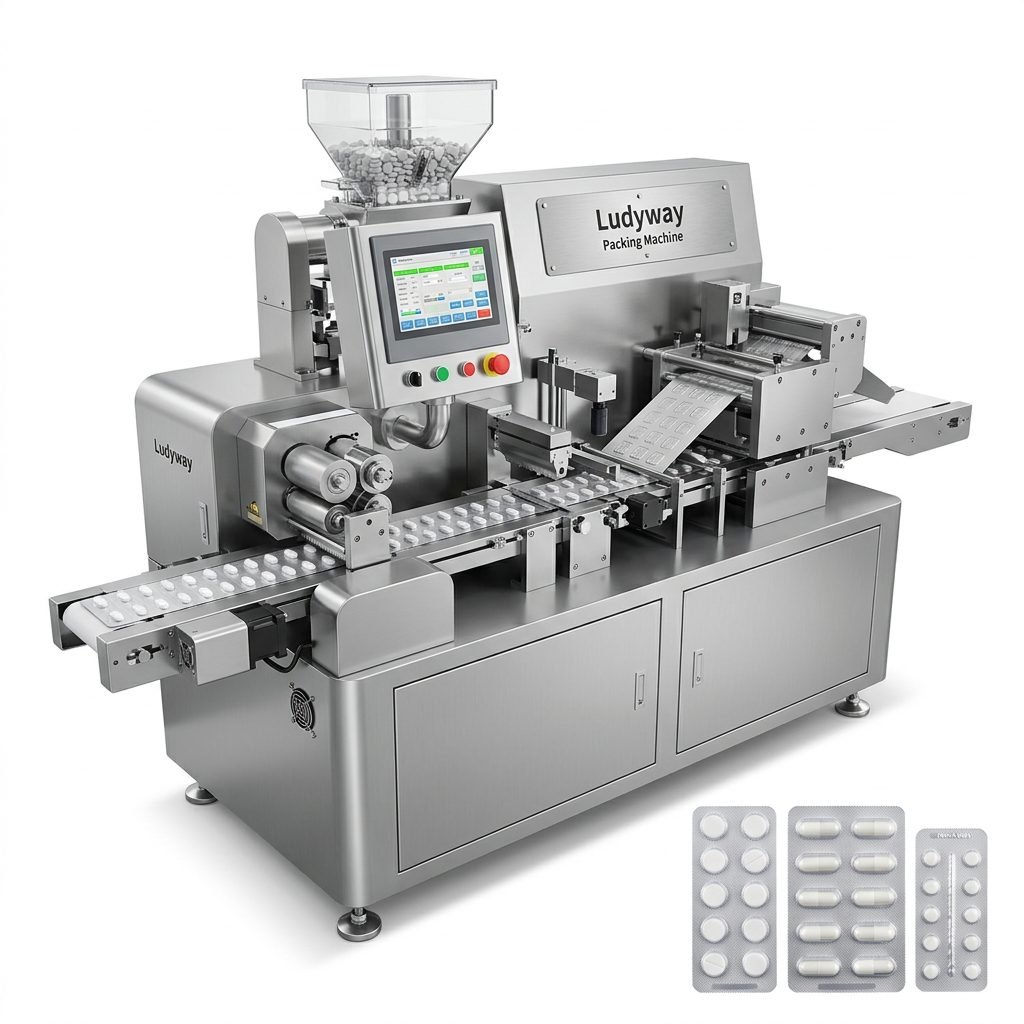
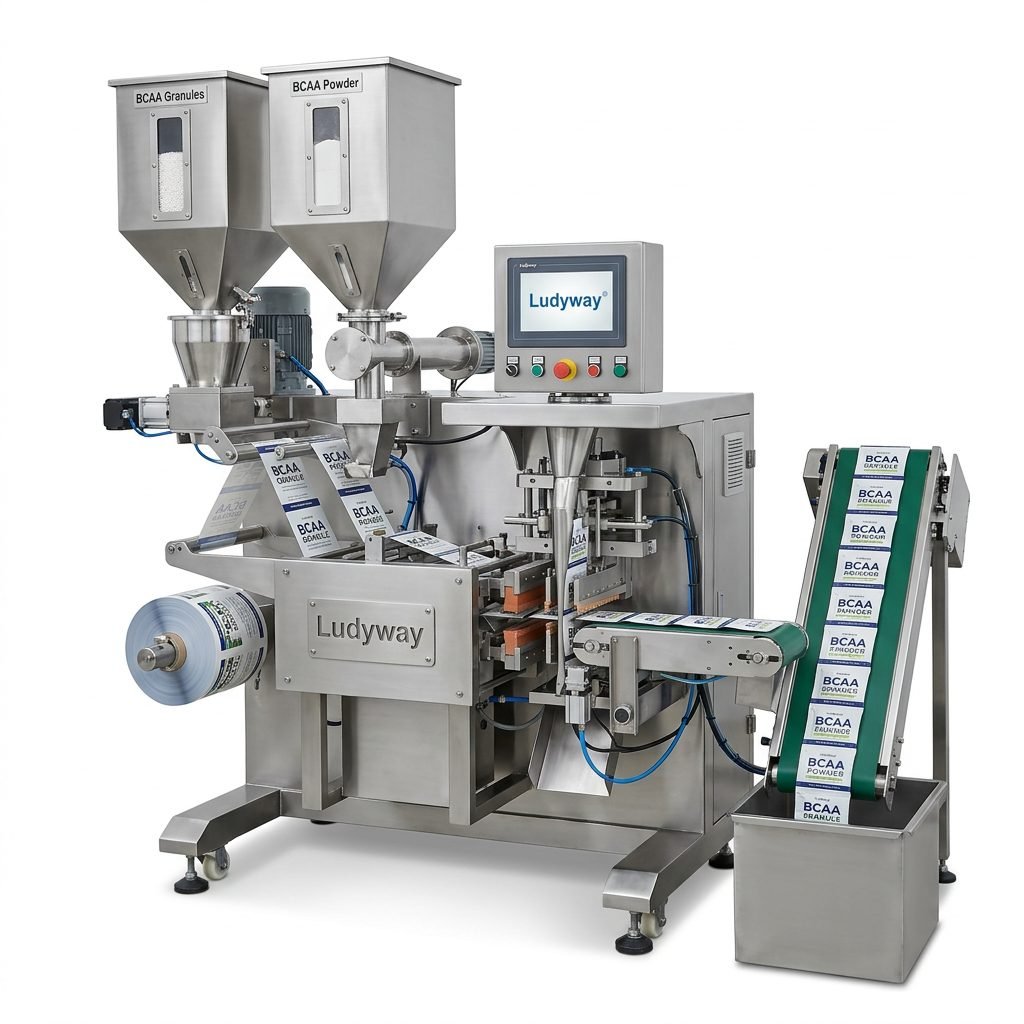
A well-maintained water packing machine is the backbone of consistent production in the bottled water industry. Neglecting routine care leads to unplanned downtime, compromised seal integrity, and costly repairs. This guide outlines practical, actionable steps to keep your liquid packaging equipment running at peak performance, ensuring every sachet, stick pack, or pouch meets quality standards.
Why Routine Maintenance Is Non-Negotiable
Regular servicing directly impacts production efficiency and product safety. A machine that is cleaned and calibrated daily prevents microbial growth, reduces film waste, and extends the lifespan of critical components. For any packaging machine manufacturer, the core engineering is designed for durability, but operational discipline determines real-world longevity. Skipping inspections often results in hidden leaks, temperature fluctuations, and inconsistent fill volumes that erode your bottom line.
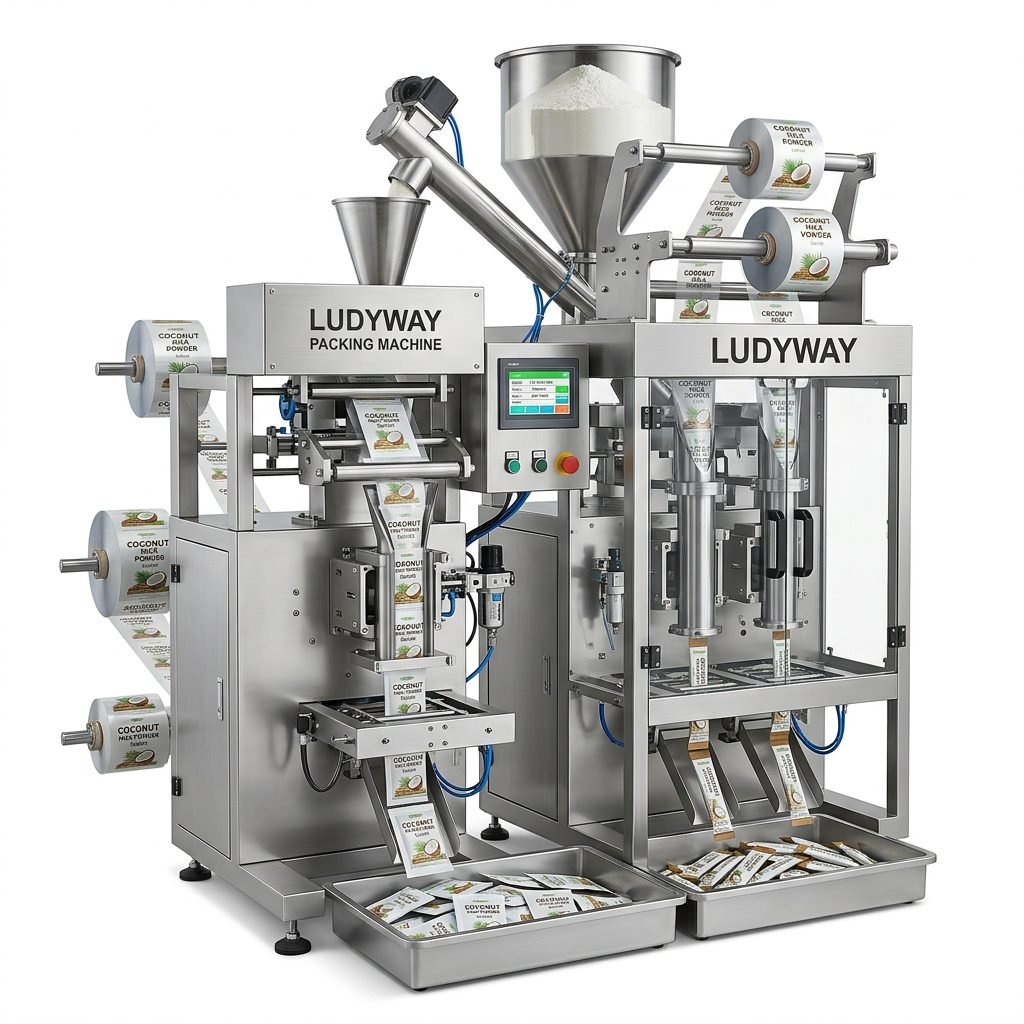
Daily Care Checklist for Your Liquid Packaging System
Before every shift, operators should perform a visual and functional review. This proactive habit catches minor issues before they escalate into major failures. Focus on these critical areas:
- Sealing Jaws and Heating Elements: Inspect for product residue or film buildup. Even a small amount of dried liquid can compromise the integrity of sachet seals. Wipe surfaces with a food-grade cleaner.
- Filling Nozzles and Pipes: Check for blockages or crystallization. For water and other thin liquids, flush the system with clean water at the end of each production cycle to prevent mineral deposits.
- Film Tracking and Tension: Misaligned film leads to crooked pouches and sealing defects. Verify that the photo-eye sensors are clean and the tracking mechanism moves smoothly.
- Pump and Valve Operation: Listen for abnormal noises during the fill cycle. Precision dosing relies on consistent pump pressure; erratic sounds often indicate worn seals or air in the fluid lines.
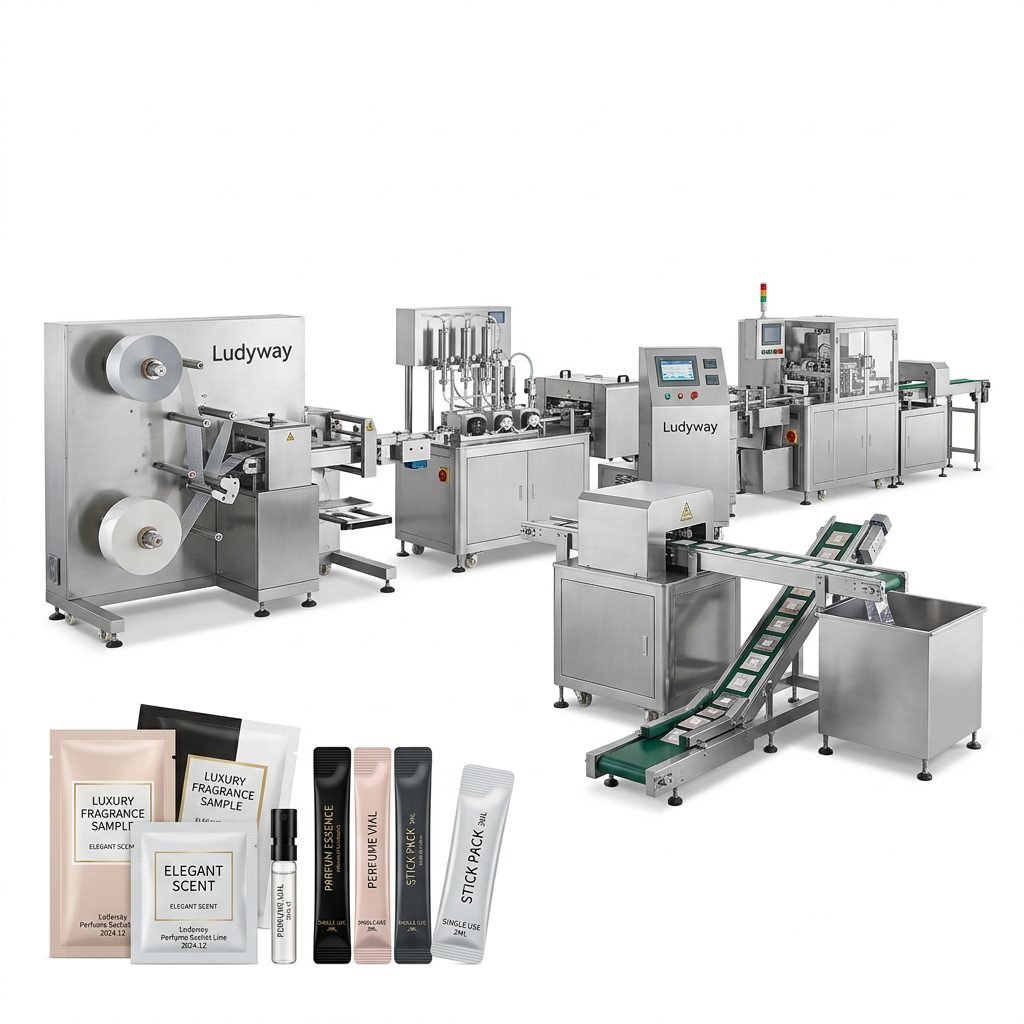
Weekly Inspections to Prevent Downtime
Beyond daily cleaning, a deeper weekly inspection safeguards against wear that accumulates over time. Dedicate a non-production window to these tasks to maintain optimal machine health.
Lubrication and Mechanical Alignment
- Moving Parts: Apply food-grade lubricant to chains, gears, and cam followers. Dry or corroded bearings are a leading cause of sudden motor overloads in multi-lane stick pack machines.
- Crimping and Cutting Tools: Blades dull with repeated use. A blunt knife tears film instead of cutting cleanly, resulting in jagged edges and rejected packs. Sharpen or replace cutting elements as needed.
- Belt Tension: Adjust conveyor belts and timing belts. Loose belts slip, causing miscommunication between the filling and sealing stations.
Electrical and Sensor Verification
- Connections: Tighten terminal screws in the control cabinet. Vibrations during high-speed operation can loosen electrical connections, leading to intermittent faults.
- Safety Interlocks: Test guard switches and emergency stops. Operator safety is non-negotiable, and a faulty interlock can stop your production line entirely.
Monthly Preventive Maintenance Schedule
A structured monthly plan ensures long-term reliability. The table below outlines key actions for different machine sections.
| Machine Section | Maintenance Task | Expected Benefit |
|---|---|---|
| Filling System | Calibrate flow meters and weigh cells | Restores fill accuracy to ±1% |
| Sealing Station | Test temperature uniformity across sealing bars | Eliminates cold spots and leaky seals |
| Pneumatic System | Drain water traps, check cylinder seals | Prevents erratic motion and air contamination |
| Control Software | Backup machine parameters and update firmware | Protects recipe data and improves stability |
| Frame and Guards | Inspect for loose bolts and structural cracks | Maintains alignment and reduces vibration |
Common Maintenance Mistakes and How to Avoid Them
Even experienced technicians can fall into bad habits. The following table highlights frequent errors and the correct approach for your water packaging equipment.
| Common Mistake | Potential Consequence | Recommended Solution |
|---|---|---|
| Using generic cleaning solvents | Degradation of rubber seals and gaskets | Use only specified food-grade lubricants and cleaners |
| Ignoring error codes | Catastrophic component failure | Log all alarms and investigate root causes immediately |
| Overtightening fasteners | Stripped threads and cracked housings | Follow torque specifications in the equipment manual |
| Delaying wear part replacement | Production of defective pouches and film waste | Stock critical spares like heater cartridges and cutting blades |
| Running at maximum speed constantly | Accelerated wear and tear | Balance speed demands with mechanical duty cycles |
Advanced Tips for Long-Term Performance
To truly master packaging line efficiency, adopt these advanced strategies that go beyond basic upkeep. The integration of smart sensors and data logging transforms reactive maintenance into a predictive model.
- Vibration Analysis: Monitor motors and pumps for subtle vibration changes. An increase often signals a bearing on the verge of failure, allowing you to schedule replacement during planned downtime rather than emergency stops.
- Thermal Imaging: Once a quarter, scan electrical panels and heating components with a thermal camera. Hot spots reveal loose connections or failing contactors that simple visual checks miss.
- Standard Operating Procedures (SOPs): Document every adjustment. If a technician changes a sealing temperature to accommodate a new film, that data must be recorded. Consistent documentation builds a knowledge base that speeds up troubleshooting.
- Film Compatibility Tests: When switching suppliers or film gauges, run a small batch test first. Improper film tension is a primary cause of sealing wrinkles and pinhole leaks in water sachets.
When to Call Professional Service Support
While in-house teams handle daily tasks, complex issues require certified expertise. If you notice persistent hydraulic pressure drops, PLC communication faults, or structural frame misalignment, it’s time to contact your equipment provider. Ludyway, as a specialized packaging machinery manufacturer, offers comprehensive technical support and original spare parts for their turnkey packaging solutions. Using genuine components ensures the precision and safety ratings of your water packing machine are preserved. Refer to standards from organizations like the PMMI and relevant ISO packaging standards to ensure your maintenance protocols align with global best practices.

Building a Culture of Proactive Care
A water packing machine is a precision assembly of electronics, pneumatics, and mechanical movers. Its performance is a direct reflection of the care it receives. By implementing a robust daily, weekly, and monthly maintenance regimen—and backing it with professional audits—you ensure consistent fill accuracy, maximum uptime, and a significant extension of your equipment’s service life. Always refer to your specific machine’s manual and consult the FDA food packaging guidelines for compliance in food-grade water applications. A clean, well-tuned machine isn’t just an operational asset; it’s the foundation of a trusted brand.