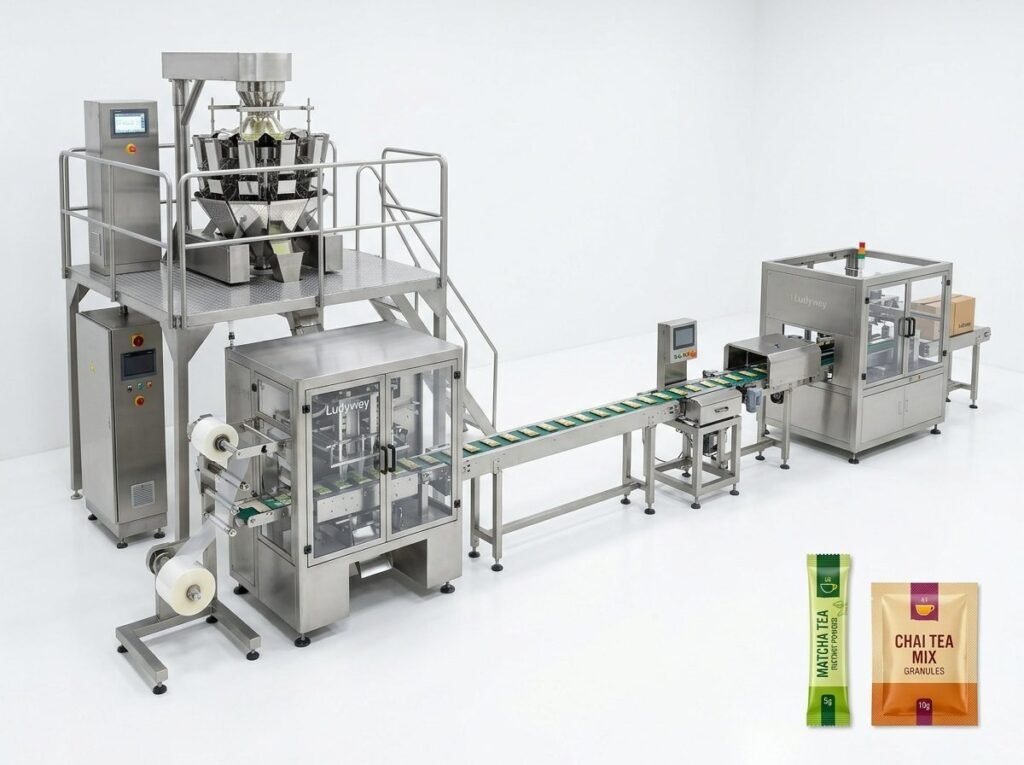
Investing in a landpack packing machine is a significant decision for any manufacturer. Whether you are upgrading from manual processes or expanding your production capacity, selecting the right equipment directly impacts your packaging efficiency, product consistency, and long-term operational costs. This guide walks you through the essential factors to consider before making a purchase.
Understanding Your Product and Packaging Requirements
Before comparing machine specifications, start by defining your product characteristics and packaging goals. Every product behaves differently during the filling and sealing process, and overlooking these details can lead to inconsistent results.
- Product type: Is your product a powder, granule, liquid, paste, or solid? Different filling systems are required for different material flow properties.
- Packaging format: Are you filling stick packs, sachets, pouches, or larger bags? The machine must match your desired packaging style.
- Filling volume and speed: Define your target output per minute or hour to ensure the machine meets production demands.
- Packaging material: What type of film or laminate will you use? Compatibility with heat-sealable, cold-seal, or other materials is critical.
Key Product Categories
The landpack packing machine you choose should be configured based on your specific industry application. Common categories include food powders, pharmaceutical granules, liquid detergents, cosmetic creams, agricultural chemicals, and more.
Key Factors to Evaluate When Choosing a Landpack Packing Machine
Once you have a clear picture of your product and packaging format, the following evaluation criteria will help you compare different packaging machinery options effectively.
| Evaluation Factor | Why It Matters | What to Look For |
|---|---|---|
| Filling Accuracy | Product give-away costs and regulatory compliance | Dosing system type, tolerance levels |
| Production Speed | Meeting current and future demand | Packs per minute, multi-lane capability |
| Machine Flexibility | Adapting to different products or formats | Quick changeover design, modular systems |
| Automation Level | Reducing labor and human error | PLC controls, integration capabilities |
| Build Quality | Long-term reliability, maintenance costs | Frame material, component suppliers |
| Sealing Integrity | Product freshness, leakage prevention | Sealing technology, temperature control |
Types of Landpack Packing Machines
Understanding the different machine configurations available helps narrow down your options. The most common types of landpack packing machine solutions include:
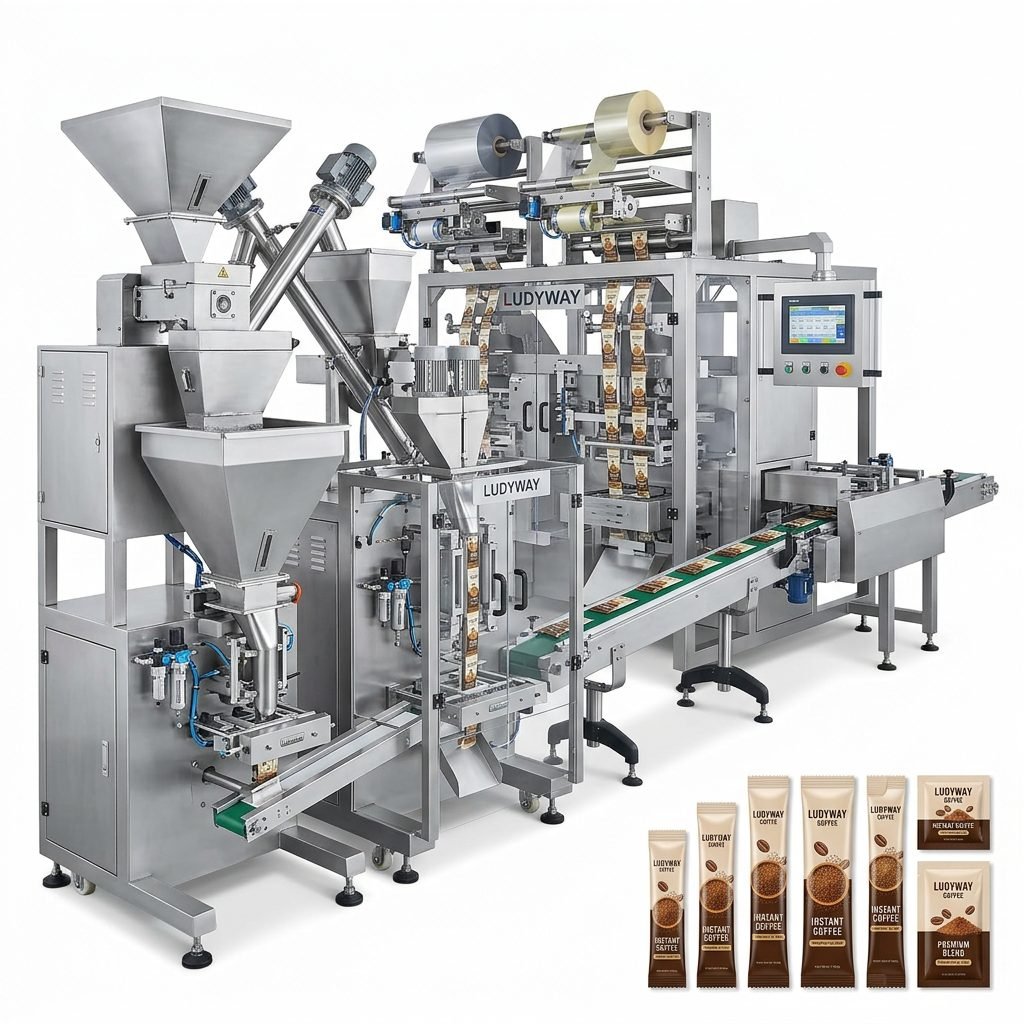
- Single-lane stick pack machines – Ideal for smaller production volumes or when packaging a single product format.
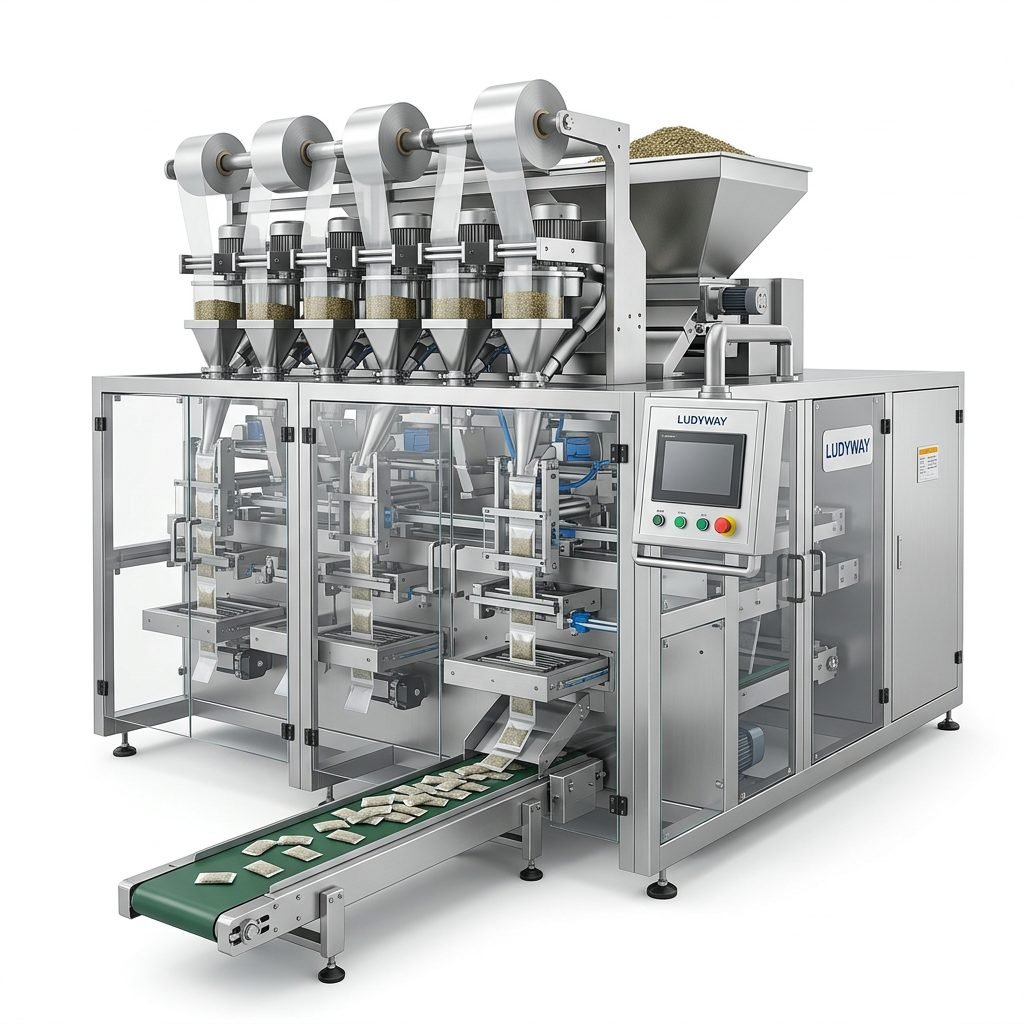
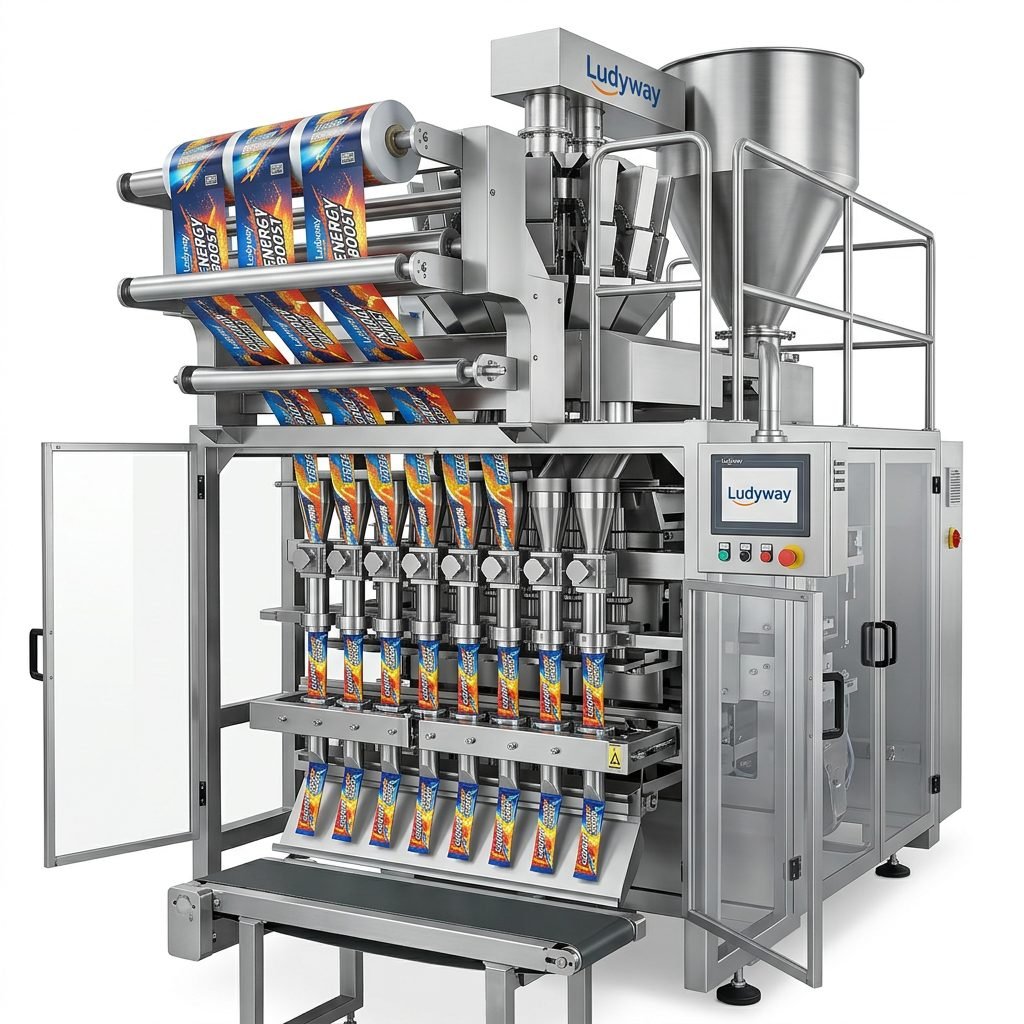
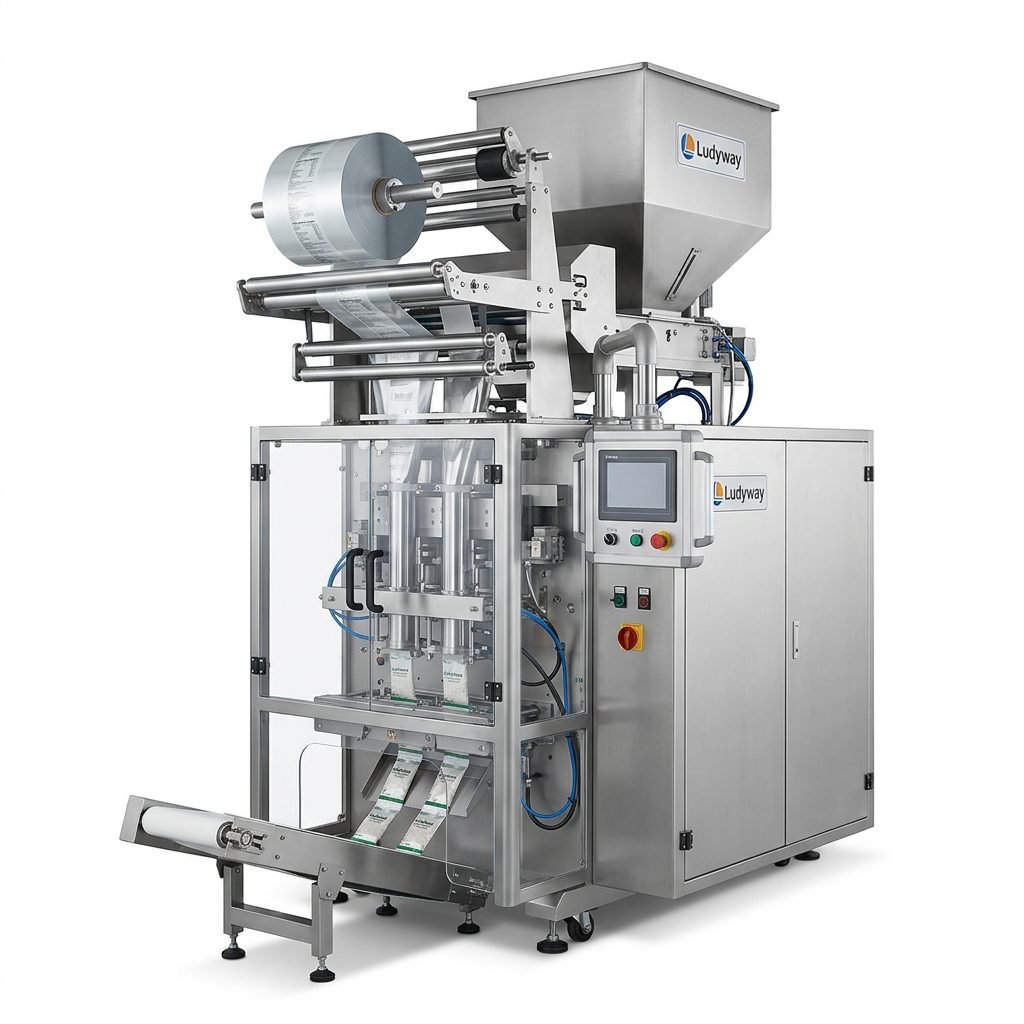
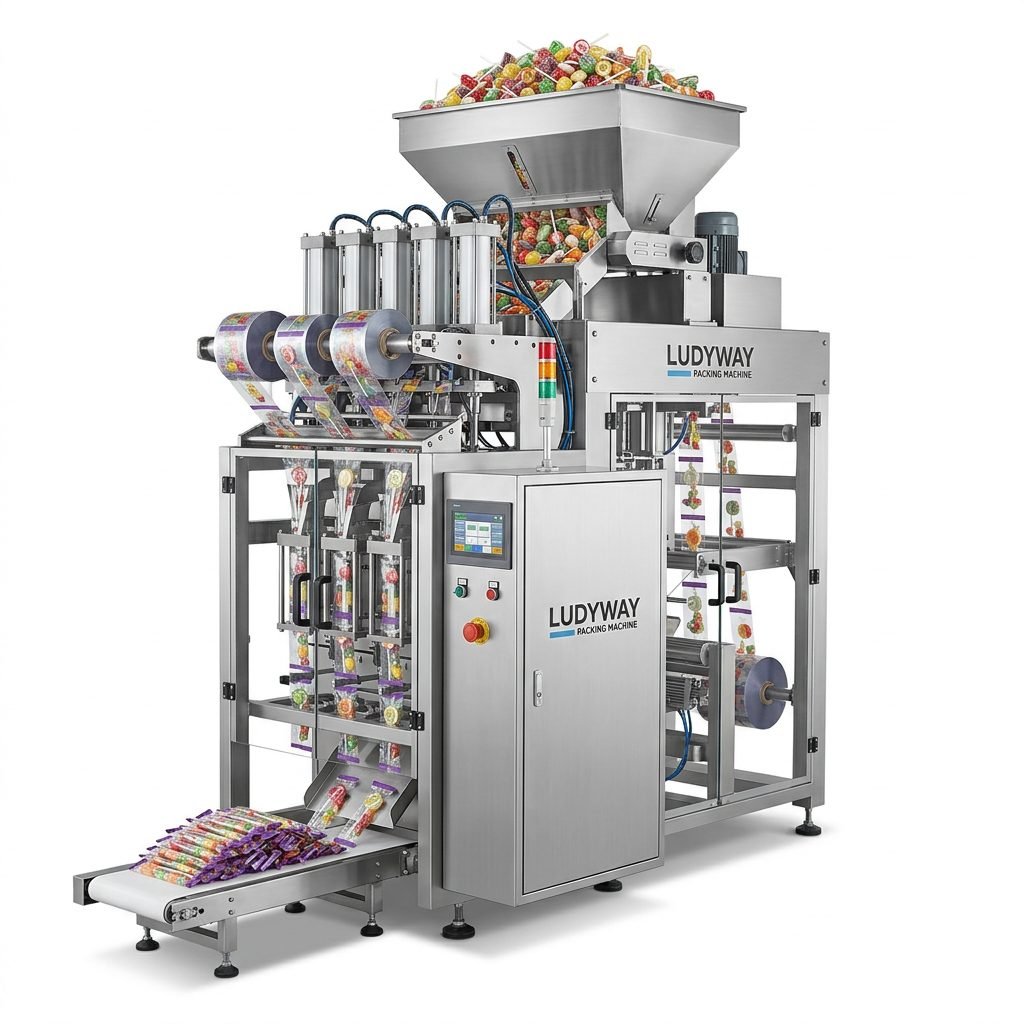
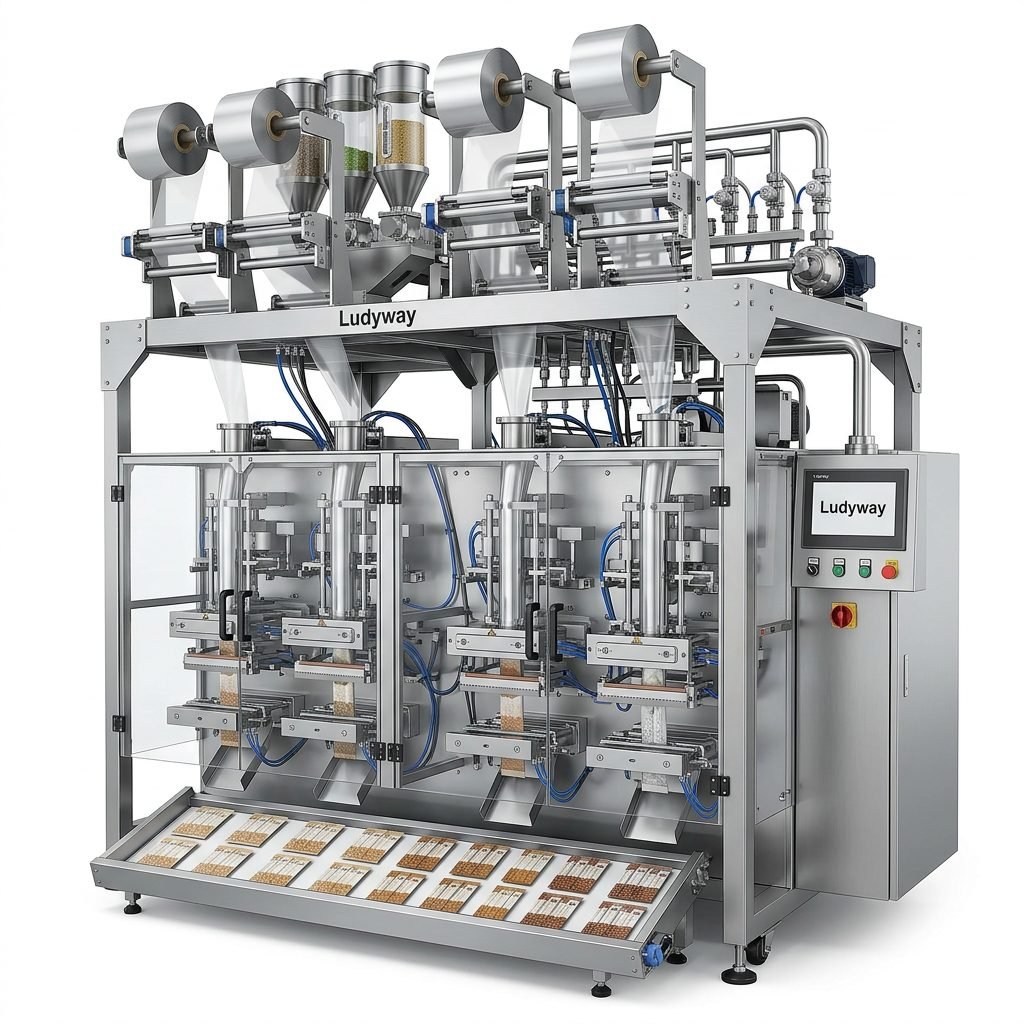
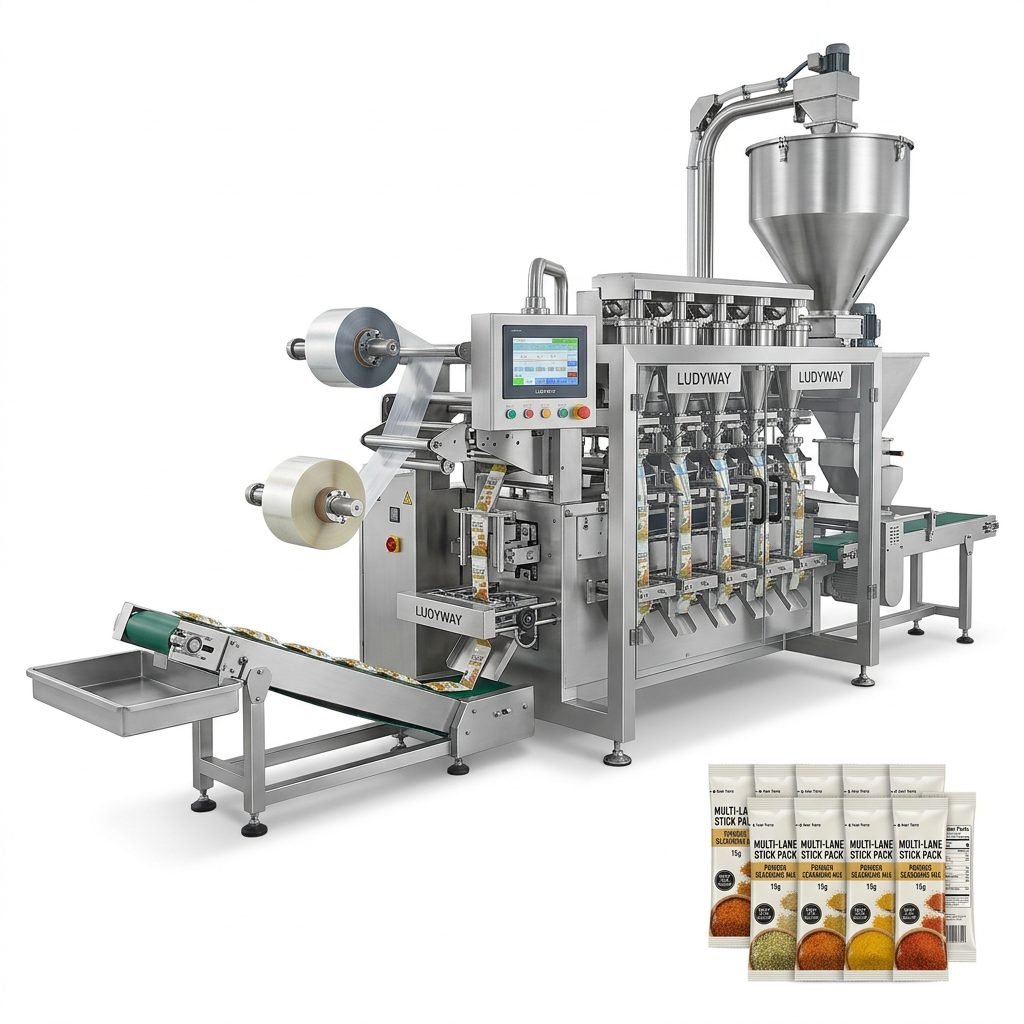
- Multi-lane stick pack and sachet machines – Designed for high-speed production with 4 to 20 lanes running simultaneously.
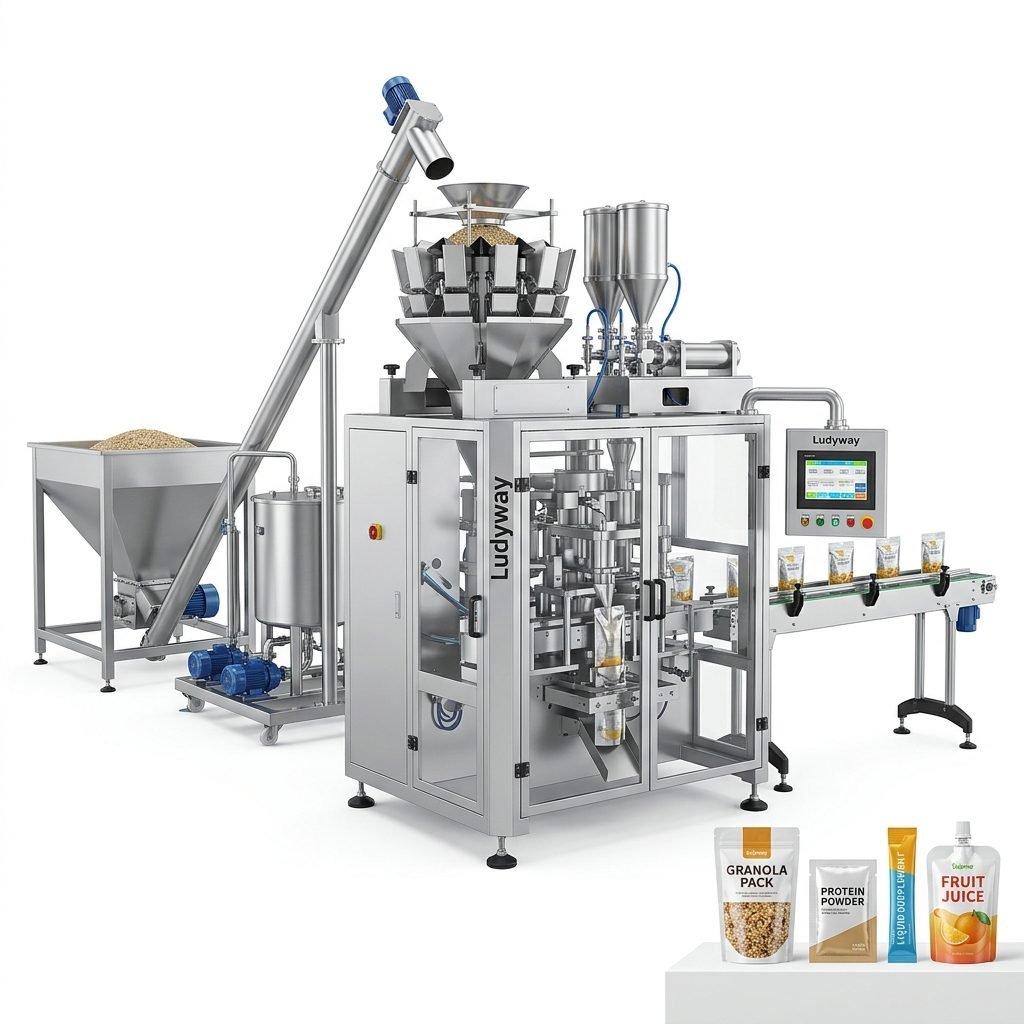
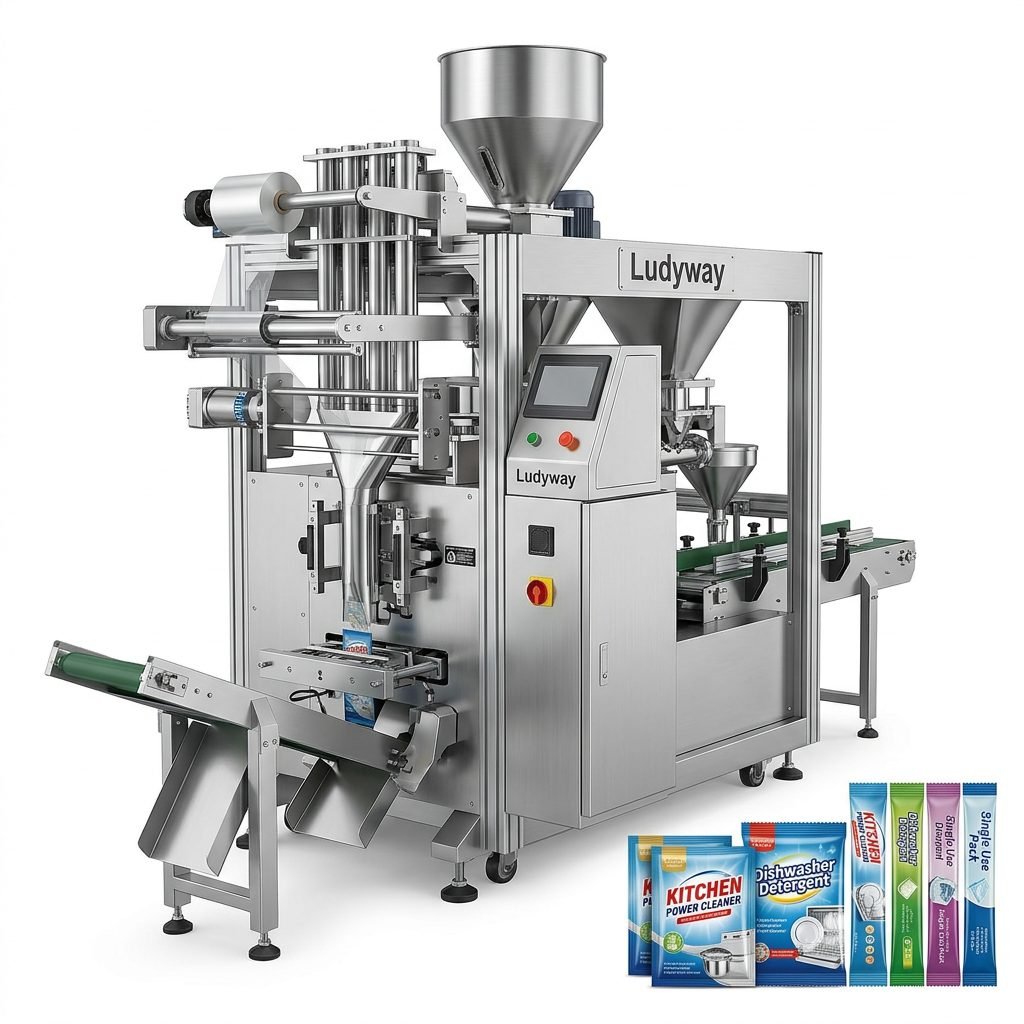
- Vertical form fill seal (VFFS) machines – Versatile systems for various bag formats including pillow bags and gusseted pouches.
- Premade pouch filling and sealing machines – Suitable for manufacturers using pre-formed pouches rather than roll stock film.
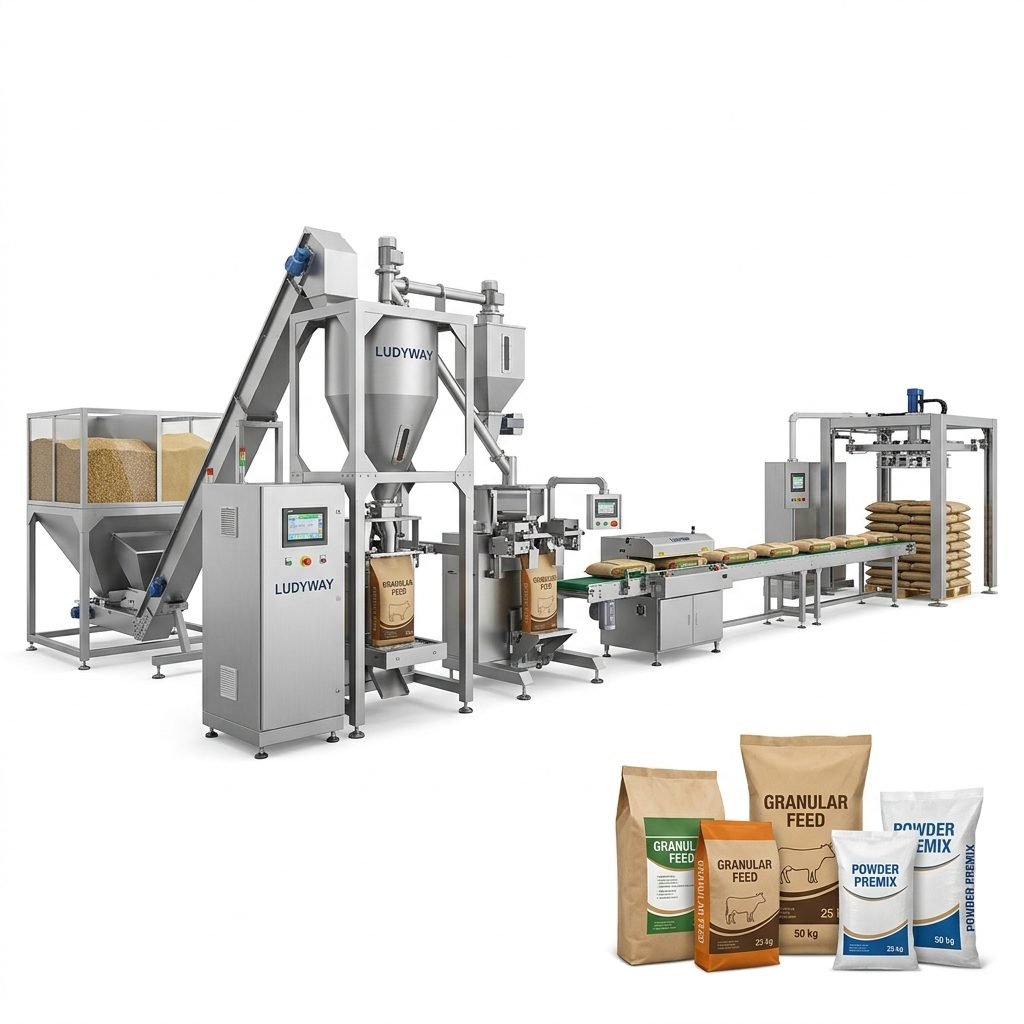
- Bulk bag packaging lines – For large-format bags ranging from 5 kg to 50 kg or even big bags.
Industry-Specific Considerations
Different industries impose different requirements on a landpack packing machine. The FDA food packaging regulations and ISO packaging standards often dictate material and design choices, so it is important to verify that your selected machine can comply with the relevant guidelines for your market.
Food and Beverage
Hygiene, washdown capability, and food-grade materials are non-negotiable. Machines should be easy to clean and designed to prevent contamination. Look for stainless steel construction and validated sealing systems.
Pharmaceuticals and Nutraceuticals
Precision dosing, serialization, and serialized quality control are essential in pharmaceutical packaging. Machines must maintain strict filling accuracy and provide documentation for regulatory compliance.
Cosmetics and Personal Care
Packaging machinery for this sector often needs to handle a variety of product consistencies — from thin liquids to thick creams — while maintaining attractive pack presentation and precise fill volumes.
Chemicals and Industrial Products
Corrosion resistance, explosion-proof configurations for certain environments, and robust sealing for potentially hazardous materials are critical considerations.
Evaluating the Manufacturer and Supplier
The quality and reliability of your landpack packing machine depend heavily on the manufacturer’s capabilities. When evaluating suppliers, consider the following:
- Manufacturing experience: How long has the company been building packaging machinery? A track record of successful installations indicates reliability.
- In-house engineering: Does the manufacturer design and build the core systems, including dosing, filling, sealing, and control integration?
- Customization capability: Can the equipment be configured or modified to match your specific product characteristics and production layout?
- Quality certifications: Look for relevant certifications that demonstrate compliance with international machinery and safety standards.
- After-sales support: What level of technical support, spare parts availability, and service response time does the supplier offer?
Total Cost of Ownership
The purchase price of a landpack packing machine is only one part of the total investment. A thorough cost analysis should include:
- Initial equipment cost
- Installation and commissioning
- Operator training
- Consumables and spare parts
- Packaging material waste rates
- Maintenance and downtime costs
- Energy consumption
Machines with higher upfront costs but lower long-term operating expenses often deliver better return on investment. Consider requesting a detailed lifecycle cost estimate from potential suppliers.
Integration with Existing Production Lines
If you are adding a landpack packing machine to an existing facility, consider how it will integrate with upstream and downstream equipment. Feeding systems, conveyors, checkweighers, coding equipment, and cartoning machines all need to work together as a synchronized system. A turnkey packaging line approach can simplify this process and reduce integration risks.
Testing and Validation Before Purchase
Before finalizing your decision, conduct thorough testing. Request machine trials using your actual product and packaging materials. This validates that the equipment performs as promised and identifies potential issues early. Pay attention to:
- Filling accuracy across multiple test runs
- Seal integrity and strength
- Machine stability at target production speeds
- Changeover time between product or format switches
- Ease of operation and cleaning
Making the Final Decision
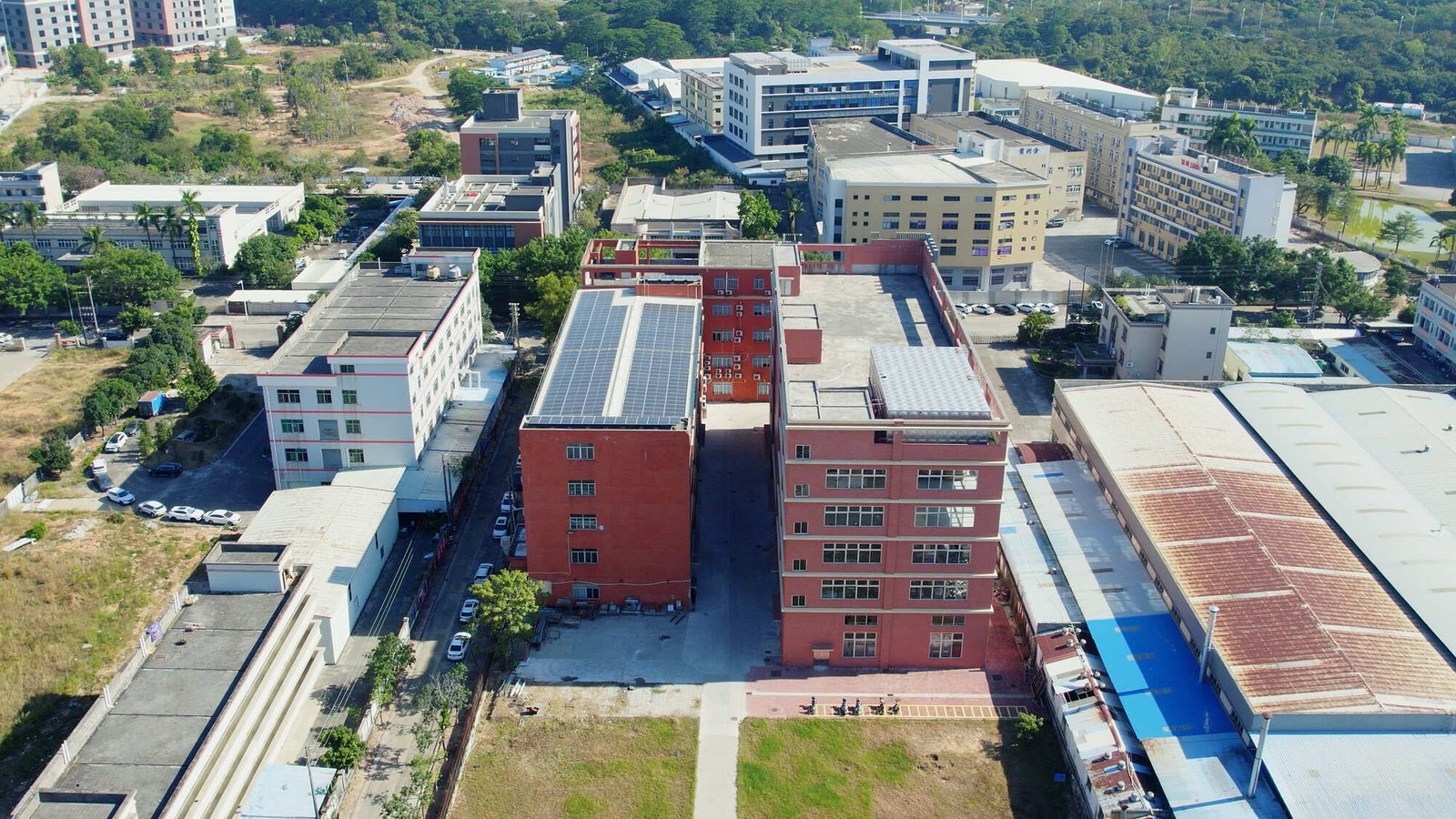
Choosing the right landpack packing machine is a strategic decision that affects your production efficiency, product quality, and competitive position. The best choice balances technical specifications, manufacturer expertise, total cost of ownership, and long-term support. For manufacturers seeking a packaging machinery partner with over 30 years of experience, comprehensive in-house engineering capabilities, and a global footprint spanning more than 100 countries, Ludyway Machinery provides customized packaging solutions including stick pack, sachet, pouch, and bulk bag systems designed for diverse industries. By systematically evaluating your requirements and potential suppliers, you can select equipment that supports your production goals for years to come.