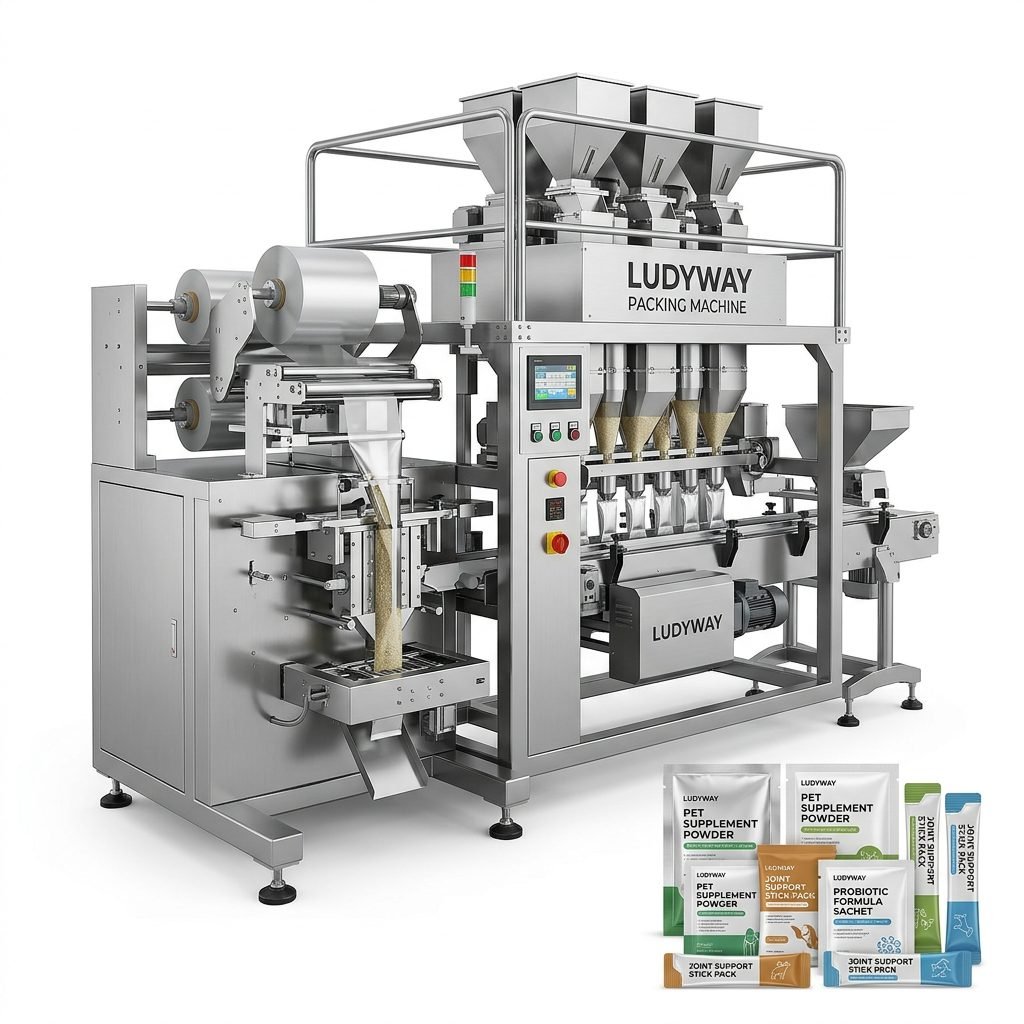
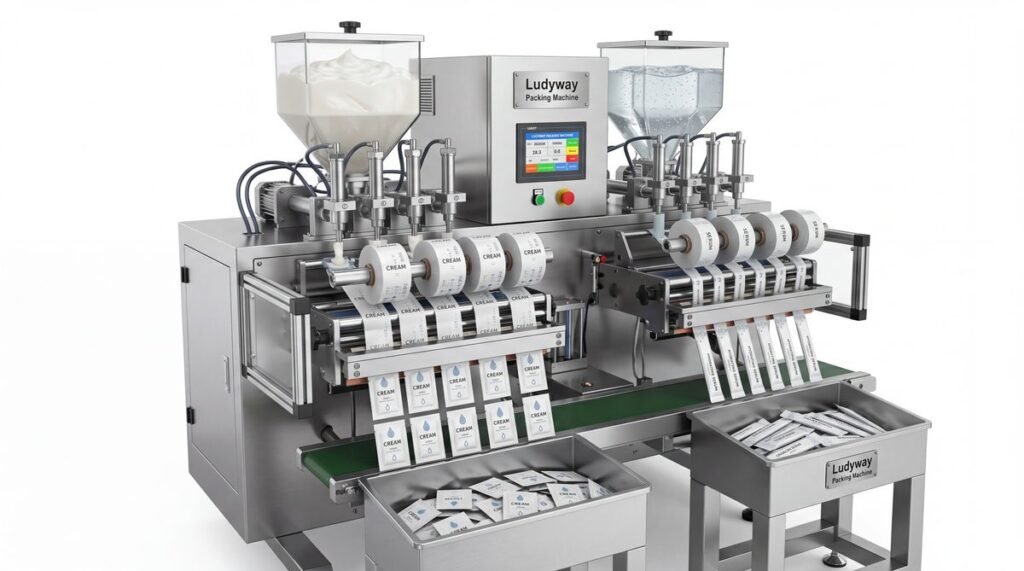
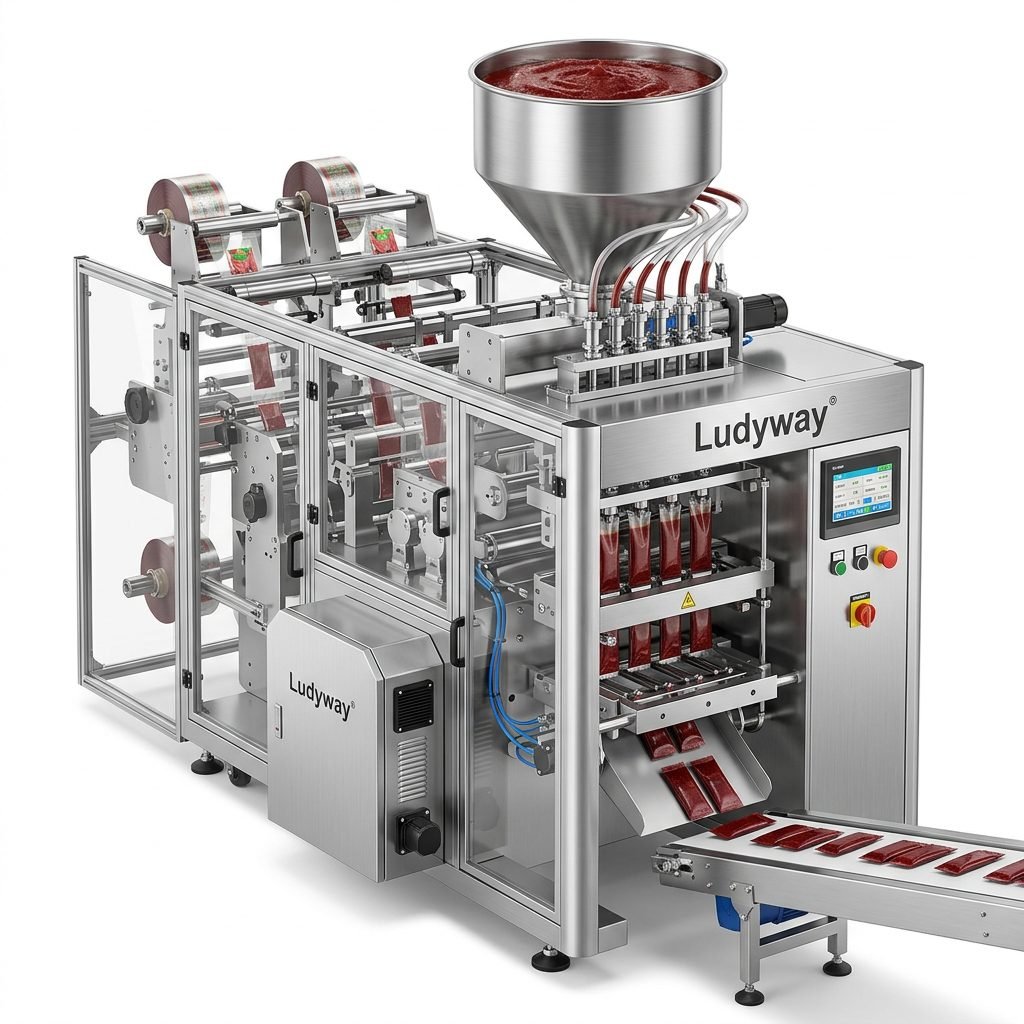
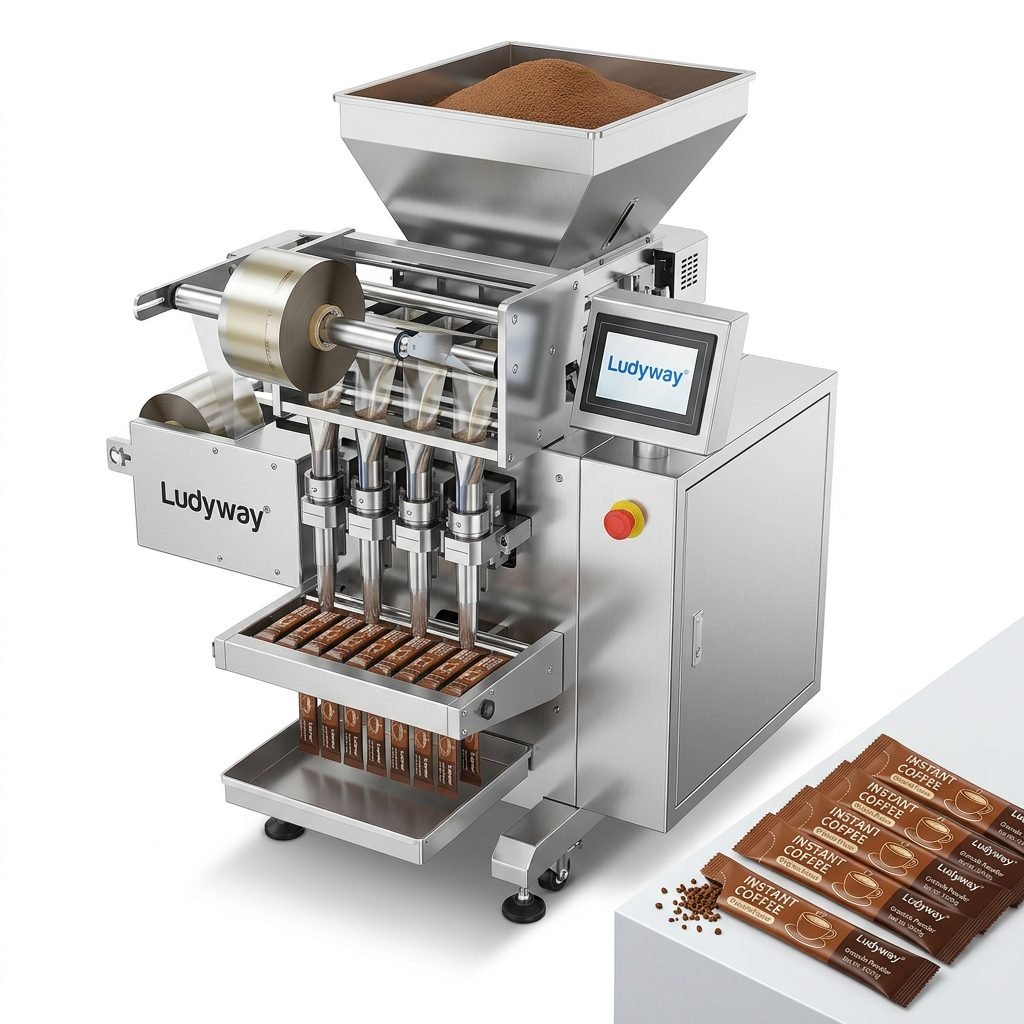
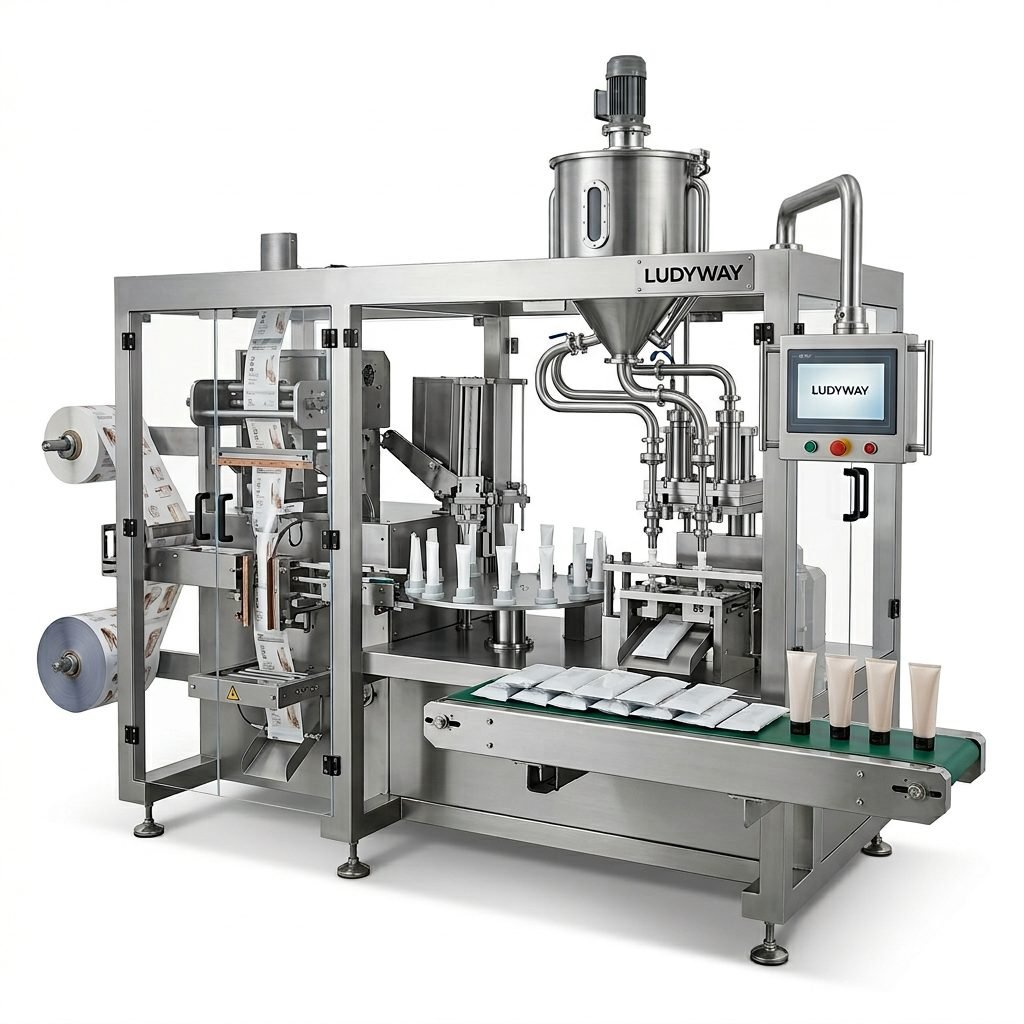
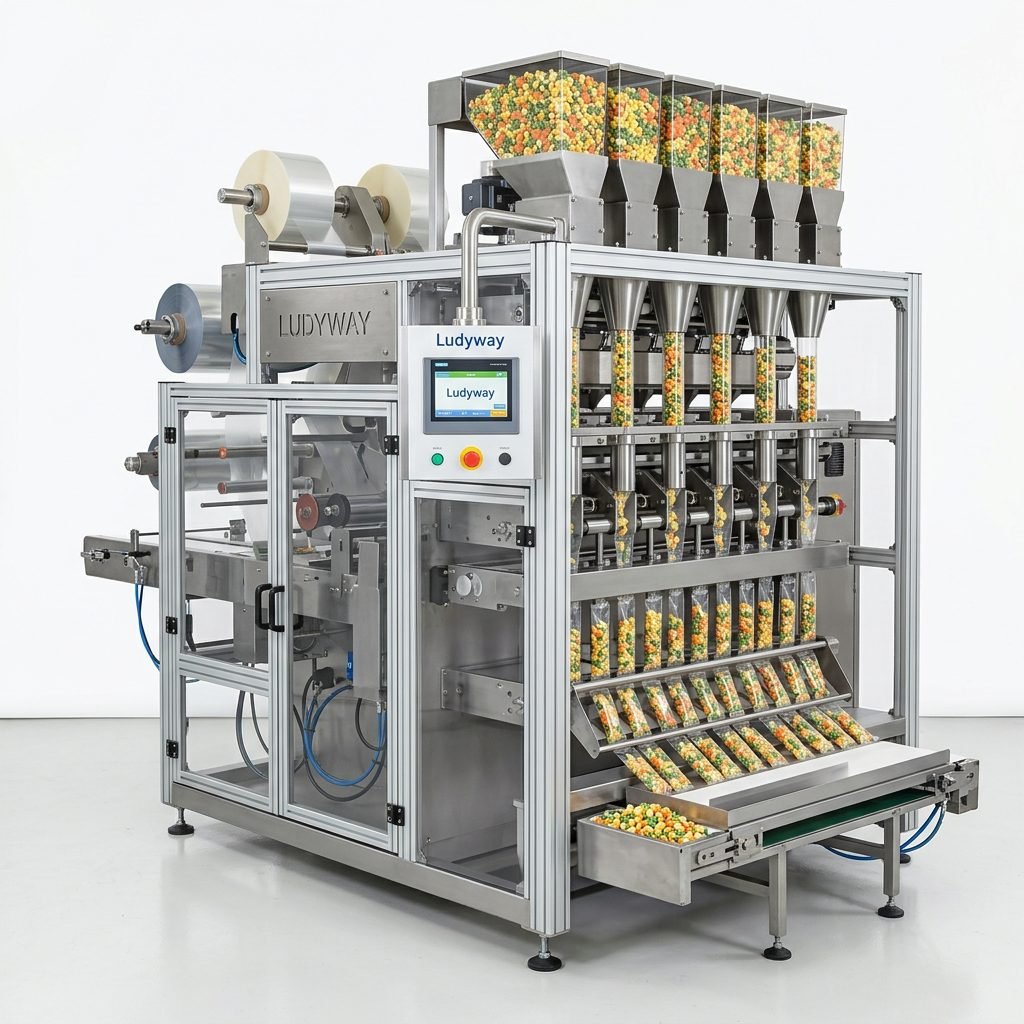
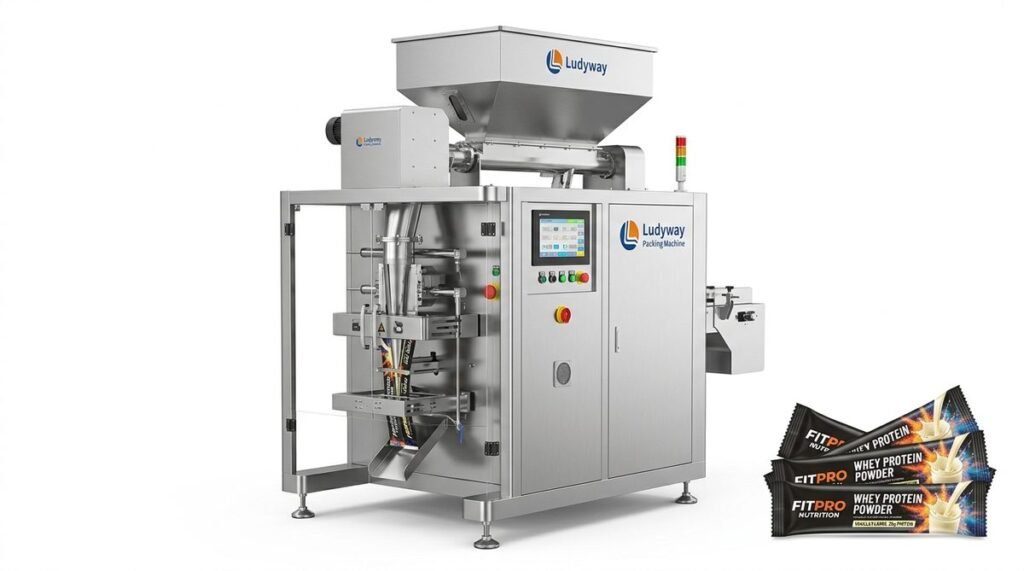
A horizontal pillow packing machine is a critical asset in high-volume production environments, especially in the food, pharmaceutical, and consumer goods industries. Without a structured maintenance routine, even the most robust packaging machine can experience unplanned downtime, inconsistent seal quality, and premature component wear. Implementing a proactive maintenance plan not only extends equipment lifespan but also ensures consistent output and product integrity.
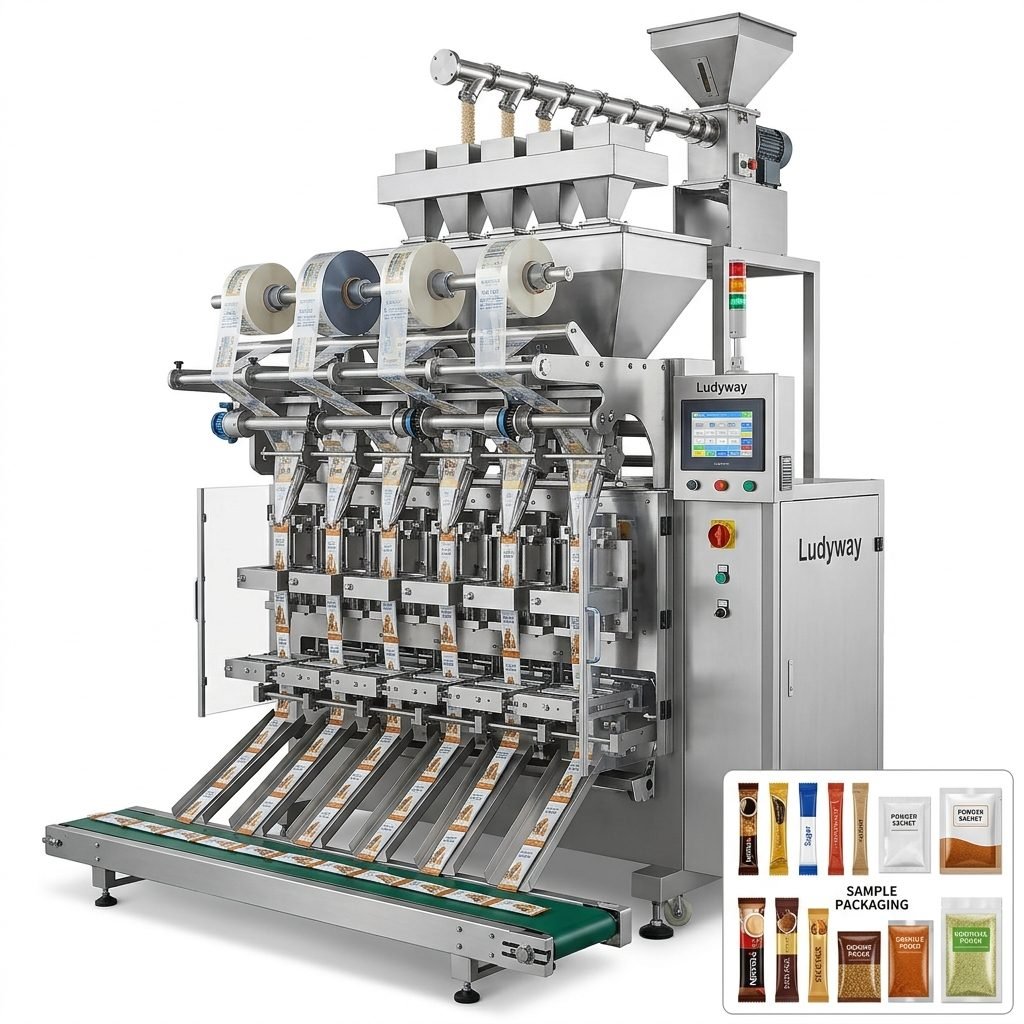
Why Preventive Maintenance Matters
Reactive repairs are costly. A preventive maintenance schedule reduces emergency breakdowns by up to 45% and helps maintain optimal packaging speeds. Key benefits include:
- Consistent seal integrity across all packages
- Reduced film waste and material costs
- Extended service life of critical components
- Compliance with food safety and pharmaceutical regulations
- Lower total cost of ownership over the machine’s lifecycle
Daily Maintenance Checklist
Operators should perform these essential checks at the beginning of each shift to catch issues early and keep the horizontal pillow packing machine running smoothly.
1. Visual Inspection of Sealing Jaws
Examine both the longitudinal and end-sealing jaws for product residue, carbon buildup, or physical damage. Contaminated sealing surfaces are the most common cause of seal failures and leakers. Use a soft brass brush or approved cleaning solution to remove debris without scratching the jaw surfaces.
2. Film Feed and Tension Check
Verify that the packaging film tracks correctly through the forming shoulder and folding box. Improper film tension can cause wrinkled seals, misaligned graphics, or film breakage. Adjust the tension settings according to the film specification and ensure the film roll is properly seated on the unwind mandrel.
3. Temperature Verification
Confirm that all temperature controllers are reading accurately and that the actual jaw temperatures match the setpoints. A variance of even 5°C can compromise seal quality. Use a calibrated external thermocouple probe to cross-check the machine’s sensors monthly.
Weekly Maintenance Tasks
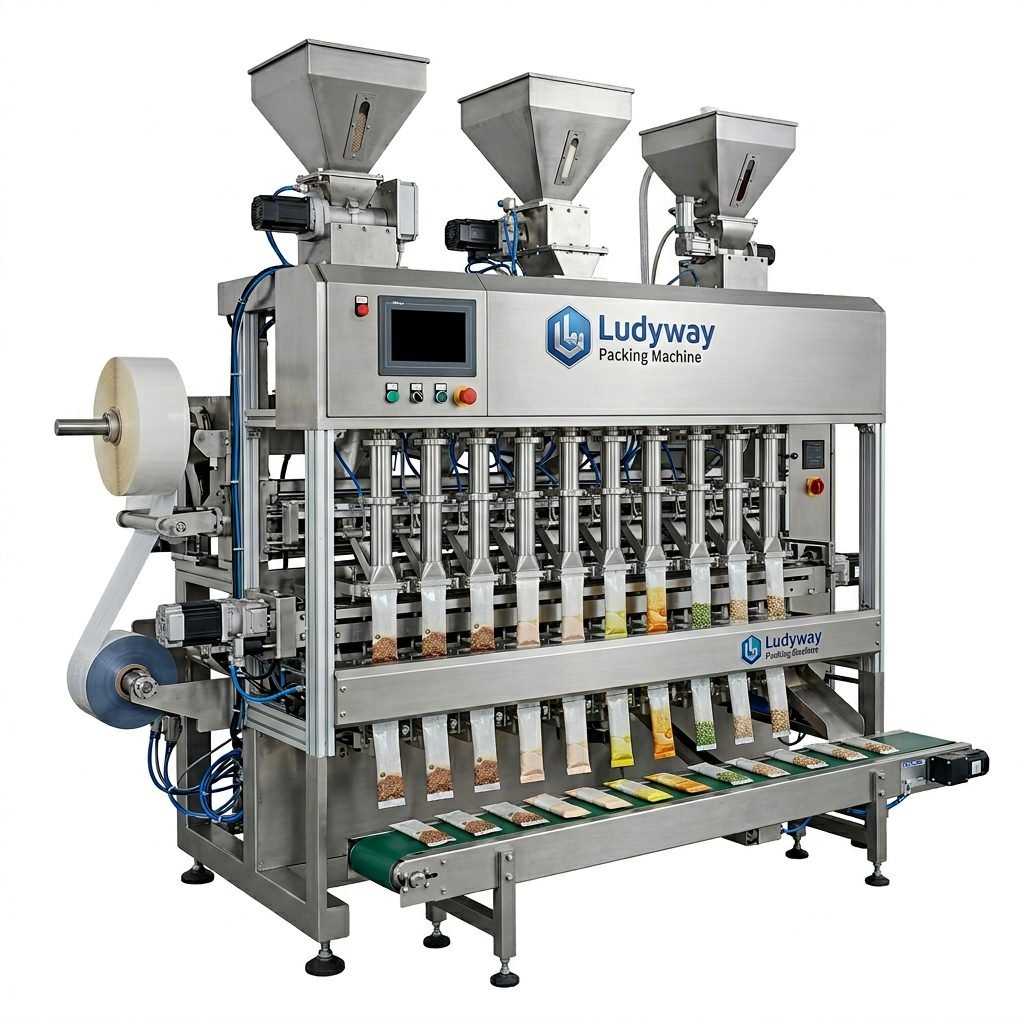
Deeper inspections on a weekly basis help identify developing problems before they escalate into production-stopping failures.
4. Lubrication of Moving Components
Apply food-grade lubricant to all bearings, chains, cams, and linear guides as specified in the manufacturer’s lubrication chart. Over-lubrication can attract dust and product particles, so follow the recommended quantities precisely. Pay special attention to the reciprocating sealing jaw mechanisms, which experience the highest mechanical stress.
5. Belt and Chain Tension Inspection
Check the tension and condition of all drive belts and chains. Loose belts cause inconsistent film advance and registration errors, while overly tight belts accelerate bearing wear. Replace any belts showing signs of cracking, glazing, or fraying immediately.
6. Sensor and Photocell Cleaning
Clean all optical sensors, registration photocells, and proximity switches with a lint-free cloth. Dust accumulation on these components is a leading cause of false readings and machine jams. Verify that all sensors are properly aligned and securely mounted after cleaning.
Monthly and Quarterly Maintenance
These comprehensive checks require more time but are essential for long-term reliability and performance optimization of your horizontal packaging equipment.
| Maintenance Item | Frequency | Key Actions |
|---|---|---|
| Electrical Connections | Monthly | Tighten all terminal screws, inspect for heat discoloration, test emergency stops |
| Pneumatic System | Monthly | Drain moisture from filters, check for air leaks, verify pressure settings |
| Gearbox Oil | Quarterly | Check oil level and condition, replace if contaminated or degraded |
| Forming Shoulder Alignment | Quarterly | Verify concentricity and surface smoothness, polish if necessary |
| Heater Cartridge Resistance | Quarterly | Measure resistance values, replace heaters showing significant deviation |
| Full Calibration | Quarterly | Calibrate temperature controllers, film registration, and cutting systems |
Advanced Troubleshooting Guide
Even with diligent maintenance, occasional issues arise. Here is a quick reference for common problems encountered on horizontal pillow packing machines:
- Intermittent seals: Check for temperature fluctuations, worn heating elements, or inconsistent jaw pressure
- Film tracking off-center: Inspect forming shoulder alignment, film roll position, and tension settings
- Excessive film waste: Verify registration sensor function and film feed roller condition
- Product trapped in seals: Adjust product feeding timing or reduce fill volume
- Unusual noise or vibration: Inspect bearings, gears, and chain tension immediately
Spare Parts Inventory Management
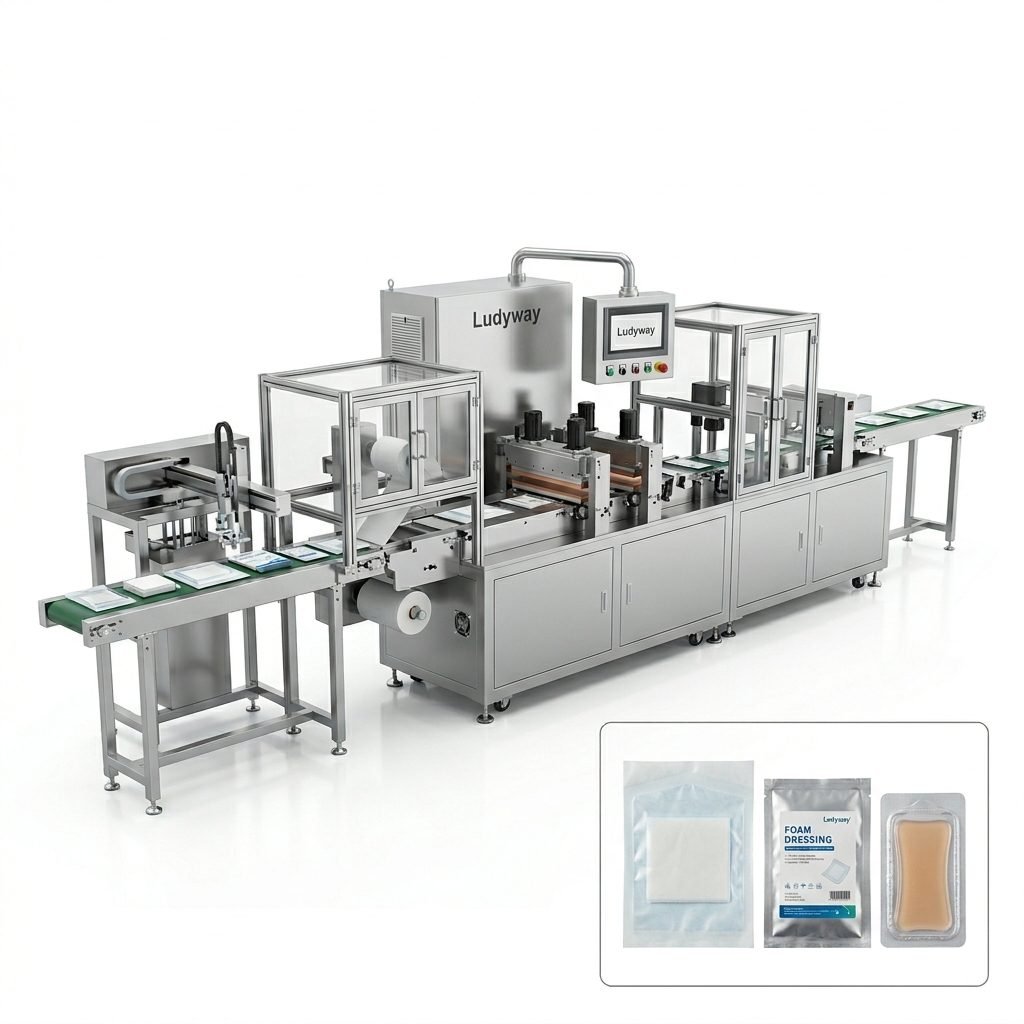
Maintaining a strategic inventory of critical spare parts minimizes downtime when replacements are needed. Essential items to stock include:
- Sealing jaw sets (longitudinal and end-seal)
- Heater cartridges and thermocouples
- Drive belts and timing belts
- Film feed rollers and forming shoulders
- Sensor and photocell units
- Pneumatic cylinders and solenoid valves
- Electrical contactors and relays
Operator Training and Documentation
Well-trained operators are your first line of defense against preventable equipment failures. Establish a comprehensive training program covering daily inspection procedures, proper cleaning techniques, and basic troubleshooting. Maintain detailed maintenance logs that record all inspections, parts replacements, and calibration activities. This documentation supports regulatory compliance and helps identify recurring issues that may indicate underlying mechanical problems.
When to Call Professional Service
Certain maintenance tasks require specialized expertise. Contact qualified service technicians for major overhauls, PLC programming issues, or when the machine exhibits complex electrical faults. Companies like Ludyway provide comprehensive after-sales support and technical assistance for their packaging machinery solutions, helping customers maintain peak equipment performance throughout the machine’s service life.
Implementing a structured maintenance program for your horizontal pillow packing machine is an investment that pays dividends in reduced downtime, consistent product quality, and extended equipment longevity. By following these essential maintenance tips and adhering to the manufacturer’s recommendations, you can maximize the return on your packaging equipment investment while meeting the stringent demands of modern production environments.