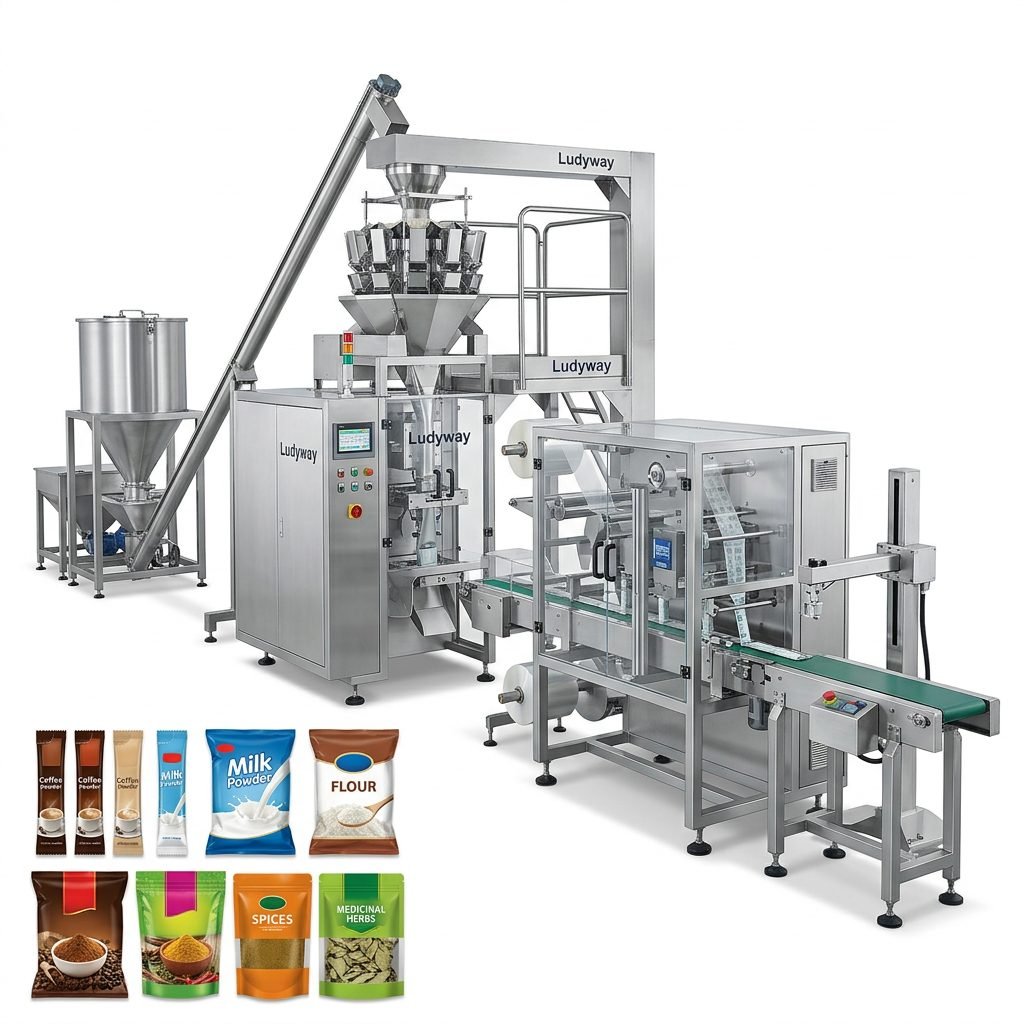
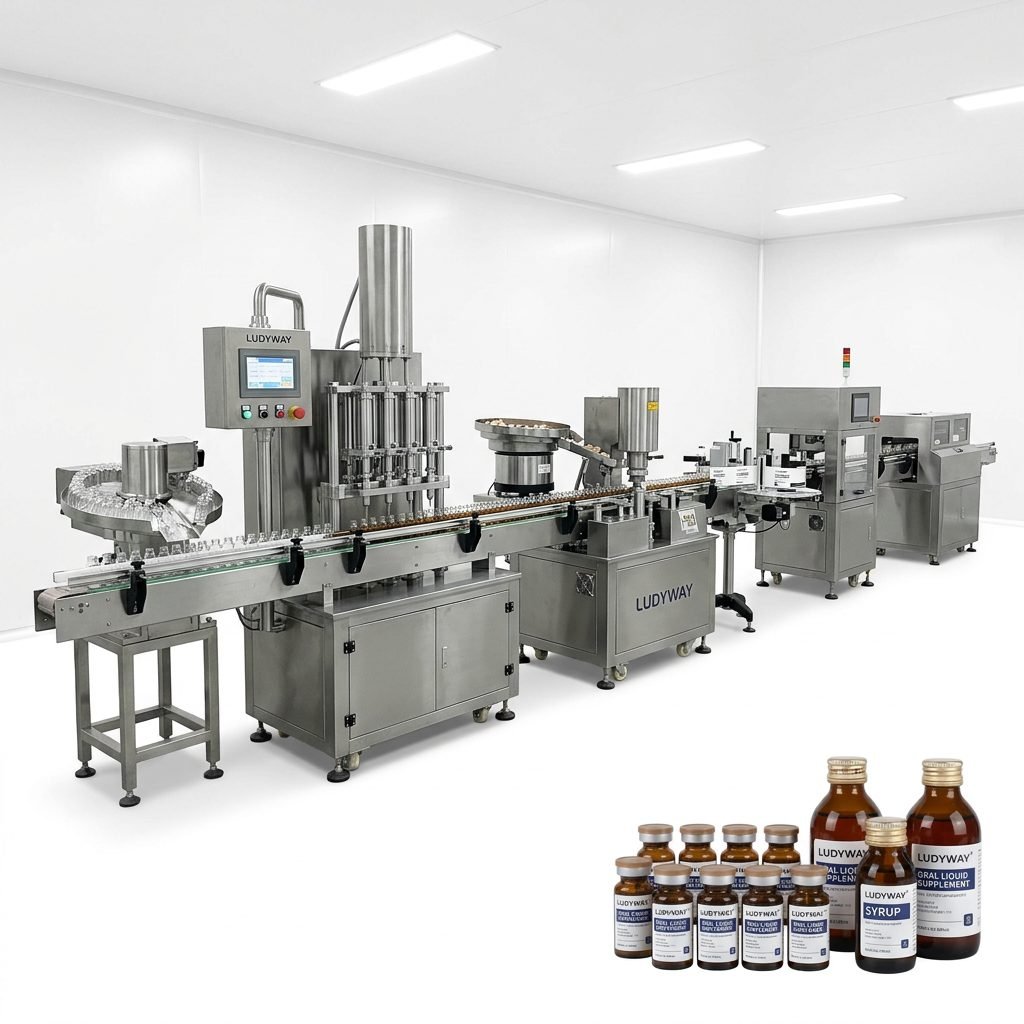
Investing in a single-serve tea packaging machine is a strategic decision for tea producers, co-packers, and beverage brands looking to capture the growing demand for convenience formats. Whether you’re packaging matcha powder sticks, herbal tea sachets, or instant tea granules, understanding the cost structure is essential for planning your capital expenditure. This guide breaks down the price ranges, key cost drivers, and value considerations to help you make an informed purchasing decision.
Understanding the Price Spectrum
The cost of a single-serve tea packaging machine varies significantly based on automation level, production capacity, and configuration. Below is a breakdown of typical price ranges across different machine categories:
| Machine Type | Production Speed | Estimated Price Range (USD) |
|---|---|---|
| Entry-Level Single-Lane Stick Pack | 30-60 packs/min | $8,000 – $20,000 |
| Mid-Range Multi-Lane (4-6 lanes) | 150-300 packs/min | $25,000 – $60,000 |
| High-Speed Multi-Lane (8-12 lanes) | 400-800 packs/min | $70,000 – $150,000 |
| Fully Automated Turnkey Line | 800+ packs/min | $180,000 – $500,000+ |
Key Factors That Influence the Price
Several variables determine the final cost of a single-serve tea packaging system. Understanding these factors will help you evaluate quotes more effectively:
Number of Packaging Lanes
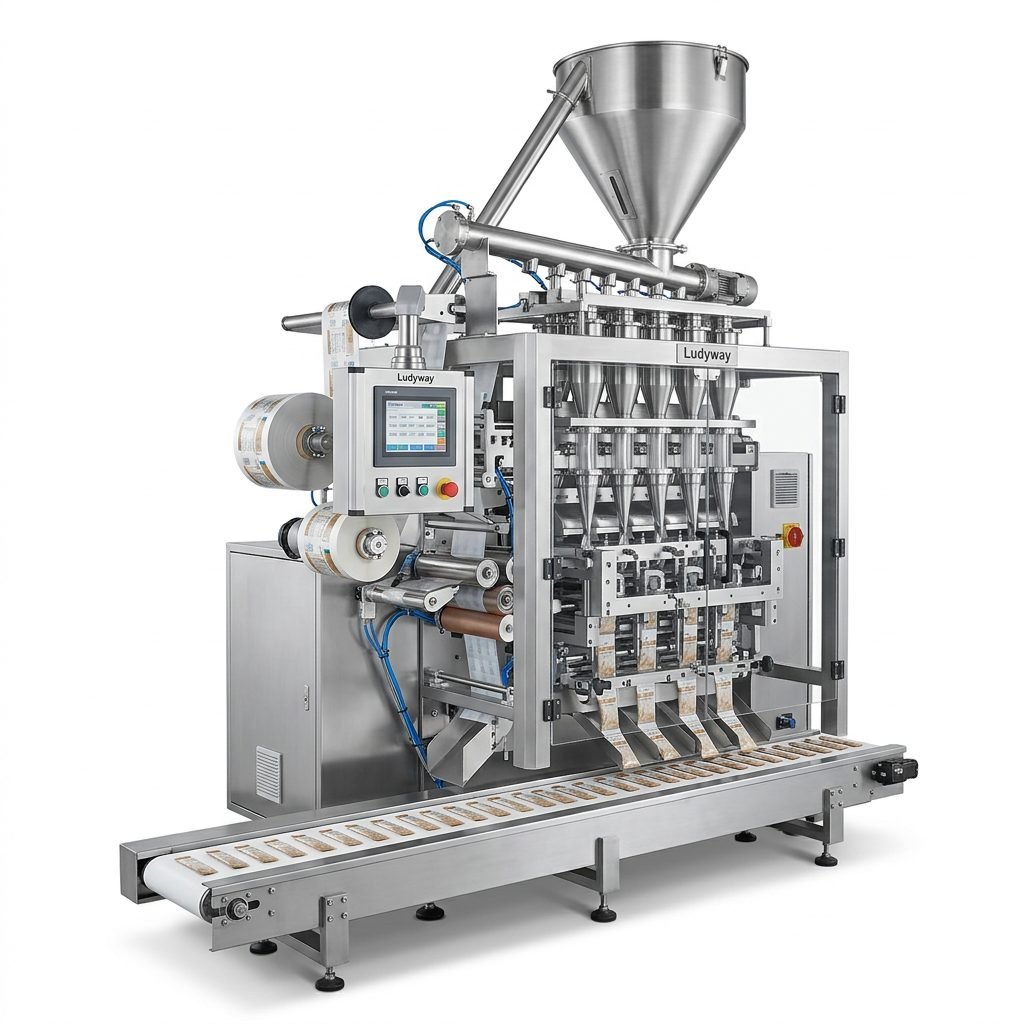
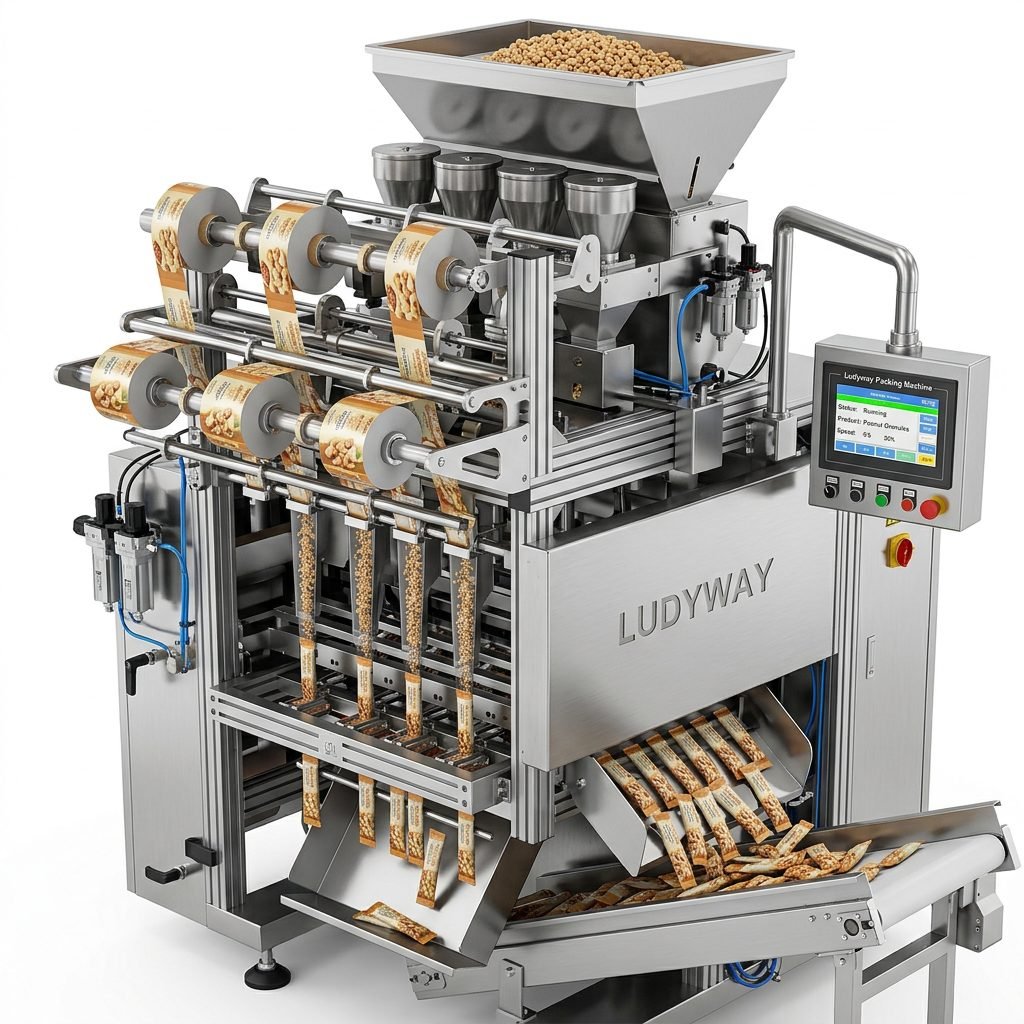
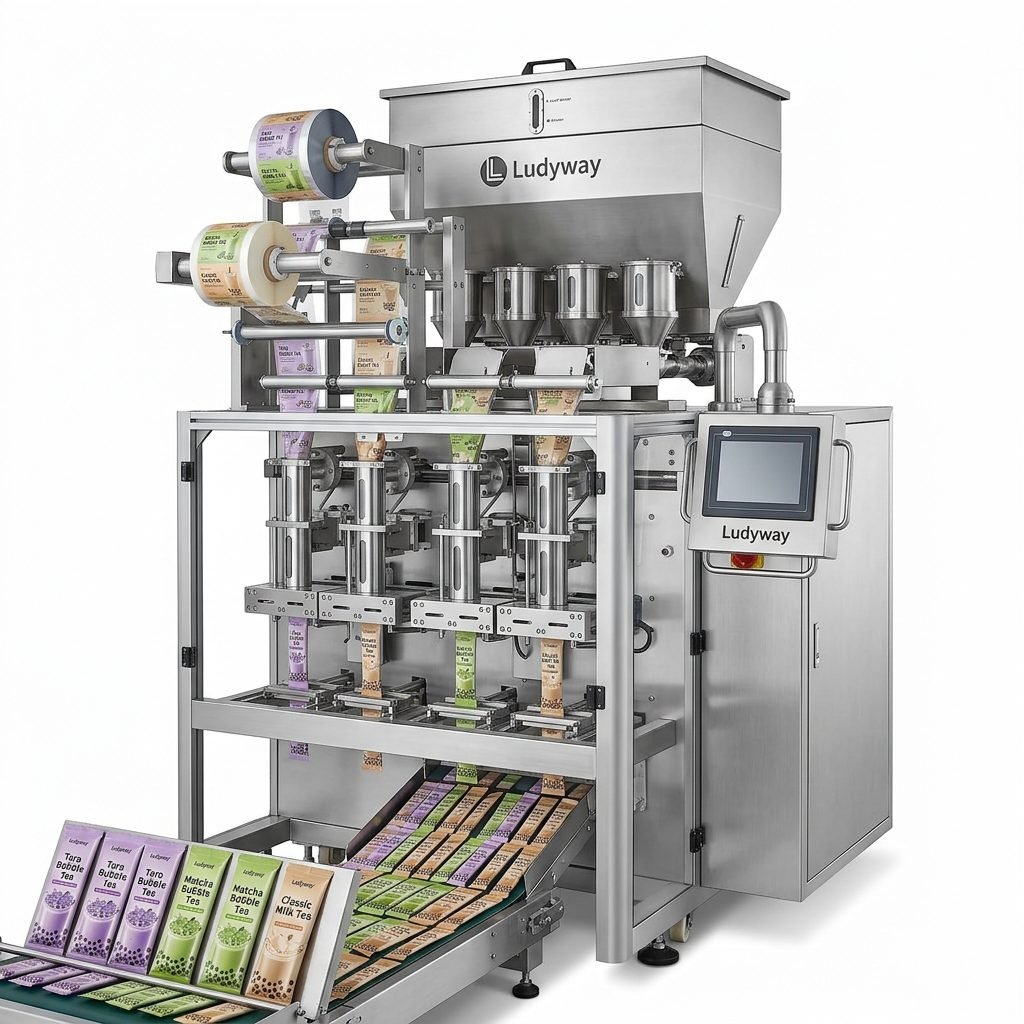
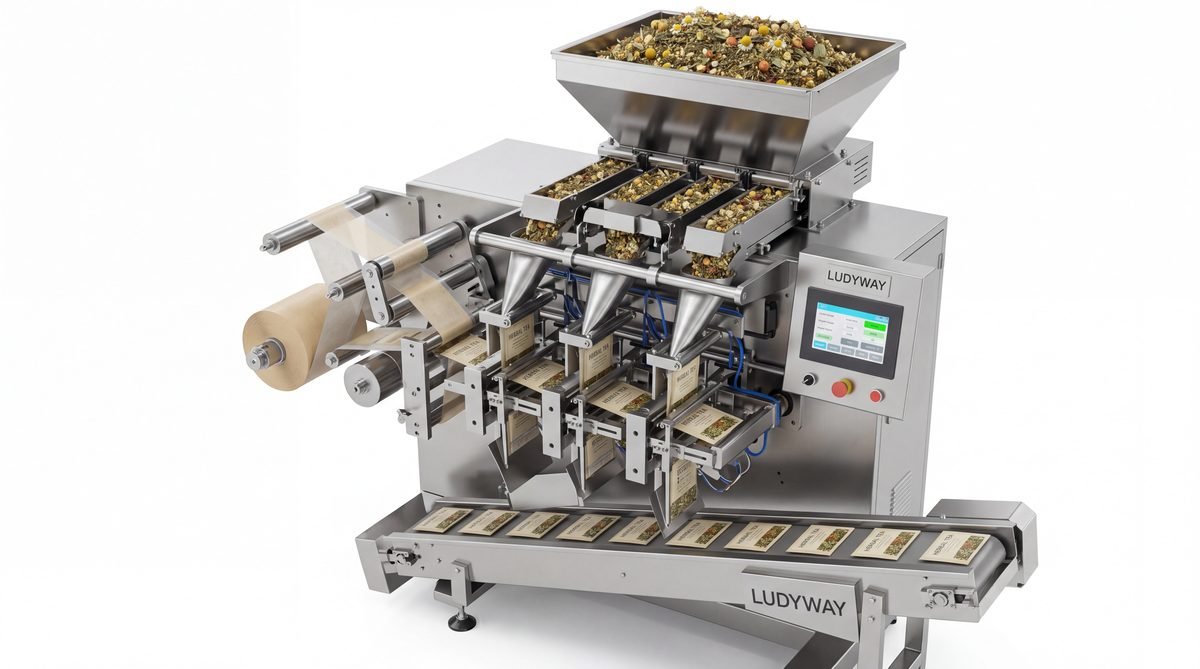
Multi-lane machines significantly increase throughput but come at a higher upfront cost. A 4-lane stick pack machine can produce 200-300 packs per minute, while an 8-lane or 12-lane system can exceed 800 packs per minute. The lane configuration directly impacts both the machine price and your long-term production efficiency.
Product Compatibility
Tea products come in various forms—loose leaf granules, fine powders, liquid concentrates, and instant tea crystals. Machines designed to handle multiple product types with quick changeover capabilities typically cost more than single-product systems. Powder handling requires specialized dosing systems such as auger fillers, which add to the equipment cost.
Automation and Integration Level
- Standalone machines — require manual feeding and collection; lowest cost entry point
- Semi-automated systems — include basic conveyors and counting mechanisms
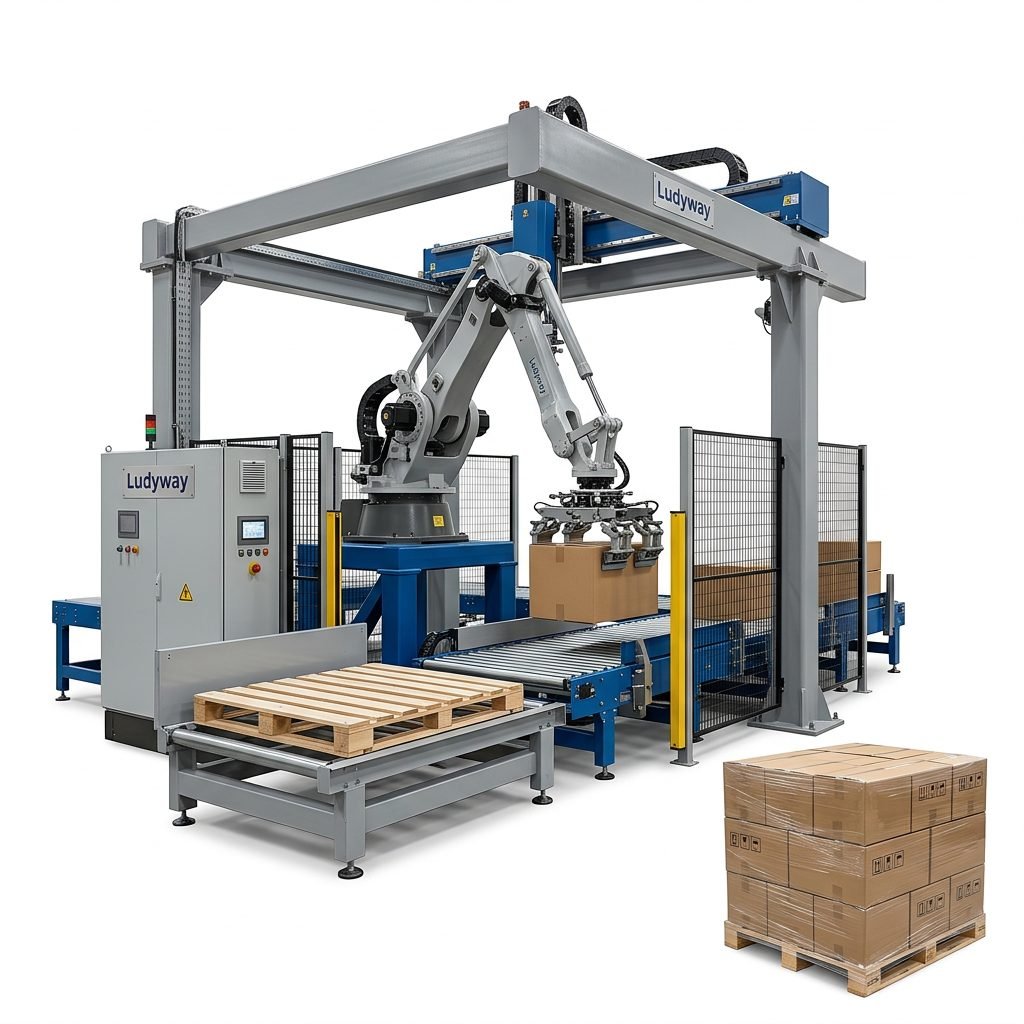
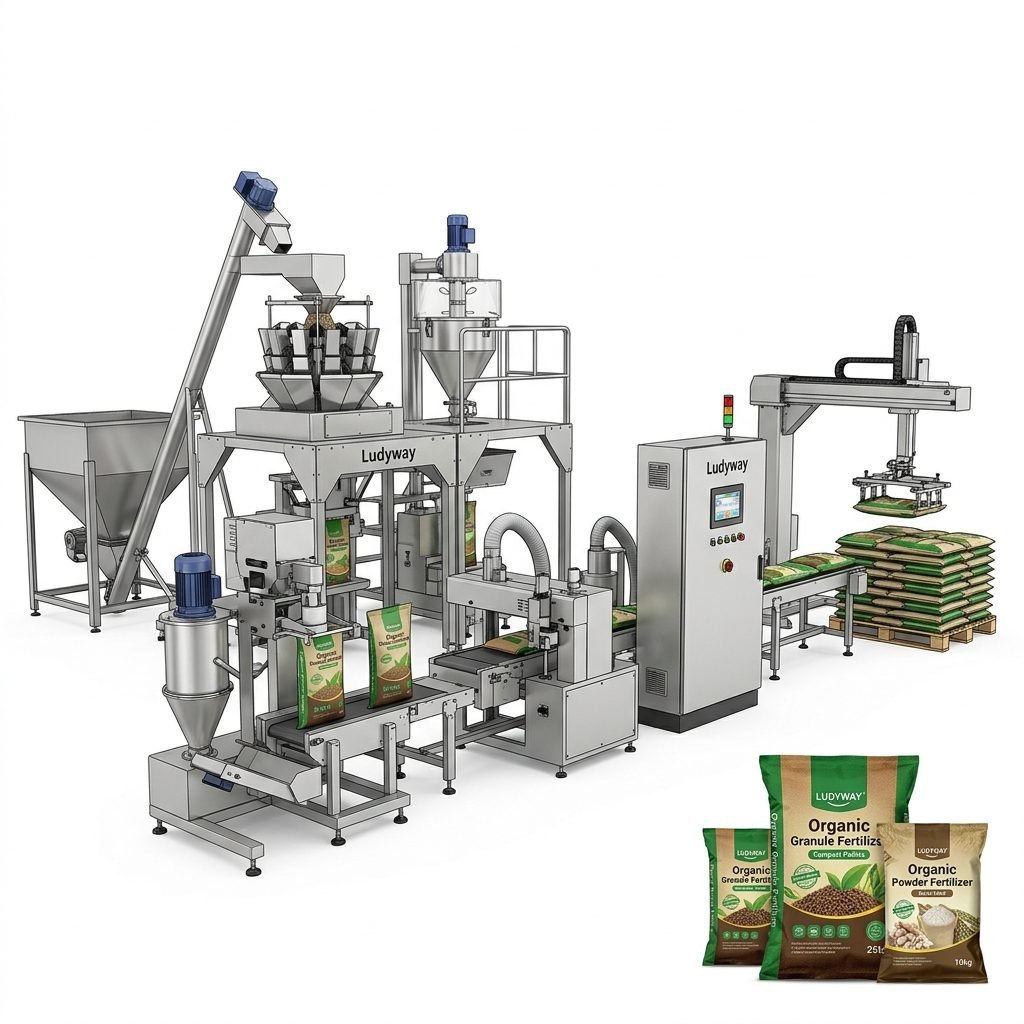
- Fully automated turnkey lines — integrate feeding, filling, sealing, coding, cartoning, and palletizing; highest investment but maximum labor savings
Sealing and Packaging Format
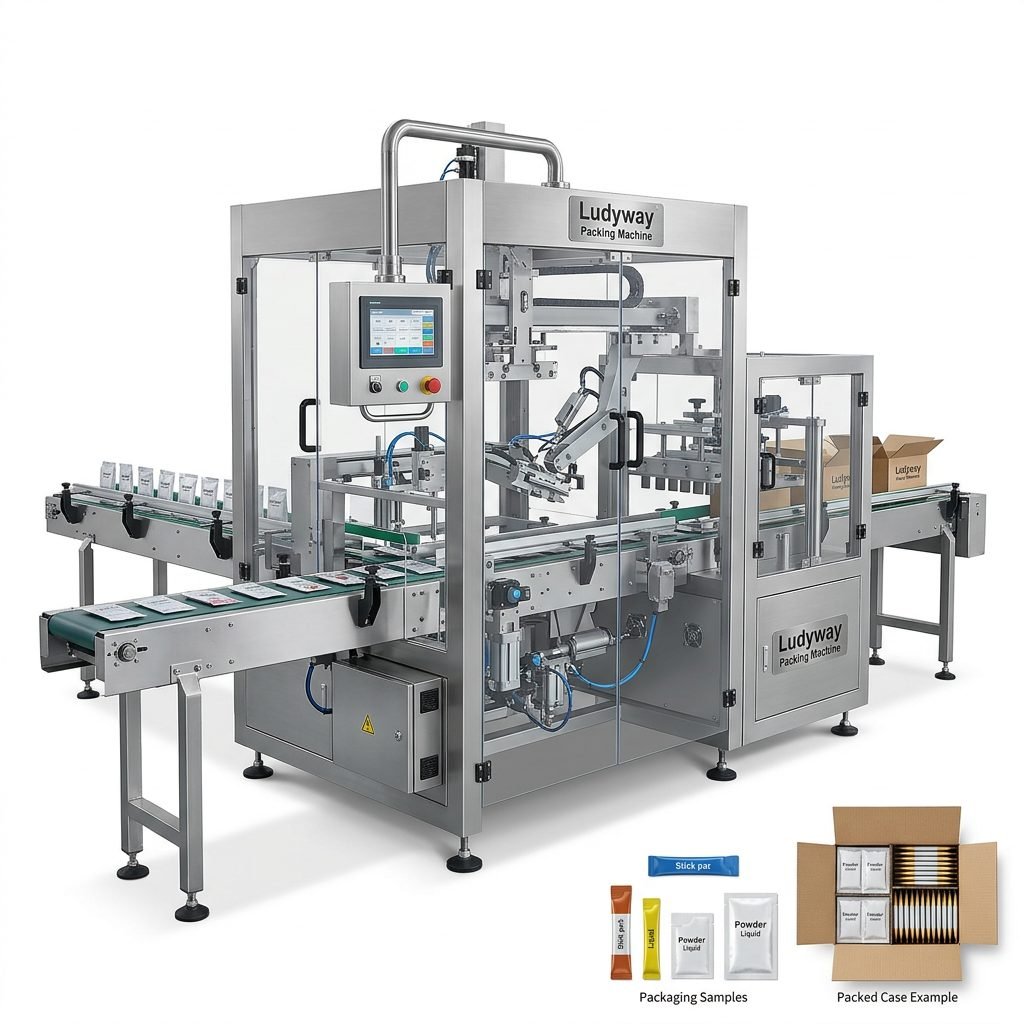
The choice between stick packs, sachets, and pyramid tea bags affects machine design and cost. Stick pack machines for single-serve tea are among the most popular formats in the global market. Advanced sealing technologies such as nitrogen flushing for extended shelf life or resealable features add to the machine’s price but can differentiate your product in a competitive market.

Additional Cost Considerations
Beyond the base machine price, buyers should budget for several ancillary expenses that contribute to the total cost of ownership:
- Shipping and logistics — international freight, customs duties, and insurance can add 5-15% to the purchase price
- Installation and commissioning — on-site setup, calibration, and operator training services
- Auxiliary equipment — air compressors, coding printers, checkweighers, and conveyor systems required for complete line operation
- Spare parts inventory — recommended initial stock of wear components to minimize downtime
- Maintenance contracts — annual service agreements for preventive maintenance and technical support
Entry-Level vs. Industrial-Grade Machines
Entry-level single-lane machines are suitable for startups, small tea brands, and R&D applications. They offer lower upfront investment but typically have limited production capacity and fewer automation features. Industrial-grade multi-lane systems, on the other hand, are designed for high-volume contract packaging operations and major tea brands requiring consistent output across multiple shifts. According to PMMI’s State of the Industry 2025 report, demand for flexible packaging machinery continues to grow, driven by the convenience trend in food and beverage sectors.

Evaluating Return on Investment
When assessing the cost of a single-serve tea packaging machine, consider the total cost of ownership (TCO) rather than just the purchase price. Key ROI metrics include:
- Labor cost reduction — automated multi-lane systems can replace 3-8 manual workers per shift
- Production throughput increase — industrial machines can boost output by 400-1000% compared to manual or semi-automatic processes
- Material waste reduction — precision dosing and sealing minimize product giveaway and packaging material waste
- Quality consistency — automated systems ensure uniform fill weights and seal integrity, reducing product rejects and returns
Most mid-range to high-end machines achieve payback within 12-24 months in typical production environments, making them a sound capital investment for growing tea businesses. The Flexible Packaging Association provides additional industry data that can help benchmark your investment decisions against market trends.
New vs. Used Equipment Considerations
While used single-serve tea packaging machines can offer initial cost savings of 30-50% compared to new equipment, buyers should carefully evaluate several risks:
- Limited or no warranty coverage
- Outdated control systems that may not meet current safety and efficiency standards
- Wear on critical components such as sealing jaws, forming tubes, and servo drives
- Difficulty sourcing replacement parts for discontinued models
- Lack of technical documentation and manufacturer support
For most commercial operations, new equipment with full manufacturer support represents the better long-term value proposition, especially when industry standards and regulatory compliance are critical to your operation.

Key Features to Prioritize in Your Budget
When allocating your budget, certain features deliver disproportionate value relative to their cost impact:
- Servo-driven sealing and cutting — ensures precise, repeatable operations with minimal wear
- Touchscreen HMI with recipe management — enables quick product changeovers and reduces operator error
- Automatic film tension control — maintains consistent packaging quality across different film types
- Integrated date coding — eliminates the need for a separate coding station
- Stainless steel construction — essential for food-grade compliance and easy cleaning
Industry Trends Affecting Machine Costs
The packaging machinery market is influenced by several macro trends that can affect pricing and availability. According to PMMI’s economic reports, the packaging machinery sector continues to see strong demand globally. Key trends impacting single-serve tea packaging equipment include:
- Sustainability requirements — machines compatible with recyclable and biodegradable films are increasingly sought after
- Digital integration and IoT — smart machines with remote monitoring capabilities command premium pricing
- Supply chain resilience — regional manufacturing capabilities and parts availability influence total landed cost
- Labor shortages — driving demand for higher automation levels across all machine categories
Frequently Asked Questions About Pricing
How much does a basic single-lane tea stick pack machine cost?
A basic single-lane stick pack machine suitable for tea packaging typically ranges from $8,000 to $20,000, depending on the filling mechanism and control system. These entry-level machines are ideal for small-batch production and specialty tea brands.
What is the price difference between sachet and stick pack formats?
Stick pack and sachet machines share similar core technologies, so the price difference is generally minimal—typically 5-15% depending on the specific format requirements. The larger cost driver is the number of lanes and automation features rather than the pack format itself.
Are financing options available for packaging machinery?
Many manufacturers and distributors offer equipment financing, leasing, or installment payment plans. These arrangements can help businesses manage cash flow while investing in production capacity. Terms vary by supplier and credit qualification.
How do Chinese-manufactured machines compare in cost?
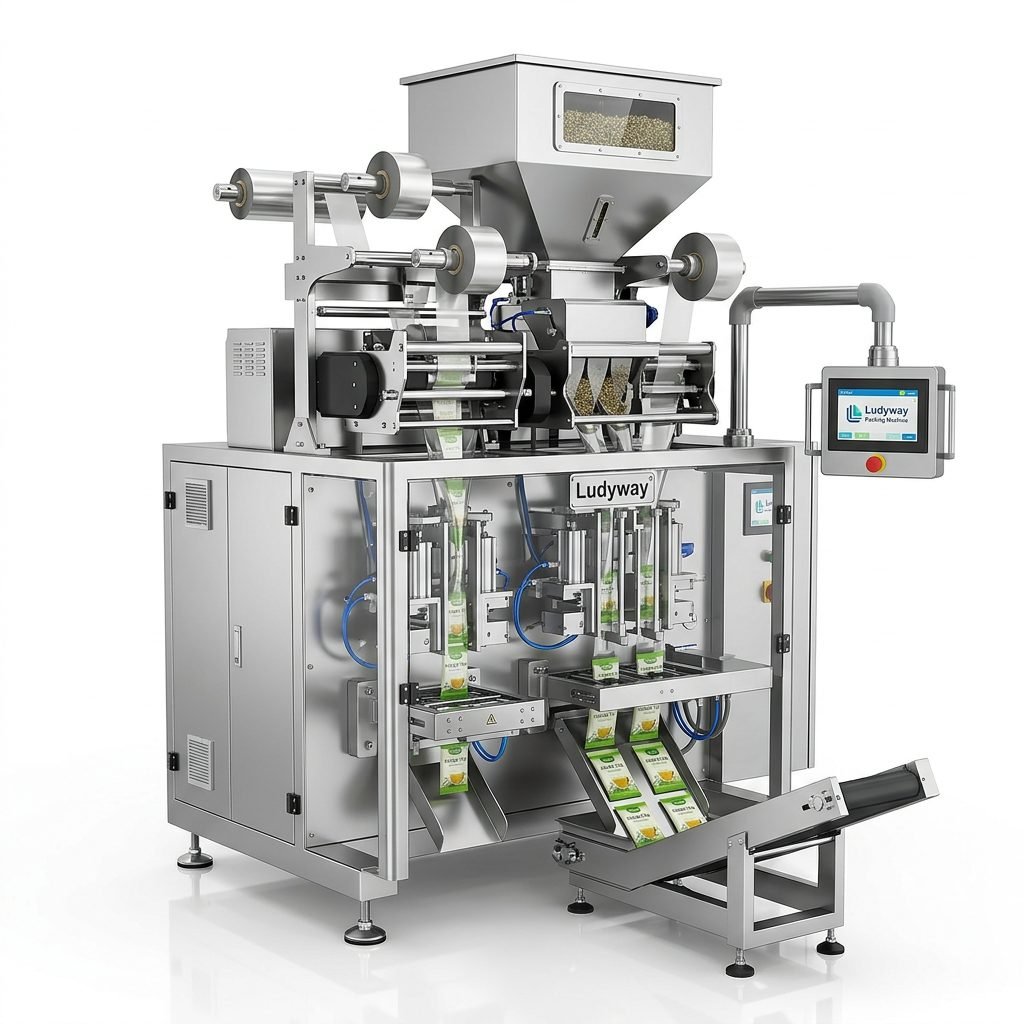
Chinese packaging machinery manufacturers often offer competitive pricing—typically 20-40% lower than comparable European or Japanese equipment—while delivering reliable performance. Companies like Ludyway, with over 30 years of experience and a 20,000㎡ manufacturing facility, provide cost-effective packaging solutions that balance quality with affordability. It is advisable to evaluate the manufacturer’s track record, after-sales support, and parts availability when considering international suppliers.
Selecting the Right Supplier for Long-Term Value
Price is important, but supplier reliability and after-sales support are equally critical when investing in packaging machinery. Consider these factors when evaluating potential suppliers:
- Industry experience — manufacturers with decades of specialized expertise in tea packaging applications
- Global service network — availability of technical support, spare parts, and field service in your region
- Reference installations — verified customer testimonials and case studies demonstrating real-world performance
- Warranty terms — comprehensive coverage that protects your investment during the critical first years of operation
- Training programs — thorough operator and maintenance training to maximize machine uptime and productivity
For further reading on packaging industry standards and regulatory requirements, refer to the FDA’s food packaging resources and ISO packaging standards, which provide essential guidance for food-grade packaging operations.
Related Resources
- PMMI Business Intelligence — Packaging Machinery Market Data
- Flexible Packaging Association — Industry Resources and Trends
- PACK EXPO International — Packaging Machinery Trade Show
- ISO Packaging Standards — Quality and Safety Guidelines
- European Commission — Packaging and Packaging Waste Regulations