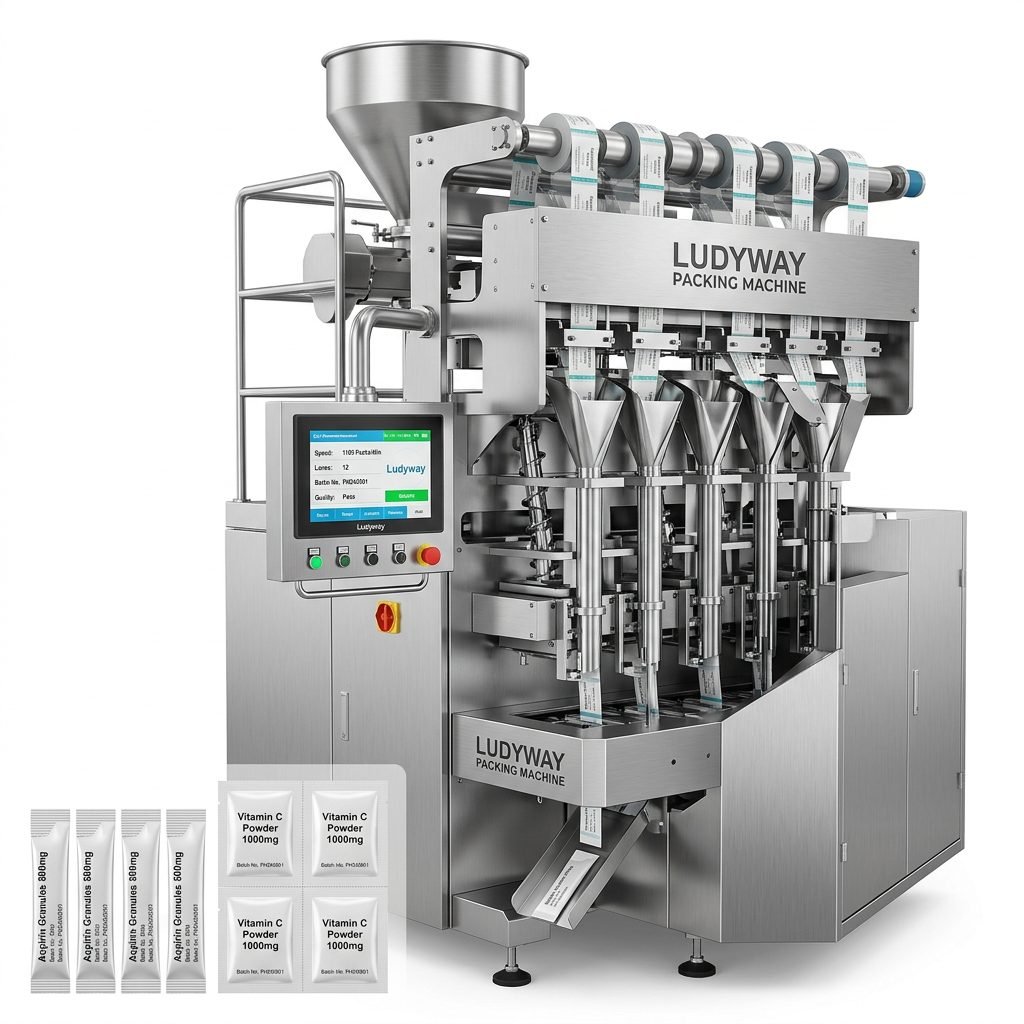
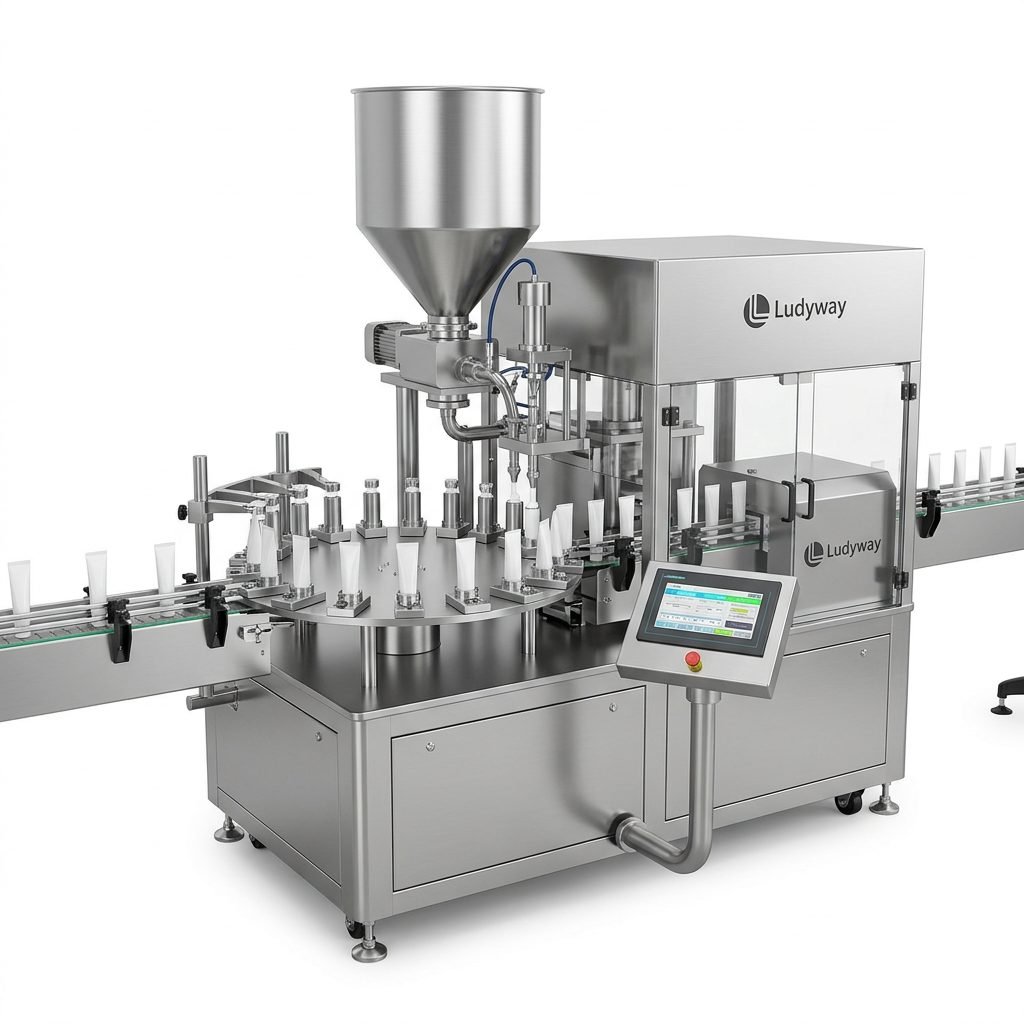
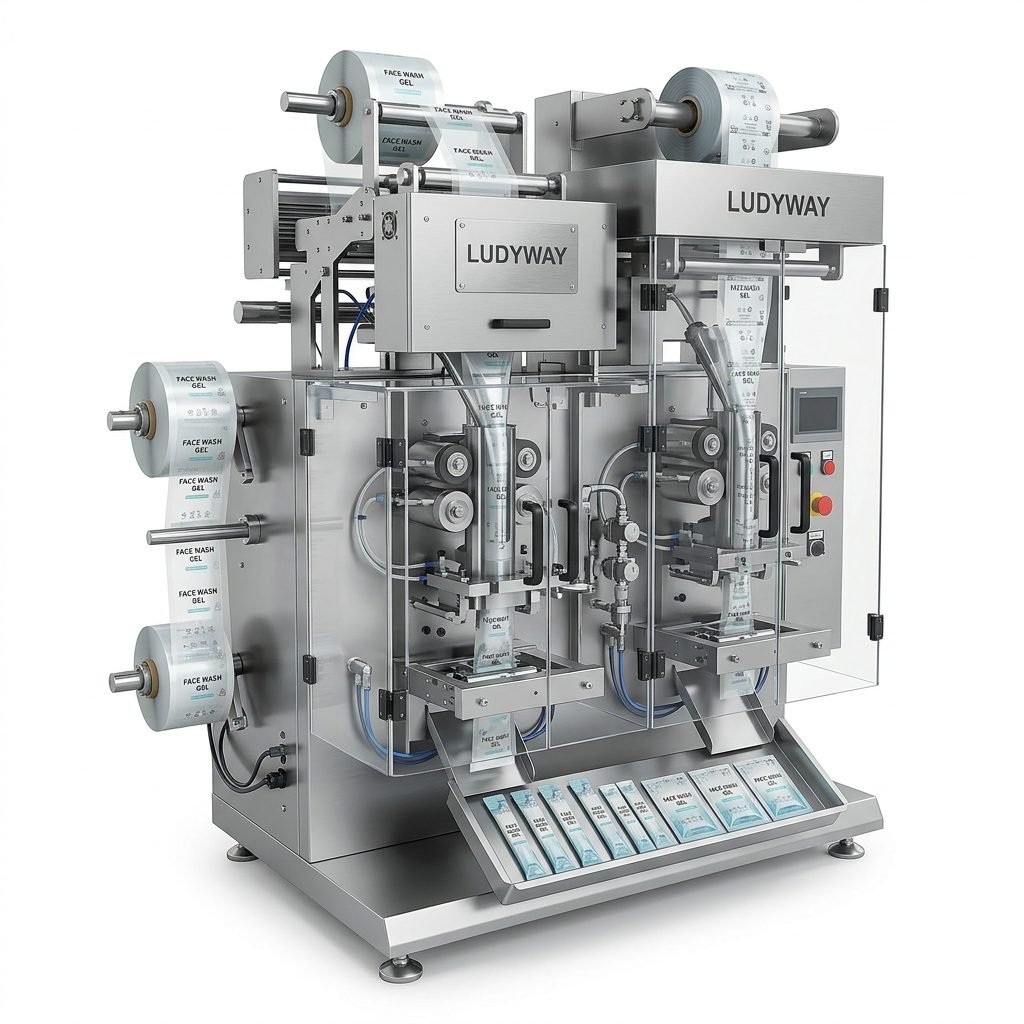
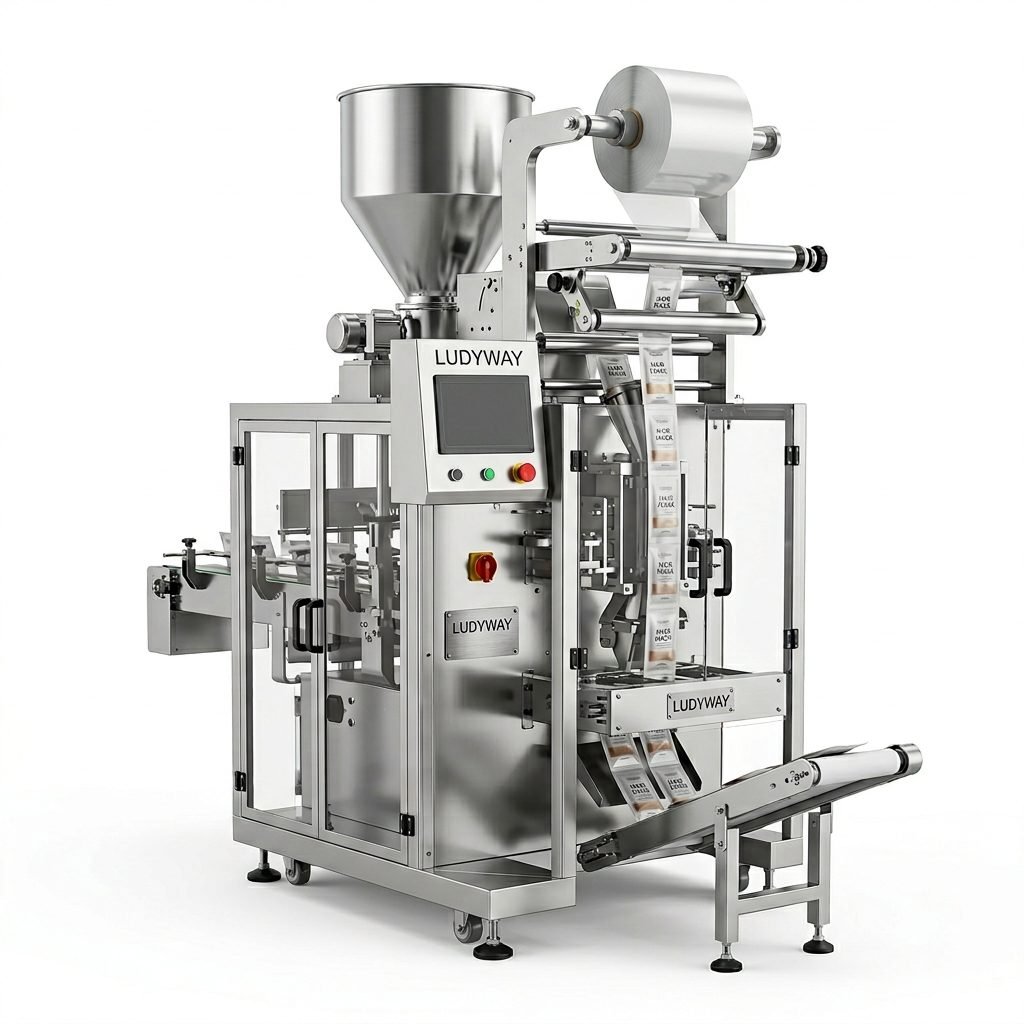
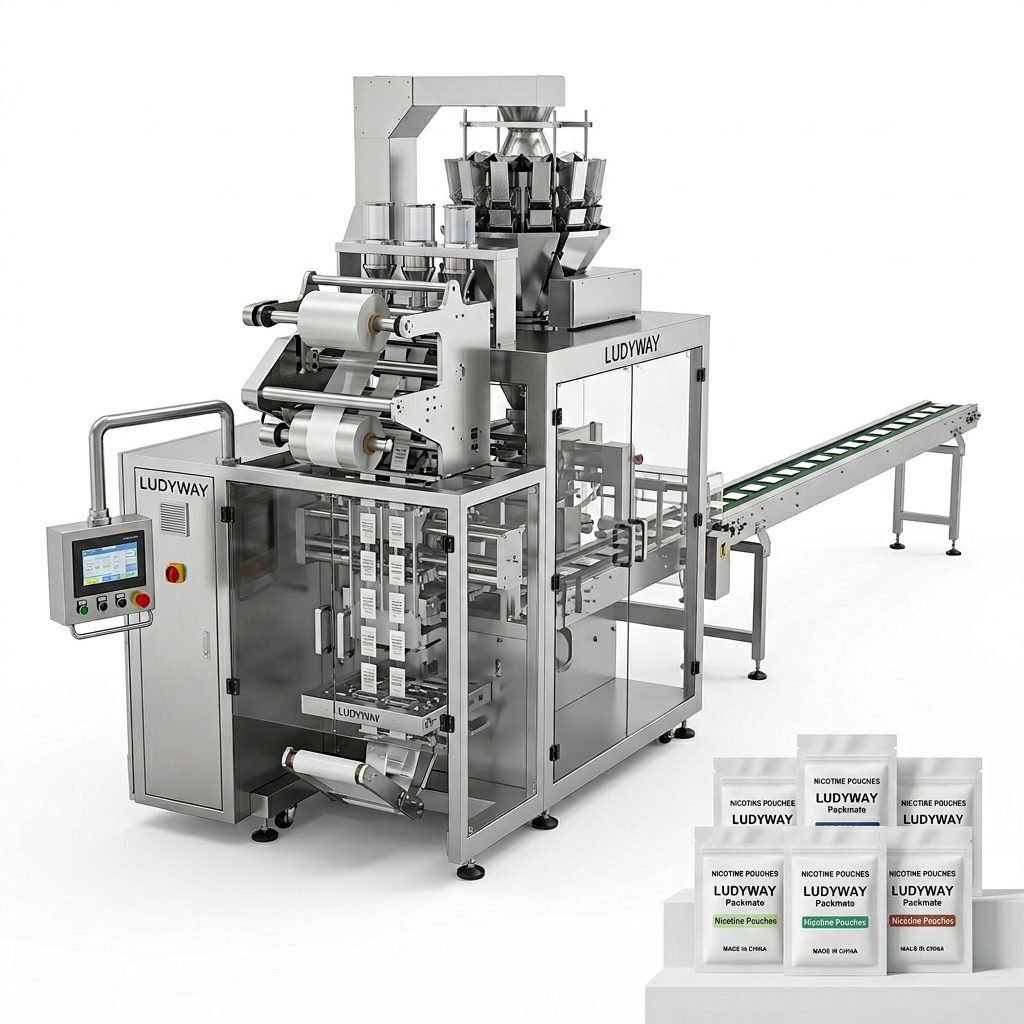
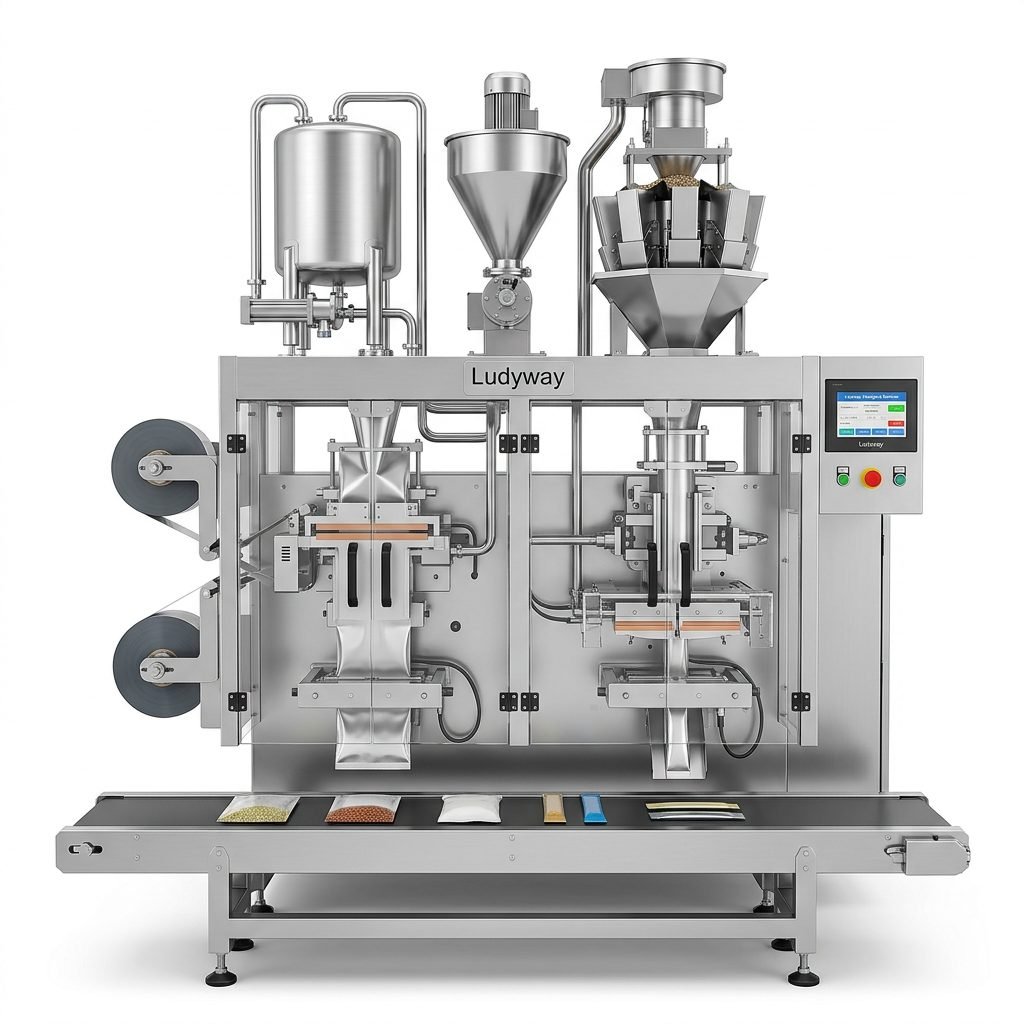
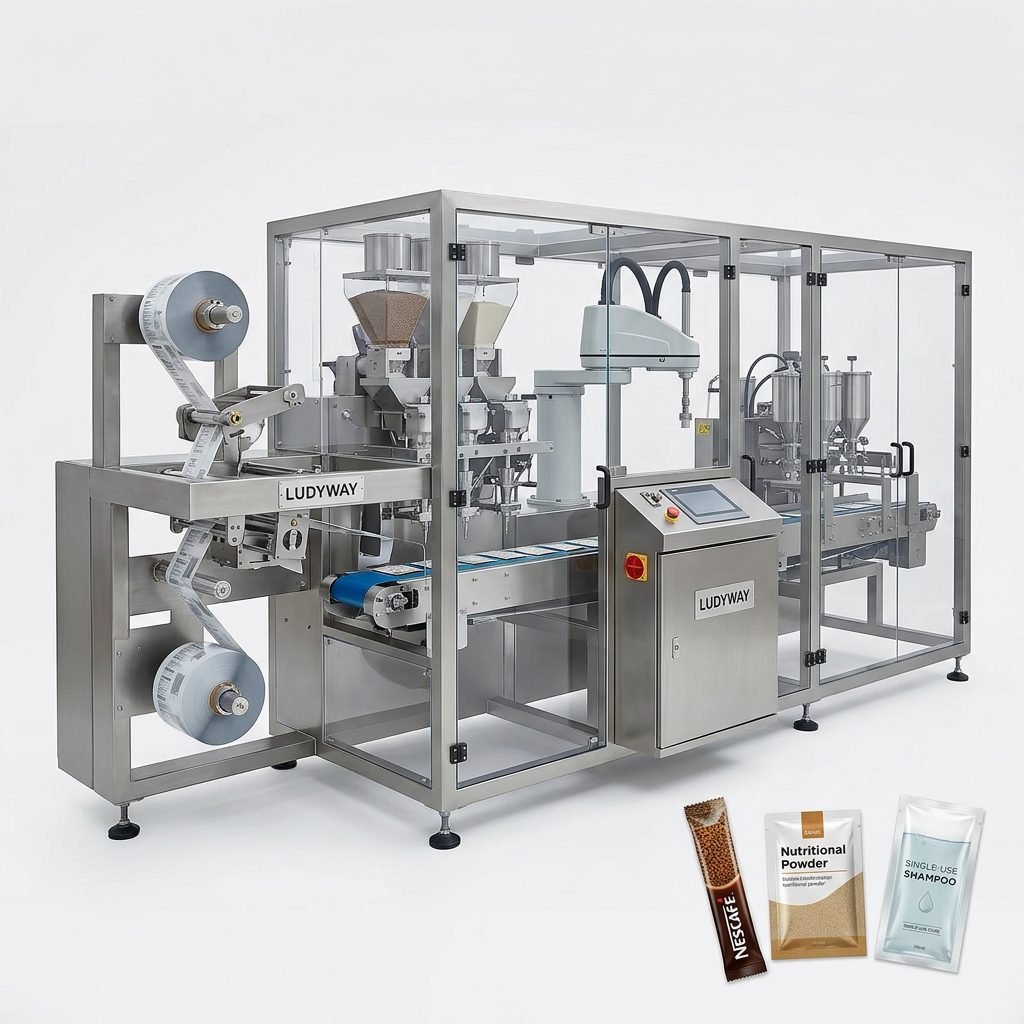
Investing in a tea medication unit dose packaging machine is a strategic decision for pharmaceutical and nutraceutical manufacturers aiming to streamline production, ensure precise dosing, and meet stringent regulatory standards. Understanding the cost structure behind these sophisticated systems helps buyers allocate budgets effectively and avoid hidden expenses during procurement.
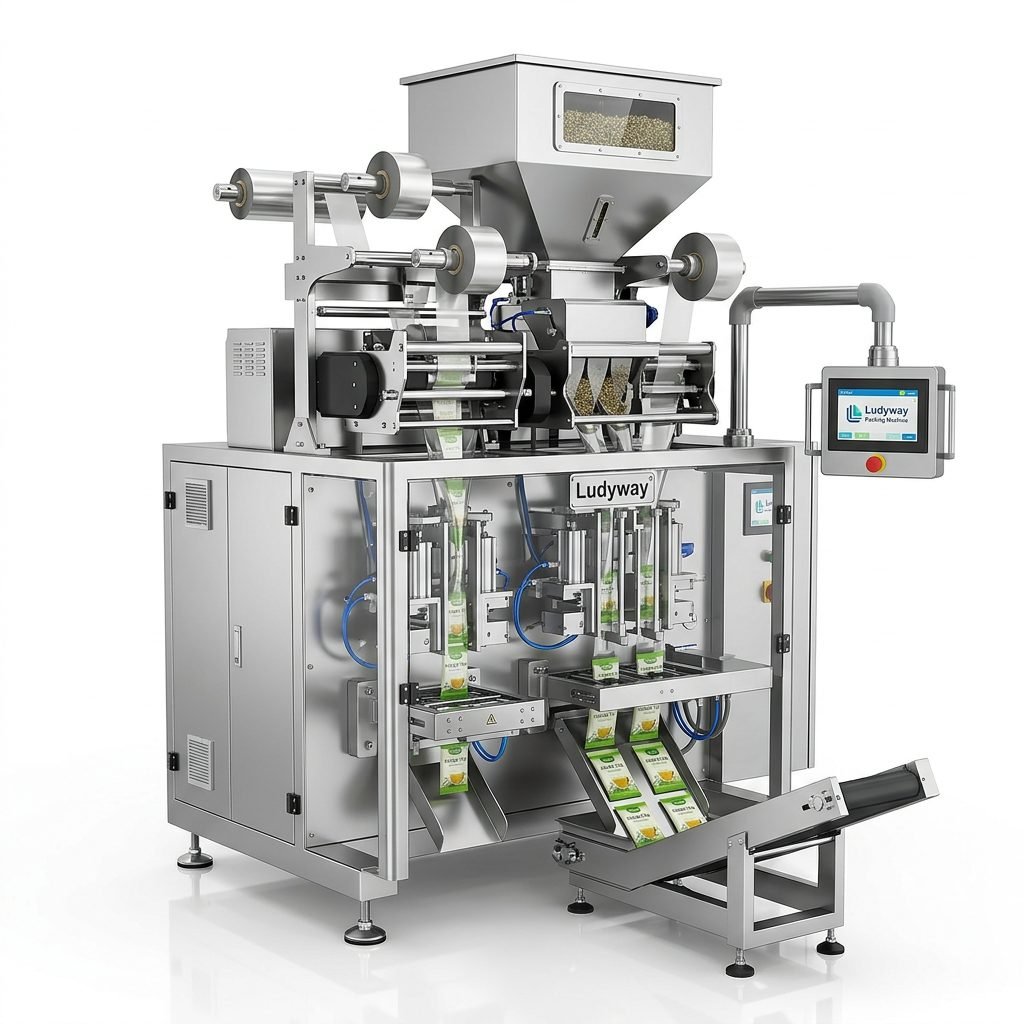
Key Factors Influencing the Machine Cost
The price of a tea medication unit dose packaging machine can range significantly based on several technical and operational variables. Below are the primary cost drivers every buyer should evaluate before requesting a quotation.
- Automation Level: Fully automatic packaging lines with robotic feeding, counting, and cartoning systems command higher prices compared to semi-automatic or manual variants.
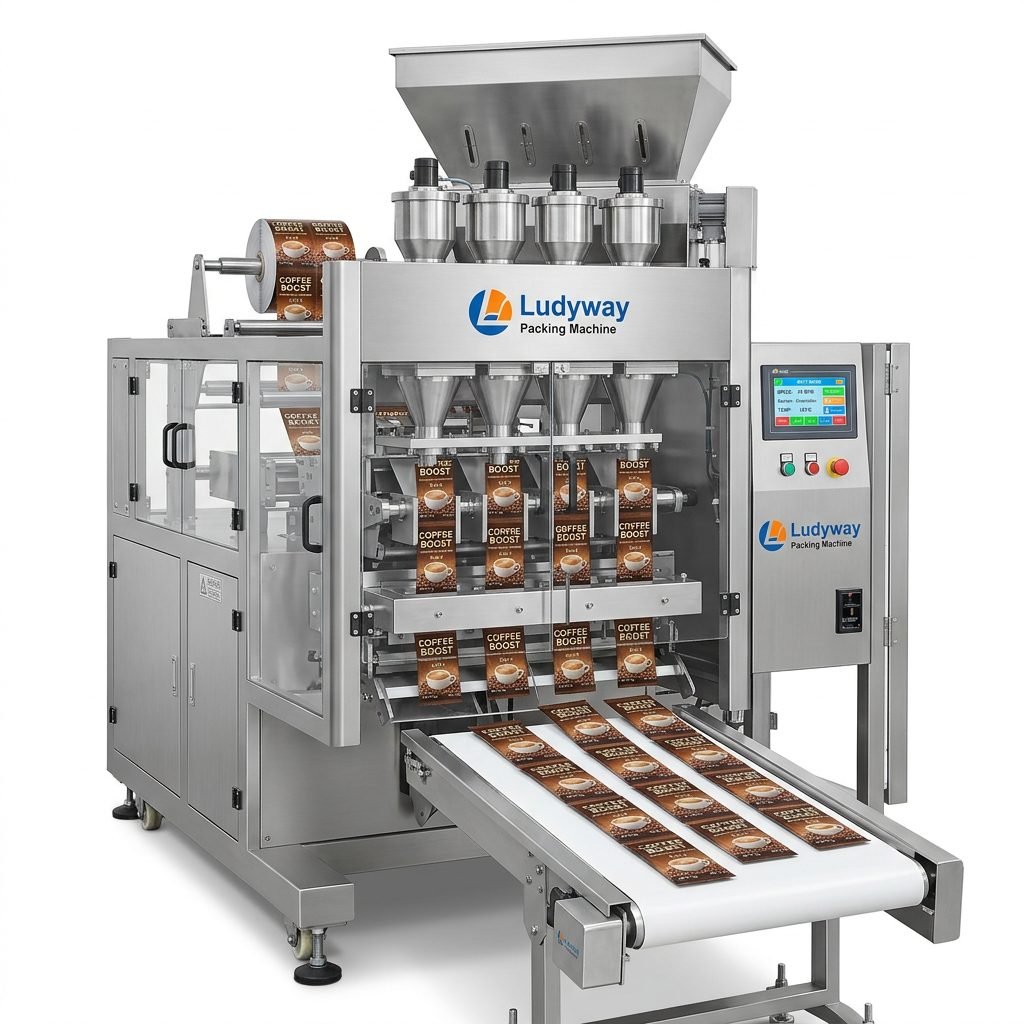
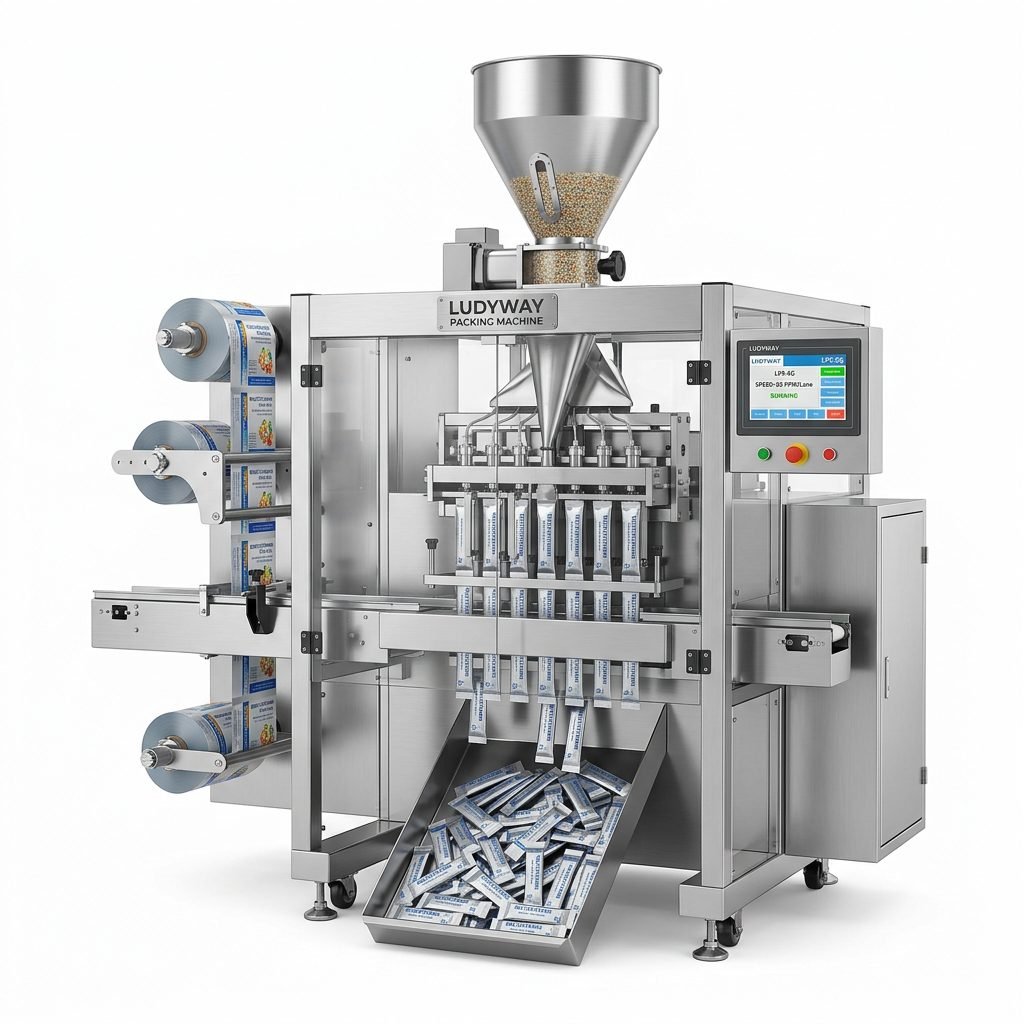
- Number of Lanes: Multi-lane stick pack or sachet machines (e.g., 4-lane, 8-lane, 12-lane) increase throughput but also raise the initial capital cost proportionally.
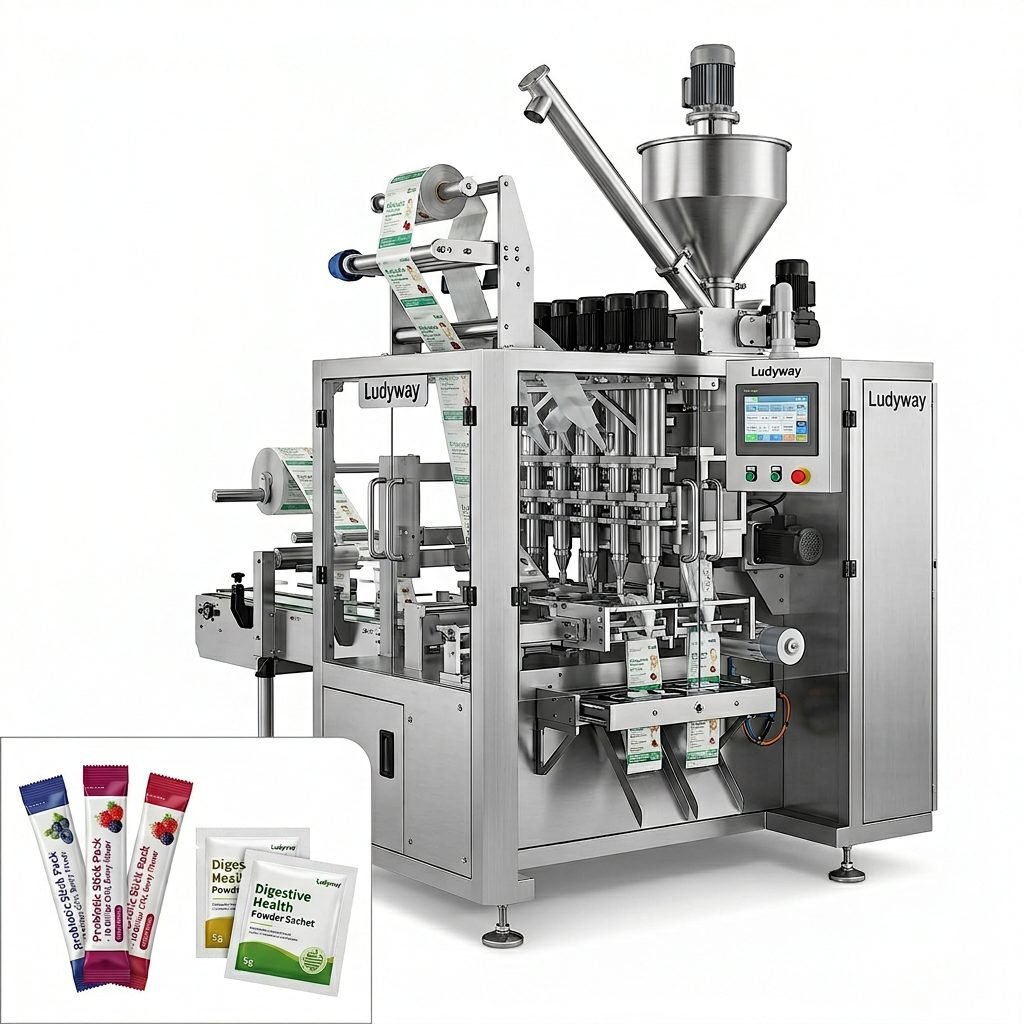
- Dosing Technology: Volumetric cup fillers are more economical; however, high-precision auger fillers or net-weight dosing units designed for pharmaceutical powders and granules significantly impact the overall investment.
- Material of Construction: Machines built with 316L stainless steel and pharmaceutical-grade sealing components, compliant with GMP and FDA standards, naturally cost more than food-grade equivalents.
- Auxiliary Modules: Integrated features such as nitrogen flushing, checkweighers, vision inspection systems, and reject stations add value but also increase the total equipment price.
Typical Cost Breakdown by Machine Tier
The table below provides a general cost reference for tea medication unit dose packaging machines based on configuration levels. Actual pricing varies depending on specifications, capacity requirements, and optional add-ons.
| Machine Tier | Lane Configuration | Estimated Price Range (USD) | Best Suited For |
|---|---|---|---|
| Entry-Level Semi-Automatic | 1–4 Lanes | $18,000 – $45,000 | Small-scale herbal tea sachet production, R&D batches |
| Mid-Range Automatic | 6–10 Lanes | $55,000 – $120,000 | Medium-volume pharmaceutical granule and powder unit dose packaging |
| High-End Fully Automated | 12–20 Lanes | $135,000 – $350,000+ | High-volume contract packaging, multi-product pharmaceutical lines |
Note: Prices above reflect base machine configurations and do not include optional accessories, shipping, installation, or validation documentation (IQ/OQ/PQ). Custom turnkey packaging solutions tailored to specific production workflows may exceed these ranges.
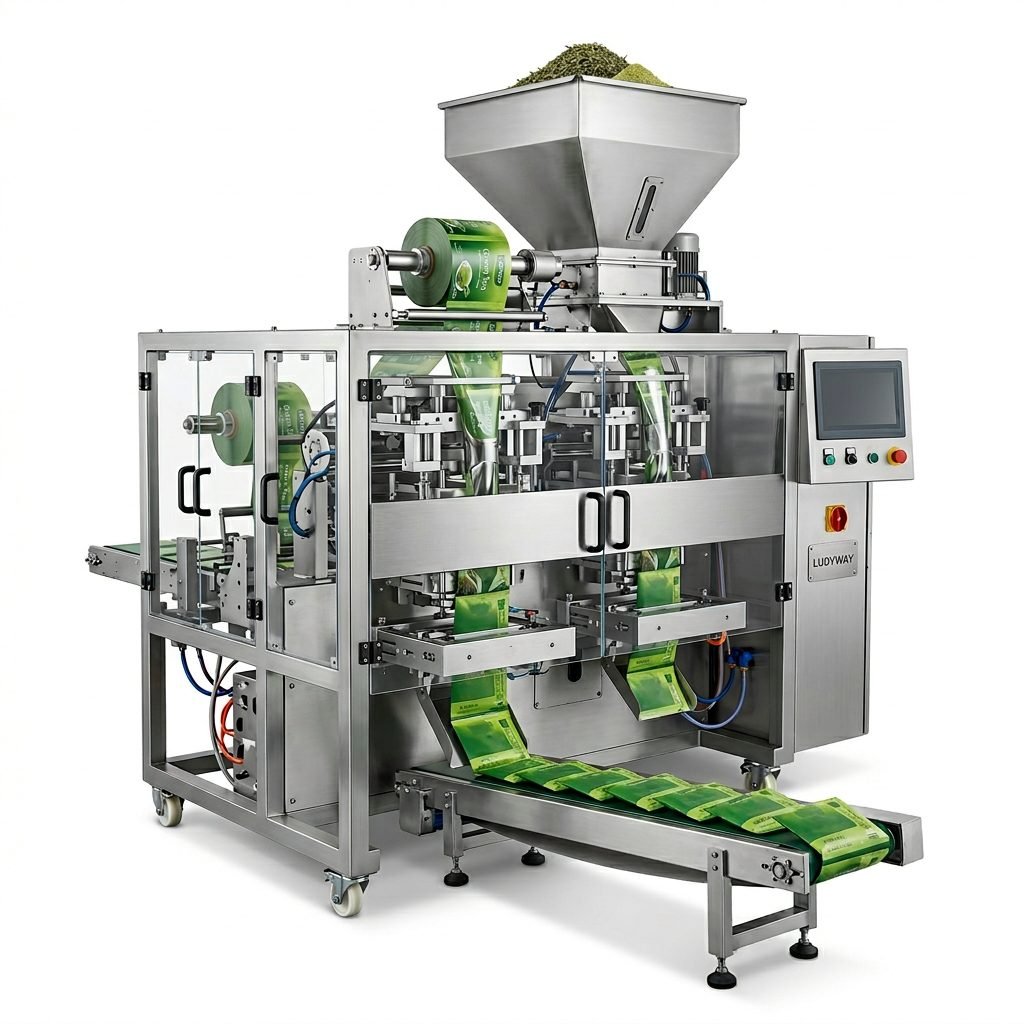
Entry-Level Models: Cost-Effective Start
For startups and small herbal medicine producers, entry-level tea medication unit dose packaging machines typically feature 1 to 4 lanes with basic volumetric filling. These machines handle pre-formed pouches or simple stick pack formats. While affordable, they require more manual intervention and deliver lower output—usually between 30 and 80 packs per minute per lane.
Mid-Range Systems: Balanced Investment
Mid-range models incorporate servo-driven sealing jaws, multi-head weighers, and user-friendly touchscreen interfaces. They support flexible pack sizes and can switch between granule, powder, and fine-cut tea blends with minimal adjustment. Production speeds typically range from 150 to 400 packs per minute, depending on lane count and fill weight. These systems represent the most popular choice among growing pharmaceutical packaging operations.
High-End Fully Automated Lines: Maximum Efficiency
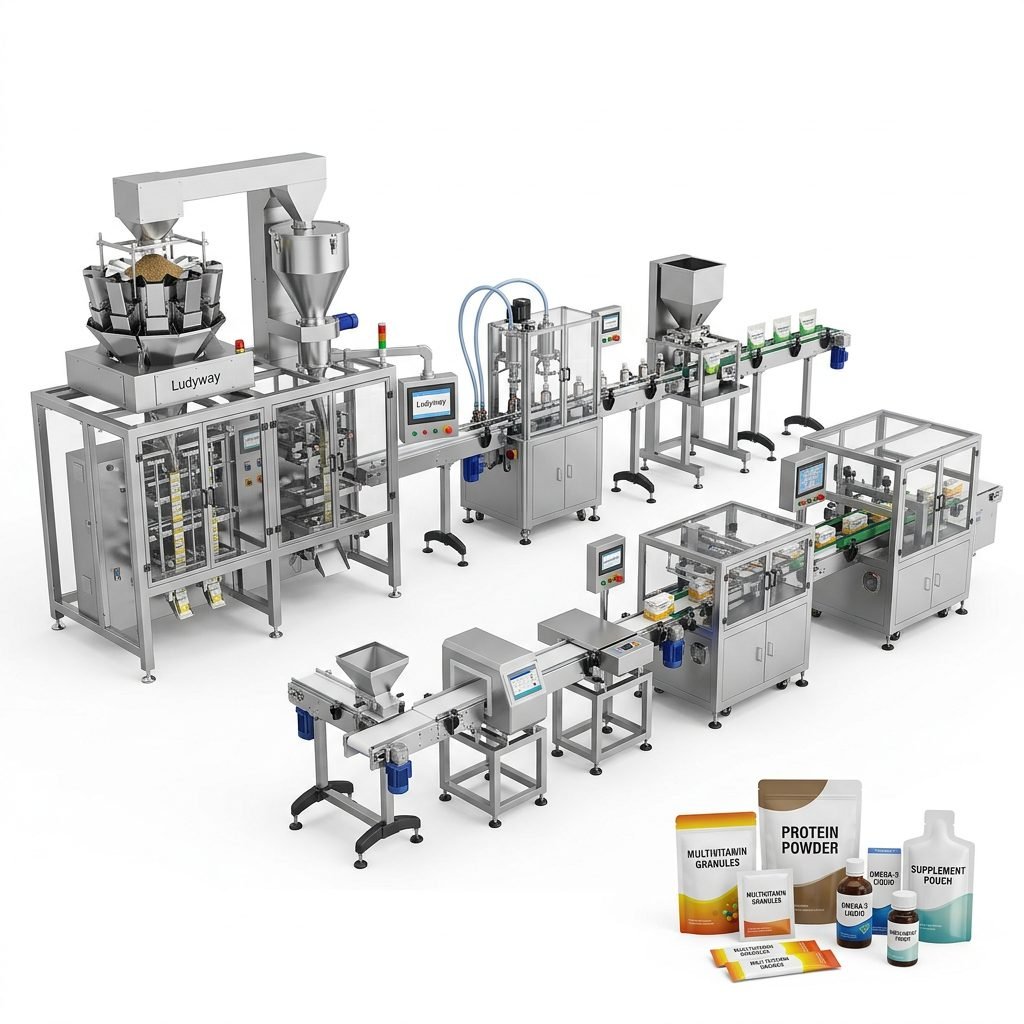
Top-tier systems integrate automatic feeding, dust extraction, nitrogen flushing, checkweighing, and reject mechanisms within a single synchronized platform. Multi-lane configurations of 12 to 20 lanes achieve throughput exceeding 800–1,200 packs per minute. These machines often include remote diagnostics and data logging features that support 21 CFR Part 11 compliance, essential for FDA-regulated environments.
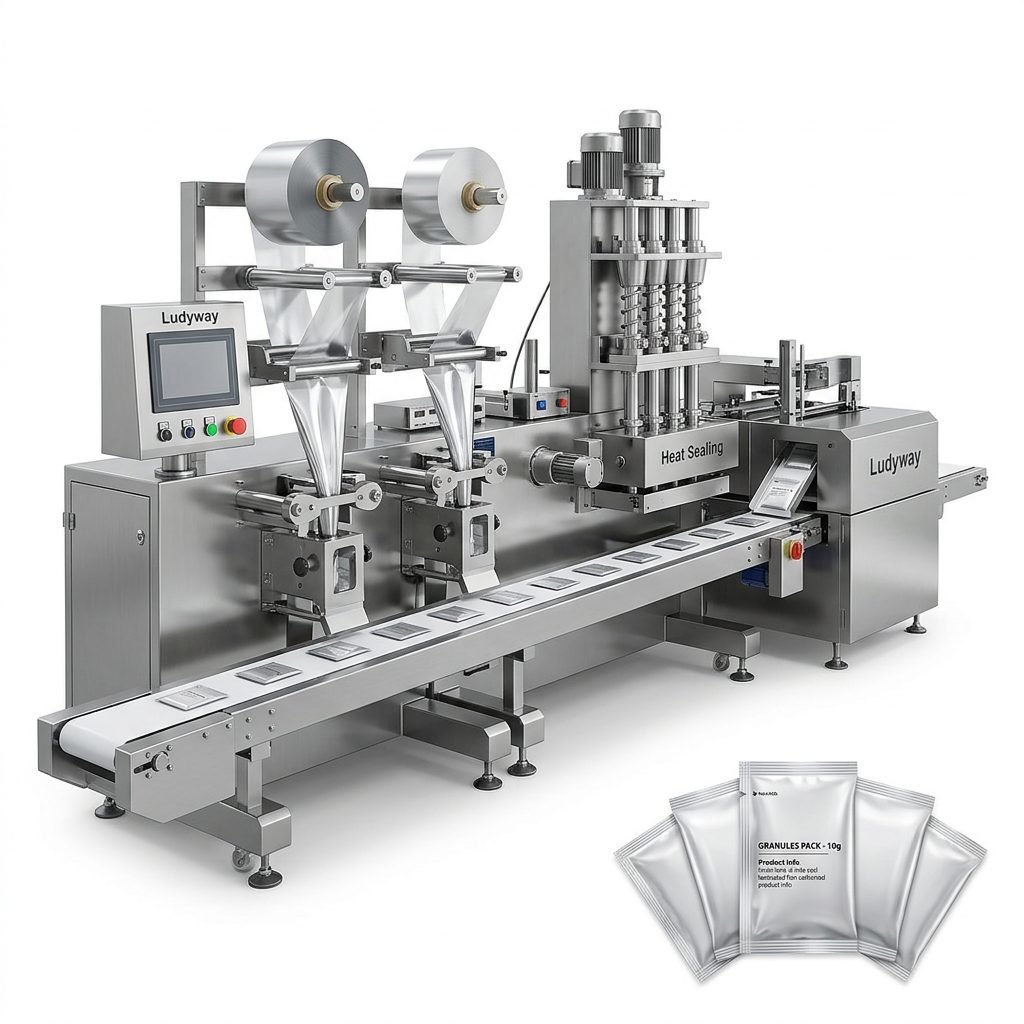
Additional Cost Considerations Beyond Equipment Price
When calculating the total cost of ownership for a tea medication unit dose packaging machine, buyers must account for several ancillary expenses that are often overlooked during initial budgeting.
- Installation and Commissioning: Professional on-site setup, alignment, and calibration performed by factory-trained engineers typically add $4,000–$18,000 depending on location and machine complexity.
- Validation Documentation: For regulated pharmaceutical applications, IQ/OQ/PQ protocols, along with detailed factory acceptance testing (FAT) and site acceptance testing (SAT) reports, may cost an additional $5,000–$25,000.
- Spare Parts and Consumables: Sealing jaws, cutting blades, forming tubes, and gaskets require periodic replacement. Budgeting 2%–5% of machine cost annually for spare parts is a prudent practice.
- Operator Training: Comprehensive training programs covering machine operation, cleaning, troubleshooting, and safety protocols ensure efficient long-term usage and reduce unplanned downtime.
- Facility Preparation: Electrical supply upgrades, compressed air installation, dust collection ductwork, and cleanroom modifications may be necessary before machine installation commences.
Why Automation Delivers Long-Term Cost Savings
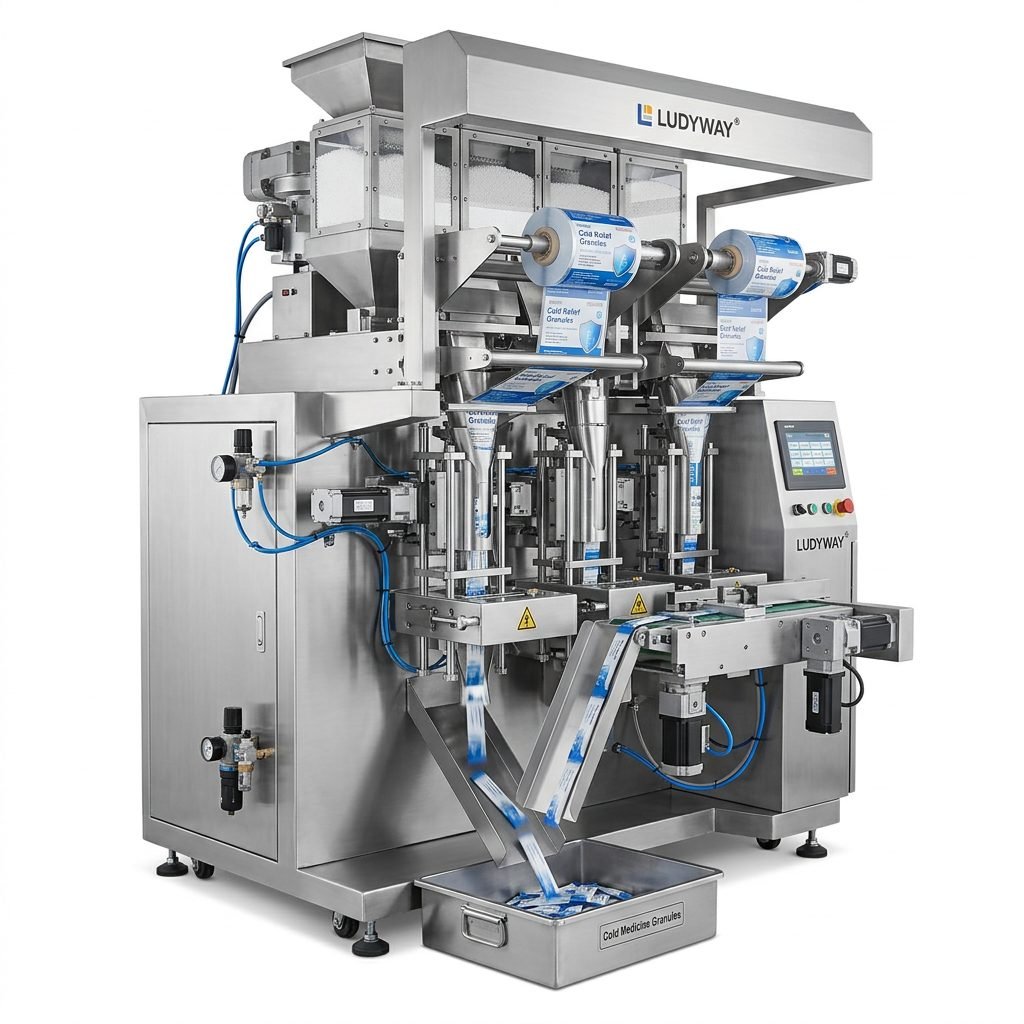
Although the upfront investment in a fully automatic tea medication unit dose packaging machine exceeds that of semi-automatic alternatives, the return on investment (ROI) often materializes within 12–24 months for medium-to-high-volume producers. Automated systems drastically reduce labor dependency, product giveaway, and rework rates while improving batch consistency. In pharmaceutical environments where dose accuracy directly impacts patient safety, automated solutions offer unmatched reliability.
Moreover, modern machines equipped with data acquisition and batch traceability capabilities simplify regulatory audits. The ability to record and export production parameters, fill weights, and seal integrity data minimizes compliance risks and accelerates time-to-market for new tea-based medication formulations.
Selecting the Right Supplier and Configuration
Choosing the optimal tea medication unit dose packaging machine requires more than comparing price tags. Buyers should evaluate supplier capabilities, after-sales support networks, and the machine’s adaptability to future product variations. Requesting sample runs with actual product materials before finalizing an order is a recommended step that helps validate machine performance under real-world conditions.
Established manufacturers with extensive pharmaceutical packaging experience—such as Ludyway, one of the largest packaging machine manufacturers in China with over 30 years of industry expertise and a 20,000㎡ modern production facility—offer reliable equipment backed by comprehensive engineering support and global service networks. Evaluating machine builders with a proven track record in GMP-compliant unit dose packaging ensures both equipment longevity and technical partnership throughout the machine lifecycle.
Emerging Trends Affecting Machine Pricing
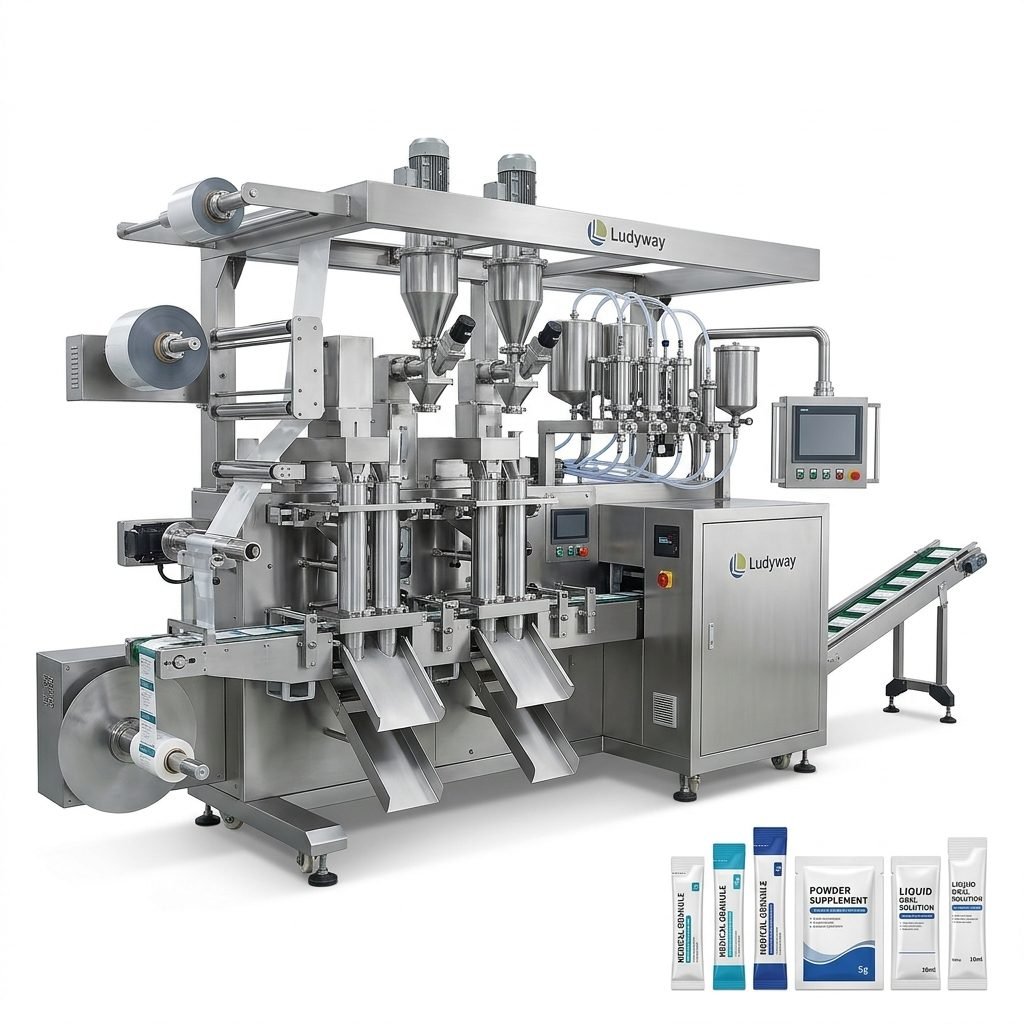
Several industry developments are reshaping the cost landscape for tea medication unit dose packaging equipment. The increasing adoption of sustainable packaging materials, such as compostable and recyclable films, requires machines with advanced sealing technologies capable of handling heat-sensitive eco-materials. Likewise, the demand for serialization and track-and-trace capabilities continues to push manufacturers toward integrated coding and vision inspection modules.
The shift toward smart factory connectivity—encompassing IoT-enabled sensors, predictive maintenance algorithms, and cloud-based production monitoring—represents another evolving cost factor. While these technologies elevate initial pricing, they offer substantial operational efficiencies that justify the investment over a machine’s 10–15 year service life.
Final Recommendations for Buyers
- Define your current and projected production volume clearly before engaging with suppliers.
- Request a detailed quotation that itemizes base machine cost, optional modules, tooling, and after-sales service packages separately.
- Conduct a thorough total cost of ownership (TCO) analysis covering installation, training, maintenance, spare parts, and energy consumption over a 5–10 year horizon.
- Visit supplier facilities or arrange virtual factory tours to assess manufacturing capabilities, quality control processes, and engineering support infrastructure.
- Prioritize machines that offer modular design flexibility, allowing future lane expansions or format changeovers without replacing the entire system.
A well-specified tea medication unit dose packaging machine is a long-term asset that directly impacts product quality, production efficiency, and regulatory compliance. By carefully evaluating cost factors, machine configurations, and supplier credentials, pharmaceutical and herbal medicine manufacturers can make informed procurement decisions that support sustainable business growth. For expert consultation and tailored equipment proposals, contact a professional packaging equipment supplier with demonstrated experience in pharmaceutical unit dose applications.