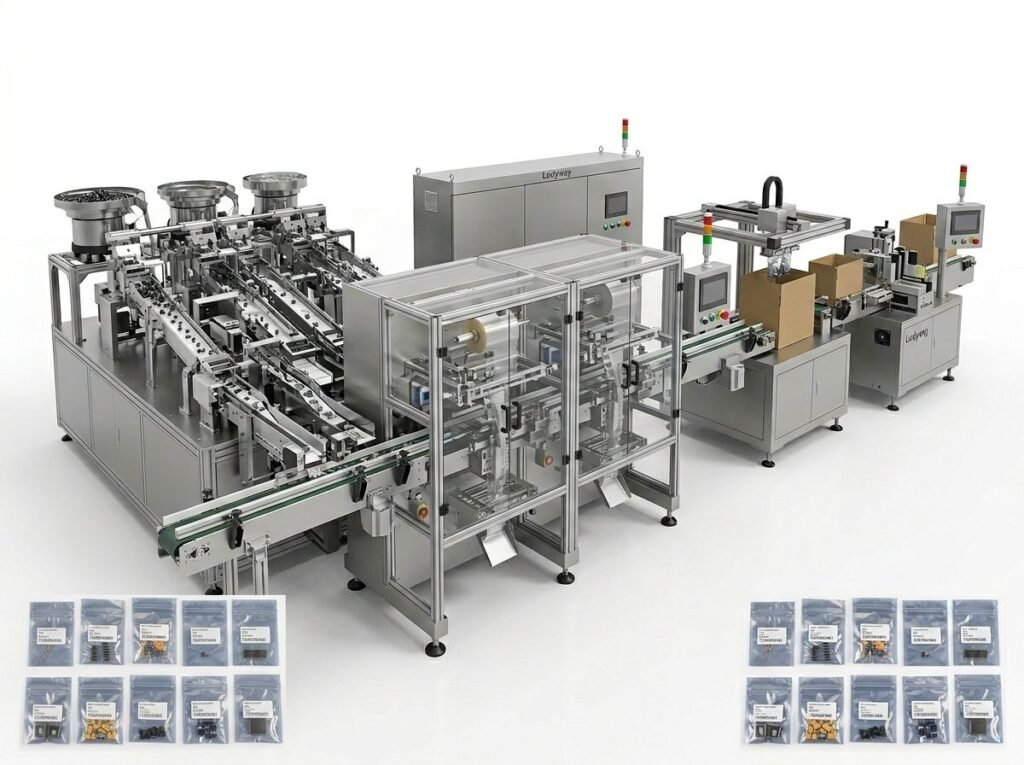
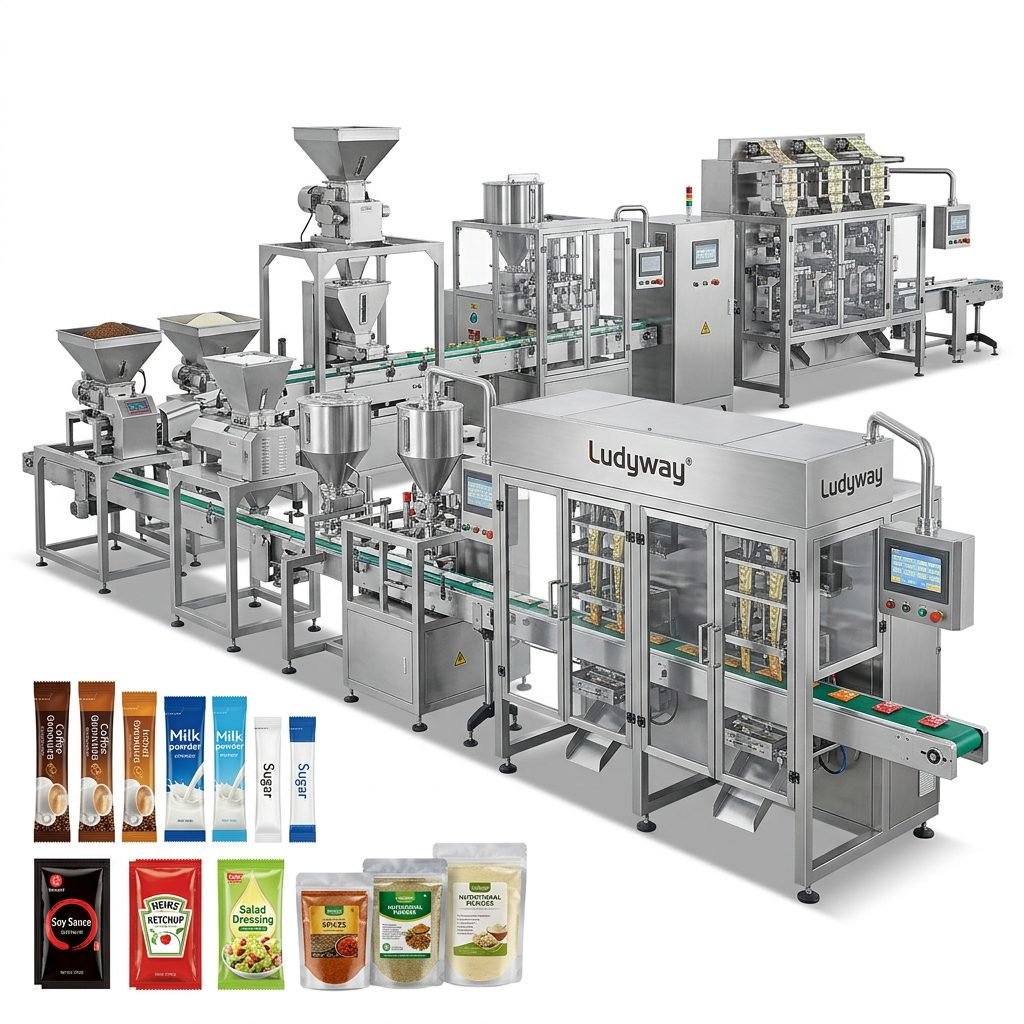
Choosing the right freezer packaging machine is a critical decision for any frozen food producer. The correct equipment not only protects product quality and safety but also directly impacts production efficiency, operational costs, and brand reputation in a competitive market. This comprehensive guide will walk you through the key factors to consider when selecting the best packaging solution for your frozen goods, from understanding core technologies to evaluating your specific production needs.
Understanding Freezer Packaging Machine Types
The first step in choosing a solution is understanding the different types of machinery available. Each type serves a distinct purpose and is suited for specific product forms and packaging styles.
Vertical Form-Fill-Seal (VFFS) Machines
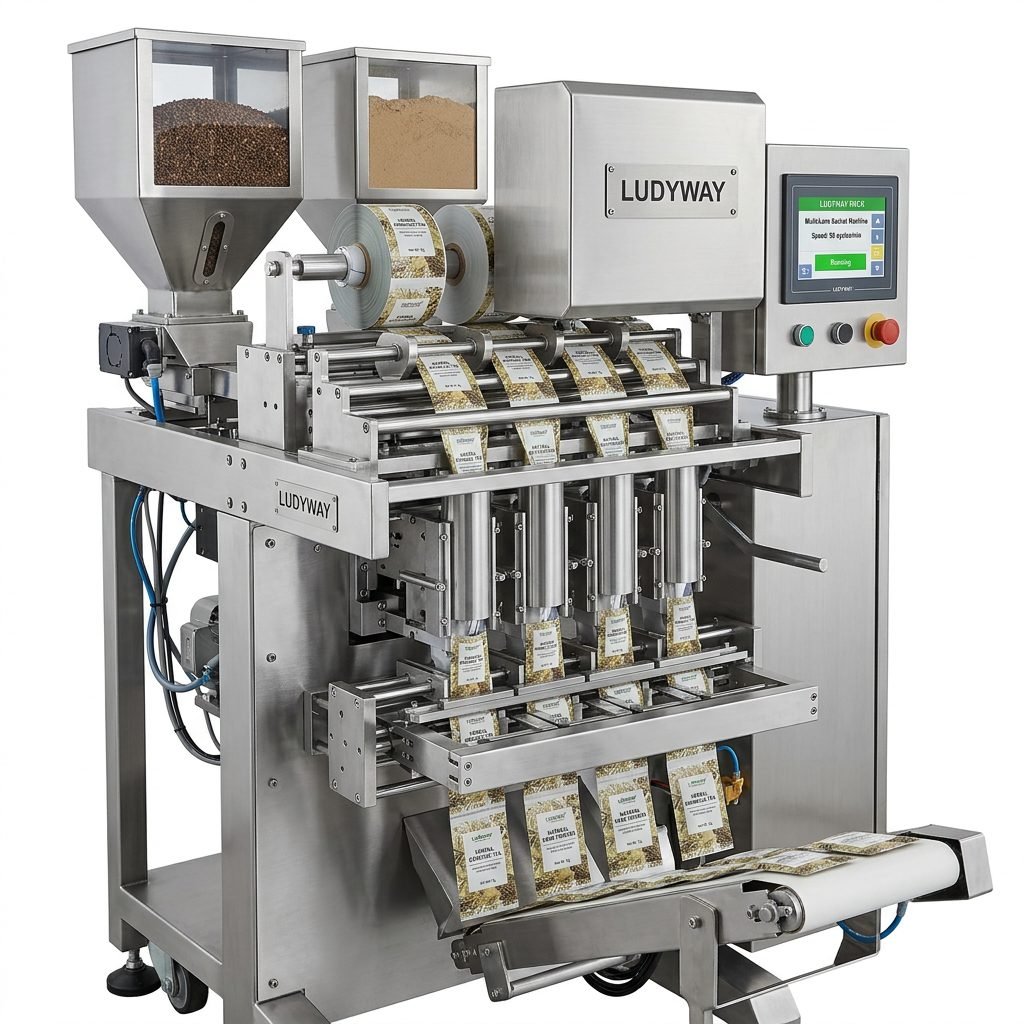
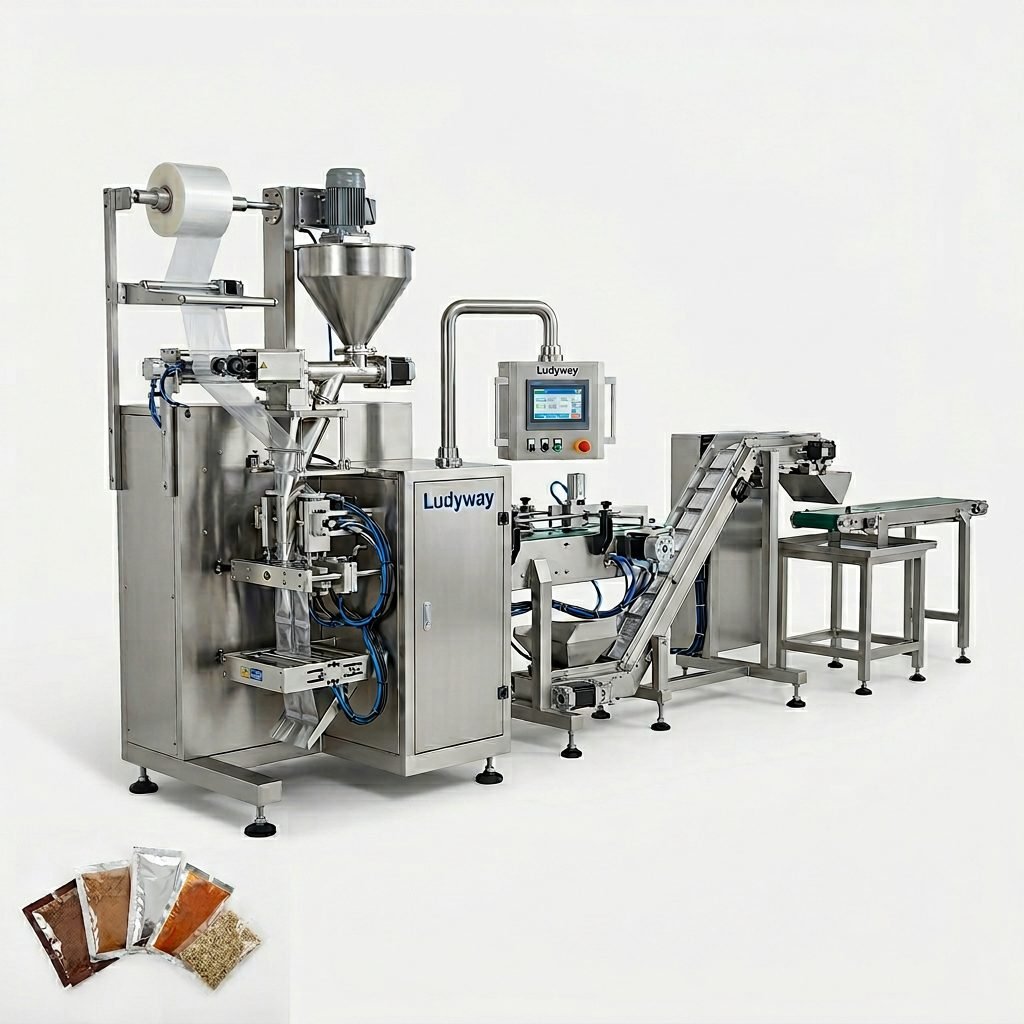
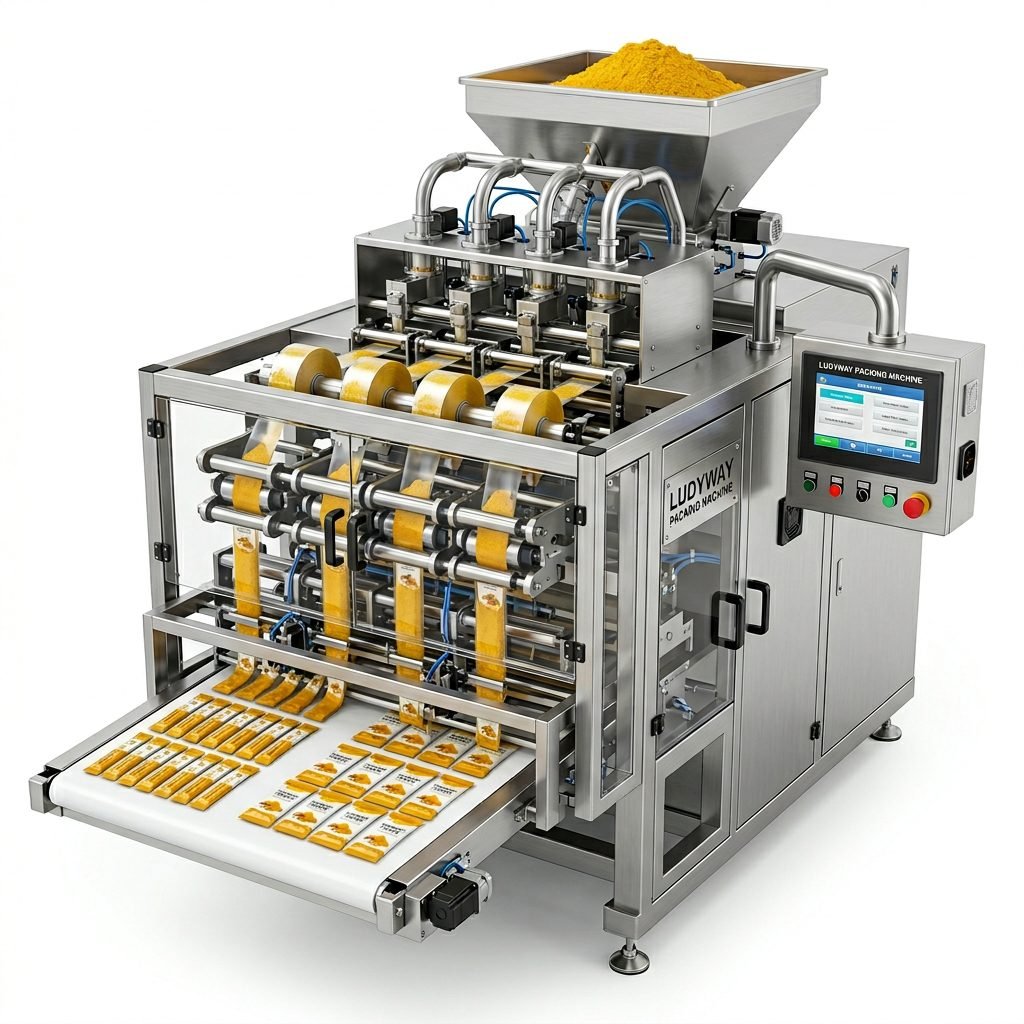
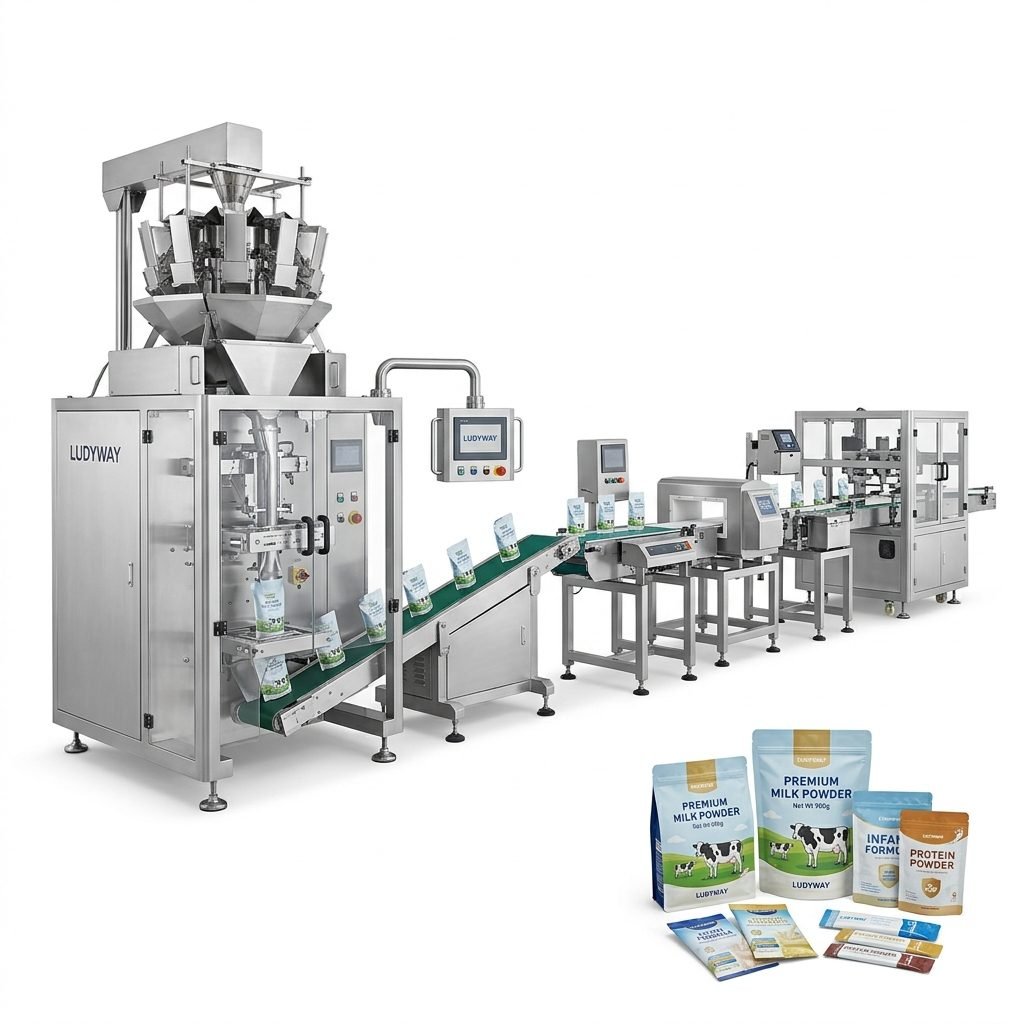
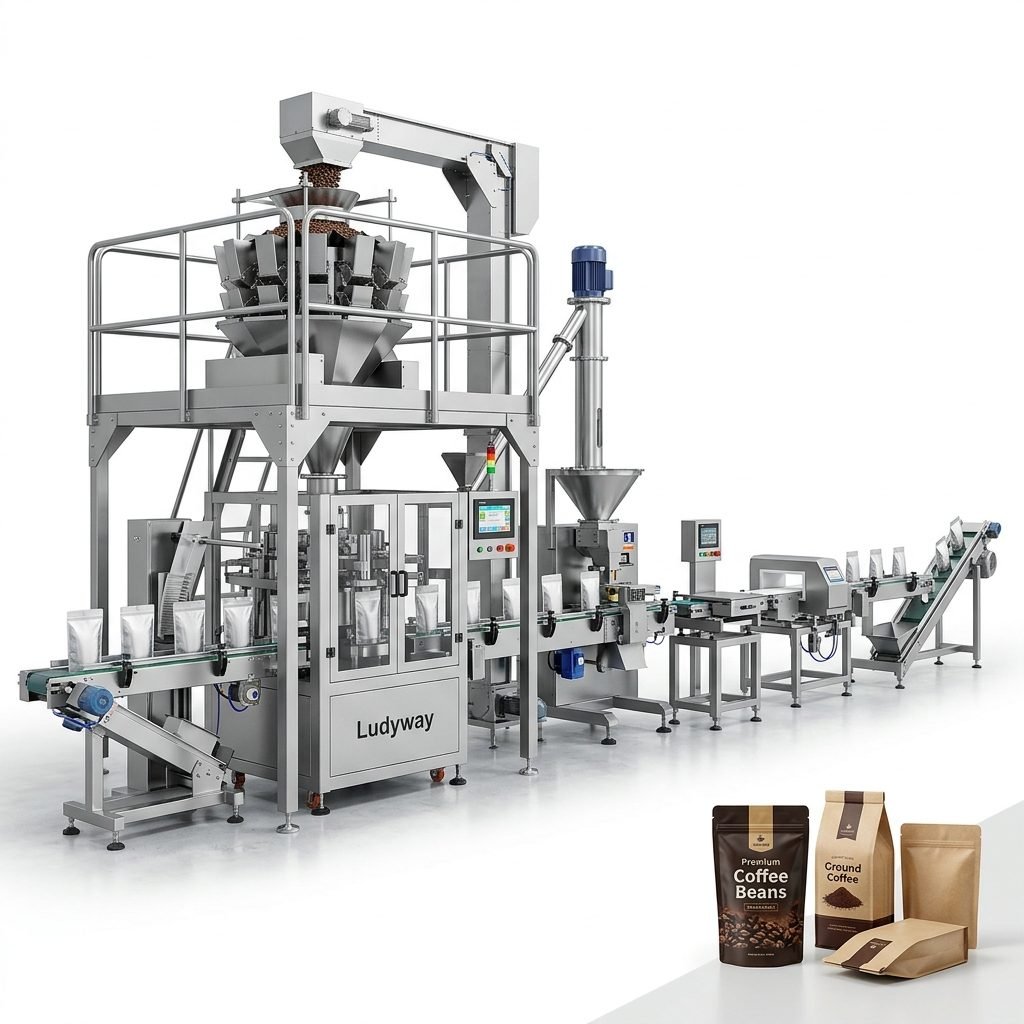
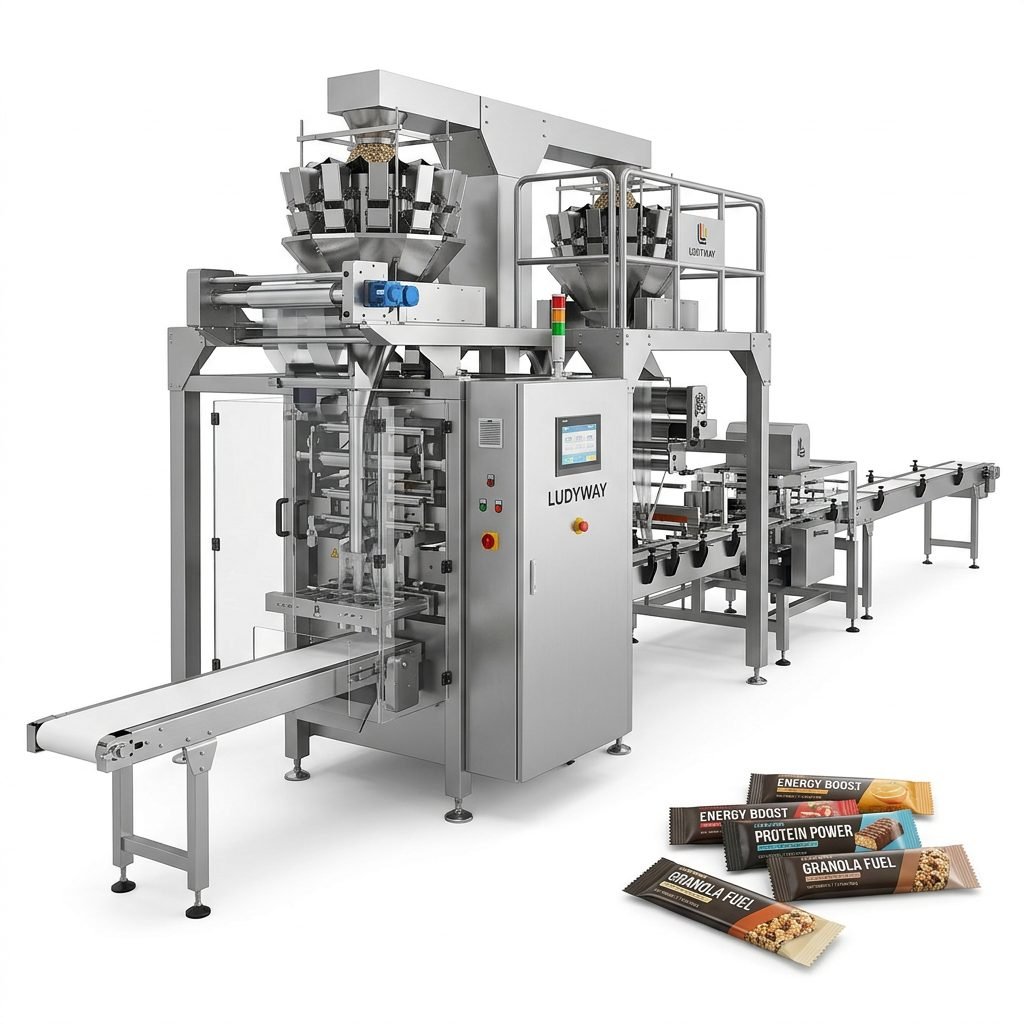
These are the workhorses of the frozen food industry. VFFS machines form bags from a roll of film, fill them with product, and seal them—all in a continuous vertical motion. They are exceptionally versatile and ideal for packaging a wide range of products, including:
- Frozen vegetables (peas, corn, mixed blends)
- Frozen fruits (berries, diced mango)
- Appetizers (french fries, potato wedges, onion rings)
- Small, free-flowing frozen items.
The primary advantage is high-speed packaging and efficient use of packaging material. Modern VFFS machines for frozen applications often feature stainless-steel construction for easy washdown and advanced controls for precise weighing.
Horizontal Form-Fill-Seal (HFFS) Machines
HFFS machines form pouches horizontally, making them perfect for more delicate products or those requiring a specific presentation. They are commonly used for:
- Frozen seafood (fillets, shrimp, scallops)
- Poultry and meat portions
- Prepared meals and frozen entrees.
- Products where minimizing product handling damage is crucial.
This method often allows for more attractive, retail-ready packaging with clear viewing windows. HFFS systems can handle liquids and semi-solids better than VFFS, making them suitable for frozen sauces or soups in stand-up pouches.
Tray Sealing Machines
For frozen meals, premium seafood, or high-value products, tray sealing is the preferred method. Pre-formed trays (plastic, aluminum, or paperboard) are filled, lidded with a top film, and hermetically sealed. This offers:
- Excellent product protection and extended shelf life.
- A premium, rigid structure that prevents crushing.
- The ability for dual-ovenable packaging (safe for microwave and conventional ovens).
These machines are integral to creating the convenient frozen meals that dominate supermarket freezer aisles.
Critical Factors for Choosing Your Machine
Beyond the machine type, several operational and technical factors will determine the best fit for your facility.
1. Production Speed and Throughput Requirements
Your required output (bags, pouches, or trays per minute) is the most fundamental specification. Match the machine’s maximum speed to your current and projected future needs. Consider not just peak speed but also sustainable operational speed, which accounts for product changeovers and maintenance.
2. Packaging Material Compatibility
Frozen food packaging requires specialized films that remain flexible and durable at low temperatures. Ensure the machine can reliably run your chosen material, whether it’s a simple polyethylene bag or a complex multi-layer laminate for high-barrier applications (e.g., for preventing freezer burn). The sealing system must create strong, airtight seals consistently, even in cold, humid environments.
3. Product Characteristics and Handling
The nature of your frozen product dictates machine features. Consider:
- Product Temperature: Machines must handle sub-zero temperatures without condensation affecting electronics or mechanics.
- Product Form: Icy, wet, or irregularly shaped items (like frozen broccoli) may require specialized feed systems, vibratory conveyors, or custom-designed funnels to ensure smooth flow and accurate filling.
- Weighing Accuracy: For portion-controlled items, integrated multi-head weighers or linear weighers are essential to maintain weight compliance and minimize give-away.
4. Hygienic Design and Durability
The machine must withstand harsh washdown procedures common in food plants. Look for:
- Stainless-steel construction (grade 304 or 316) on all product-contact surfaces and frames.
- IP-rated electrical panels to protect against moisture.
- Easy-access panels for quick cleaning and sanitation.
- Corrosion-resistant components.
5. Automation and Integration Potential
Modern packaging lines are highly integrated. Evaluate if the machine can connect seamlessly with upstream equipment (like freezers or product conveyors) and downstream systems (like case packers or palletizers). Features like Industry 4.0 connectivity, PLC controls with recipe management, and data reporting capabilities are valuable for optimizing Overall Equipment Effectiveness (OEE).
Why Partner with a Specialized Provider?
Investing in freezer packaging machinery is a significant commitment. Partnering with an experienced provider like Ludyway Packing Machine offers distinct advantages beyond just purchasing a piece of equipment.
With over 30 years of industry experience, a specialized provider brings deep application knowledge. They understand the unique challenges of frozen environments—from material selection to preventing ice buildup on sealing jaws. They can recommend the optimal machine configuration based on your specific product, whether you’re packaging delicate berries or dense frozen meatballs.
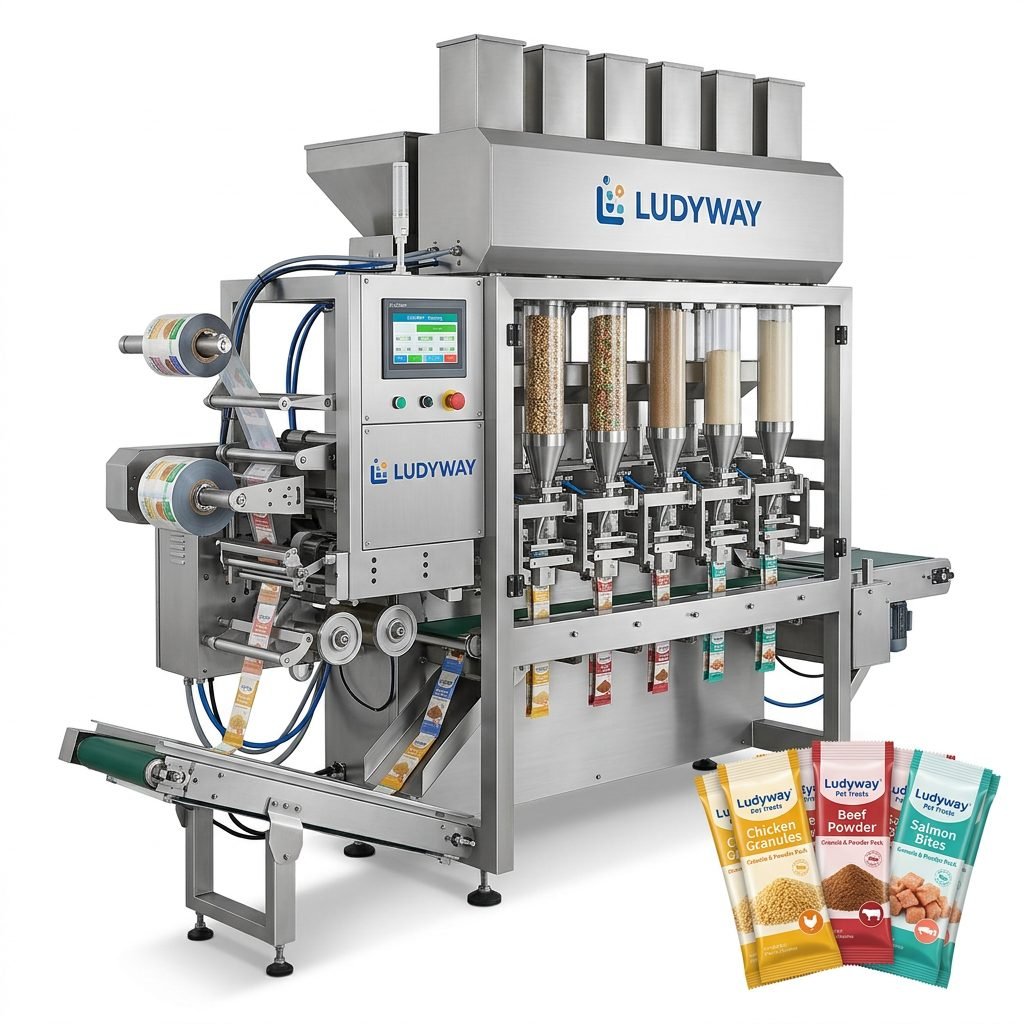
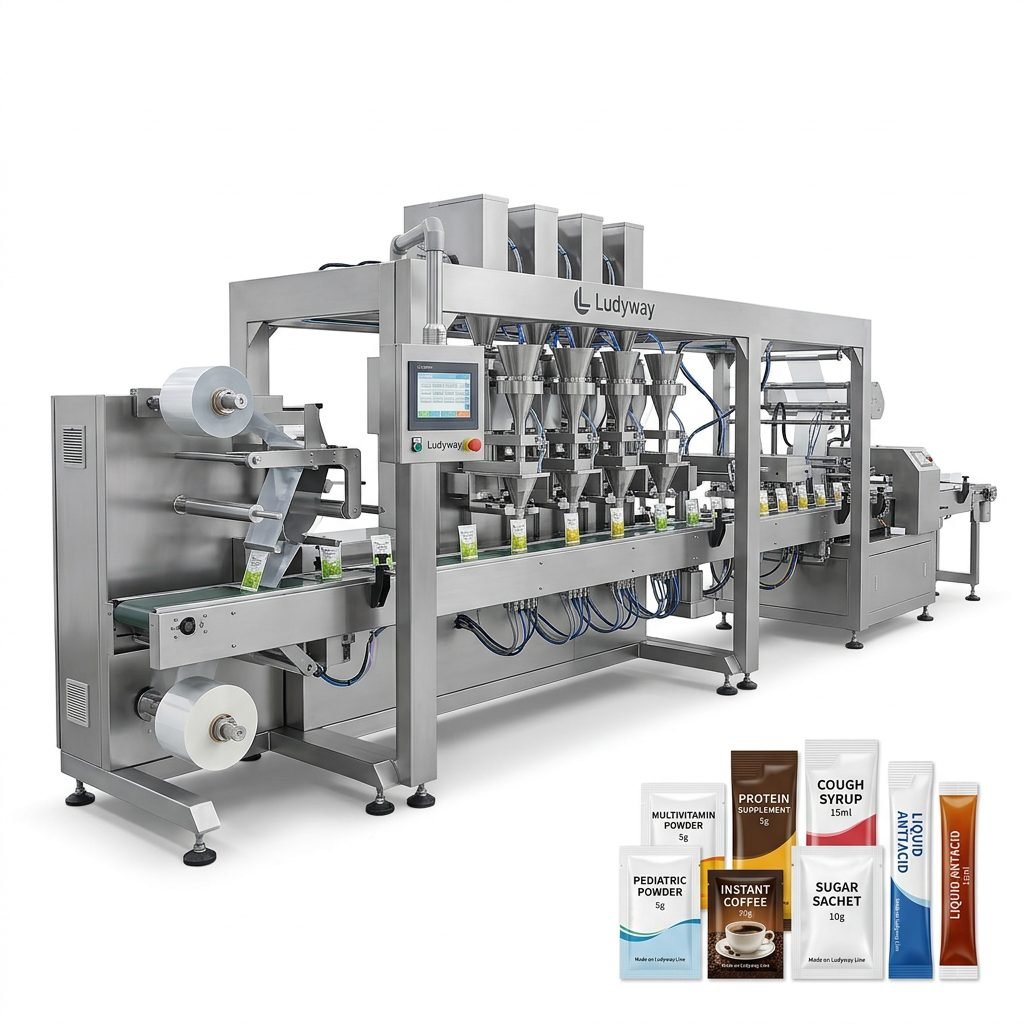
A true partner offers more than a standard machine. They provide customized production solutions. This could involve designing a special feed system, integrating specific weighing technology, or creating a complete turnkey line that includes conveyors, metal detectors, and coding systems. This holistic approach ensures all components work in harmony for maximum efficiency.
Ongoing support is critical. Look for a provider with a strong global service network, ready access to spare parts, and comprehensive training for your operators and maintenance staff. The reliability of your packaging line directly affects your bottom line, so having expert technical support on call is invaluable.
Providers like Ludyway, with a portfolio of over 50 intelligent packaging machine models, have the engineering capability to adapt and innovate. They can help you future-proof your investment by offering scalable solutions and incorporating the latest advancements in automation and efficiency.
Making the Final Decision
Before finalizing your purchase, take these actionable steps:
- Request a Product Test: Send your actual frozen product and packaging material to the supplier for a live machine test. This is the only way to verify performance, speed, and seal quality.
- Evaluate Total Cost of Ownership (TCO): Look beyond the initial purchase price. Consider energy consumption, maintenance costs, expected lifespan, and the cost of potential downtime.
- Check References: Ask the supplier for contacts at companies with similar products and production volumes. Visit a live installation if possible.
- Plan for the Future: Discuss how the machine can be adapted or upgraded if your product mix changes or your production volume grows.
Selecting the best freezer packaging machine is a strategic investment that safeguards your product quality and drives operational success. By thoroughly assessing your needs, understanding the technology, and partnering with a knowledgeable and reliable equipment provider, you can implement a packaging solution that delivers reliability, efficiency, and a strong return on investment for years to come.
Frequently Asked Questions (FAQs)
Q1: What is the most important feature to look for in a freezer packaging machine?
The most critical feature is reliable and consistent sealing performance in cold, humid conditions. The machine must create airtight, strong seals on frozen, often frosty packaging films to prevent freezer burn and maintain product safety. Hygienic, washdown-ready construction is equally vital.
Q2: Can one machine handle different types of frozen products?
Yes, but with limitations. Versatile machines like VFFS models can often package various free-flowing items (e.g., switching from peas to fries) with quick changeovers. However, significant changes in product form (e.g., from granules to whole fillets) may require different feed systems or even a different machine type. Discuss your full product range with your supplier.
Q3: How do I prevent ice buildup on the machine’s sealing jaws?
Specialized freezer packaging machines address this with heated sealing jaws and sometimes integrated air knives or blowers to remove moisture. Proper machine placement (away from direct freezer air vents) and ensuring the packaging room has controlled, low humidity are also key operational practices.
Q4: What packaging materials are best for frozen food?
Materials must have excellent low-temperature durability and moisture barrier properties. Common choices include polyethylene (PE) films, polypropylene (PP), and multi-layer laminates that may include nylon or ethylene vinyl alcohol (EVOH) for oxygen barrier. Your packaging machine supplier and film supplier should work together to recommend the optimal material for your product and machine.
Q5: Is a fully automated packaging line necessary for frozen food?
While not always necessary, automation significantly boosts efficiency, reduces labor costs in cold environments, and minimizes human contact with food for improved safety. For medium to high-volume production, integrating automated feeding, weighing, and case packing is highly recommended to maximize throughput and consistency.