Proper maintenance of a garment packing machine is critical for ensuring consistent performance, reducing downtime, and extending the lifespan of your equipment. Whether you operate a small-scale textile business or a large garment manufacturing facility, implementing a structured maintenance routine can significantly impact your operational efficiency and product quality. This guide covers essential maintenance practices, from daily inspections to long-term care strategies.
Why Regular Maintenance Matters
Garment packing machines are subject to continuous mechanical stress, dust accumulation from fabric fibers, and wear on sealing components. Without a consistent maintenance schedule, issues such as inconsistent sealing, misaligned folding mechanisms, and unexpected breakdowns can disrupt production. According to industry standards published by the PMMI packaging industry resources, preventive maintenance can reduce machine downtime by up to 30%.
A well-maintained machine also ensures that garments are packed neatly, protecting them from damage during storage and transit. This is especially important for high-value apparel, where presentation directly influences customer satisfaction.
Key Areas to Focus On
- Sealing and heating elements – critical for airtight, professional packaging
- Conveyor belts and rollers – prone to fabric dust buildup
- Pneumatic and hydraulic systems – require regular pressure checks
- Folding and insertion mechanisms – must remain precisely aligned
- Sensor calibration – essential for accurate bag positioning
Daily Maintenance Checklist
Daily inspections are the first line of defense against unexpected failures. Operators should perform these checks at the beginning of each shift and record any anomalies. The ISO packaging standards recommend documented daily checklists as part of a comprehensive quality management system.
| Task | Frequency | Priority |
|---|---|---|
| Clean fabric dust from conveyor belts and rollers | Daily | High |
| Inspect sealing bar for residue or damage | Daily | High |
| Check air pressure and pneumatic connections | Daily | Medium |
| Verify sensor alignment and responsiveness | Daily | Medium |
| Lubricate moving parts as specified in manual | Daily | High |
Cleaning Best Practices
Garment packing machines are particularly susceptible to fiber and lint accumulation, which can interfere with sensors and moving parts. Use compressed air to blow out dust from hard-to-reach areas, and wipe down surfaces with a lint-free cloth. Avoid using water near electrical components, and always disconnect power before performing any cleaning tasks.
Weekly and Monthly Maintenance Tasks
Beyond daily checks, a more thorough inspection should be conducted on a weekly and monthly basis. These tasks help identify early signs of wear that could lead to costly repairs if ignored. The PMMI business intelligence reports highlight that proactive maintenance planning is one of the most effective strategies for extending machinery life in the packaging industry.
Weekly Tasks
- Inspect all drive belts for tension and signs of cracking
- Check electrical wiring and connections for looseness or fraying
- Test emergency stop functionality and safety interlocks
- Examine folding plates for alignment and smooth movement
- Clean and inspect heating element contacts
Monthly Tasks
- Perform a full calibration of temperature controllers and timers
- Inspect gearboxes and oil levels; top up or replace as needed
- Check chain tension and sprocket wear on drive systems
- Review error logs and investigate recurring fault codes
- Verify that all fasteners and mounting bolts are properly tightened
Sealing System Deep Dive
The sealing mechanism is often the most maintenance-intensive part of a garment packing machine. Consistent temperature regulation is crucial — fluctuations can cause weak seals that open during handling or excessive heat that damages the packaging film. Using a calibrated thermometer, verify that the actual temperature matches the controller setting within a tolerance of ±2°C.
Replace sealing bands or heating elements at the first sign of uneven heating patterns, as indicated by inconsistent seal impressions across the width of the bag. The Flexible Packaging Association provides valuable resources on packaging material compatibility and sealing best practices that can help optimize machine performance.
Common Problems and Troubleshooting
Even with diligent maintenance, issues can arise. Below is a troubleshooting table for common garment packing machine problems encountered in production environments. Understanding these common failure modes helps operators respond quickly and minimize downtime.
| Problem | Possible Cause | Solution |
|---|---|---|
| Weak or incomplete seals | Low temperature, dirty sealing bar, worn heating element | Clean sealing surfaces; recalibrate temperature; replace heating element |
| Wrinkled or misaligned packaging | Incorrect film tension, misaligned folding guides | Adjust tension rollers; realign guide plates |
| Machine stops unexpectedly | Sensor fault, overload protection triggered | Clean sensors; reset overload switch; check for obstructions |
| Excessive noise or vibration | Loose components, worn bearings, insufficient lubrication | Tighten fasteners; replace bearings; lubricate per schedule |
| Incorrect bag length | Film tracking error, encoder misalignment | Recalibrate film feed; check encoder connections |
When to Call for Professional Service
While routine maintenance can be handled in-house, certain situations warrant professional intervention. If you notice persistent electrical faults, unusual burning smells, or precision alignment issues that cannot be resolved through standard troubleshooting, contact a qualified service technician. Attempting complex repairs without proper expertise can void warranties and potentially cause further damage.
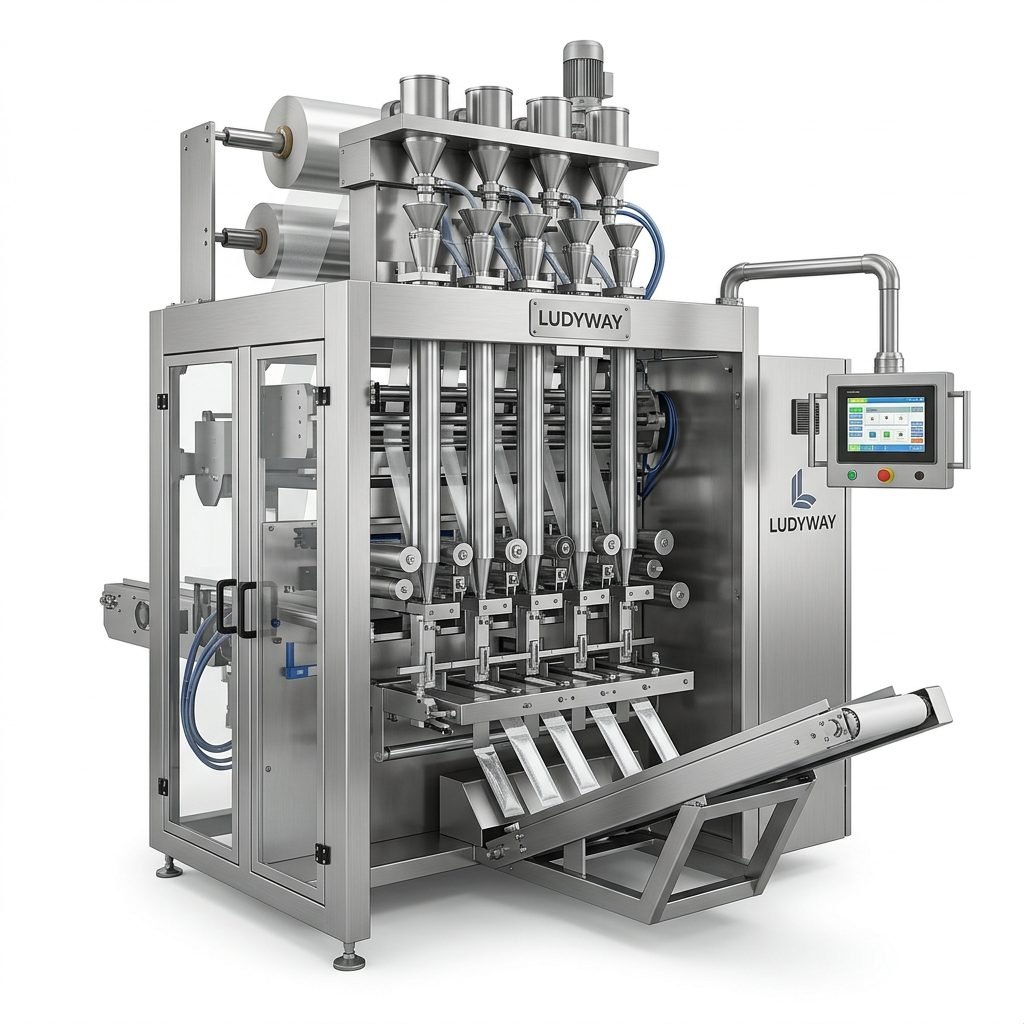
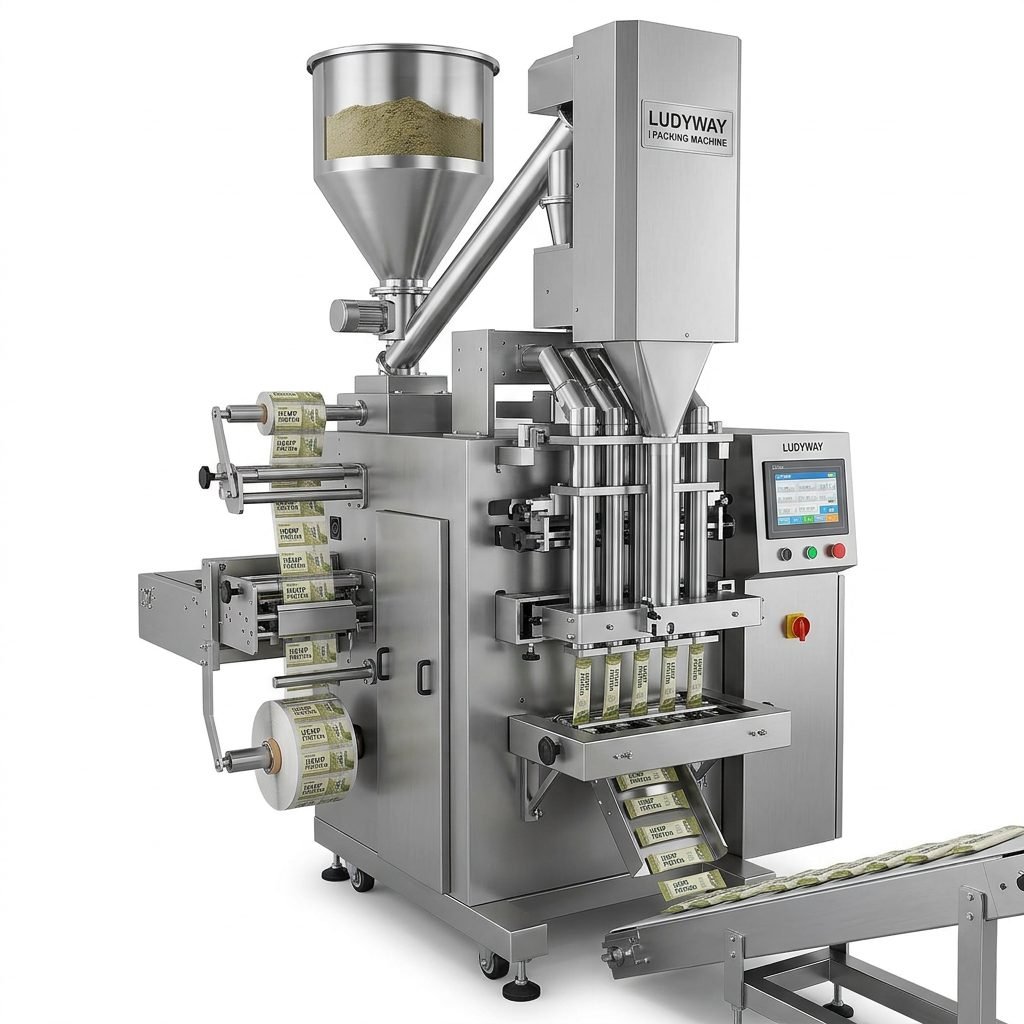
For facilities using advanced multi-lane or high-speed garment packing systems, establishing a service contract with a reputable packaging equipment provider is highly recommended. Companies like Ludyway, with over 30 years of experience and a 20,000㎡ manufacturing facility, offer comprehensive after-sales support and spare parts availability for a wide range of packaging machinery. Their engineering team provides remote diagnostics and on-site service to minimize production interruptions.
Spare Parts Management
Maintaining an inventory of critical spare parts is essential for minimizing downtime during equipment failures. The specific parts you need will depend on your machine model, but certain components are universally important for garment packing machines. The Flexible Packaging Association emphasizes that proactive spare parts planning is a key element of effective maintenance management.
Recommended Spare Parts
- Heating elements and sealing bands
- Drive belts and timing belts
- Sensor modules and photoelectric cells
- Pneumatic cylinders and seals
- Folding guide plates
- Film cutting blades
- Temperature controllers and relays
Store spare parts in a clean, dry environment and label them clearly with part numbers and dates of acquisition. Regularly review your inventory against actual usage patterns to optimize stock levels without overinvesting in rarely needed components.
Documentation and Record Keeping
Thorough maintenance records are invaluable for predictive maintenance planning and troubleshooting. Maintain a logbook or digital record that includes dates of service, tasks performed, parts replaced, and any observations about machine behavior. This historical data helps identify patterns — for example, if a particular component fails every six months, you can proactively replace it on a five-month cycle.
Regulatory compliance is another important consideration, especially for garment packaging operations that handle products destined for regions with strict quality standards. The ISO 11607 standards for packaging provide frameworks for validated processes and documentation that many industries reference as benchmarks for quality assurance.
Operator Training and Safety
Well-trained operators are your best defense against preventable machine damage. Every person who operates or maintains a garment packing machine should receive comprehensive training that covers startup procedures, normal operation parameters, emergency shutdown protocols, and basic troubleshooting techniques.
Safety Protocols
- Always follow lockout/tagout procedures before maintenance
- Wear appropriate personal protective equipment (PPE)
- Never bypass safety interlocks or guards
- Keep the work area free of loose clothing and jewelry
- Ensure adequate lighting around all machine access points
- Report any unusual sounds, vibrations, or smells immediately
Cross-training multiple staff members on basic maintenance tasks ensures that critical inspections are not missed due to personnel absences. The PMMI packaging standards and regulations offer additional guidance on operator safety and training best practices for packaging machinery.
Seasonal Considerations
Environmental conditions can significantly affect machine performance. In humid climates, electrical components are more prone to corrosion; in dusty environments, more frequent cleaning of filters and sensors is necessary. Adjust your maintenance frequency based on your specific operating environment, and consult your machine’s manual for climate-specific recommendations.
Long-Term Care and Equipment Longevity
Extending the service life of a garment packing machine requires a long-term perspective. In addition to routine tasks, schedule comprehensive annual overhauls that include thorough cleaning of internal components, replacement of all wear parts, and recalibration of all sensors and controllers. The FDA food packaging guidelines, while primarily focused on food contact applications, contain useful frameworks for validated maintenance programs that can be adapted to garment packaging operations.
Consider implementing a condition monitoring program that uses vibration analysis, thermal imaging, or oil analysis to detect developing problems before they cause failures. While this requires an initial investment in equipment and training, the cost savings from prevented downtime often justify the expense within the first year.
End-of-Life Planning
Even the best-maintained machine will eventually reach the end of its economic life. Signs that it may be time to consider replacement include: increasing frequency of breakdowns despite regular maintenance, difficulty sourcing spare parts for older models, and inability to meet current production speed or quality requirements. Planning for equipment replacement well in advance allows for orderly capital budgeting and avoids crisis-driven purchasing decisions.
Consult with packaging equipment experts to evaluate whether upgrading specific modules or replacing the entire system represents a better return on investment for your specific production needs and future growth plans.