Proper cleaning and maintenance of your gunny bag packing machine is essential to ensure consistent performance, minimize downtime, and extend equipment lifespan. Without a structured maintenance routine, even the most robust machinery can suffer from wear, material buildup, and unexpected failures. This guide covers the essential daily, weekly, and preventive practices to keep your bagging system running at peak efficiency.
Why Routine Maintenance Matters
Neglecting regular upkeep can lead to inaccurate weighing, material spillage, seal failures, and costly repairs. A well-maintained automatic bagging machine delivers consistent fill weights, reduces product waste, and maintains high throughput. Implementing a disciplined cleaning schedule also prevents contamination, which is critical for industries handling food-grade materials and agricultural products.
Daily Cleaning Checklist
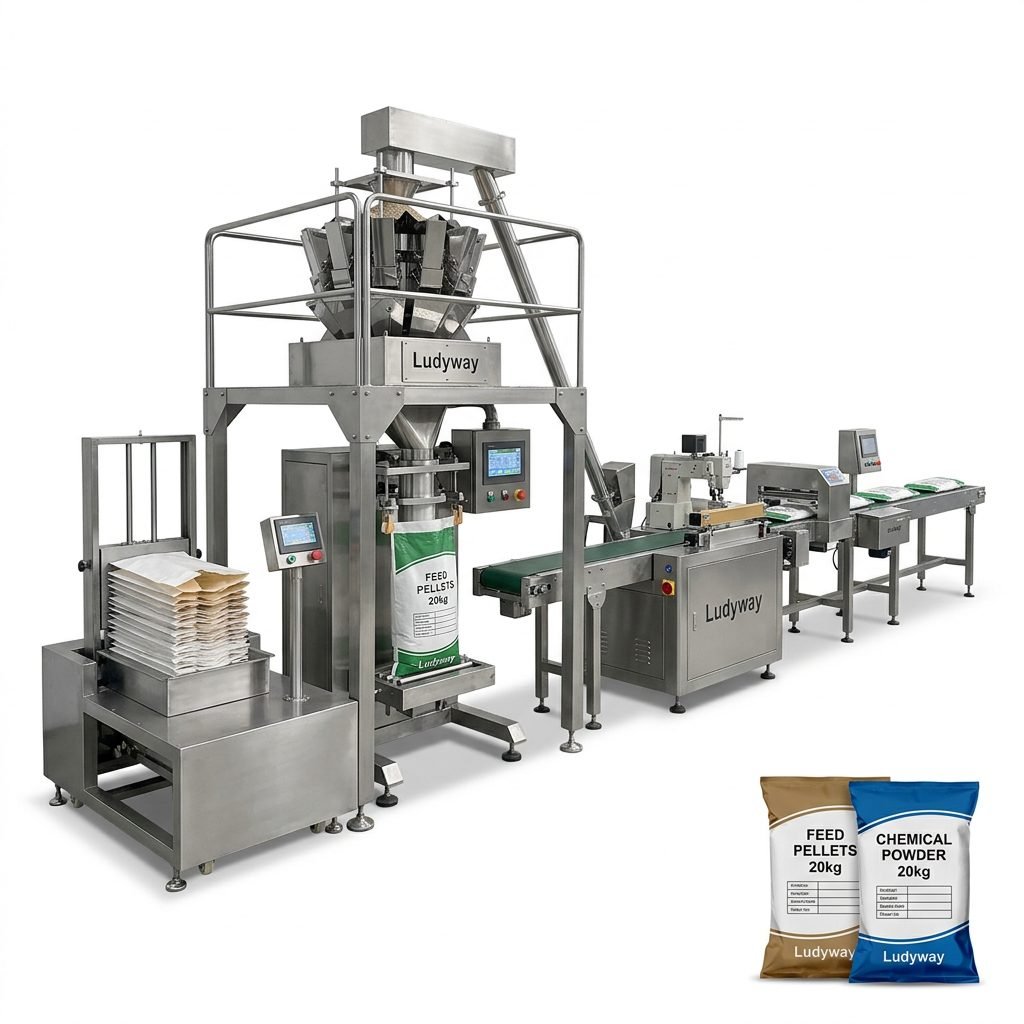
At the end of each shift, operators should perform a thorough visual inspection and cleaning routine. Dust, loose granules, and fibrous residues from jute or woven polypropylene bags can accumulate quickly around the filling spout, clamps, and sealing areas.
- Remove residual material from the hopper, weighing buckets, and discharge chute using compressed air or a soft brush.
- Wipe down all contact surfaces with a dry, lint-free cloth to prevent material caking.
- Inspect bag grippers and clamps for debris that could cause misalignment or tearing.
- Check the sewing head or heat-sealing unit for thread fragments, adhesive buildup, or dust accumulation.
- Clean the control panel exterior and ensure ventilation openings are free from dust.
Weekly Preventive Maintenance
Weekly tasks go beyond surface cleaning and focus on mechanical integrity. These inspections can identify early signs of wear before they escalate into major failures.
Lubrication of Moving Parts
Proper lubrication reduces friction and prevents premature wear on bearings, chains, and linear guides. Always use the lubricant grade recommended in your equipment manual. Over-greasing can attract dirt, so apply sparingly and wipe away excess.
- Lubricate all pivot points on the bag clamp mechanism.
- Apply oil to conveyor roller bearings and drive chains.
- Grease the sewing machine head components if applicable.
Electrical and Sensor Verification
Electrical reliability is critical for automated weighing and bag placement. Dust and vibration can loosen connections or obstruct sensors.
- Inspect wiring harnesses for signs of abrasion or loose terminals.
- Clean photoelectric sensors and proximity switches with a soft cloth.
- Test emergency stop circuits and safety interlocks to confirm proper function.
- Verify load cell accuracy using test weights to ensure weighing precision.

Monthly and Quarterly Inspections
Deeper inspections on a monthly or quarterly basis help catch issues that daily and weekly checks might miss. These tasks may require a maintenance technician with specialized knowledge of industrial packaging systems.
| Component | Inspection Task | Frequency |
|---|---|---|
| Pneumatic Cylinders & Hoses | Check for leaks, proper stroke, and hose integrity | Monthly |
| Belt Tension & Alignment | Adjust tension, inspect for fraying or tracking issues | Monthly |
| Weighing System Calibration | Full calibration with certified test weights | Quarterly |
| Gearbox Oil Level | Check and replace oil if contaminated or low | Quarterly |
| Structural Bolts & Fasteners | Tighten all frame bolts and mounting brackets | Quarterly |
Common Troubleshooting Scenarios
Understanding common issues allows operators to respond quickly and reduce downtime. Below are frequent problems encountered with gunny bag weighing and filling machines and their likely causes.
Inconsistent Fill Weights
- Possible cause: Material bridging or inconsistent product flow in the hopper.
- Solution: Install a vibratory feeder or agitator; check load cell connections and recalibrate.
Bag Misalignment or Slippage
- Possible cause: Worn gripper pads or incorrect clamp pressure setting.
- Solution: Replace gripper pads and adjust pneumatic pressure to specifications.
Sewing Thread Breakage or Skipped Stitches
- Possible cause: Incorrect thread tension, dull needle, or debris in the sewing path.
- Solution: Clean the sewing area, replace needles regularly, and adjust tension per manual guidelines.
Spare Parts Inventory Management
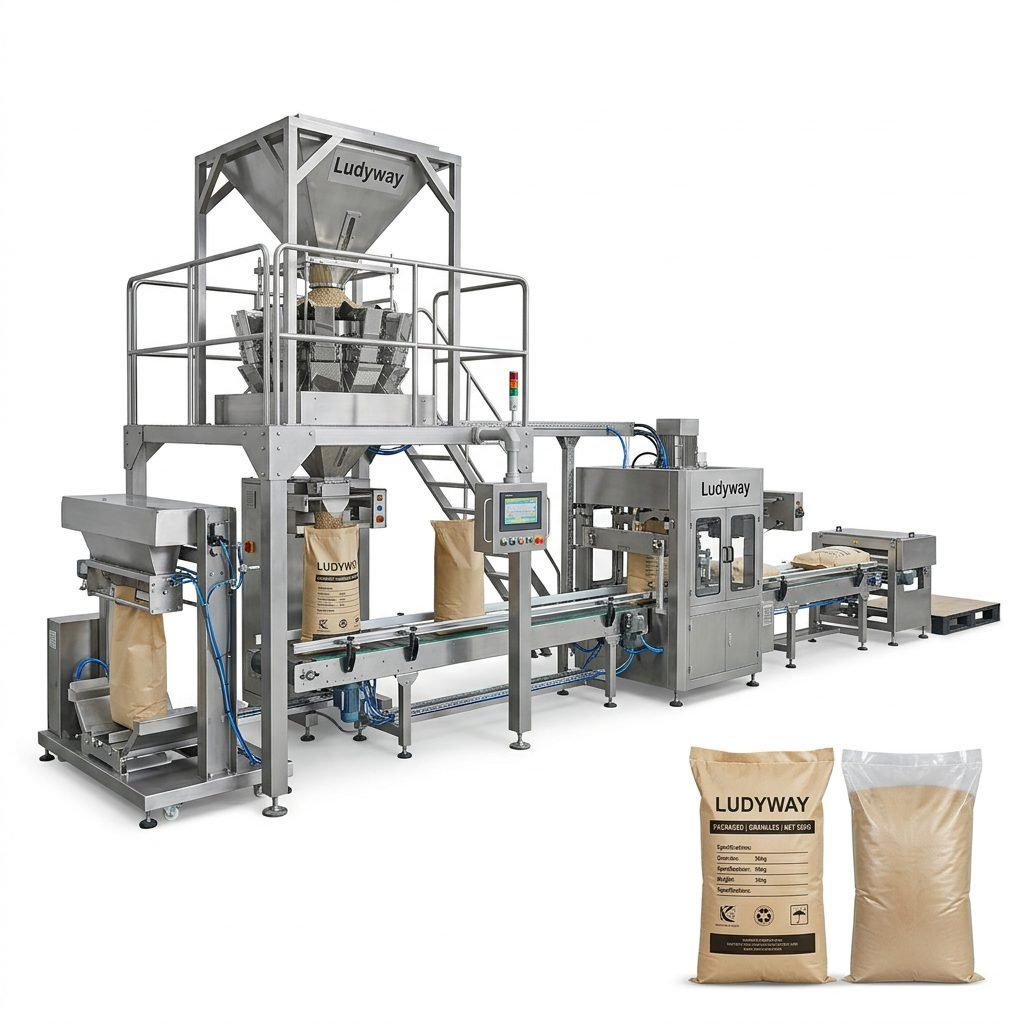
Keeping critical spare parts on hand minimizes downtime when components wear out. A recommended list for your bagging machine spare parts stock includes:
- Sewing machine needles and loopers
- Gripper pads and rubber sleeves
- Drive belts of all sizes used on the machine
- Common pneumatic seals and O-rings
- Proximity sensors and photoelectric switches
- Heating elements for heat-seal models
- Load cell and weighing controller fuses
Professional Support and Turnkey Solutions
While in-house maintenance covers most daily needs, periodic professional servicing ensures your equipment remains in optimal condition. Ludyway, one of the largest packaging machine manufacturers in China, provides comprehensive after-sales support including on-site maintenance training, spare parts supply, and remote diagnostics for their full range of weighing and bagging systems. Partnering with an experienced equipment supplier helps businesses maintain high productivity and product quality over the long term.
Maintenance Documentation and Records
Keeping detailed maintenance logs supports predictive maintenance strategies and warranty compliance. Record every inspection, repair, and part replacement along with the date and technician name. This data reveals patterns that can indicate when a component is approaching the end of its service life.
- Maintain a digital or printed logbook for each machine.
- Document calibration certificates and test weight verification results.
- Track lubricant consumption and replacement intervals.
- Photograph worn parts before replacement for supplier reference.
Consistent adherence to these cleaning and maintenance protocols will maximize the reliability of your gunny bag packing machine, reduce total cost of ownership, and ensure uninterrupted production for years to come. For additional guidance, consult resources from industry organizations such as the PMMI packaging industry association and the Flexible Packaging Association.