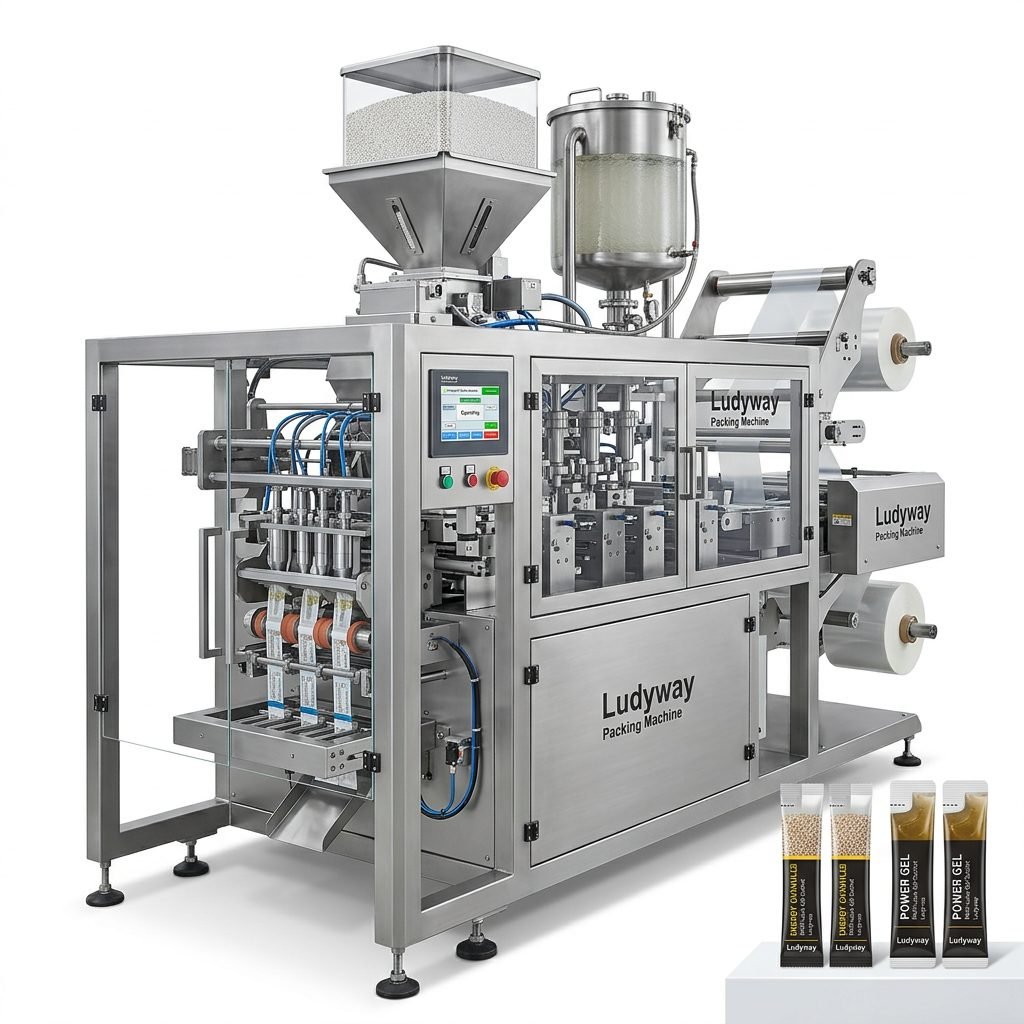
Investing in a tea and soda can packaging machine is a major decision for beverage manufacturers, co-packers, and startups entering the ready-to-drink market. Understanding the cost structure, configuration options, and key pricing factors will help you budget accurately and avoid costly mistakes. This comprehensive guide breaks down real-world price ranges, explains what drives equipment costs, and provides actionable insights for selecting the right packaging solution.
Average Price Ranges for Tea and Soda Can Packaging Machines
Packaging machine prices vary dramatically based on speed, automation level, can size compatibility, and auxiliary equipment. Below is a breakdown of typical cost categories you will encounter when sourcing a can filling and seaming line.
| Machine Type / Configuration | Estimated Price Range (USD) | Best For |
|---|---|---|
| Entry-Level Semi-Automatic Can Filler & Seamer | $8,000 – $25,000 | Small breweries, startups, low-volume craft production |
| Mid-Range Automatic Can Filling Line (2000–6000 CPH) | $40,000 – $120,000 | Mid-sized beverage producers, regional brands |
| High-Speed Fully Automatic Canning Line (10,000–30,000+ CPH) | $150,000 – $500,000+ | Large-scale commercial production, international brands |
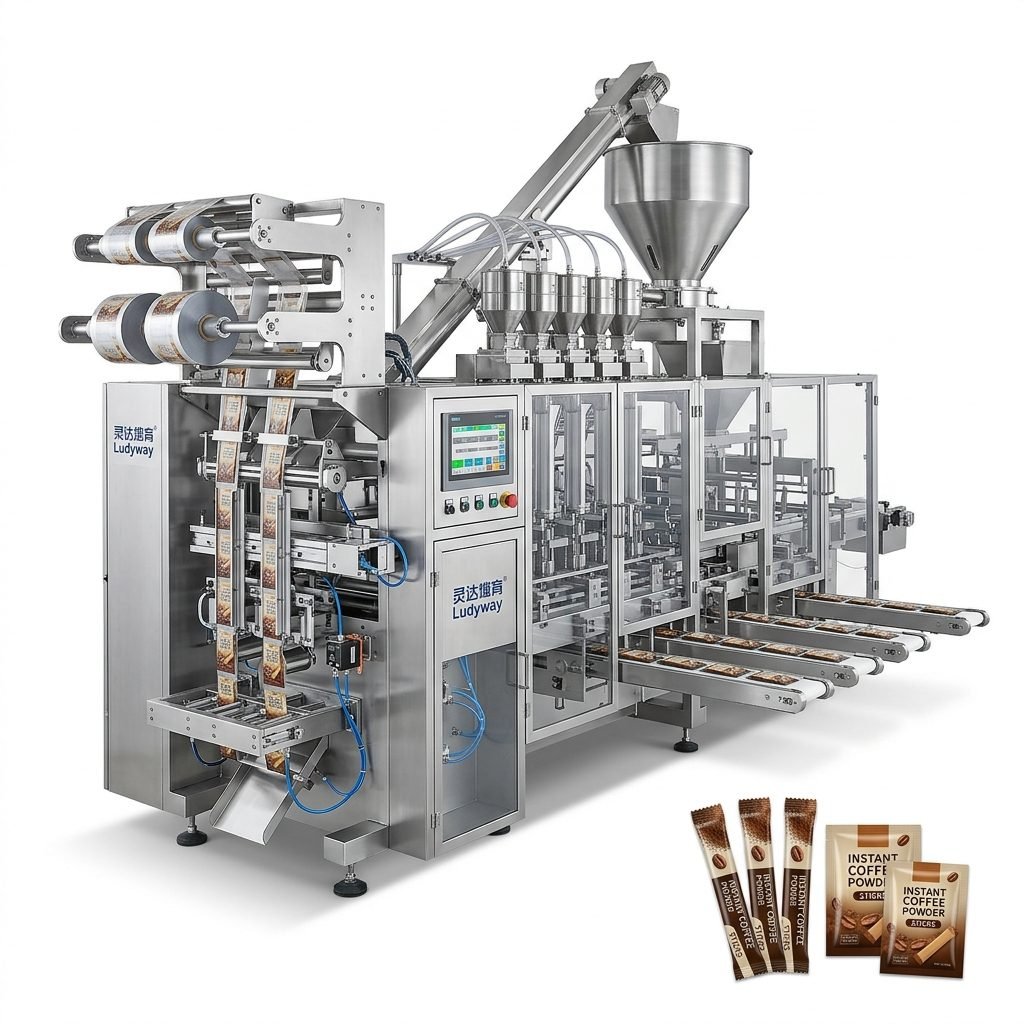
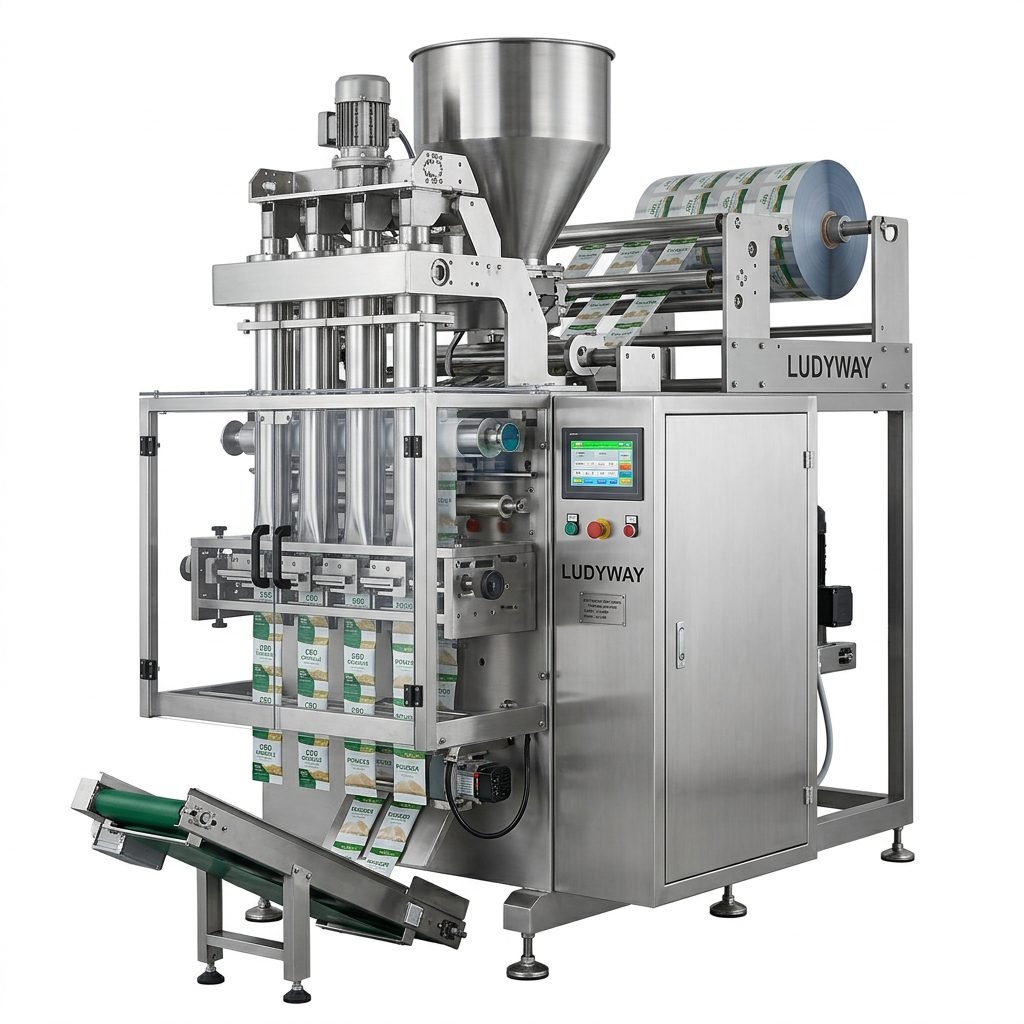
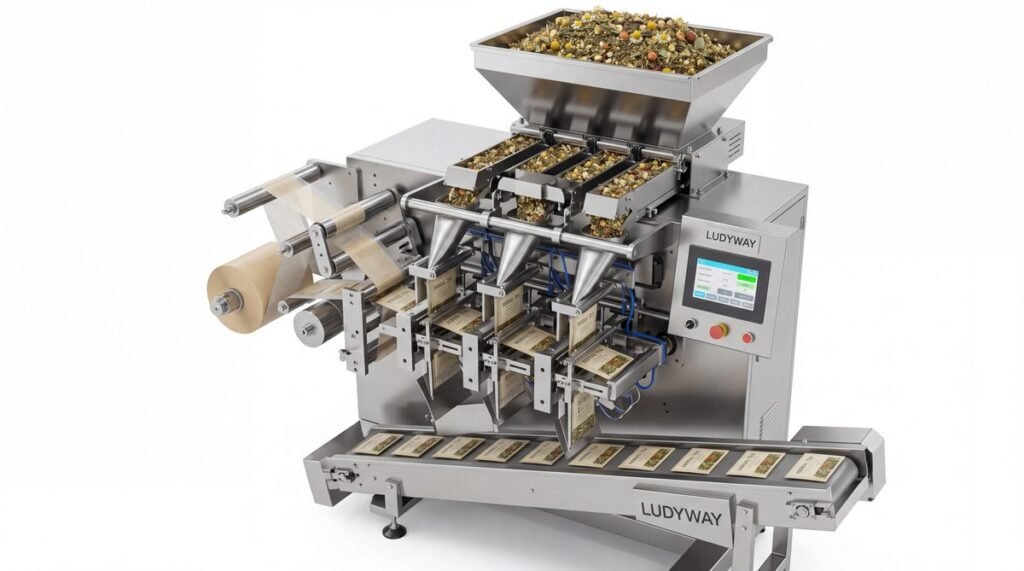
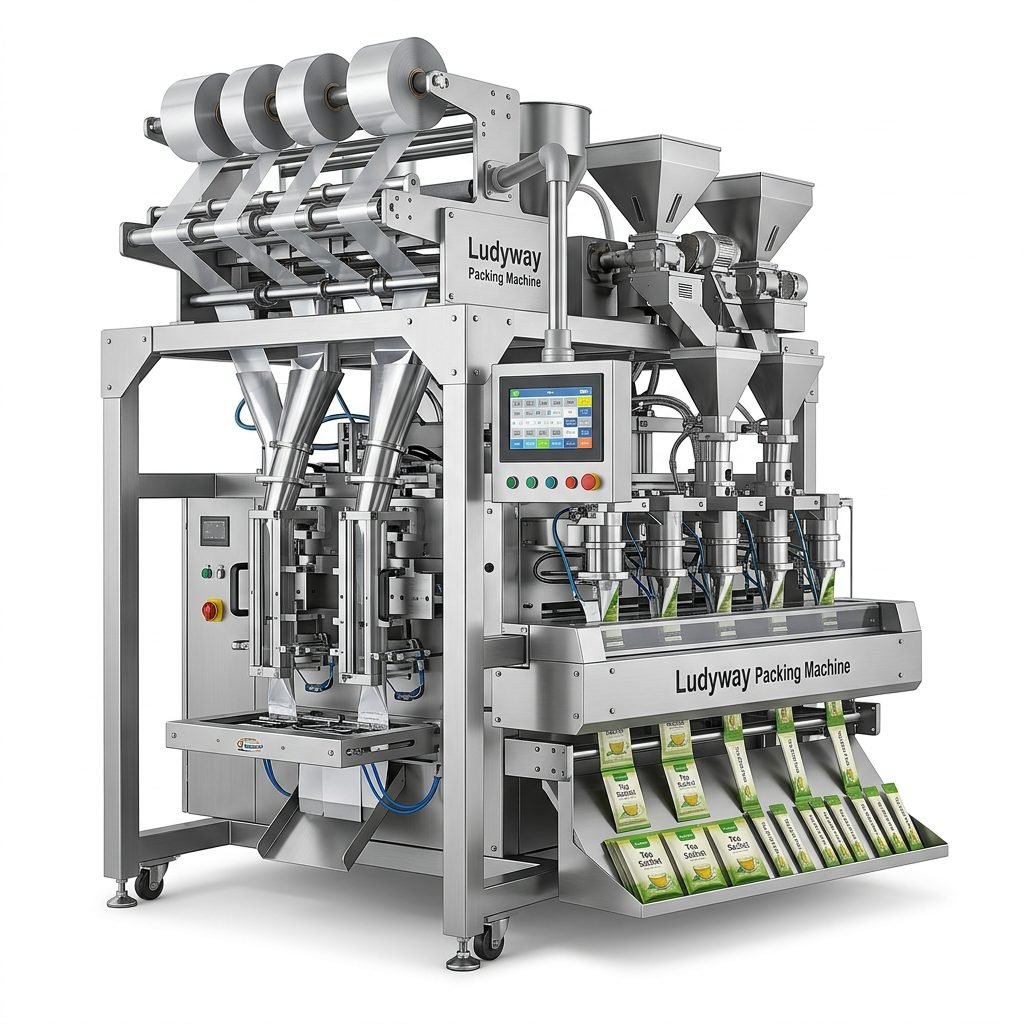
| Tea Sachet / Stick Pack Machine (Multi-Lane) | $18,000 – $80,000 | Instant tea powder, herbal blends, single-serve tea packs |
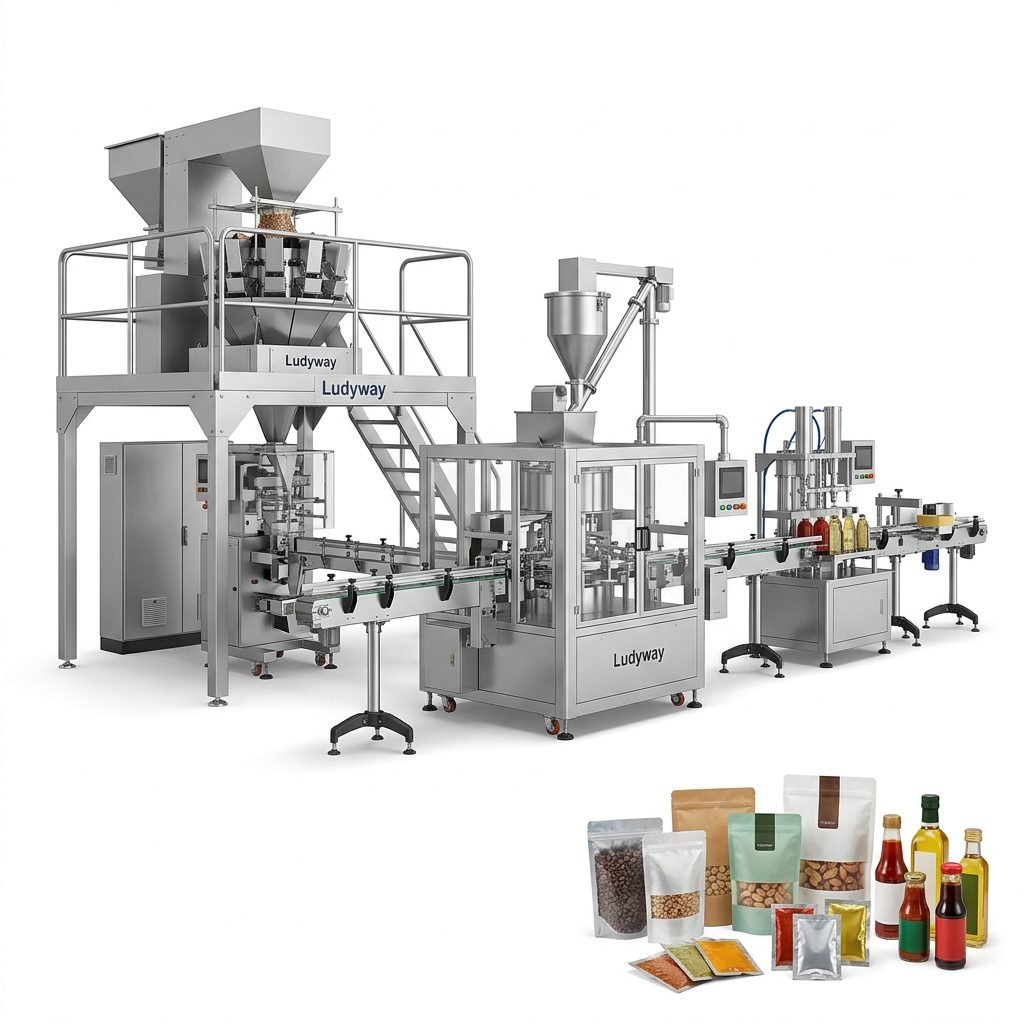
| Complete Turnkey Canning & Packaging System | $250,000 – $1,200,000+ | Full-scale automated plants with conveyors, labelers, and palletizers |
Note: Prices are indicative and can fluctuate based on customization, region of manufacture, optional modules, and shipping costs. Always request a detailed quotation from suppliers for accurate budgeting.
Key Factors That Influence Packaging Machine Pricing
Several critical variables determine the final cost of your packaging machine. Understanding these factors empowers you to negotiate better and align your purchase with actual production requirements.
Production Speed and Throughput Requirements
Output capacity, measured in cans per hour (CPH) or packs per minute, is the single largest cost driver. A machine rated at 30,000 CPH requires precision servo-driven components, advanced filling valves, and robust seaming stations, all of which significantly increase the price tag. Low-speed lines rely on simpler pneumatic or mechanical systems and cost substantially less.
Level of Automation and Integration
Manual and semi-automatic machines offer the lowest entry price but demand more operator involvement. Fully automatic systems integrate filling, seaming, rinsing, labeling, and date coding into one seamless workflow. The more integrated the line, the higher the upfront investment — though long-term labor savings often justify the cost.
Can Size Flexibility and Changeover Complexity
Machines designed to handle multiple can sizes (e.g., 150ml slim cans to 500ml standard cans) require adjustable guide rails, interchangeable seaming chucks, and quick-change parts. This flexibility adds to the base price but future-proofs your investment if you plan to launch different SKU formats.
Filling Technology: Volumetric, Gravity, or Counter-Pressure
For carbonated soda, counter-pressure filling systems are essential to maintain CO₂ levels and prevent foaming. These systems are more complex and costly than standard gravity or volumetric fillers used for still tea beverages. If you plan to package both sparkling and non-carbonated drinks, you may need a hybrid or dual-purpose filler, increasing equipment cost by 15–35%.
Material of Construction and Hygiene Standards
Food-grade 304 or 316 stainless steel construction, CIP (Clean-in-Place) compatibility, and sanitary design features add to the manufacturing cost of the machine. For tea and soda applications, stainless steel is non-negotiable for corrosion resistance and regulatory compliance, particularly in FDA-regulated markets.
Additional Cost Components Beyond the Core Machine
Many first-time buyers focus solely on the filler and seamer price, overlooking essential auxiliary equipment that can add 30–60% to the total project cost. Factor these items into your budget from the outset:
- Can Rinser / Washer: Ensures hygienic filling by removing dust and debris — essential for food-grade production.
- Conveyor Systems: Includes infeed, outfeed, and accumulation tables; pricing depends on length and configuration.
- Labeling or Sleeving Machine: Adds branding and regulatory information; shrink sleeve applicators cost more than pressure-sensitive labelers.
- Date Coding / Inkjet Printer: Required for lot tracking and expiration marking compliance.
- Tray Packer or Palletizer: For end-of-line automation, reducing manual handling and improving throughput.
- Nitrogen Dosing or CO₂ Injection System: Critical for extending shelf life in tea and maintaining carbonation in soda.
- Quality Control Modules: Checkweighers, vision inspection systems, and leak detectors ensure product consistency.
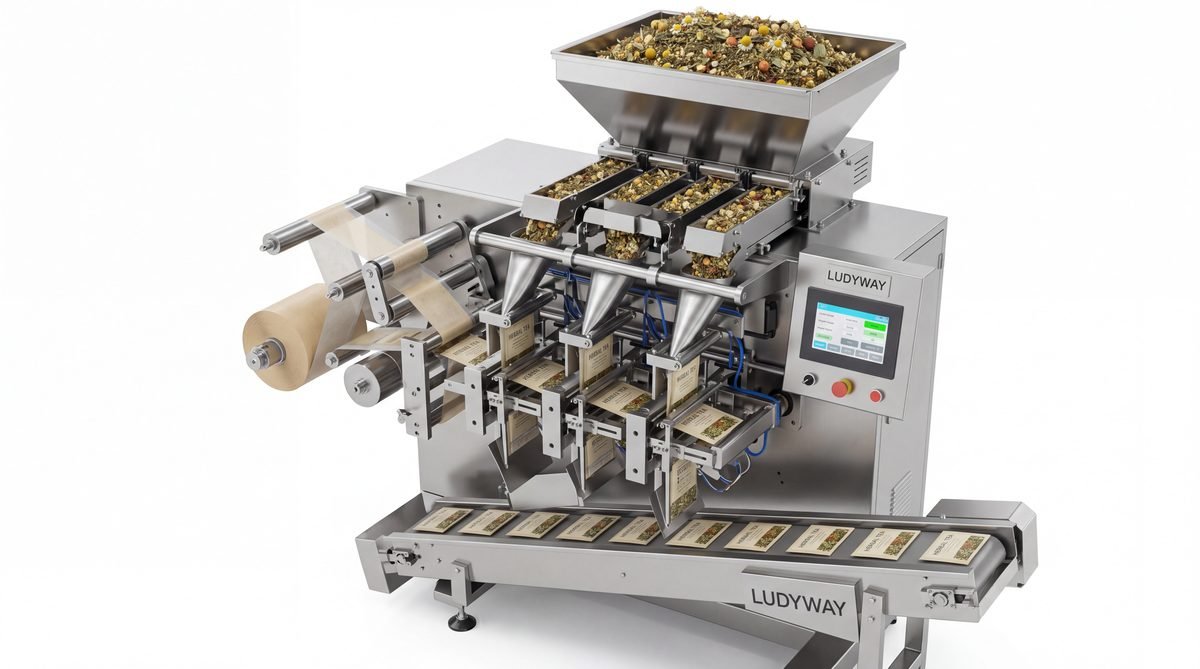
Tea Packaging Machine Options: Sachet, Stick Pack, and Pouch Formats
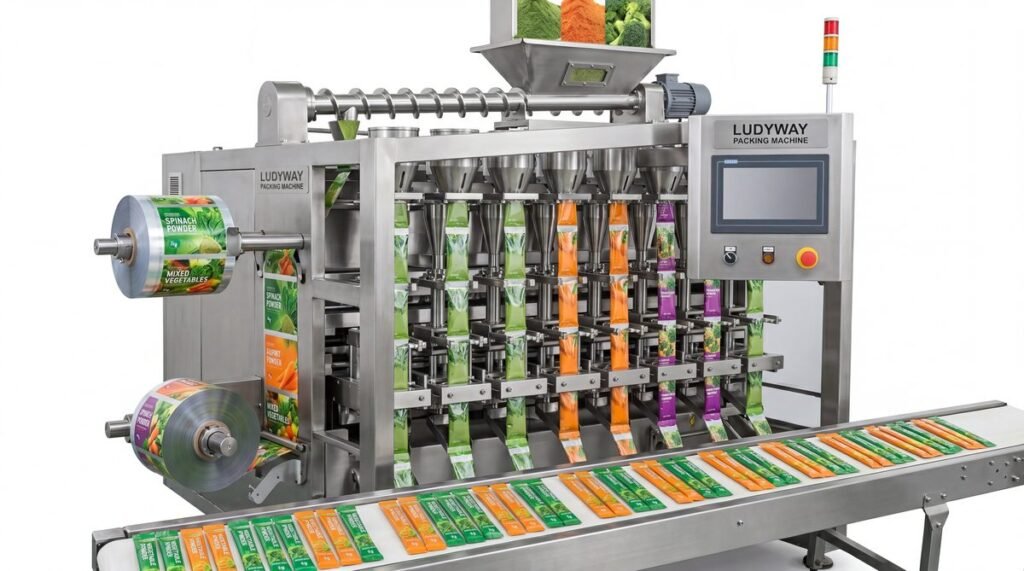
Tea products span a wide range of formats — from traditional tea bags to instant powder sachets and ready-to-drink cans. Each format requires specific packaging machinery, and costs vary accordingly. Multi-lane stick pack machines designed for granulated tea powder or herbal blends typically range from $18,000 to $80,000 depending on lane count and automation features.
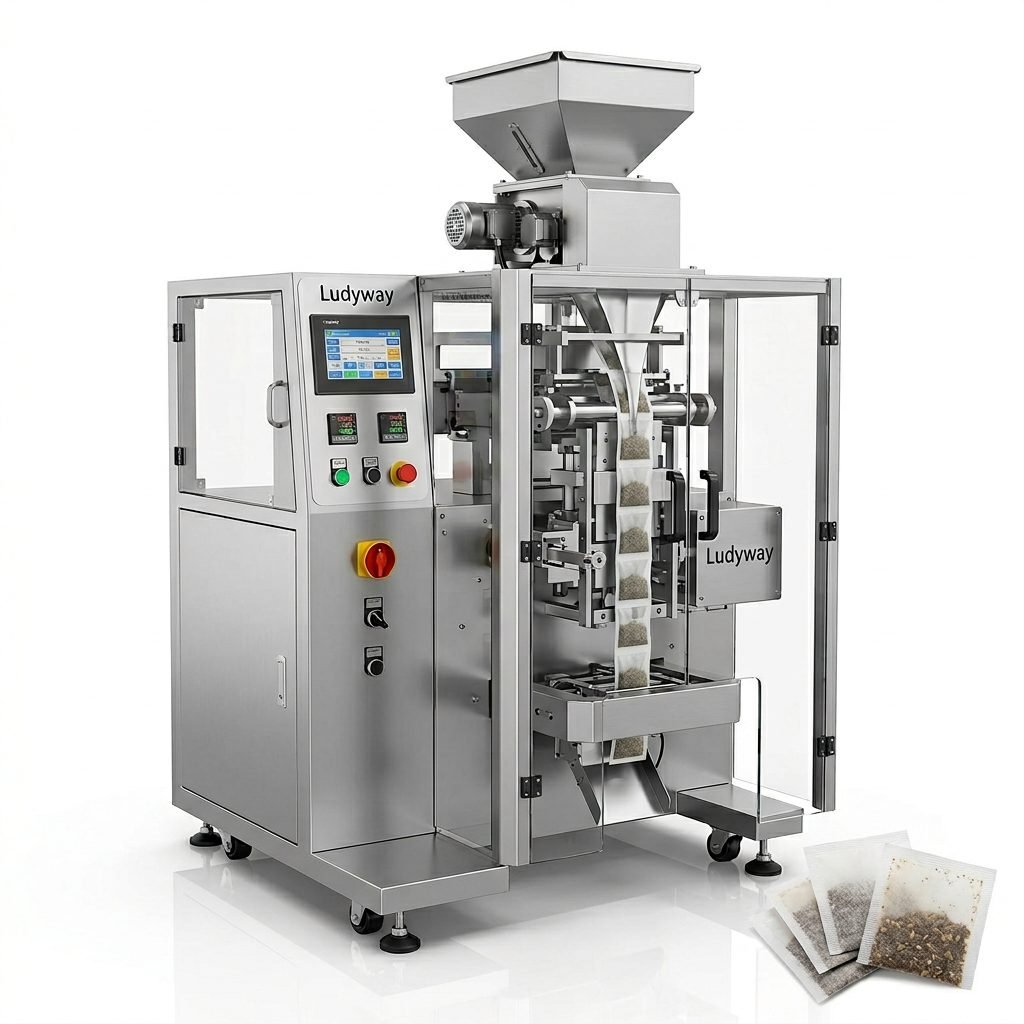
Soda Can Packaging Line: What You Need to Know
Carbonated beverage packaging demands counter-pressure filling technology to preserve carbonation levels and prevent product loss. A complete soda canning line includes a depalletizer, can rinser, counter-pressure filler, seamer, pasteurizer or tunnel warmer, labeler, and packer. The integration complexity means that even a modest mid-speed soda can line starts in the $80,000 to $200,000 range for reliable, food-grade equipment.
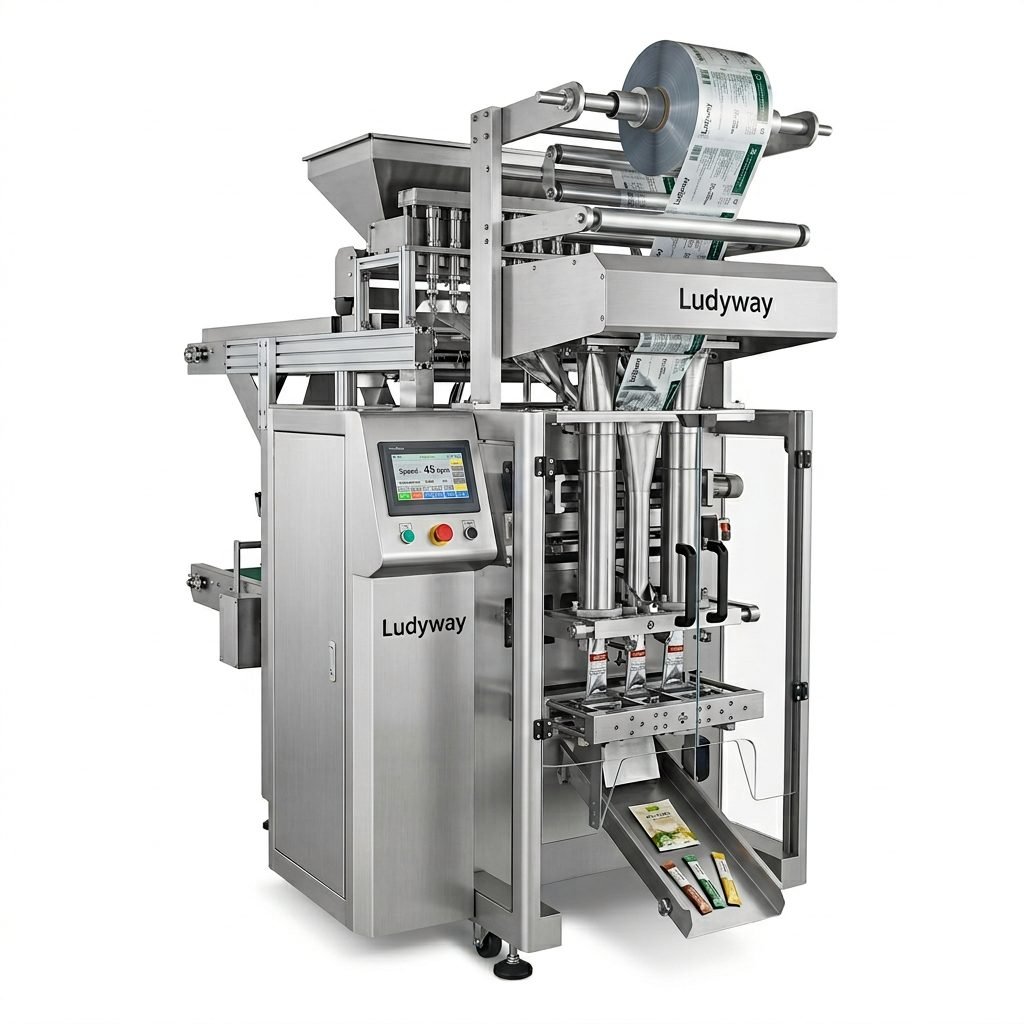
New vs. Used Packaging Machinery: Cost Comparison
If capital is constrained, a used or refurbished canning line may offer savings of 40–60% compared to new equipment. However, used machinery carries risks including limited warranty coverage, outdated control systems, and higher maintenance demands. Below is a comparison to help guide your decision:
| Criteria | New Machine | Used / Refurbished |
|---|---|---|
| Initial Investment | Higher | 40–60% lower |
| Warranty & Support | Full manufacturer warranty | Limited or none |
| Technology Level | Latest PLC/HMI controls | May have outdated electronics |
| Lead Time | 8–20 weeks typical | Available immediately |
| Customization | Fully customizable | Limited to existing configuration |
Regional Manufacturing and Its Impact on Price
Where your equipment is manufactured plays a significant role in pricing. European and North American-built machines command premium prices due to higher labor costs, stricter quality standards, and established brand reputations. Asian-manufactured packaging machinery, particularly from experienced Chinese manufacturers, offers competitive pricing without compromising build quality — often 30–50% less than Western equivalents for comparable specifications. Many global brands now source high-performance packaging equipment from Asian suppliers to reduce capital expenditure while maintaining production standards.
How to Get Accurate Pricing and Avoid Hidden Costs
Obtaining a realistic price quote requires more than a simple inquiry. Follow these steps to ensure your quotation reflects the true total cost of ownership:
- Define your product specifications precisely: Include liquid viscosity, carbonation level, target fill volume, can size, and required shelf life.
- Specify your target output rate: Provide CPH or packs per minute requirements, and indicate whether you need room for future capacity expansion.
- Request a detailed line layout: Ask for a CAD drawing showing all modules, conveyor runs, and utility connection points.
- Confirm what’s included: Clarify whether installation, commissioning, training, and spare parts are part of the quoted price.
- Factor in shipping and import duties: For international purchases, freight, customs clearance, and local electrical compliance can add significant costs.
- Ask about after-sales support: Remote troubleshooting, on-site service availability, and spare parts delivery timelines are critical for minimizing downtime.
Financing and ROI Considerations
Many equipment manufacturers and third-party financing firms offer leasing or installment payment plans that spread the capital cost over 12–60 months. When evaluating return on investment, consider not only the equipment price but also labor savings, reduced product waste, faster changeover times, and increased production capacity. A well-chosen automatic packaging line often achieves full payback within 18–36 months for medium to high-volume operations.
Related Resources and Industry References
For further reading on packaging industry standards, market trends, and regulatory requirements, explore the following authoritative resources:
- PMMI State of the Industry Reports — Annual packaging machinery market data and trend analysis.
- Flexible Packaging Association Industry Resources — Insights on flexible packaging formats including sachets and pouches.
- FDA Packaging and Food Contact Substances — Regulatory guidance for food and beverage packaging compliance.
- PACK EXPO International — Leading trade show for packaging technologies and equipment sourcing.
Choosing a Reliable Packaging Machine Partner
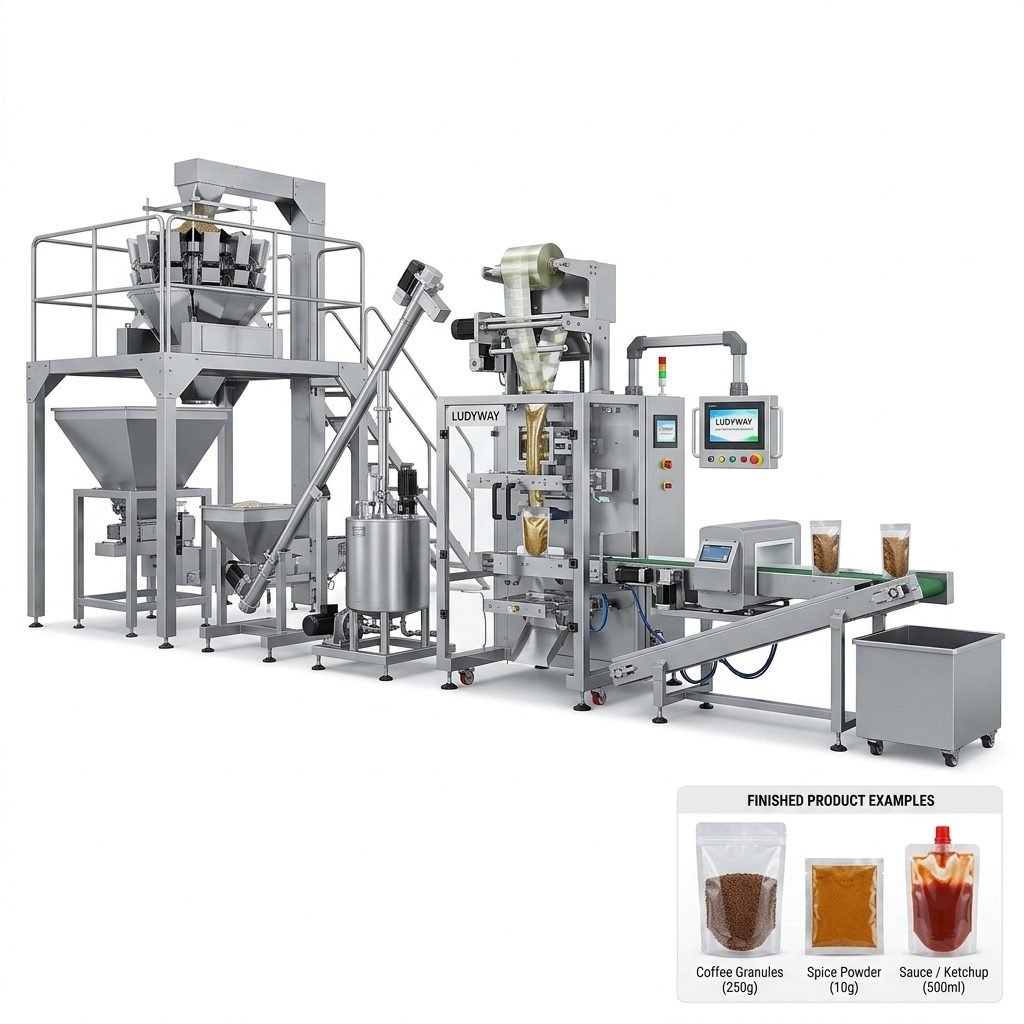
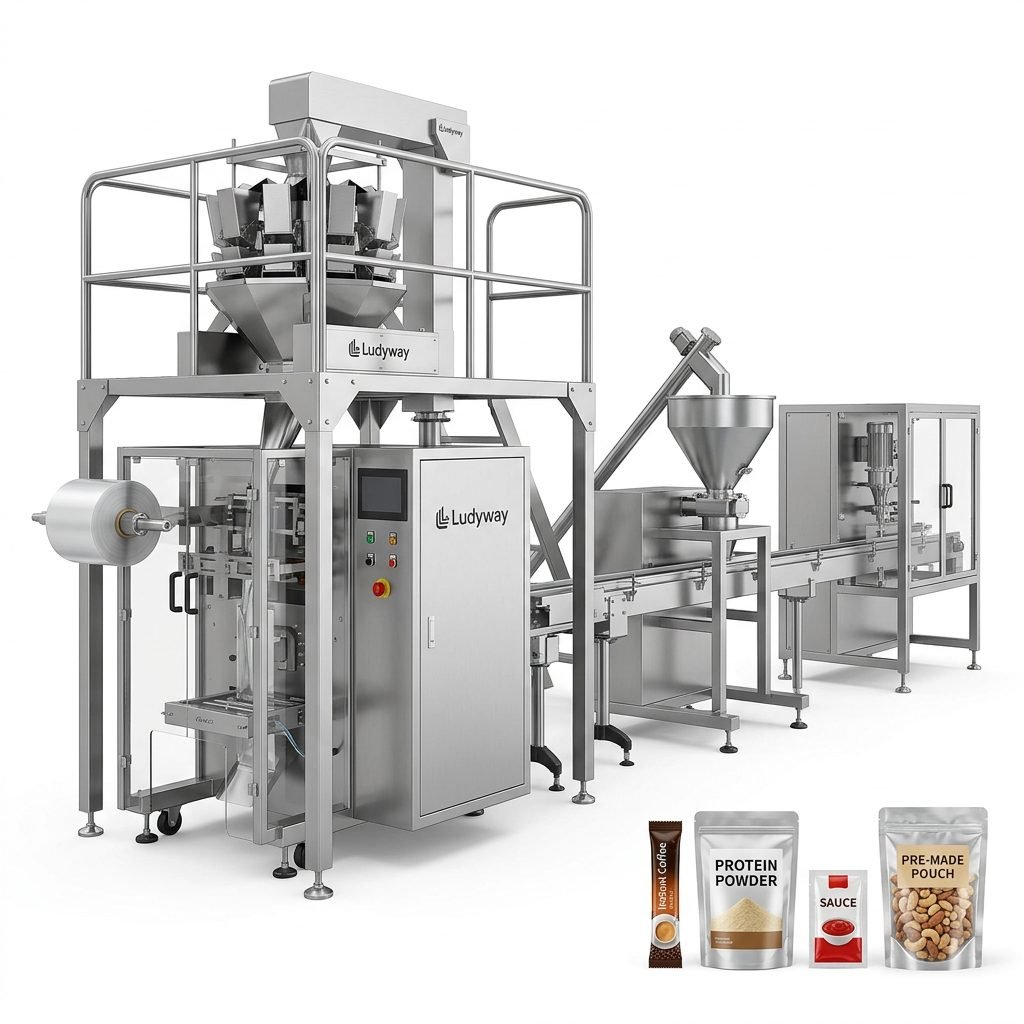
Selecting the right equipment manufacturer is as important as choosing the machine itself. Look for suppliers with proven industry experience, comprehensive after-sales support, and a track record of successful installations in your product category. Whether you need a single tea stick pack machine or a fully integrated soda canning line, partnering with an experienced packaging machine manufacturer ensures you receive properly engineered equipment matched to your production goals. Ludyway is a recognized global supplier with over 30 years of expertise, serving customers in more than 100 countries with advanced packaging solutions spanning granule, powder, liquid, and pouch applications — from multi-lane stick pack systems to fully automated turnkey lines.
Investing wisely in a tea and soda can packaging machine means balancing upfront costs against long-term performance, reliability, and scalability. By understanding the price drivers outlined in this guide, you can approach suppliers with confidence, evaluate quotations objectively, and secure equipment that delivers consistent, high-quality packaging results for years to come.