Establishing a coffee pod packaging machine production line in France requires careful planning, from understanding European regulatory frameworks to selecting equipment that meets both speed and precision demands. Whether you are launching a new brand or expanding an existing roastery, a well-integrated coffee pod packaging machine line will define your production capacity and product consistency.
Understanding the French Coffee Pod Market
France is one of the largest coffee-consuming nations in Europe, with a rapidly growing demand for single-serve capsules and pods. Before investing in machinery, you need to analyze your target segment: aluminum capsules, compostable pods, or soft pads. Your choice directly influences the type of packaging machinery and material handling systems you will require.
Key Components of a Coffee Pod Production Line
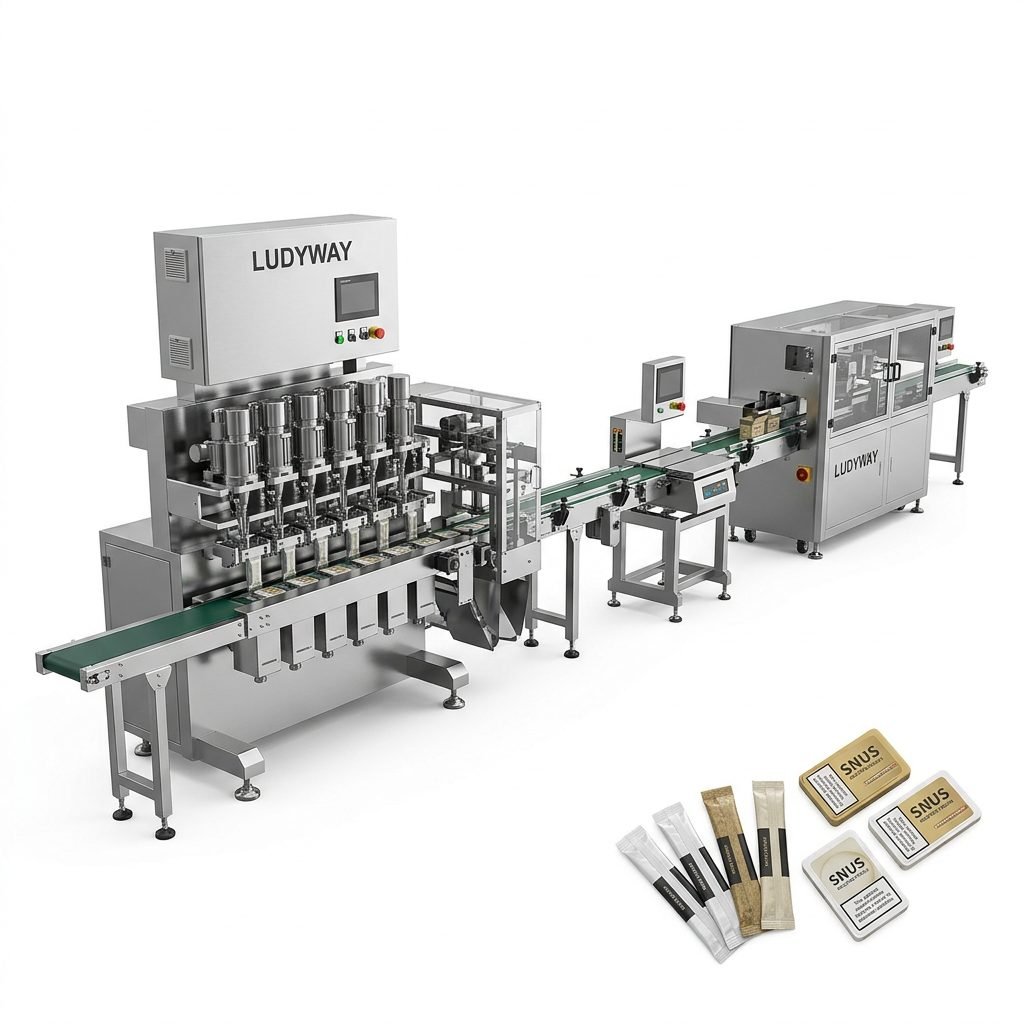
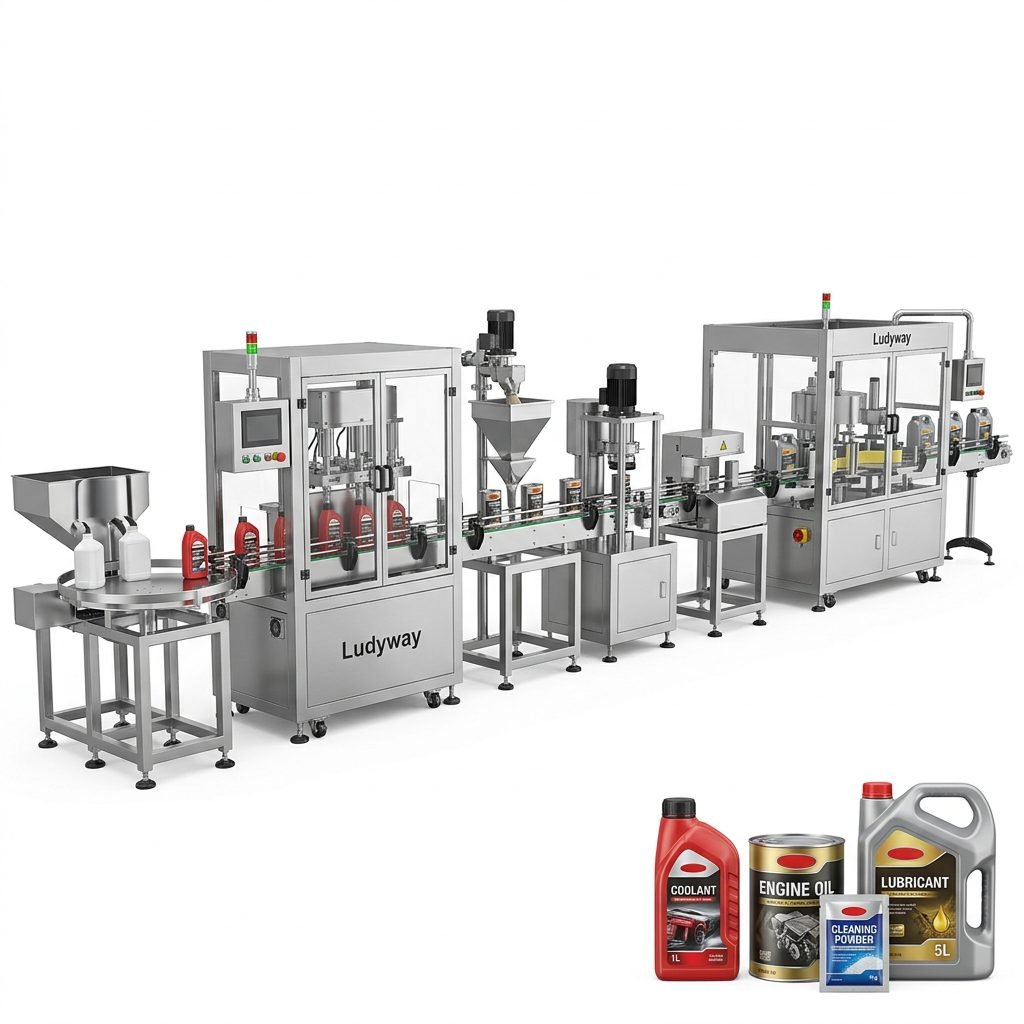
A complete turnkey line typically integrates several core machines. Proper synchronization between these units is essential for minimizing downtime and ensuring seal integrity.
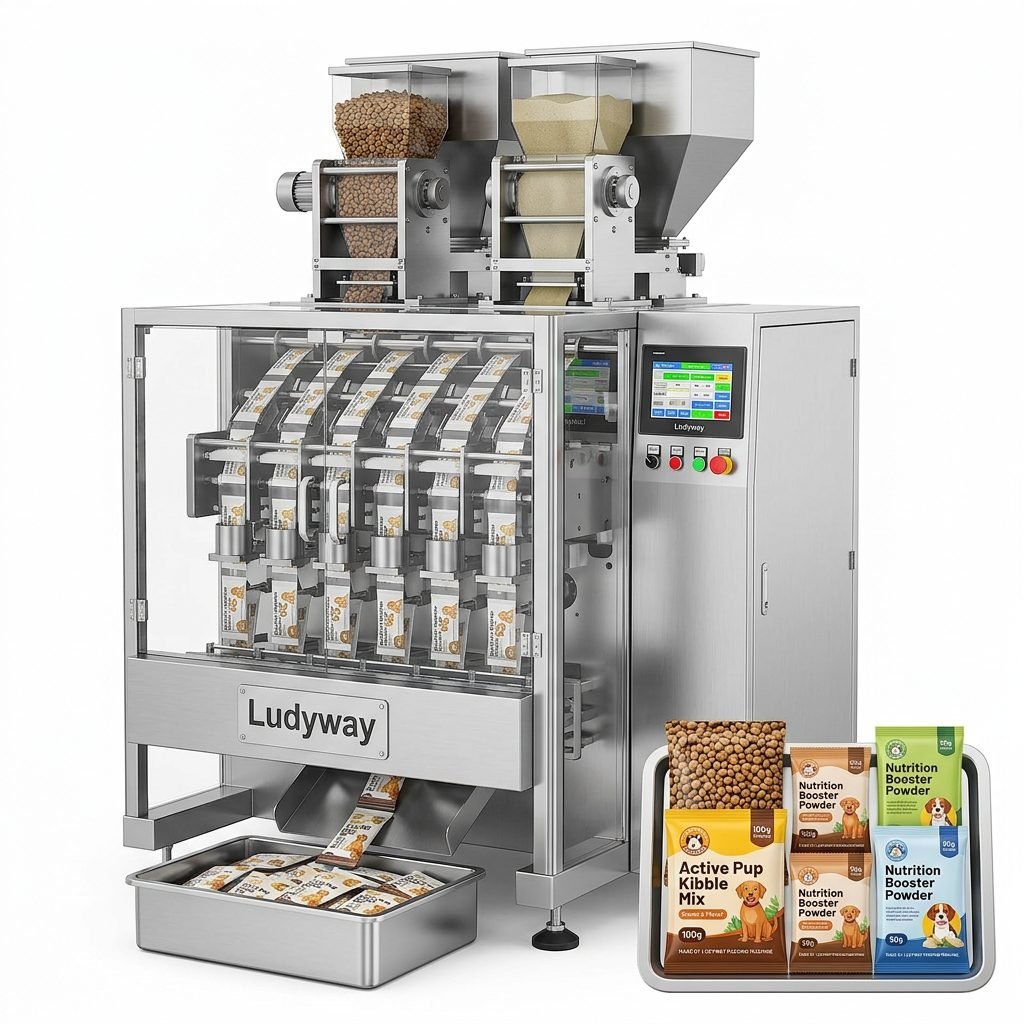
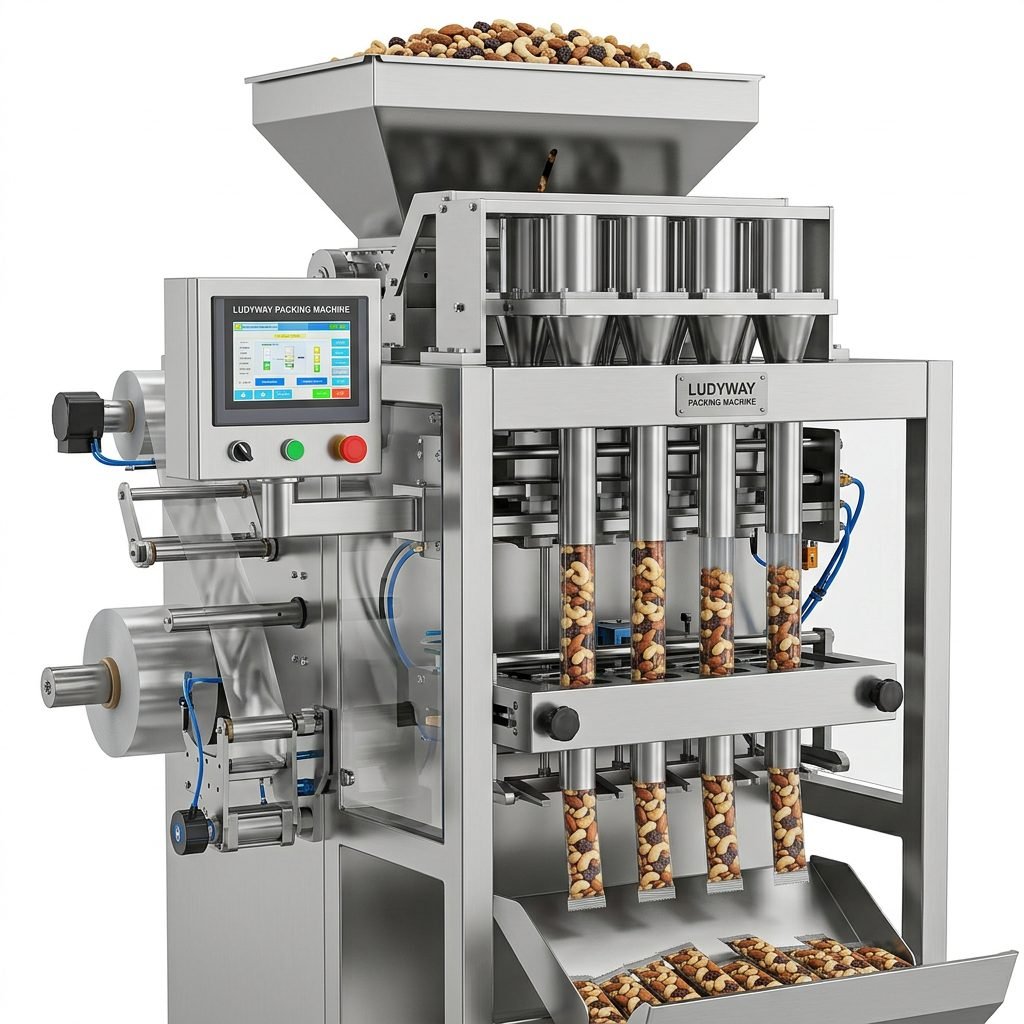
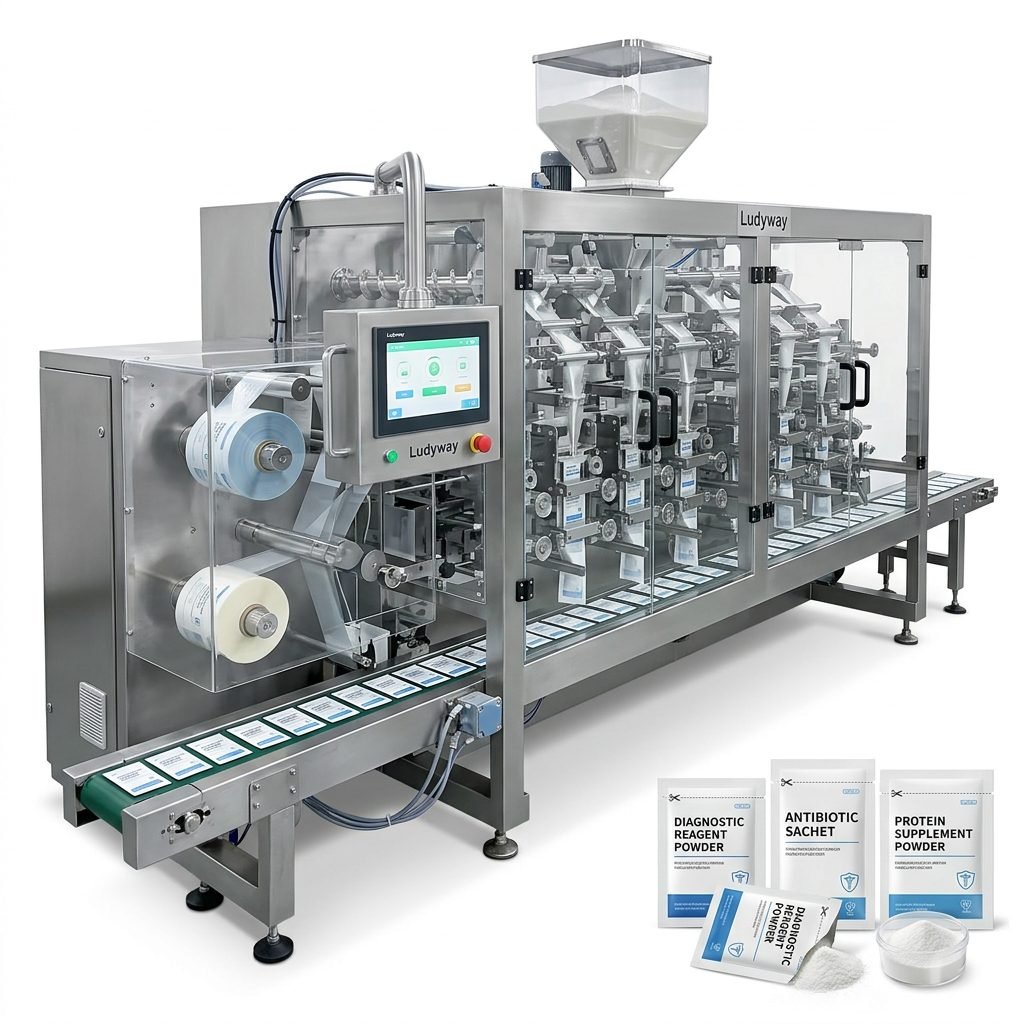
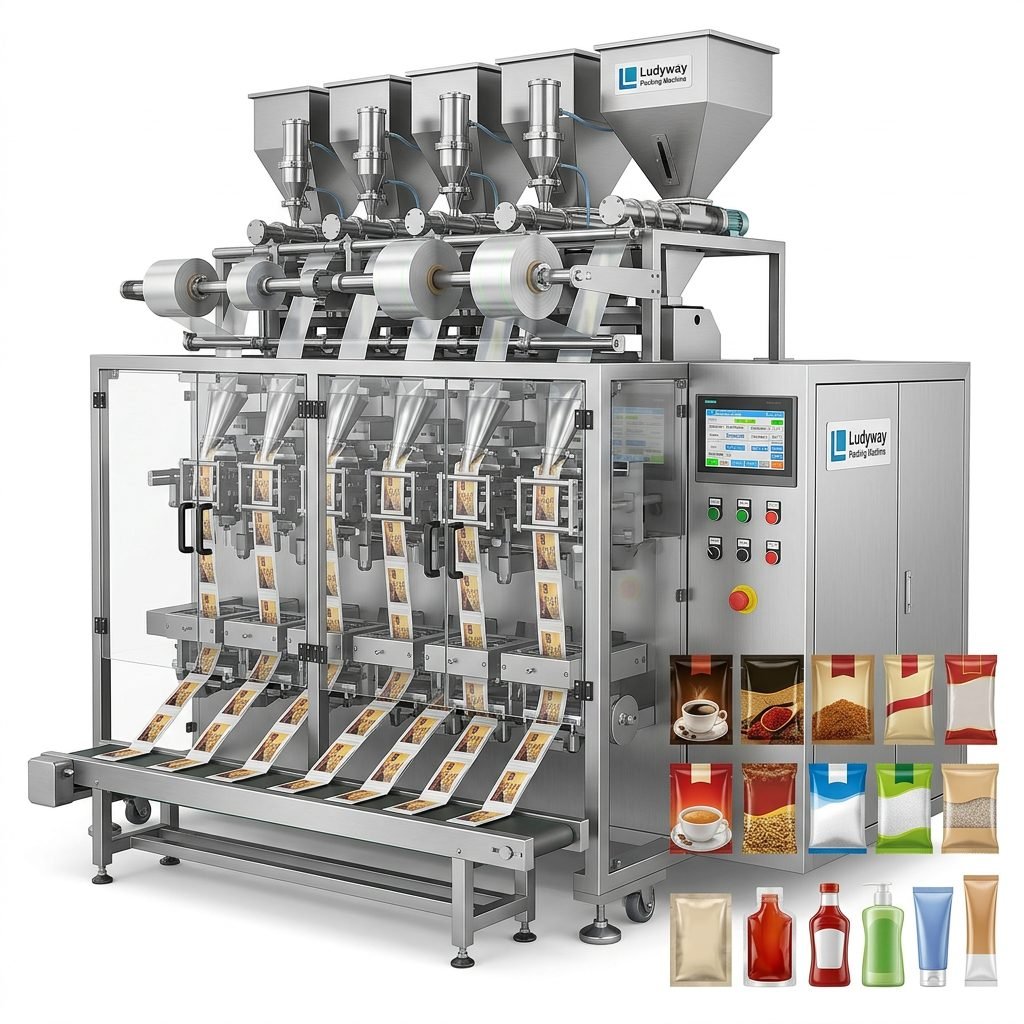
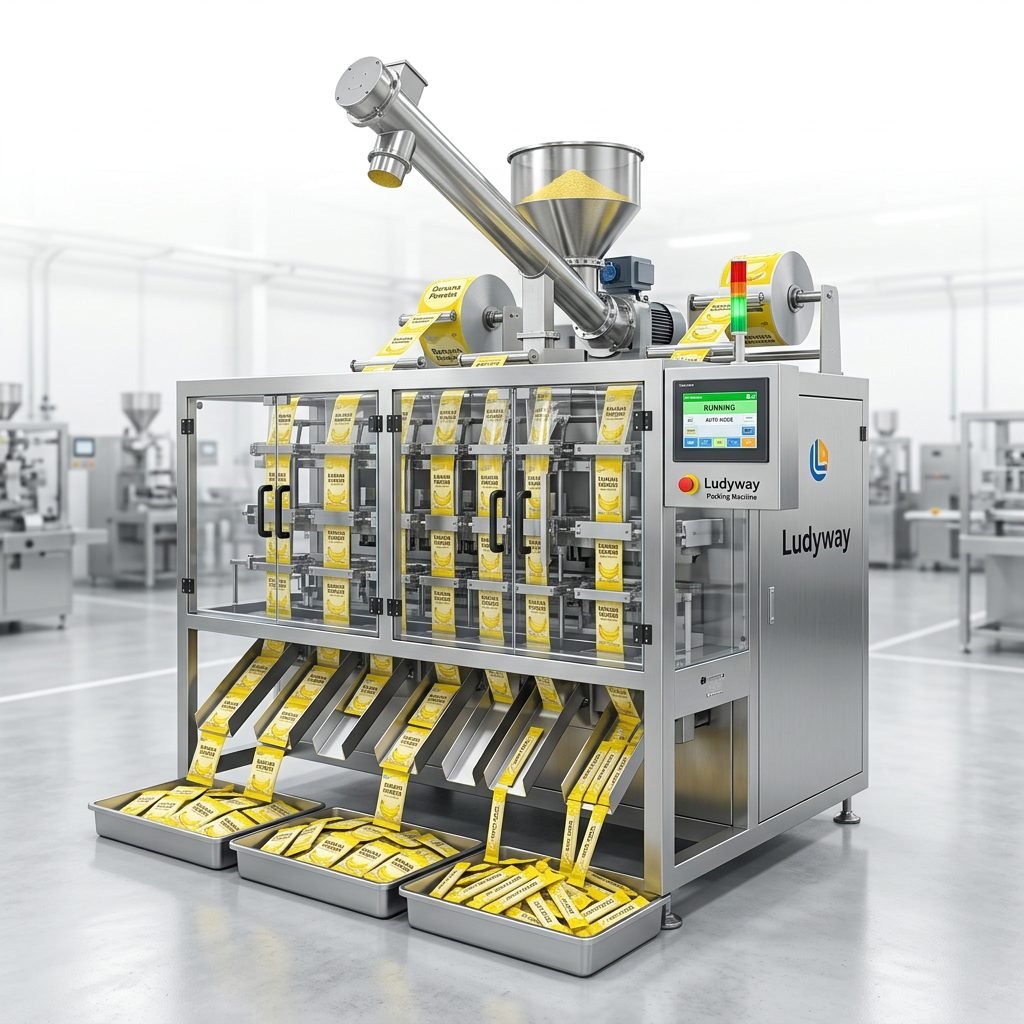
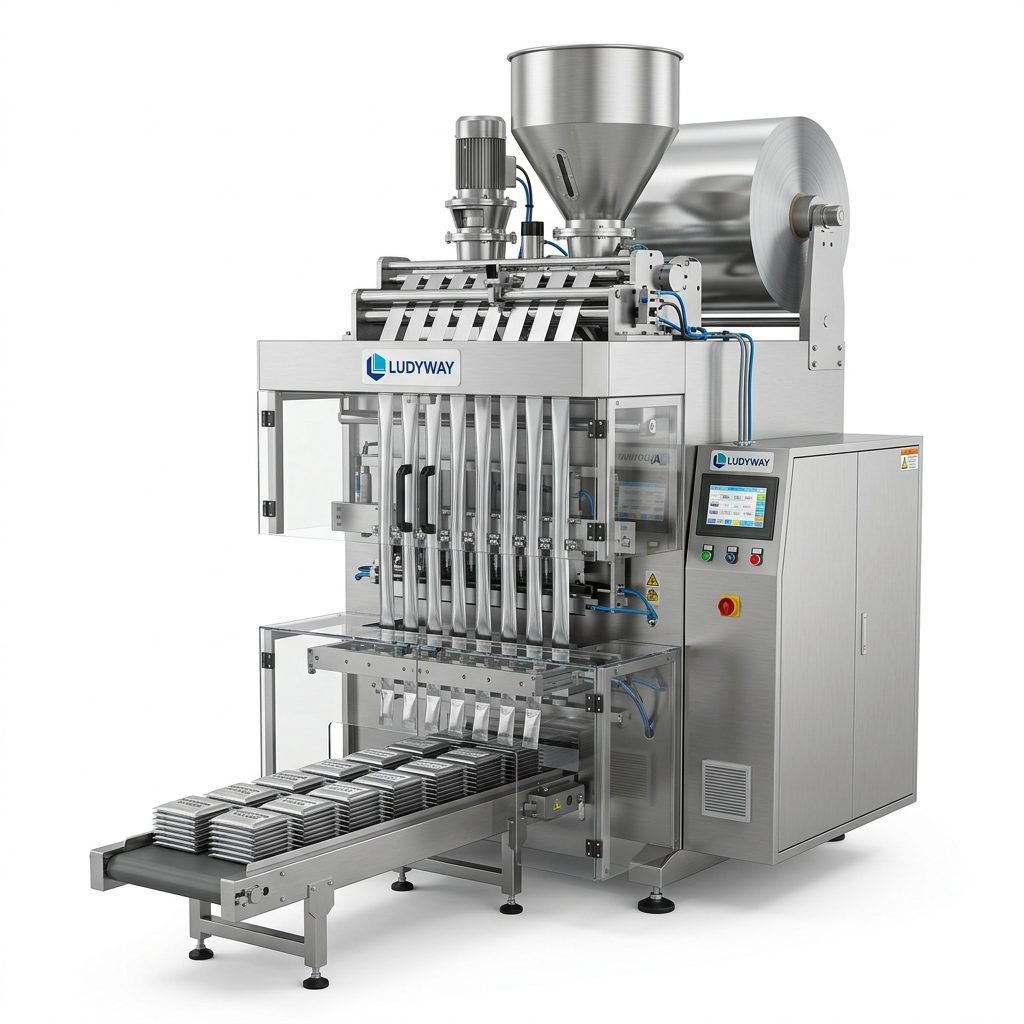
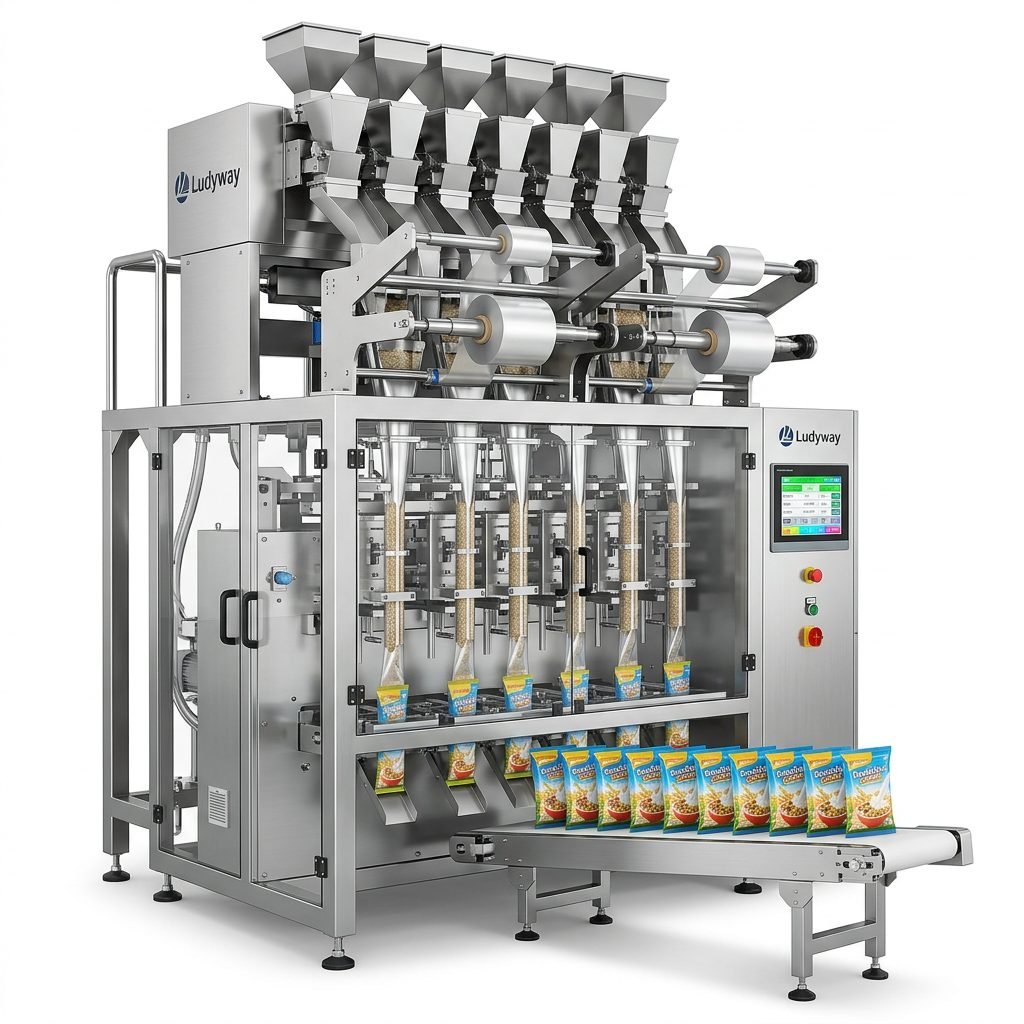
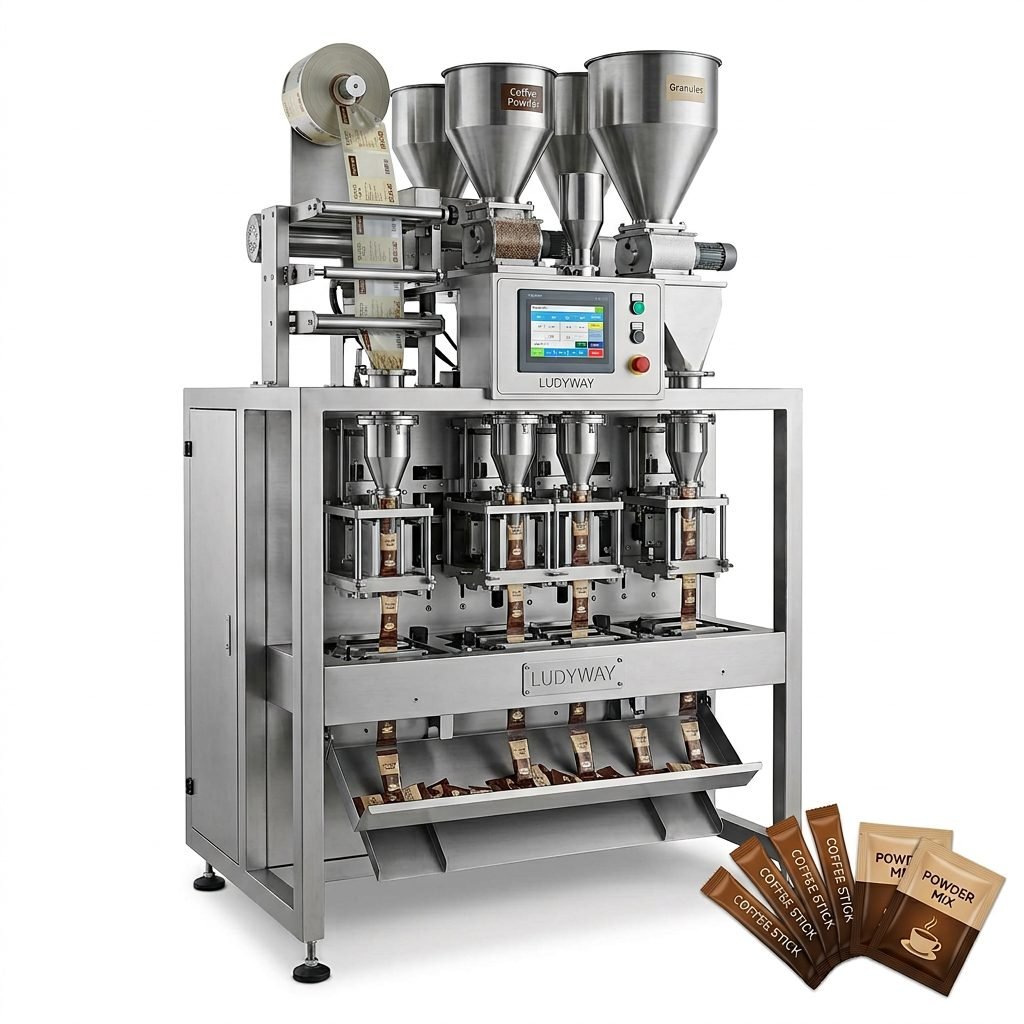
- Multi-lane stick pack or sachet machine: The heart of the operation for filling ground coffee into pods or sachets.
- Nitrogen flushing system: Critical for preserving freshness and extending shelf life by reducing oxygen levels inside the package.
- Checkweigher and metal detector: Mandatory for quality assurance and compliance with food safety standards.
- Cartoning and case packing: Automates the secondary packaging process, reducing manual labor costs.
Selecting the Right Packaging Format
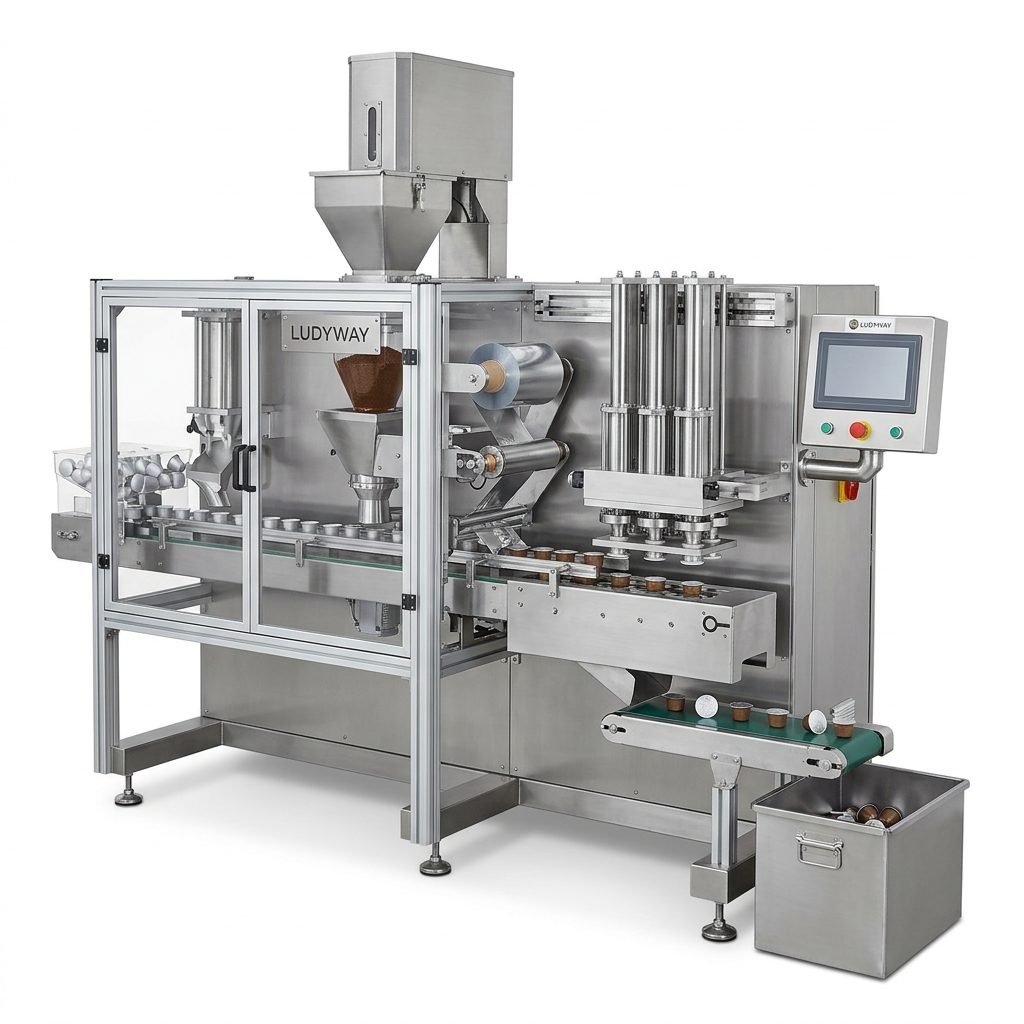
In the French market, you will commonly encounter two primary formats: the hard cup-style capsule and the soft sachet-style stick pack. Your coffee pod packaging machine configuration depends heavily on which format you choose. The table below compares typical specifications for a high-speed setup.
| Feature | Capsule System | Stick Pack / Sachet |
|---|---|---|
| Speed | 200-400 pods/min | 400-800 packs/min |
| Material | Aluminum, Plastic, Bio-based | Laminated foil, Paper |
| Shelf Life | 12-24 months | 12-18 months |
Regulatory Compliance and French Standards
Any food packaging line operating in France must adhere to EU regulations on food contact materials. This includes certifications for materials used in pods and the sealing process. You should also ensure your machine design meets CE certification for electrical safety and ergonomics.
Additionally, if you are producing organic coffee pods, the packaging line must be validated to prevent cross-contamination. Reference guidelines from the FDA food packaging standards can also be useful for exporters targeting broader markets.
Workflow Optimization: From Bean to Pod
To achieve optimal production efficiency, map out the entire workflow before installation. The typical process flows as follows:
- Grinding and dosing station
- Pod filling and tamping
- Sealing with lid film
- Nitrogen gas flushing
- Weighing and quality check
- Cartoning and palletizing
Integrating a coffee pod packaging machine with automated conveyors eliminates bottlenecks, especially during the transfer between primary and secondary packaging stages.
Installation and Factory Layout Considerations
Space is a significant factor in French industrial zones. A multi-lane system typically requires a clean room environment or a dedicated dry area. You must plan for ventilation, dust extraction, and maintenance access. A poorly laid out floor plan can reduce line efficiency by up to 15%.
Training Operators in France
Skilled labor availability varies by region. Partnering with a supplier like Ludyway ensures you receive comprehensive on-site training and documentation, helping your French-speaking team master the human-machine interface quickly and safely.
Cost Analysis for a Turnkey Line
The initial investment for a high-speed coffee pod packaging line depends on the level of automation. Below is a simplified breakdown of cost factors you should evaluate:
- Equipment purchase: Core filling and sealing machines represent the bulk of the Capex.
- Installation and commissioning: Includes shipping, duties for importing machinery into France, and local setup.
- Consumables: The cost of laminate films, nitrogen gas, and carton blanks impacts the per-unit cost.
- Maintenance contracts: Annual service agreements minimize unexpected downtime.

Quality Control and Waste Reduction
French consumers have high expectations for product consistency. Implement vision inspection systems and metal detection on your coffee pod packaging machine line. These systems reject defective pods automatically, protecting your brand reputation and reducing manual sorting labor.
Data integration is equally vital. Modern machines offer Industry 4.0 capabilities, allowing you to monitor production speed, reject rates, and temperature sealing curves in real time from a central dashboard.
Logistics and Supply Chain Integration
Once the pods are packed, the secondary packaging must handle the distribution demands of French retailers. The final output of your line should seamlessly integrate with Euro pallet standards. This ensures your finished goods flow smoothly into warehouses like Carrefour or into e-commerce fulfillment networks.
For those looking at the broader packaging machinery ecosystem, resources like the PMMI Association and the Flexible Packaging Association offer valuable industry insights.