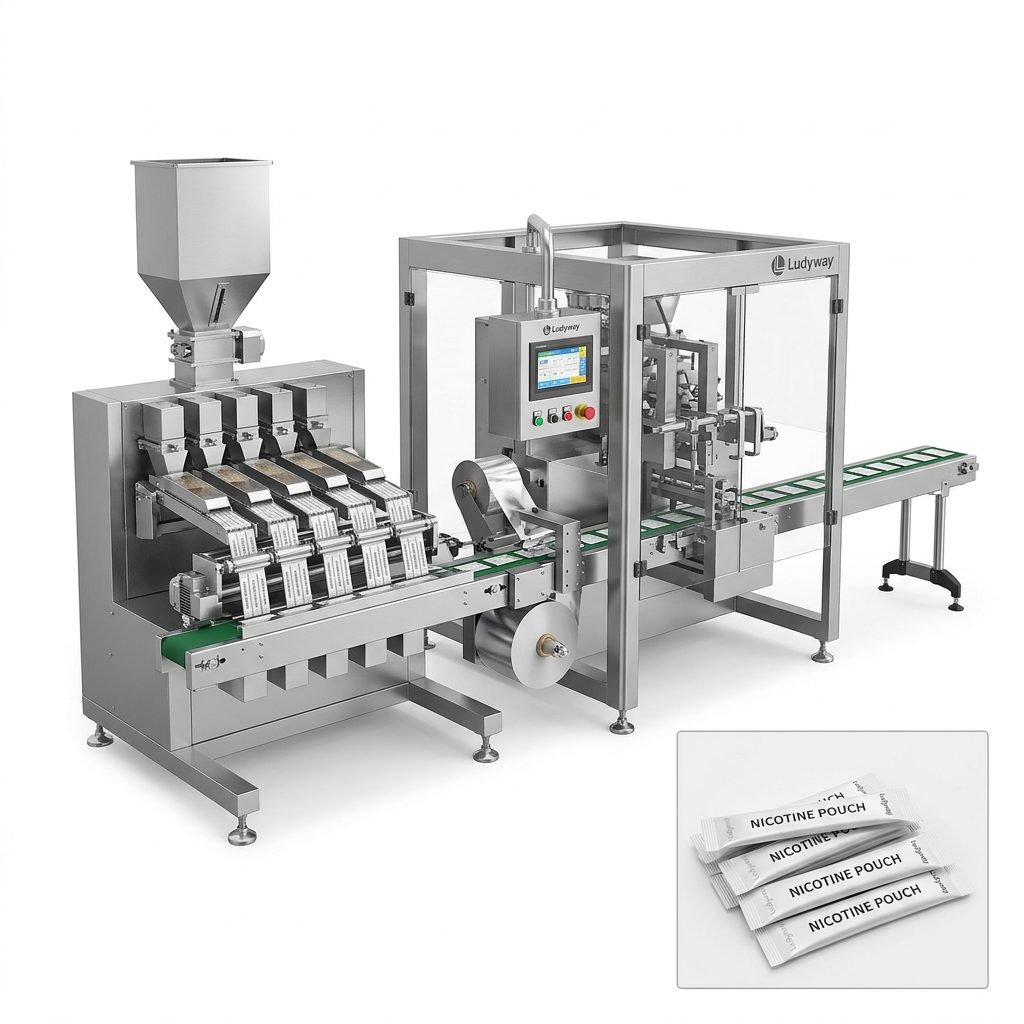
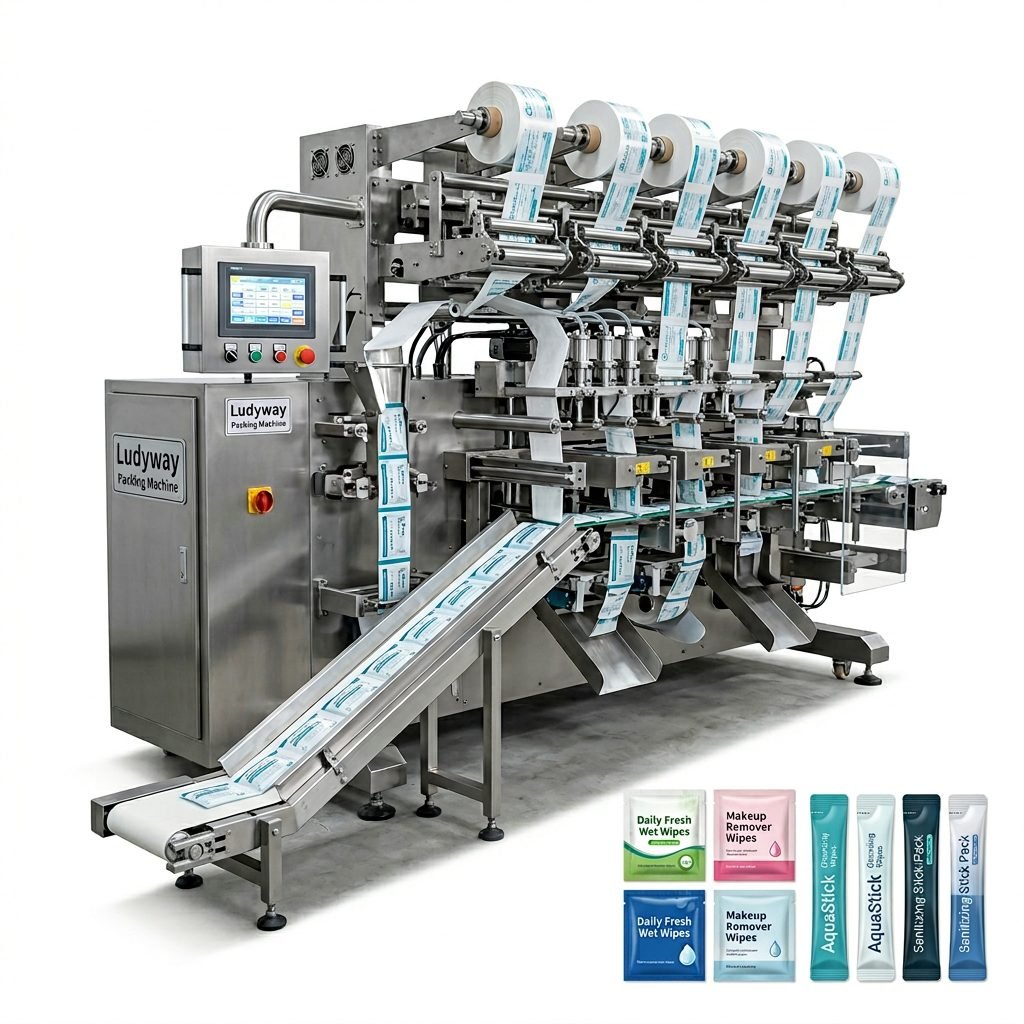
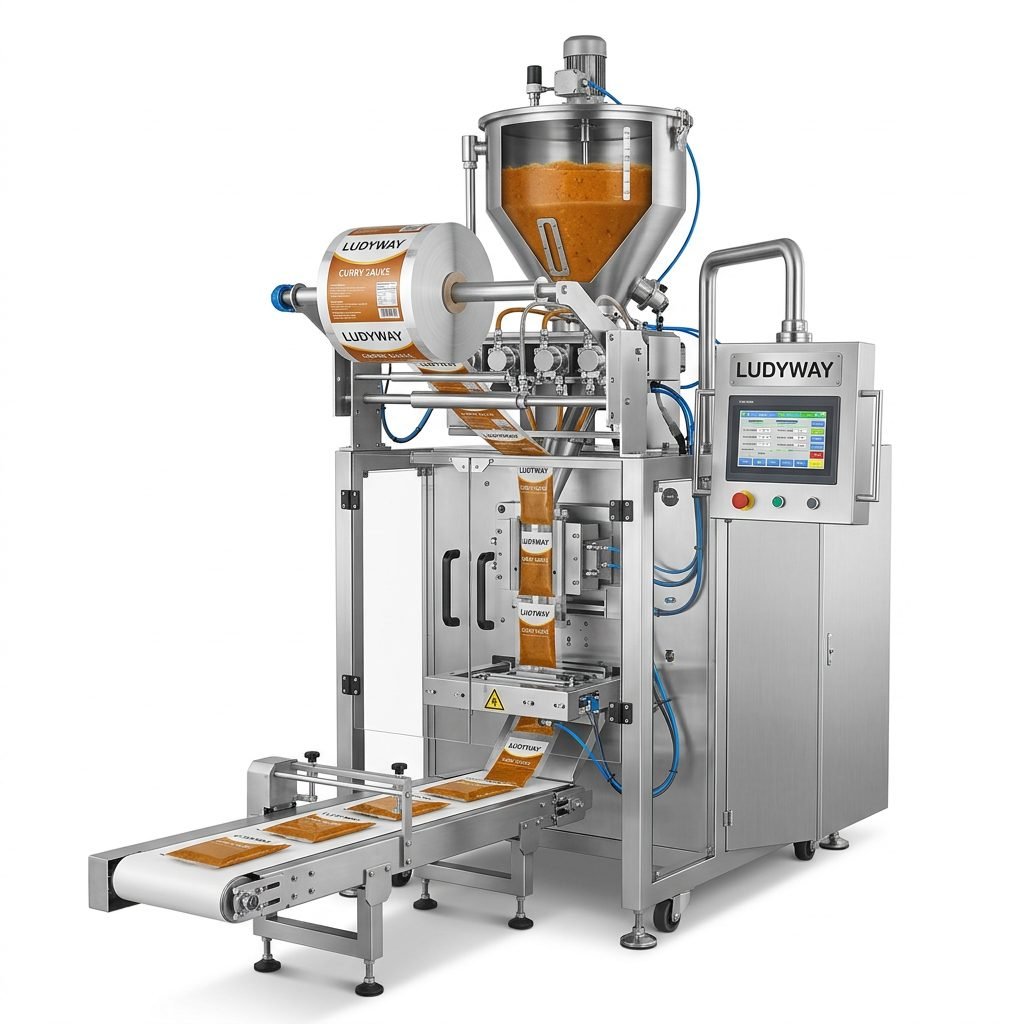
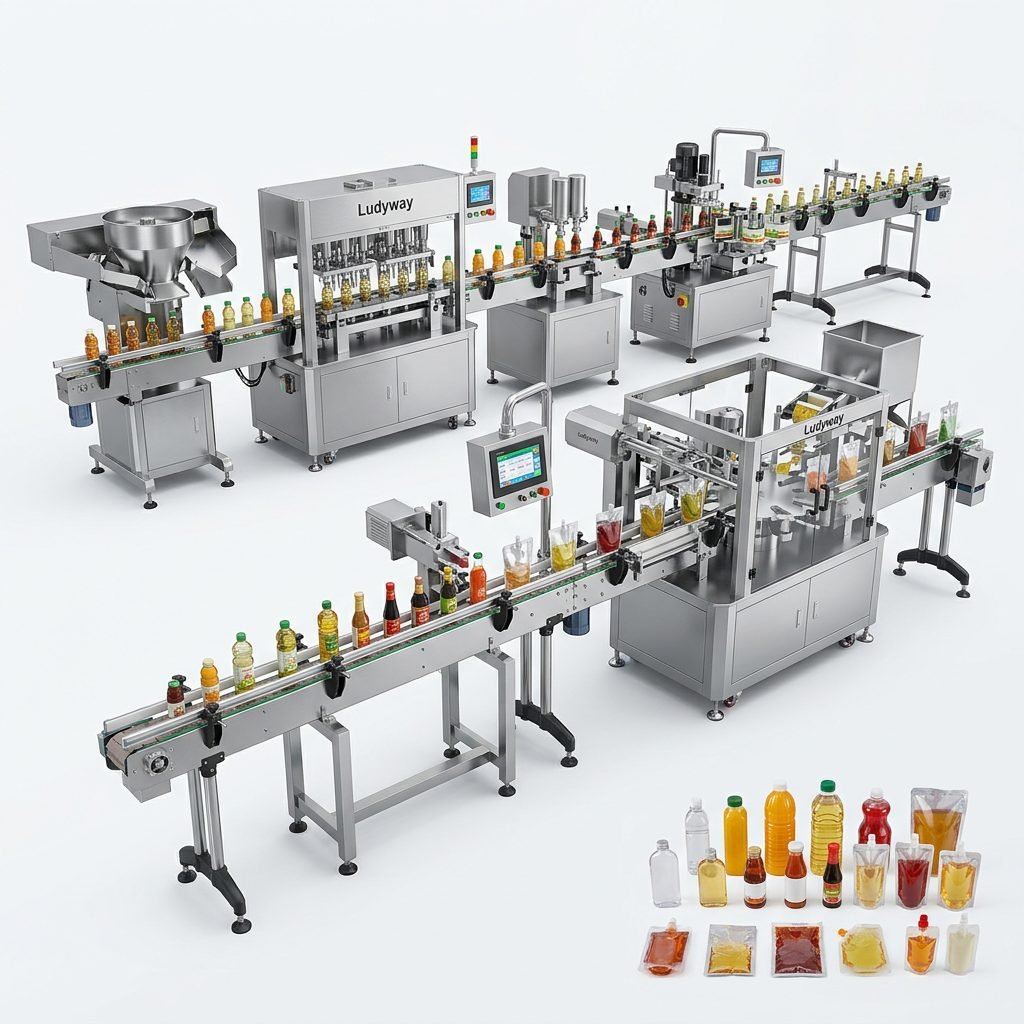
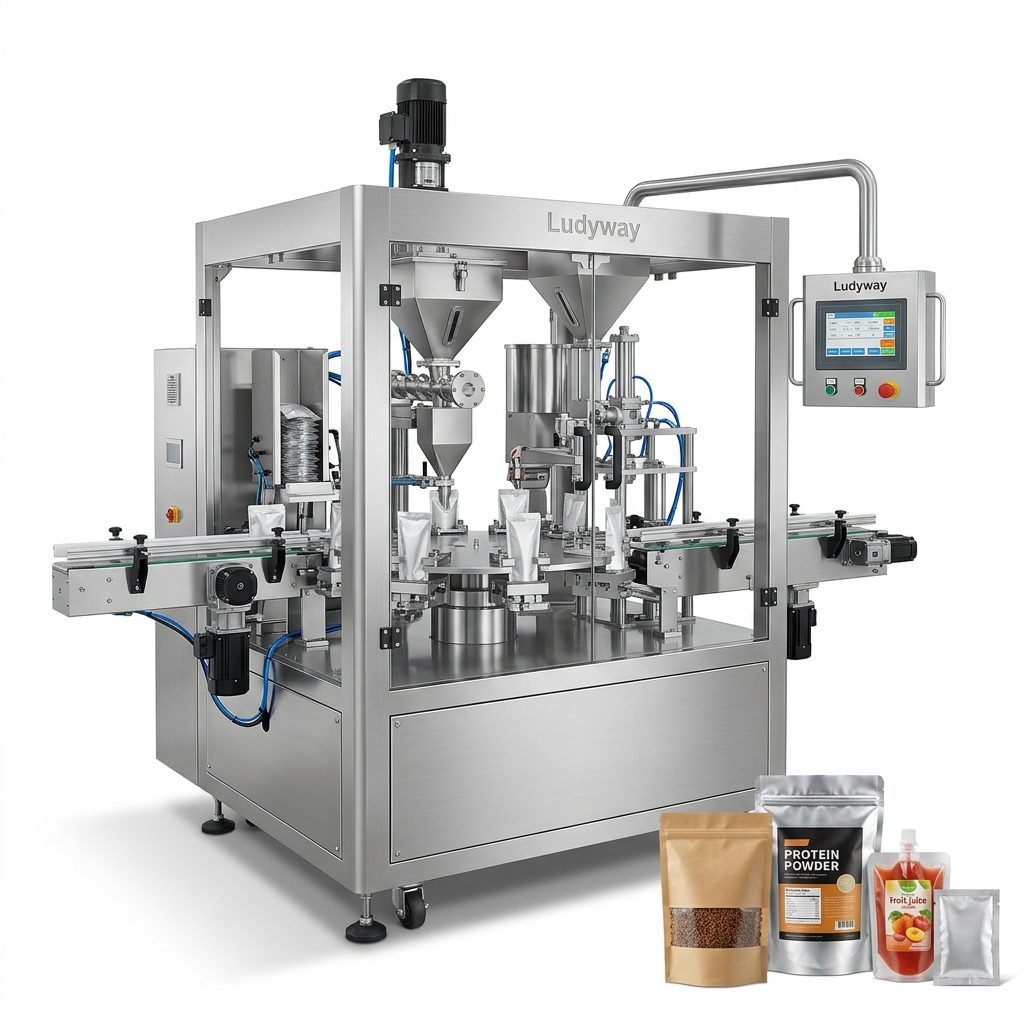
A sachet water packing machine is a significant investment for any water production business. To ensure consistent output, minimize downtime, and extend the equipment’s lifespan, a structured maintenance routine is essential. Neglecting regular upkeep can lead to costly repairs, seal failures, and inconsistent fill volumes that damage your brand’s reputation. This guide outlines a practical, step-by-step approach to maintaining your machine for reliable, long-term performance.

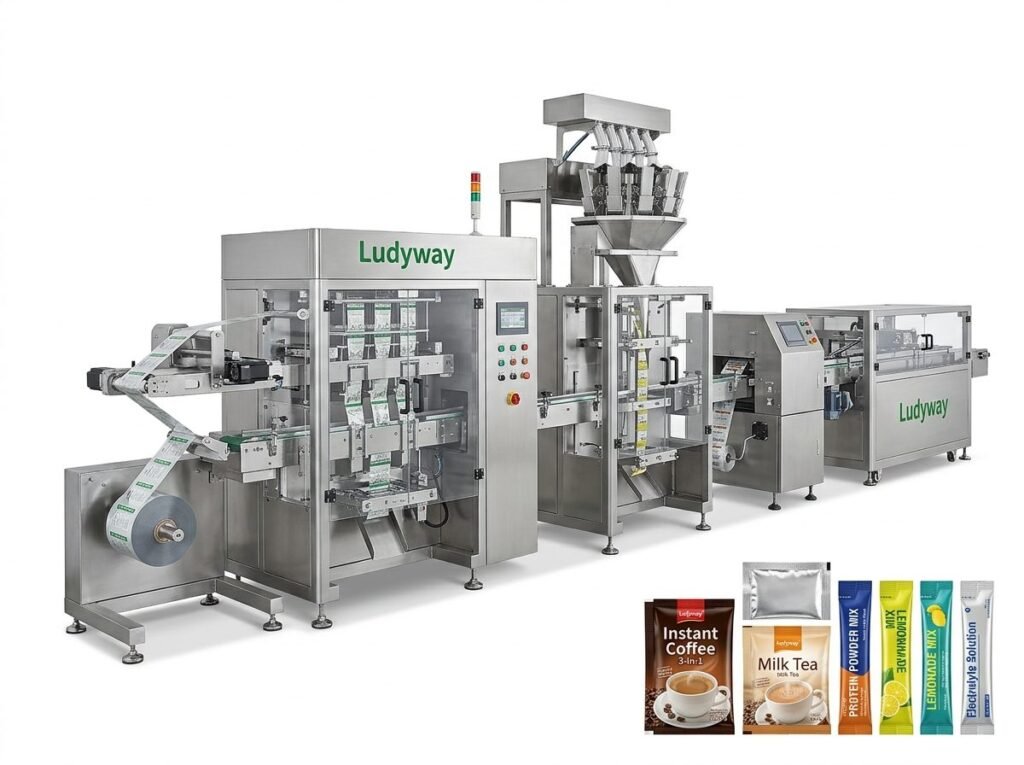
A well-maintained sachet water packing machine ensures consistent production quality.
Why Routine Maintenance Matters
Routine maintenance is not just about fixing problems—it’s about preventing them before they occur. A sachet water packing machine operates under high-speed, repetitive conditions involving heat sealing, liquid filling, and film feeding. Over time, components such as sealing jaws, temperature controllers, and filling nozzles experience wear. Without proper care, you risk:
- Inconsistent seal integrity leading to leaks and product waste.
- Inaccurate fill volumes causing regulatory non-compliance and customer dissatisfaction.
- Unplanned downtime that disrupts production schedules and impacts revenue.
- Premature component failure requiring expensive emergency replacements.
By following a disciplined maintenance schedule, you protect your investment and ensure every sachet meets quality standards. For deeper insights into industry benchmarks, refer to the packaging machinery market research published by leading industry associations.
Daily Maintenance Checklist
Daily checks are your first line of defense. These quick inspections should be performed at the start and end of each shift to catch issues early.
Pre-Operation Inspection
- Visually inspect the film path and forming tube for any debris or foreign objects.
- Check the sealing jaw surfaces for residue buildup or damage.
- Verify that all safety guards and sensors are properly positioned and functioning.
- Ensure the water supply line and filling nozzles are clear and free from blockages.
- Confirm the air pressure (if pneumatic components are used) is within the recommended range.
Post-Operation Cleanup
- Wipe down all surfaces with a clean, damp cloth to remove water residue and dust.
- Drain any remaining water from the filling system to prevent microbial growth.
- Inspect the sealing area for any melted film residue and clean if necessary.
- Record any anomalies in a maintenance logbook for trend analysis.
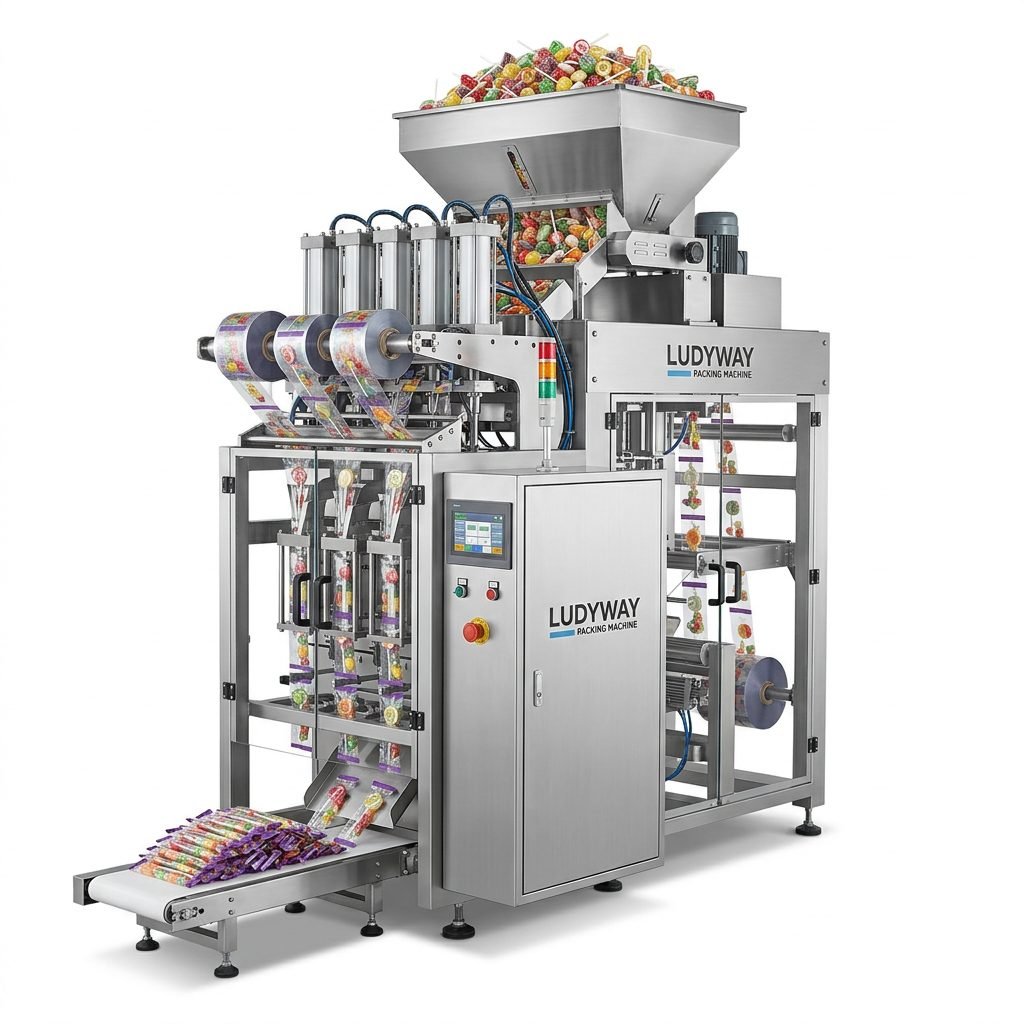
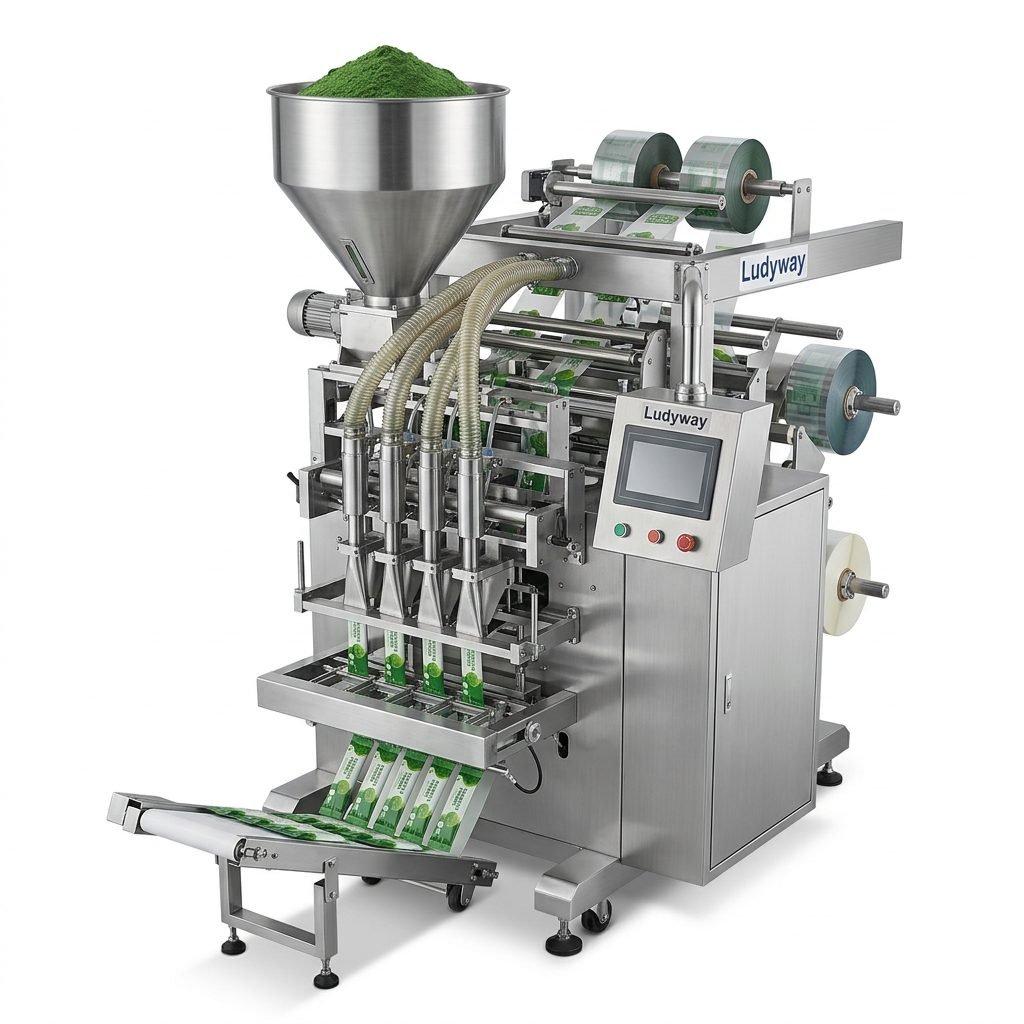
Consistent daily inspections help identify wear before it causes production issues.
Weekly Maintenance Tasks
Weekly maintenance dives deeper into the machine’s critical subsystems. Allocate dedicated time each week to perform these tasks thoroughly.
| Maintenance Area | Specific Task | Frequency Indicator |
|---|---|---|
| Sealing System | Clean sealing jaws with a non-abrasive brush; check Teflon tape condition and replace if worn | Every 40 operating hours |
| Filling Mechanism | Inspect filling nozzles for mineral deposits; calibrate fill volume accuracy | Weekly or after product changeover |
| Film Feed System | Check tension rollers and film alignment; lubricate bearings per manufacturer guidelines | Every 50 operating hours |
| Temperature Control | Verify sealing temperature accuracy with a calibrated thermometer; recalibrate if deviation exceeds ±2°C | Weekly verification |
| Electrical Connections | Inspect wiring terminals for looseness or signs of overheating; tighten all accessible connections | Weekly visual check |
Monthly Deep Maintenance
Monthly maintenance addresses components that experience gradual wear and require more thorough attention. These tasks help prevent cumulative damage that can lead to major breakdowns.
- Replace worn Teflon tape on sealing jaws—even minor surface damage can compromise seal quality.
- Inspect and clean all pneumatic cylinders and lubricate piston rods with food-grade lubricant.
- Check all drive belts and chains for proper tension and signs of cracking or elongation.
- Deep clean the forming tube assembly and polish any rough surfaces that may snag the packaging film.
- Calibrate all temperature controllers and compare readings against a certified reference thermometer.
- Audit sensor functionality including film registration sensors, product presence sensors, and safety interlocks.
Adhering to recognized packaging machinery standards and regulations ensures your maintenance practices align with industry best practices and safety requirements.
Cleaning and Sanitization Protocols
For sachet water packing, hygiene is non-negotiable. Contaminated equipment can lead to product recalls and serious health risks. Establish a rigorous cleaning protocol that covers all product contact surfaces.
Recommended Cleaning Agents
- Use food-grade sanitizers approved for potable water applications.
- Avoid abrasive cleaners that can scratch stainless steel surfaces and create bacterial harborage points.
- For mineral scale removal, use a diluted food-grade citric acid solution followed by thorough rinsing.
Cleaning Procedure for Product Contact Parts
- Disassemble removable product-contact components including filling nozzles, tubes, and gaskets.
- Soak components in an approved sanitizing solution for the manufacturer-recommended contact time.
- Scrub gently with soft brushes to remove any biofilm or residue.
- Rinse thoroughly with purified water to remove all sanitizer traces.
- Air-dry completely before reassembly to prevent microbial growth in moist environments.
- Sanitize reassembled components with a no-rinse food-contact sanitizer before production.
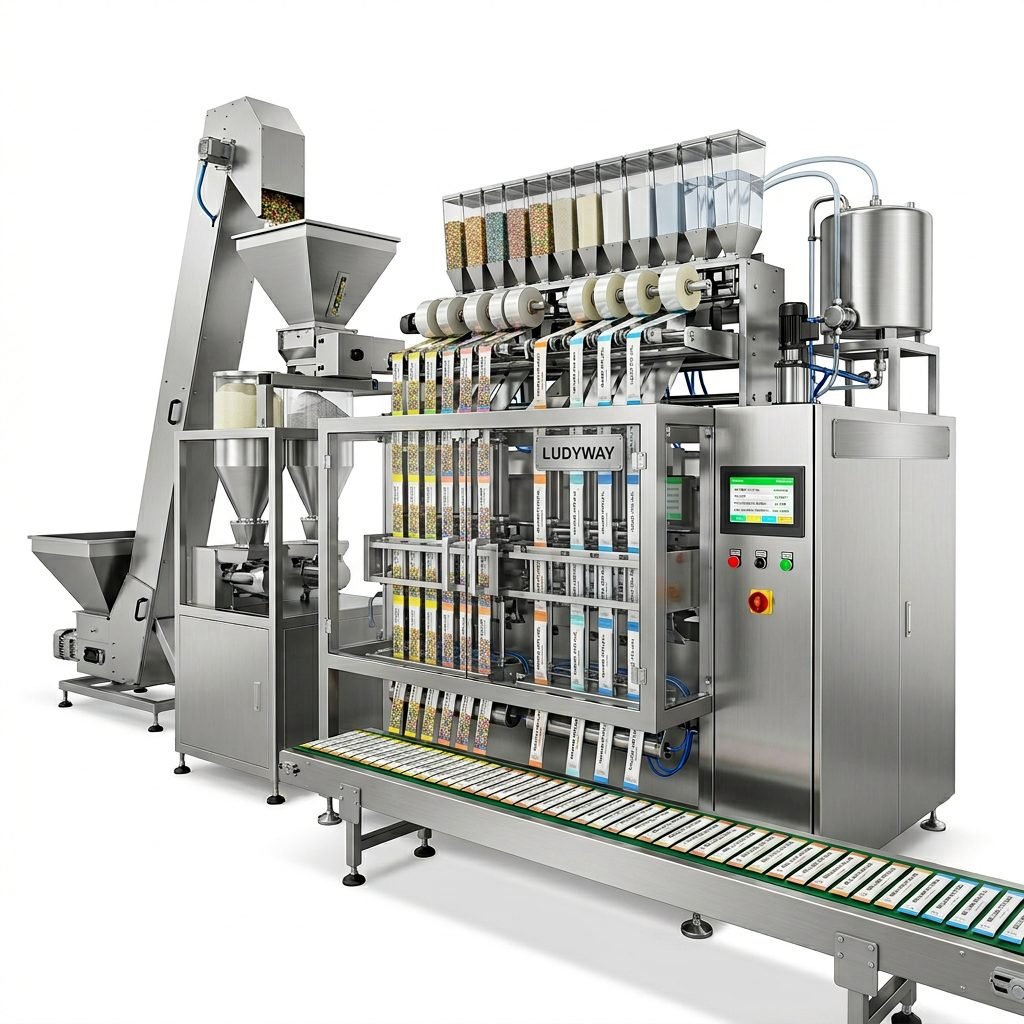
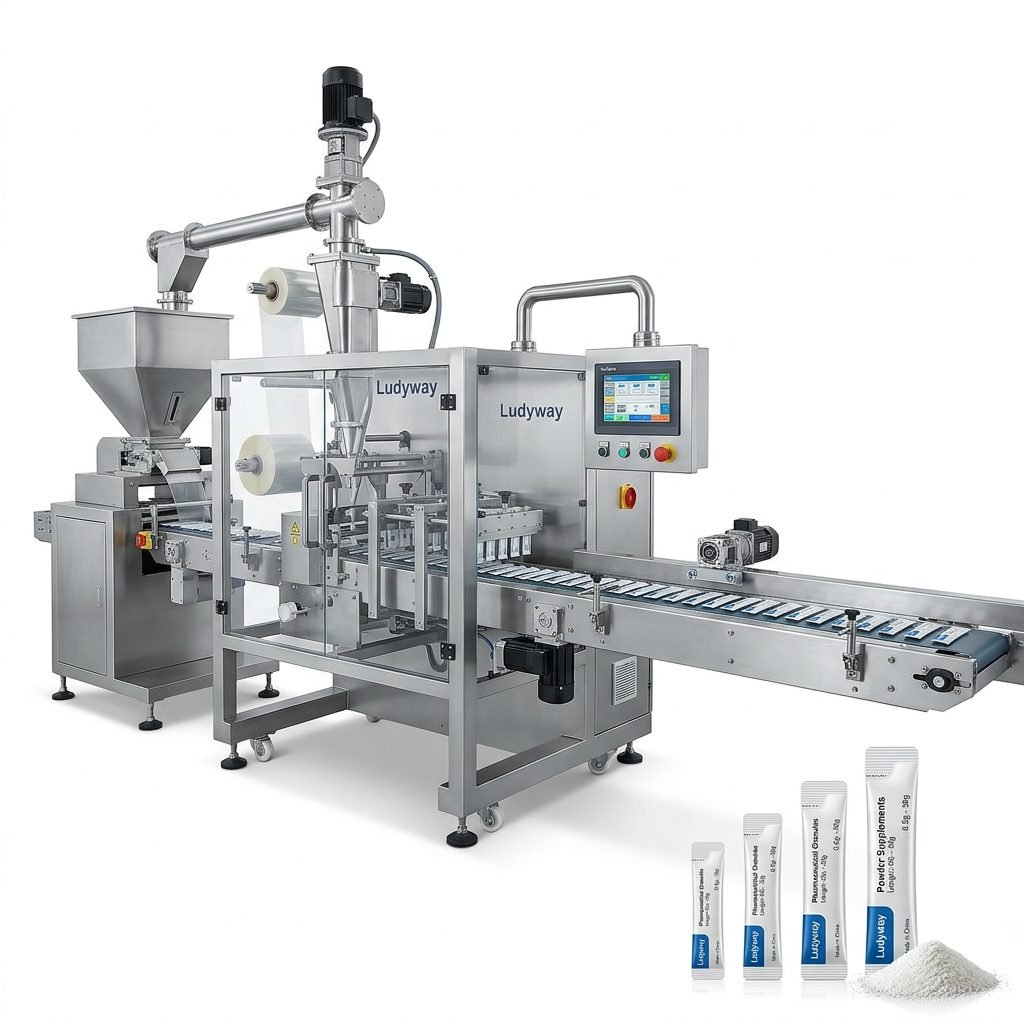
Thorough cleaning of product-contact surfaces is critical for water sachet safety.
Lubrication Best Practices
Proper lubrication reduces friction, prevents premature wear, and ensures smooth mechanical operation. However, over-lubrication can be as harmful as under-lubrication, attracting dust and contaminating product zones.
- Use only food-grade lubricants (H1 or H2 rated) for any lubrication points near product contact areas.
- Follow the manufacturer’s lubrication schedule precisely—do not improvise intervals or grease types.
- Wipe away excess lubricant immediately after application to prevent accumulation.
- Keep a lubrication log tracking dates, points serviced, and lubricant types used.
- Inspect sealed bearings periodically—if they show signs of leakage or noise, schedule replacement.
Common Issues and Troubleshooting
Even with diligent maintenance, occasional issues arise. Here are common problems encountered with sachet water packing machines and their typical root causes:
| Problem | Possible Cause | Recommended Action |
|---|---|---|
| Weak or leaking seals | Worn Teflon tape, incorrect temperature, or misaligned sealing jaws | Replace Teflon tape; recalibrate temperature; realign jaws |
| Inconsistent fill volume | Partially clogged filling nozzle, air in the liquid line, or worn pump components | Clean or replace nozzles; bleed air from system; inspect pump seals |
| Film misalignment or wrinkling | Improper tension settings or worn film guide rollers | Adjust tension; inspect and replace worn rollers |
| Overheating of sealing area | Faulty thermocouple or PID controller malfunction | Test and replace thermocouple; recalibrate or replace controller |
| Machine stops intermittently | Faulty sensor or loose electrical connection | Inspect all sensors and wiring; tighten terminal connections |
Preventive Maintenance Schedule Overview
A well-documented preventive maintenance schedule is the backbone of reliable machine performance. Use the following overview to plan your maintenance calendar:
- Daily: Clean product-contact surfaces, inspect film path, verify safety guards, check air pressure.
- Weekly: Clean sealing jaws, inspect and calibrate filling system, check film tension, verify temperature accuracy.
- Monthly: Replace wear parts (Teflon tape, gaskets), deep clean forming tube, calibrate controllers, inspect drive components.
- Quarterly: Full electrical inspection, pneumatic system overhaul, replace all filters, comprehensive sensor testing.
- Annually: Complete machine overhaul, replace all belts and chains, professional calibration service, gearbox oil change.
Aligning your maintenance program with ISO packaging standards provides a globally recognized framework for quality and consistency in your operations.

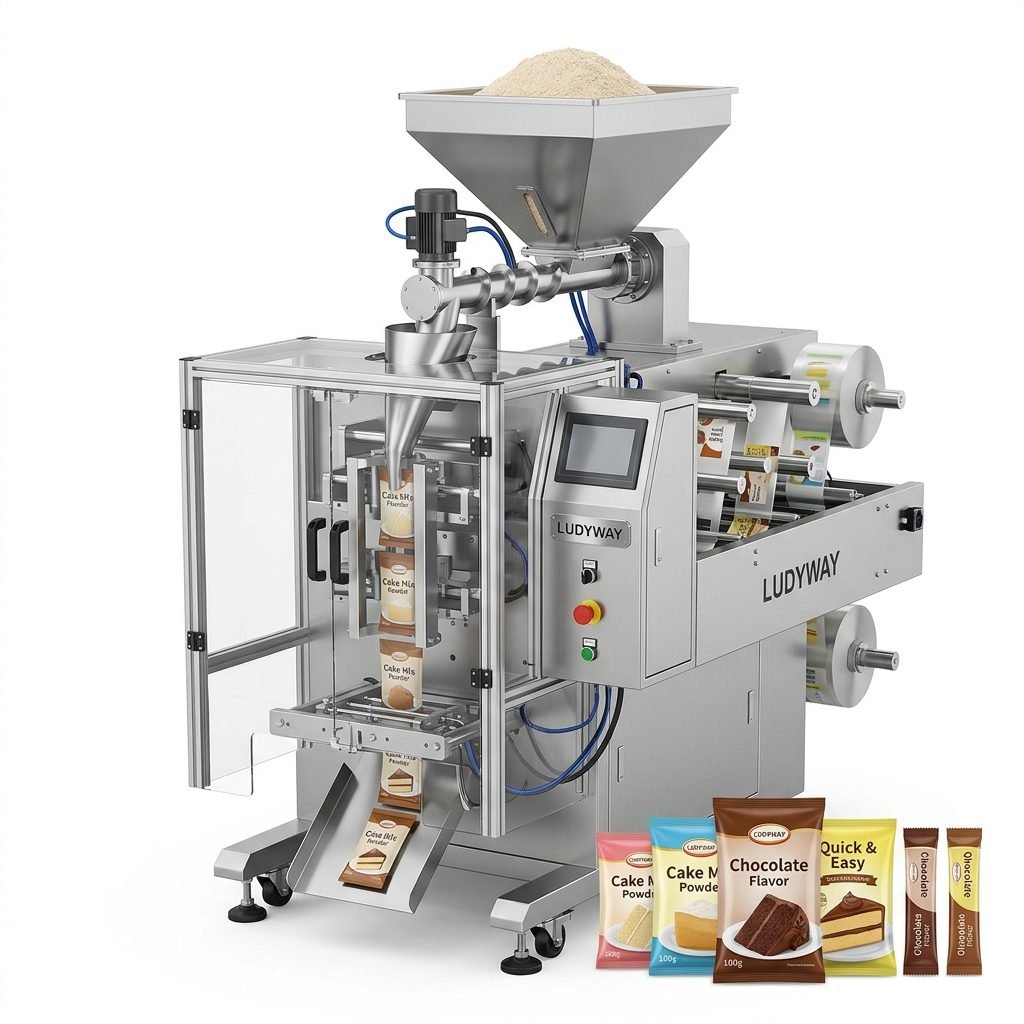
A structured preventive maintenance plan maximizes equipment uptime and longevity.
When to Seek Professional Service
While routine maintenance can be handled by trained in-house operators, certain situations call for expert intervention. Contact a professional service technician if you encounter:
- Persistent temperature fluctuations despite calibration attempts.
- Unusual noises, vibrations, or mechanical resistance during operation.
- Recurring seal failures across multiple product batches.
- Electrical faults, burning smells, or visible damage to wiring.
- Significant drops in production speed without an identifiable cause.
For businesses relying on high-throughput sachet packaging machines, minimizing downtime is critical. Ludyway, one of the largest packaging machine manufacturers in China with over 30 years of industry experience, provides comprehensive technical support and genuine spare parts to keep your sachet water packing machine operating at peak efficiency. Their engineering team offers remote diagnostics and on-site service to resolve complex issues quickly.
Spare Parts Management
An often-overlooked aspect of maintenance is spare parts inventory management. Keeping critical spare parts on hand can reduce downtime from days to hours. Essential spares to stock include:
- Teflon tape and sealing jaw covers
- Filling nozzles and O-ring seals
- Thermocouples and temperature sensors
- Drive belts and timing belts
- Pneumatic cylinder seals and gaskets
- Film guide rollers and bearings
- Electrical fuses and relays
Operator Training and Documentation
Even the best maintenance program fails without properly trained operators. Invest in comprehensive training for all personnel who operate or maintain the equipment. Key training areas include:
- Correct startup and shutdown procedures to prevent unnecessary wear.
- Recognition of early warning signs such as unusual sounds, odors, or visual defects.
- Proper cleaning and sanitization techniques that protect both the machine and product safety.
- Accurate record-keeping in maintenance logs to track trends and predict component lifecycles.
Maintain a complete documentation library including the packaging industry resources provided by your equipment manufacturer, along with standard operating procedures, maintenance checklists, and troubleshooting guides.
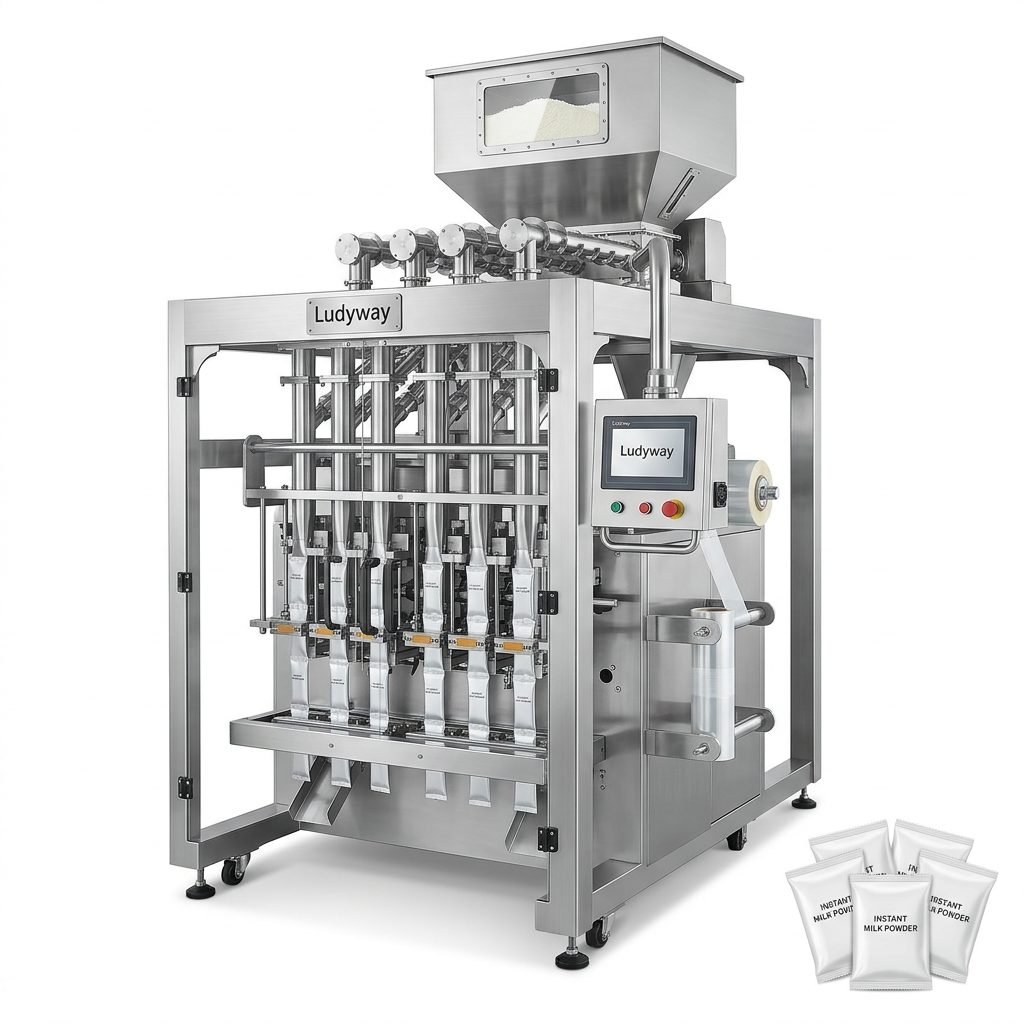
Well-trained operators are essential for maintaining reliable machine performance.
Conclusion
Maintaining a sachet water packing machine for reliable performance requires consistency, attention to detail, and a proactive mindset. By implementing the daily, weekly, and monthly routines outlined in this guide—combined with proper cleaning, lubrication, and professional support—you can maximize uptime, reduce total cost of ownership, and consistently deliver high-quality sachet water products to your customers. Remember that every minute spent on preventive maintenance saves multiple hours of corrective repairs and protects the reputation your brand has worked hard to build.