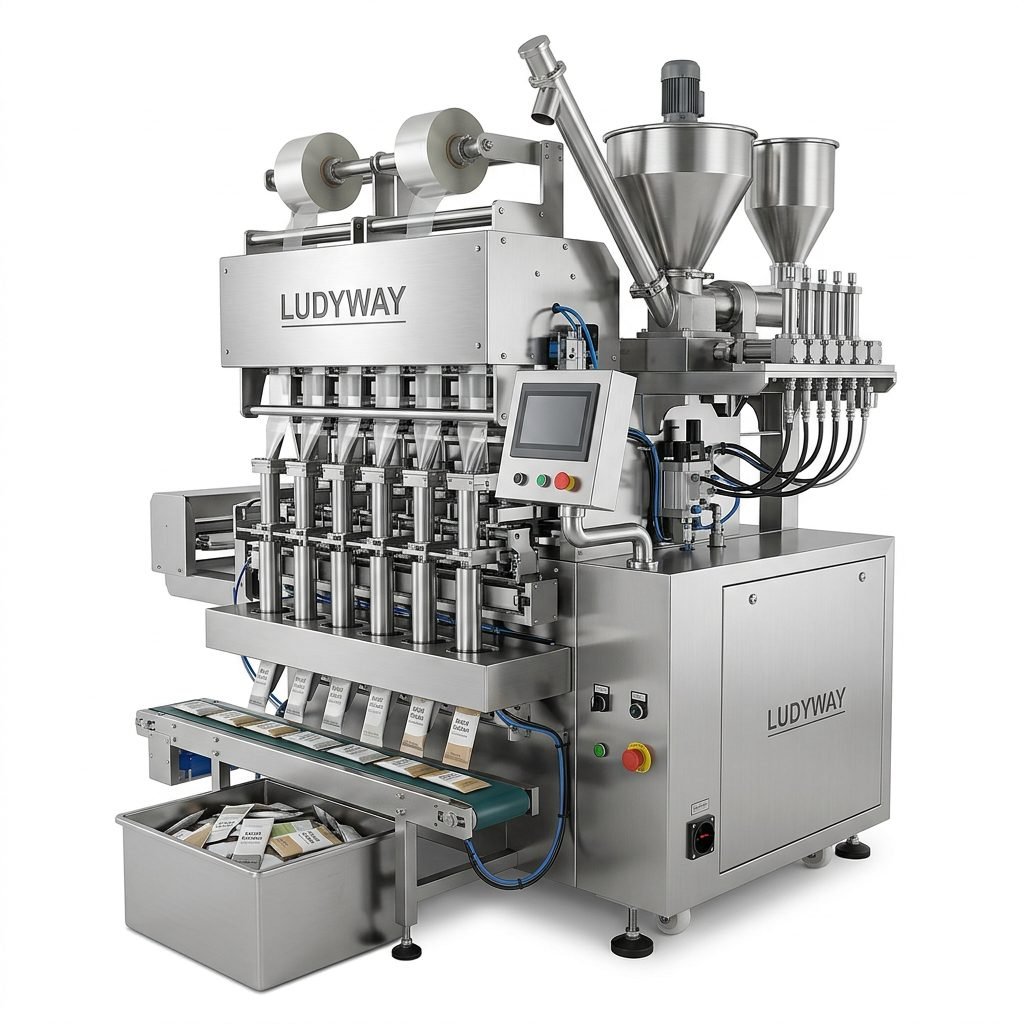
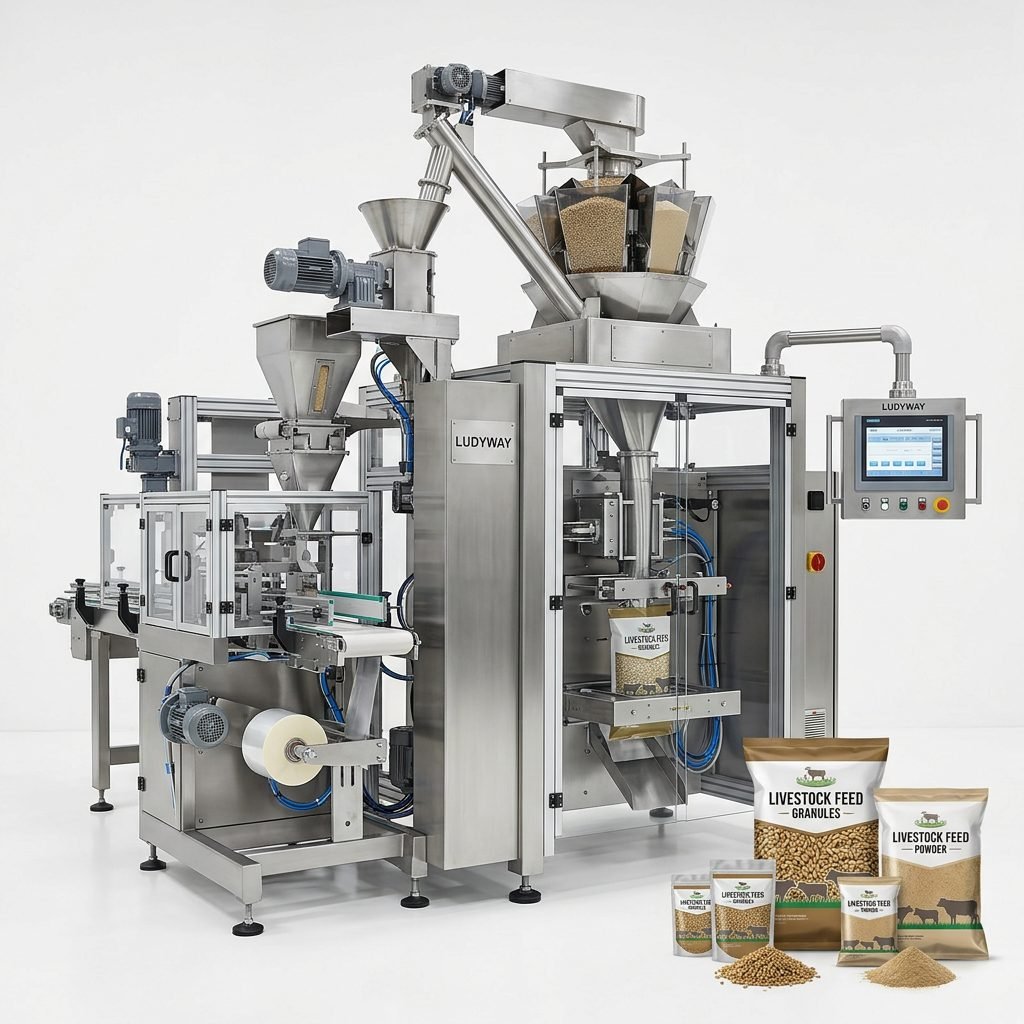
In modern soft drink production, packaging speed, seal quality, and line stability directly affect output, cost, and brand reputation. A Pepsi packing machine is designed to support high-volume beverage packaging for both bottling and canning operations, helping manufacturers maintain efficiency from filling to final case packing.
Whether you are producing carbonated drinks, flavored water, energy beverages, or functional liquid products, the right packaging system should deliver reliable handling, accurate filling coordination, and consistent package presentation. For beverage plants aiming to scale production, automation is no longer optional—it is a key competitive advantage.
What Is a Pepsi Packing Machine?
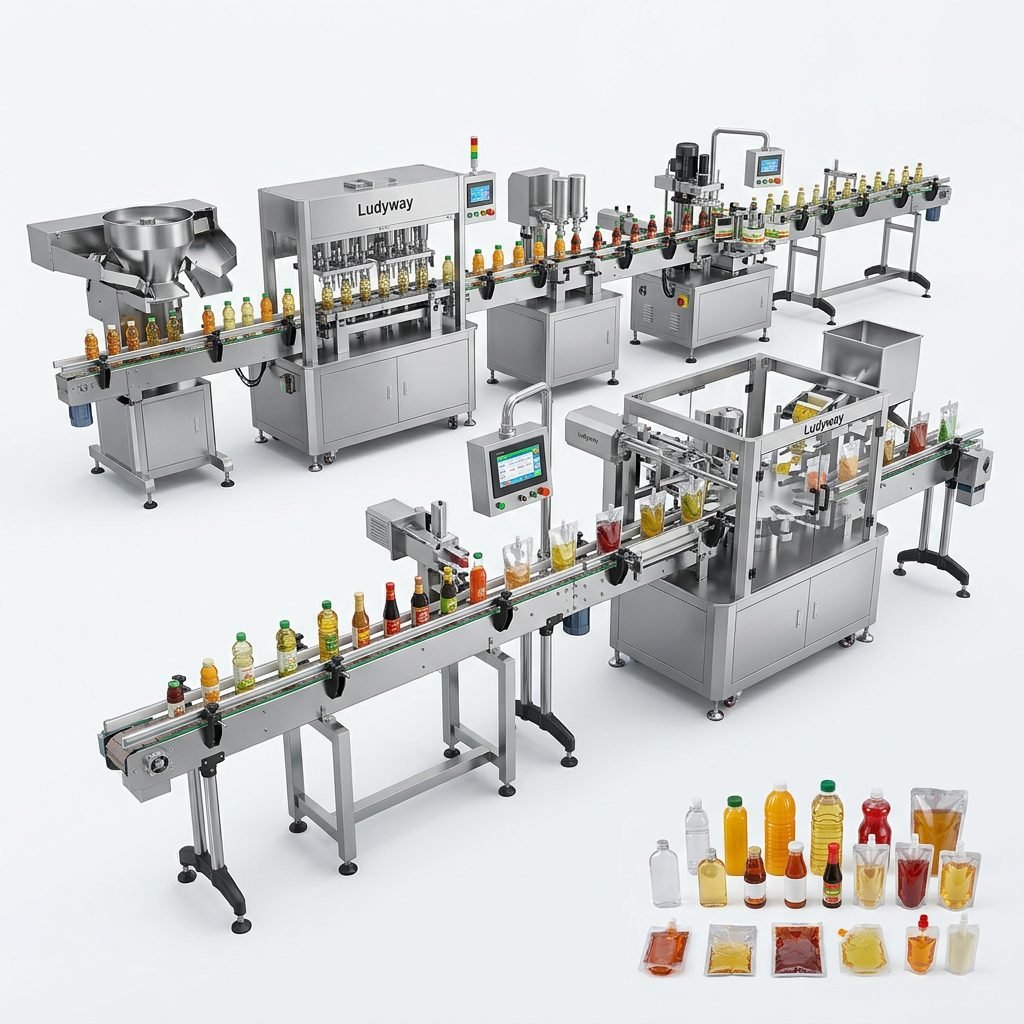
A Pepsi packing machine generally refers to an automated packaging solution used in beverage factories for handling, filling integration, packing, sealing, labeling, and secondary packaging of soft drinks. In bottling and canning environments, these systems work alongside upstream rinsing, filling, and capping or seaming equipment to create a continuous production flow.
Depending on plant requirements, the machine may include:
- Bottle or can conveying systems
- Filling line synchronization modules
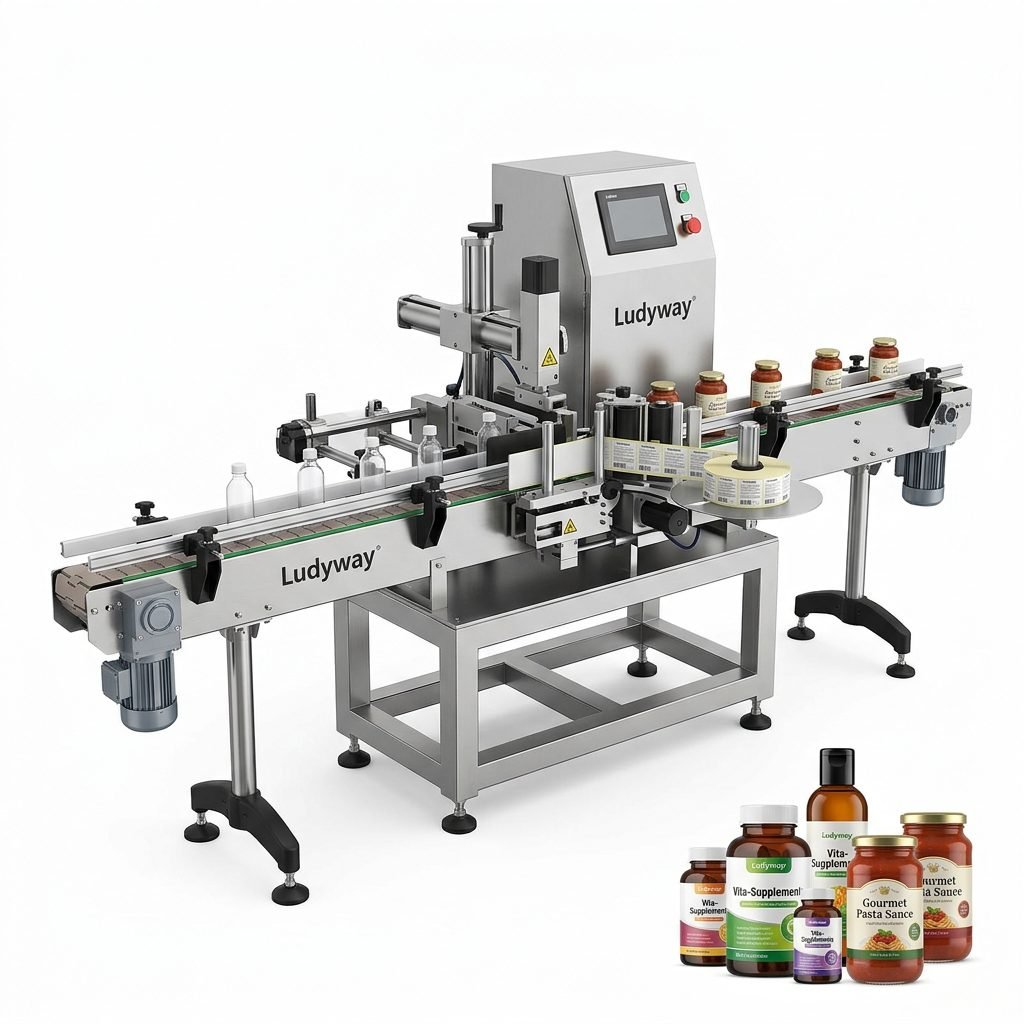
- Sleeve labeling or pressure-sensitive labeling units
- Shrink wrapping or carton packing equipment
- Case packing and palletizing sections
- Inspection, coding, and reject systems
Why Efficient Beverage Packaging Matters
Beverage packaging lines operate under demanding conditions: high speed, moisture exposure, frequent SKU changes, and strict hygiene expectations. An inefficient line can create bottlenecks, product loss, unstable packs, and costly downtime.
A well-configured Pepsi packing machine helps manufacturers achieve:
- Higher throughput with smooth product transfer
- Lower labor dependency through automation
- Better pack consistency for retail-ready presentation
- Reduced waste from damaged bottles, cans, labels, or cartons
- Improved traceability through coding and inspection integration
Core Applications in Bottling and Canning Lines
Soft drink manufacturers often use packaging machines across multiple product formats. The most common applications include:
| Application | Typical Packaging Format | Key Benefit |
|---|---|---|
| PET bottling lines | Single bottles, multipacks, shrink packs | Fast handling with reduced bottle scuffing |
| Aluminum canning lines | Loose cans, tray packs, wrap-around cartons | Stable grouping and reliable transport |
| Glass bottle beverage lines | Returnable or non-returnable bottle packs | Careful handling and improved breakage control |
| Mixed SKU operations | Retail cartons and promotional bundles | Flexible format switching |
Key Features of a High-Performance Beverage Packaging System
1. High-Speed Synchronization
In beverage plants, packaging equipment must match the rhythm of upstream fillers and downstream logistics systems. Stable synchronization minimizes accumulation pressure and helps prevent line interruptions.
2. Flexible Format Changeover
Soft drink brands often run different bottle sizes, can diameters, multipack counts, and promotional formats. Flexible machinery shortens changeover time and supports efficient multi-SKU production.
3. Durable Construction
Packaging lines in beverage environments face humidity, cleaning cycles, and continuous operation. Strong mechanical design and quality components contribute to long service life and reliable daily performance.
4. Intelligent Control System
Modern touch-screen interfaces, parameter memory, alarm systems, and real-time monitoring help operators manage the line more efficiently. This also improves troubleshooting and maintenance planning.
5. Secondary Packaging Integration
Beverage producers benefit when case packing, sealing, coding, and palletizing are integrated into one streamlined line. This reduces manual transfer points and improves overall line efficiency.
Bottling vs. Canning: Different Packaging Needs
Although both formats are common in the beverage industry, bottling and canning require different packaging considerations.
| Factor | Bottling Line | Canning Line |
|---|---|---|
| Container stability | Depends on bottle shape and material | Usually more uniform and stack-friendly |
| Surface sensitivity | PET and glass may require careful transfer | Cans need dent prevention and stable grouping |
| Multipack options | Shrink packs, cartons, handles | Trays, film packs, wrap-around cartons |
| Line changeover | Often varies by bottle volume and neck type | Usually based on can size and pack count |
How Automation Improves Beverage Plant Performance
The biggest advantage of an automated Pepsi packing machine is not just speed—it is repeatable efficiency. Automated systems reduce variation between shifts, lower manual handling errors, and help maintain output targets during long production runs.
- Automatic infeed and collation improve pack accuracy
- Servo control enhances positioning precision
- Integrated sensors reduce jam risks
- Auto-reject systems support quality control
- Digital monitoring helps optimize maintenance schedules
For factories running multiple beverage brands or seasonal demand peaks, these benefits can translate into stronger operational resilience and better cost control.
What to Consider When Choosing a Pepsi Packing Machine
Selecting the right machine requires more than comparing speed numbers. Beverage manufacturers should evaluate the full production context.
Production Capacity
Make sure the system can meet current throughput while leaving room for future expansion.
Container Type
PET bottles, glass bottles, and aluminum cans require different transfer, grouping, and protective handling strategies.
Pack Configuration
Consider whether you need single units, shrink bundles, trays, cartons, or mixed retail packs.
Available Plant Space
Compact line design is important, especially in existing factories where floor space is limited.
Maintenance and Technical Support
Reliable after-sales service, spare parts access, and technical guidance are essential for long-term line stability.
Turnkey Packaging Line Advantages
Many beverage companies prefer turnkey solutions because they simplify integration and reduce project risk. Instead of sourcing separate machines from multiple vendors, a turnkey supplier can coordinate the full packaging line, from product conveying to final secondary packaging.
This approach often helps with:
- Faster installation and commissioning
- Better compatibility between machines
- Unified automation logic
- Reduced communication issues during setup
- More efficient training and service support
Reliable Manufacturing Partner for Packaging Projects
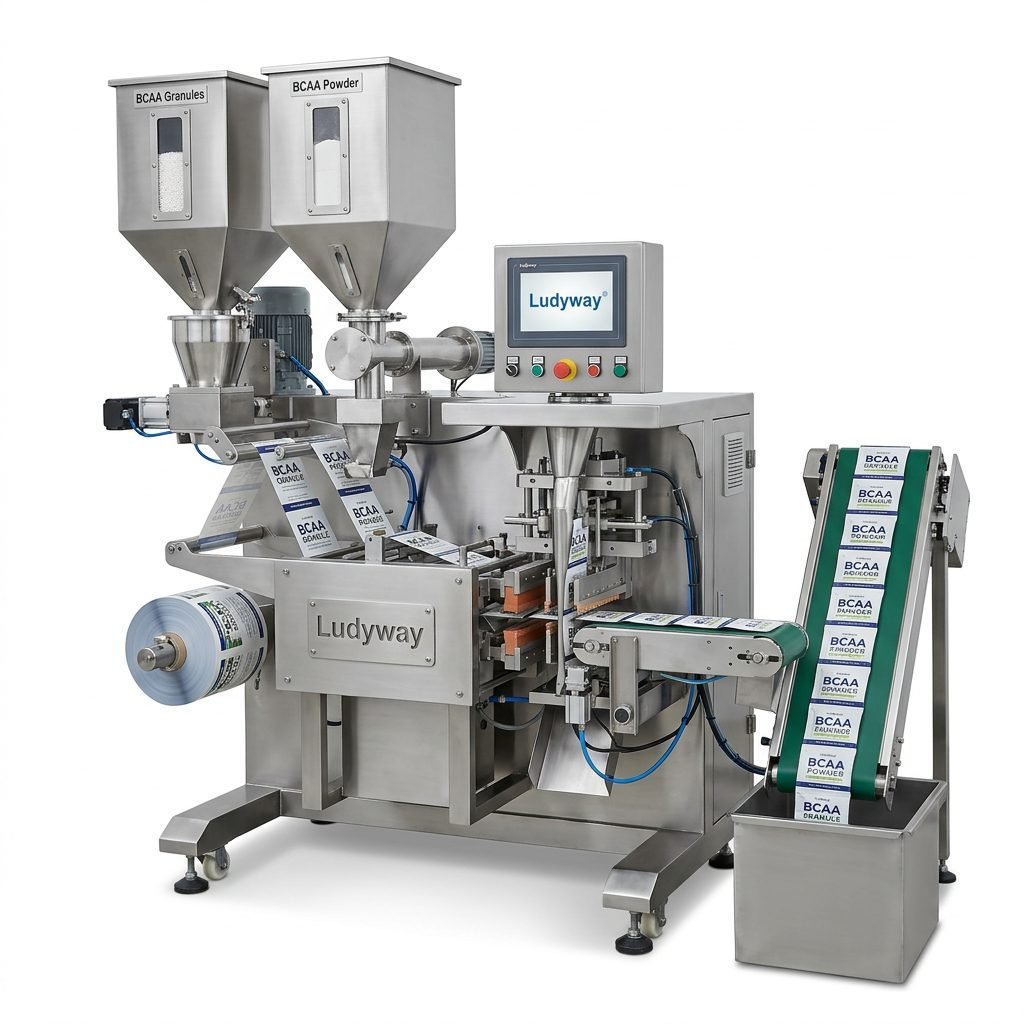
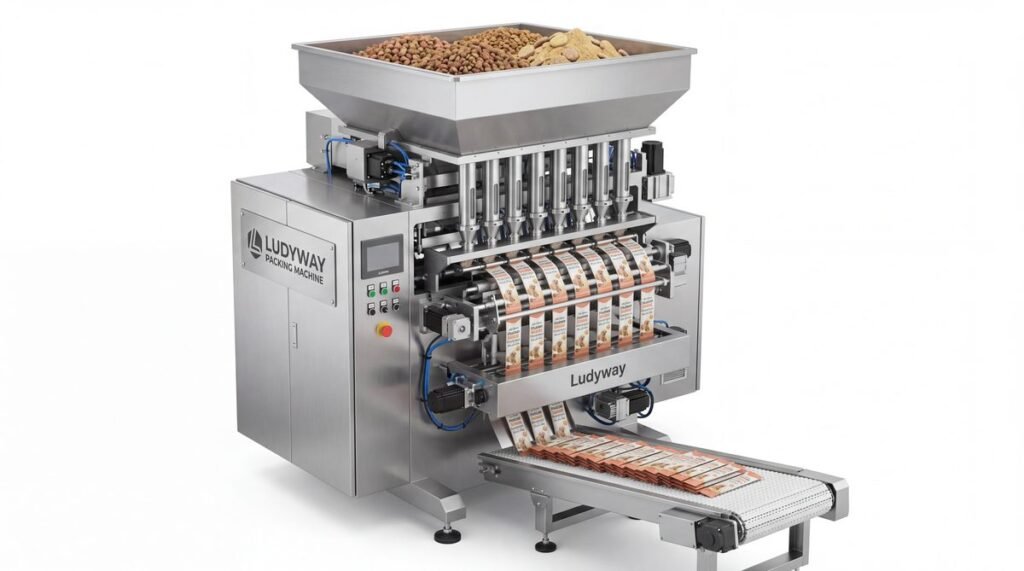
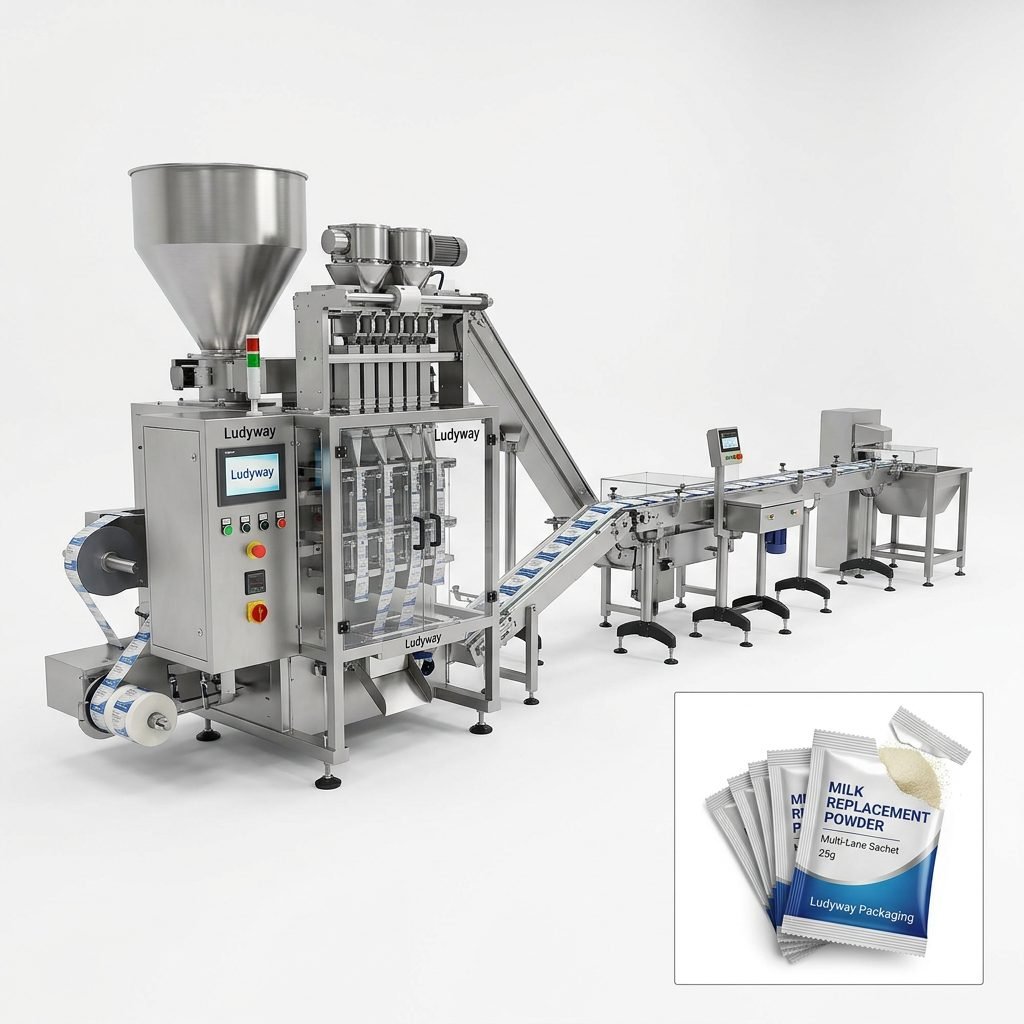
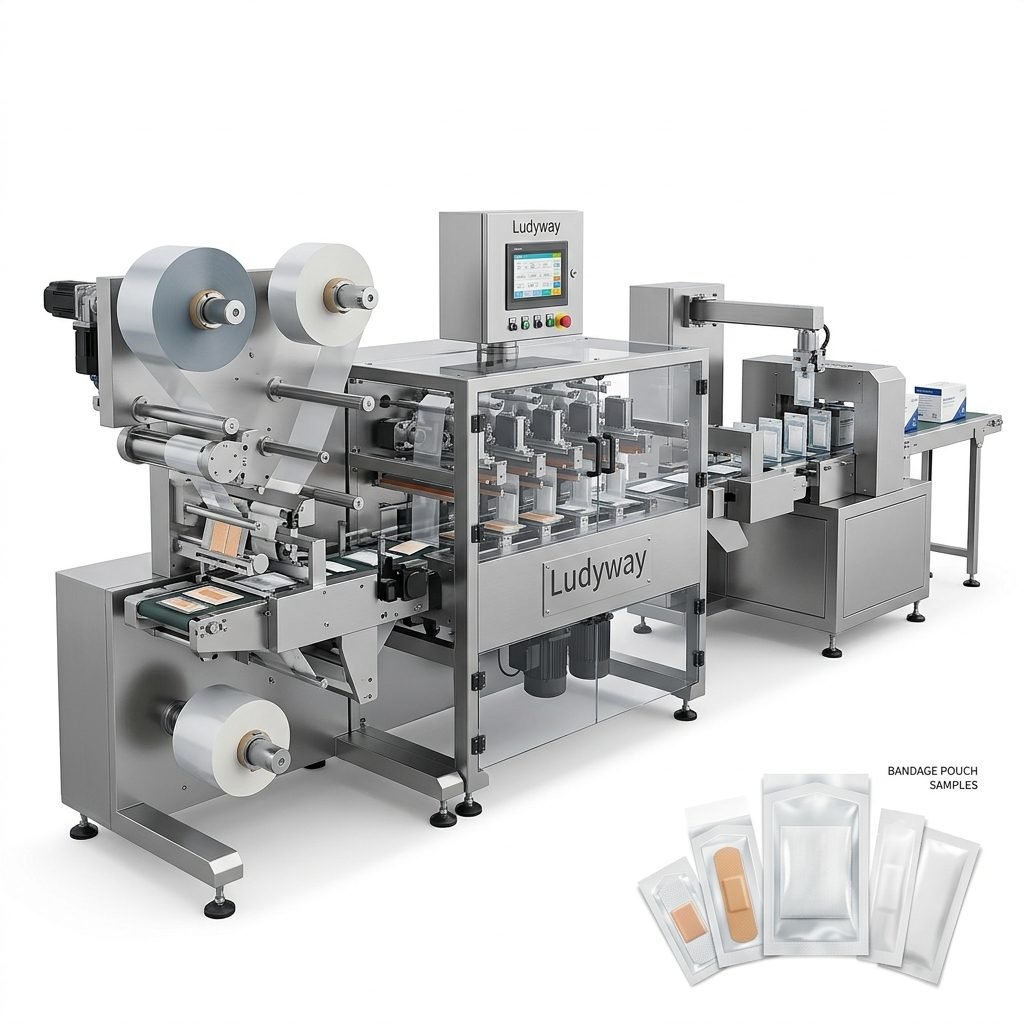
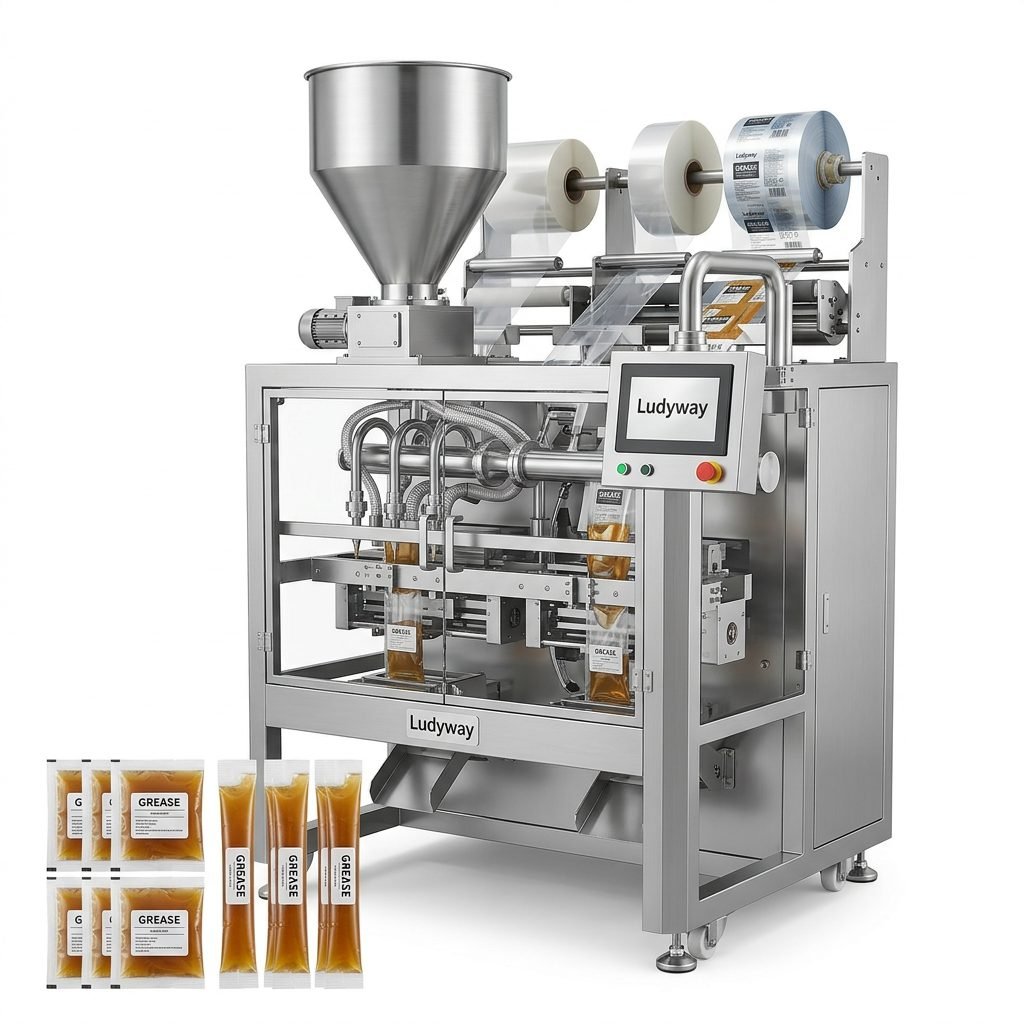
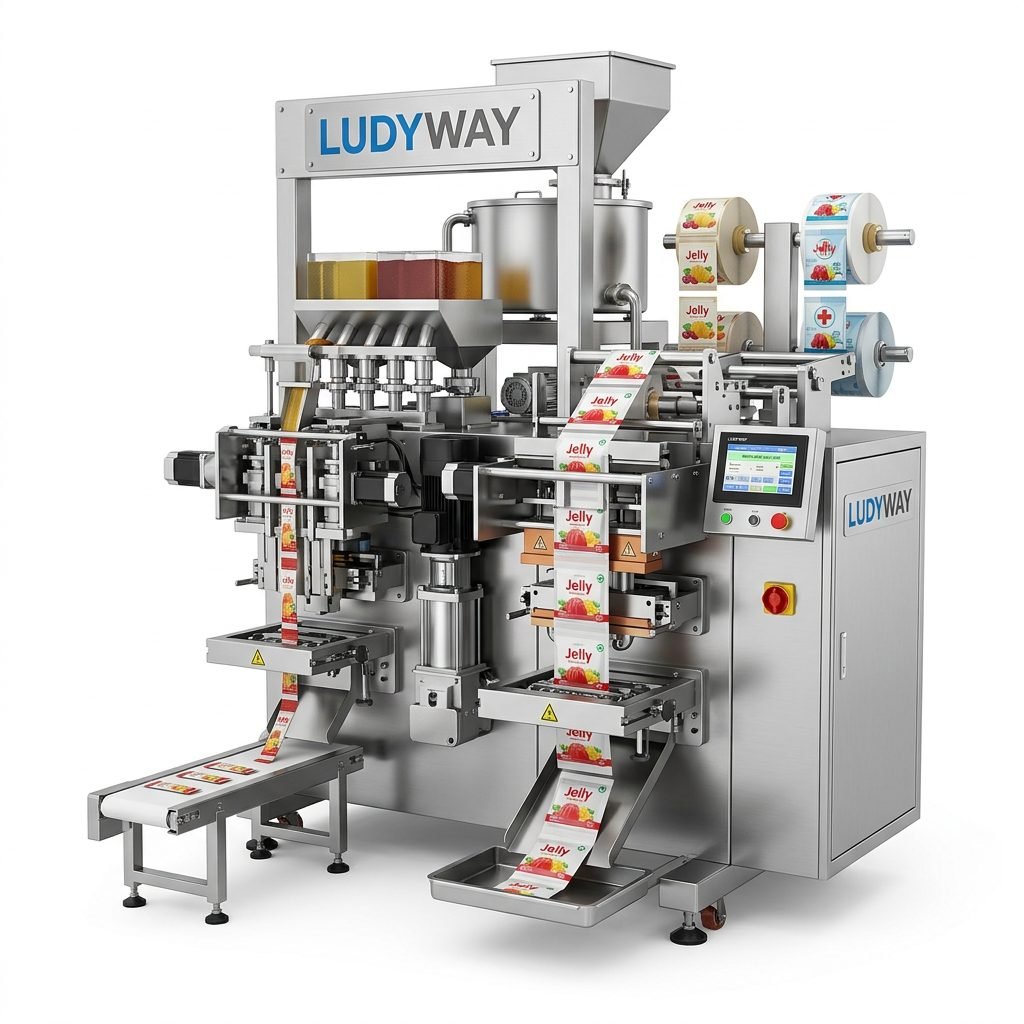
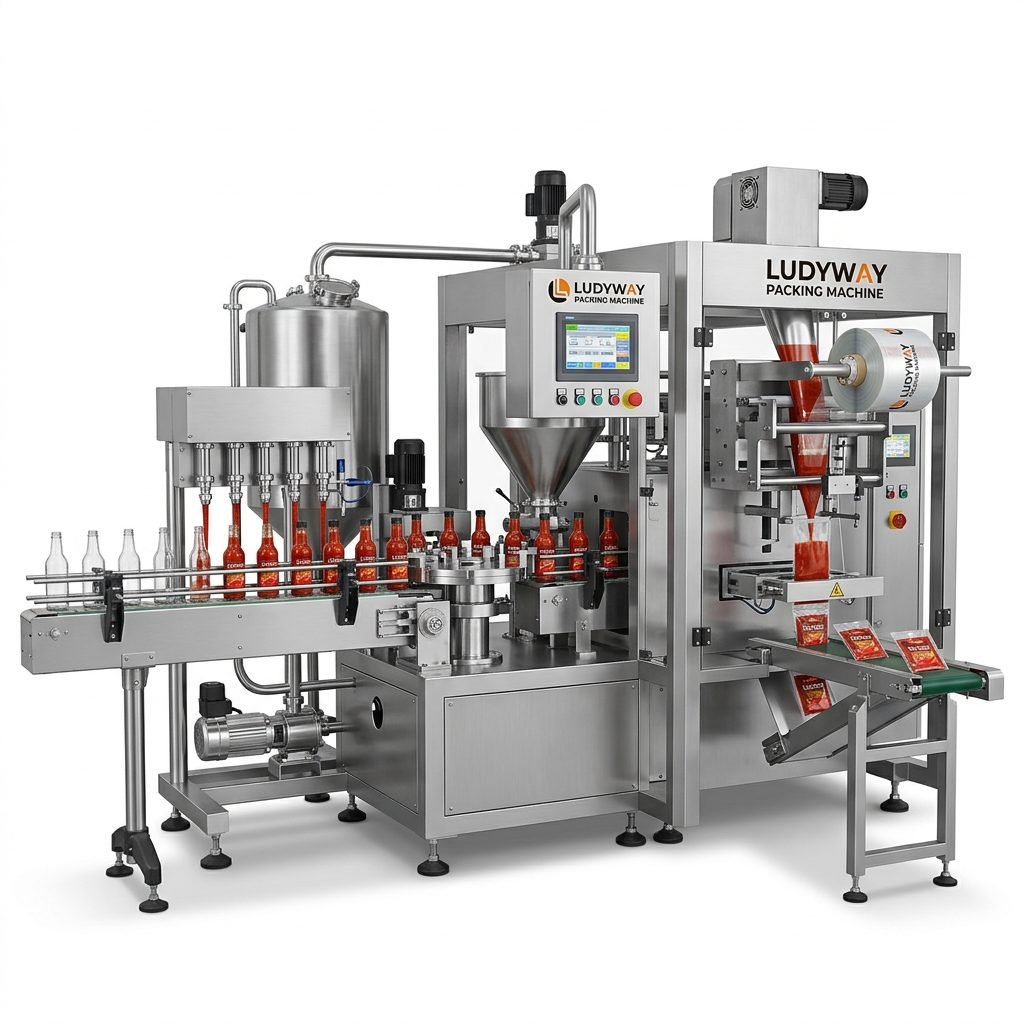
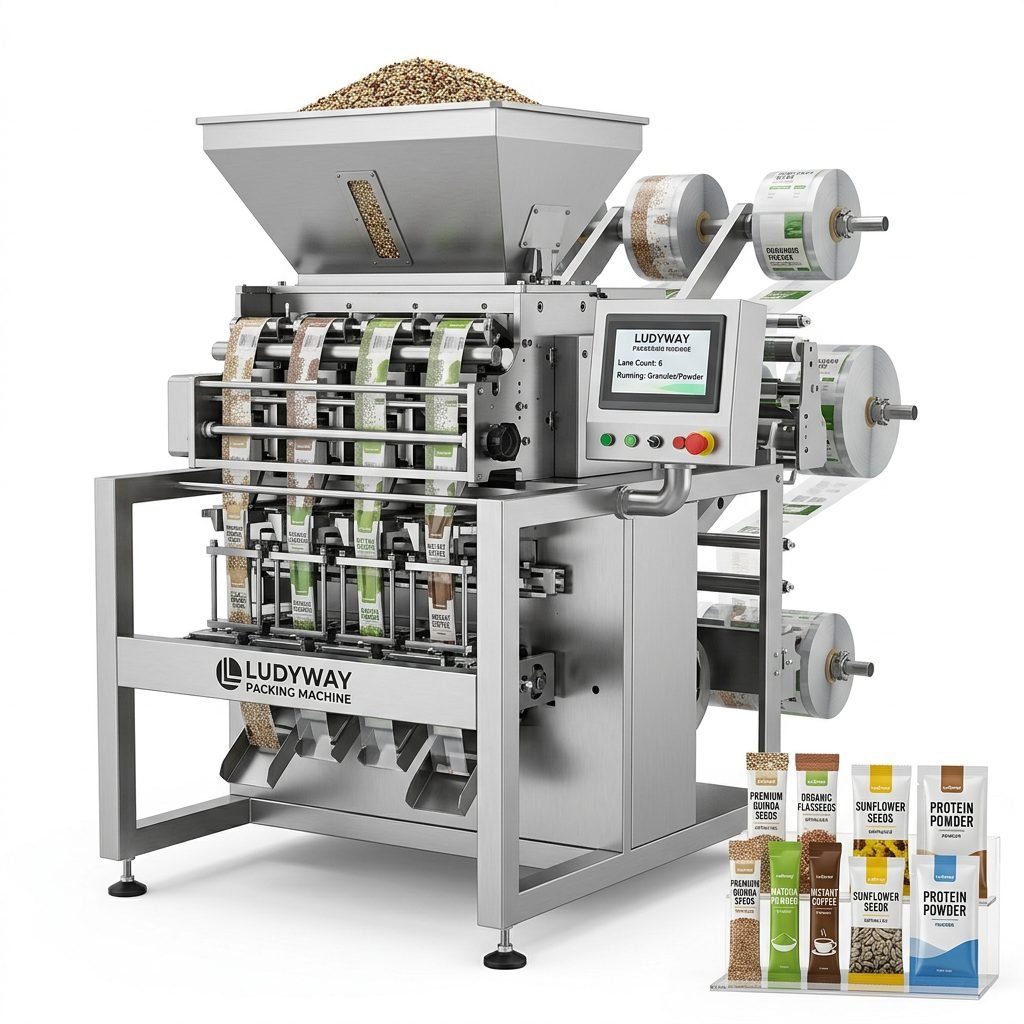
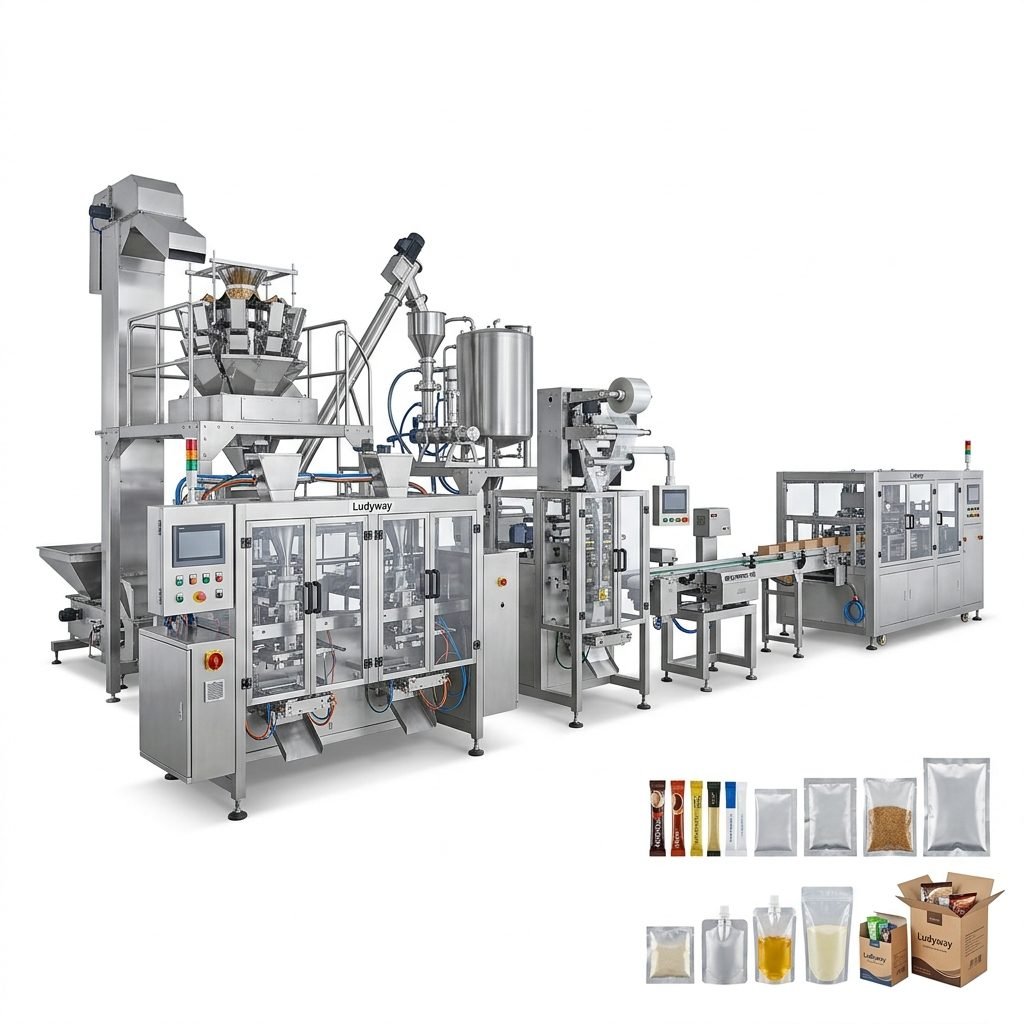
For businesses seeking scalable packaging automation, Ludyway packaging machine manufacturer offers turnkey packaging line capabilities backed by more than 30 years of industry experience. Founded in 1993, the company operates a manufacturing facility of over 20,000 square meters and serves customers across Europe, North America, the Middle East, South America, Africa, and Southeast Asia.
With a broad product portfolio and customization capacity, the company supports projects that require stable performance, automation upgrades, and integrated packaging solutions for food, pharmaceutical, health supplement, and related sectors.
Industries That Benefit from Similar Beverage Packaging Technology
While Pepsi packing machine solutions are closely associated with soft drink production, similar technologies are widely used in:
- Energy drink packaging
- Juice and flavored water bottling
- Sports beverage packaging
- Dairy and plant-based drink lines
- Functional and nutraceutical beverage production
This flexibility makes automated beverage packaging equipment a strong investment for manufacturers planning product diversification.
Final Buying Checklist
| Checklist Item | Why It Matters |
|---|---|
| Line speed compatibility | Prevents bottlenecks and downtime |
| Package format flexibility | Supports SKU expansion and promotions |
| Automation level | Reduces labor and improves consistency |
| Machine durability | Ensures stable long-term operation |
| Supplier support | Improves installation, training, and maintenance response |
A well-designed Pepsi packing machine can significantly improve beverage packaging efficiency for both bottling and canning lines. By combining speed, flexibility, and dependable automation, manufacturers can reduce operating costs, improve pack quality, and prepare their production systems for future growth.