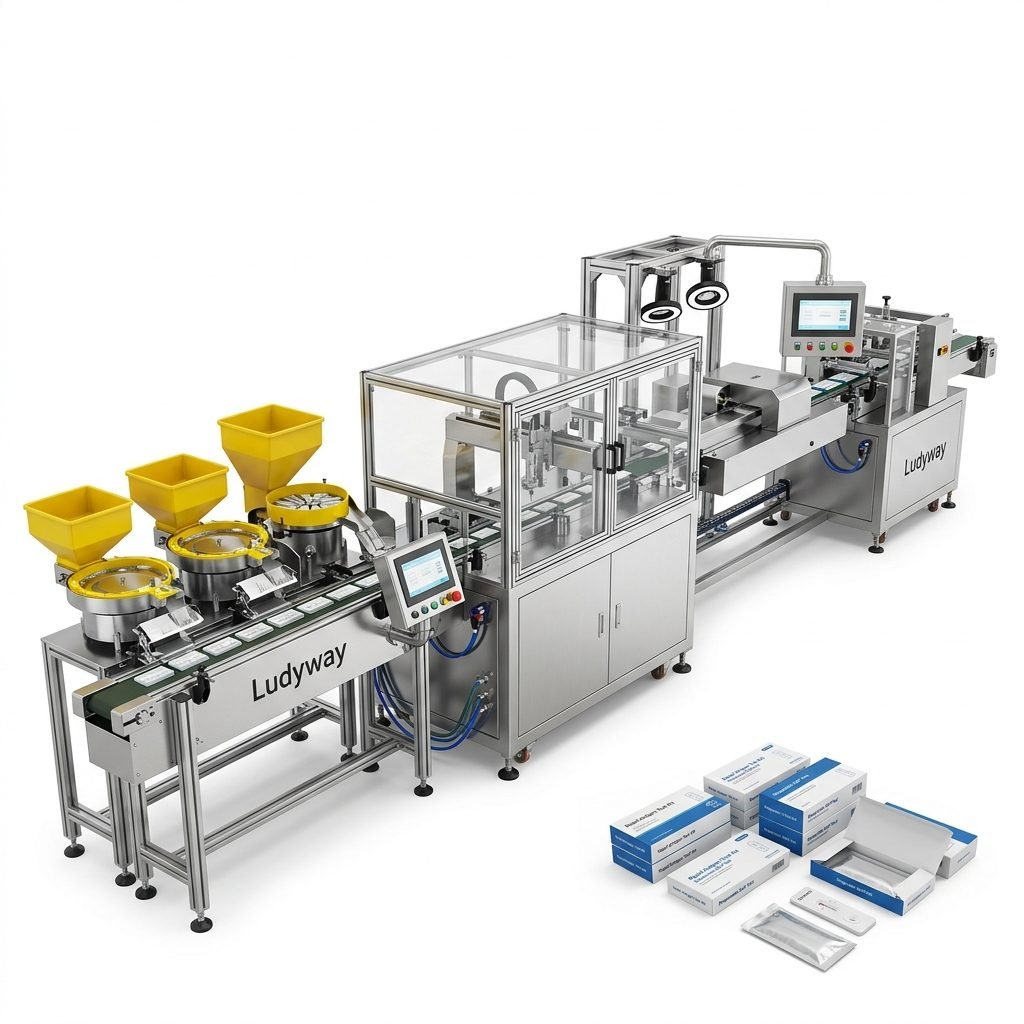
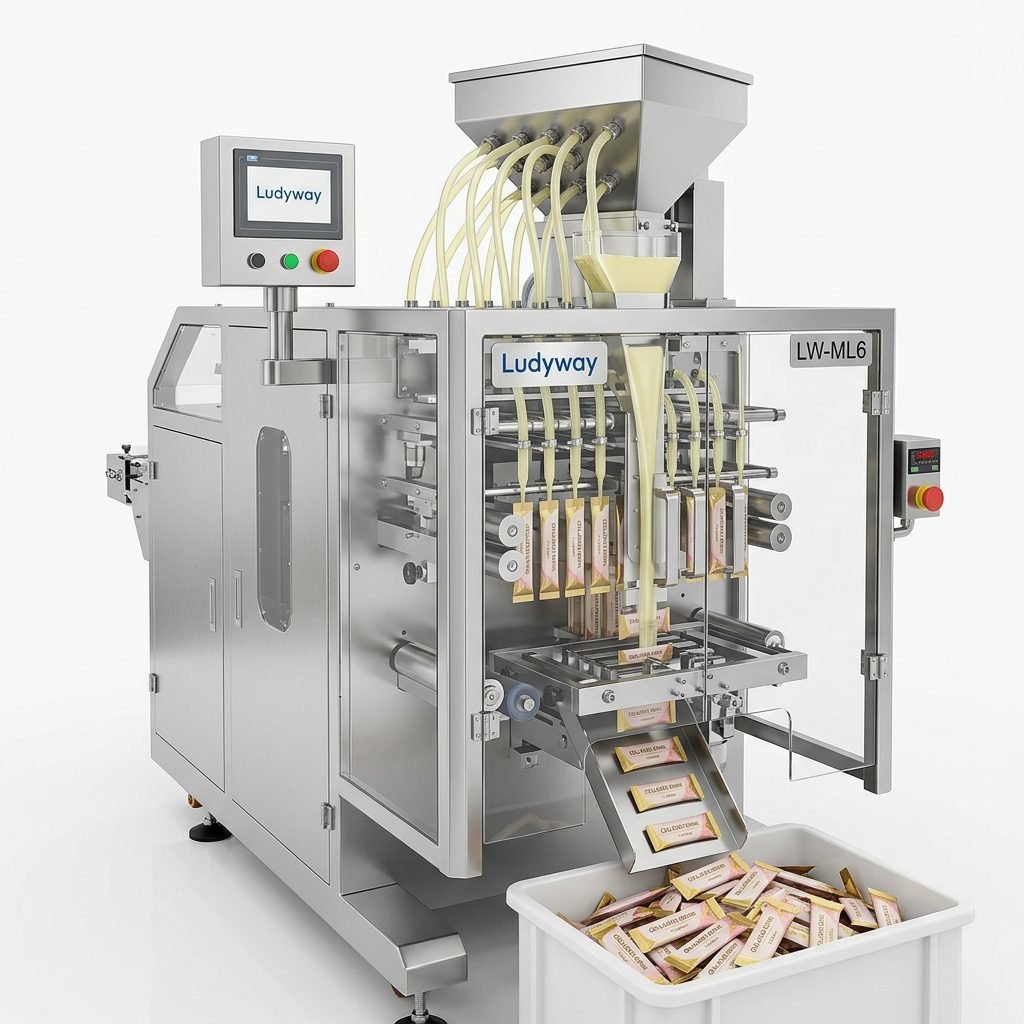
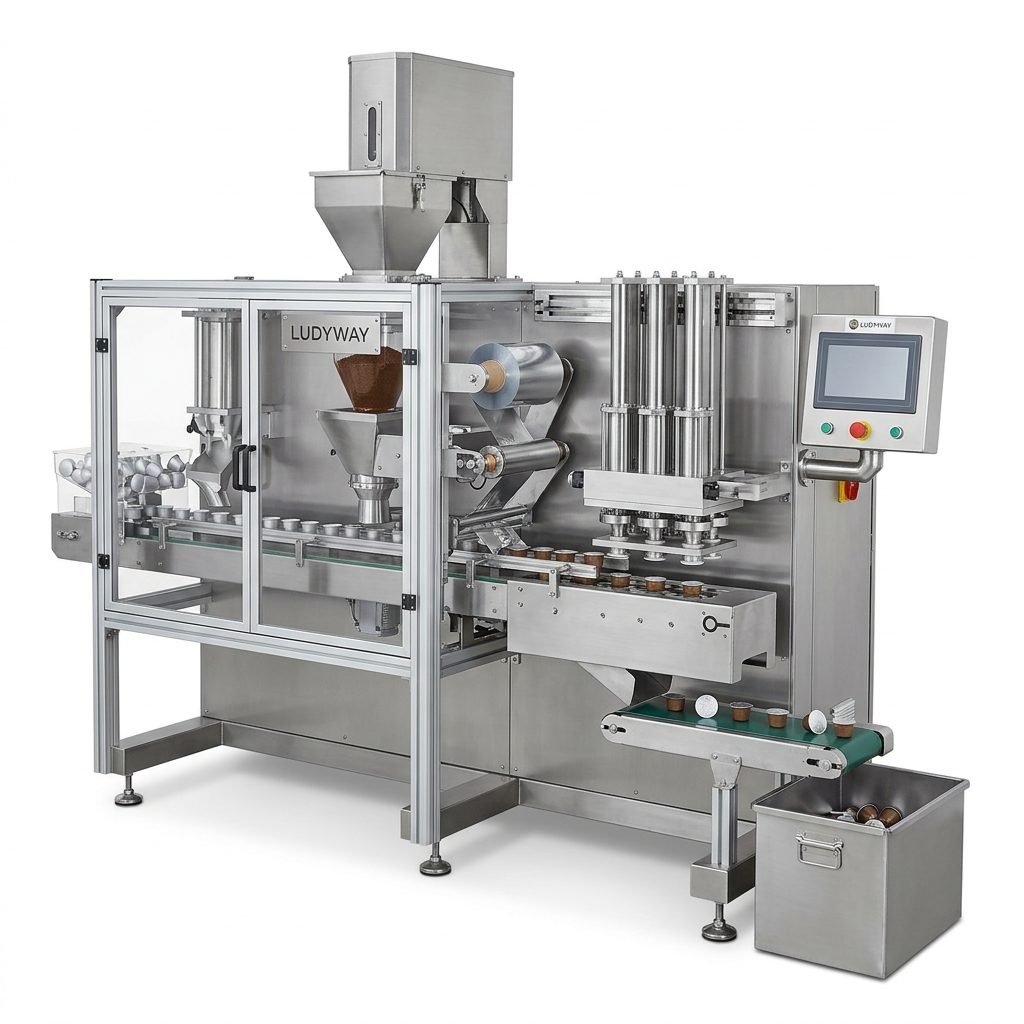
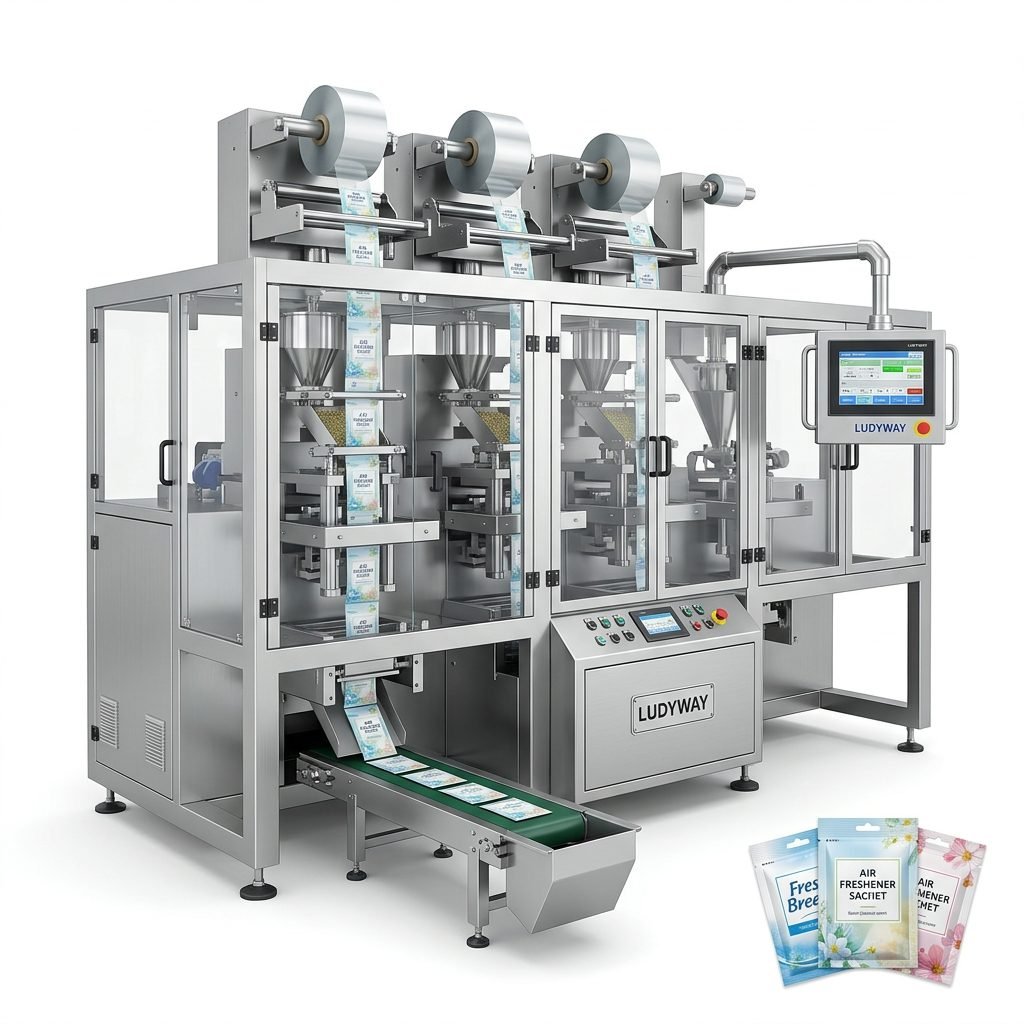
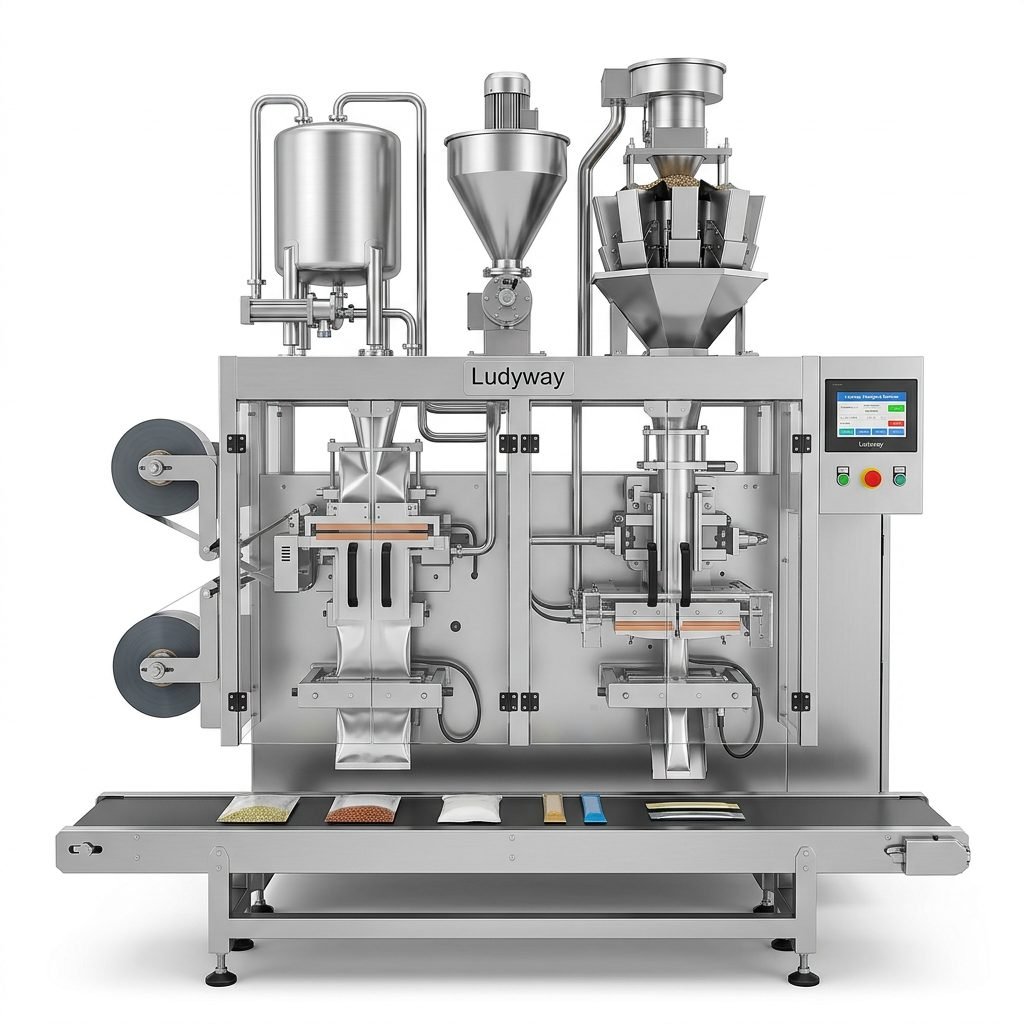
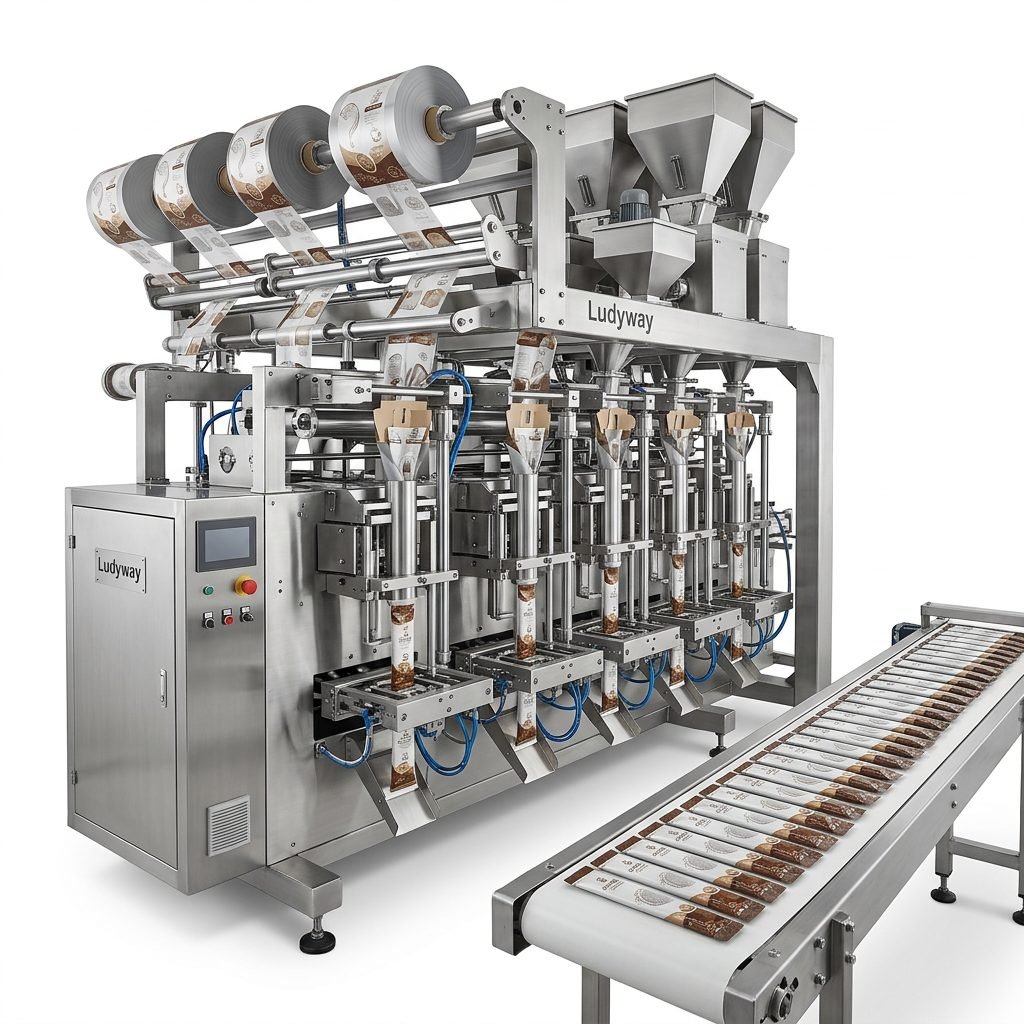
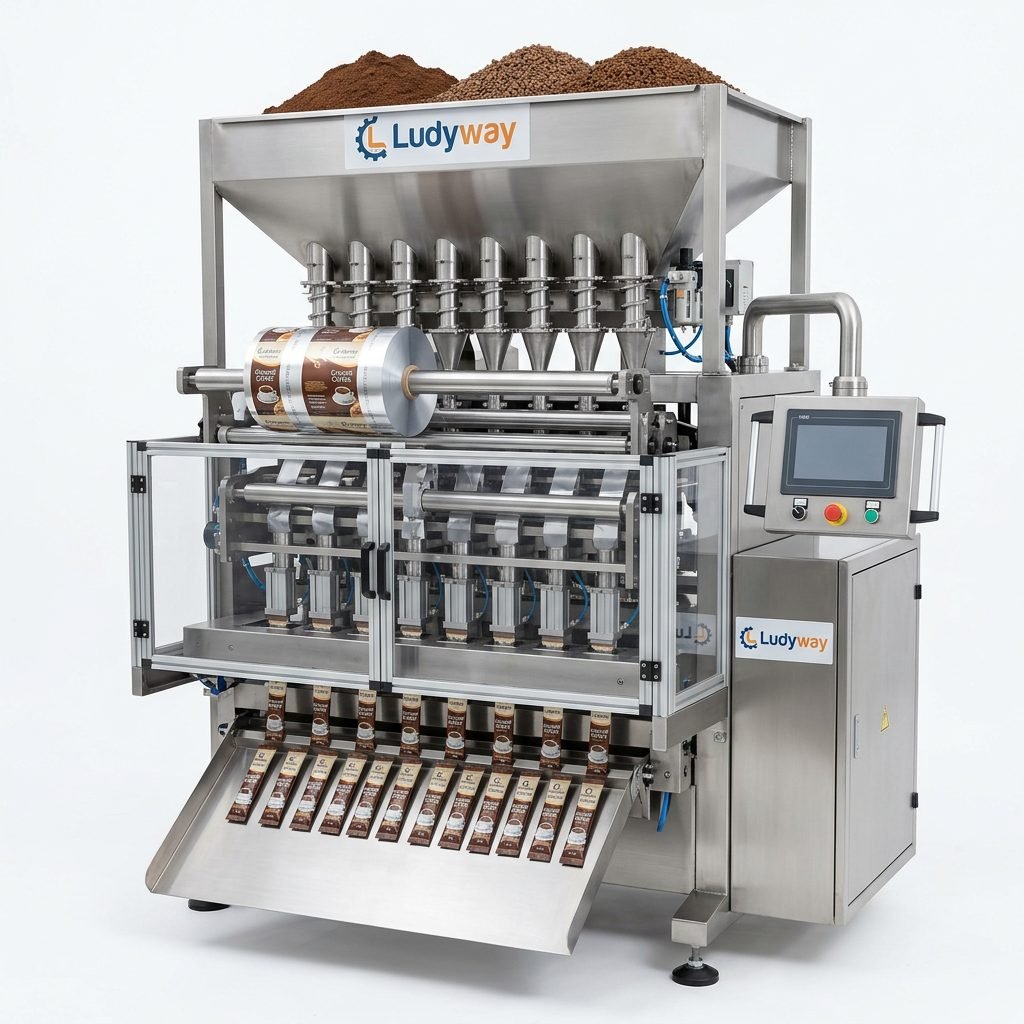
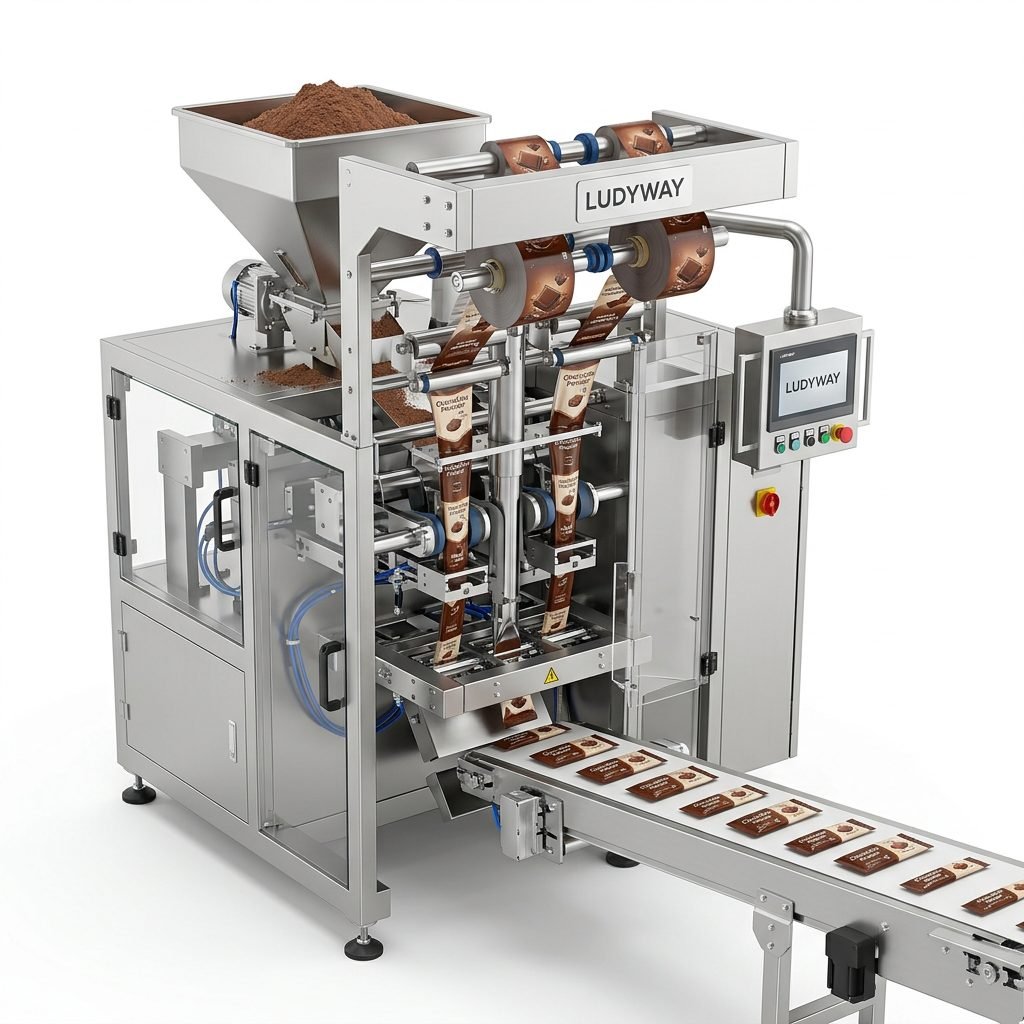
Proper maintenance is the backbone of reliable packaging operations. A well-maintained pillow packing machine ensures consistent seal quality, reduces unexpected downtime, and extends equipment life. Whether you run a single shift or a 24/7 line, these essential tips will help you achieve peak performance from your pillow packaging equipment.
Why Routine Maintenance Matters for Pillow Packing Machines
High-speed pillow packaging lines handle everything from dry foods to hardware parts. Without regular upkeep, components wear faster, film tracking drifts, and sealing defects multiply. A proactive approach prevents these issues before they escalate into costly repairs. According to PMMI’s State of the Industry reports, consistent maintenance routines directly correlate with higher overall equipment effectiveness (OEE) in packaging operations.
1. Daily Cleaning Regimen
Start every shift with a visual and physical clean. Dust, product residue, and film scraps accumulate quickly on forming tubes, sealing jaws, and film rollers.
- Remove debris from the sealing jaw area using compressed air and lint-free cloths.
- Wipe down the forming shoulder to prevent film snags.
- Check the film path for adhesive buildup or stray product particles.
- Clean the photoelectric sensor lens — dirt here causes erratic bag length variations.
Neglecting daily cleaning is a leading cause of creeping performance loss in pillow type packaging machinery. Make it a non-negotiable part of your operator checklist.
2. Weekly Inspection of Wear Components
Certain parts require frequent attention. Create a weekly walk-around focused on component condition:
| Component | What to Check | Common Indicators |
|---|---|---|
| Sealing Jaws | Teflon coating, flatness, temperature uniformity | Scratches, sticky residue, uneven heat marks |
| Film Rollers & Belts | Tension, surface wear, bearing noise | Squeaking, wobble, film slippage |
| Cutting Knives | Sharpness, alignment, clean cuts | Jagged edges, incomplete separation |
| Temperature Controllers | Calibration accuracy, response time | Fluctuation beyond ±2°C |
| Belts & Chains | Tension, elongation, lubrication | Slack, rust, visible wear on teeth |
Proactively replacing worn sealing jaws and dull knives prevents film jams and leaker packages that erode customer trust. Keep spare parts on hand for critical wear items — especially Teflon strips, heater cartridges, and thermocouples.
3. Monthly Lubrication and Motion System Checks
Precision motion systems demand clean, proper-grade lubrication. Over-greasing attracts contaminants; under-greasing accelerates wear. Follow the machine-specific lube chart and use only recommended oils and greases.
Lubrication Quick Checklist
- Linear guides: Clean old grease off first, then reapply fresh.
- Rotary unions and bearings: Listen for high-pitched sounds indicating dry operation.
- Chain drives: Use a brush to apply lubricant evenly; wipe excess to avoid attracting dust.
- Gearboxes: Check oil levels monthly; replace according to hours of operation.
Simultaneously inspect all pneumatic fittings, cylinders, and hoses. A pinhole leak wastes energy and causes intermittent jaw pressure drops, leading to inconsistent seal integrity. For food-grade operations, confirm all lubricants meet FDA and HACCP requirements.
4. Quarterly Calibration and Sensor Alignment
Sensors govern registration, temperature, and fill accuracy. Over weeks of vibration and thermal cycling, sensors drift. Quarterly calibration restores baseline precision.
- Film registration sensor: Verify eye mark detection consistency. A misaligned sensor creates random bag length errors.
- Thermocouples and RTDs: Compare displayed temperature against a calibrated reference thermometer at multiple setpoints.
- Load cells: Perform a zero and span calibration if your pillow packing machine integrates weighing.
- Proximity and safety switches: Confirm stop/start response times meet OEM specifications.
PMMI packaging industry resources offer detailed calibration frameworks aligned with ISO packaging standards. Document each calibration session — this data supports predictive maintenance and warranty compliance.
5. Semi-Annual Deep Electrical and Safety Review
Electrical systems often fail silently until a short circuit or ground fault halts production. Twice a year, a qualified technician should perform:
- Thermal imaging of panels and controls to identify hot spots from loose connections.
- Firmware and PLC backup — outdated software causes communication faults with upstream and downstream equipment.
- Emergency stop circuit verification and interlock testing on guard doors.
- Motor drive and VFD inspection for capacitor health and cooling fan operation.
This review aligns with ISO packaging standards and FDA food packaging requirements for food contact and worker safety compliance. Address any arc flash concerns, and ensure all electrical cabinets are sealed against moisture and dust ingress.
6. Film Handling and Storage Best Practices
Many pillow packing machine faults originate not from the machine itself, but from poorly handled film. Roll defects, static buildup, and incorrect storage conditions cost more in downtime than many mechanical failures.
- Store film rolls horizontally on racks designed to prevent flat spots and telescoping.
- Control humidity between 45% and 55% RH — high humidity causes film to stick; low humidity increases static.
- Always inspect roll edges before loading: nicks and dents snag in the forming collar and trigger film breaks.
- Match film gauge and COF (coefficient of friction) to machine specifications — film that is too slippery or too tacky defeats the film tracking system.
Operators should log film batch numbers. This simple step reveals whether recurring film tracking issues stem from machine misalignment or a specific film lot.
Operator Training and Common Mistakes to Avoid
Even the best maintenance program fails if operators lack training. Common errors include:
- Over-tightening film tension: This stretches film, distorts printed registration marks, and overloads drive motors.
- Ignoring alarm codes: Each alarm represents a data point. Suppressing alarms without root cause analysis hides developing problems.
- Using incorrect temperatures: Excessive heat carbonizes product onto jaws; insufficient heat creates weak seals prone to bursting.
- Skipping cool-down cycles: Abruptly powering off hot jaws accelerates Teflon degradation.
Invest in structured operator training and maintain a current troubleshooting guide at the machine station.
7. Digitalizing Maintenance Records
Paper logs are easily lost and hard to analyze. Transitioning to CMMS (computerized maintenance management system) software lets you:
- Track mean time between failures (MTBF) for each pillow packing machine component.
- Trigger automatic work orders based on cycle counts or calendar intervals.
- Correlate maintenance activities with production metrics to justify capital equipment upgrades.
Machine builders, including Ludyway, increasingly equip pillow packaging systems with remote monitoring and predictive maintenance modules that integrate directly with plant CMMS platforms. This connectivity reduces reaction time and informs spare parts inventory decisions.
8. When to Call a Professional Service Team
Certain tasks require factory-trained technicians: major overhauls, drive parameter recovery, welding head replacement, and full mechanical alignments. If you observe persistent vibration even after tightening, or seal temperature fluctuations after replacing heater cartridges, stop troubleshooting and call support. Continuing to run in these conditions damages expensive forming tubes and sealing jaw assemblies.
Summary Preventive Maintenance Schedule
| Frequency | Task | Owner |
|---|---|---|
| Daily | Clean jaws, rollers, and sensors; inspect film path | Operator |
| Weekly | Check wear parts; verify end seal and fin seal quality | Maintenance tech |
| Monthly | Lubricate motion systems; inspect pneumatics and tensioners | Maintenance tech |
| Quarterly | Calibrate sensors, thermocouples, and weigh cells | Lead technician |
| Semi-Annually | Electrical safety audit; PLC backup; drive inspection | Service engineer |
| Annually | Full mechanical realignment; replace belts, bearings as needed | OEM specialist |
Following this schedule transforms a pillow packing machine from a reactive headache into a predictable production asset. Downtime drops, seal quality stabilizes, and the cost per package trends downward. For expert service and high-performance pillow packaging machinery, Ludyway provides advanced packaging equipment backed by decades of engineering expertise and global support.