Investing in a dairy packaging machine is a critical decision that directly impacts product quality, shelf life, and operational efficiency. Whether you are packaging milk powder, liquid milk, yogurt, cheese, whey protein, or other dairy derivatives, selecting the right equipment requires a thorough understanding of your production needs, regulatory requirements, and available technologies. This comprehensive guide walks you through every essential factor to consider before making your purchase.
Understanding Dairy Packaging Requirements
Dairy products present unique packaging challenges due to their sensitivity to moisture, oxygen, light, and temperature fluctuations. Powdered dairy products such as milk powder and whey protein are highly hygroscopic and require barrier packaging to prevent clumping and spoilage. Liquid dairy items including milk, cream, and yogurt demand aseptic or ultra-clean filling environments to ensure microbiological safety and extended shelf life. Before evaluating machinery, clearly define your product characteristics, target shelf life, production volume, and packaging format preferences.
Types of Dairy Packaging Machines
The global market offers a diverse range of packaging machinery solutions tailored to dairy applications. Understanding the key categories helps narrow down your options effectively.
Powder Packaging Machines
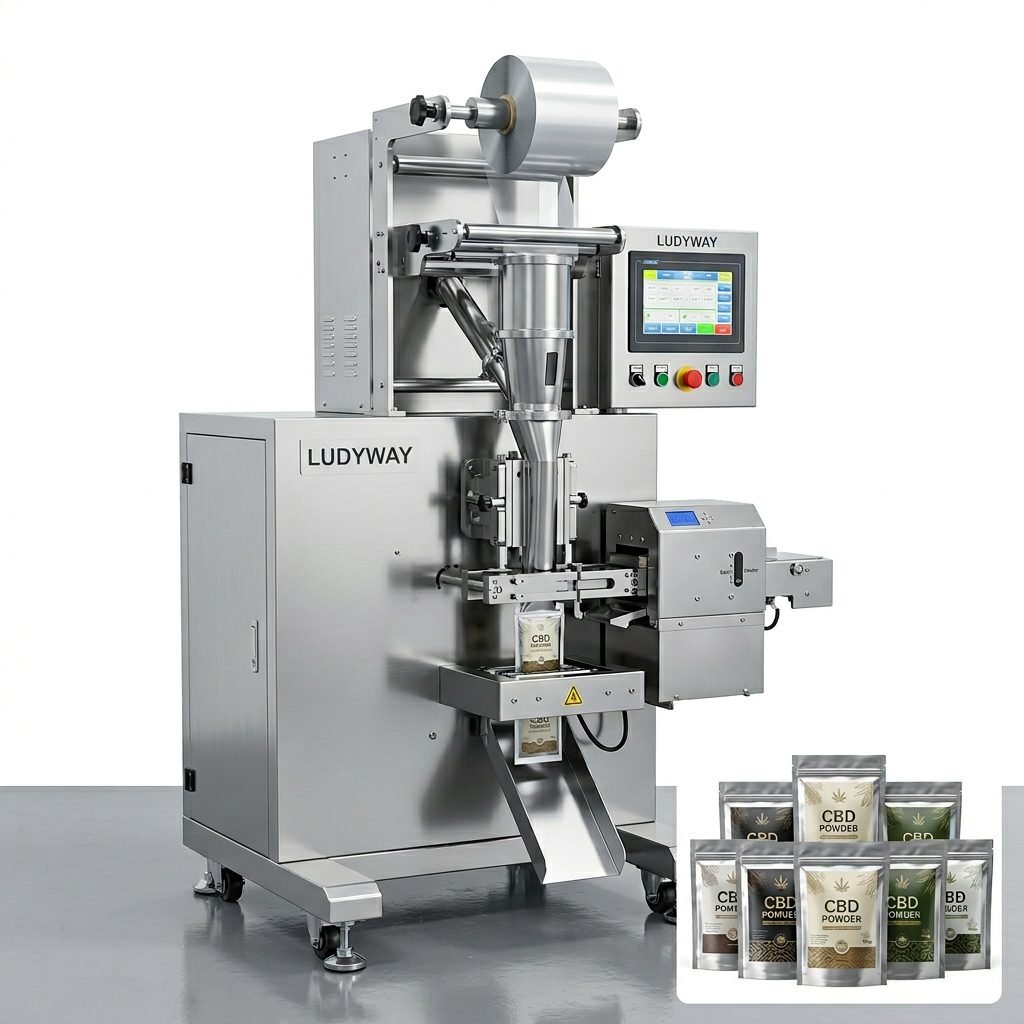
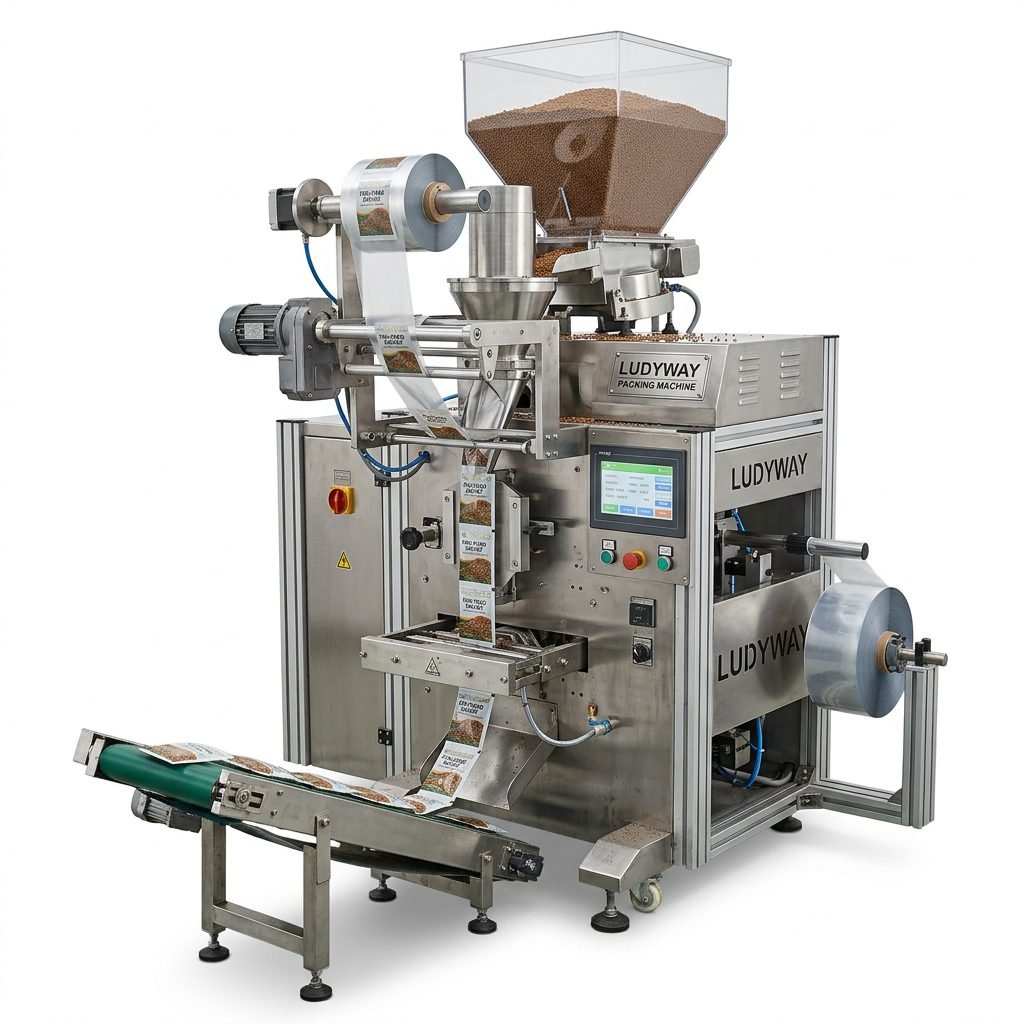
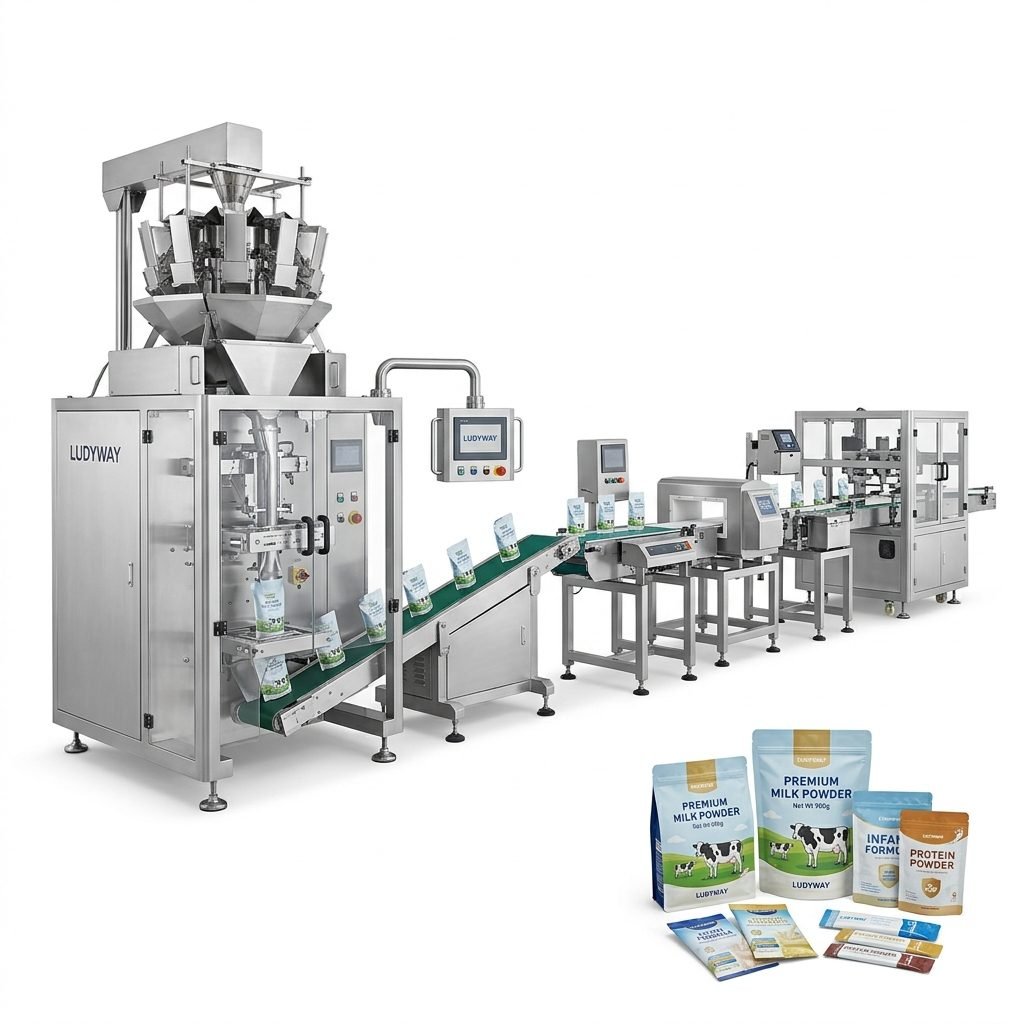
For milk powder, whey protein, casein, and other dry dairy ingredients, vertical form-fill-seal (VFFS) machines equipped with auger fillers or multi-head weighers are the industry standard. These systems deliver high accuracy for portion-controlled sachets, stick packs, and family-sized pouches. Advanced models feature nitrogen flushing capabilities to displace oxygen and preserve product freshness. The FDA food packaging regulations require that all food contact surfaces meet strict safety standards, making stainless steel construction essential.
Liquid Dairy Packaging Machines
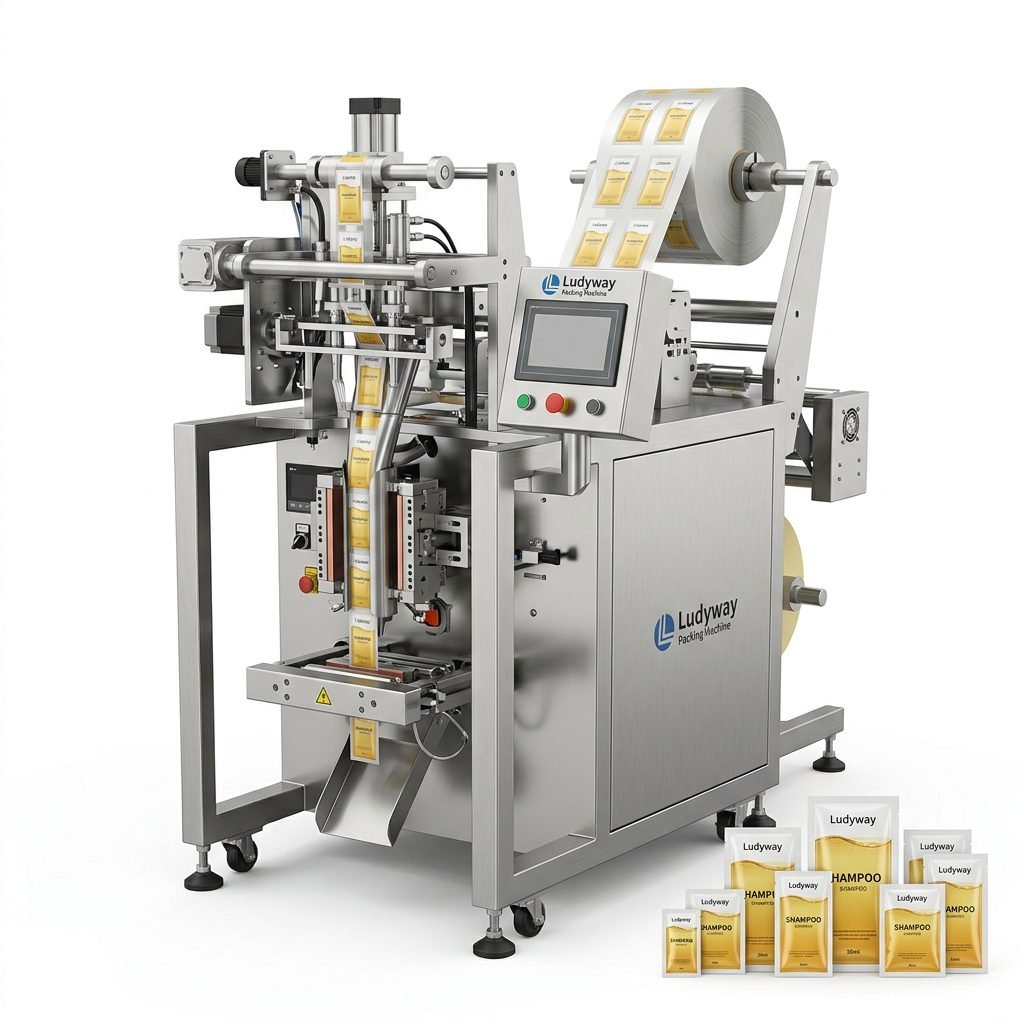
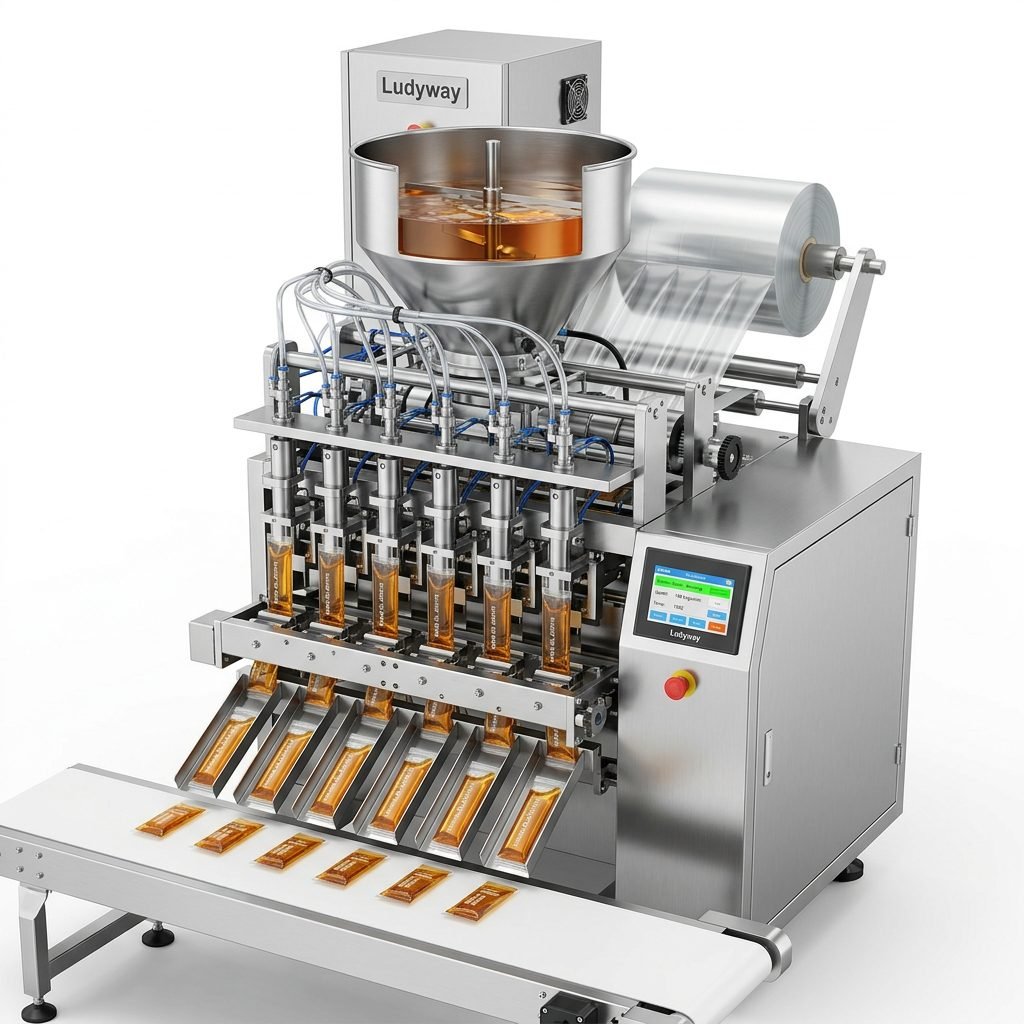
Liquid milk, flavored milk, cream, and yogurt drinks require specialized filling systems that maintain hygienic conditions throughout the filling process. Aseptic filling lines using UHT (ultra-high temperature) processing technology are commonly used for shelf-stable liquid dairy products. Pouch packaging machines for liquid dairy must incorporate precise volumetric or flow meter filling systems to ensure consistent portion control.

Stick Pack and Sachet Machines
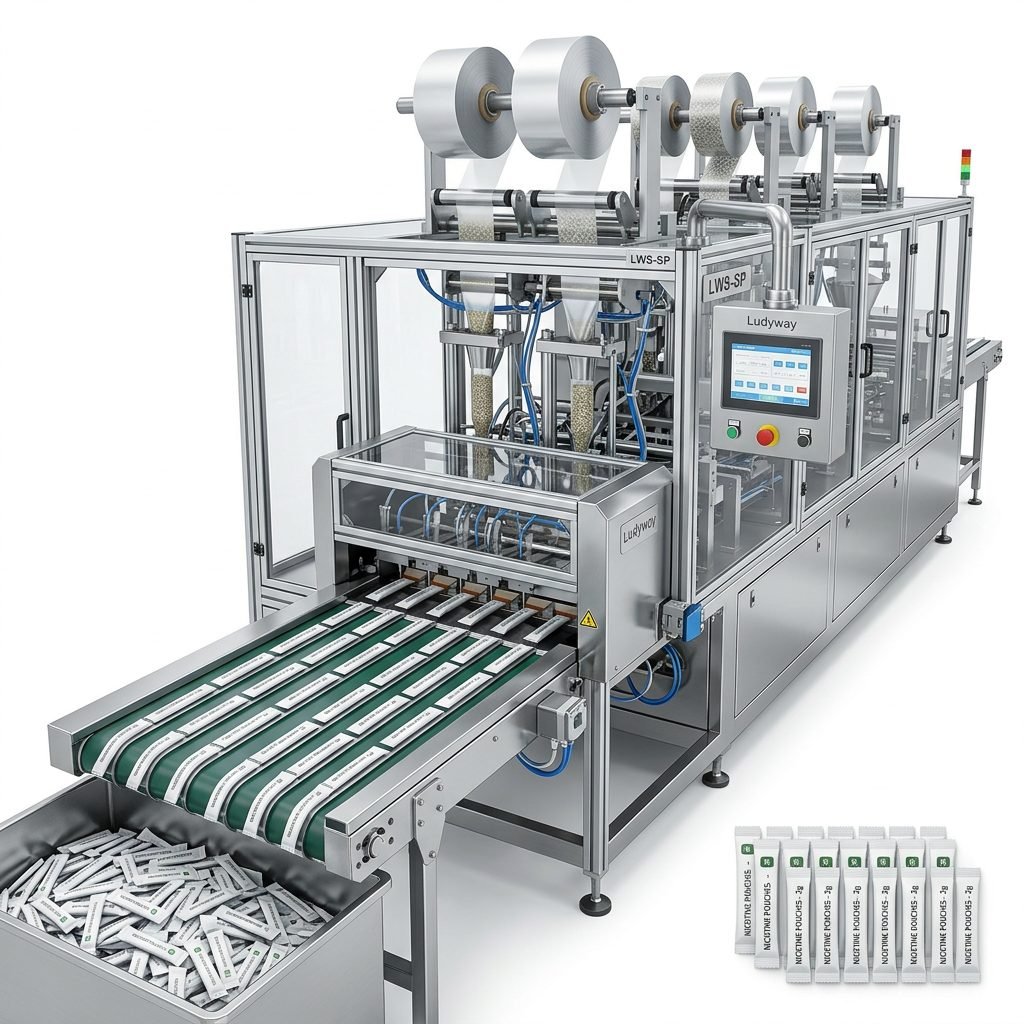
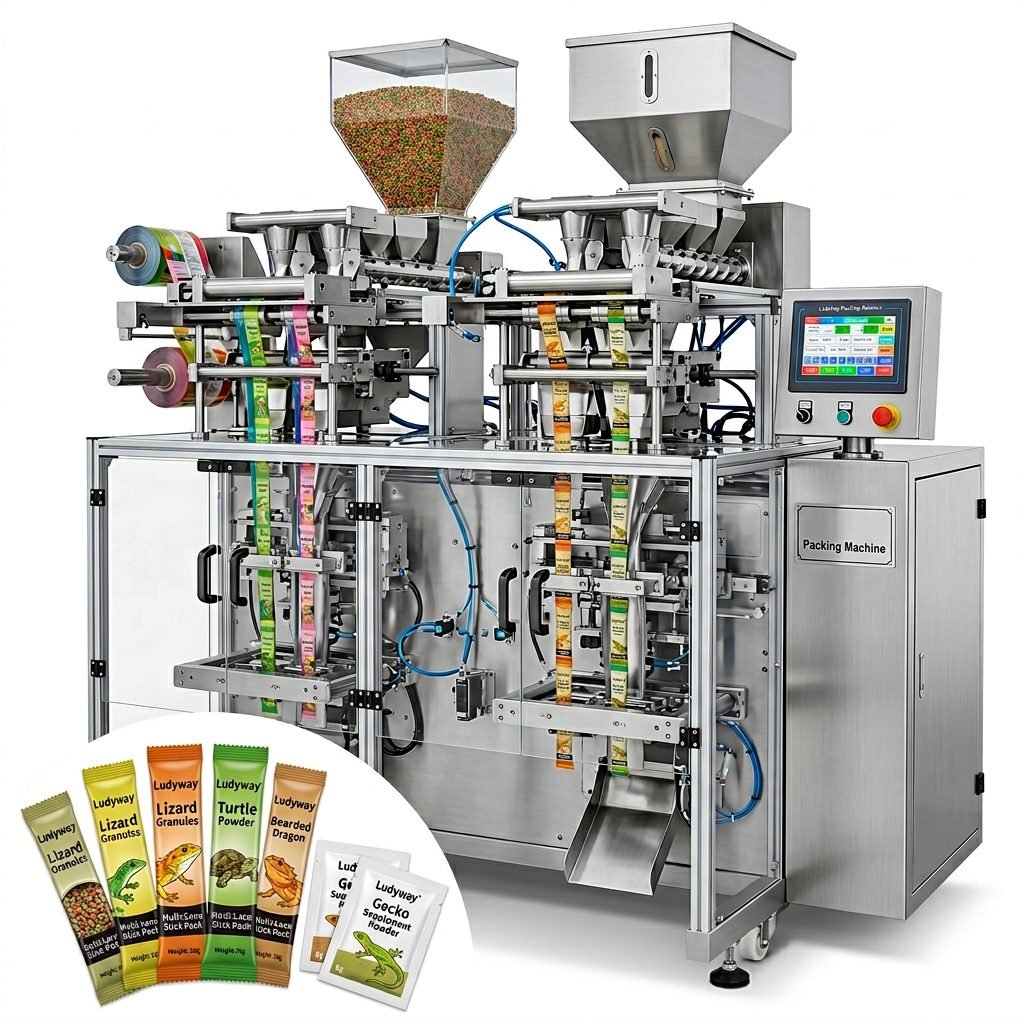
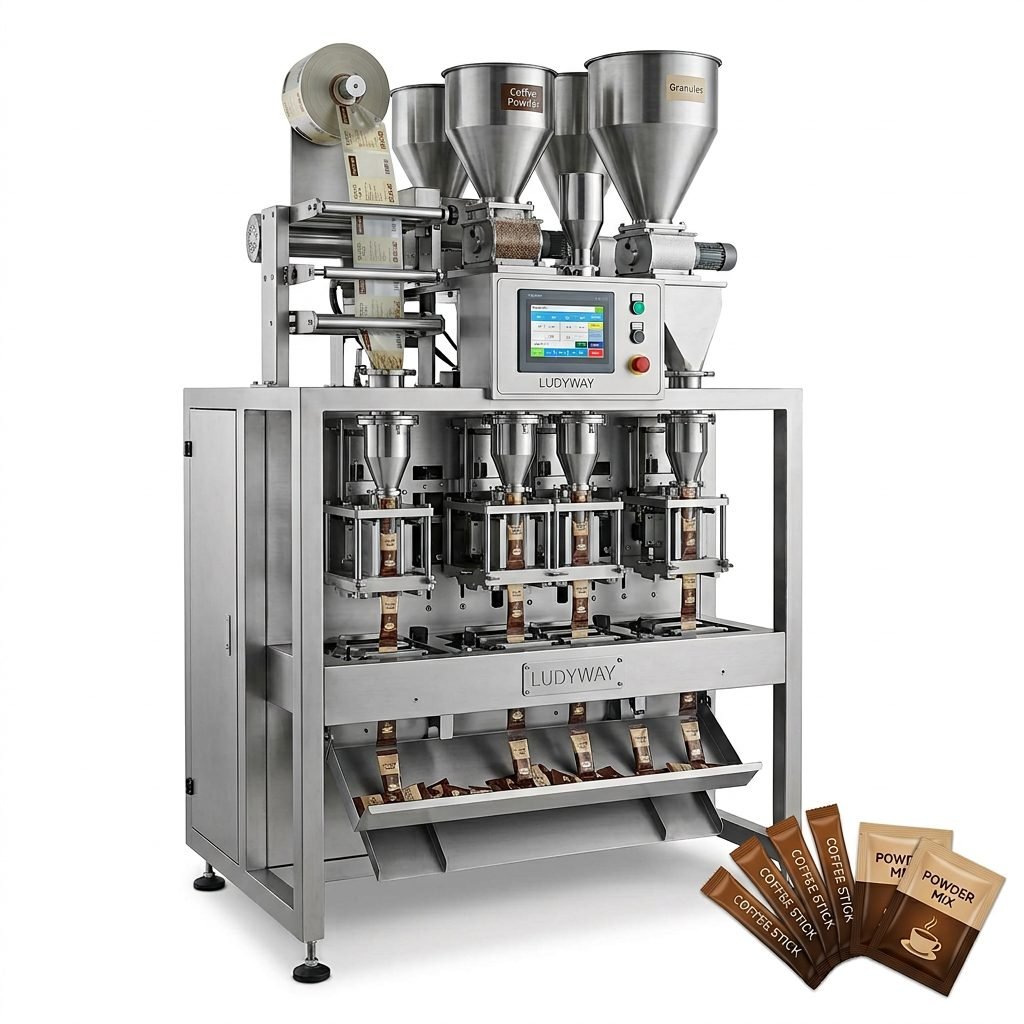
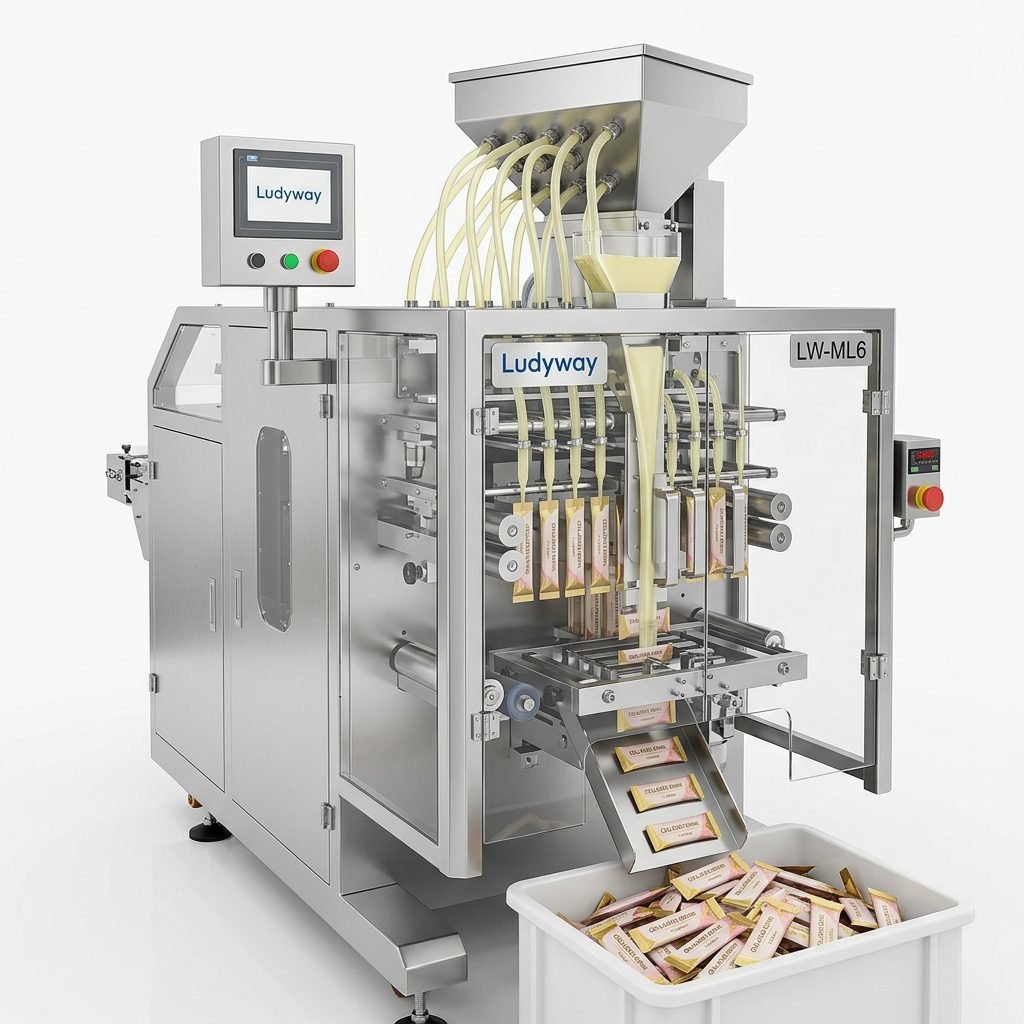
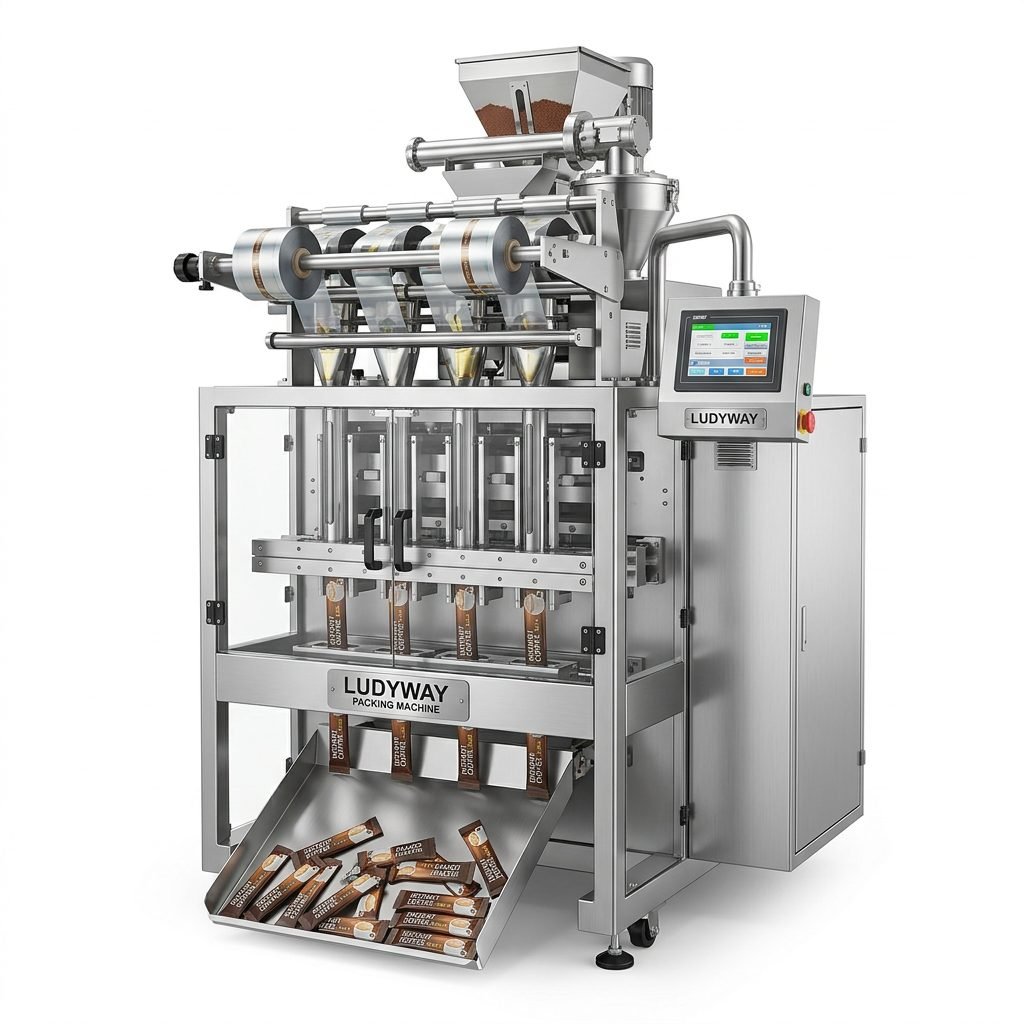
Single-serve stick packs and sachets have become increasingly popular for dairy-based products including coffee creamers, protein powders, and instant milk tea mixes. Multi-lane stick pack machines can produce up to 400–600 packs per minute across 4 to 12 lanes, making them ideal for high-volume production. These systems offer excellent portion control and are widely used in the food service and hospitality sectors.
Multi-Lane Packaging Systems
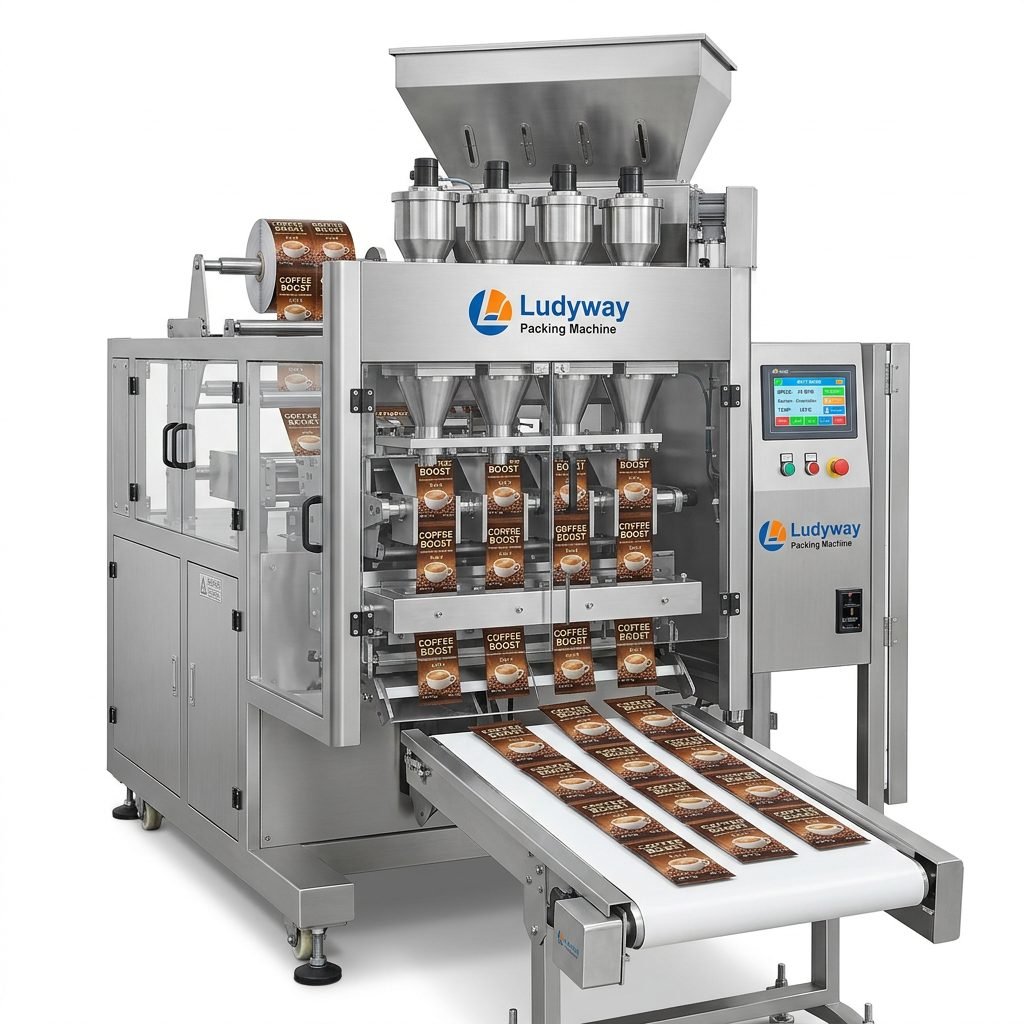
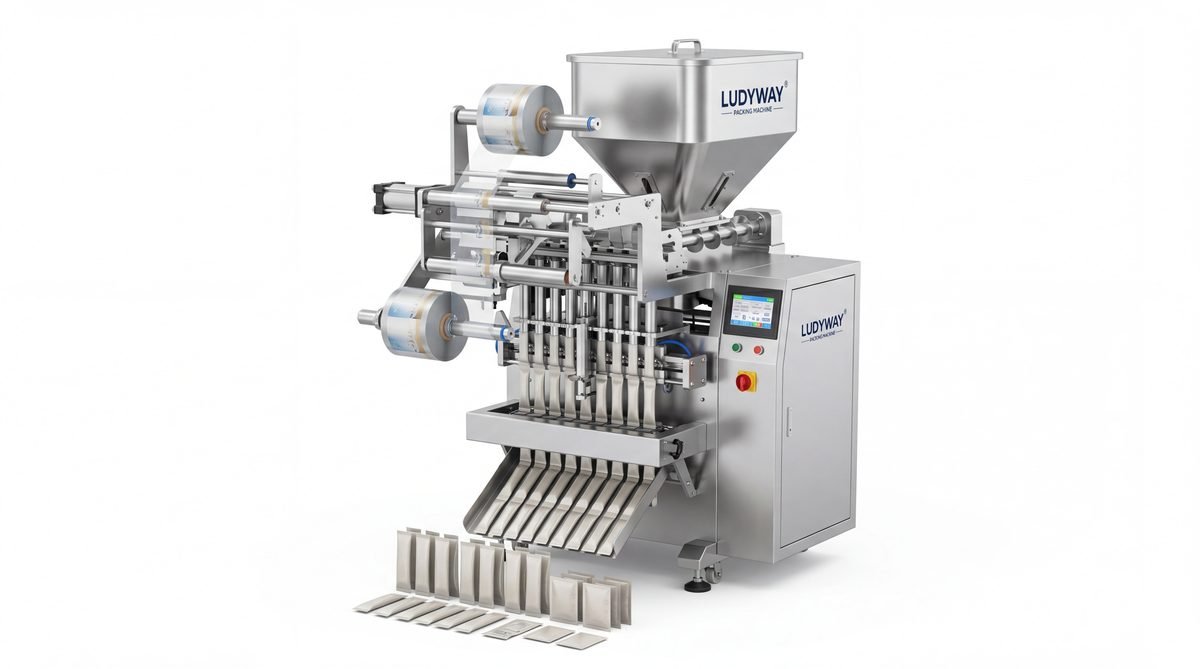
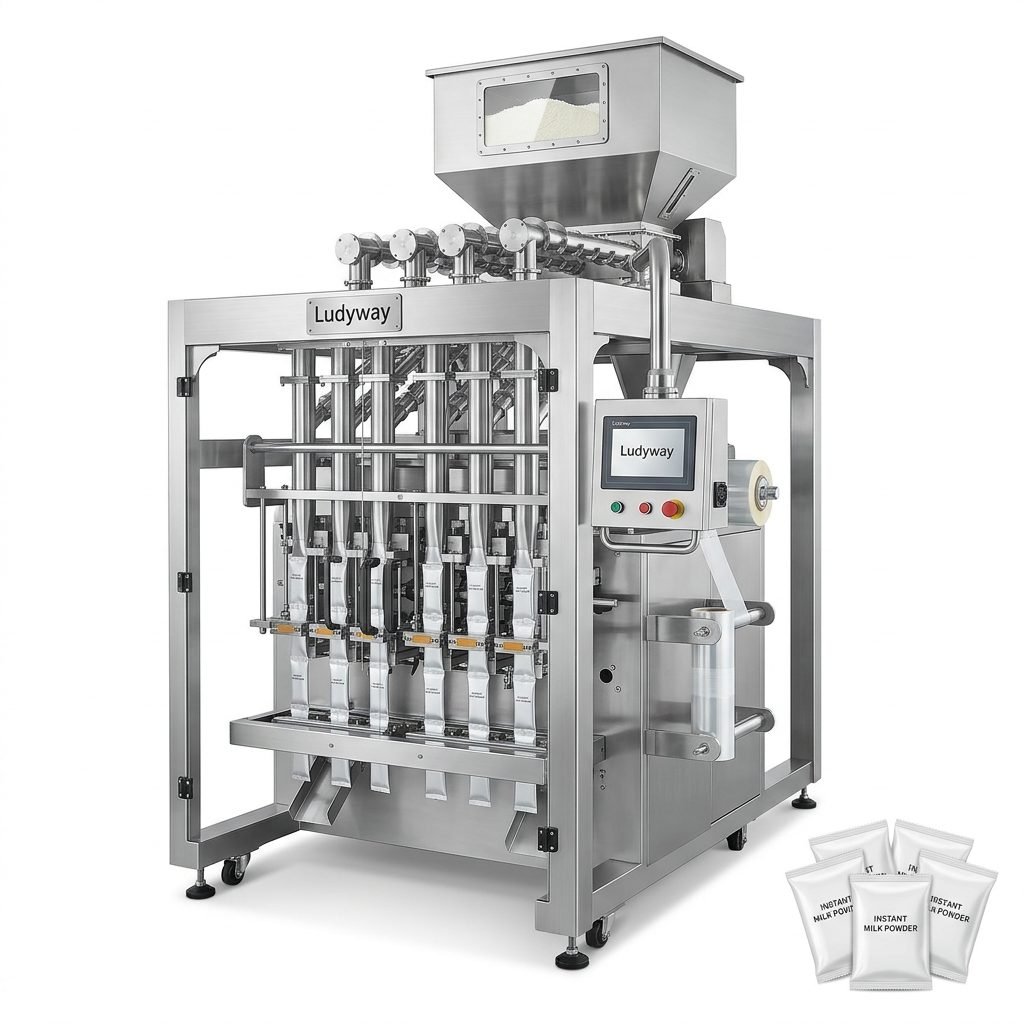
For manufacturers requiring high output, multi-lane packaging systems represent the most efficient solution. A multi-lane dairy packaging machine can simultaneously fill and seal multiple sachets or stick packs, dramatically increasing throughput while reducing per-unit packaging costs. These systems are particularly well-suited for milk powder, whey protein, and dairy-based supplement packaging where portion-controlled single servings are in high demand.
Key Factors to Consider When Purchasing
Selecting the right dairy packaging equipment involves evaluating multiple critical parameters. The following factors should guide your decision-making process:
- Product Compatibility: Ensure the machine is designed for your specific dairy product type — powder, liquid, granular, or semi-solid.
- Production Capacity: Match machine speed (packs per minute) with your current and projected output requirements.
- Packaging Format: Determine whether you need sachets, stick packs, pouches, bottles, or multi-format flexibility.
- Hygiene and Cleanability: Look for CIP (clean-in-place) compatible designs with smooth, crevice-free surfaces.
- Automation Level: Evaluate semi-automatic versus fully automatic systems based on labor availability and budget.
- Material Compatibility: Verify that the machine handles your preferred packaging films, including multi-layer barrier materials.
- Certification Compliance: Confirm adherence to ISO packaging standards and regional food safety regulations.
- After-Sales Support: Assess warranty terms, spare parts availability, and technical service responsiveness.
Comparing Dairy Packaging Machine Specifications
Different dairy applications demand distinct machine configurations. The table below provides a comparative overview of key specifications across common dairy packaging machine types:
| Machine Type | Best For | Speed Range | Key Feature |
|---|---|---|---|
| VFFS Powder Machine | Milk powder, whey protein | 30–80 packs/min | Auger filling with nitrogen flush |
| Aseptic Liquid Filler | Milk, cream, yogurt drinks | 50–200 packs/min | Ultra-clean filling environment |
| Multi-Lane Stick Pack | Creamers, protein powders | 200–600 packs/min | High output with multiple lanes |
| Premade Pouch Filler | Cheese, butter portions | 40–120 packs/min | Flexible pouch formats |
| Bottle Filling Line | Flavored milk, yogurt drinks | 60–300 bottles/min | Integrated capping and labeling |
Compliance and Hygiene Standards
Dairy packaging operations must comply with stringent food safety and hygiene regulations. Equipment should be constructed from food-grade stainless steel (typically AISI 304 or 316L) with sanitary design principles that prevent bacterial growth and facilitate thorough cleaning. Look for machines that meet FDA food contact substance requirements and relevant ISO certifications. In many markets, HACCP-compliant equipment design is a mandatory requirement for dairy processing facilities.
Total Cost of Ownership Analysis
When evaluating a dairy packaging machine, the purchase price is only one component of the total cost of ownership (TCO). Consider the following cost factors over the expected service life of 10–15 years:
- Initial capital investment including installation and commissioning
- Energy consumption and utility costs for operation
- Consumables and packaging materials ongoing costs
- Preventive maintenance and routine servicing expenses
- Spare parts inventory and replacement component costs
- Operator training and labor requirements
- Downtime costs associated with repairs and changeovers
Why Choose a Reliable Dairy Packaging Machine Manufacturer
Partnering with an experienced equipment manufacturer ensures access to proven technology, reliable after-sales support, and compliance with international standards. Ludyway is one of the largest packaging machine manufacturers in China, offering over 50 intelligent packaging machine models including multi-lane stick pack and sachet systems suitable for dairy powder and liquid applications. When evaluating suppliers, request factory audits, client references, and sample packaging demonstrations to validate machine performance with your actual products. Industry resources such as PMMI’s State of the Industry reports provide valuable market insights for informed decision-making.
Frequently Asked Questions
What is the best packaging machine for milk powder?
Vertical form-fill-seal machines with auger fillers or multi-head weighers are widely considered the best option for milk powder packaging. These machines offer excellent accuracy, can incorporate nitrogen flushing for extended shelf life, and support various packaging formats including sachets, stick packs, and pouches.
How much does a dairy packaging machine cost?
Costs vary significantly based on automation level, speed, and features. Entry-level semi-automatic machines may start around $15,000–$30,000, while fully automated multi-lane systems can range from $80,000 to over $300,000. Custom turnkey packaging lines with integrated filling, sealing, cartoning, and palletizing can exceed $500,000.
What certifications should a dairy packaging machine have?
Essential certifications include CE marking for the European market, FDA compliance for the U.S. market, and ISO 9001 for quality management systems. Machines should also comply with relevant food safety standards and be constructed from food-grade materials with sanitary design features.
How do I maintain a dairy packaging machine?
Regular maintenance includes daily cleaning of food contact surfaces, weekly inspection of sealing components, monthly lubrication of moving parts, and quarterly calibration of filling systems. Establishing a preventive maintenance schedule with your equipment supplier is strongly recommended to maximize uptime and extend machine service life.
Additional Resources
For further reading on packaging industry trends and best practices, explore the following authoritative resources: