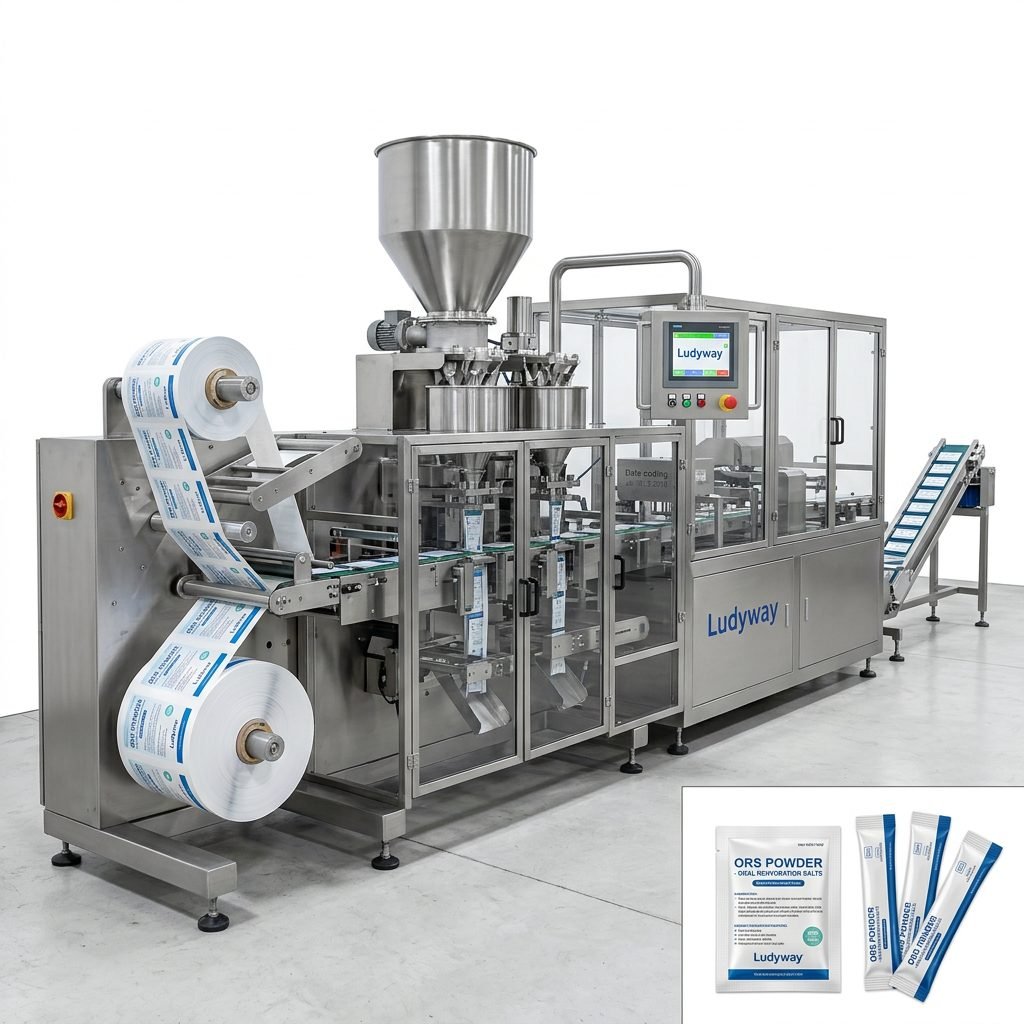
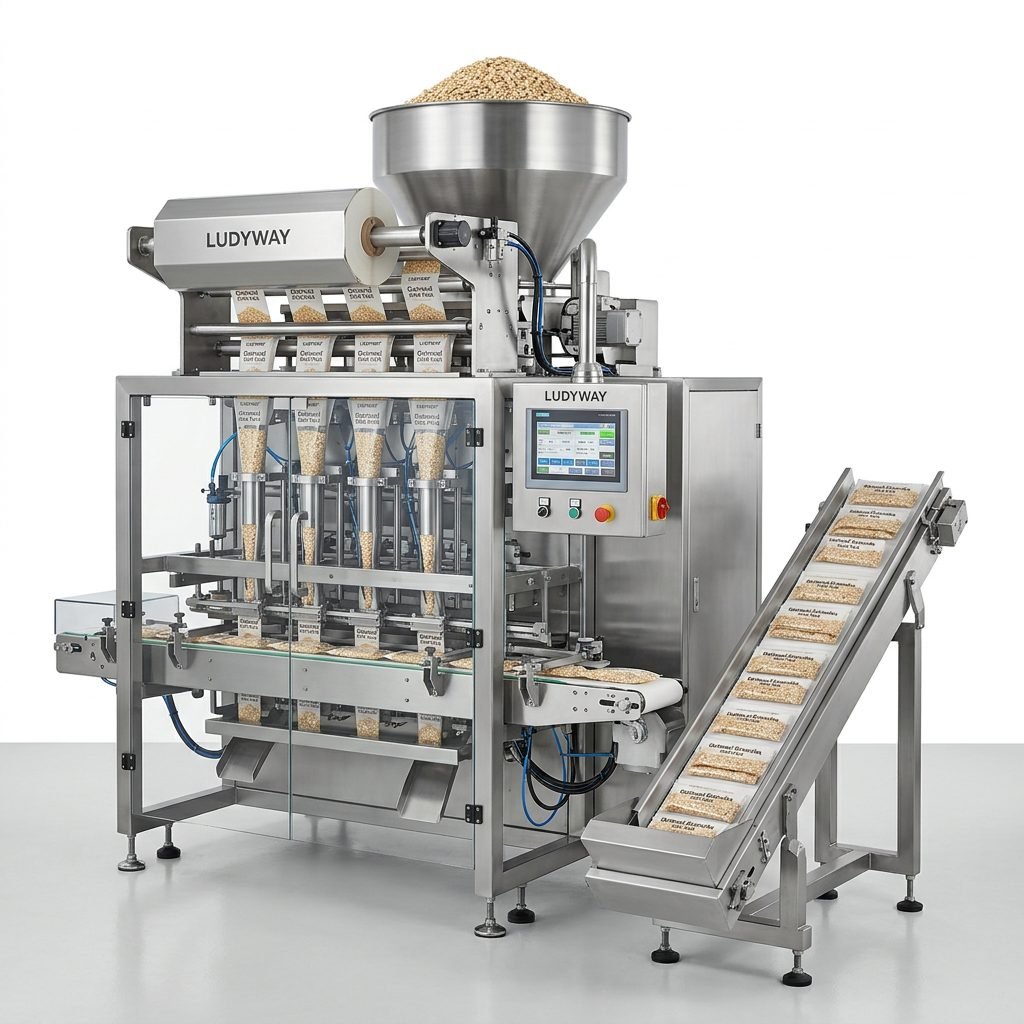
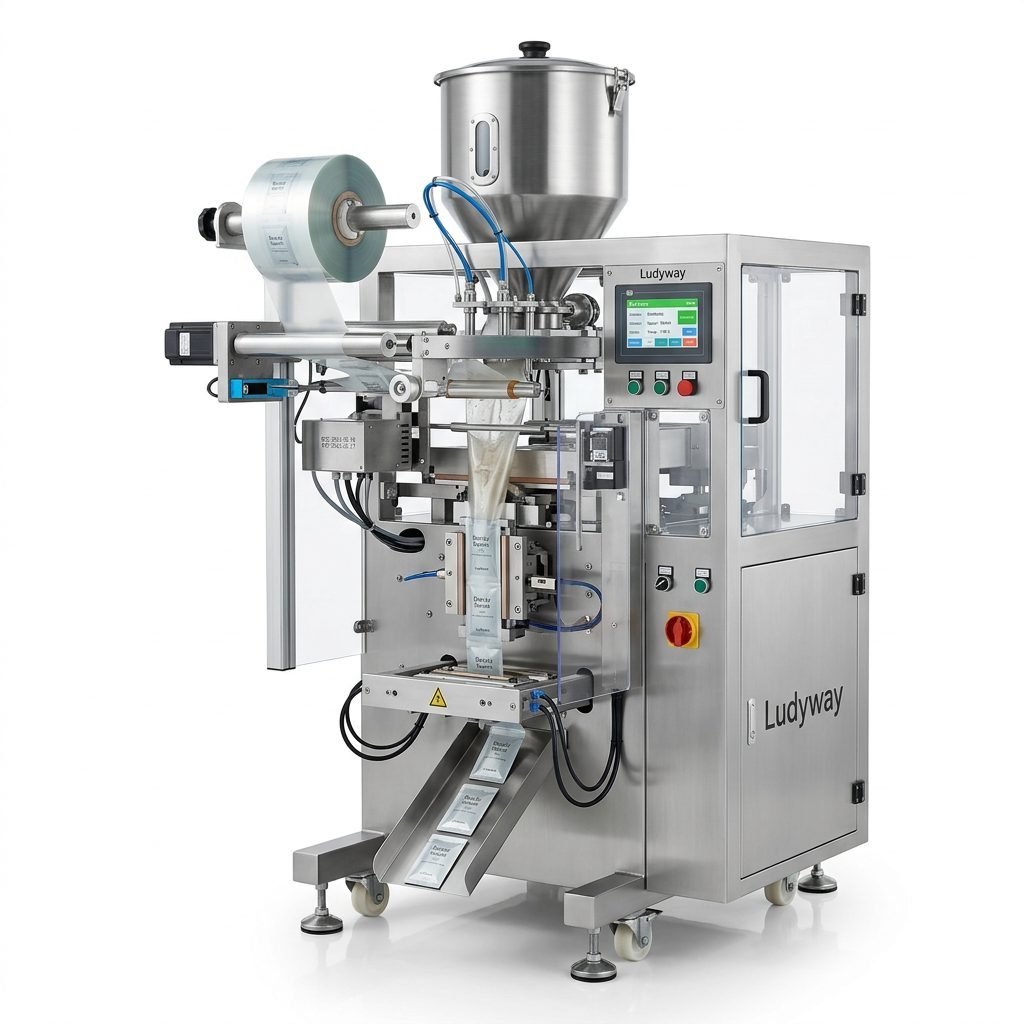
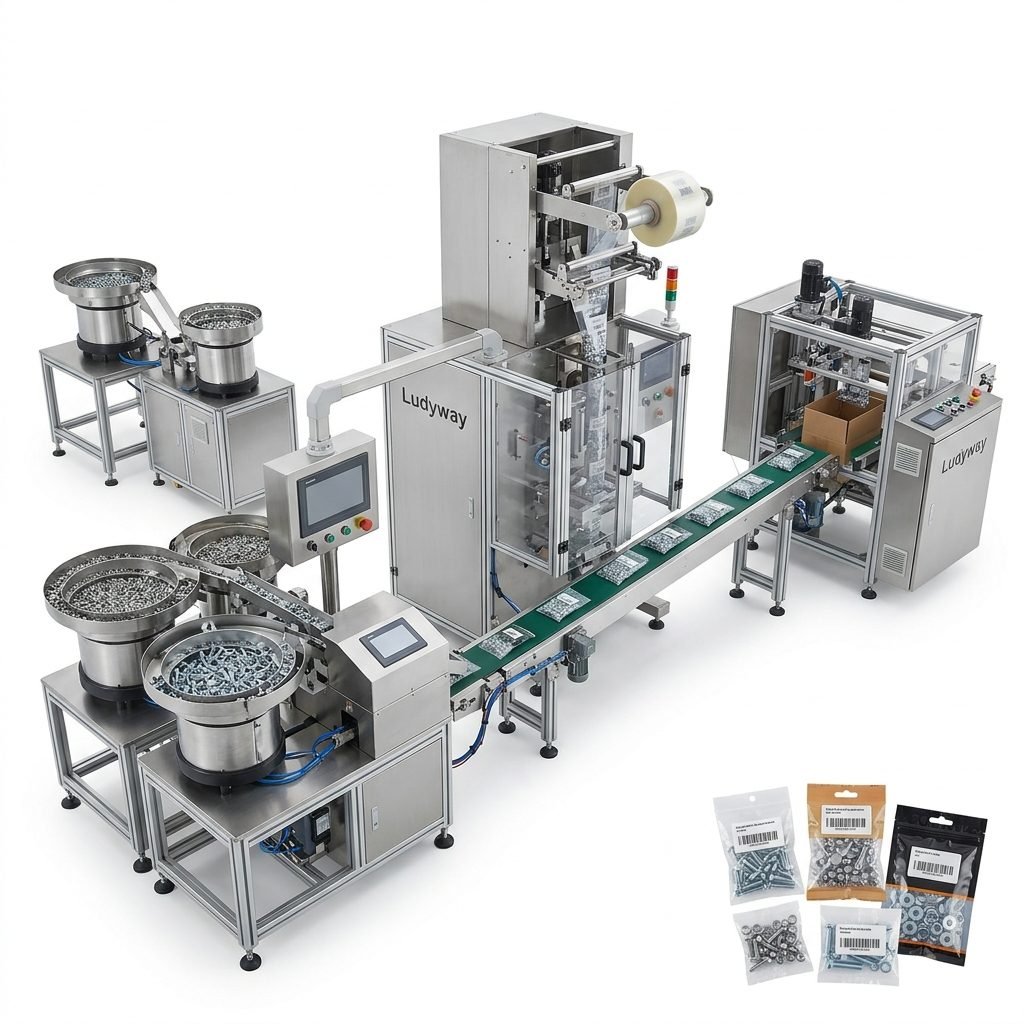
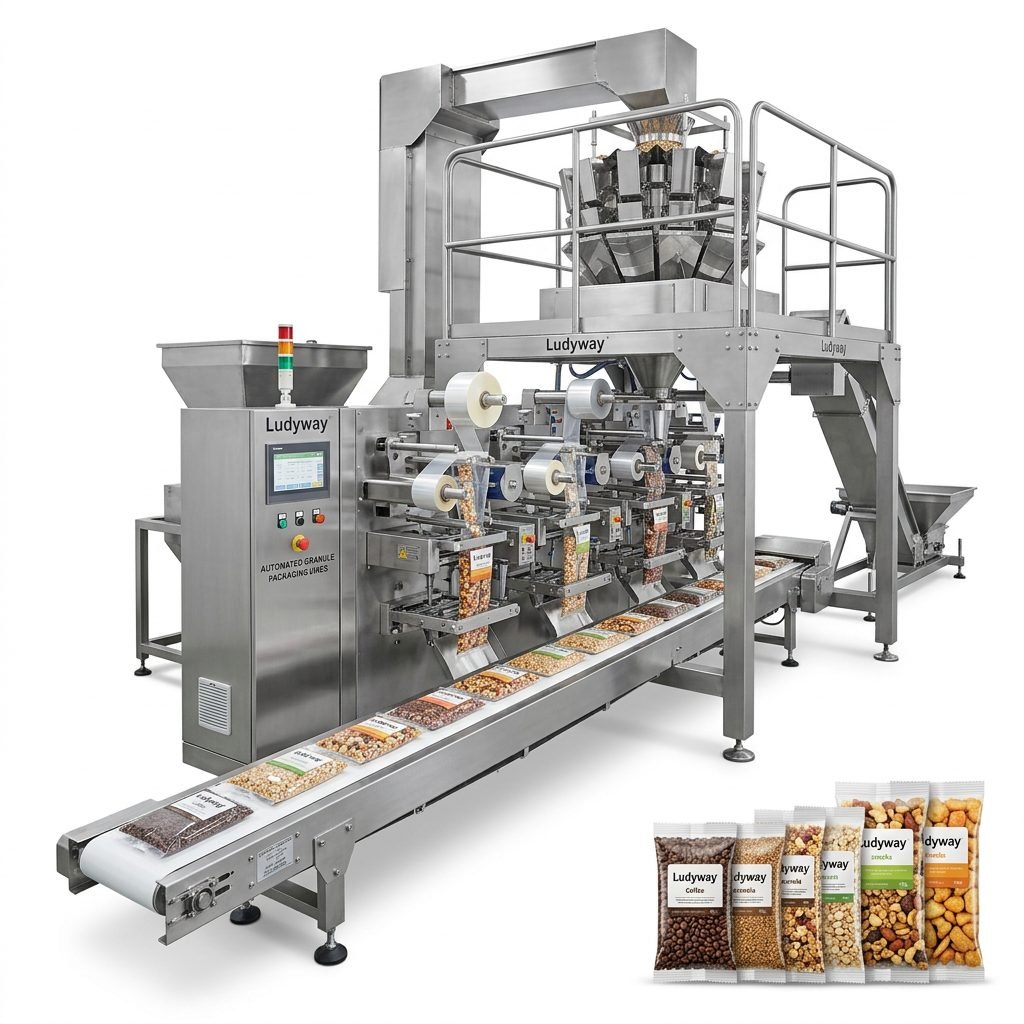
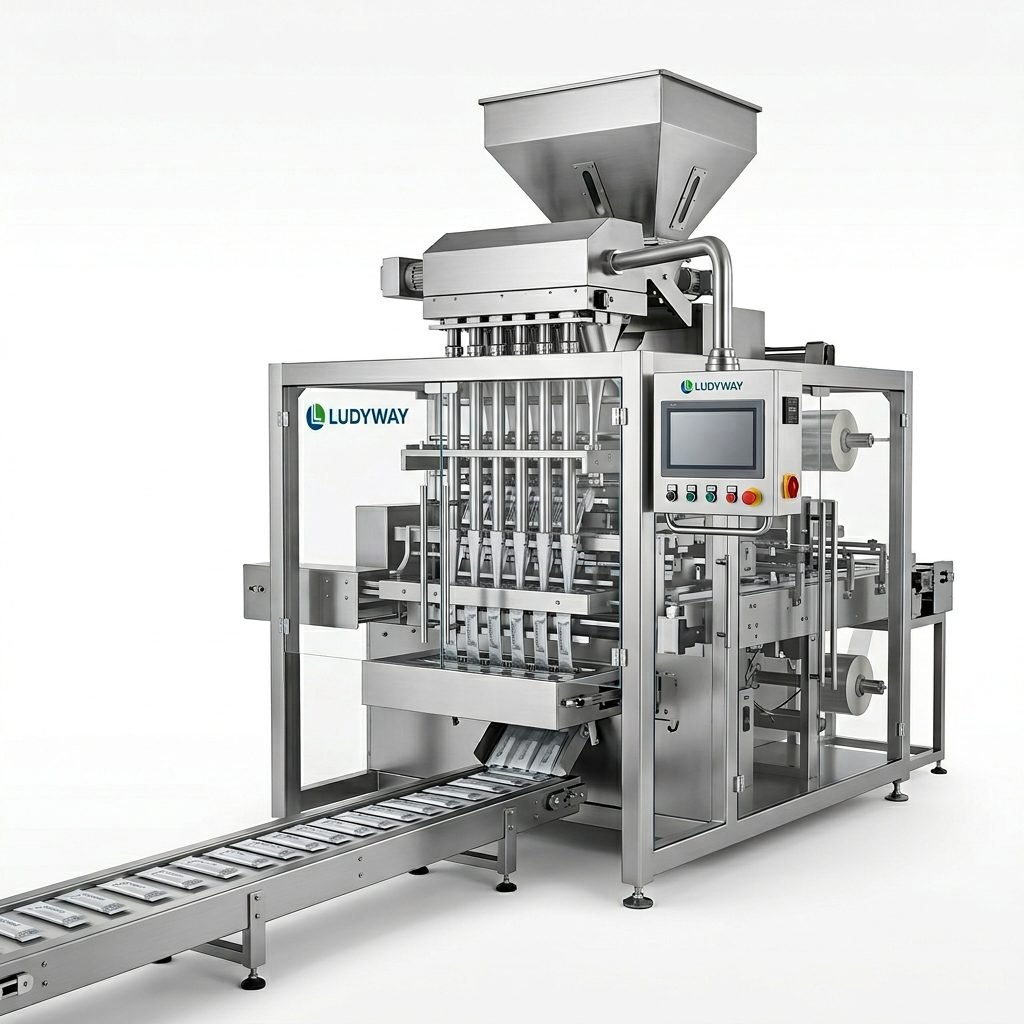
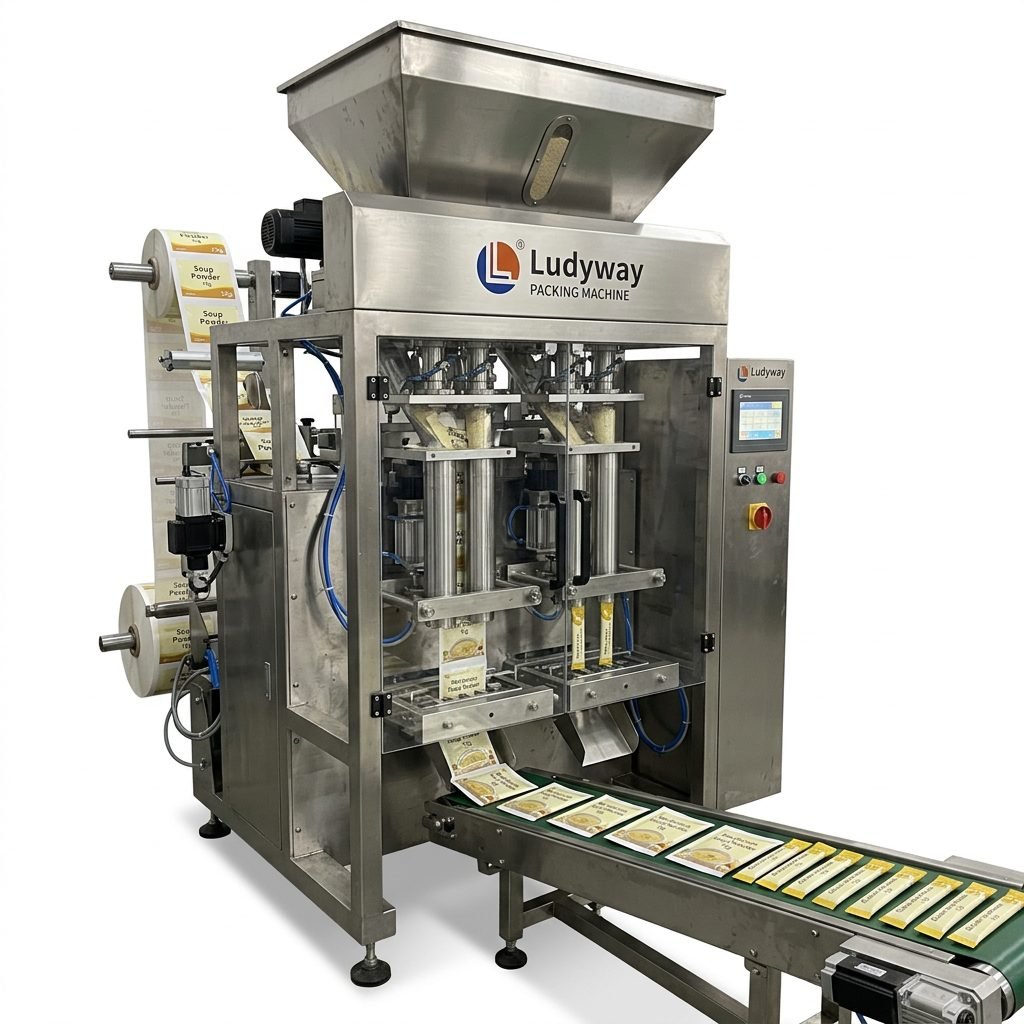
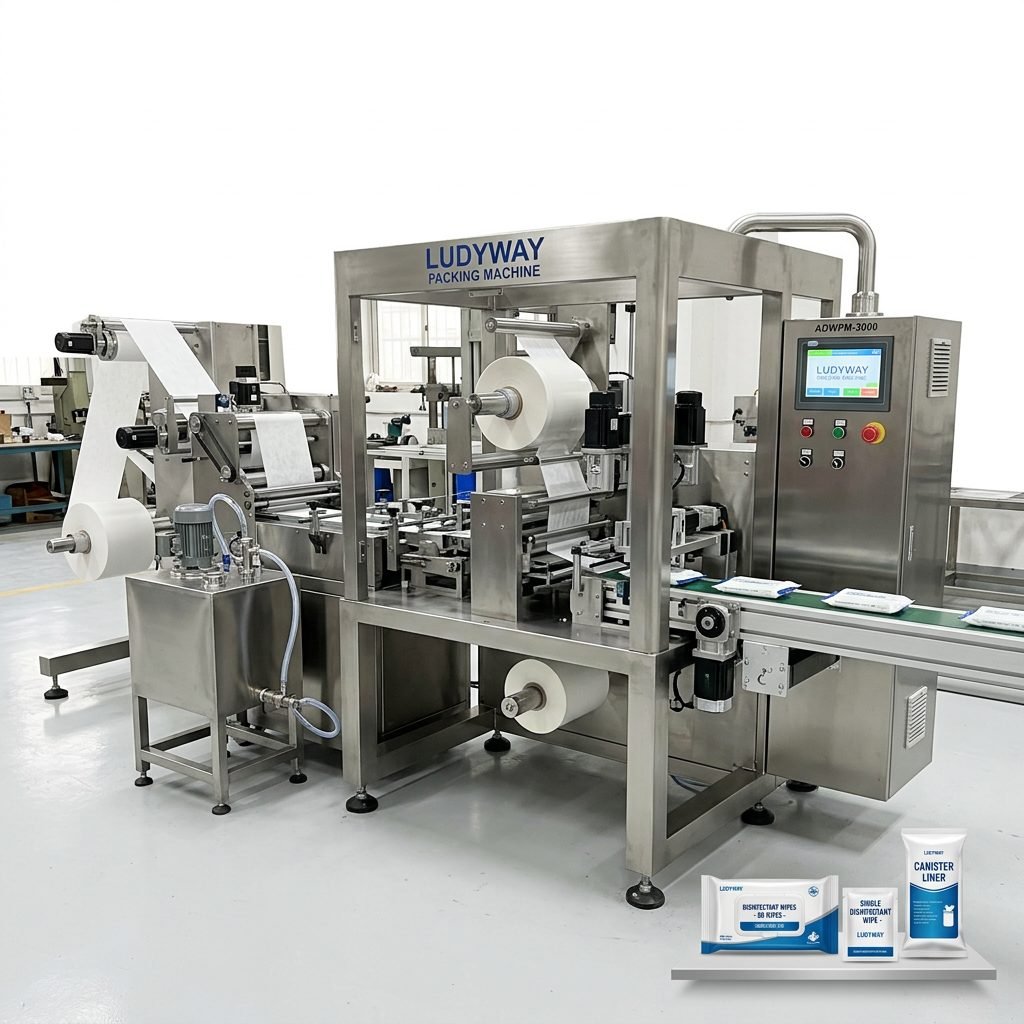
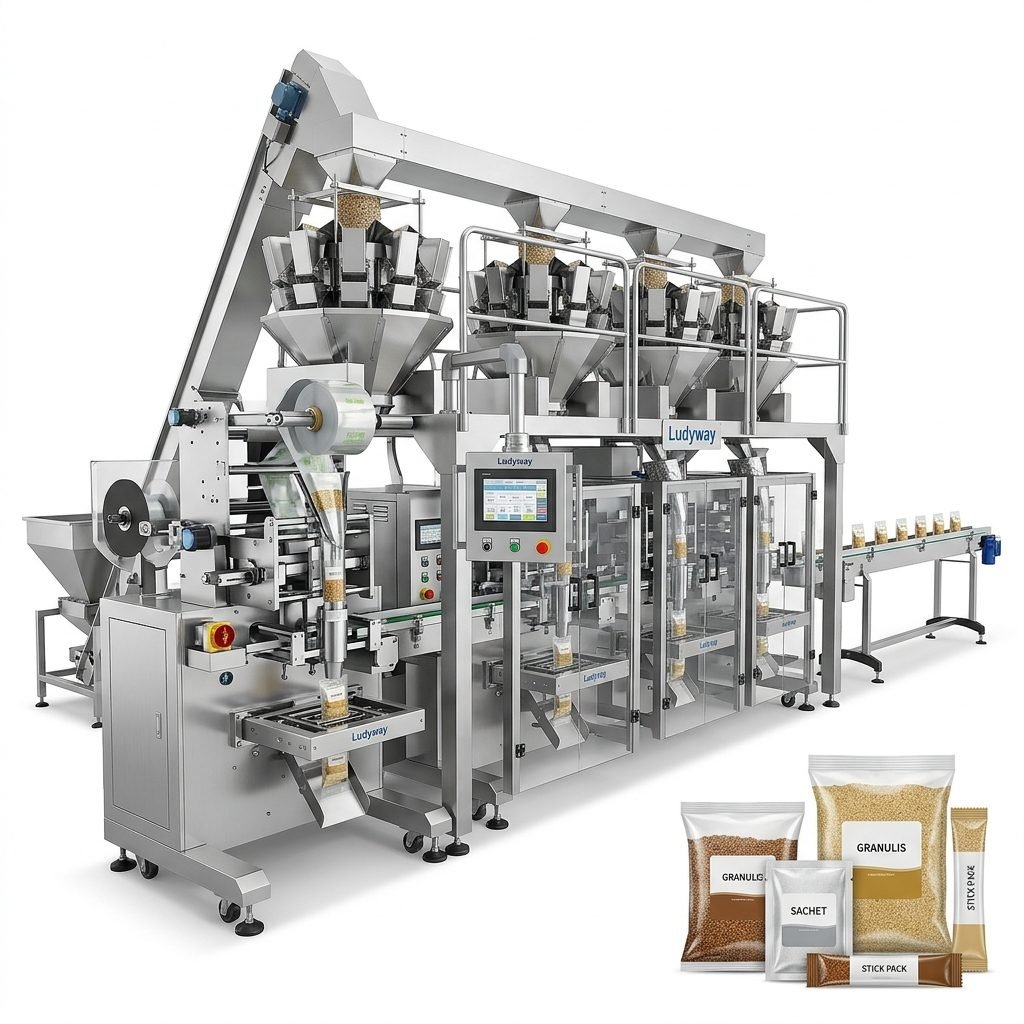
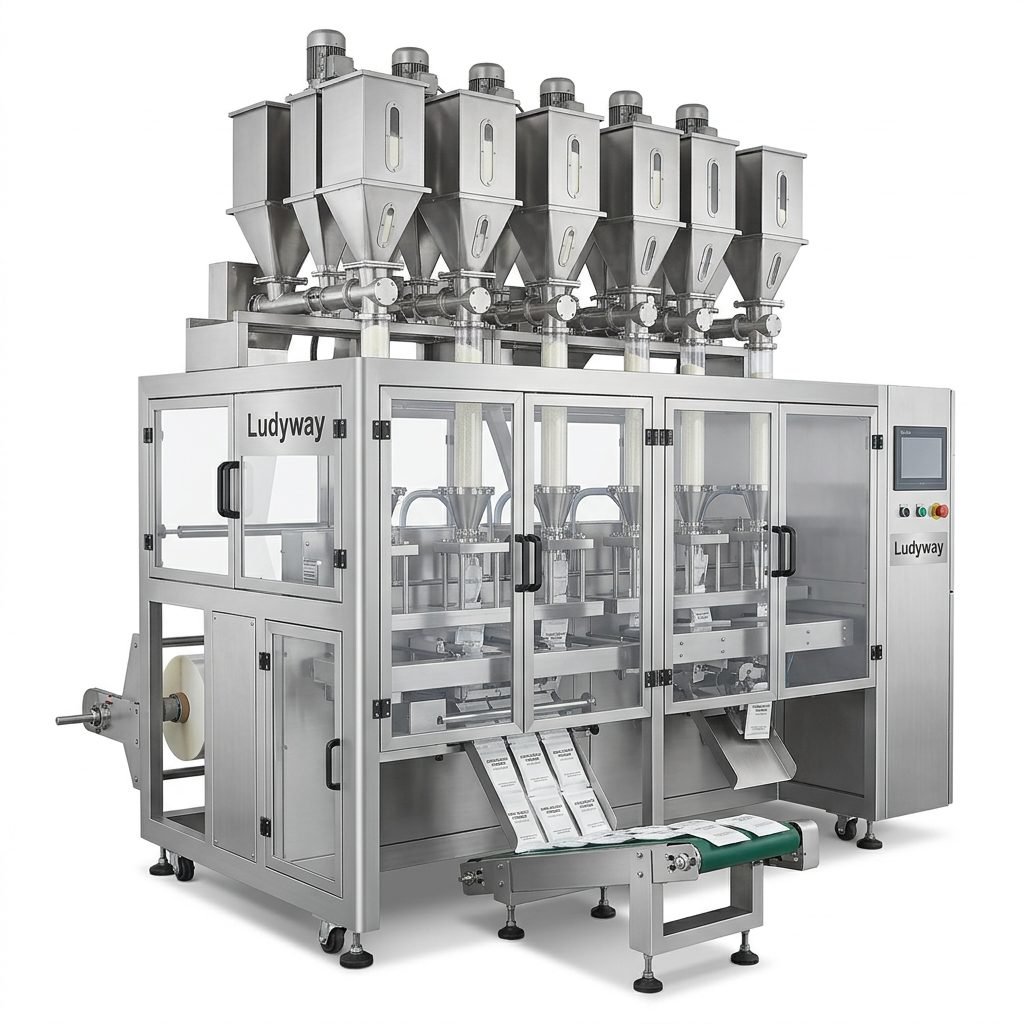
The global market for tea cold drink packaging machines has expanded rapidly as ready-to-drink (RTD) tea beverages, instant tea powders, and cold brew tea sachets gain popularity worldwide. Whether you are a startup launching a new tea brand or an established manufacturer scaling production, understanding the cost structure behind these machines is critical to making a smart investment. This guide breaks down the key factors that influence pricing, typical price ranges, and what to expect when budgeting for your packaging line.
Why Tea Cold Drink Packaging Requires Specialized Machinery
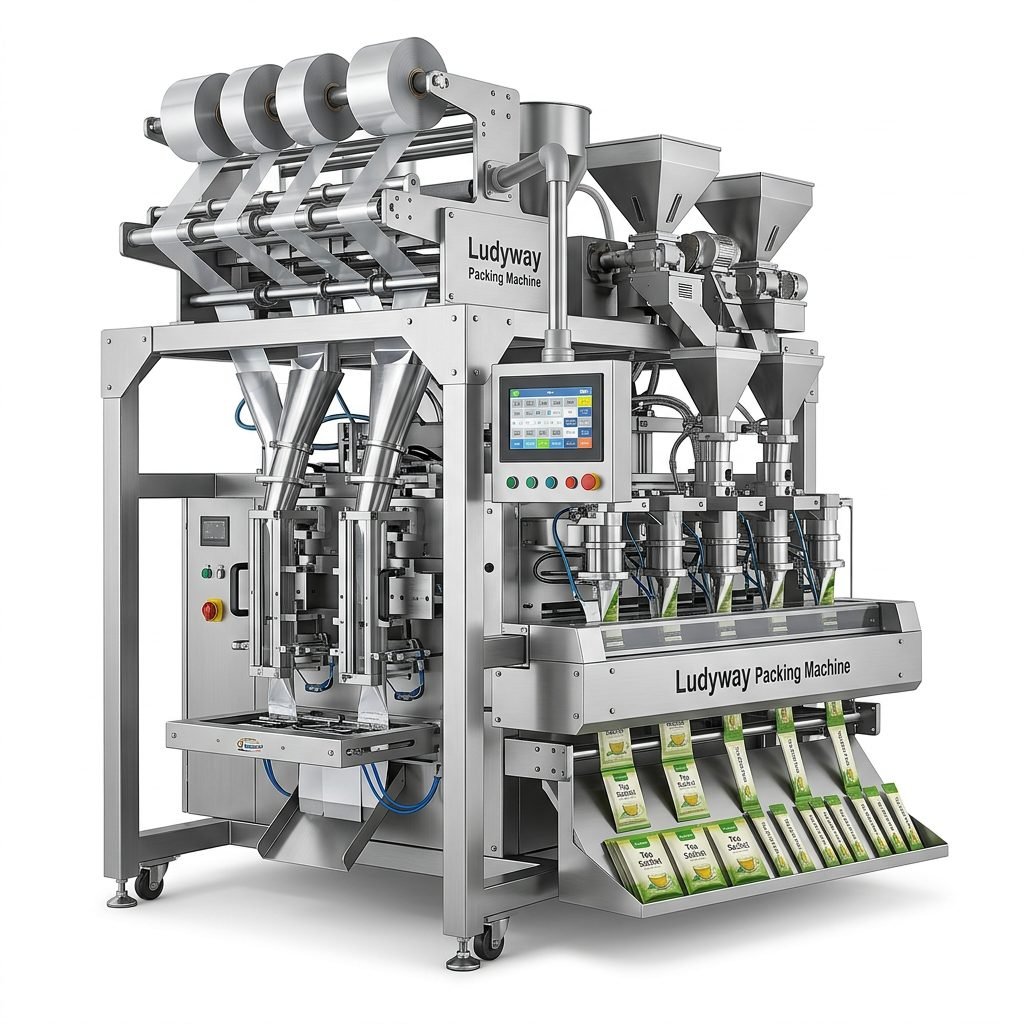
Tea-based cold drink products come in various forms—loose leaf tea granules, instant tea powder, liquid tea concentrate, and cold brew sachets. Each format demands specific filling and sealing technologies. For example, a multi-lane stick pack machine designed for granule tea powder may not be suitable for liquid tea concentrates without significant modification. Understanding your product’s physical characteristics is the first step toward identifying the right packaging machine and accurately estimating costs.
Key Factors That Influence Tea Cold Drink Packaging Machine Price
No two packaging projects are identical, and price variation can be substantial depending on several technical and commercial factors. Below are the most significant cost drivers you need to evaluate before requesting a quotation.
Machine Type and Packaging Format
The packaging format you choose directly impacts machine complexity and cost. A basic single-lane sachet machine for tea powder starts at a lower price point, while a fully automated multi-lane stick pack system with integrated counting, cartoning, and palletizing can multiply the investment several times over. Common formats for tea cold drink products include:
- Stick packs — ideal for single-serve instant tea powder and cold brew granules
- Sachets — popular for larger portions of iced tea mix or herbal tea blends
- Liquid pouches — used for ready-to-drink tea concentrates and cold brew liquid
- Tea bag-style sachets — for herbal cold brew and fruit tea blends
Speed and Production Capacity
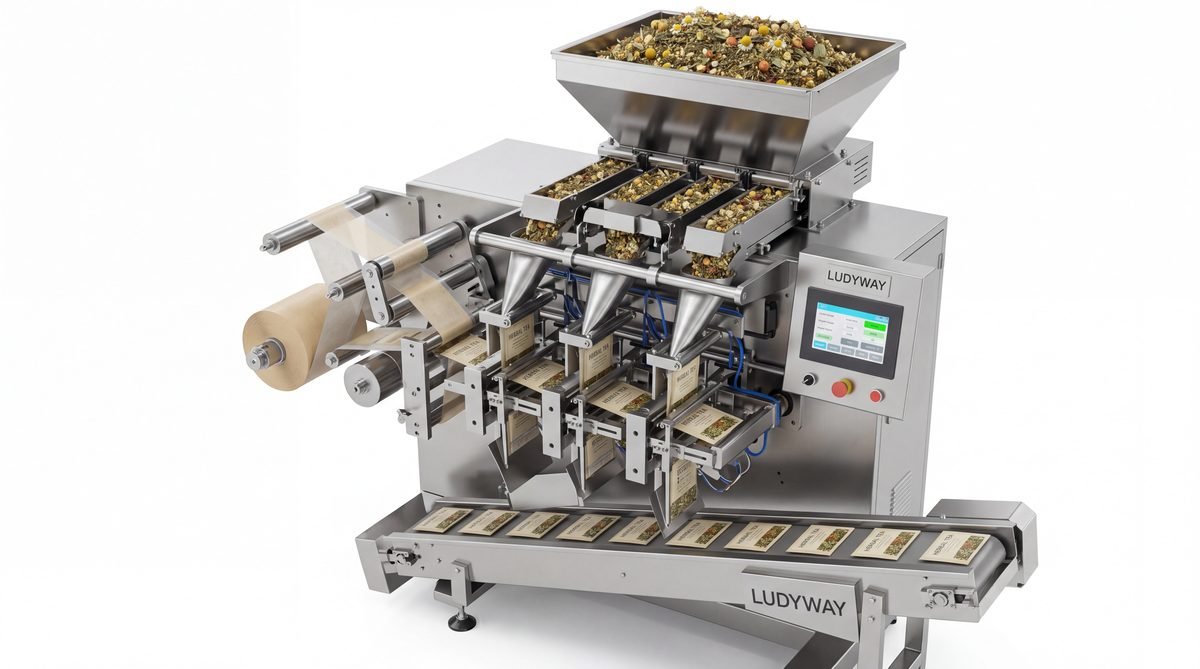
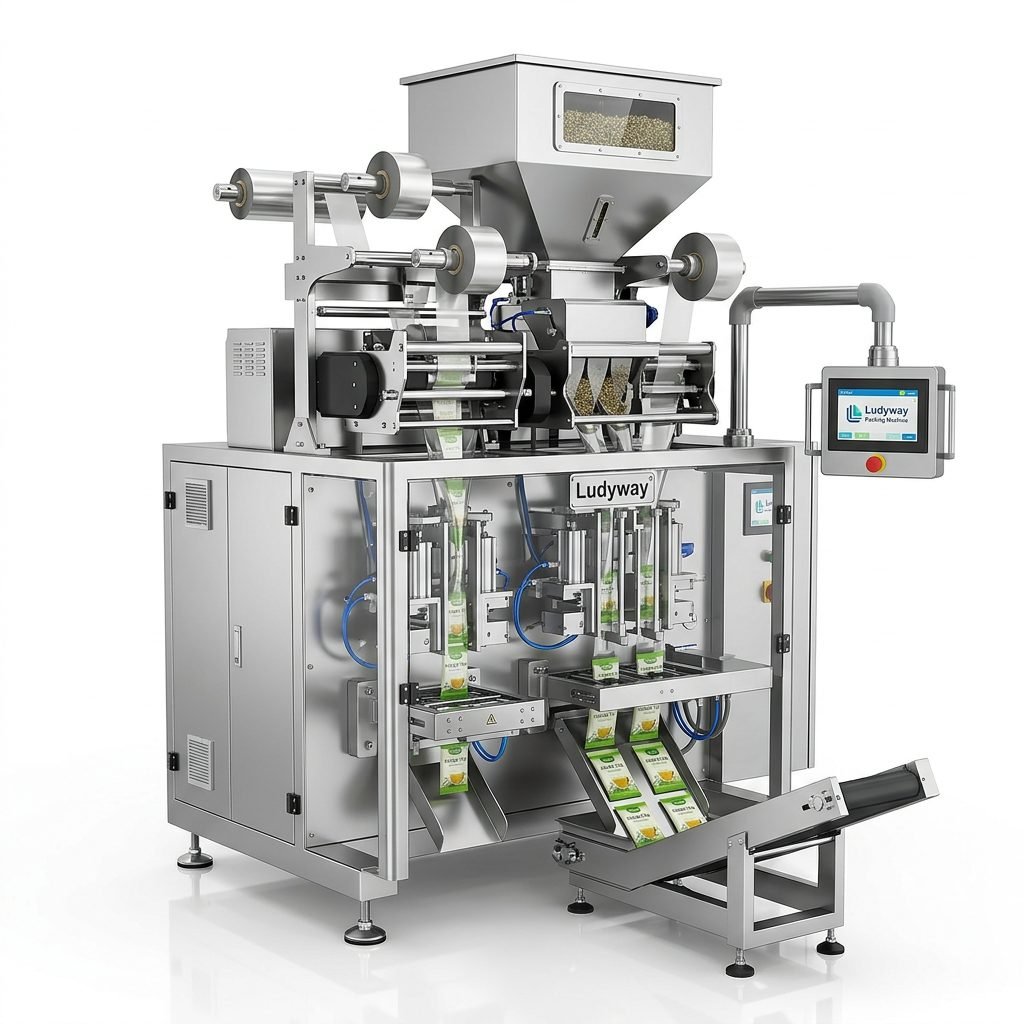
Production speed, measured in packs per minute (ppm), is one of the strongest determinants of machine price. A machine capable of producing 60–80 packs per minute will cost considerably more than one rated for 20–30 packs per minute. Multi-lane configurations—ranging from 4 to 12 lanes or more—can dramatically increase output but also raise the initial capital expenditure. For high-volume tea brands supplying international markets, investing in higher-speed equipment often delivers a faster return on investment.
Filling Technology and Precision
Tea powder and granule products require precise dosing to maintain consistency across every pack. Auger fillers, volumetric cup fillers, and multi-head weighers each have different cost implications. Liquid tea concentrates need specialized piston or peristaltic filling systems that add to the overall machine price. The level of dosing accuracy required—especially for premium tea products where overfilling directly impacts profit margins—should guide your filling technology selection.
Level of Automation and Integration
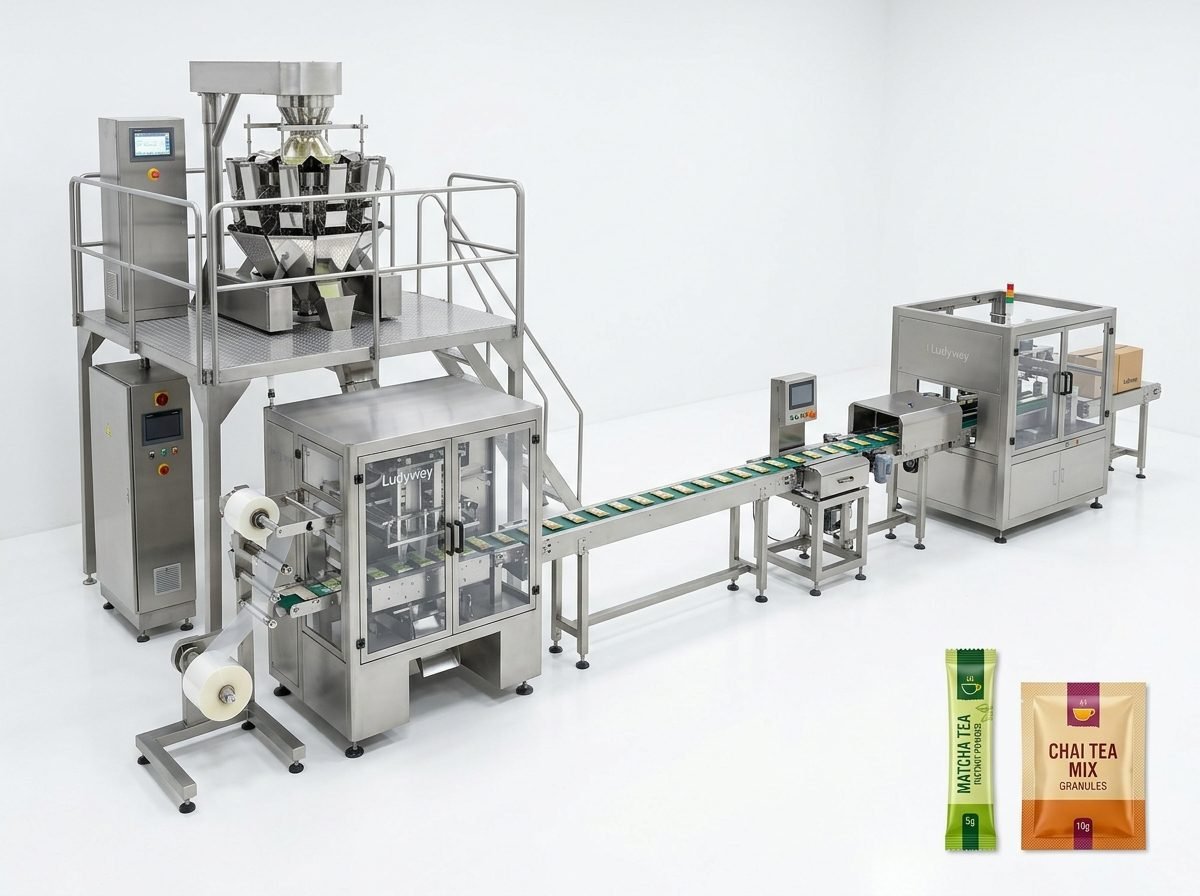
A standalone packaging machine represents the entry-level investment. However, many tea producers opt for integrated turnkey packaging lines that include feeding conveyors, multi-head weighers, primary packaging units, checkweighers, metal detectors, cartoning machines, and robotic palletizers. The more fully automated the line, the higher the upfront cost—but labor savings and increased throughput often justify the expense for medium to large operations.
Construction Materials and Compliance
Machines built with stainless steel 304 or 316L food-grade materials cost more than those using standard carbon steel. For tea products destined for export markets, compliance with FDA, EU, or ISO 11607 standards may require additional engineering, documentation, and certification—all of which influence the final price. FDA food packaging regulations are particularly relevant for tea products entering the North American market.
Brand, Origin, and After-Sales Support
European and Japanese packaging machinery brands traditionally command premium prices, while manufacturers in China and other Asian countries often offer competitive pricing with increasingly sophisticated technology. However, the total cost of ownership should factor in after-sales service, spare parts availability, and technical support responsiveness. A lower upfront price can be offset by costly downtime if support is inadequate.
Typical Price Ranges for Tea Cold Drink Packaging Machines
The following table provides estimated price ranges based on machine type, lane configuration, and automation level. Actual prices vary depending on specific requirements, customization, and supplier location.
| Machine Type | Configuration | Estimated Price Range (USD) | Best Suited For |
|---|---|---|---|
| Single-Lane Sachet Machine | 1 lane, semi-automatic | $8,000 – $20,000 | Small tea startups, local markets |
| Multi-Lane Stick Pack Machine (4–6 lanes) | 4–6 lanes, automatic | $30,000 – $80,000 | Mid-volume tea powder production |
| Multi-Lane Stick Pack Machine (8–12 lanes) | 8–12 lanes, fully automatic | $80,000 – $180,000 | High-volume tea brands, export markets |
| Liquid Tea Sachet Packaging Machine | 4–8 lanes, liquid filling | $40,000 – $120,000 | RTD tea concentrate, cold brew liquid |
| Complete Turnkey Packaging Line | Multi-lane + cartoning + palletizing | $200,000 – $600,000+ | Large-scale industrial tea manufacturers |
Understanding the Cost Breakdown: What Your Investment Covers
When you purchase a tea cold drink packaging machine, the price typically includes more than just the hardware. Understanding the full cost breakdown helps you compare quotations accurately and avoid hidden expenses.
- Core machinery — the primary packaging unit with filling, sealing, and cutting mechanisms
- Feeding and dosing systems — auger fillers, multi-head weighers, or liquid dosing pumps
- Control systems — PLC touchscreen interfaces with programmable settings
- Installation and commissioning — on-site setup, calibration, and initial training
- Spare parts kit — essential wear components for the first year of operation
- Documentation — user manuals, electrical schematics, and compliance certificates
- Shipping and logistics — freight, customs duties, and insurance (often quoted separately)

New vs. Used Tea Packaging Machines: A Cost Comparison
For budget-conscious buyers, used or refurbished packaging machines can offer significant savings—typically 30% to 60% less than new equipment. However, this approach carries risks. Older machines may lack modern control systems, consume more energy, and have limited spare parts availability. For tea products requiring ISO packaging compliance, used equipment may not meet current regulatory standards. Weigh these trade-offs carefully against your production goals and quality requirements before deciding.
How to Get the Best Value When Buying a Tea Packaging Machine
Define Your Requirements Clearly
Before contacting suppliers, document your product specifications in detail: tea particle size, bulk density, target pack weight range, desired packaging format, and required output speed. The more precise your requirements, the more accurate the quotations you receive. Vague inquiries often result in inflated pricing as manufacturers build in contingency for uncertainties.
Request Comprehensive Quotations
A professional quotation should include line item details rather than a single lump sum. Ask suppliers to break down costs for each component—this transparency allows you to compare competing offers objectively and identify areas where you might adjust specifications to reduce costs without compromising quality.
Evaluate Total Cost of Ownership (TCO)
The purchase price is only one part of the equation. Calculate the total cost of ownership over a 5- to 10-year period, factoring in energy consumption, spare parts, maintenance labor, expected downtime, and packaging material waste rates. A slightly more expensive machine with superior efficiency and reliability often proves cheaper in the long run. Resources like the PMMI Business Intelligence Library provide valuable industry benchmarks for TCO analysis.
Visit the Manufacturer or Request a Factory Audit
Whenever possible, visit the manufacturing facility to assess production quality, engineering capabilities, and quality control processes. If an in-person visit is impractical, request a virtual factory tour or third-party factory audit. A supplier with a well-organized, modern production environment is more likely to deliver reliable, long-lasting equipment.
Industry Trends Impacting Tea Packaging Machine Costs
The flexible packaging industry continues to evolve, and several trends are influencing equipment pricing. Smart factory integration with IoT-enabled monitoring systems adds upfront cost but delivers long-term efficiency gains. Sustainability-focused designs that accommodate biodegradable films and recyclable materials may require specialized sealing technologies. The Flexible Packaging Association regularly publishes data on material trends that affect machinery requirements. Staying informed helps you anticipate future needs and make a more future-proof investment.
Choosing a Reliable Packaging Machine Manufacturer
Selecting the right supplier is as important as selecting the right machine. Look for manufacturers with proven experience in tea and beverage packaging specifically—not just general packaging expertise. Evaluate their track record through customer references, industry certifications, and participation in global exhibitions such as PACK EXPO International. Ludyway, with over 30 years of industry experience and a 20,000㎡ modern production facility, offers more than 50 intelligent packaging machine models serving customers in over 100 countries. A manufacturer with strong engineering capabilities and responsive after-sales support protects your investment for years to come.
Financing and Payment Considerations
Many packaging machine suppliers offer flexible payment terms, often structured as a percentage deposit with the balance payable upon factory acceptance testing or delivery. For larger investments, leasing options or equipment financing through third-party financial institutions may be available. Discuss payment milestones clearly in your purchase agreement and ensure they align with defined deliverables such as Factory Acceptance Testing (FAT) and Site Acceptance Testing (SAT).
Key Takeaways for Budget Planning
- Entry-level single-lane tea sachet machines start around $8,000–$20,000
- Mid-range multi-lane stick pack machines typically range from $30,000 to $180,000
- Complete turnkey lines for industrial-scale tea production can exceed $600,000
- Always evaluate total cost of ownership, not just the purchase price
- Work with experienced manufacturers who understand tea product characteristics
- Factor in shipping, installation, training, and ongoing maintenance costs
Investing in a tea cold drink packaging machine is a significant decision that shapes your production capability for years to come. By understanding the factors that drive pricing—machine type, speed, automation level, filling technology, and compliance requirements—you can make a confident, well-informed purchase. Take the time to define your needs, compare multiple quotations, and evaluate suppliers thoroughly. The right machine at the right price will position your tea brand for sustainable growth in an increasingly competitive global market.
Additional Resources for Packaging Machinery Buyers
- PMMI State of the Industry Reports — annual packaging industry data and forecasts
- Flexible Packaging Association Industry Resources — trends in flexible packaging materials and technology
- ISO Packaging Standards — international standards for packaging machinery and materials
- PACK EXPO International — leading global packaging trade show