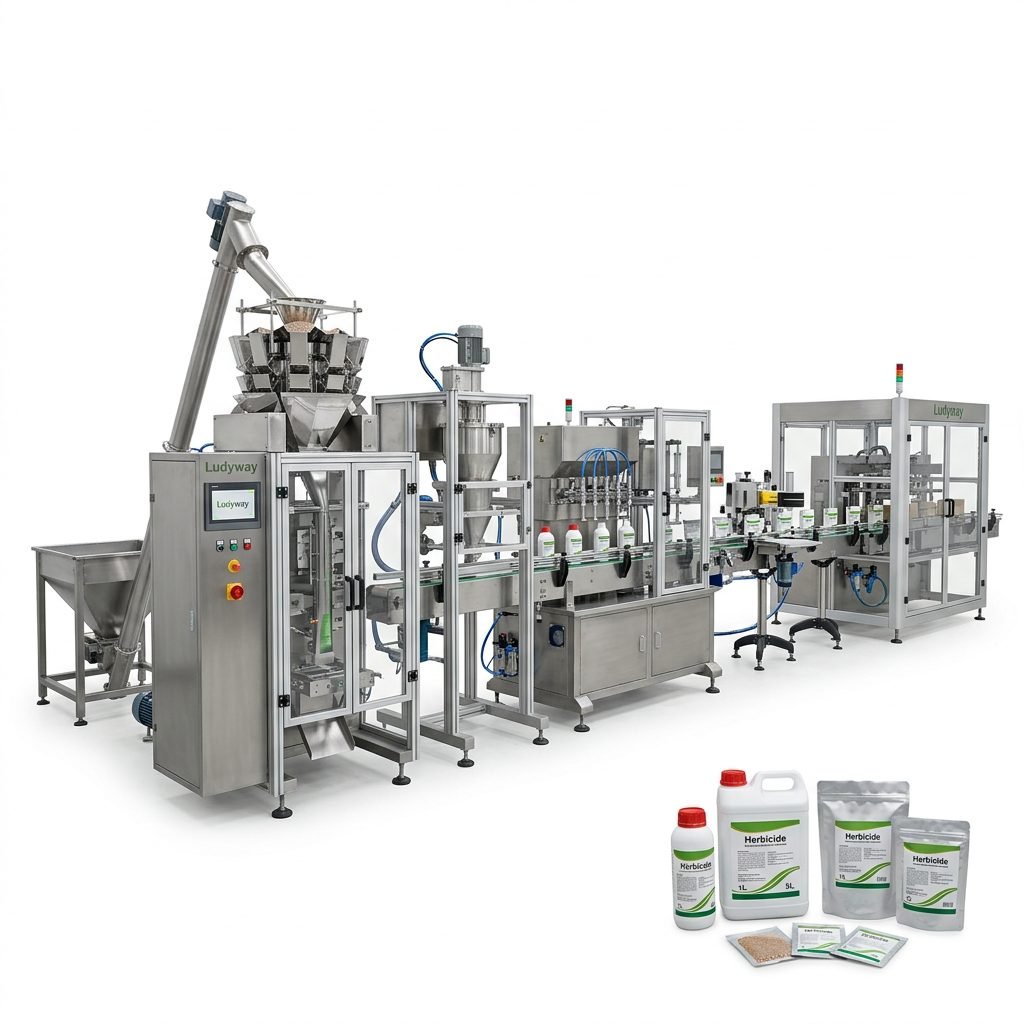
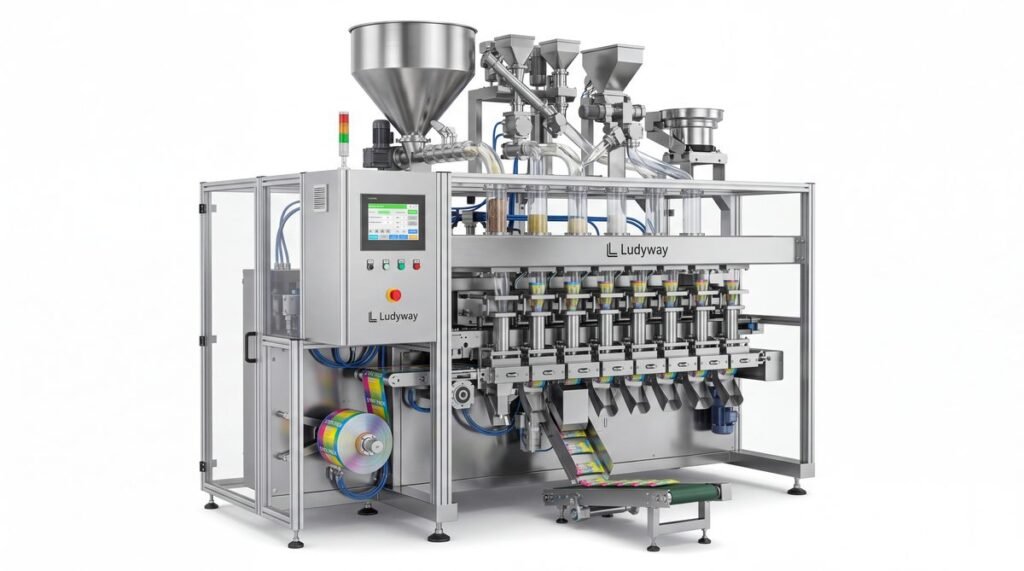
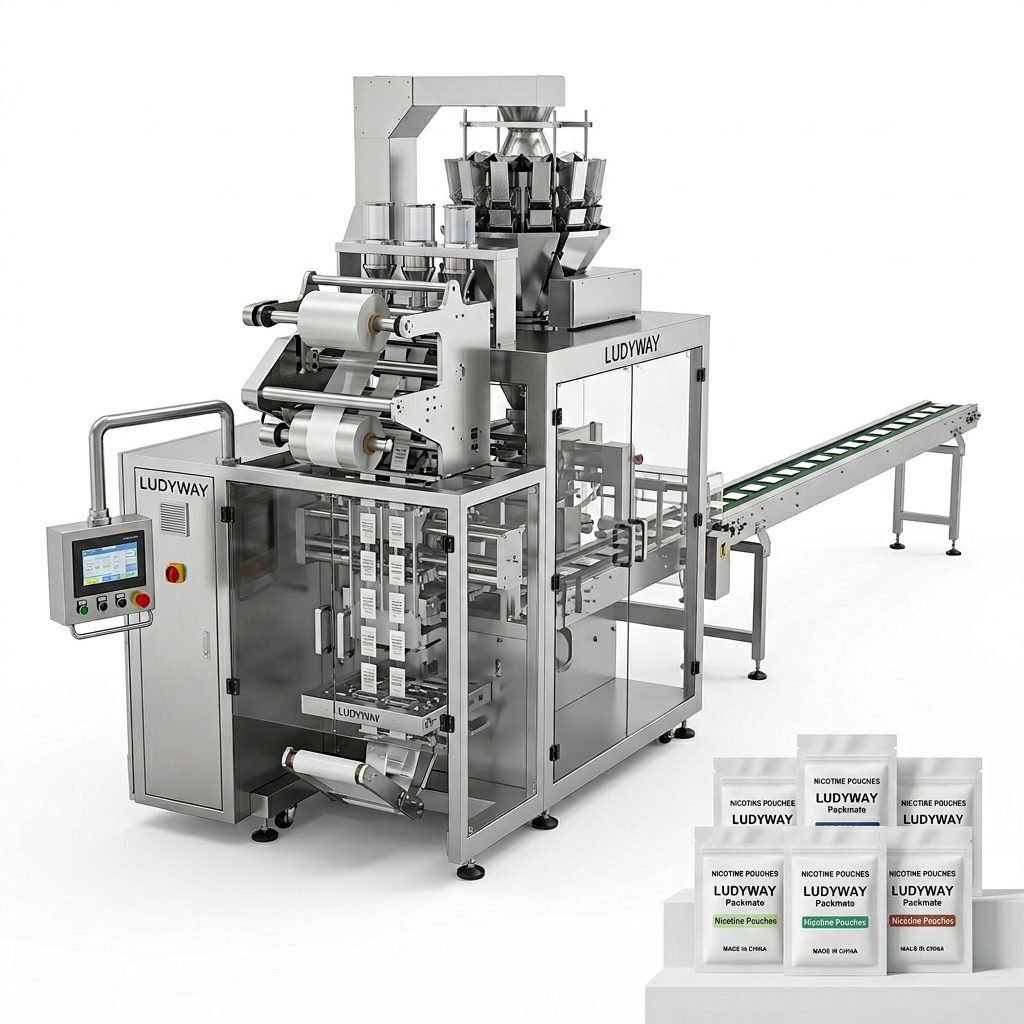
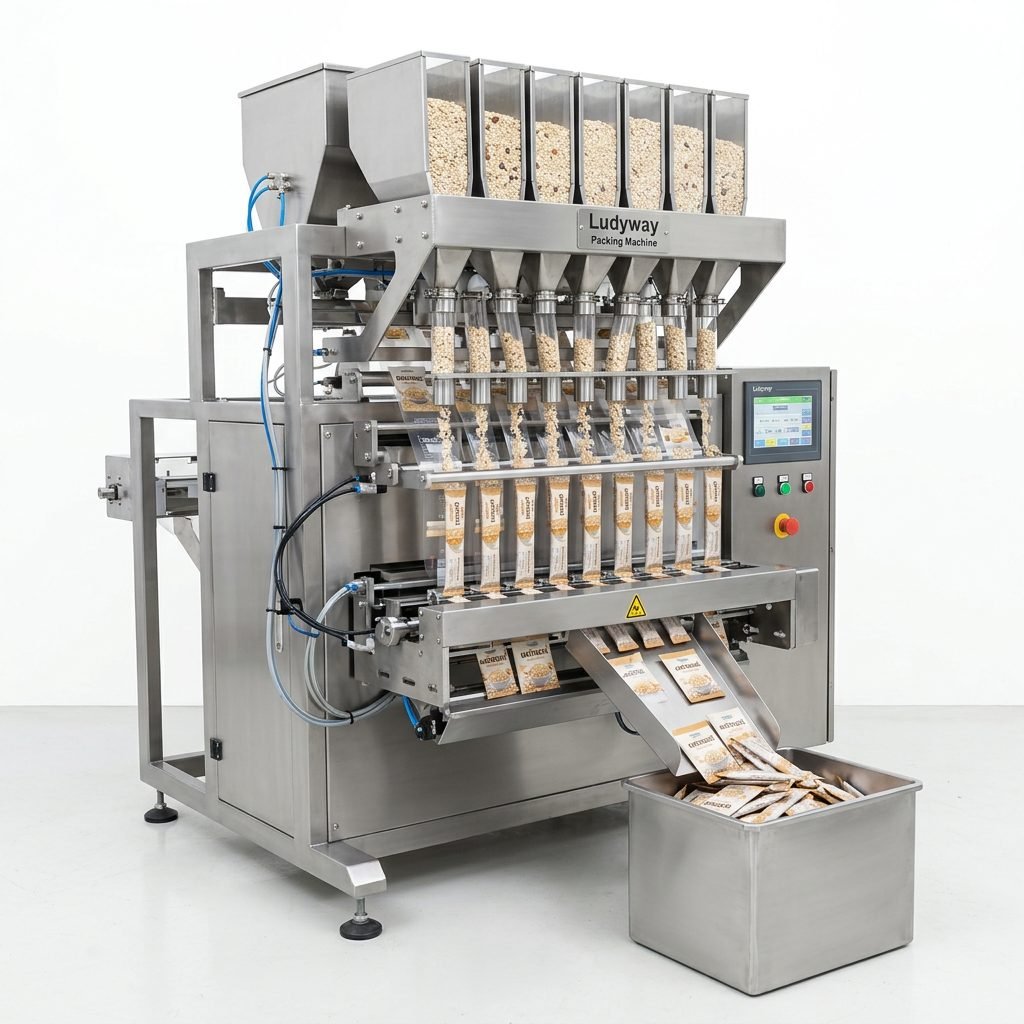
Expanding into global markets with a ketchup packaging machine production line requires more than just equipment purchase. It demands a strategic approach to configuration, compliance, and scalability. Whether you are targeting food service chains in North America, retail sachet markets in Southeast Asia, or bulk export to the Middle East, the right setup can define your operational efficiency and product quality.
Understanding Global Demand for Ketchup Packaging Formats
Before configuring your line, analyze the packaging formats your target markets demand. The flexible packaging industry has seen a significant shift toward single-serve and convenience formats worldwide.
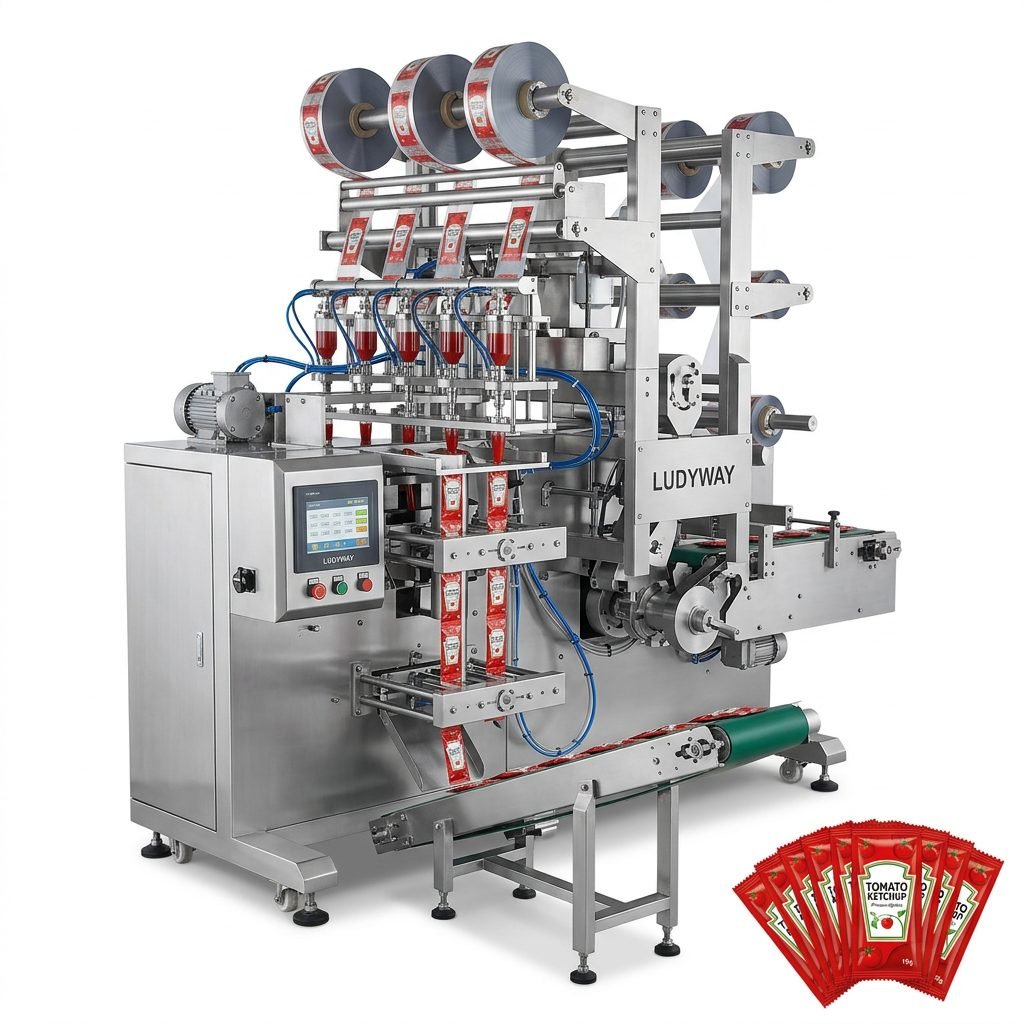
- Sachets (3g-10g): Dominant in food service and emerging markets for affordability and portion control.
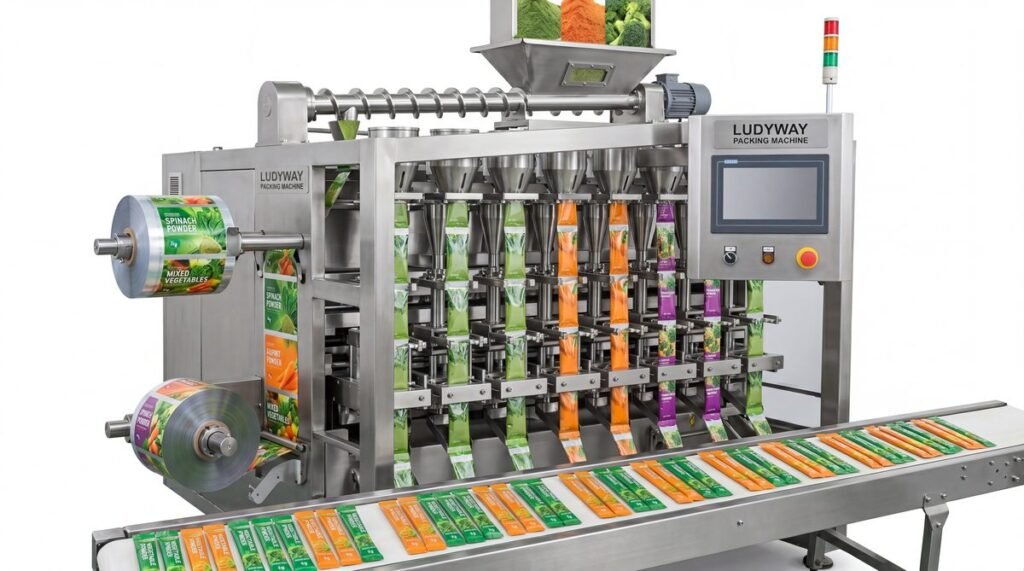
- Stick packs (8g-15g): Growing rapidly in retail and e-commerce channels across Europe and Asia-Pacific regions.
- Pouches (100g-1kg): Preferred for retail and family-size consumption in North America and the Middle East.
- Bottle filling (250ml-1L): Essential for food service and institutional kitchens globally.
Step 1: Define Your Production Capacity and Line Configuration
The first technical decision involves matching packaging speed with your volume projections. A well-designed packaging machinery production line should account for current demand plus 30-40% headroom for growth over 3-5 years.
Capacity Planning Reference Table
| Market Segment | Recommended Speed | Ideal Lane Configuration | Target Output (per minute) |
|---|---|---|---|
| Small food service supplier | Medium | 4-6 lanes | 200-400 sachets |
| Regional retail brand | High | 8-10 lanes | 500-800 sachets |
| International export operation | Ultra-high | 12-16 lanes | 1000+ sachets |
Step 2: Select Core Equipment Based on Product Viscosity
Ketchup presents unique viscosity challenges that directly impact filling system selection. Unlike water-thin liquids or dry granules, tomato-based sauces require specialized packaging equipment compliant with international standards.
Key Equipment Components for Ketchup Lines
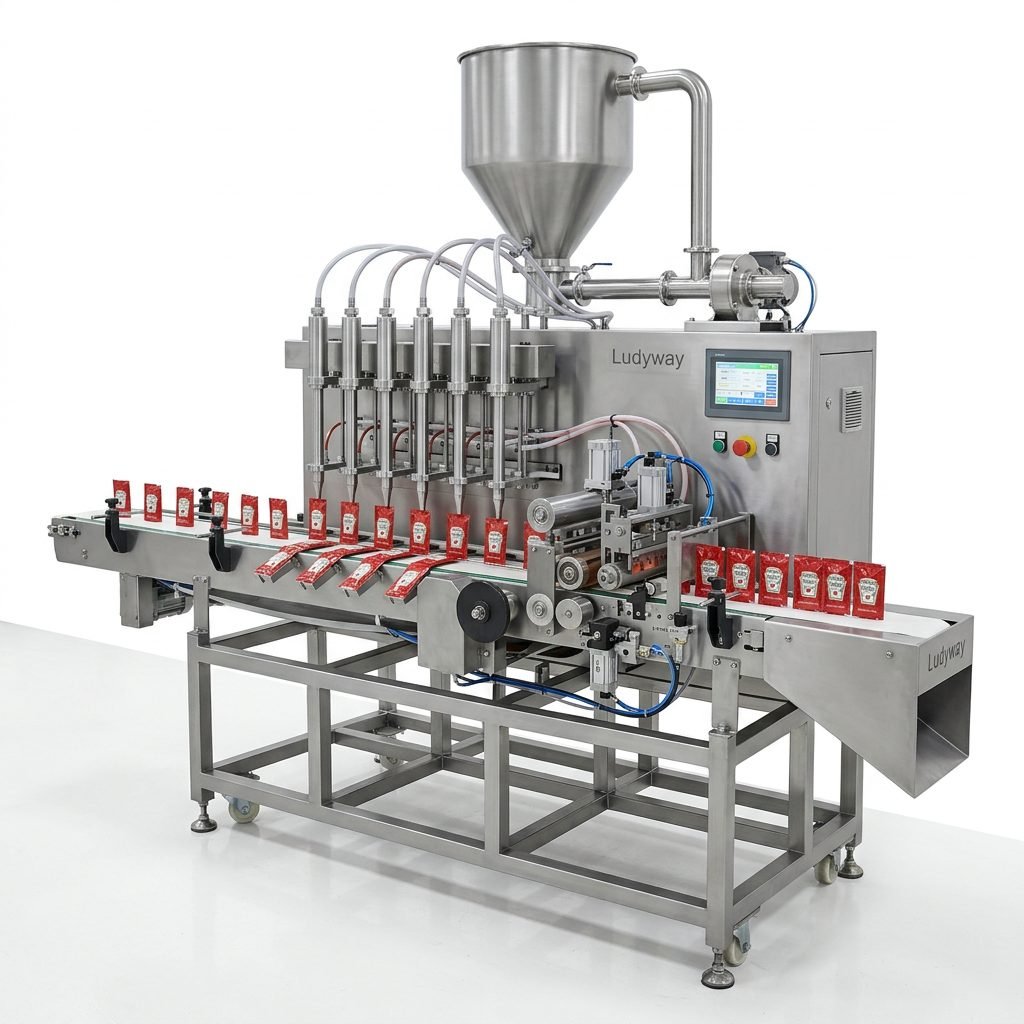
- Piston filling system: Ideal for high-viscosity ketchup with particulates. Delivers ±0.5% accuracy at speeds up to 120 cycles per minute.
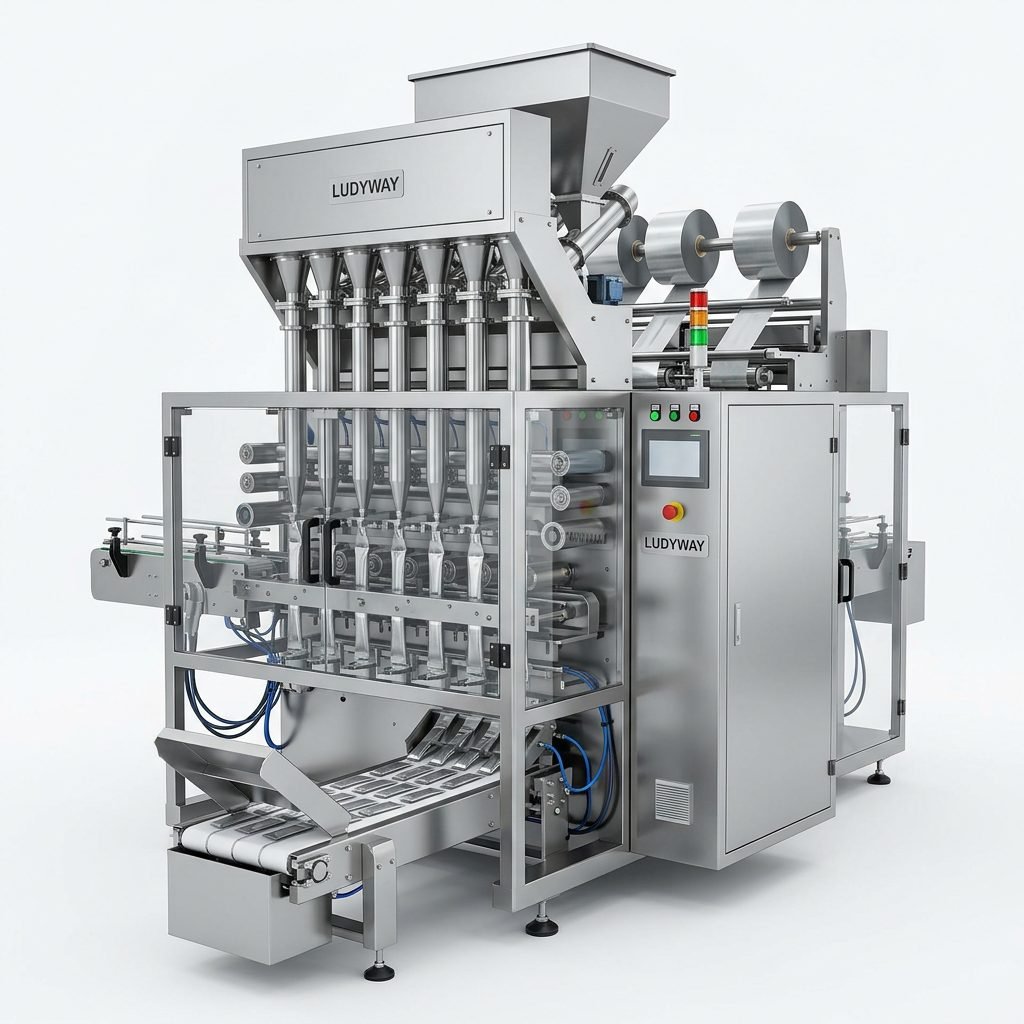
- Multi-lane vertical form-fill-seal (VFFS) unit: Enables simultaneous sachet production across multiple lanes, maximizing throughput per square meter of floor space.
- Inline homogenizer: Ensures consistent texture and prevents separation during extended production runs, critical for brand quality consistency.
- Servo-driven sealing jaws: Provide precise temperature control for laminate films, reducing seal failures and product leakage in transit.
Step 3: Ensure Regulatory Compliance Across Target Regions
Global distribution means navigating multiple food contact material regulations. Your packaging line must accommodate films and materials approved in each jurisdiction. The FDA food packaging regulations differ from EU framework regulations, and both may differ from GCC or ASEAN standards.
Critical Compliance Checklist
- Verify all product-contact surfaces use 316L stainless steel or FDA-approved elastomers.
- Implement batch traceability systems with date coding and lot numbering per EU Regulation 1169/2011 requirements.
- Ensure packaging films meet specific migration limits for each target market.
- Install metal detection and checkweighing at line exit points to satisfy retailer audit standards.
- Document cleaning validation protocols for allergen-free changeover procedures where required.
Step 4: Integrate Automation for Consistent Export Quality
Manual processes introduce variation that can damage brand reputation in competitive international markets. Automated systems ensure every sachet or bottle meets identical specifications regardless of shift changes or operator experience levels.
Automation Integration Priorities
| Automation Feature | Benefit for Export Markets |
|---|---|
| Servo-driven dosing | Maintains fill weight accuracy within ±0.2g, preventing costly giveaway and regulatory non-compliance |
| Vision inspection systems | Detects seal defects, print errors, and foreign particles before products enter the supply chain |
| Centralized recipe management | Enables rapid format changeovers for different markets while maintaining validated parameters |
| Remote diagnostics | Reduces downtime for overseas installations through real-time manufacturer support |
Step 5: Plan Secondary Packaging and Logistics Integration
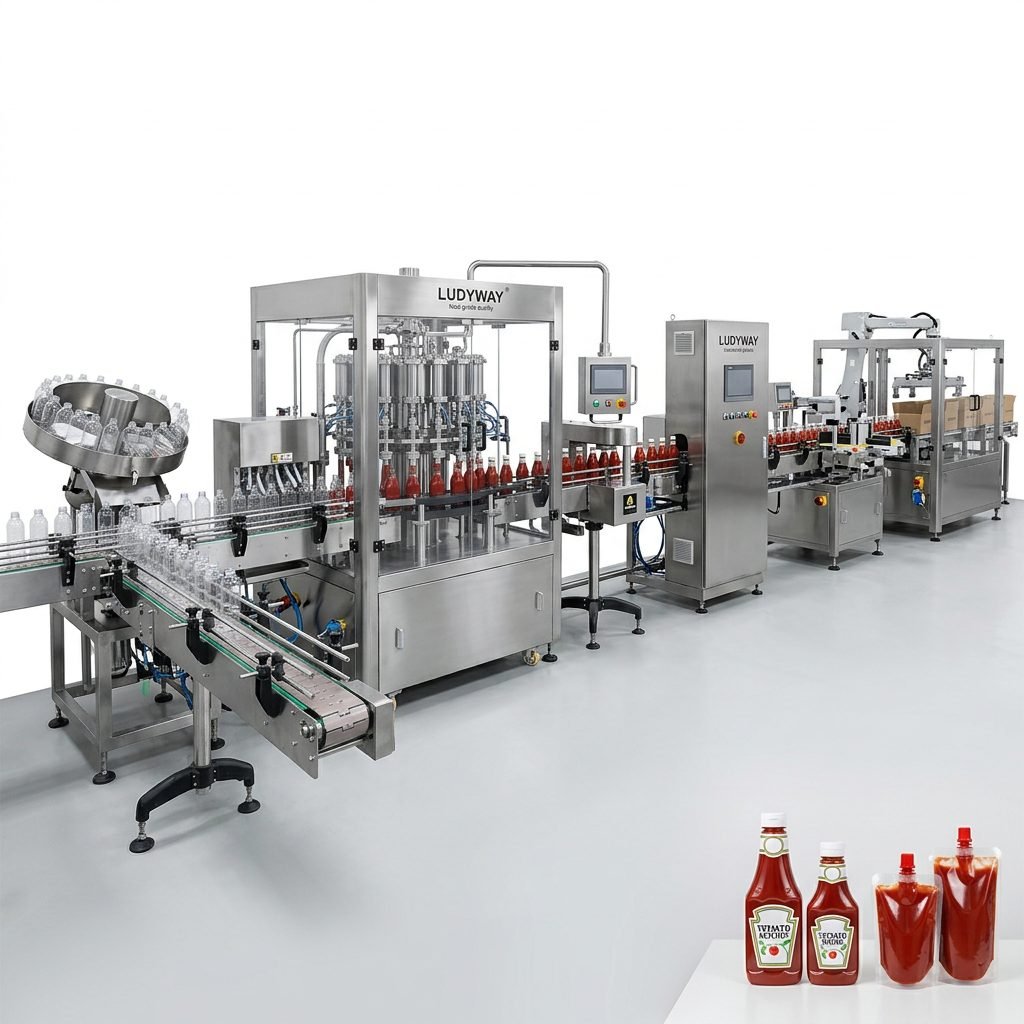
A complete ketchup packaging production line extends beyond primary filling. Secondary packaging directly impacts shipping costs, shelf presentation, and product protection during international transit. Consider these downstream processes during initial line design:
- Cartoning systems: Automatically collate sachets or pouches into shelf-ready display cartons meeting retailer specifications.
- Case packing and palletizing: Optimize container loading density for ocean freight cost reduction.
- Stretch wrapping with moisture barrier: Protect against humidity damage during sea transport through tropical regions.
- Aggregation and serialization: Meet increasingly stringent traceability requirements in markets like the EU and Saudi Arabia.
Step 6: Validate Line Performance with International Quality Standards
Before shipping products globally, validate your entire packaging line performance against recognized benchmarks. The packaging industry state of the industry reports provide valuable benchmarking data for overall equipment effectiveness expectations in food packaging operations. Key performance indicators should include:
- Overall Equipment Effectiveness (OEE): Target minimum 75% for export-grade operations.
- Seal integrity rate: Must exceed 99.95% for long-distance distribution.
- Fill weight Cpk: Process capability index should exceed 1.33 for critical quality attributes.
- Changeover time: Complete format change within 30-45 minutes to support diverse market requirements.
Common Pitfalls When Scaling for Global Markets
Many manufacturers underestimate the complexity of multi-market production. Based on industry analysis from flexible packaging association resources, here are frequent challenges to anticipate:
- Film compatibility blind spots: Not all laminate structures seal identically on the same machine. Test films from multiple regional suppliers during commissioning.
- Underestimating sanitation requirements: Halal, Kosher, and organic certifications each impose specific cleaning validation protocols that affect line design.
- Ignoring local utility specifications: Voltage, frequency, and compressed air standards vary globally. Specify equipment with appropriate electrical and pneumatic configurations.
- Insufficient spare parts planning: International shipments of critical spares can delay production by weeks. Establish regional parts inventory for key wear components.

Partner Selection for Turnkey Line Integration
Selecting the right equipment partner significantly impacts your speed to market and ongoing operational costs. Look for manufacturers with demonstrated experience in viscous liquid packaging, multi-lane systems, and international project management capabilities. Comprehensive engineering support, from initial line layout design through installation and operator training, can accelerate your production ramp-up substantially.
As one of the largest packaging machine manufacturers in China, Ludyway specializes in advanced sachet, stick pack, and fully automated packaging systems with over 30 years of industry expertise. The company offers more than 50 intelligent packaging machine models and serves customers in over 100 countries, providing turnkey production solutions that meet diverse regulatory and operational requirements across global markets.
Final Recommendations for Global Ketchup Packaging Success
Building a competitive ketchup packaging machine production line for global markets requires meticulous planning across technical, regulatory, and operational dimensions. Start with a thorough market requirements analysis, select equipment that balances speed with flexibility, validate against international standards from ISO packaging and distribution standards, and invest in automation that ensures consistent export quality. With proper line configuration and the right technology partner, manufacturers can efficiently serve diverse global markets from a single production facility.