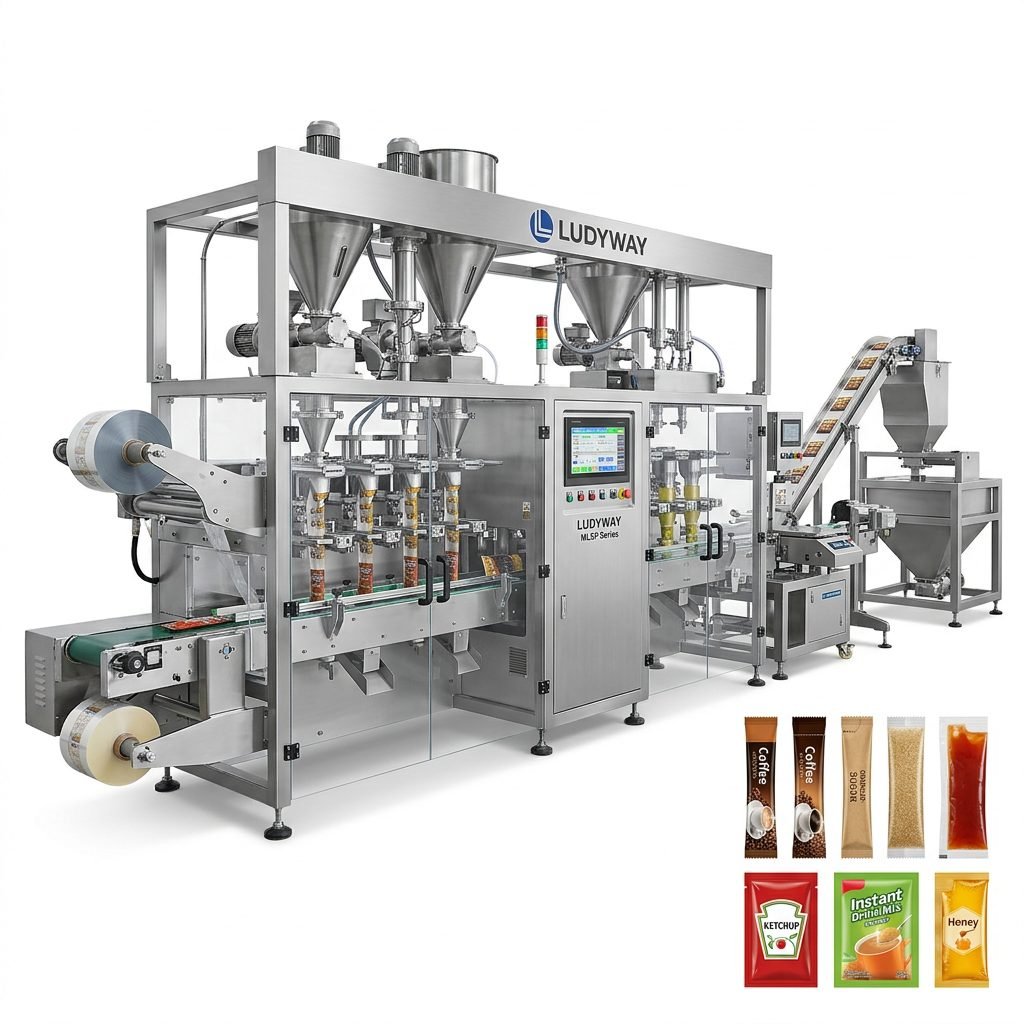
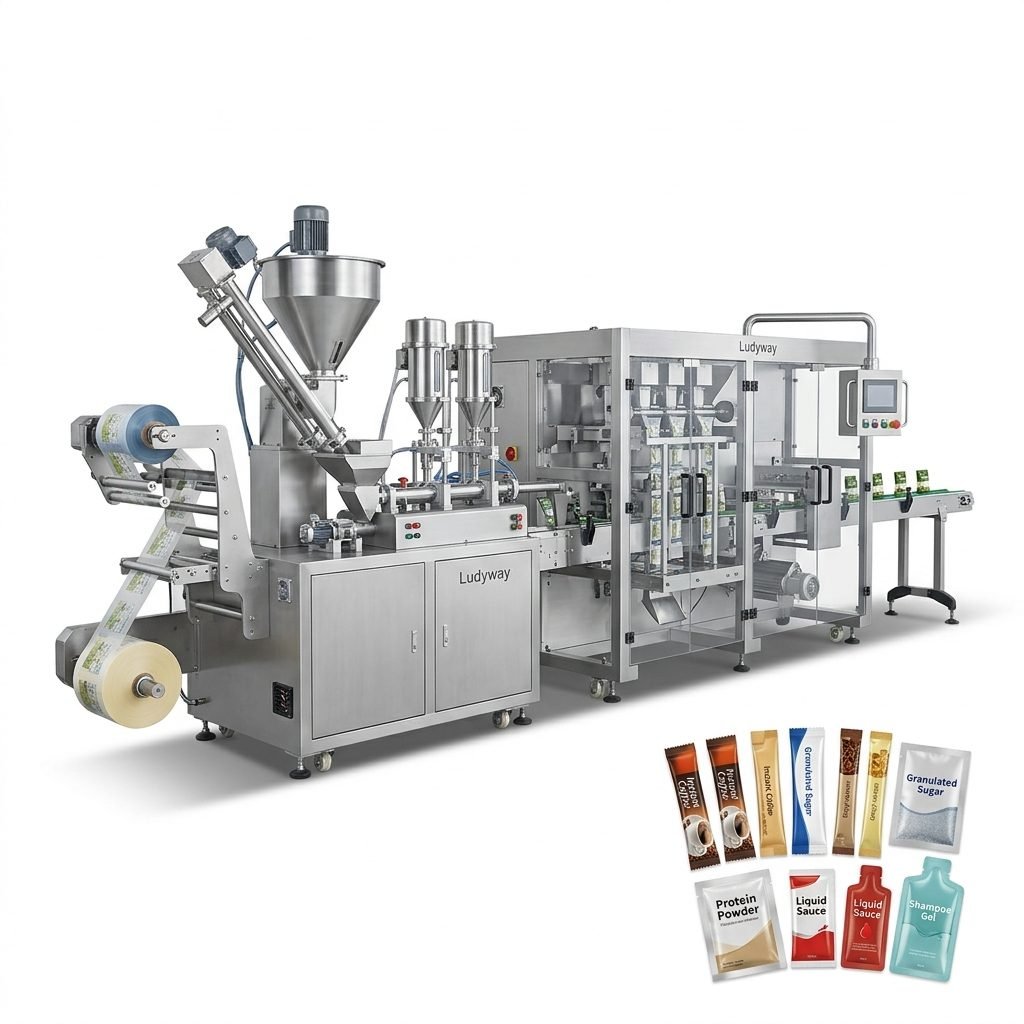
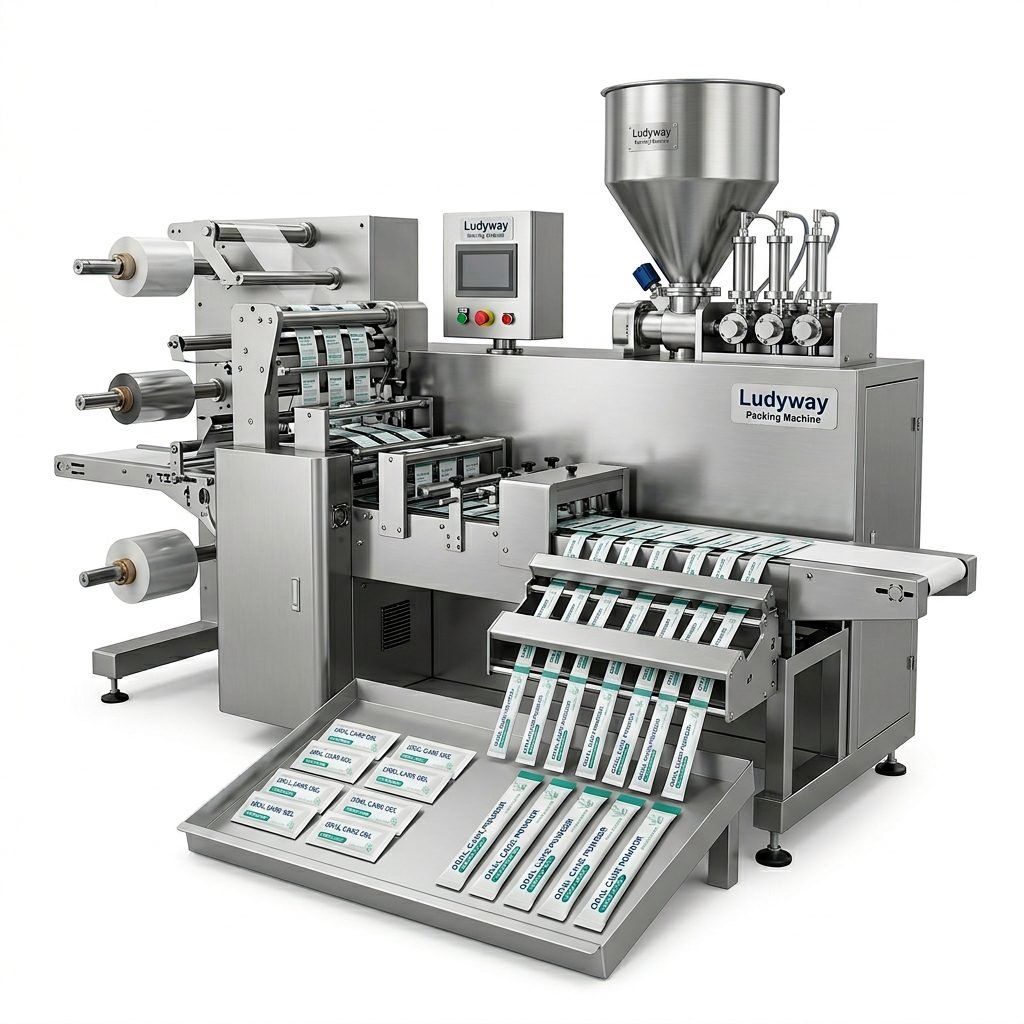
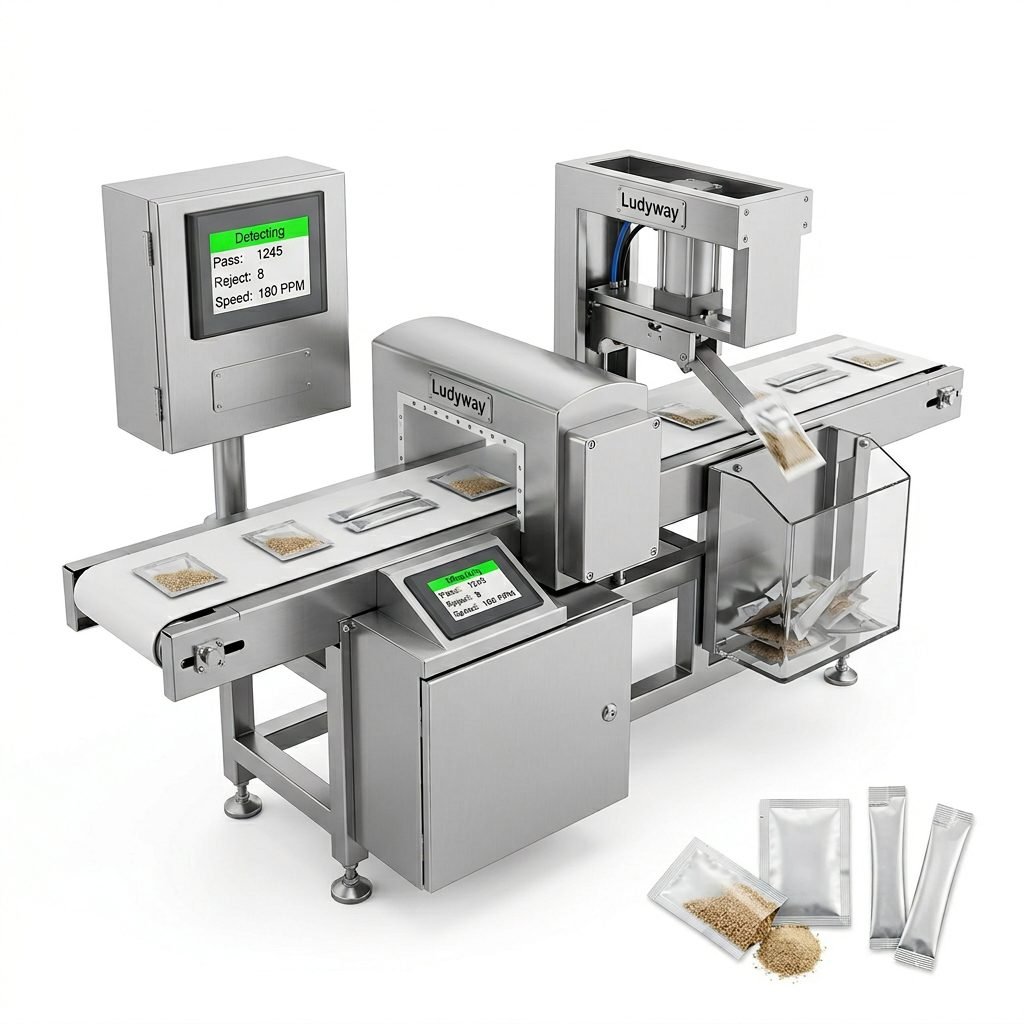
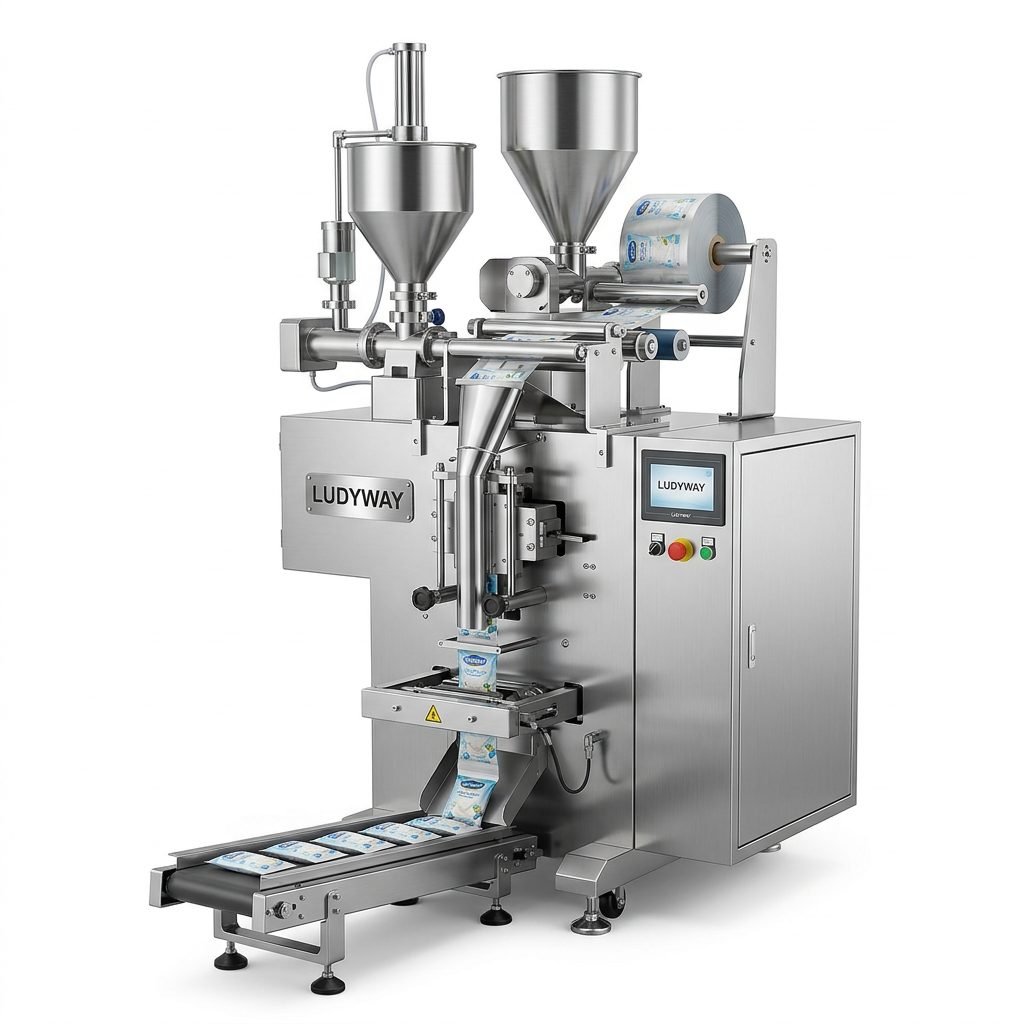
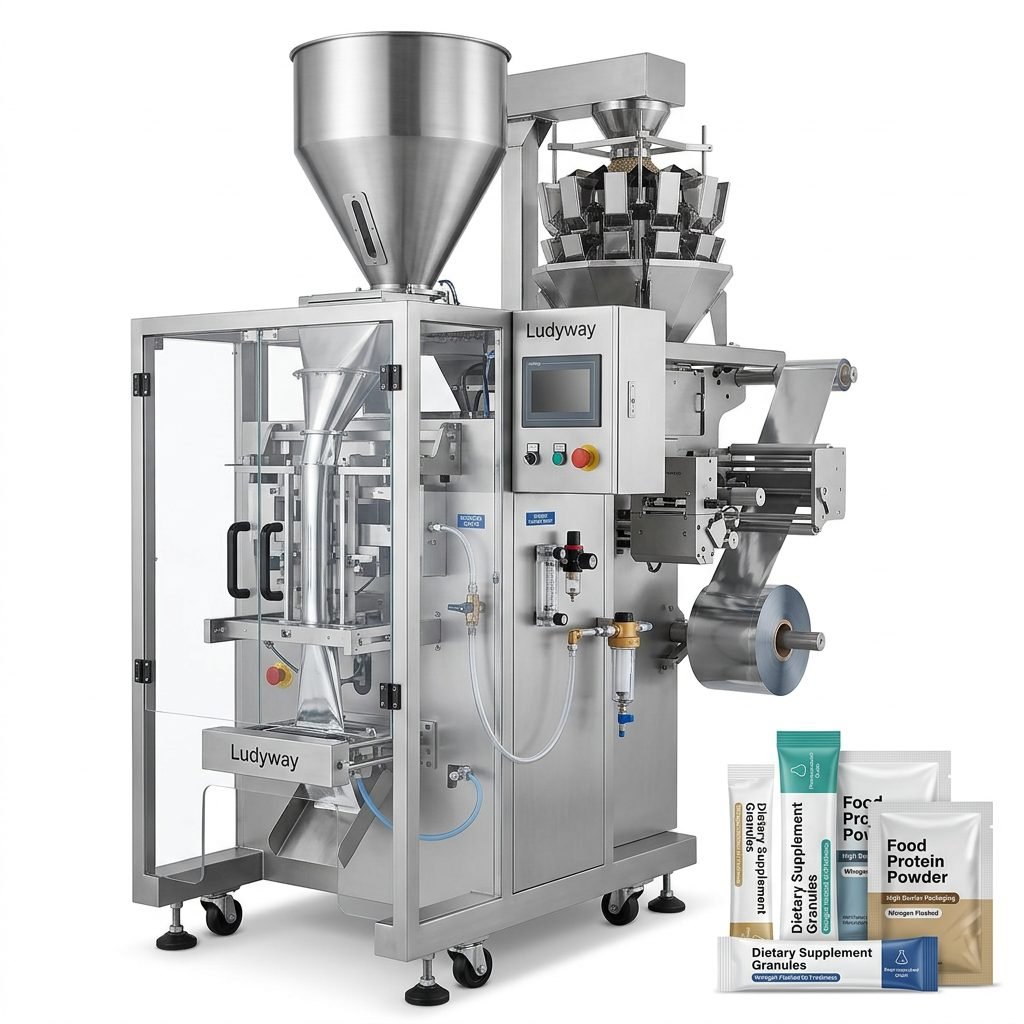
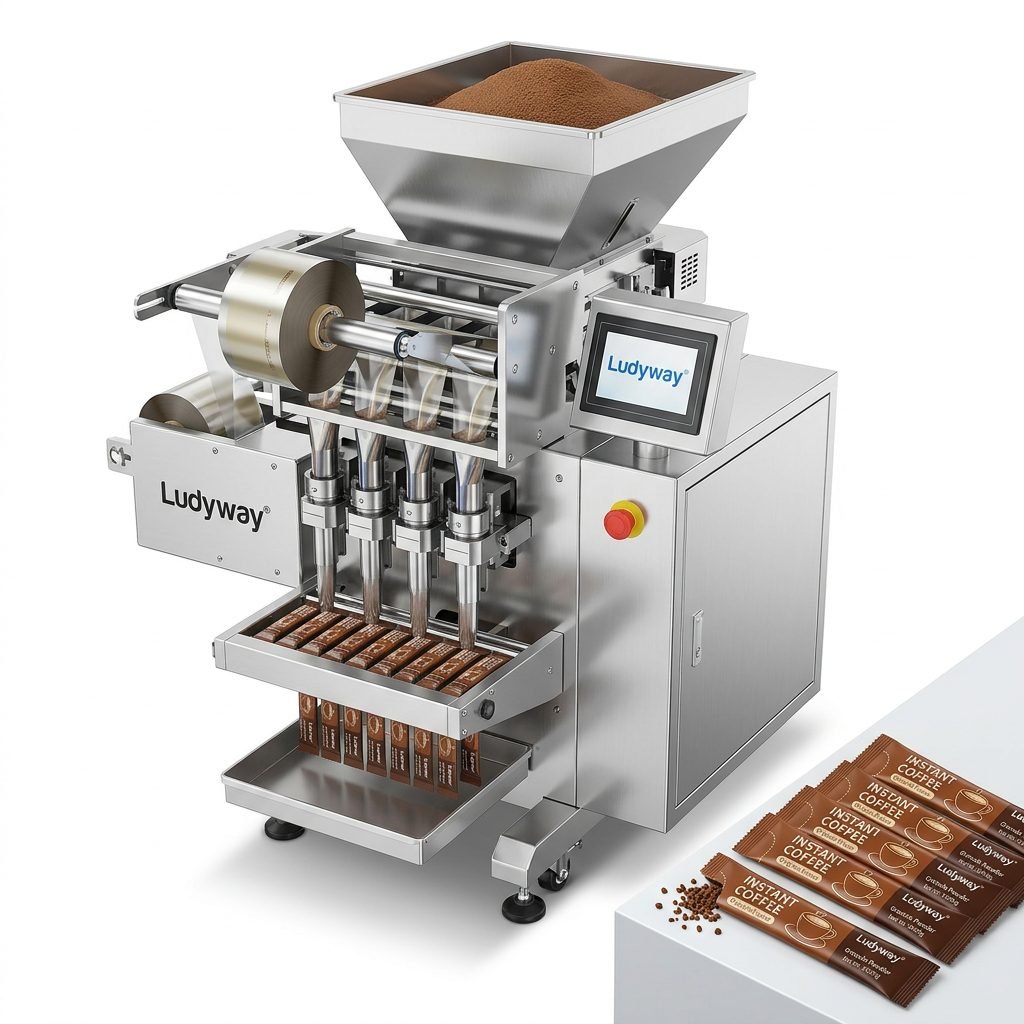
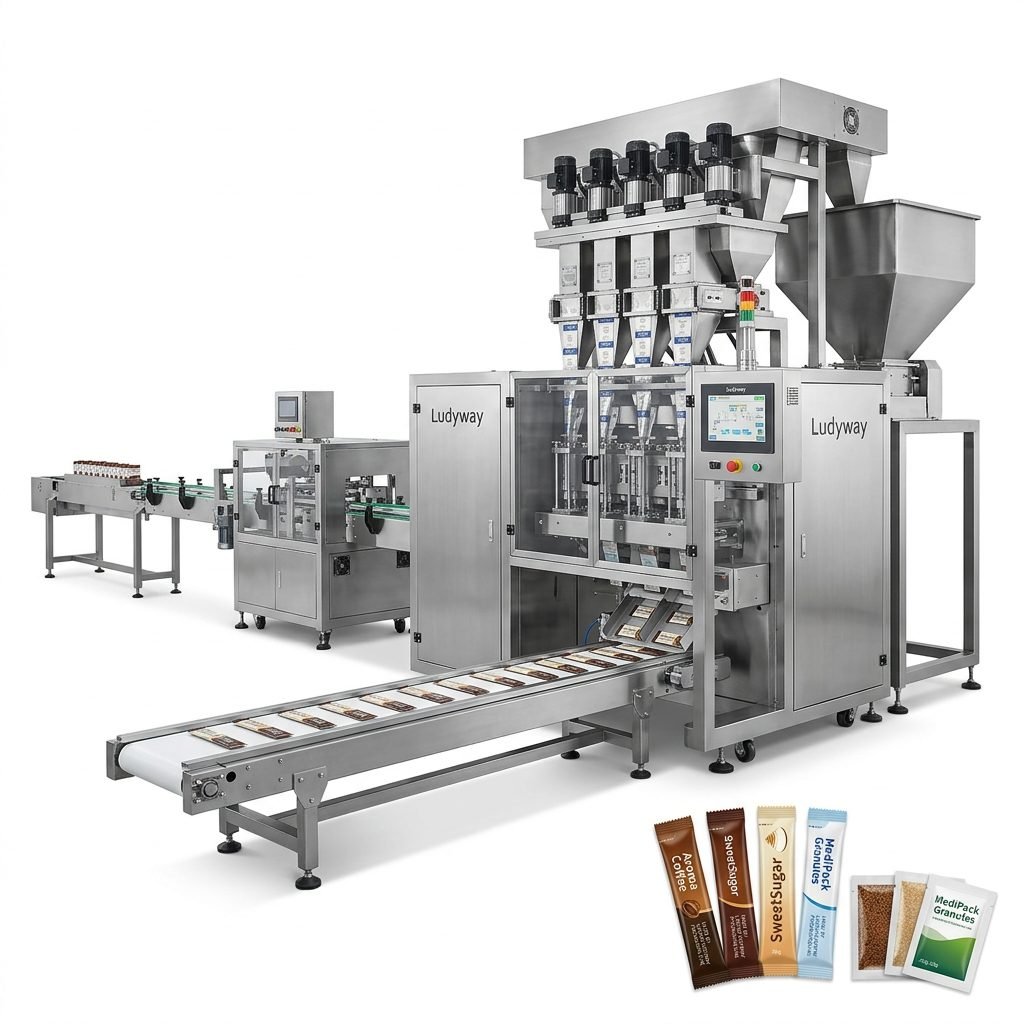
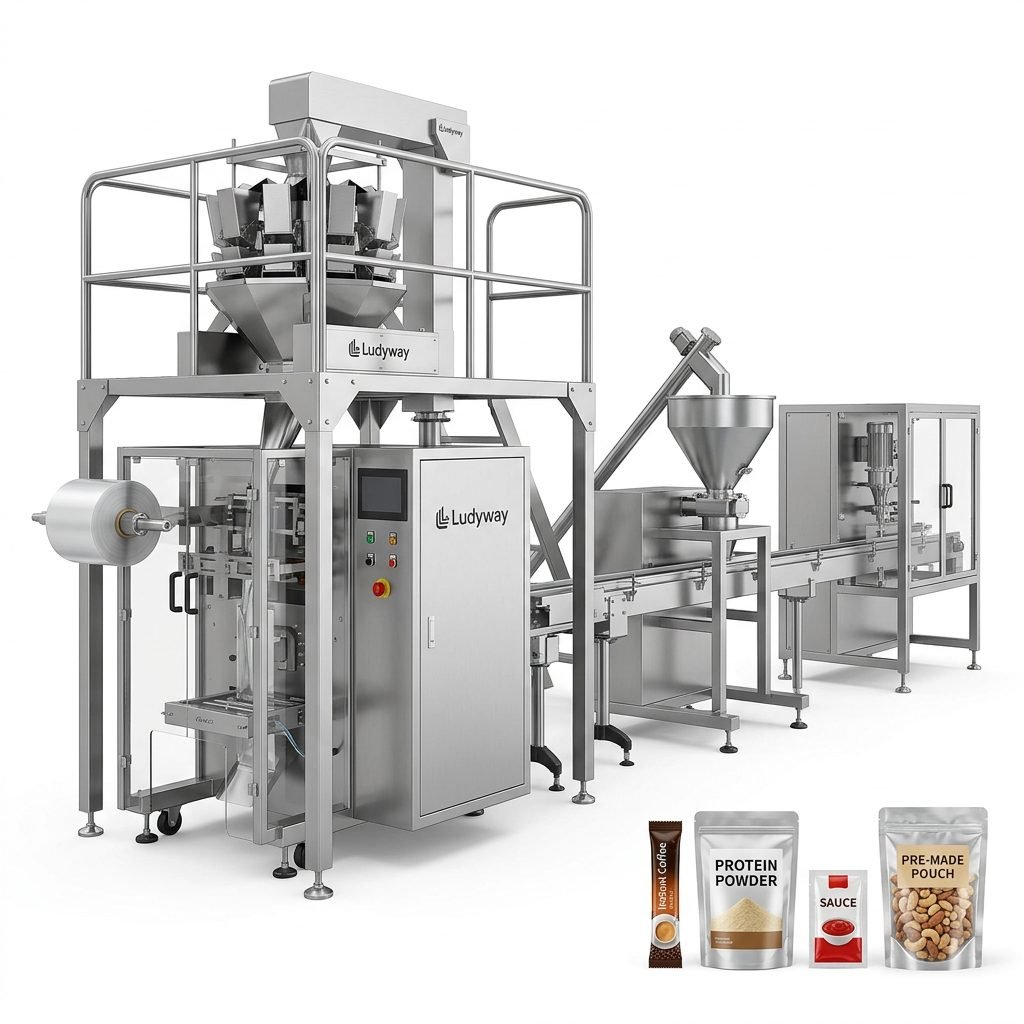
Investing in a food packaging machine is a critical decision for any food processing business in Zambia. Whether you are packaging mealie meal, sugar, spices, dried vegetables, or liquid products like cooking oil, the right equipment directly influences your product shelf life, brand reputation, and operational profitability. With Zambia’s food manufacturing sector growing steadily, choosing a machine that aligns with local production conditions, power supply stability, and after-sales support is essential.
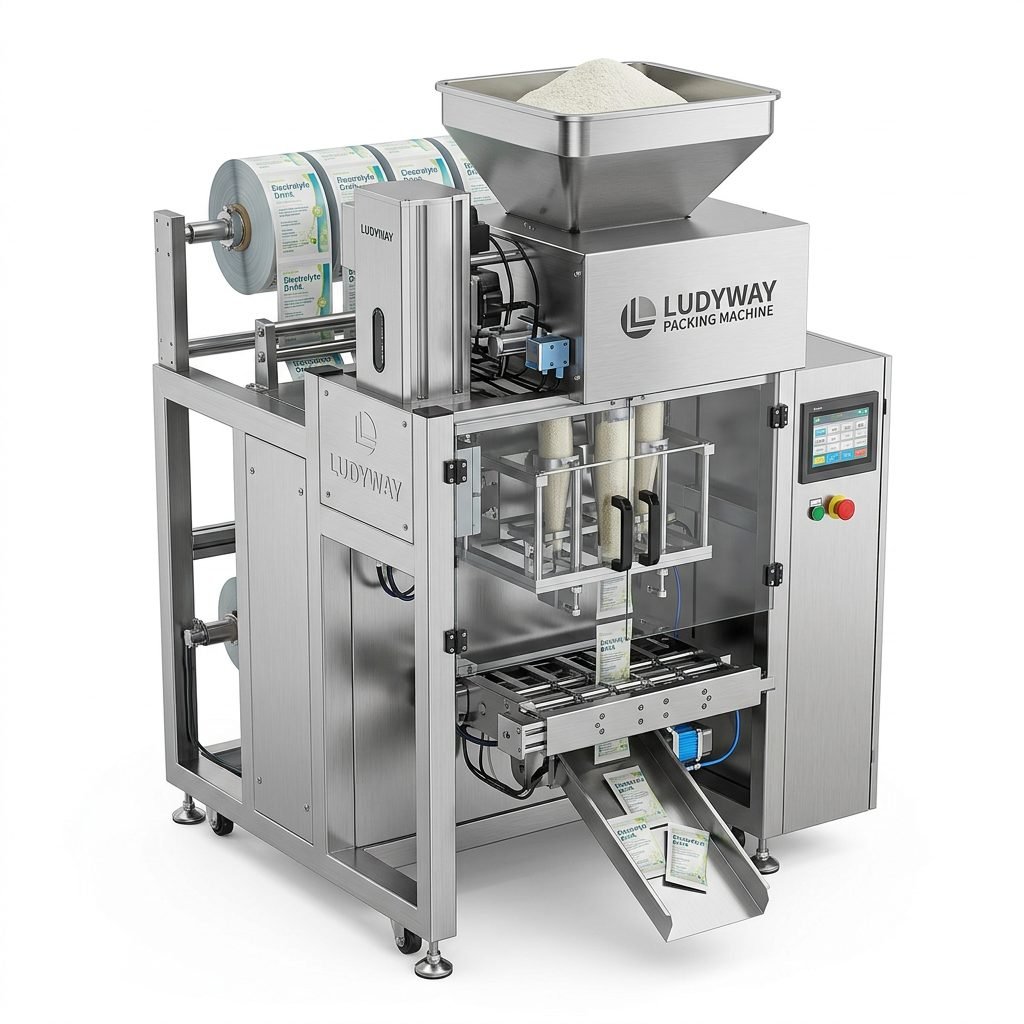
Understand Your Product Characteristics First
The starting point for selecting a packaging machine is a thorough analysis of your product. Zambian manufacturers often handle diverse materials, and matching the machine to these physical properties is non-negotiable.
- Granules: Products like sugar, rice, beans, and stock feed require volumetric or multi-head weigher filling systems to manage particle size and flowability.
- Powders: Fine or dusty products such as maize flour, milk powder, or spice blends demand auger fillers with dust extraction to ensure clean sealing and accurate weights.
- Liquids and Pastes: Cooking oil, juices, sauces, and honey need piston pumps or gear pumps, with careful attention to viscosity and filling temperature.
- Solid/Conventional Items: Snacks, confectionery, or fresh produce often use multi-head weighers combined with vertical form fill seal (VFFS) technology.
Selecting the Correct Packaging Format for the Zambian Market
Your target market segment dictates the packaging format. The local retail and wholesale environment in Zambia favors specific pouch styles that balance cost and convenience.
| Packaging Type | Best Suited Products | Key Advantage |
|---|---|---|
| Pillow Pouch | Snacks, salt, sugar | High-speed output, low film cost |
| Sachet / Stick Pack | Instant coffee, seasoning, milk powder | Portion control, affordable retail price point |
| Stand-up Pouch | Juice, liquid detergent, dried fruit | Premium shelf appeal, resealable options |
| Gusseted Bag | Mealie meal, bulk tea, pet food | Strong mechanical protection, high volume |
Production Capacity and Speed Requirements
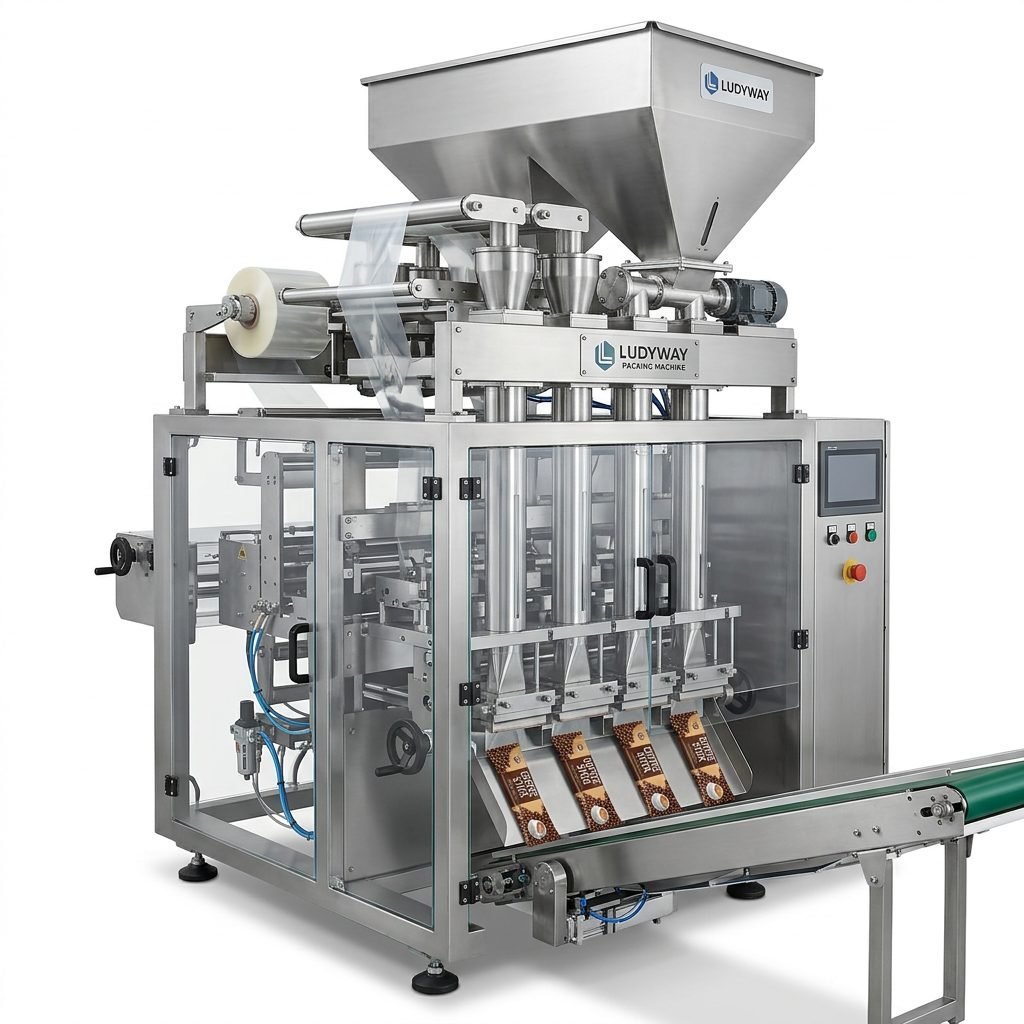
Scaling your production line correctly prevents bottlenecks. A common mistake is purchasing a packing machine based solely on maximum theoretical speed. Instead, calculate your actual daily output needs in Zambia’s shift patterns—typically 8 to 12 hours. For small to medium enterprises, a machine running 40-60 packs per minute may suffice. However, large-scale distribution supplying chains across Lusaka, Kitwe, or Ndola might require multi-lane stick pack machines achieving 200-400 packs per minute to maintain supply contracts.
Assessing Build Quality and Technical Specifications
Zambia’s climate and operational environment demand robust construction. Focus on these technical aspects when evaluating a food packaging machine:
Frame and Material
Prioritize stainless steel 304 construction for food contact parts and a durable frame. This resists corrosion, especially important for products with high salt or acid content, and simplifies cleaning between production batches.
Core Components
Reliable PLCs (Programmable Logic Controllers) from globally recognized brands, temperature controllers, and pneumatic cylinders ensure consistent performance. A user-friendly touchscreen interface with self-diagnosis capability is vital for local operators.
Power Supply Adaptability
Given potential power fluctuations in certain regions of Zambia, inquire about the machine’s voltage tolerance range and whether a voltage stabilizer or servo-drive system is integrated to protect sensitive electronics.
The Critical Role of Packaging Film Compatibility
Your choice of machine also dictates your ongoing operational cost. Different films have different sealing parameters. A versatile machine capable of handling standard laminates like BOPP/CPP, PET/AL/PE, or biodegradable films offers greater flexibility. Ensure the machine’s jaw design and temperature control allow high-integrity sealing to prevent moisture ingress—a key consideration during Zambia’s rainy season to protect dry goods.
After-Sales Support, Spare Parts, and Local Service
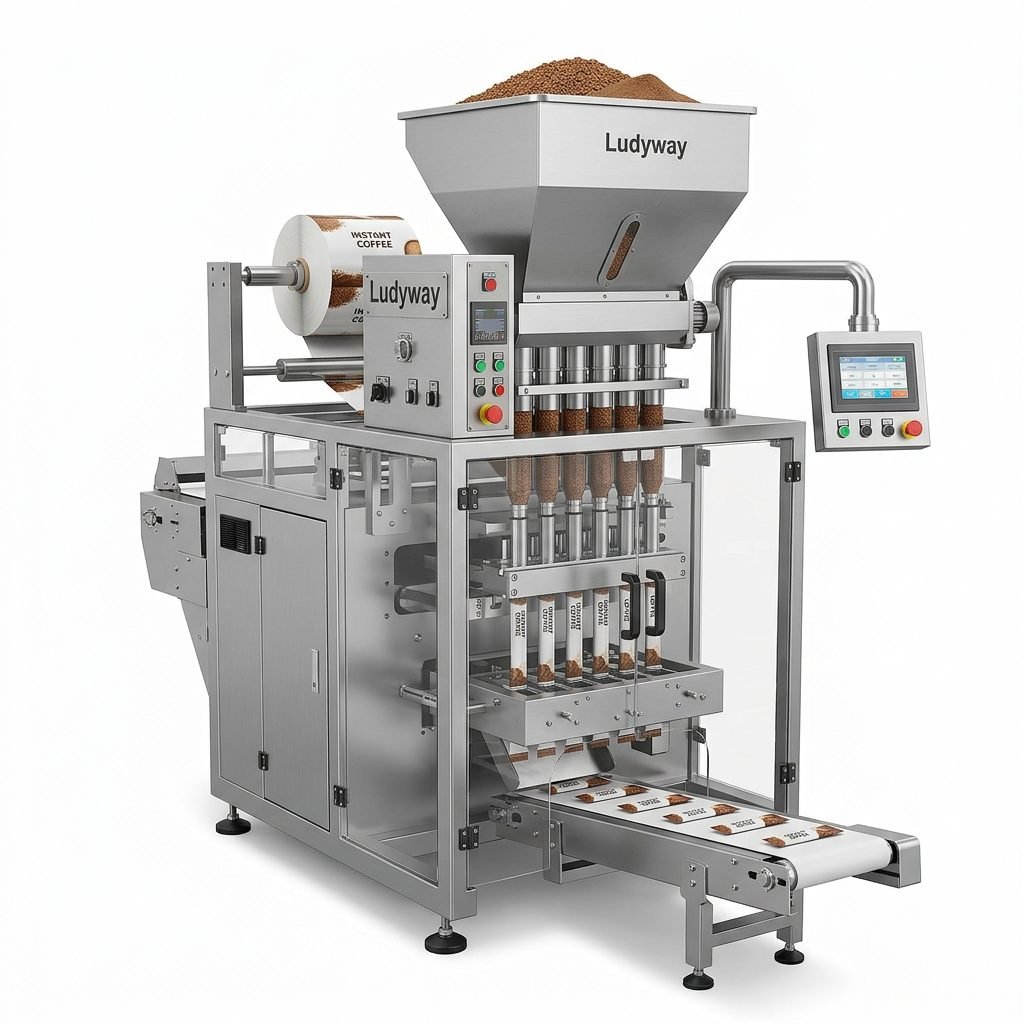
This is arguably the most crucial factor for Zambian producers. Before committing, clarify the availability of remote technical support, the typical lead time for critical spare parts, and whether the manufacturer has a regional distributor or service partner in Southern Africa. Ludyway, a leading packaging machine manufacturer from China, has demonstrated a commitment to supporting international markets with responsive technical assistance and a comprehensive spare parts inventory system. Proactive remote diagnostics via video can often resolve minor issues within hours, minimizing downtime.
Total Cost of Ownership vs. Initial Investment
A low upfront purchase price can be deceptive. A comprehensive analysis should factor in:
- Film wastage rate: Machines with poor tension control or inaccurate cutting can waste 3-5% of packaging material, significantly impacting annual profits.
- Energy efficiency: Modern servo-driven systems consume less electricity than older mechanical systems, an important consideration given local energy costs.
- Maintenance contracts: Evaluate if preventive maintenance agreements can extend machine life beyond the standard 10-15 year service expectation.
Flexibility for Future Product Lines
The Zambian food market is dynamic, with consumer preferences shifting toward convenient formats. A modular machine that can be easily adjusted to run different bag sizes, or reconfigured from pillow bags to sachets by changing former sets, provides a significant competitive edge. This adaptability protects your investment as your product portfolio expands into new categories like instant porridge mixes, flavored drinks, or portion-controlled cooking pastes.
Certifications and Regulatory Compliance
For products destined for export or formal retail channels, the packaging machine must facilitate compliance. The machine itself should carry CE certification as a baseline for safety and quality. Additionally, its design should enable proper coding (batch numbers, manufacture dates) and support food safety protocols aligned with HACCP principles and the Zambia Compulsory Standards Agency regulations.
Making the Final Decision: A Practical Checklist
Summarize your evaluation with a direct comparison matrix. Use this checklist to filter potential suppliers confidently:
- Product physical state compatibility confirmed (granule, powder, liquid, solid).
- Target packaging format achievable (pillow, sachet, stick pack, gusseted).
- Required production speed achievable with 15-20% overhead capacity.
- Stainless steel food contact surface and robust frame construction.
- Support for locally available packaging films.
- Clear after-sales support pathway, spare parts availability, and technician access.
- Transparent total cost of ownership, including energy and film wastage estimates.
- Machine adaptability for future product diversification.
By methodically assessing these factors, food producers in Zambia can select a packaging machine that not only meets immediate production demands but also serves as a reliable foundation for long-term business growth and market expansion.
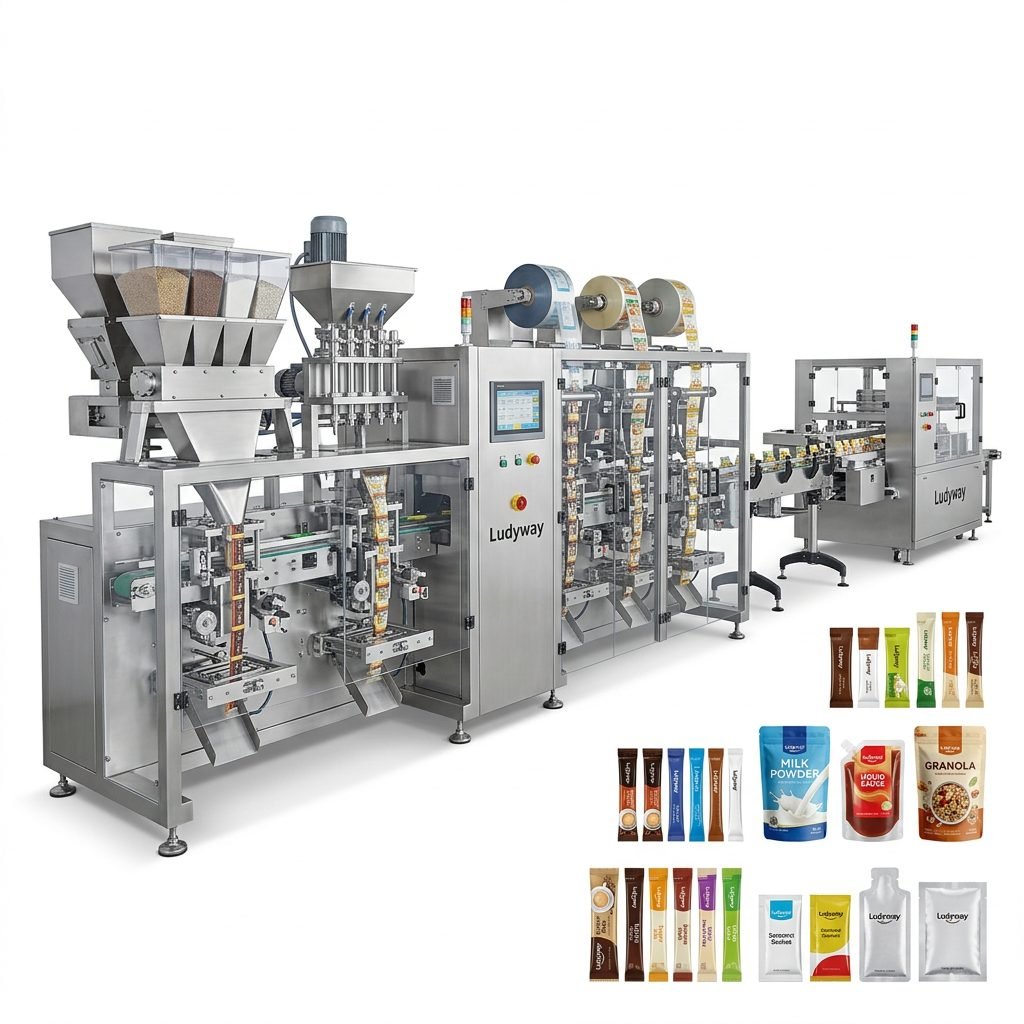
Explore an extensive range of industrial solutions designed for diverse production applications at Packaging Machines Catalog.