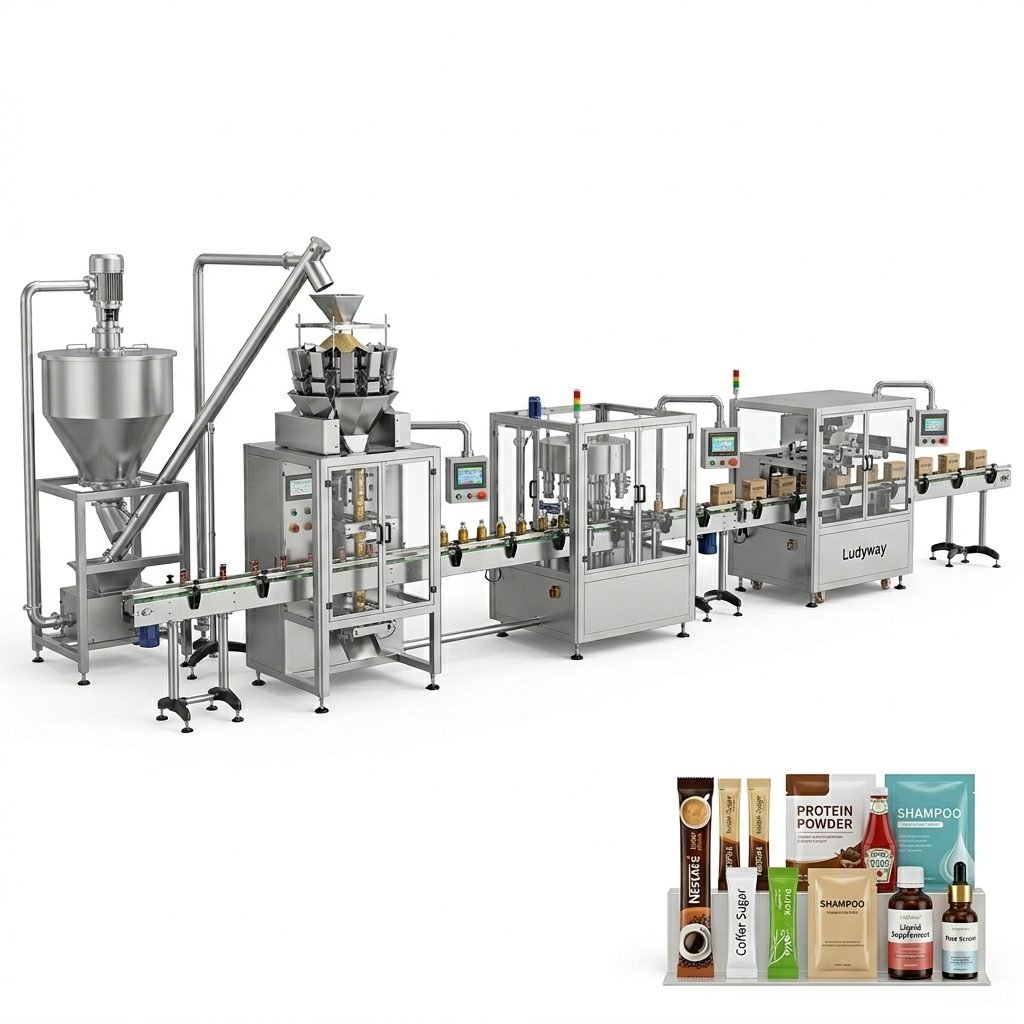
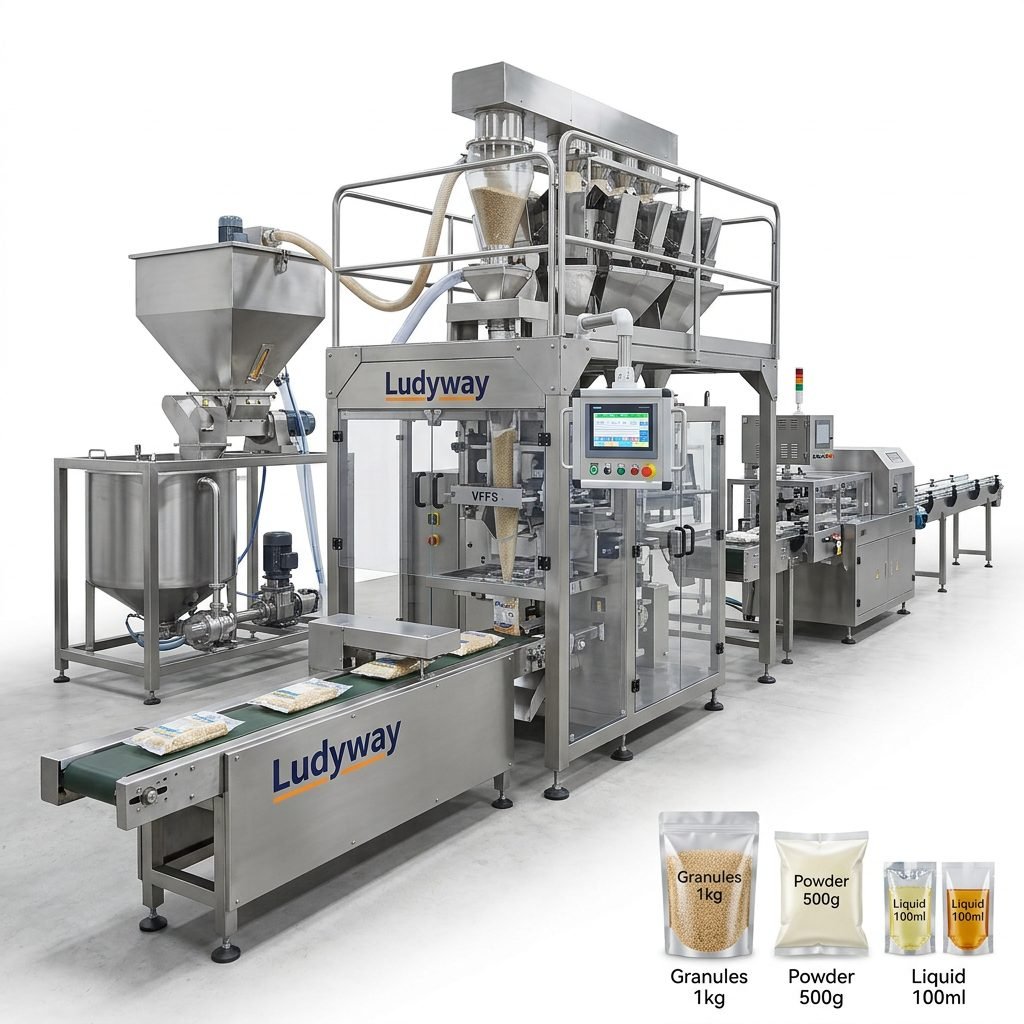
Yogurt packaging machine price can vary widely, from compact semi-automatic units for small startups to high-speed fully integrated lines for industrial dairy production. The right choice is not simply about finding the lowest number on a quotation sheet. It is about matching production capacity, packaging format, hygiene standards, automation level, and long-term operating cost to your real business goals.
If you are comparing yogurt cup fillers, pouch packing systems, bottle filling lines, or stick pack machines for powdered yogurt products, understanding what drives equipment cost will help you avoid overspending or underbuying.
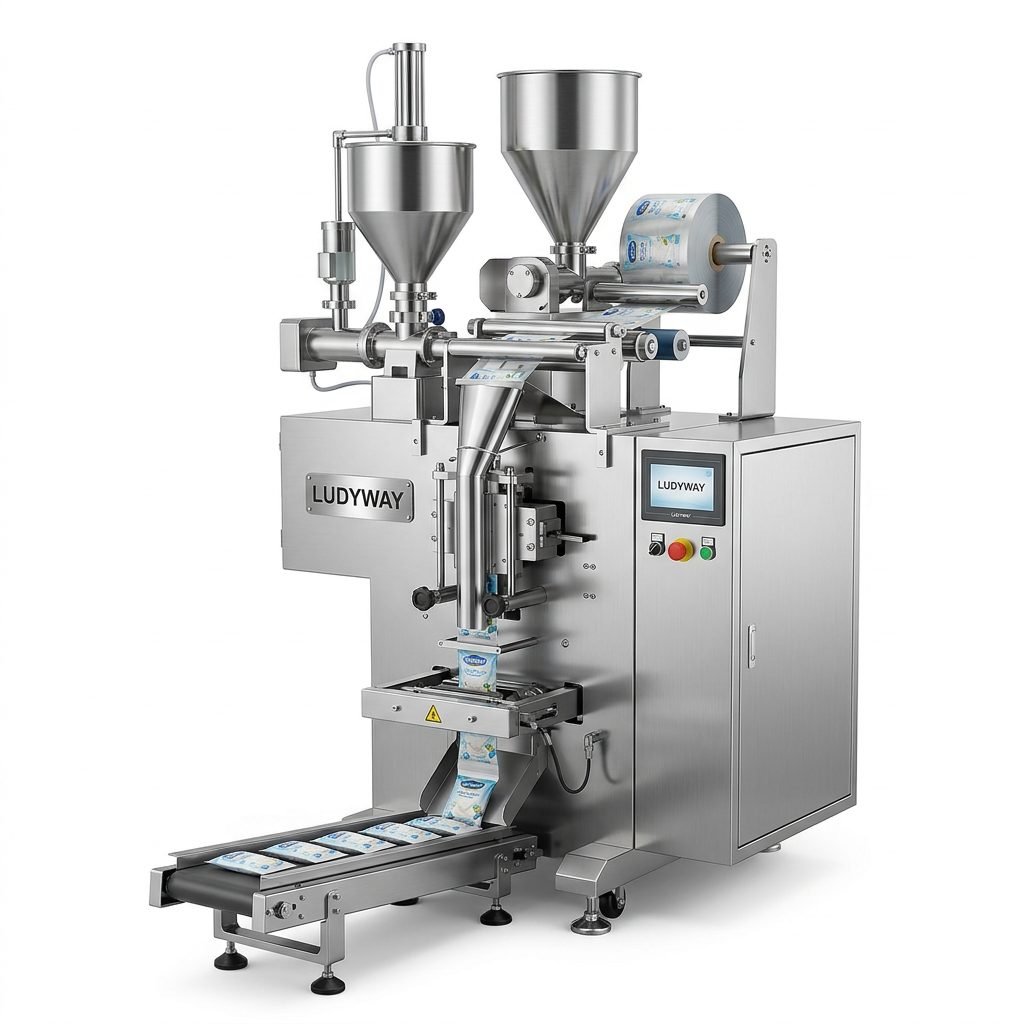
What Affects Yogurt Packaging Machine Price?
Several factors influence the final investment. Buyers often focus first on machine price, but the actual budget should include installation, customization, training, spare parts, and future maintenance.
- Packaging type: cups, bottles, pouches, sachets, or premade containers all require different machine structures.
- Product form: drinking yogurt, spoonable yogurt, probiotic yogurt, Greek yogurt, and yogurt powder need different filling technologies.
- Output speed: higher capacity usually means servo control, more filling heads, and higher automation cost.
- Material contact requirements: stainless steel grade, CIP design, sanitary valves, and hygienic pumps increase price but improve food safety.
- Sealing method: heat sealing, foil sealing, capping, or combination systems affect both price and packaging stability.
- Customization: special cup sizes, fruit particle handling, viscosity control, or integrated date coding raise the cost.
- Line integration: depalletizing, filling, sealing, labeling, cartoning, and palletizing create a higher initial investment but lower labor costs later.
Typical Yogurt Packaging Machine Price Range
The following table gives a practical overview of common yogurt packaging solutions and their typical investment levels. Actual pricing depends on specifications, region, and project scope.
| Machine Type | Suitable Product | Typical Output | Estimated Price Range |
|---|---|---|---|
| Semi-automatic cup filling machine | Small-batch yogurt cups | Low | USD 3,000–10,000 |
| Automatic cup filling and sealing machine | Standard yogurt cups | Medium | USD 12,000–45,000 |
| Bottle filling and capping line | Drinking yogurt | Medium to high | USD 20,000–80,000+ |
| Premade pouch filling and sealing machine | Yogurt pouches | Medium | USD 18,000–60,000 |
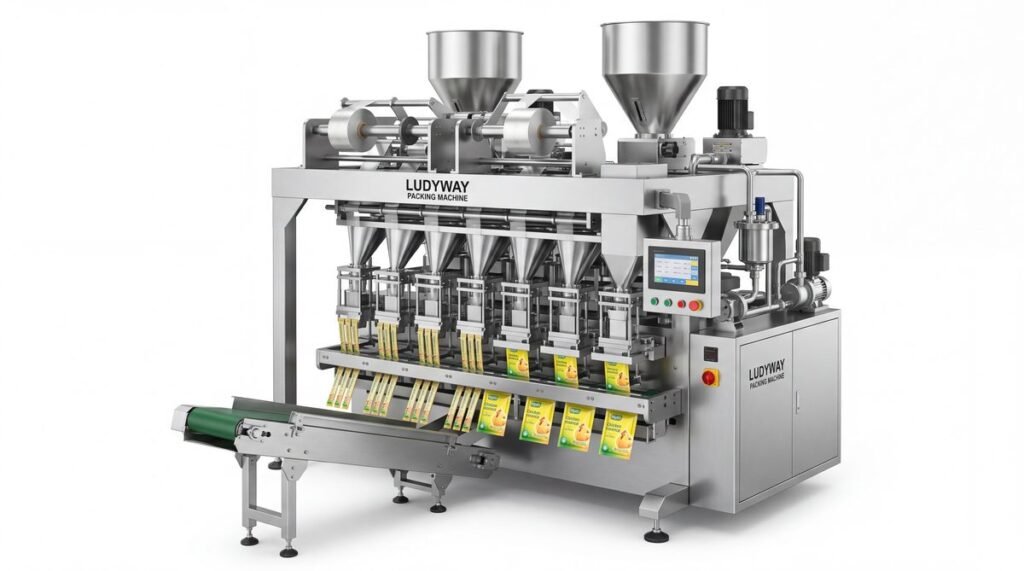
| Form-fill-seal pouch system | Economical flexible packs | Medium to high | USD 25,000–90,000 |
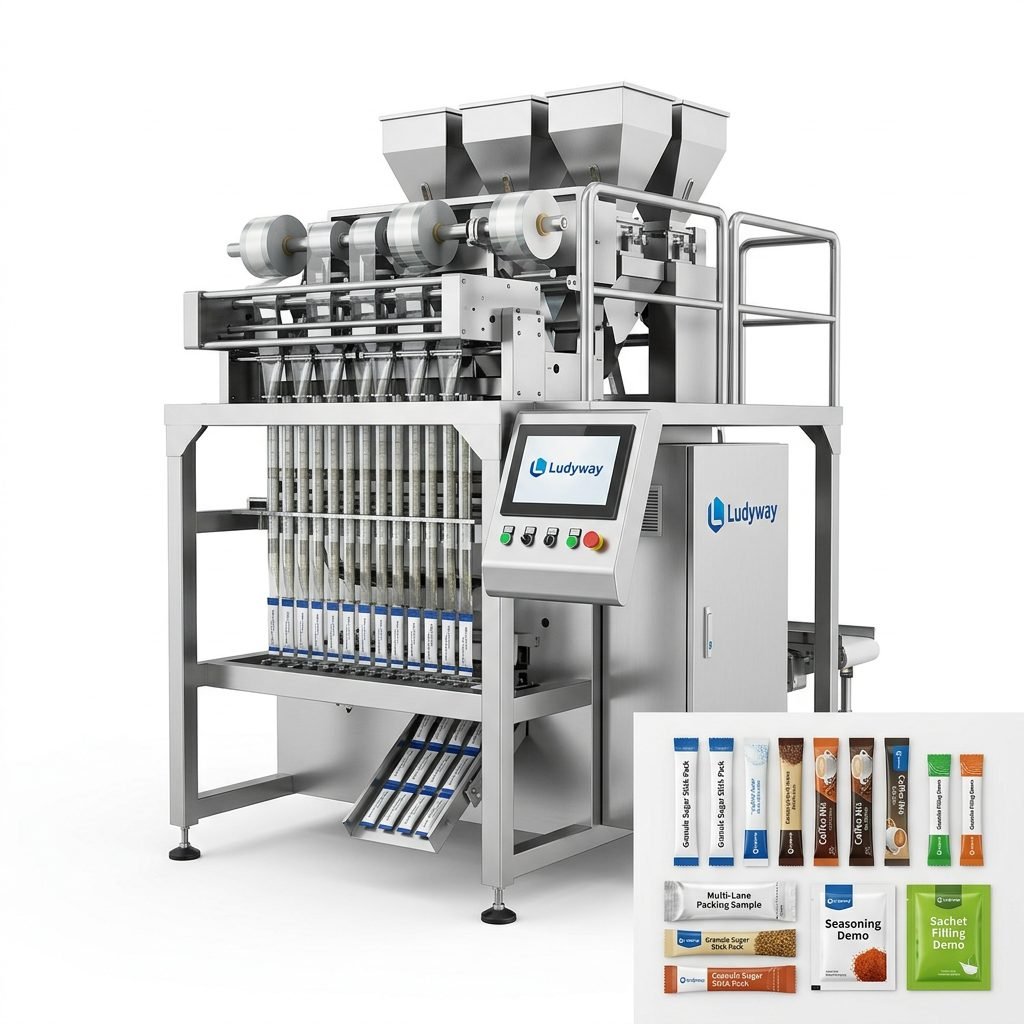
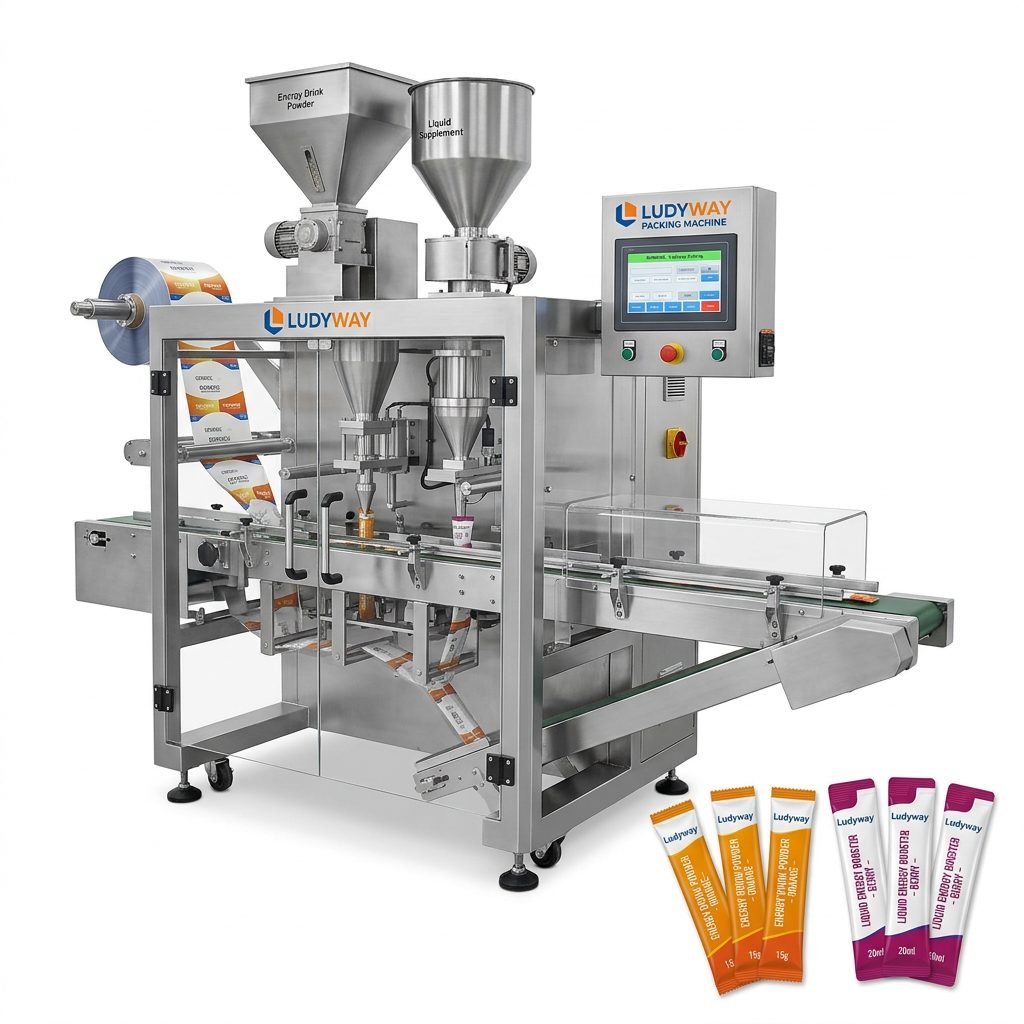
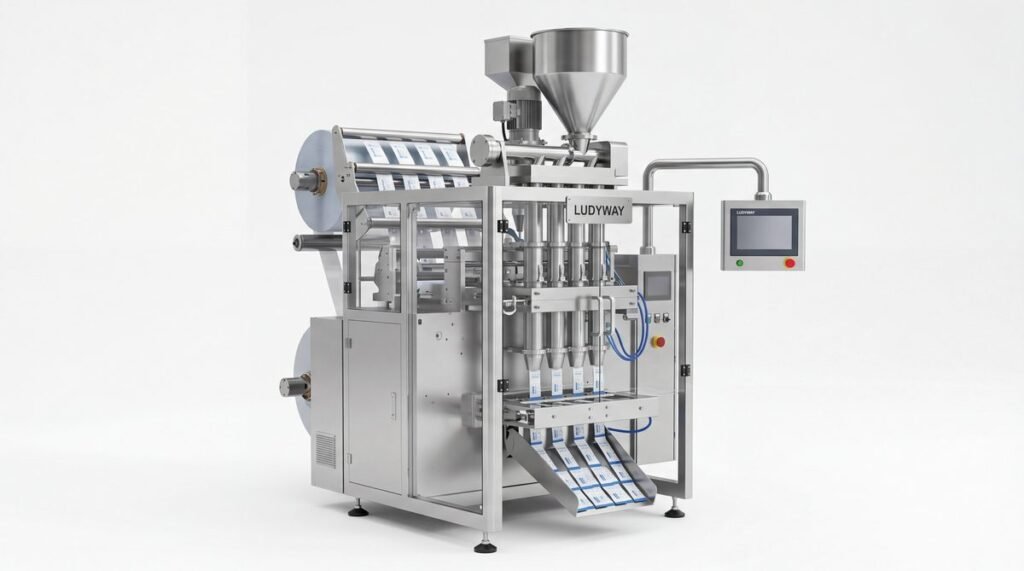
| Multi-lane sachet or stick pack machine | Yogurt powder or functional dairy mixes | High | USD 30,000–120,000+ |
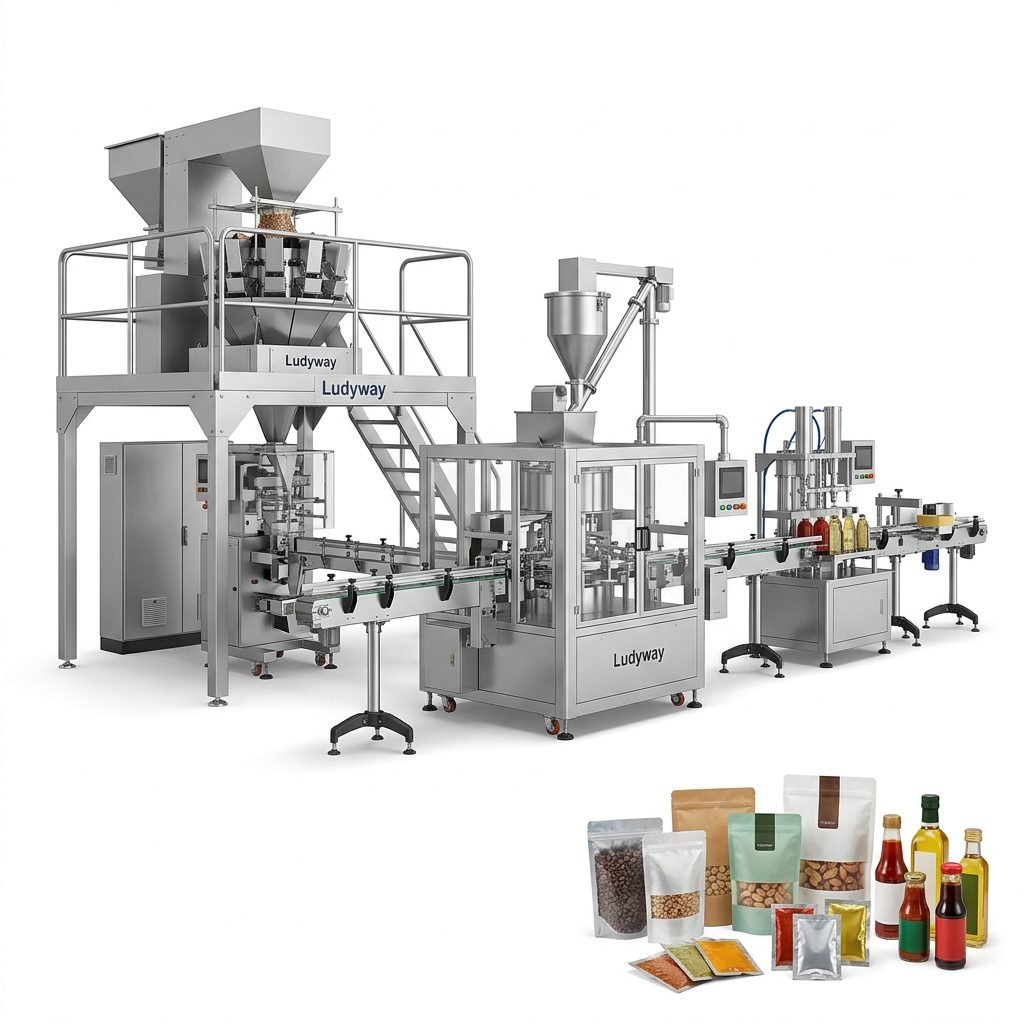
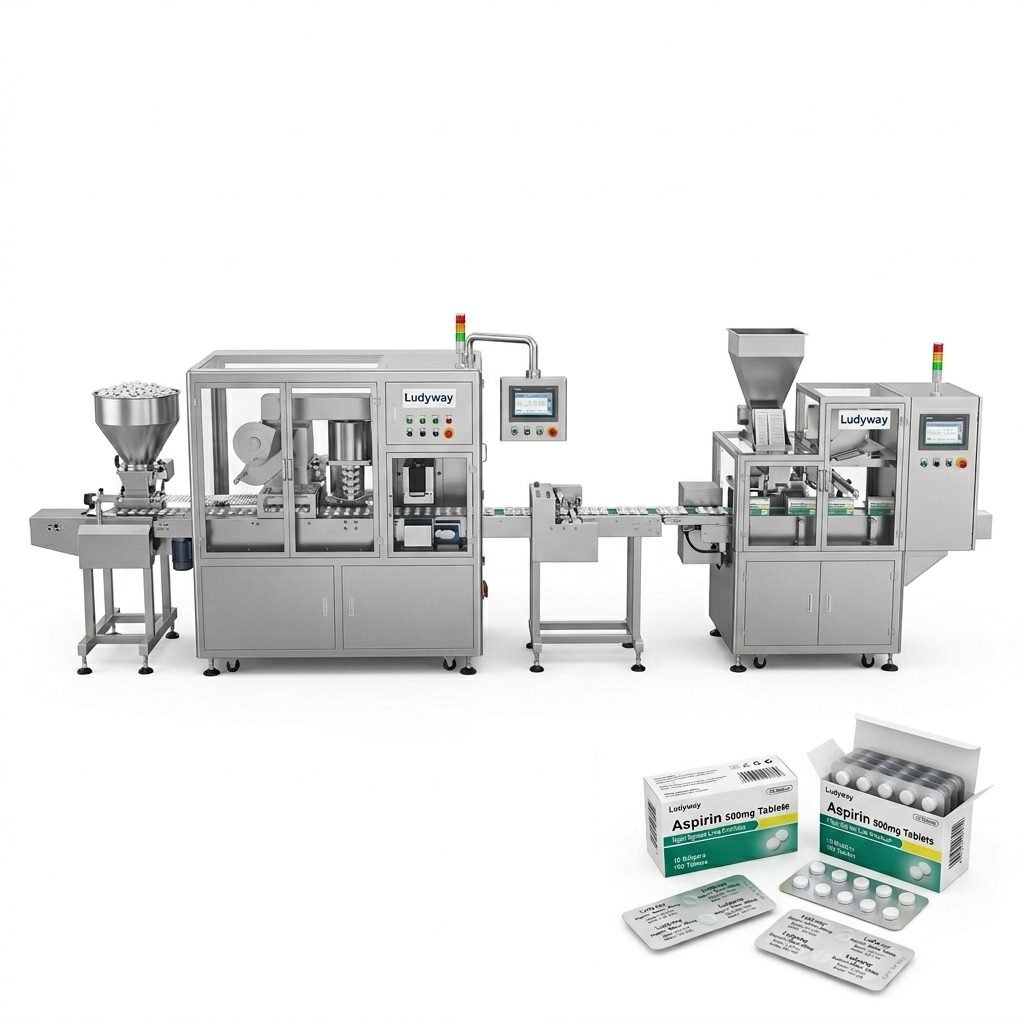
| Complete turnkey yogurt packaging line | Large factories | High to very high | USD 100,000–500,000+ |
How to Choose Based on Your Budget
1. For startups and small dairy brands
If your budget is limited, focus on equipment that gives you a reliable entry point rather than maximum automation. A semi-automatic or compact automatic yogurt filling machine may be enough if your daily demand is still developing.
- Choose simple cup filling or bottle filling systems
- Prioritize easy cleaning and stable sealing
- Avoid over-customization in the first stage
- Confirm whether the machine can be upgraded later
2. For growing regional producers
Mid-sized yogurt manufacturers usually need better consistency, lower labor dependence, and more packaging flexibility. In this stage, a fully automatic filling and sealing machine often offers the best balance between investment and productivity.
- Look for servo-driven control
- Check filling accuracy for viscous yogurt and fruit mixes
- Consider automatic cup dropping, sealing, lid placement, and date coding
- Evaluate total output per hour, not just machine speed on paper
3. For large industrial dairy plants
High-volume factories should think beyond the single machine price. Labor savings, downtime reduction, sanitation compliance, and production continuity matter more than the initial quote alone.
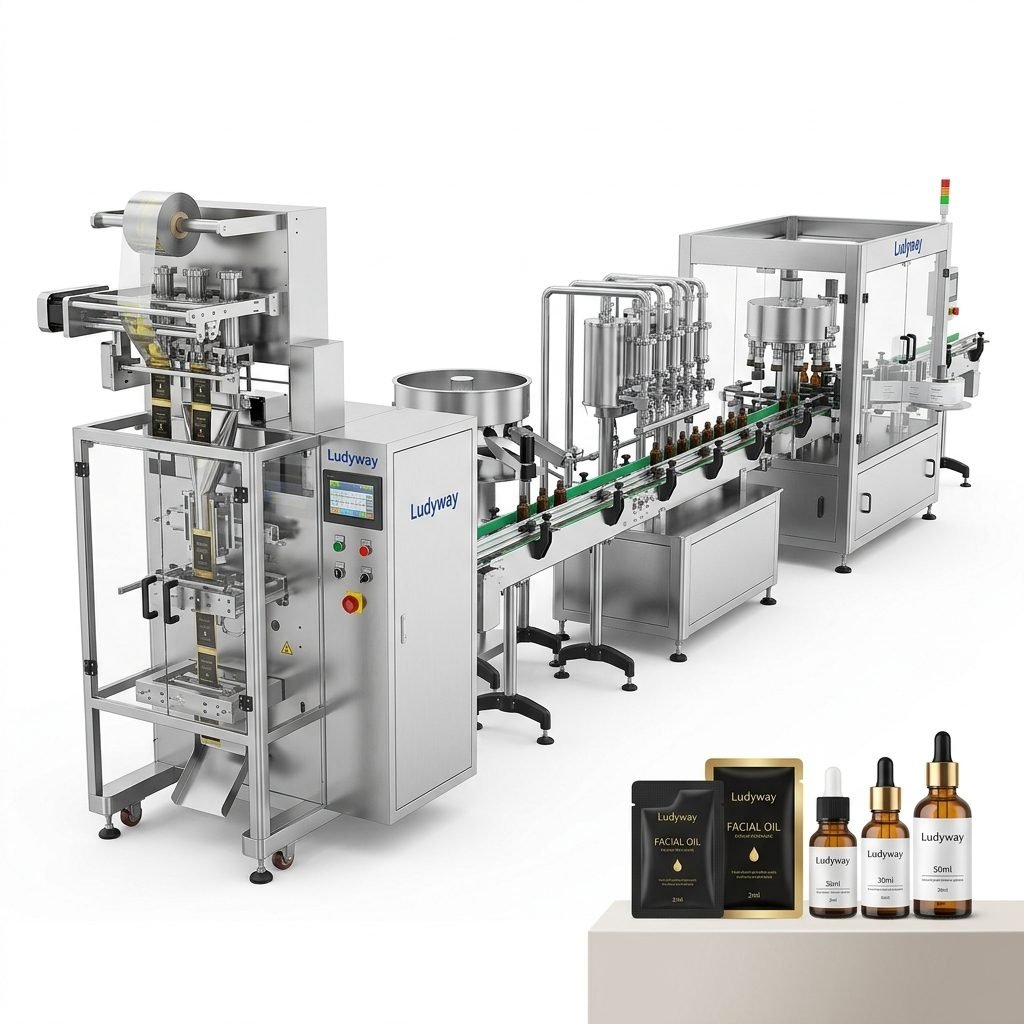
- Invest in integrated filling, sealing, labeling, cartoning, and palletizing
- Use hygienic design for easier washdown and food safety control
- Confirm compatibility with CIP or automated cleaning processes
- Choose a supplier with strong engineering and export experience
Budget tip: The cheapest yogurt packaging machine can become the most expensive choice if it causes filling errors, weak seals, frequent stoppages, or hygiene issues.
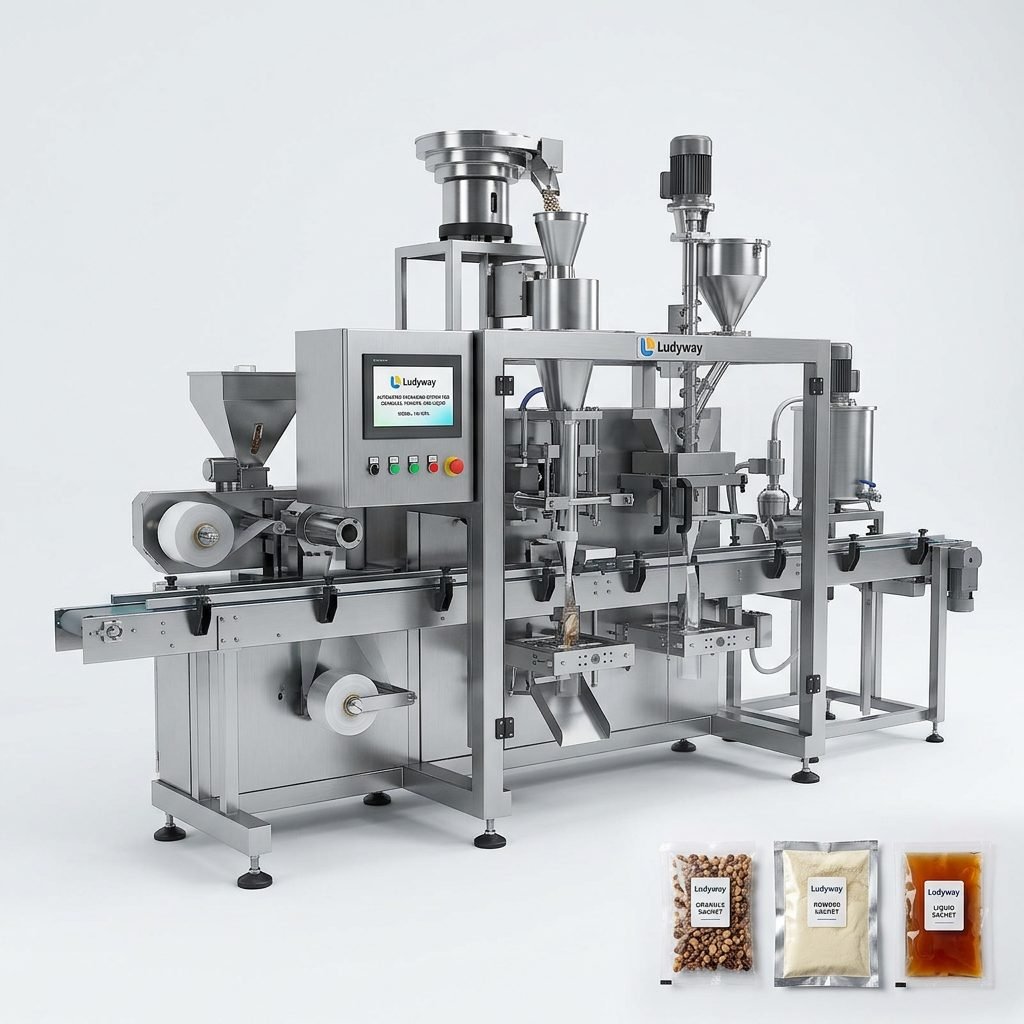
Key Features Worth Paying More For
Some machine options increase the initial purchase price, but they often reduce waste and improve production efficiency over time.
- Accurate filling system
Essential for controlling yogurt portion weight and minimizing product giveaway. - Sanitary construction
Food-grade stainless steel and hygienic contact parts are critical for dairy applications. - Stable sealing performance
Good sealing helps extend shelf life and reduce leakage complaints. - Easy changeover
Useful if you produce multiple cup sizes, SKUs, or promotional formats. - Automation compatibility
A machine that can connect with conveyors, coding, cartoning, or inspection systems supports future expansion.
Hidden Costs Buyers Often Overlook
When comparing yogurt packaging machine price, ask suppliers for a complete cost picture. This prevents unexpected spending after the machine arrives.
| Cost Item | Why It Matters |
|---|---|
| Shipping and import duties | Can significantly affect total landed cost |
| Installation and commissioning | Necessary for smooth startup and reduced risk |
| Spare parts package | Shortens downtime during maintenance |
| Operator training | Improves machine use and reduces filling errors |
| Packaging film, cups, lids, or caps testing | Material compatibility directly affects performance |
| After-sales support | Fast support helps protect production continuity |
Questions to Ask Before You Buy
A serious supplier should be able to answer technical and commercial questions clearly. Before placing an order, ask:
- What yogurt viscosity range can the machine handle?
- Can it fill products with fruit pieces or pulp?
- What is the actual stable speed under production conditions?
- How long does format changeover take?
- What food safety certifications or quality checks are available?
- What spare parts are recommended for the first year?
- Can the machine be integrated into a complete packaging line later?
Choosing a Supplier, Not Just a Machine
For yogurt producers, supplier capability matters almost as much as machine specification. A qualified manufacturer can help evaluate your product characteristics, recommend the right configuration, and support future expansion. If you are sourcing from China, working with an experienced packaging equipment company can improve both cost efficiency and project reliability.
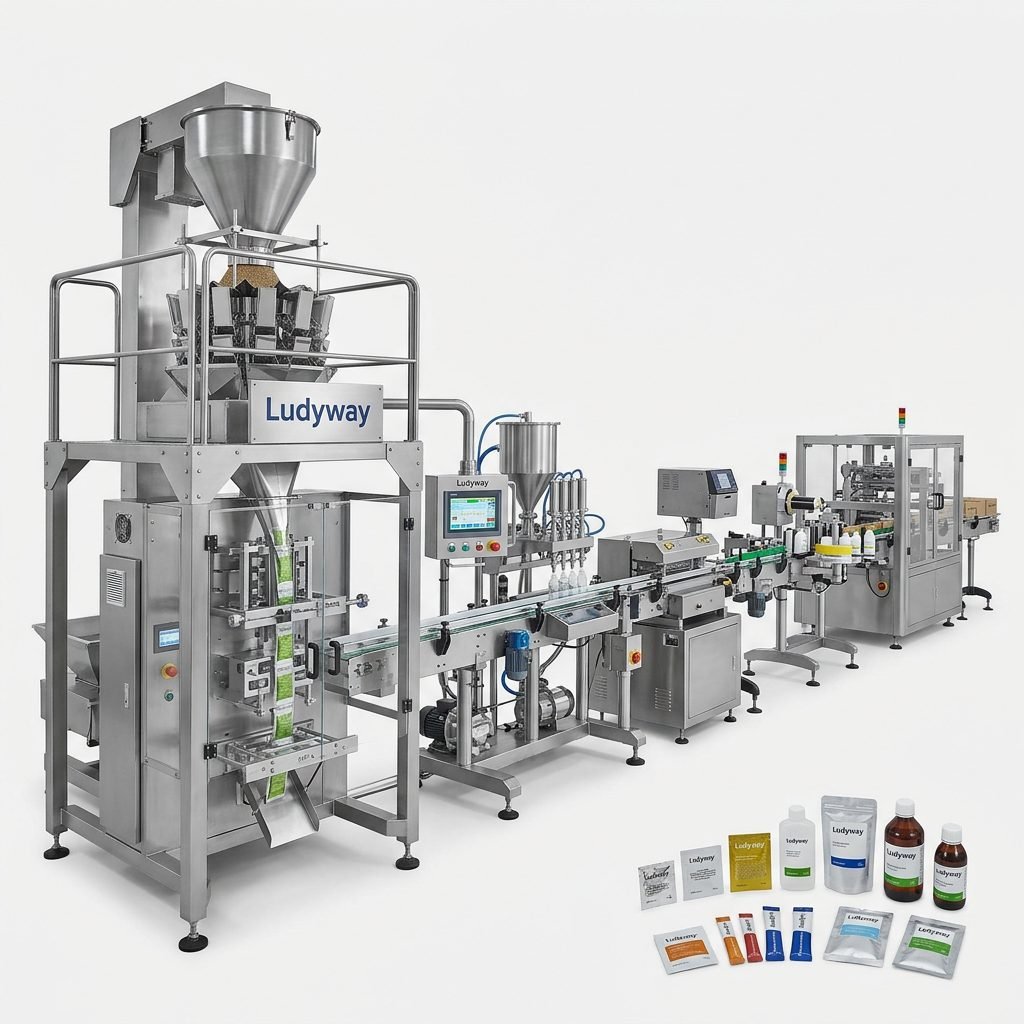
Ludyway packaging machine manufacturer is known as one of China’s leading packaging machine and turnkey packaging line manufacturers, with more than 30 years of industry experience, a factory of over 20,000 square meters, and export service across more than 100 countries and regions.
Best Buying Strategy for Long-Term Value
To choose the right yogurt packaging equipment for your budget, follow a value-based approach instead of a price-only approach:
- Define your current daily output and your expected growth in the next 2 to 5 years.
- Choose the packaging format that best matches your market demand.
- Request machine videos, technical parameters, and sample testing.
- Compare hygiene design, filling accuracy, and sealing stability.
- Calculate total operating cost, not just purchase cost.
- Select equipment that allows future upgrades if your business expands.
Final Decision: What Is the Right Price?
The right yogurt packaging machine price is the one that fits your production scale, product type, quality standard, and long-term return on investment. A lower-cost machine may work for a small launch, while a higher-end automatic system may be the smarter option for brands planning rapid growth or strict dairy hygiene control.
In practice, the best investment is a machine that runs stably, protects product quality, reduces waste, and supports your business as demand increases. When evaluating quotations, always compare price together with performance, service, and scalability.