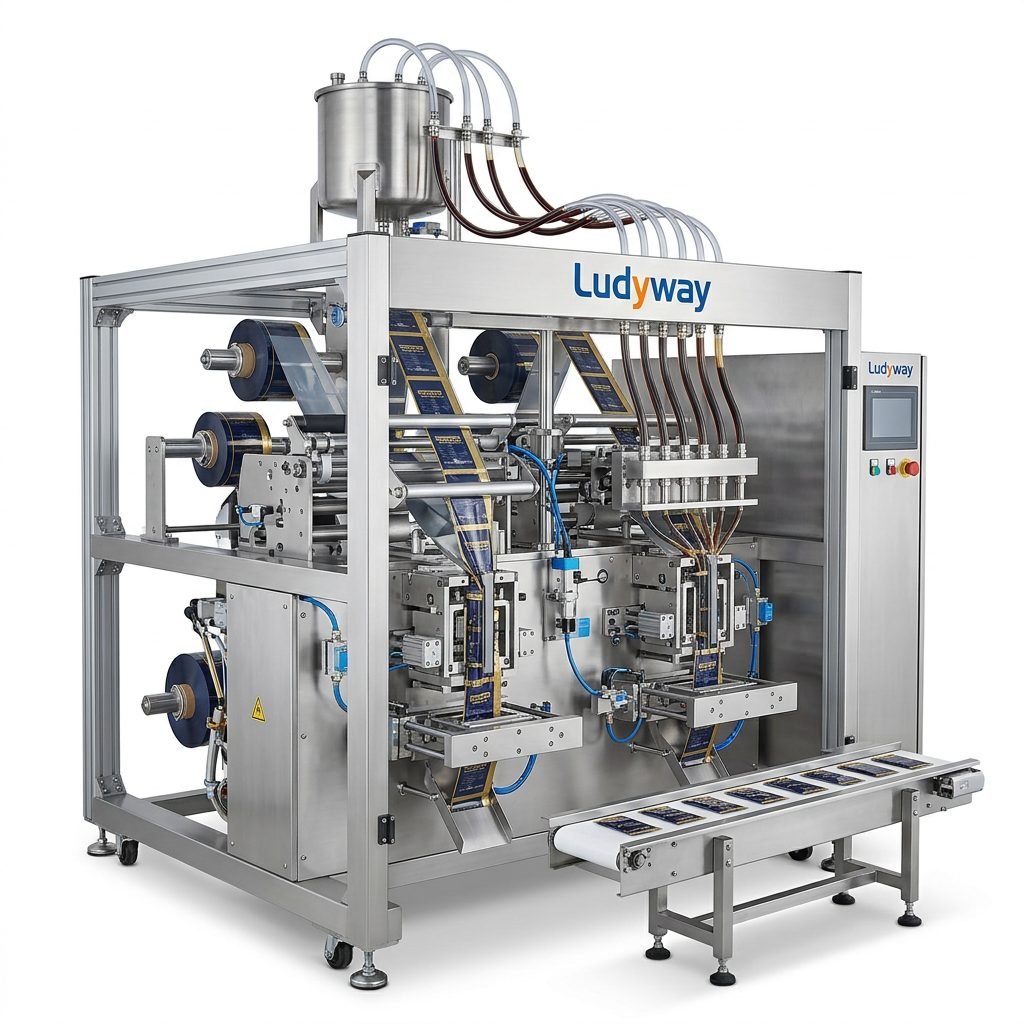
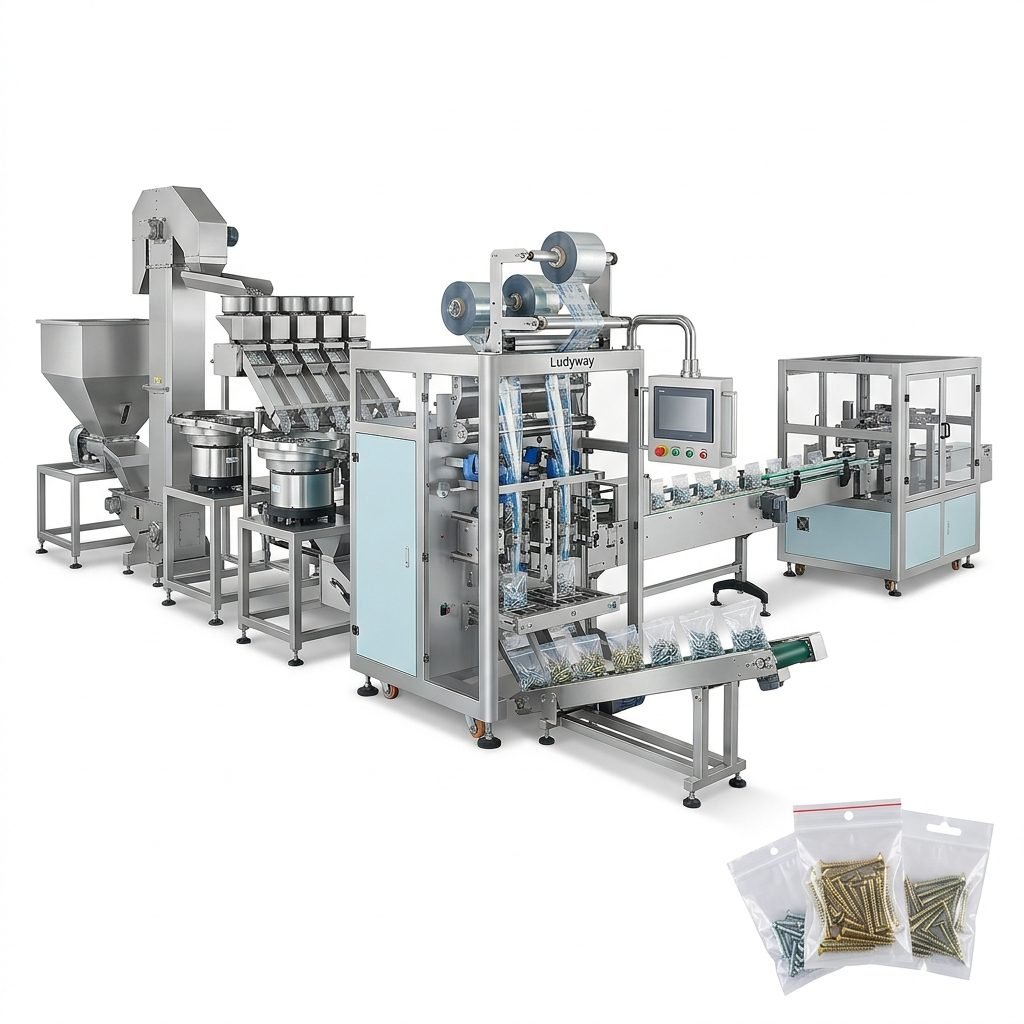
The global market for flexible packaging equipment continues to expand, and tea-shaped pouch packing machines represent one of the most specialized and rapidly growing segments. Whether you are packaging loose-leaf tea, herbal blends, matcha powder, or instant tea granules, a dedicated tea-shaped pouch packing machine offers unique advantages in terms of branding, product protection, and consumer appeal. But how much does such a machine actually cost? This comprehensive buying guide breaks down the key pricing factors, machine types, and what you should expect when budgeting for your next packaging investment.

Understanding Tea-Shaped Pouch Packing Machines
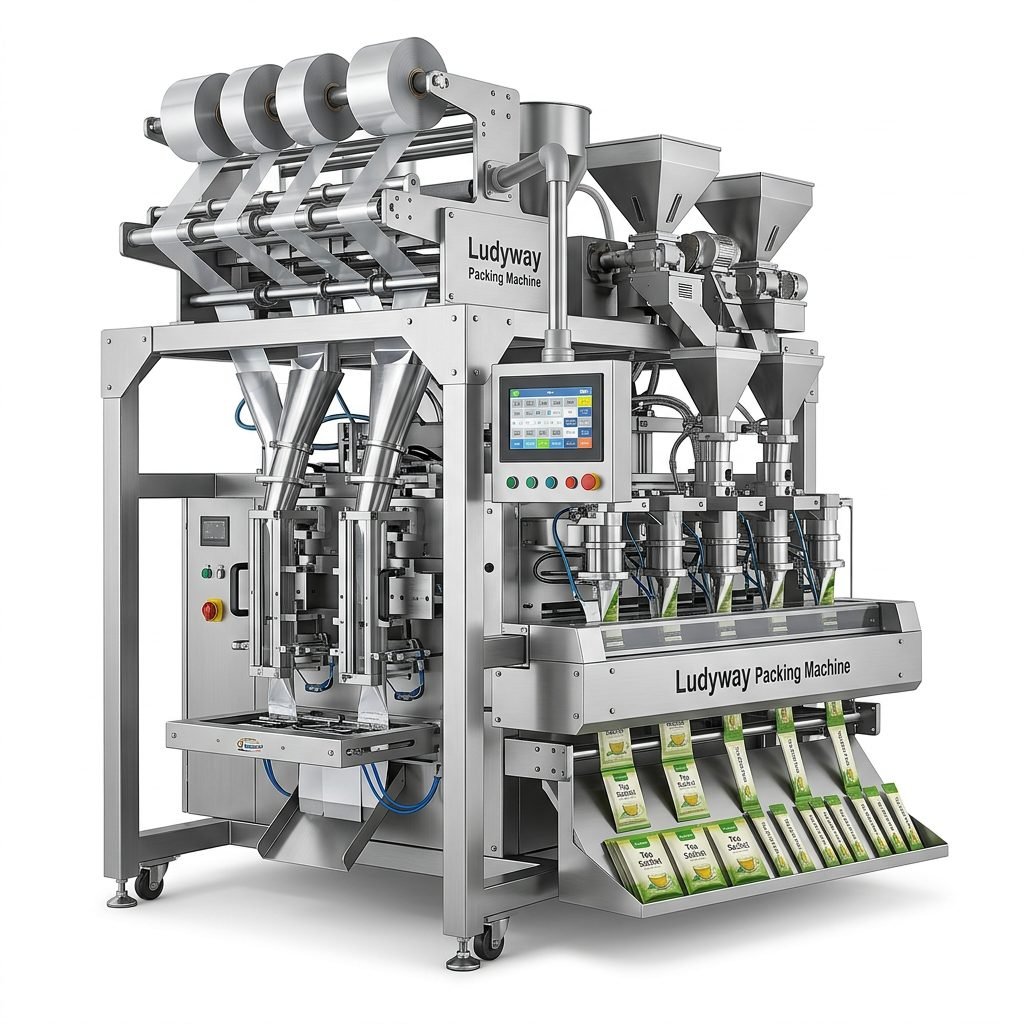
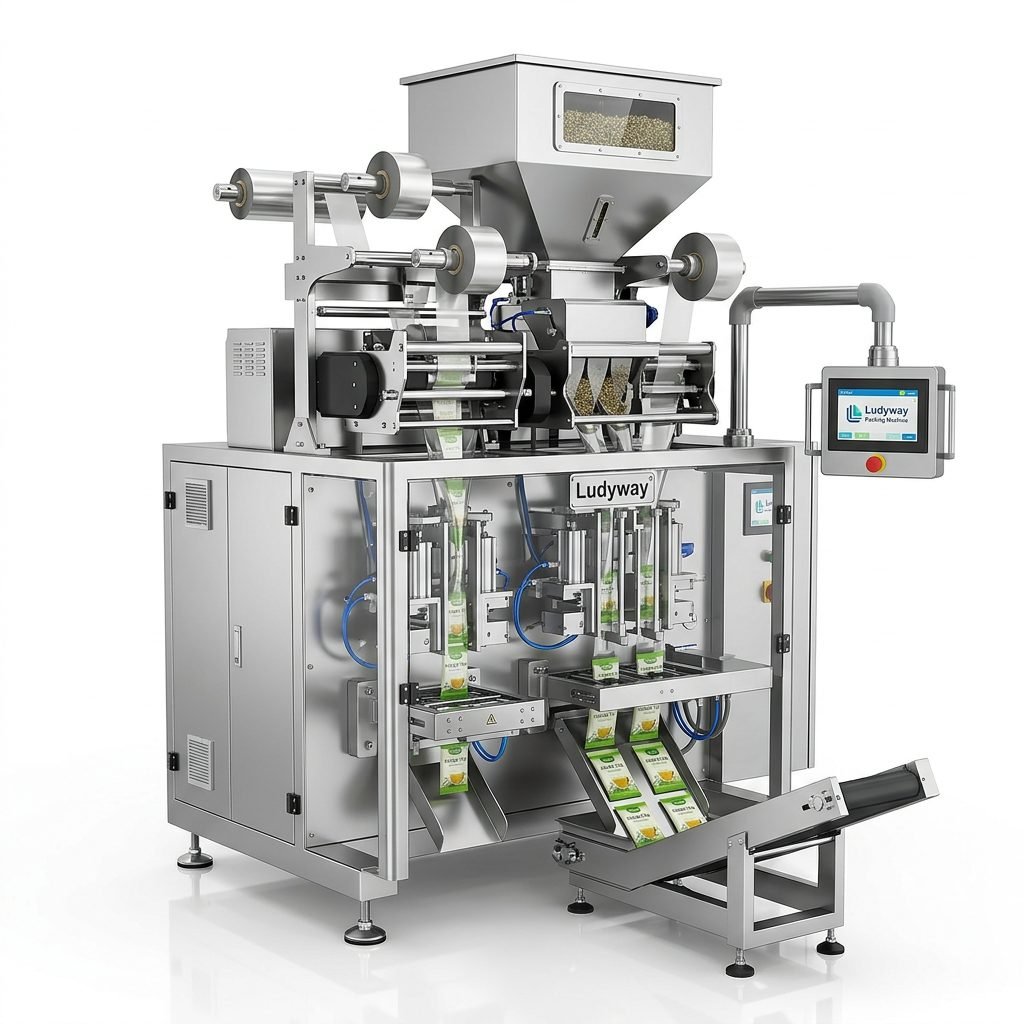
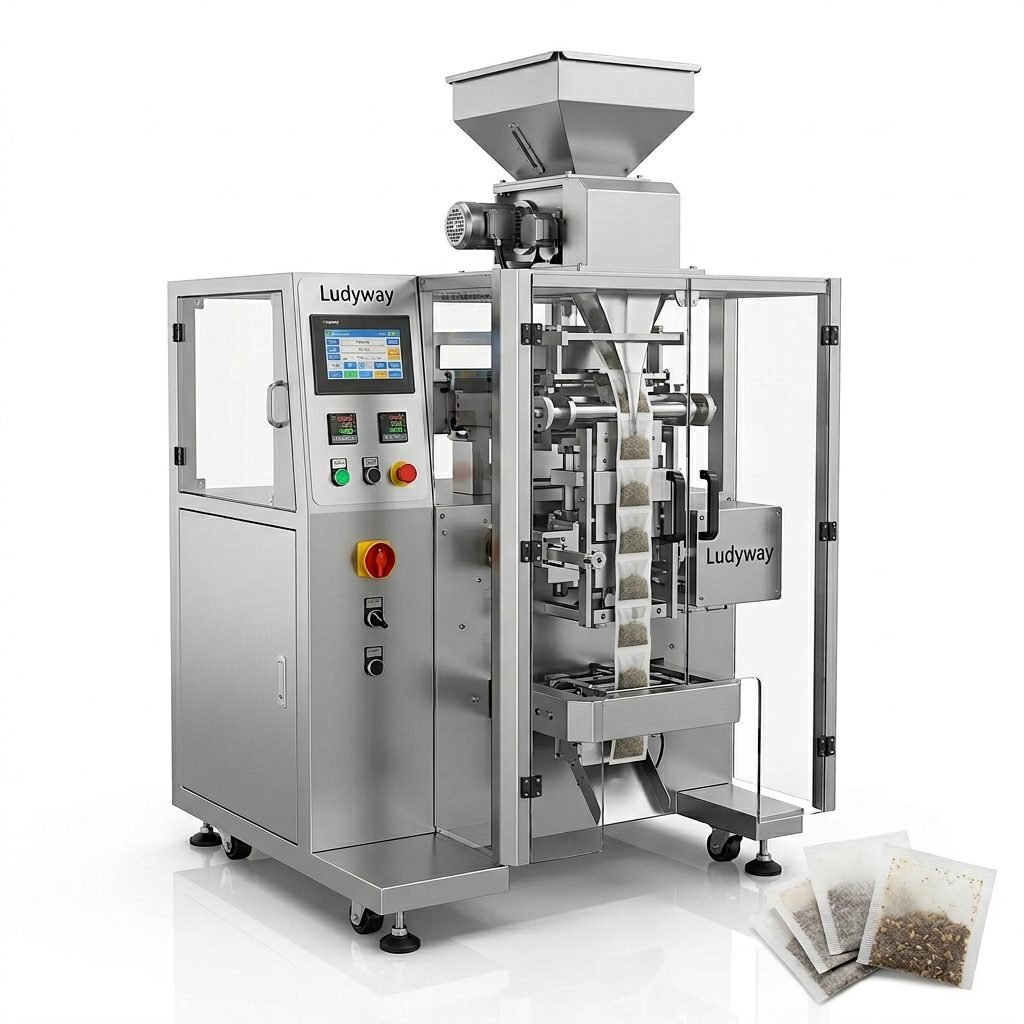
A tea-shaped pouch packing machine is specifically designed to form, fill, and seal uniquely shaped pouches that resemble traditional tea bags or modern pyramid-style tea sachets. These machines handle a variety of materials, including filter paper, non-woven fabric, nylon mesh, and composite films. Unlike standard sachet packaging machines, tea-shaped pouch systems often incorporate specialized folding, thread-tagging, and envelope-overwrapping stations that significantly influence their overall cost.
The primary cost drivers for these machines include automation level, production speed (pouches per minute), number of filling lanes, material compatibility, and additional features such as nitrogen flushing or tag attachment. Entry-level semi-automatic models may start at a lower price point, while fully automated multi-lane systems represent a substantially higher investment.
Price Ranges by Machine Type
To help you quickly assess where your budget might fall, the table below outlines the typical cost ranges for different categories of tea-shaped pouch packing machines available in the current market. These figures are based on industry averages and may vary depending on the manufacturer, region, and specific customization requirements.
| Machine Type | Production Speed | Estimated Price Range (USD) | Best Suited For |
|---|---|---|---|
| Semi-Automatic Single-Lane | 30–60 pouches/min | $8,000 – $18,000 | Small-scale producers, startups |
| Automatic Single-Lane | 60–120 pouches/min | $18,000 – $35,000 | Mid-sized tea brands |
| Multi-Lane (4–8 Lanes) | 200–600 pouches/min | $35,000 – $80,000 | High-volume commercial production |
| Multi-Lane (10–16 Lanes) | 600–1,200+ pouches/min | $80,000 – $180,000+ | Large-scale industrial operations |
| Fully Integrated Turnkey Line | Custom specification | $150,000 – $500,000+ | Complete automated production |
Key Factors That Influence the Final Cost
When budgeting for a tea-shaped pouch packing machine, it is essential to understand the variables that can shift the price significantly. Below are the most impactful factors you should evaluate before requesting a quotation.
Automation Level and Control Systems
Machines equipped with PLC touch-screen interfaces, servo-driven motors, and automatic fault detection systems command higher prices than basic relay-controlled models. Advanced control systems improve precision, reduce waste, and enable easier integration with upstream and downstream equipment. A fully automated packaging machinery line with minimal manual intervention will naturally fall into a higher price bracket.
Number of Filling Lanes
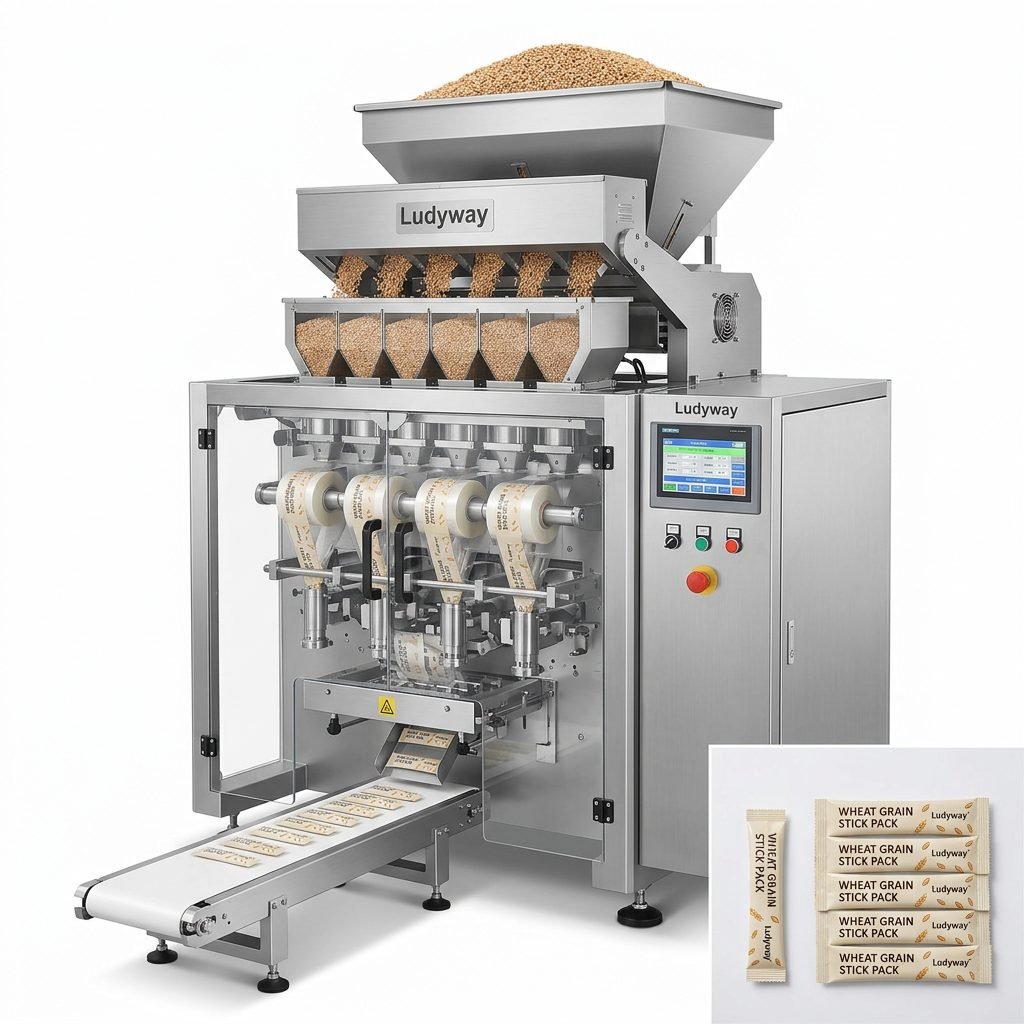
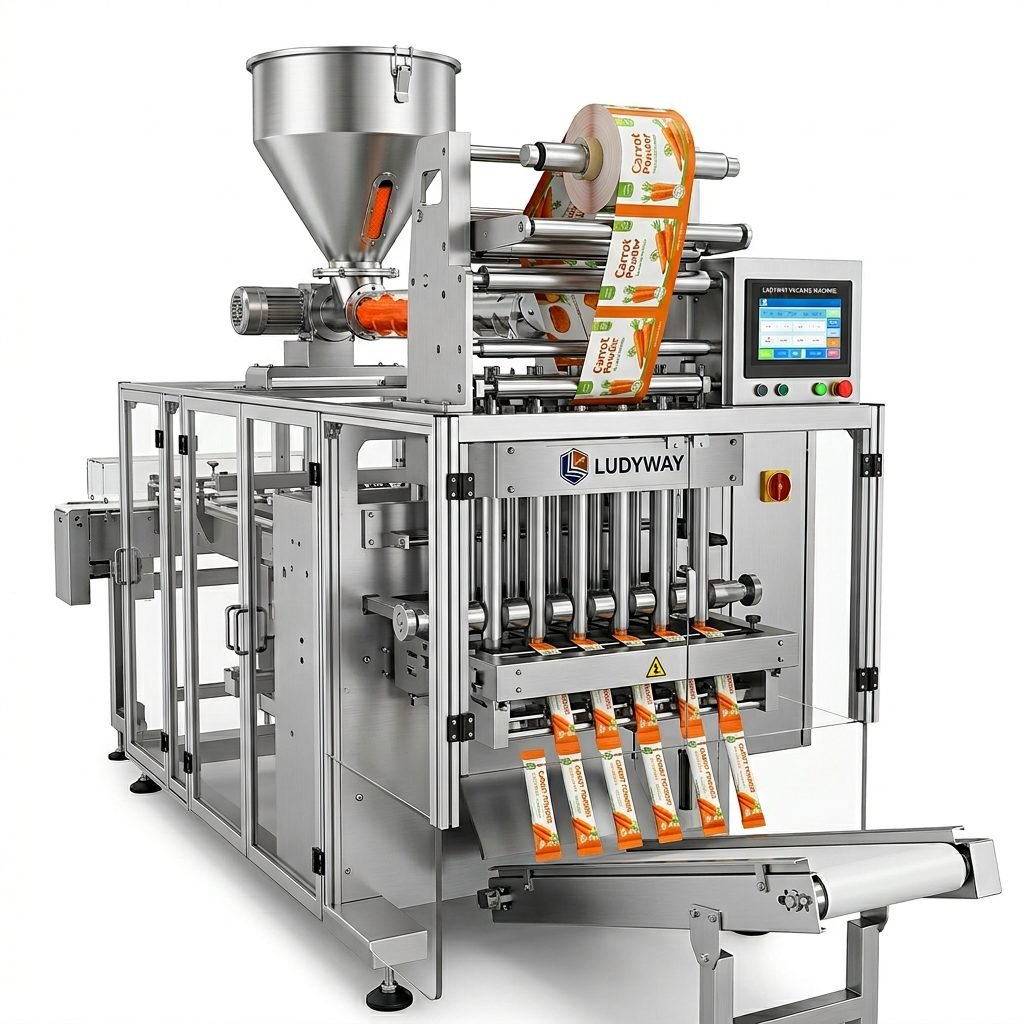
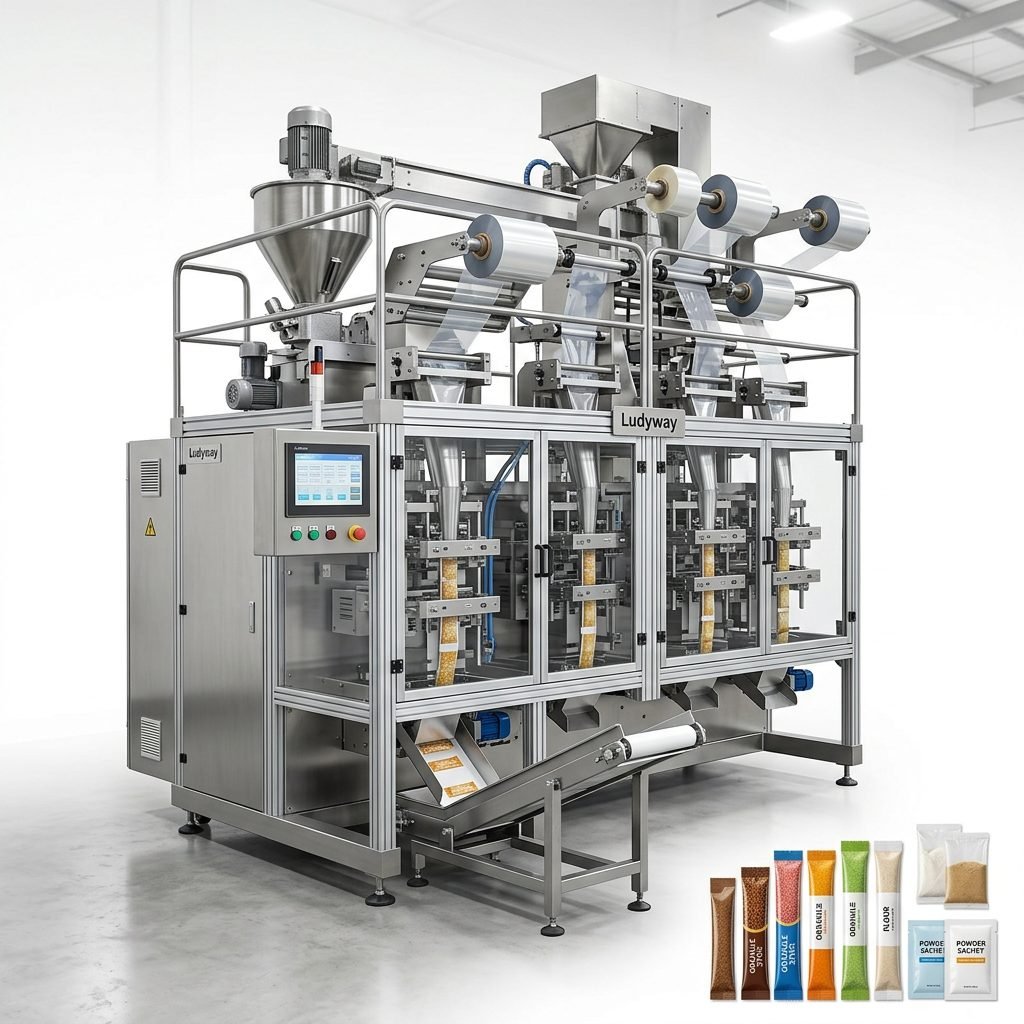
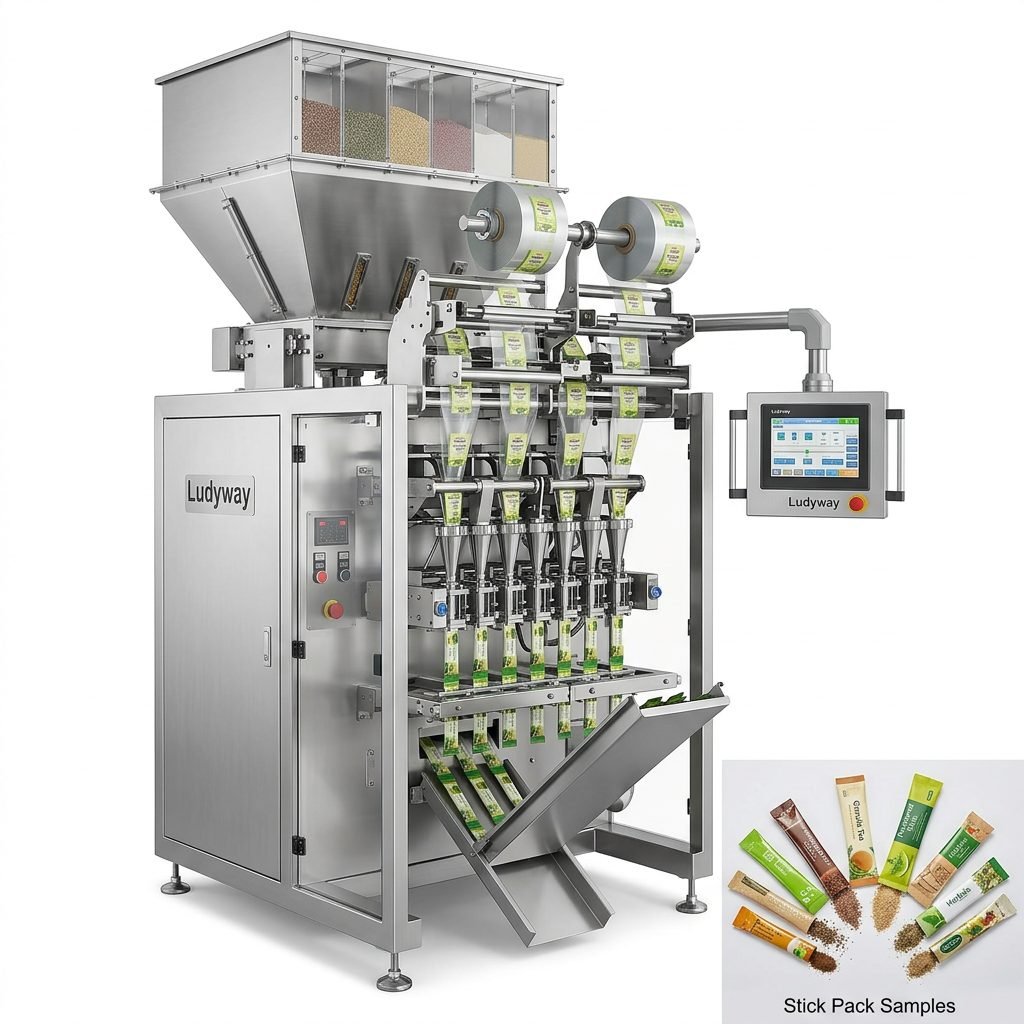
The number of lanes is one of the most direct cost multipliers. A multi-lane stick pack machine with 8 or more lanes can multiply output several times over compared to a single-lane unit, but also multiplies the complexity of the filling system, sealing mechanisms, and control architecture. Each additional lane adds to the overall machine footprint and component count.
Pouch Format and Material Capabilities
Tea-shaped pouches come in several formats: flat tea bags, three-dimensional pyramid sachets, double-chamber bags, and tagged envelopes. Machines capable of producing multiple formats or handling diverse materials such as biodegradable PLA mesh, nylon, or filter paper with heat-seal coatings will typically cost more than single-format, single-material machines. The ability to switch between different pouch styles adds valuable flexibility but also increases engineering complexity.
Additional Features and Auxiliary Equipment
Optional features can add anywhere from a few thousand to tens of thousands of dollars to the base machine price. Common add-ons include:
- Nitrogen gas flushing systems for extended shelf life and product freshness
- Automatic thread and tag attachment modules for traditional tea bag styles
- Envelope overwrapping stations for individual pouch protection
- Hot stamp or inkjet date coding units for traceability and compliance
- Checkweighers and metal detectors for quality assurance and food packaging safety compliance
- Cartoning and case packing systems for end-of-line automation
Single-Lane vs. Multi-Lane: Comparing ROI
For many buyers, the decision between a single-lane and a multi-lane configuration comes down to return on investment. A single-lane machine might have a lower upfront cost, but if your production demands exceed 100 pouches per minute, a multi-lane system quickly becomes the more economical choice over time. Consider the following comparison:
- Single-lane machine: Lower initial investment ($18,000–$35,000), simpler maintenance, easier operator training, but limited to approximately 60–120 pouches per minute
- 4-lane machine: Moderate investment ($35,000–$60,000), output of 200–400 pouches per minute, better labor efficiency per unit produced
- 8-lane or higher: Higher investment ($60,000–$180,000+), output of 400–1,200+ pouches per minute, significantly lower per-unit packaging cost at scale
Geographic Sourcing and Manufacturer Considerations
The country of origin plays a significant role in machine pricing. European and Japanese manufacturers are widely recognized for precision engineering and command premium prices—often 40% to 100% higher than comparable machines from Asian manufacturers. However, leading Chinese packaging equipment manufacturers have significantly narrowed the quality gap in recent years while maintaining highly competitive pricing.
When evaluating suppliers, look beyond the sticker price and consider factors such as after-sales support, spare parts availability, warranty terms, and the manufacturer’s experience with similar tea packaging projects. A lower upfront cost can quickly become expensive if technical support is unreliable or spare parts are difficult to source internationally. For businesses seeking a reliable partner with extensive experience in flexible packaging solutions, thorough vendor due diligence is essential.
Operational Costs Beyond the Purchase Price
The initial machine purchase represents only part of the total cost of ownership. Smart buyers budget for ongoing operational expenses that accumulate over the machine’s lifespan of 8–15 years. These include:
- Consumable packaging materials: Filter paper, nylon mesh, composite films, thread, tags, and overwrap materials
- Spare parts and wear components: Sealing jaws, cutting blades, heating elements, belts, and sensors
- Energy consumption: Electrical costs for heating, motor drives, compressed air systems
- Operator training and labor: Skilled technicians for daily operation and troubleshooting
- Preventive maintenance: Scheduled servicing to avoid unplanned downtime

Customization and Turnkey Solutions
Many tea producers require customized configurations that go beyond standard machine specifications. Customization may involve tailored pouch dimensions, specific film registration systems, integration with existing production lines, or compliance with niche certification requirements such as organic, fair-trade, or ISO packaging standards. Custom engineering naturally increases the project cost but ensures the machine aligns precisely with your product and process requirements.
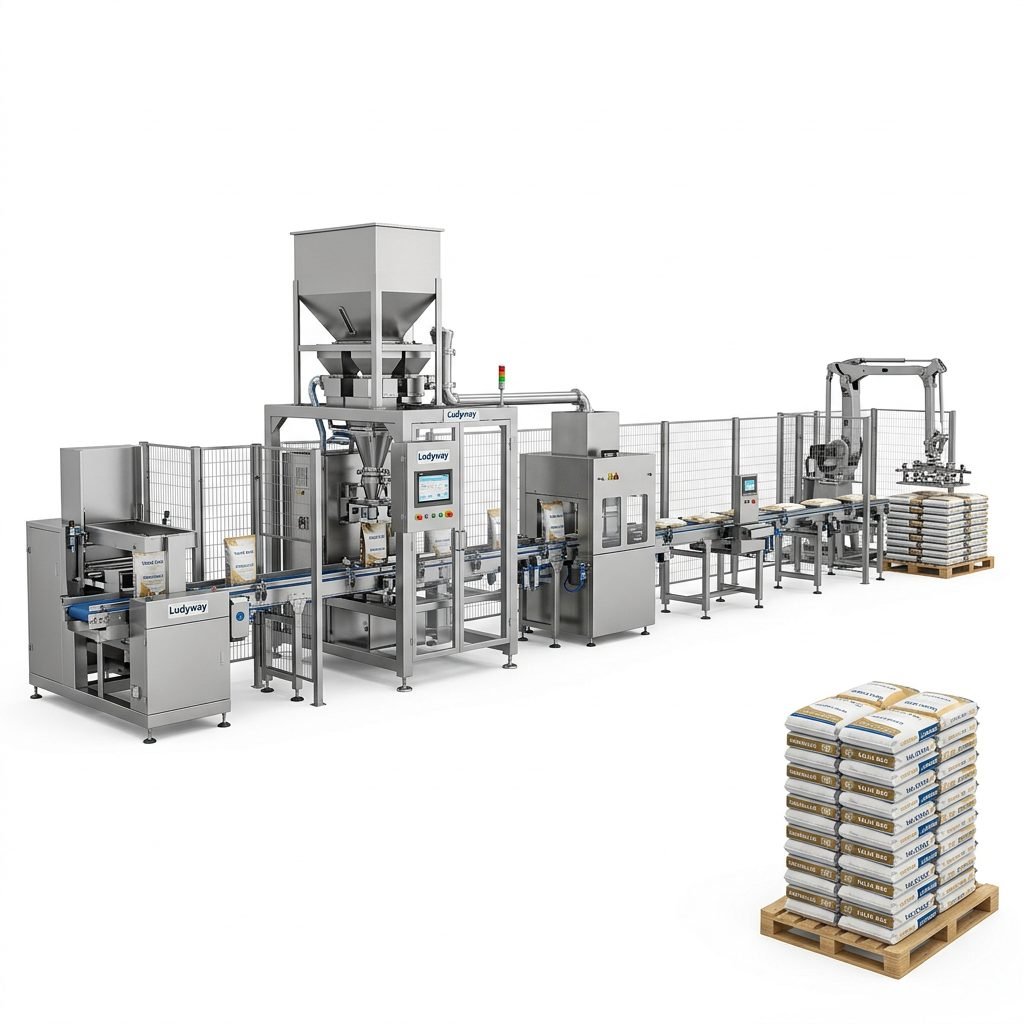
For companies looking to streamline their entire packaging operation, turnkey solutions—covering everything from material feeding and pouch forming to cartoning and palletizing—can offer significant operational efficiencies. While the upfront investment for a fully integrated line is substantially higher, the long-term benefits in labor reduction, quality consistency, and throughput often justify the expenditure for medium to large-scale producers.
How to Get an Accurate Price Quote
To receive a meaningful quotation from a packaging machine manufacturer, you should prepare detailed information about your specific needs. The more precise your specifications, the more accurate and useful the quote will be. Key information to provide includes:
- Product characteristics: Type of tea (loose leaf, powder, granules), particle size, density, and moisture content
- Target output: Required production speed in pouches per minute or pouches per shift
- Pouch specifications: Dimensions, shape (flat, pyramid, double-chamber), material preference
- Filling weight range: Minimum and maximum fill per pouch
- Additional requirements: Nitrogen flushing, tagging, overwrapping, coding, inspection systems
- Facility details: Available floor space, power supply specifications, compressed air availability
- Budget range: A realistic budget helps manufacturers propose the most suitable configuration
Industry Trends Affecting Machine Pricing
The packaging machinery market is influenced by broader industry trends that can impact pricing over time. Rising demand for sustainable and biodegradable packaging materials is driving innovation in machine design to handle eco-friendly films and meshes. Additionally, the growth of e-commerce tea brands and direct-to-consumer models has increased demand for premium, visually distinctive pouch formats that stand out on digital platforms.
According to industry data from packaging market research, the global tea packaging equipment sector is projected to grow steadily as consumer interest in specialty teas, wellness beverages, and convenient single-serve formats continues to rise. This sustained demand supports healthy competition among equipment manufacturers, which generally benefits buyers through ongoing technological improvements and competitive pricing.
Making the Right Investment Decision
Selecting the right tea-shaped pouch packing machine requires balancing technical requirements, production goals, and budget constraints. A machine that is too basic may limit your growth potential, while an oversized system can strain your finances without delivering proportional value. Take the time to thoroughly evaluate your current and projected production volumes, consult multiple suppliers, and whenever possible, visit manufacturing facilities or request sample production runs before committing to a purchase.
Companies such as Ludyway—one of the largest packaging machine manufacturers in China with over 30 years of industry experience and a 20,000㎡ modern production facility—offer comprehensive consultations to help buyers identify the most appropriate configuration for their specific tea packaging needs. With more than 50 intelligent packaging machine models and a global customer base spanning over 100 countries, working with an experienced supplier can significantly reduce the risks associated with equipment procurement.
Frequently Asked Questions About Tea Pouch Machine Costs
What is the cheapest tea-shaped pouch packing machine available?
Entry-level semi-automatic single-lane machines can start as low as $8,000 to $12,000. However, these machines typically have limited features, slower speeds, and require more manual intervention. They are best suited for small artisan tea producers or businesses testing a new product line before scaling up.
How long does it take to receive a custom tea packaging machine?
Standard machines may ship within 4–8 weeks, while customized or multi-lane configurations typically require 10–16 weeks for manufacturing, assembly, and testing. Turnkey integrated lines can take 16–24 weeks or longer, depending on complexity. Always confirm lead times with your supplier and factor shipping and installation time into your project timeline.
Are there financing options available for packaging machinery?
Many manufacturers and third-party equipment financing companies offer leasing or installment payment plans. Financing terms vary by region and credit profile, but typical arrangements include 20–30% down payment with the balance spread over 12–36 months. Some suppliers also offer trade-in programs for upgrading older equipment.
What ongoing costs should I expect after installation?
Beyond the purchase price, budget for packaging materials (the largest recurring expense), spare parts (approximately 1–3% of machine value annually for wear components), energy consumption, and periodic technician servicing. Training new operators may also incur costs if high staff turnover is a factor in your operation.