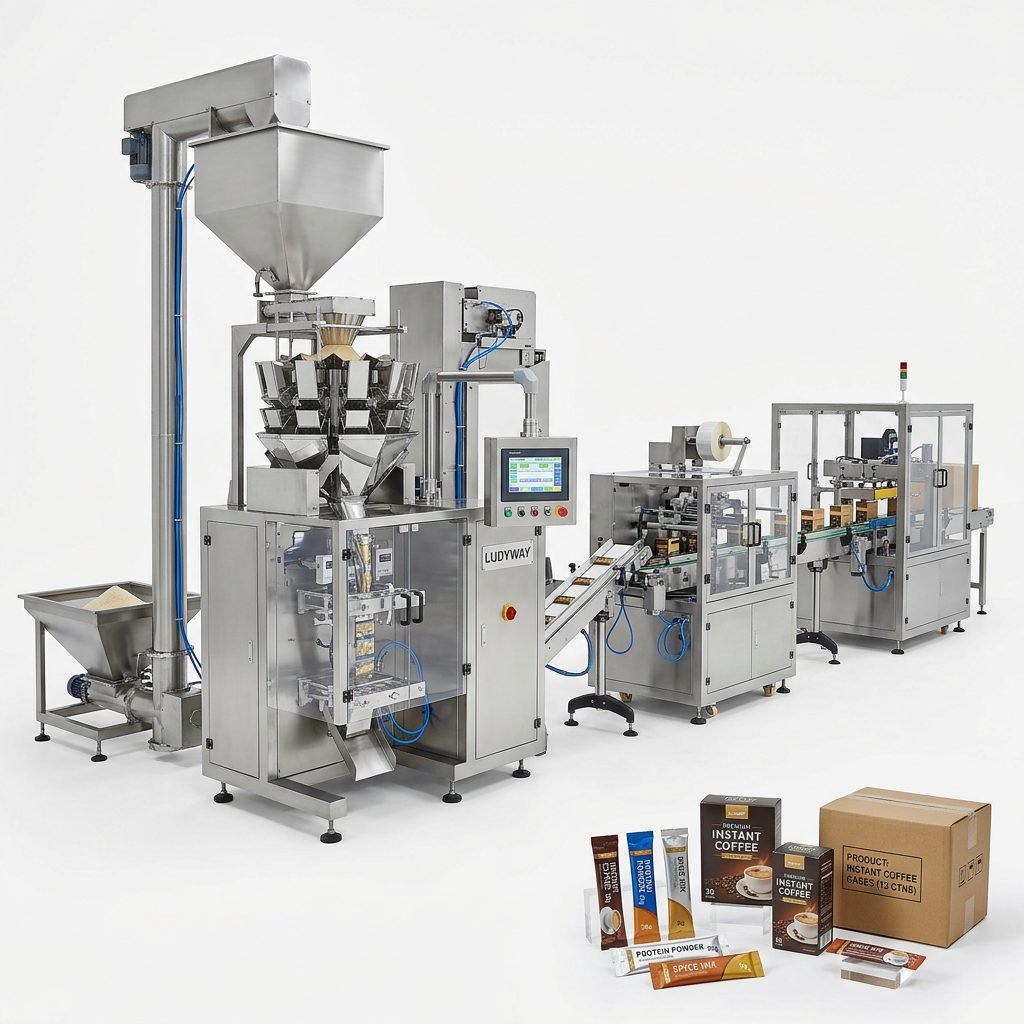
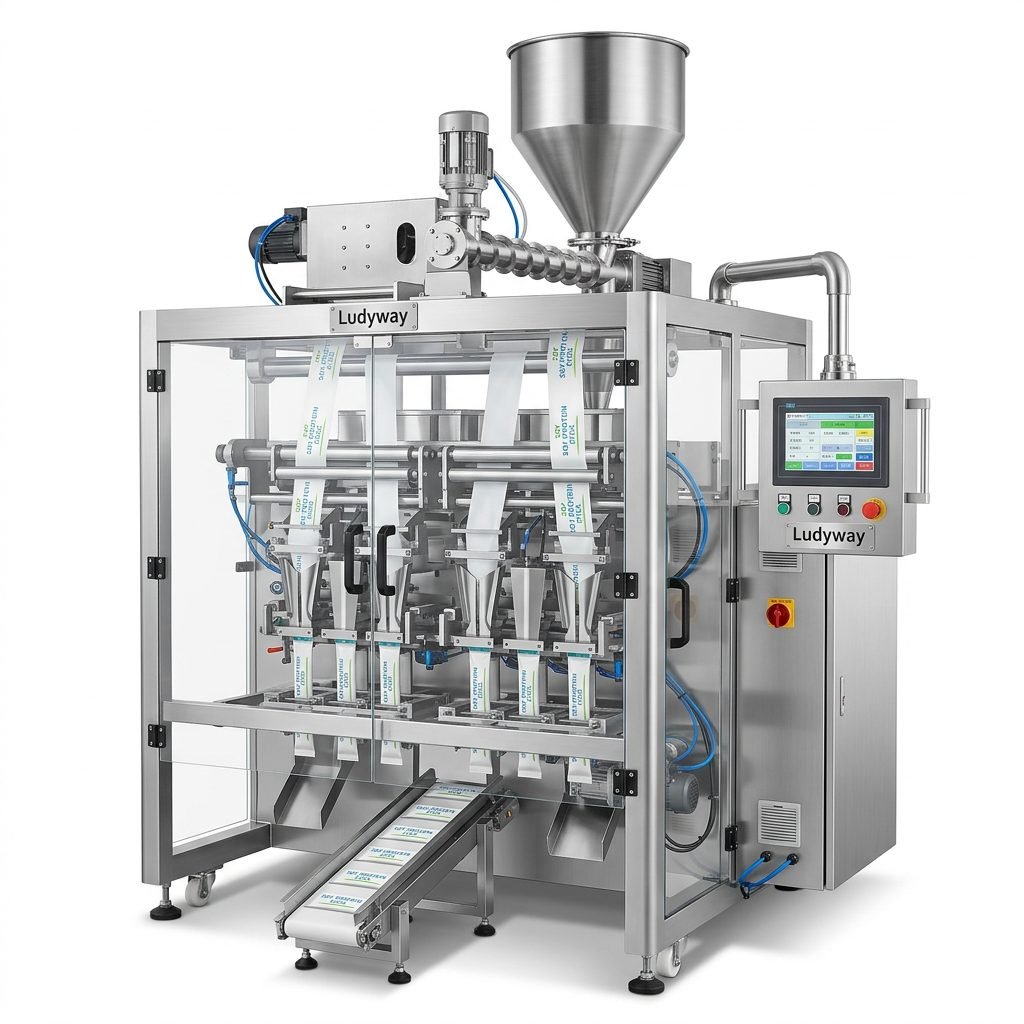
Selecting a packaging machine is one of the most critical decisions for any manufacturer in Georgia’s growing food processing, pharmaceutical, and agricultural sectors. The right equipment can streamline your production line, reduce operational costs, and ensure product consistency — while the wrong choice can lead to downtime, waste, and lost revenue. Whether you are packaging granules, powders, liquids, or solid products, understanding the key factors that influence machine selection is essential. This comprehensive guide walks you through the entire decision-making process, tailored specifically for businesses operating in Georgia and the broader Caucasus region.

Understand Your Product Characteristics
Before exploring specific machine types, you must thoroughly analyze the physical and chemical properties of your product. This foundational step determines virtually every subsequent equipment specification.
Product Form and Flowability
Products fall into several broad categories, each requiring distinct handling mechanisms. Granules — such as sugar, salt, seeds, or coffee beans — flow relatively freely and are well-suited to volumetric or multi-head weigher filling systems. Powders, including flour, milk powder, protein supplements, and spices, present unique challenges due to dust generation, potential bridging in hoppers, and inconsistent density. Liquids and pastes — from beverages and oils to sauces and gels — demand precision filling nozzles, sanitary flow paths, and often aseptic or hot-fill capabilities. Finally, solid products like baked goods, fresh produce, or hardware components may require tray sealing, flow wrapping, or vacuum packaging approaches.
Critical Physical Parameters
- Bulk density and compressibility — Affects hopper design and dosing accuracy
- Moisture content and hygroscopicity — Determines whether humidity control or nitrogen flushing is needed
- Particle size distribution — Influences seal integrity and dust management requirements
- Temperature sensitivity — Dictates whether cooling or heating systems must be integrated
- Abrasiveness and corrosion potential — Impacts material selection for contact parts (stainless steel grades, coatings)
Matching Machine Types to Your Production Needs
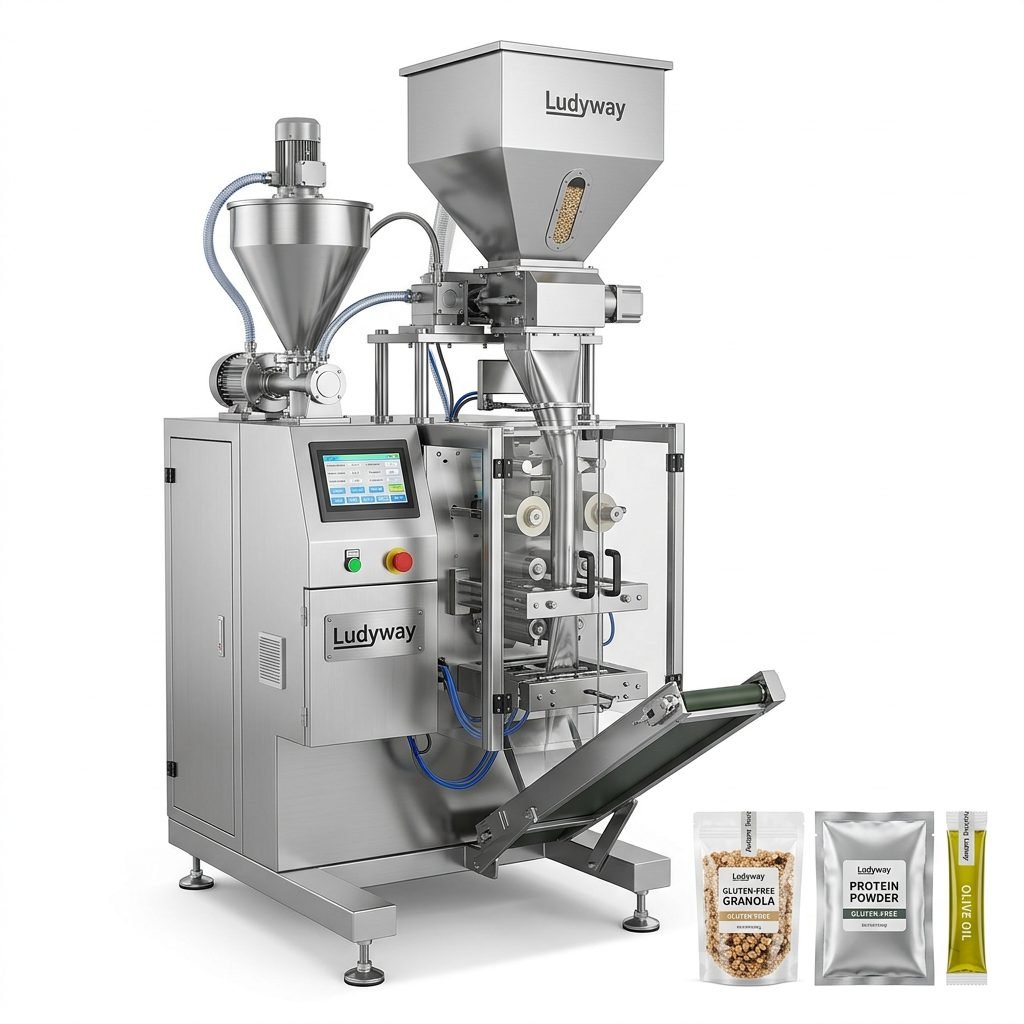
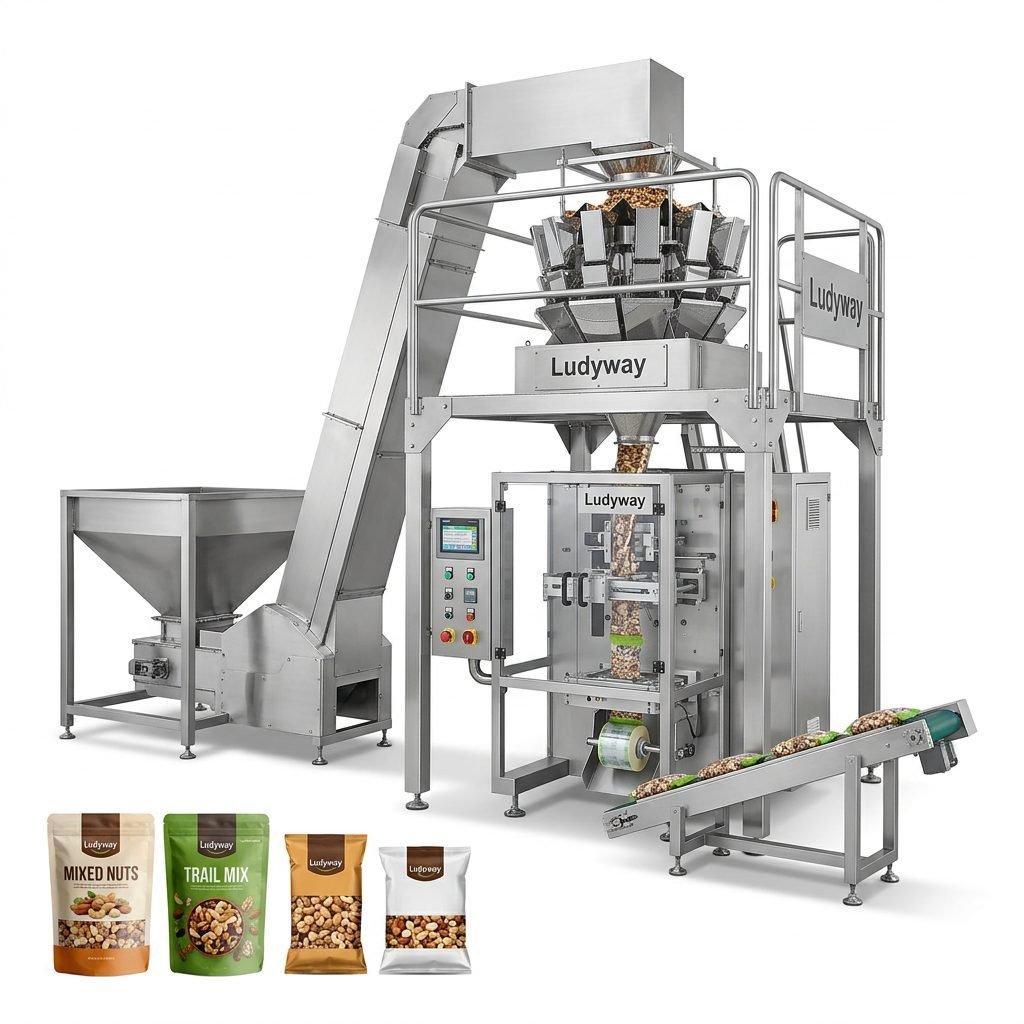
The packaging machinery landscape offers diverse form factors and automation levels. Understanding the strengths and limitations of each type helps narrow your options quickly. For manufacturers seeking reliable packaging machine solutions, evaluating machine categories against production goals is an essential first step.
| Machine Type | Best Suited Products | Typical Output Range | Key Advantage |
|---|---|---|---|
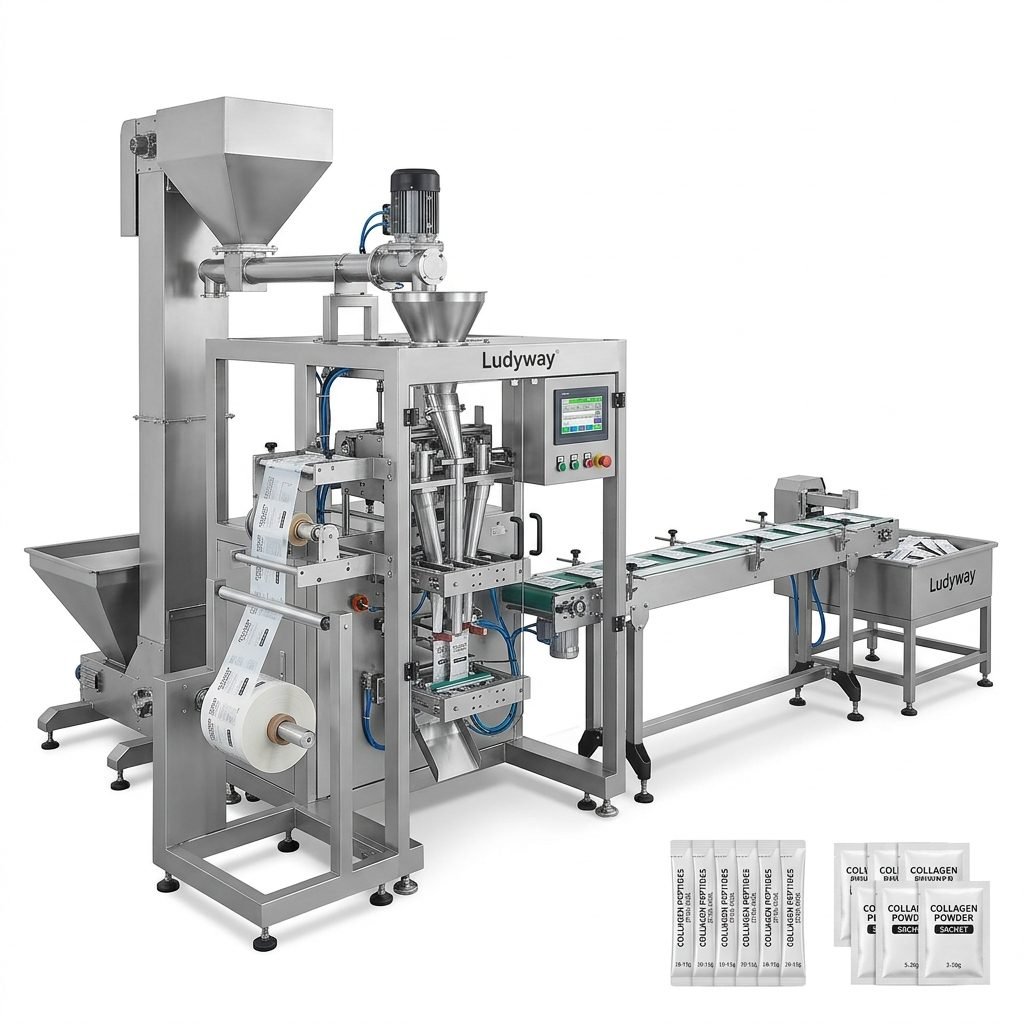
| Vertical Form Fill Seal (VFFS) | Granules, powders, snacks, grains | 30–180 bags/min | Cost-effective, compact footprint |
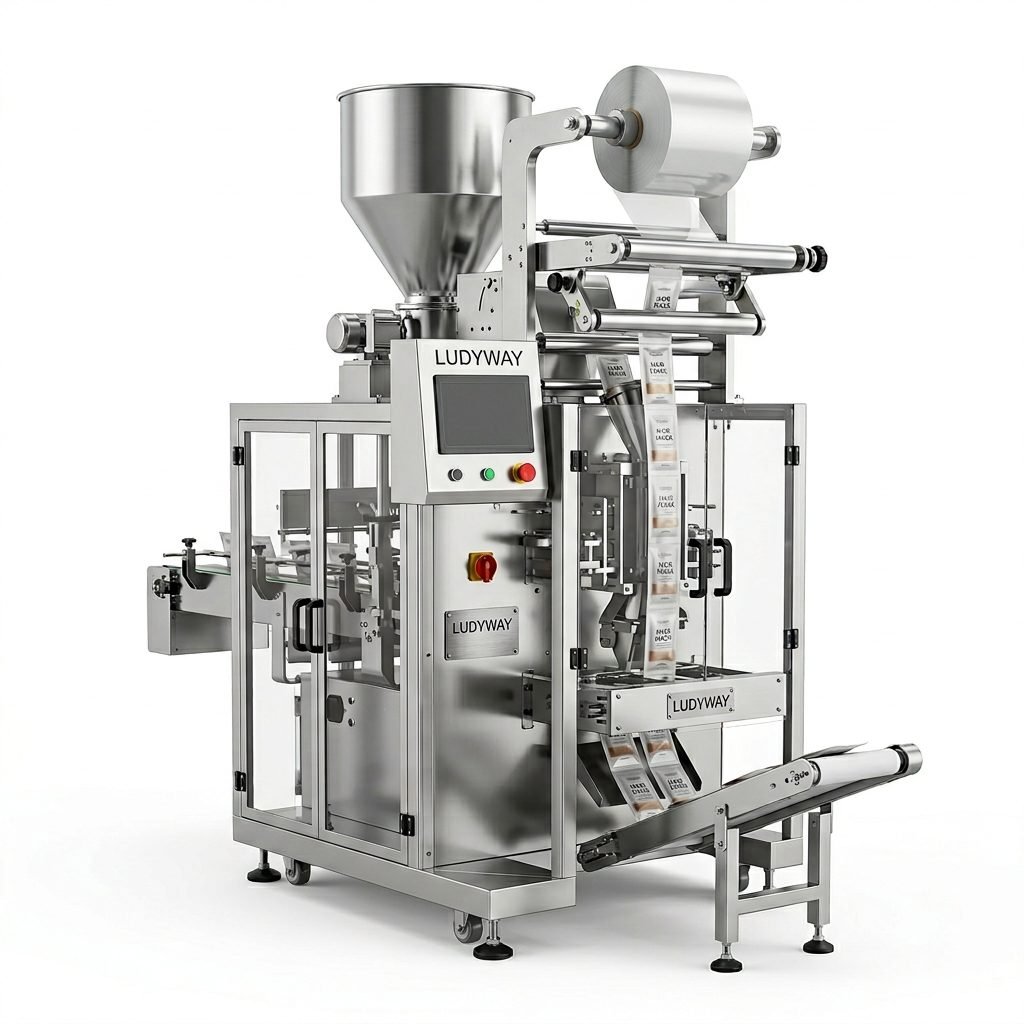
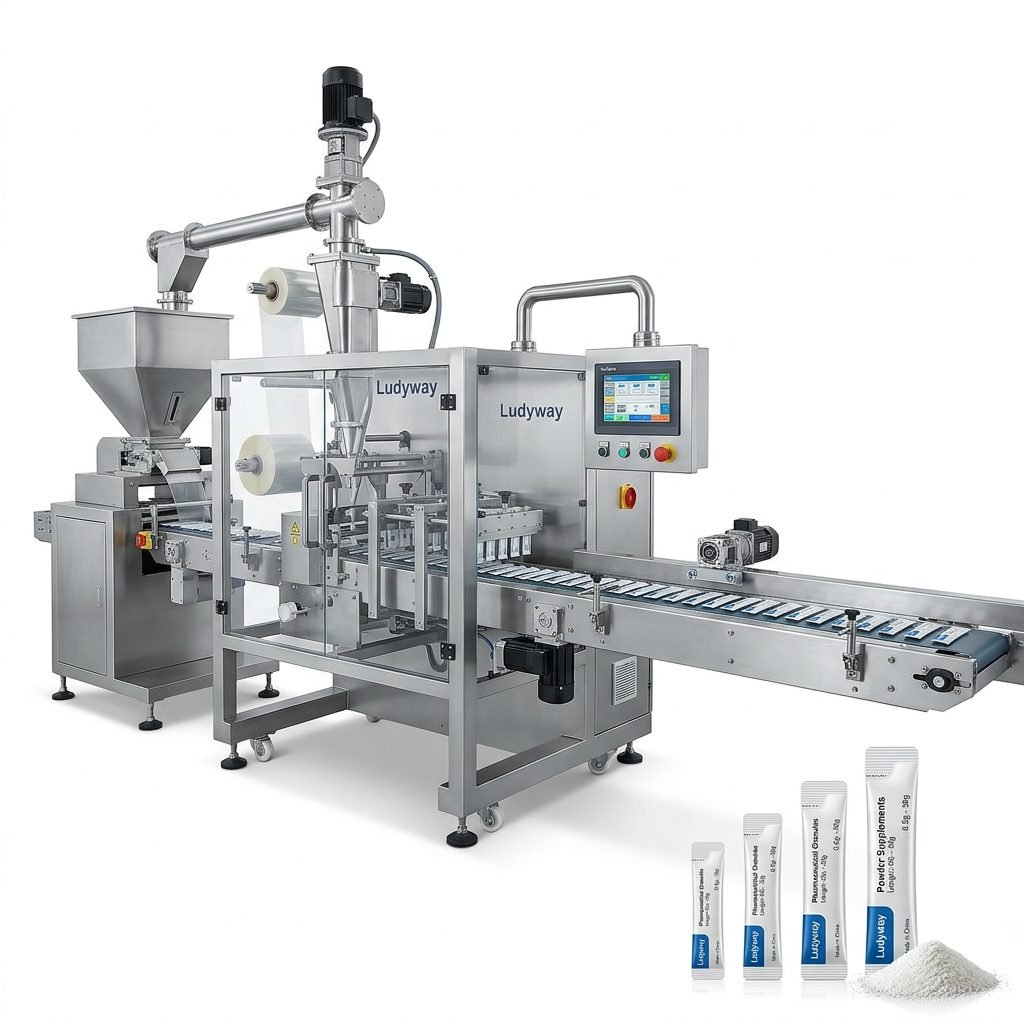
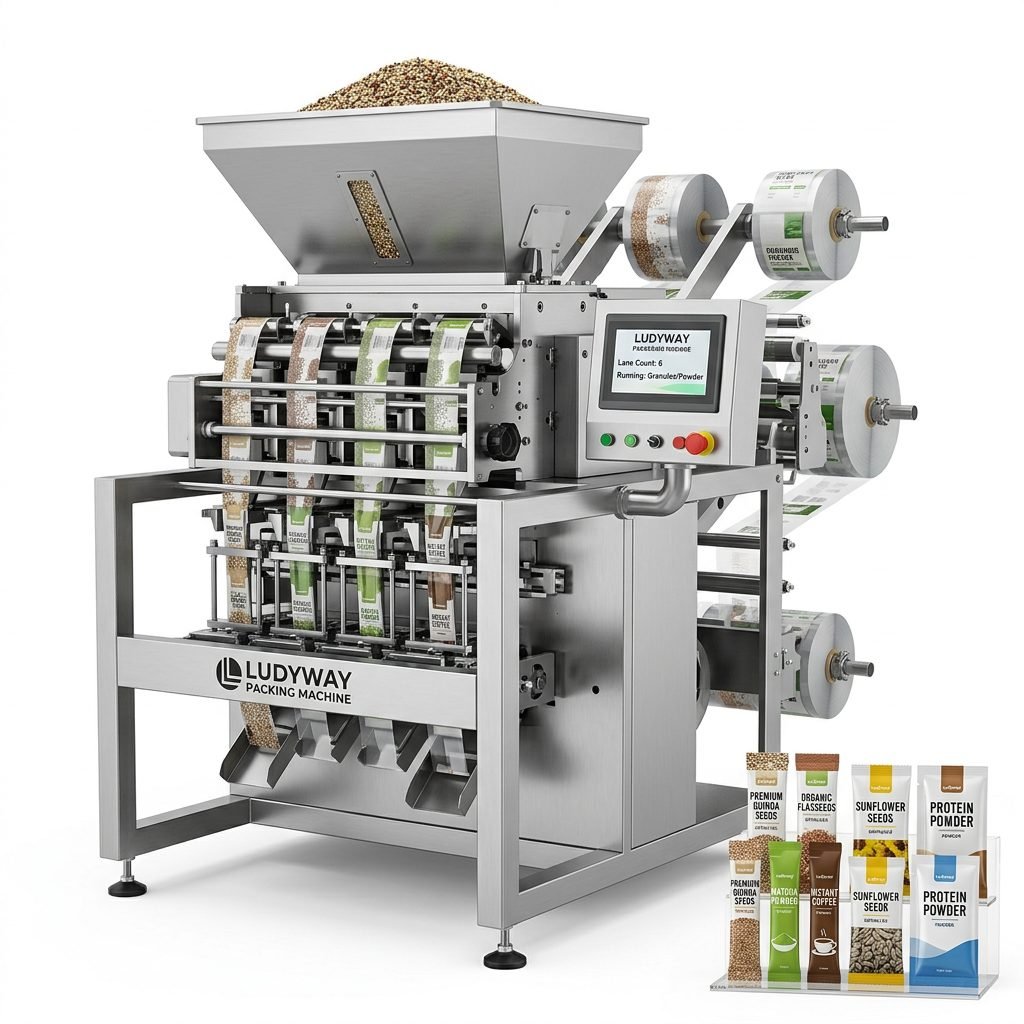
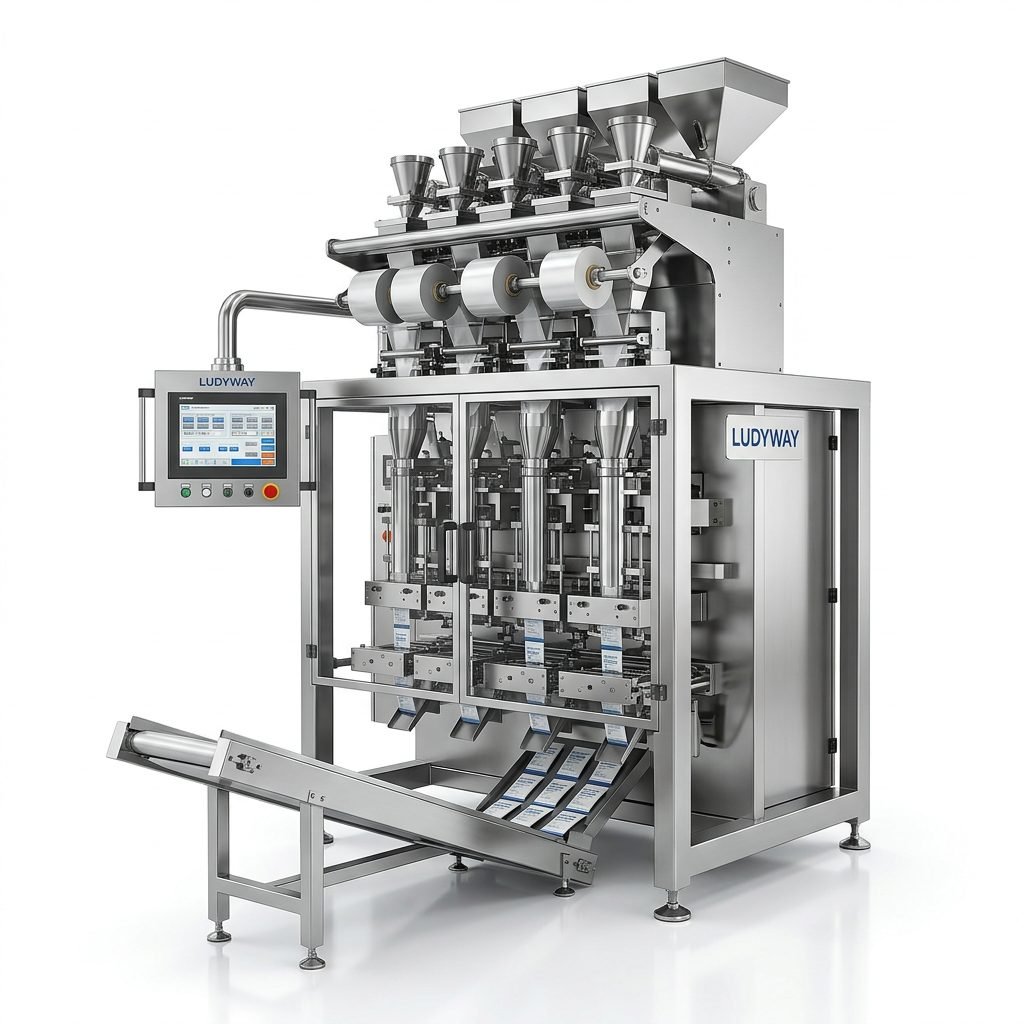
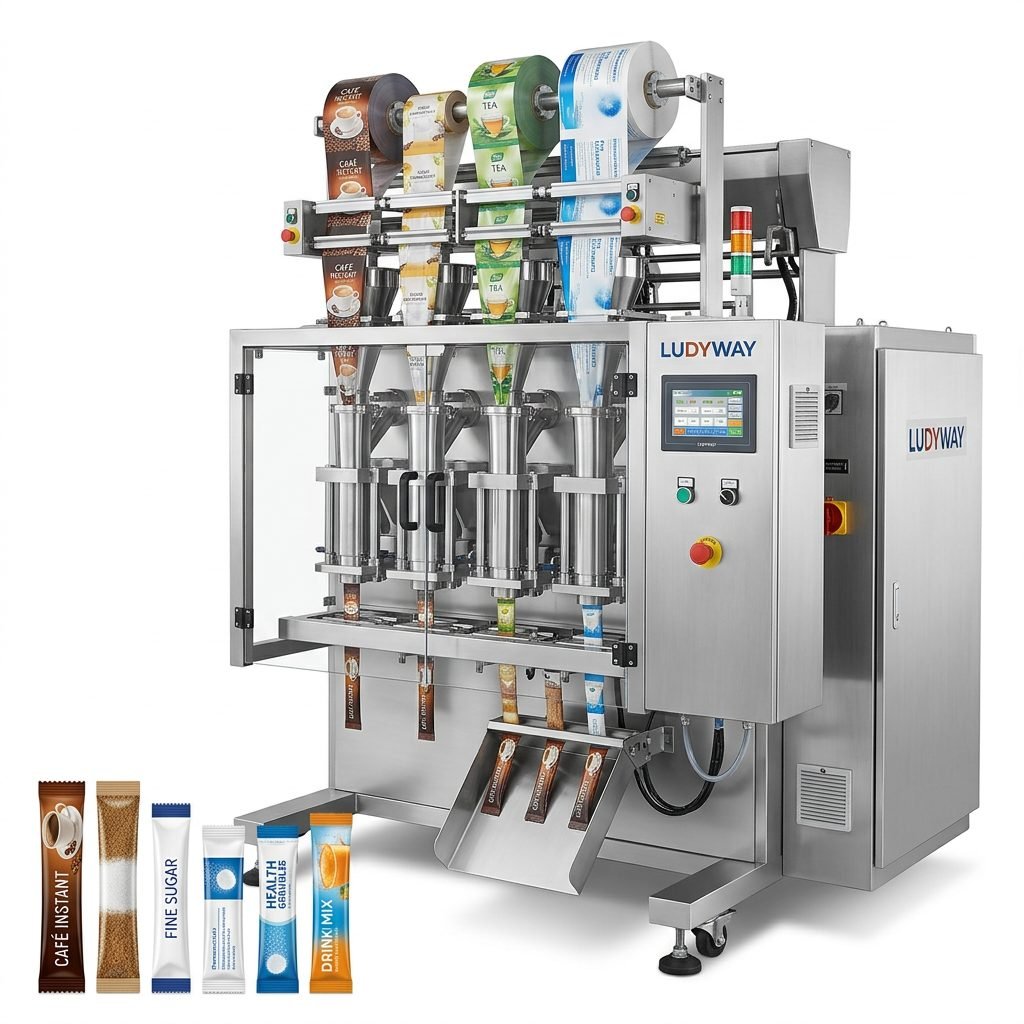
| Multi-Lane Stick Pack Machine | Powders, liquids, granules (single-serve) | 200–1,200 packs/min | Ultra-high throughput, minimal material waste |
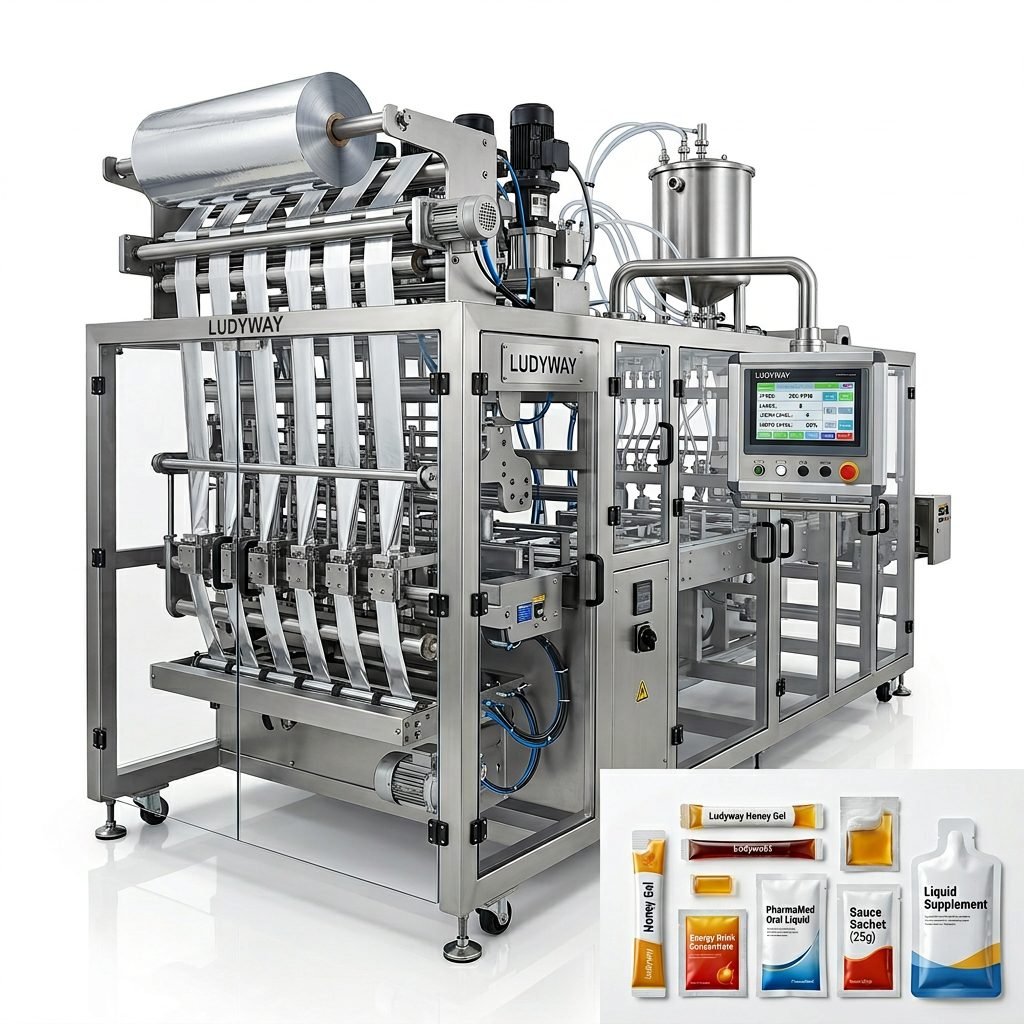
| Sachet Packaging Machine | Ketchup, shampoo, sauces, creams | 40–600 sachets/min | Versatile format, ideal for samples and single-use |
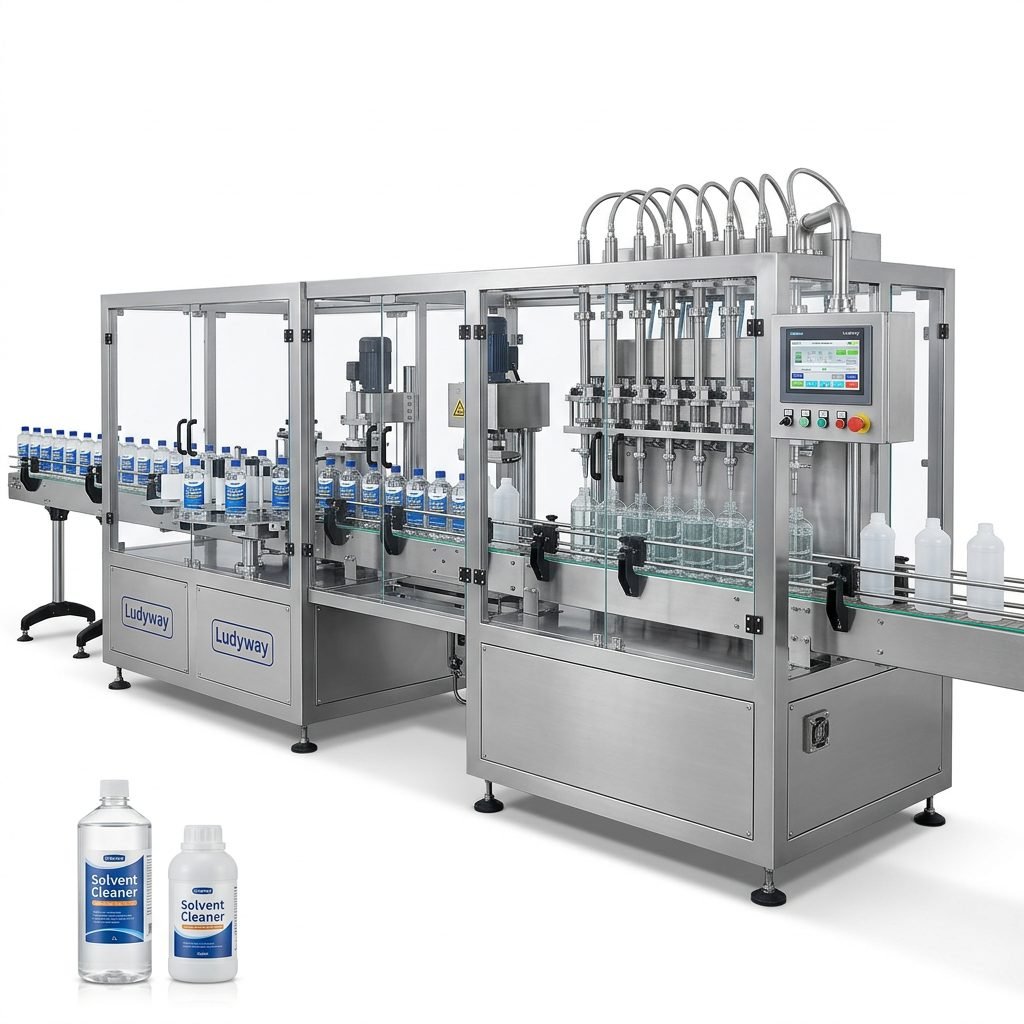
| Liquid Filling & Sealing Line | Beverages, oils, chemicals, pharmaceuticals | 20–300 bottles/min | High precision, sanitary compliance |
| Premade Pouch Packaging Machine | Pet food, frozen items, bulk goods | 15–80 pouches/min | Excellent seal quality, supports zipper and spout |
| Vacuum Packaging Machine | Meat, cheese, coffee, electronics | 10–60 packs/min | Extended shelf life, superior product protection |
Key Factors to Evaluate Before Purchase
Beyond machine type, several operational and financial considerations will shape your final decision. Overlooking any of these factors can lead to costly retrofits or premature equipment replacement.
Production Capacity and Speed Requirements
Calculate your current and projected throughput needs. A machine that cannot keep pace with demand creates bottlenecks, while an oversized machine wastes capital and energy. Consider both peak production periods and seasonal fluctuations common in Georgia’s agricultural processing sector. Evaluate whether a multi-lane stick pack machine or sachet packaging equipment aligns with your growth trajectory.
Packaging Material Compatibility
Your machine must handle the specific film, laminate, or material you intend to use. Common materials include polyethylene (PE), polypropylene (PP), aluminum foil laminates, and biodegradable films. Material thickness, heat-seal temperature range, and coefficient of friction all affect machine performance. Verify that the equipment supports sustainable packaging trends, especially as Georgia aligns with European packaging waste regulations that increasingly influence regional trade standards.
Automation Level and Workforce Integration
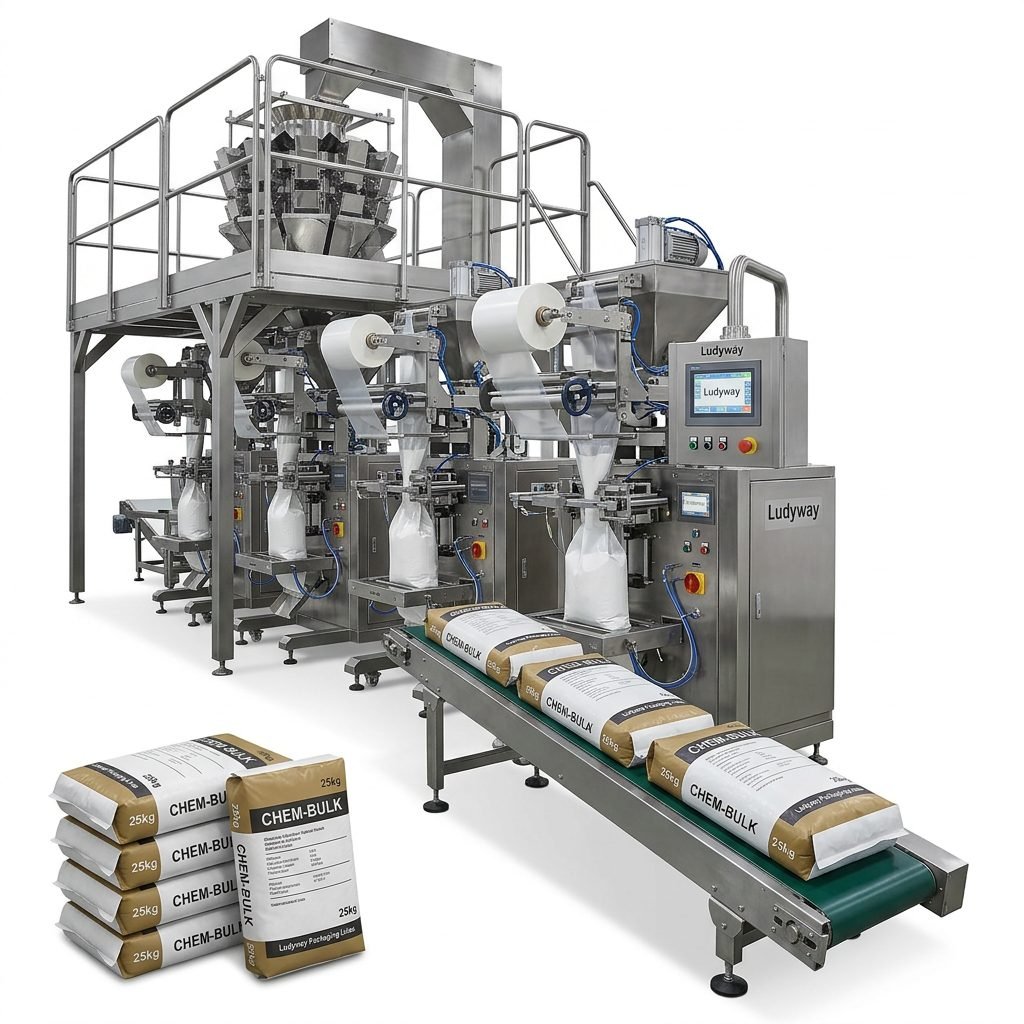
Determine whether your operation benefits from semi-automatic or fully automatic systems. Semi-automatic machines require more operator involvement but offer lower upfront costs and greater flexibility for small batches. Fully automatic packaging lines — including automatic feeding, weighing, filling, sealing, coding, and palletizing — minimize labor requirements and maximize consistency. Given Georgia’s developing industrial workforce, investing in automation can mitigate skill-gap challenges while boosting output quality.
Facility Space and Utility Requirements
Measure your available floor space, ceiling height, and utility connections before finalizing any equipment purchase. Key infrastructure considerations include:
- Electrical supply — Voltage, phase, and frequency compatibility (Georgia operates on 220V/50Hz)
- Compressed air — Required pressure and flow rate for pneumatic components
- Water and drainage — Essential for washdown-capable machines in food and dairy applications
- Dust extraction and ventilation — Critical for powder handling environments
- Cleanroom classification — Necessary for pharmaceutical and medical device packaging
Georgia-Specific Considerations for Packaging Operations
Manufacturing in Georgia presents unique opportunities and challenges that should influence your equipment selection. The country’s strategic location at the crossroads of Eastern Europe and Western Asia makes it an emerging hub for food processing and export-oriented production.
Climate and Environmental Factors
Georgia experiences humid subtropical conditions in its western regions and continental climate in the east. High humidity levels, particularly in coastal areas near the Black Sea, can affect powder flow properties, promote clumping, and degrade packaging material performance. Selecting machines with integrated dehumidification systems or nitrogen flushing capabilities can protect product quality throughout the packaging process. Additionally, ambient temperature variations between summer and winter affect seal integrity, making adaptive temperature control systems a valuable feature for consistent output year-round.
Regulatory Environment and Standards
Georgia’s regulatory framework increasingly harmonizes with international standards, particularly those of the FDA food packaging requirements and EU directives. For pharmaceutical manufacturers, compliance with ISO 11607 packaging standards for terminally sterilized medical devices is essential when exporting to regulated markets. Ensure your chosen equipment supports GMP (Good Manufacturing Practice) documentation, serialization, and track-and-trace capabilities where applicable.
Supply Chain and After-Sales Support
Reliable local or regional technical support is vital for minimizing downtime. When evaluating suppliers, assess the availability of spare parts, on-site service technicians, and remote diagnostic capabilities. Consider partners who offer training programs for your operators and maintenance staff — a crucial investment that pays dividends in reduced troubleshooting time and extended machine lifespan. Ludyway, one of the largest packaging machine manufacturers with over 30 years of industry experience and a modern 20,000㎡ production facility, serves customers in more than 100 countries and regions, offering comprehensive support including professional technical assistance, customized production lines, and reliable spare parts supply — all critical factors for operations in Georgia where local specialized packaging engineering resources may be limited. The company’s extensive portfolio of over 50 intelligent packaging machine models covers granule, powder, liquid, and pouch applications, making it a versatile partner for diverse production requirements.
Calculating Total Cost of Ownership
The purchase price represents only a fraction of the total investment. A holistic cost analysis should account for:
- Initial capital expenditure — Machine cost, shipping, import duties, installation
- Operational costs — Energy consumption, labor, packaging material waste rates
- Maintenance and spare parts — Preventive maintenance schedules, component lifespan, parts availability
- Training expenses — Operator and technician training, documentation, ongoing certification
- Downtime risk — Estimated cost of production interruptions and service response times
- Compliance costs — Validation, calibration, audit preparation for regulated industries
In many cases, a higher initial investment in reliable, automation-ready equipment yields significantly lower total cost of ownership over a 5–10 year operational horizon, especially when factoring in reduced material waste and higher production efficiency. The latest packaging industry data consistently shows that automation investment correlates strongly with long-term profitability in the food and pharmaceutical sectors.
Making the Final Decision
After evaluating product characteristics, machine types, operational requirements, and regional factors, create a weighted decision matrix that scores each option against your prioritized criteria. Involve cross-functional stakeholders — production managers, quality assurance teams, maintenance engineers, and finance representatives — to ensure a balanced perspective. Request machine demonstrations with your actual product whenever possible, and visit reference installations to validate real-world performance claims.
Choosing the right packaging machine for your Georgia-based operation requires balancing technical specifications with practical business considerations. By methodically analyzing your product needs, production environment, and growth strategy, you can select equipment that delivers reliable performance, regulatory compliance, and strong return on investment for years to come. For businesses exploring turnkey packaging solutions, consulting with manufacturers who understand both international standards and regional market nuances is an invaluable step toward making a confident, informed purchase.

For additional guidance, explore resources from the Association for Packaging and Processing Technologies (PMMI), the Flexible Packaging Association, and relevant ISO packaging standards to stay current with industry developments and best practices in packaging machinery selection.