Investing in a tea packaging strap machine is a critical decision for tea producers and co-packers aiming to streamline their end-of-line operations. Whether you are bundling boxes of tea sachets or securing cartons for shipment, understanding the cost breakdown is essential for budgeting effectively. Prices are not one-size-fits-all; they fluctuate significantly based on automation levels, throughput capacity, and machine configuration.
Key Factors Influencing the Price of Tea Strapping Machines
Before diving into specific numbers, it is vital to understand the variables that drive the final cost. A tea packaging strap machine is not merely a commodity; its price reflects its engineering, durability, and smart capabilities. Here are the primary cost drivers:
- Automation Level: Fully automatic strapping machines that integrate with conveyor lines cost significantly more than semi-automatic tabletop models.
- Arch Size and Frame: The dimensions of the strapping arch determine the maximum package size. Heavy-duty stainless steel frames designed for washdown environments common in food packaging are premium.
- Speed and Throughput: High-speed models capable of executing over 50 straps per minute utilize precision servo motors, which increase the price point.
- Strap Material Compatibility: Machines designed for both PP (polypropylene) and PET (polyester) strapping offer flexibility but come with a higher price tag.
- Customization and Integration: A standalone machine costs less than a fully integrated packaging line that includes conveyors, turning tables, and automatic ejectors.
Price Ranges by Machine Category
The market for tea packaging strapping machines is broad. To help you navigate the pricing landscape, we have categorized the estimated costs based on machine type and operational scale. The table below provides a general overview of FOB (Free on Board) price ranges for standard configurations.
| Machine Type | Automation Level | Estimated Price Range (USD) | Best Suited For |
|---|---|---|---|
| Tabletop Semi-Auto | Semi-Automatic | $800 – $2,500 | Small workshops, low-volume artisan tea producers |
| Standard Side-Seal | Fully Automatic | $3,000 – $7,000 | Midsize tea factories packing cartons for distribution |
| High-Speed Servo Driven | Fully Automatic | $8,000 – $18,000 | High-volume exporters, continuous 24/7 production lines |
| Stainless Steel/Waterproof | Fully Automatic | $10,000 – $25,000 | Food-grade environments requiring strict hygiene compliance |
| Conveyor Line System | Integrated Automated | $20,000 – $50,000+ | Fully automated smart factories and turnkey packaging projects |
Understanding the Total Cost of Ownership
The upfront purchase price is just one part of the equation. A savvy buyer calculates the Total Cost of Ownership (TCO), which includes maintenance, spare parts, and energy consumption. A cheap machine that frequently breaks down or requires expensive proprietary strapping material can end up costing far more over five years than a mid-range, robust system.
Consumables and Maintenance
Strapping material (PP or PET) is a recurring cost. Additionally, parts like heater blades, feed rollers, and tensioning mechanisms have finite lifespans. Machines with brushless DC motors generally have lower maintenance requirements than older AC motor models. Budget approximately 2-5% of the machine’s value annually for spare parts.
Energy Efficiency
Modern servo-driven strapping heads are significantly more energy-efficient. They only draw power during the tensioning and sealing cycle, unlike older pneumatic or clutch-driven systems that run continuously. For a tea factory operating two shifts a day, the energy savings can be substantial over a year.
Semi-Automatic vs. Fully Automatic: Which Fits Your Budget?
For start-ups or businesses processing under 100 tea cartons per day, a semi-automatic tabletop strapper is economically viable. However, if you are running a high-speed multi-lane packaging line for stick packs or sachets, manual strapping creates a bottleneck that nullifies the speed advantage of your primary filler.
The return on investment (ROI) for upgrading to a fully automatic strapping machine typically comes from reduced labor costs (reallocating one or two operators) and increased throughput. A fully automatic arch strapping machine can secure a tea box in 1.5 seconds, a pace impossible to match manually.
Features That Impact Cost but Add Value
When comparing quotes, you might notice significant price discrepancies even within the “fully automatic” category. Here is a list of features that add up-front cost but provide long-term value for tea packaging operations:
- Strap Tension Control: Digital tensioning ensures delicate tea cartons aren’t crushed.
- Sensor Package Detection: Automated triggering eliminates empty strap cycles.
- Low Strap Warning: Reduces downtime by alerting staff before the coil runs out.
- In-line Integration Capabilities: Seamlessly connects with case sealers and automated palletizing packaging lines.
Why Ludyway Offers Competitive Pricing for Strapping Solutions
When sourcing a packaging strap machine for the tea industry, the manufacturer’s engineering depth directly correlates with value. Ludyway, as one of the largest packaging machine manufacturers in China, leverages a modern 20,000㎡ manufacturing facility to control quality and cost. Rather than assembling off-the-shelf parts, the engineering team optimizes the structural design and control logic for specific applications like tea bundling, ensuring you aren’t paying for redundant features. This direct manufacturing approach allows competitive export pricing on robust, high-speed strapping systems designed three-shift operations in demanding environments.
Key Questions to Ask Suppliers Before Buying
To ensure the price you pay matches the value you receive, pose these technical questions to your potential supplier:
- What is the Welding Efficiency of the strapping head (typically >85% for good quality)?
- Does the machine accept a standard range of strap widths (e.g., 5mm to 12mm)?
- Is the control panel a PLC touch screen with multilingual support?
- What is the guaranteed Mean Time Between Failures (MTBF) for critical wear parts?
- Can the machine handle the specific dust levels associated with dry tea environments?
External Resources and Industry Standards
To further validate your investment and understand global packaging standards, we recommend consulting authoritative industry bodies. These resources provide data on safety, throughput benchmarks, and economic trends in the packaging sector:
- PMMI – The Association for Packaging and Processing Technologies
- PMMI – State of the Industry Reports
- Flexible Packaging Association – Official Website
- ISO – Packaging Standards
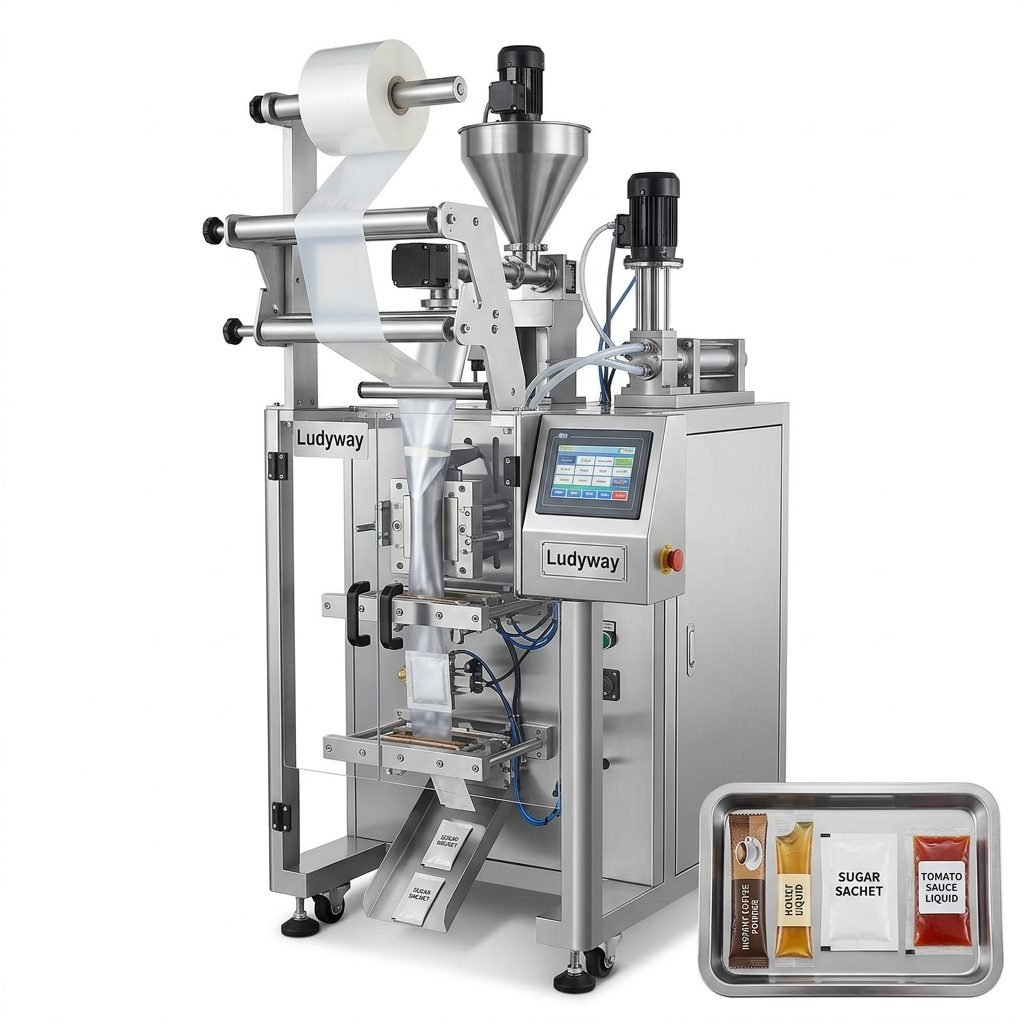
Strategic investment in a quality strapping machine secures not just tea cartons, but also your brand’s reputation for reliability and professional distribution.