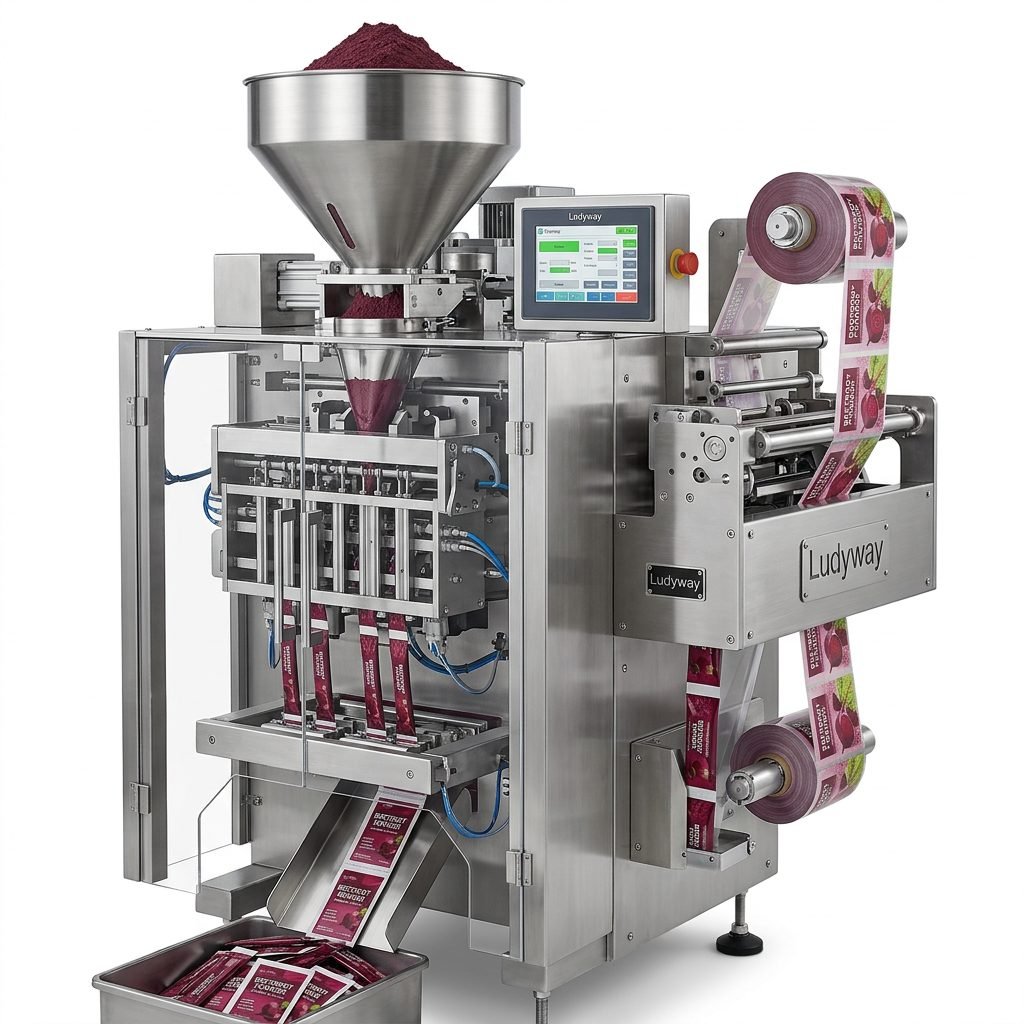
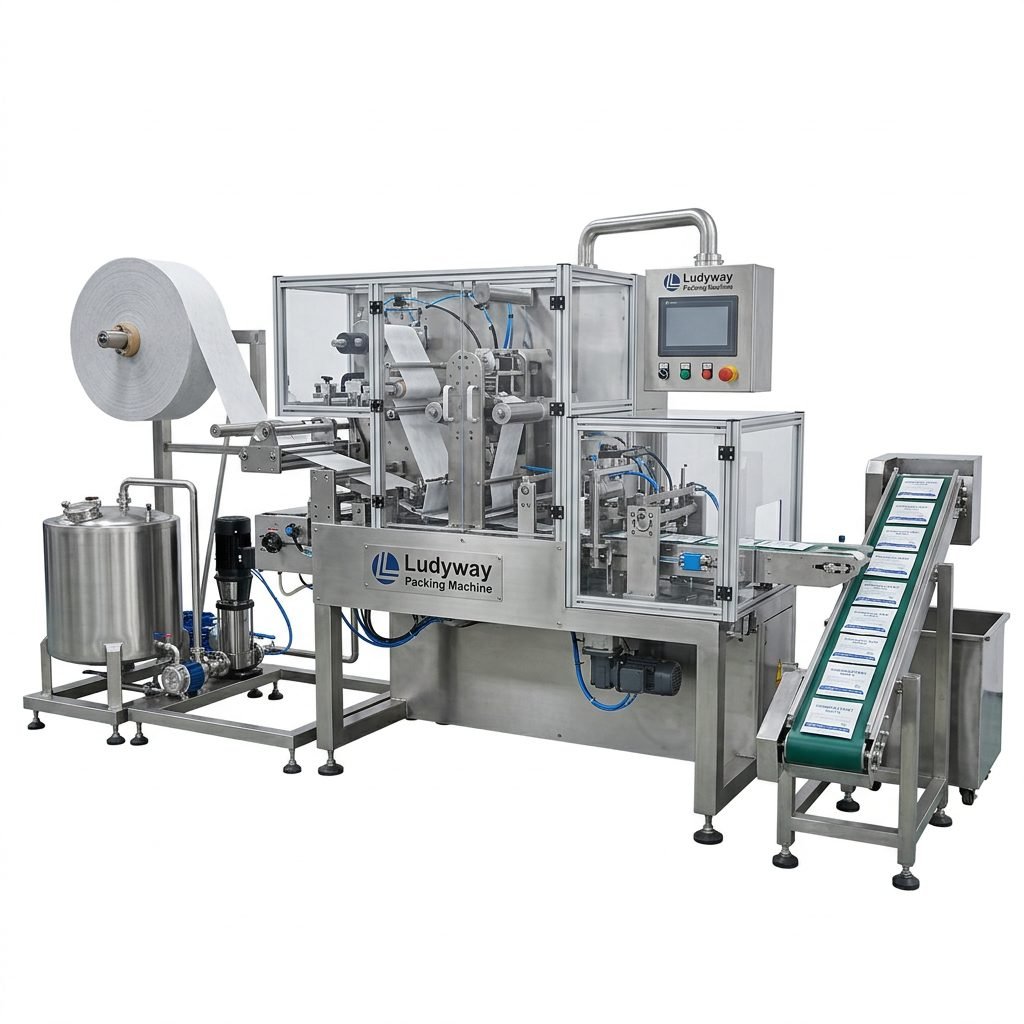
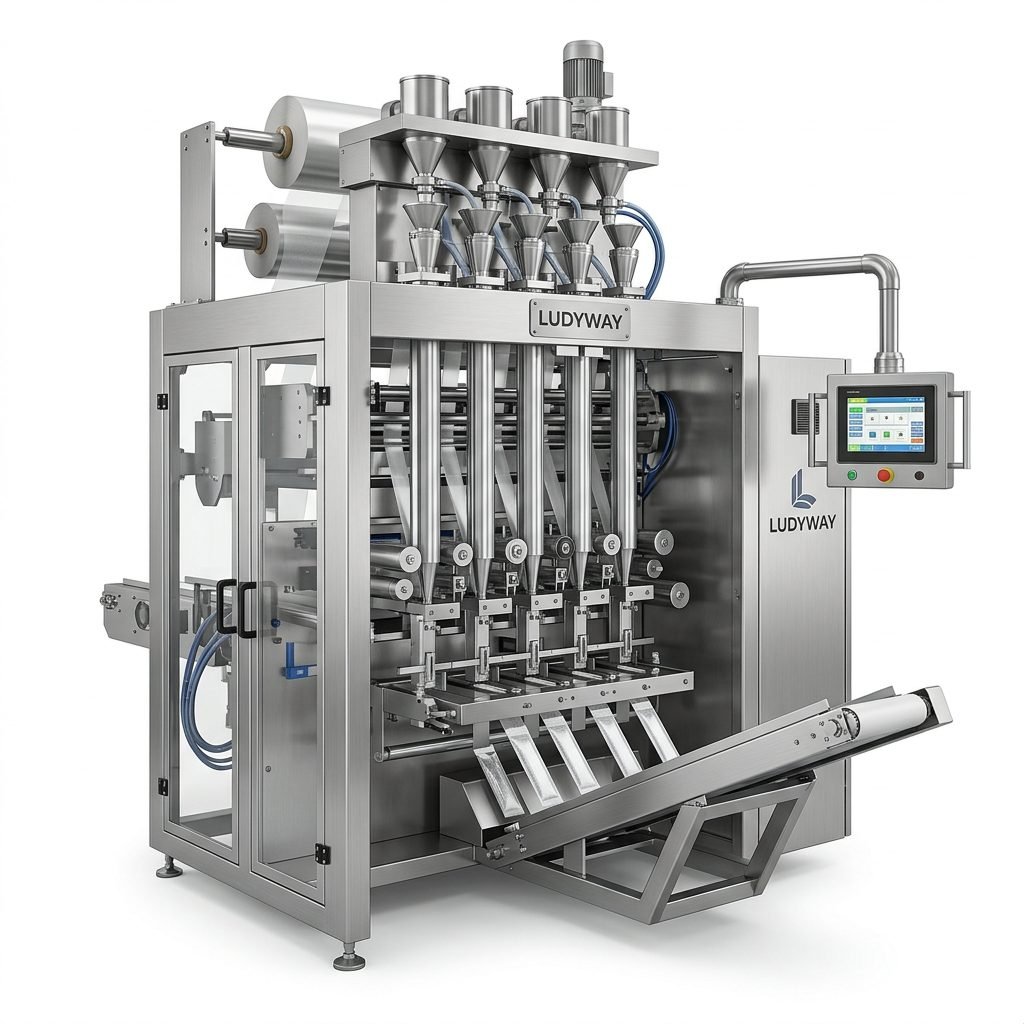
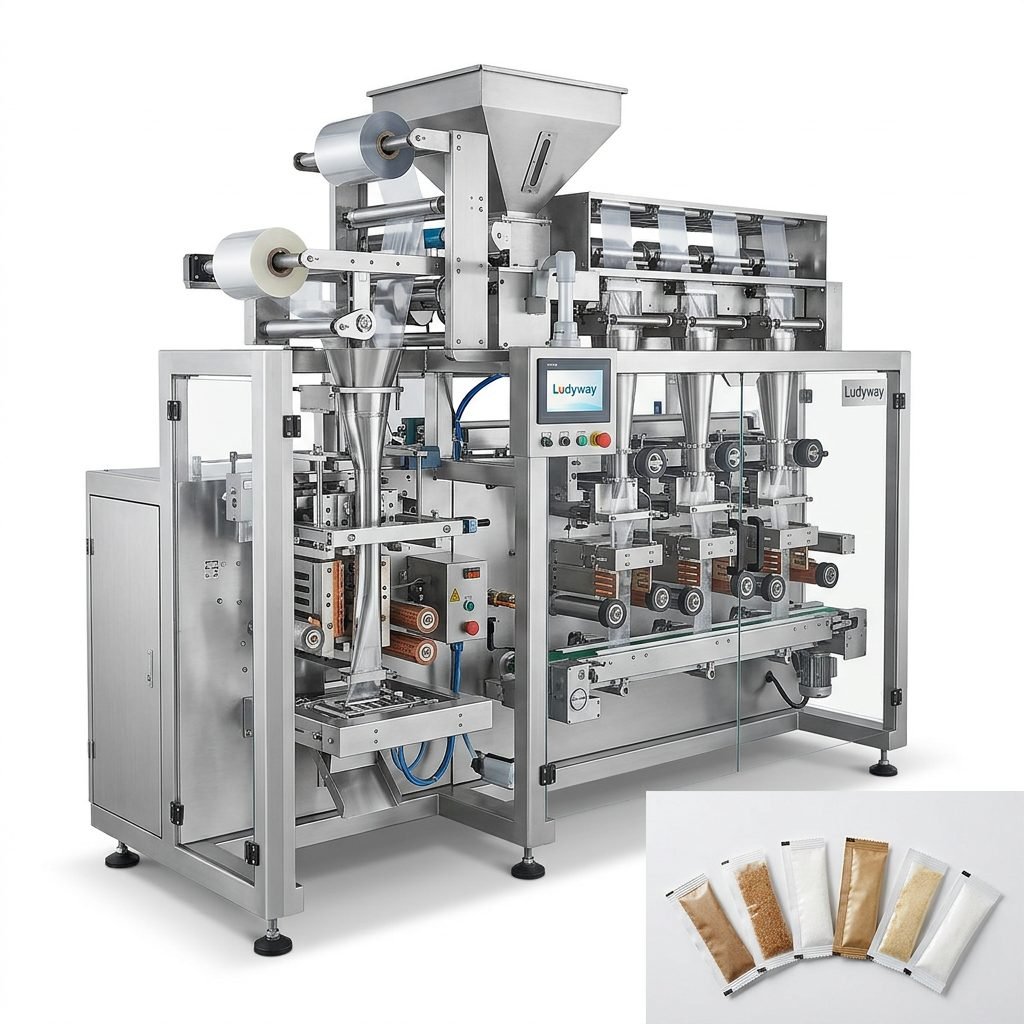
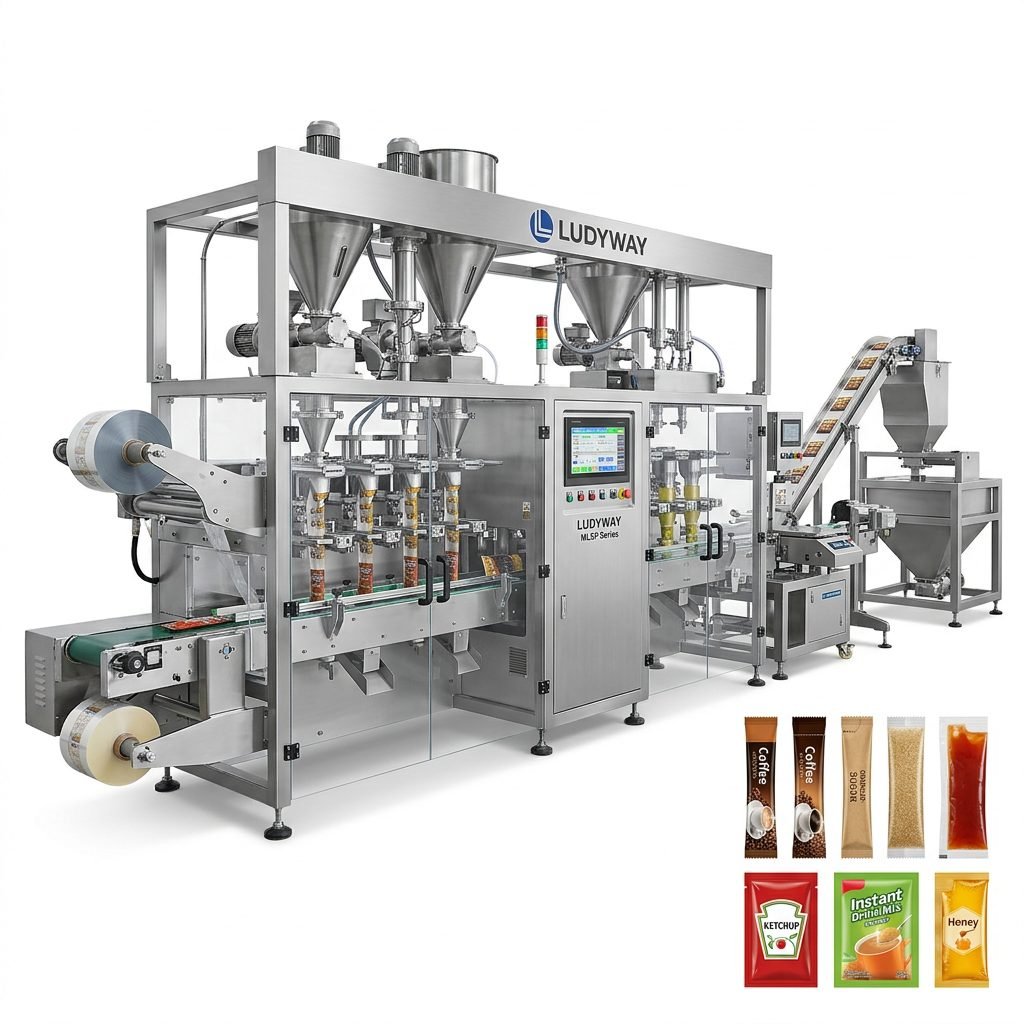
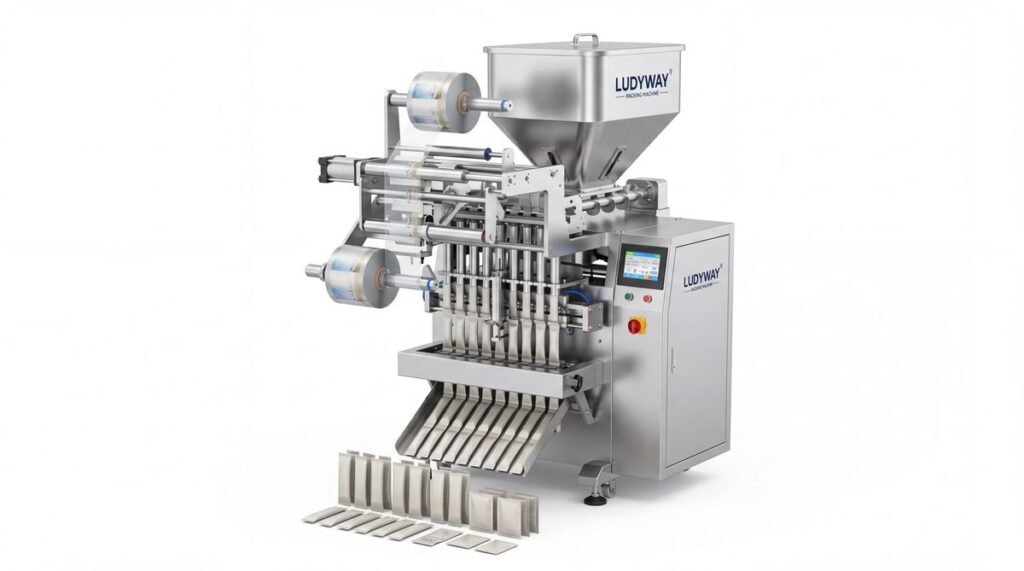
Investing in a doypack packing machine is a significant decision for any manufacturer looking to package products in stand-up pouches. Doypack-style packaging — also known as stand-up pouches with a bottom gusset — has become one of the most popular flexible packaging formats across food, beverage, pharmaceutical, cosmetic, and chemical industries. Choosing the right equipment requires careful evaluation of your product characteristics, production goals, and operational requirements. This complete buyer’s guide walks you through every critical factor to help you make an informed decision.
What Is a Doypack Packing Machine?
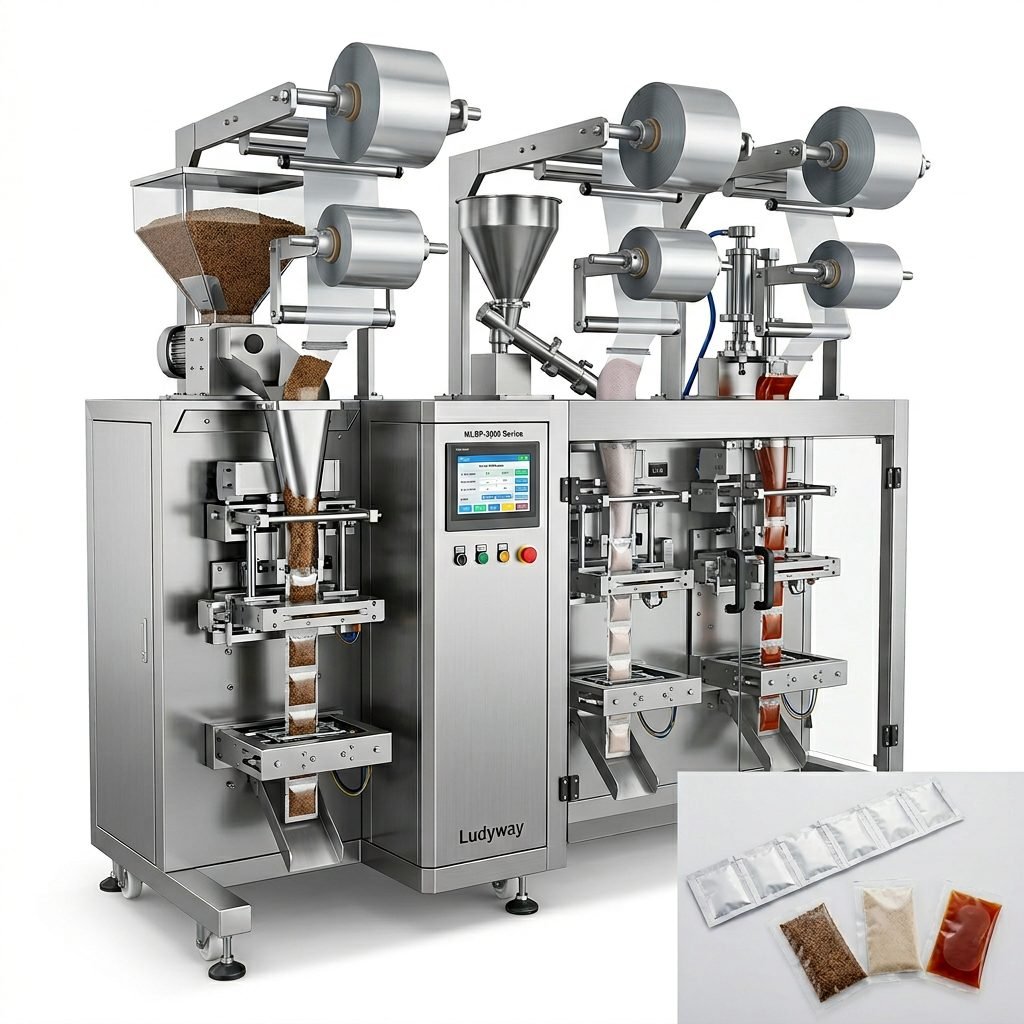
A doypack packing machine is an automated packaging system designed to form, fill, and seal stand-up pouches with a distinctive bottom gusset that allows the package to stand upright on retail shelves. These machines handle various product types — including granules, powders, liquids, pastes, and solid items — and can produce different pouch styles such as flat-bottom, side-gusset, and shaped stand-up pouches. Doypack packaging offers excellent shelf presence, consumer convenience, and material efficiency compared to rigid containers.
Types of Doypack Packaging Machines
Understanding the different machine configurations is essential before making a purchase. The two primary categories include:
Premade Pouch Doypack Machines
These systems work with pre-manufactured stand-up pouches. The machine picks, opens, fills, and seals each pouch sequentially. Premade pouch machines are ideal for manufacturers who want flexibility in pouch design and prefer sourcing pouches from specialized converters. They typically offer quick format changeovers and are suitable for a wide range of pouch sizes and styles.
Form-Fill-Seal (FFS) Doypack Machines
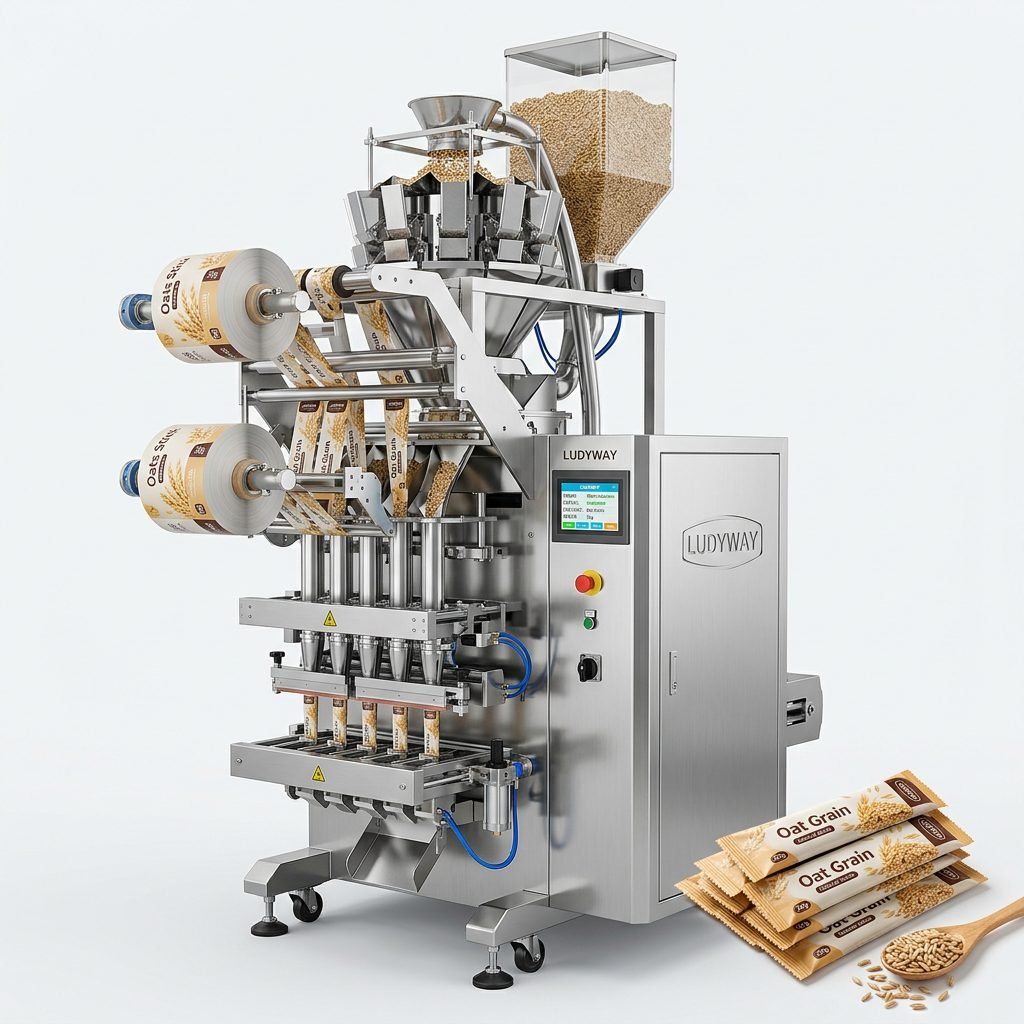
FFS machines create pouches from roll stock film, form the bottom gusset, fill the product, and seal the package — all in one continuous operation. This approach reduces packaging material costs and is highly efficient for high-volume production. Modern FFS doypack machines can produce multiple lanes simultaneously, significantly increasing throughput for flexible packaging machinery applications.
Key Factors to Consider When Choosing a Doypack Packing Machine
Selecting the right machine involves evaluating several interconnected factors. Below is a detailed breakdown of what to assess before contacting equipment suppliers.
Product Characteristics
Your product’s physical properties directly influence the type of doypack packing machine you need. Consider the following:
- Flowability: Free-flowing granules require different dosing systems than sticky powders or cohesive materials.
- Particle size and dust: Fine powders may need specialized dust-control features and enclosed filling stations.
- Moisture sensitivity: Hygroscopic products might require nitrogen flushing or vacuum-sealing capabilities.
- Product density: Affects the filling volume and the type of dosing mechanism (volumetric, auger, multi-head weigher, or liquid piston filler).
- Temperature sensitivity: Some products require temperature-controlled filling environments.
Production Speed and Capacity
Production throughput is one of the most important specifications. Doypack machines range from semi-automatic units producing 15-25 pouches per minute to high-speed multi-lane systems capable of 200+ pouches per minute. When evaluating speed requirements, factor in not just current production volumes but also projected growth over the next 3-5 years. Oversizing slightly can prevent the need for premature equipment replacement.
Bag Size and Format Flexibility
Modern flexible packaging demands adaptability. Your machine should accommodate the range of pouch dimensions you plan to produce. Key considerations include:
- Minimum and maximum pouch width and length
- Bottom gusset depth and style (round-bottom, K-style, flat-bottom)
- Zipper and resealable closure compatibility
- Spout insertion capability for liquid products
- Easy-change parts for quick format switching
Filling Technology
The filling system is the heart of any doypack packing machine. Different products demand different dosing technologies. The table below summarizes common filling systems and their applications:
| Filling System | Best For | Accuracy | Typical Speed |
|---|---|---|---|
| Multi-head Weigher | Granules, snacks, dry foods | ±0.5-1g | Up to 120 bags/min |
| Auger Filler | Fine powders, spices, flour | ±0.3-0.5% | Up to 80 bags/min |
| Volumetric Cup Filler | Free-flowing granules, seeds | ±1-2% | Up to 100 bags/min |
| Piston Filler | Liquids, pastes, creams | ±0.5% | Up to 60 bags/min |
| Liquid Pump Filler | Low-viscosity liquids, oils | ±0.3-0.5% | Up to 80 bags/min |
Automation Level
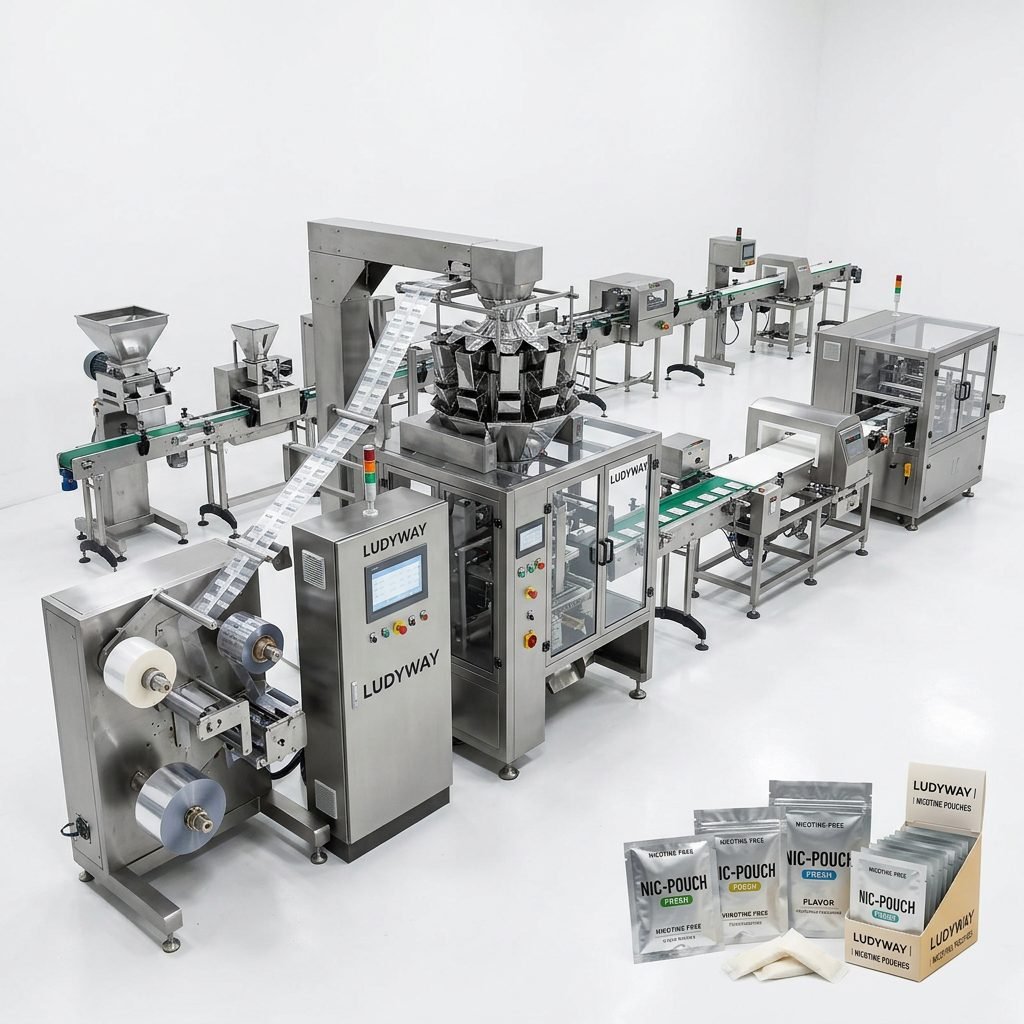
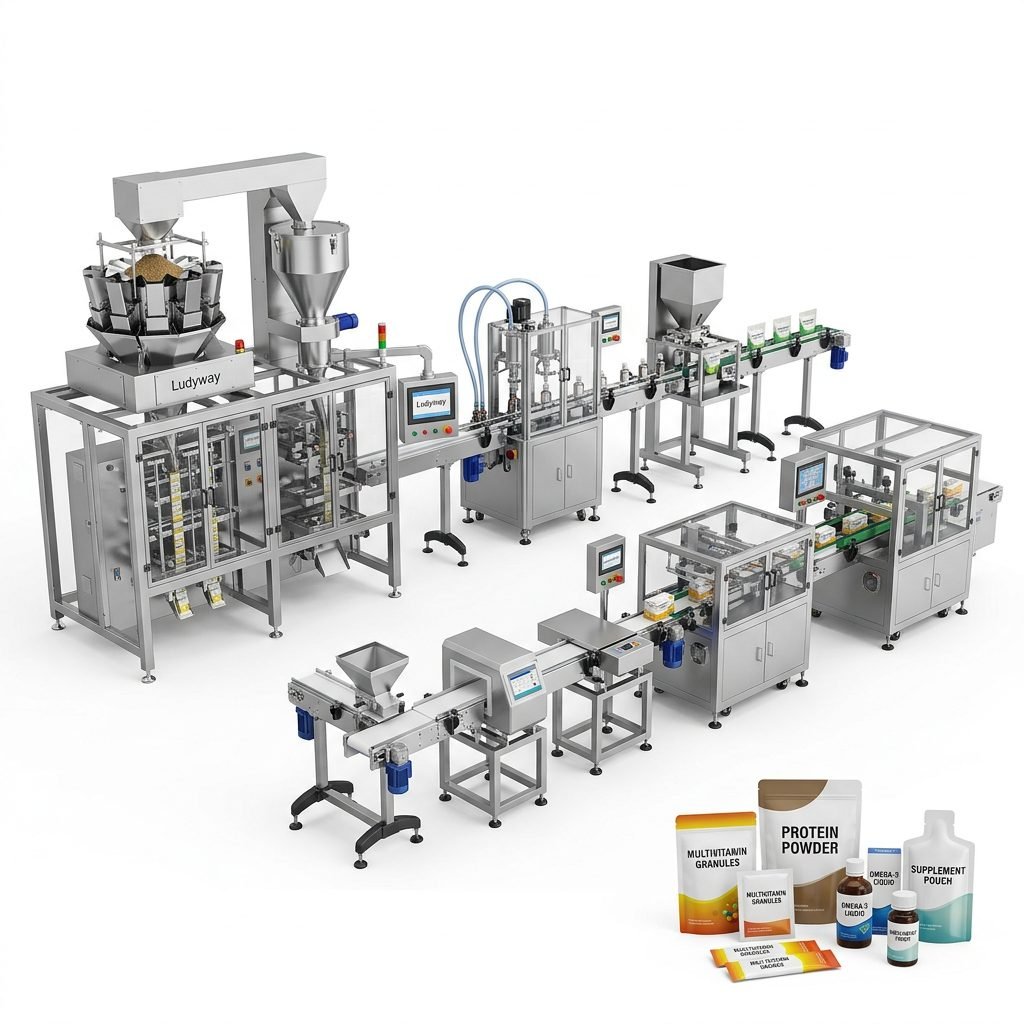
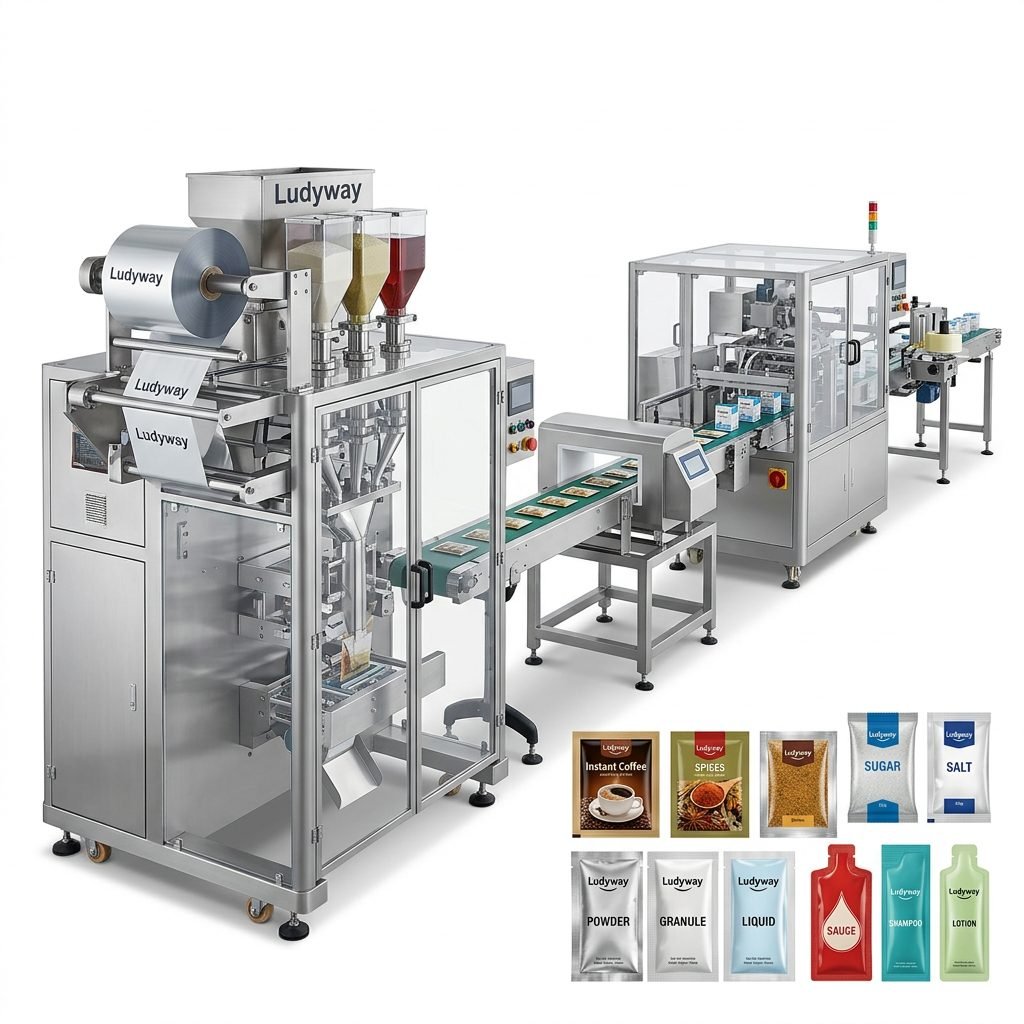
Doypack machines are available across a spectrum of automation levels. Semi-automatic machines require operators to manually place pouches and initiate cycles, making them suitable for small-batch production and startups. Fully automatic systems handle pouch feeding, opening, filling, sealing, coding, and discharge without operator intervention. For large-scale operations, integrated turnkey packaging lines combine doypack machines with upstream and downstream equipment such as checkweighers, metal detectors, cartoning machines, and palletizing systems.
Technical Specifications Comparison
When comparing different doypack packing machines, creating a standardized comparison framework helps eliminate bias and focus on what matters. The following table outlines key technical specifications to request from each equipment supplier:
| Specification | Why It Matters | What to Ask |
|---|---|---|
| Pouch Size Range | Determines product portfolio flexibility | What are the minimum and maximum dimensions? |
| Production Speed | Directly impacts ROI and output capacity | What is the rated speed at target fill weight? |
| Power Consumption | Affects operating costs | What is the total installed power (kW)? |
| Changeover Time | Impacts overall equipment efficiency | How long does a full format change take? |
| Sealing Technology | Critical for package integrity | Is it heat seal, ultrasonic, or impulse sealing? |
| Material Compatibility | Ensures machine works with your packaging film | Which film structures and thicknesses are supported? |
Material Compatibility and Sustainability Considerations
Packaging material selection is closely tied to machine capability. Modern doypack packing machines must handle a growing variety of film structures, including recyclable mono-materials, compostable films, and post-consumer recycled content. When evaluating machines, confirm compatibility with your preferred packaging materials. According to the PMMI State of the Industry report, sustainability continues to drive packaging machinery innovation, with increasing demand for machines capable of processing eco-friendly laminates that traditionally have narrower sealing windows.
Industry Applications
Doypack packaging machines serve a remarkably diverse range of industries. Understanding how your sector’s requirements align with machine capabilities is essential:
Food and Beverage
From coffee and tea to snacks, dried fruits, sauces, and ready-to-eat meals, the food industry is the largest adopter of doypack packaging. Machines in this sector often require washdown capabilities, stainless steel construction, and compliance with food safety standards such as FDA and EU food contact regulations. Learn more about packaging standards from the FDA Food Packaging guidelines.
Pharmaceuticals and Nutraceuticals
Pharmaceutical applications demand high-precision dosing, cleanroom compatibility, and validated processes. Powder supplements, electrolytes, herbal granules, and medical devices are frequently packaged in doypack formats. Machines must comply with GMP requirements and often integrate with serialization and track-and-trace systems. The ISO packaging standards provide important guidance for pharmaceutical packaging machinery validation.
Cosmetics and Personal Care
Creams, lotions, serums, face masks, and hair care products benefit from the premium shelf appeal of doypack pouches. These applications often involve liquid or paste filling systems with precise dosing and attractive pouch finishing options such as matte lamination, spot UV, and metallic effects.
Chemicals and Industrial Products
Detergents, cleaning agents, agrochemicals, and industrial additives require robust, chemical-resistant machines capable of handling corrosive or hazardous materials safely. Explosion-proof configurations and specialized sealing systems are common requirements in this sector.
Quality Certifications and Compliance
When sourcing a doypack packing machine, verify that the equipment meets relevant international standards. Key certifications to look for include CE marking for European markets, UL compliance for North America, and industry-specific certifications such as ISO 9001 for quality management. Machines intended for pharmaceutical or food applications should be constructed with materials and finishes that comply with applicable hygiene and safety regulations. Reputable manufacturers provide documentation packages that include material certificates, electrical schematics, and compliance declarations.
The Importance of After-Sales Support
A doypack packing machine is a long-term investment, and the quality of after-sales support can significantly impact your total cost of ownership. Before finalizing a purchase, evaluate:
- Installation and commissioning services: Does the supplier provide on-site setup and operator training?
- Spare parts availability: Are critical components readily available, and what are typical lead times?
- Technical support: Is remote and on-site support available in your region and language?
- Warranty terms: What is covered, and for how long?
- Preventive maintenance programs: Does the supplier offer scheduled maintenance to minimize downtime?
Budget and Return on Investment
The cost of a doypack packing machine varies widely depending on automation level, filling technology, speed, and customization. Entry-level semi-automatic machines may start at a lower investment level, while fully automated multi-lane systems with integrated peripherals represent a significantly higher capital outlay. When calculating return on investment, consider not only the machine purchase price but also:
- Labor savings from automation
- Reduced packaging material waste
- Increased production throughput
- Lower per-unit packaging costs compared to rigid containers
- Energy efficiency of modern servo-driven systems
- Expected maintenance costs over the machine’s lifespan
Many manufacturers find that upgrading to automated doypack equipment pays for itself within 12-24 months through operational savings alone. The 2026 PMMI State of the Industry report indicates that automation investment continues to be a top priority for packaging operations worldwide.
Questions to Ask Equipment Suppliers
Before making a final decision, prepare a comprehensive list of questions for potential suppliers. Here are essential questions that experienced buyers recommend:
- Can you provide video demonstrations of the machine running products similar to ours?
- What is the typical installation and commissioning timeline?
- Do you offer factory acceptance testing (FAT) before shipment?
- What training program do you provide for operators and maintenance staff?
- Are there reference customers in our industry or region we can speak with?
- What is your standard warranty and what does it cover?
- How do you handle spare parts orders and emergency support?
- Can the machine be upgraded or retrofitted in the future as our needs change?
Making the Final Decision
Choosing the right doypack packing machine ultimately comes down to aligning technical capabilities, supplier reliability, and long-term business goals. Take the time to visit supplier facilities when possible, conduct thorough testing with your actual products and packaging materials, and carefully review all technical documentation. The Flexible Packaging Association offers valuable resources for understanding packaging trends and material innovations that can inform your equipment decisions.
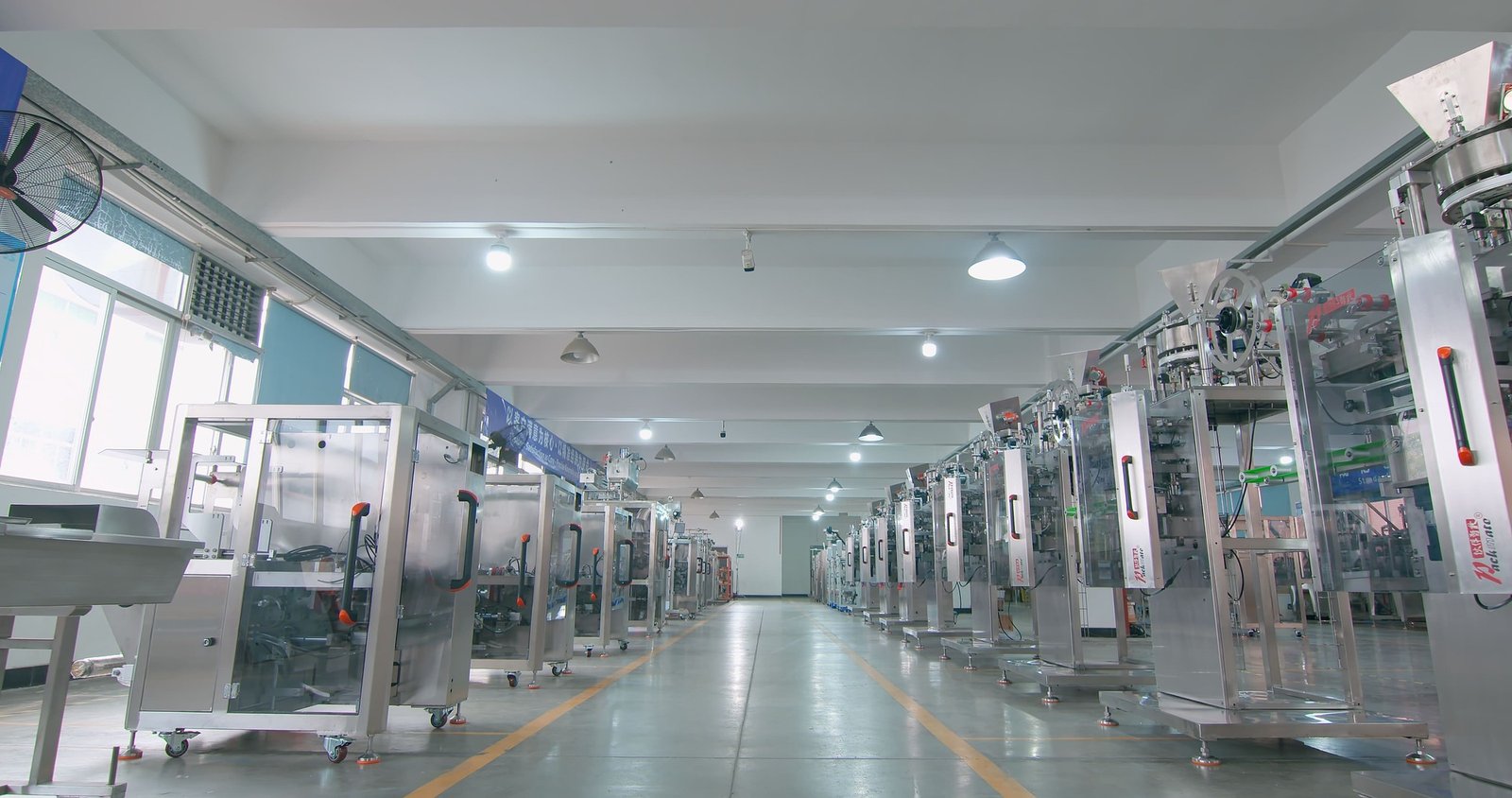
For manufacturers seeking a packaging machinery partner with extensive experience, Ludyway Machinery provides a comprehensive range of automatic packaging equipment and turnkey packaging line solutions, developed over more than 30 years in the packaging industry, serving customers across 100+ countries with customized machine configurations and ongoing technical support.
Conclusion
Selecting a doypack packing machine is a strategic decision that affects your production efficiency, product quality, and brand perception. By systematically evaluating product characteristics, production requirements, machine specifications, supplier capabilities, and after-sales support, you can identify the equipment that best matches your operational needs. Remember that the right machine is not necessarily the most expensive or the fastest — it is the one that delivers consistent, reliable performance for your specific application while providing the flexibility to adapt as your business grows.