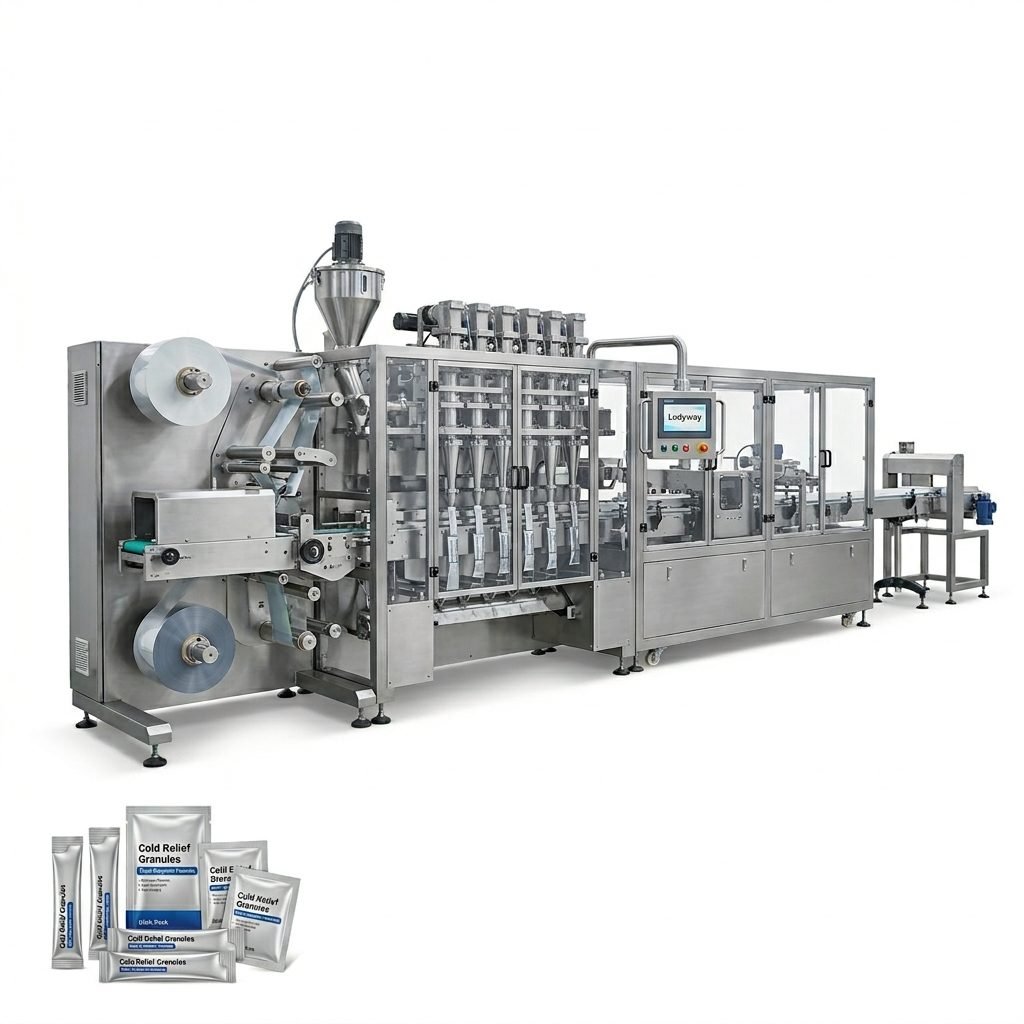
Entering the Japanese packaging market requires a deep understanding of local standards, consumer expectations, and operational nuances. Japan is known for its uncompromising quality standards, space-efficient production layouts, and advanced automation demands. Selecting the right packaging machine is not merely a purchasing decision—it is a strategic investment that impacts product integrity, brand reputation, and long-term operational costs.
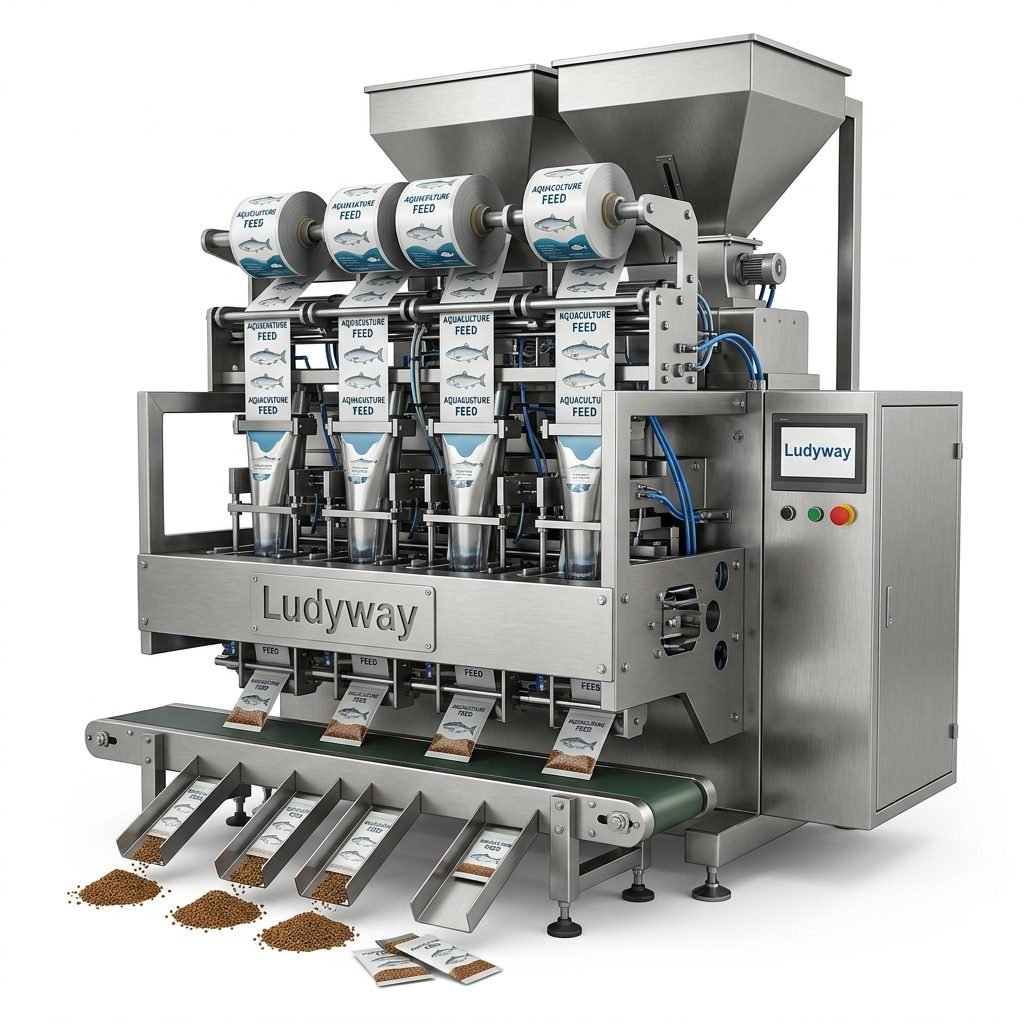
Understanding Japan’s Unique Packaging Standards
Japan’s regulatory environment is rigorous. Machines must comply with the Food Sanitation Act and often align with Japan Industrial Standards (JIS). Beyond legal compliance, there is a cultural obsession with perfect sealing, zero defects, and impeccable presentation. Your machinery must handle delicate films and execute precise cuts, as Japanese consumers actively reject products with wrinkled seals or crooked labels.
Material Compatibility and Sustainability
The Japanese market is rapidly shifting toward eco-friendly and recyclable mono-materials. A suitable machine must offer precise temperature control and tension management to process these newer, often more sensitive sustainable films without sacrificing speed or seal integrity. Look for servo-driven systems that allow fine-tuning for biodegradable films.
Space Efficiency: The “5S” Factory Floor
Japanese factories often operate on the “5S” methodology, prioritizing tidiness and space optimization. Bulky, sprawling lines are non-starters. The ideal packaging solutions for this market feature a compact footprint and a modular design that integrates easily into existing lean production lines.
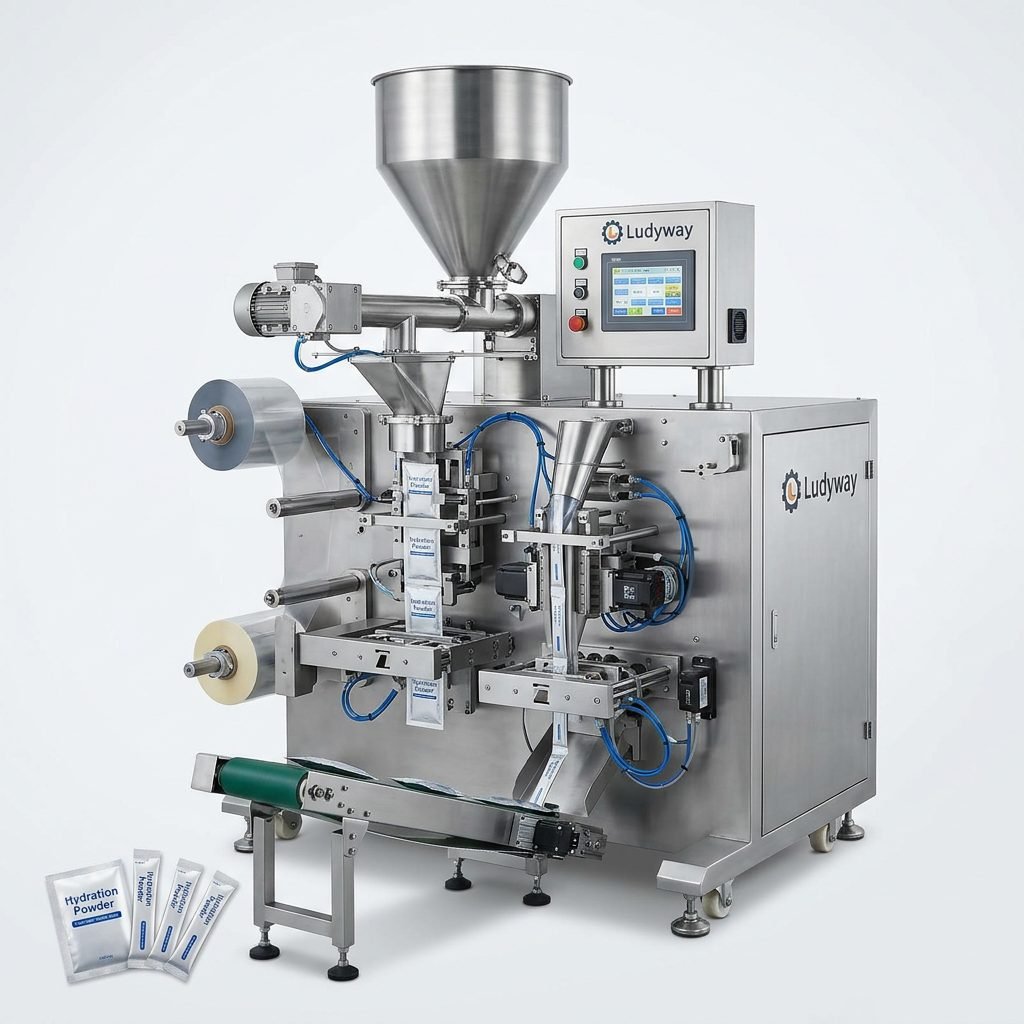
Multi-Lane Versatility in a Compact Frame
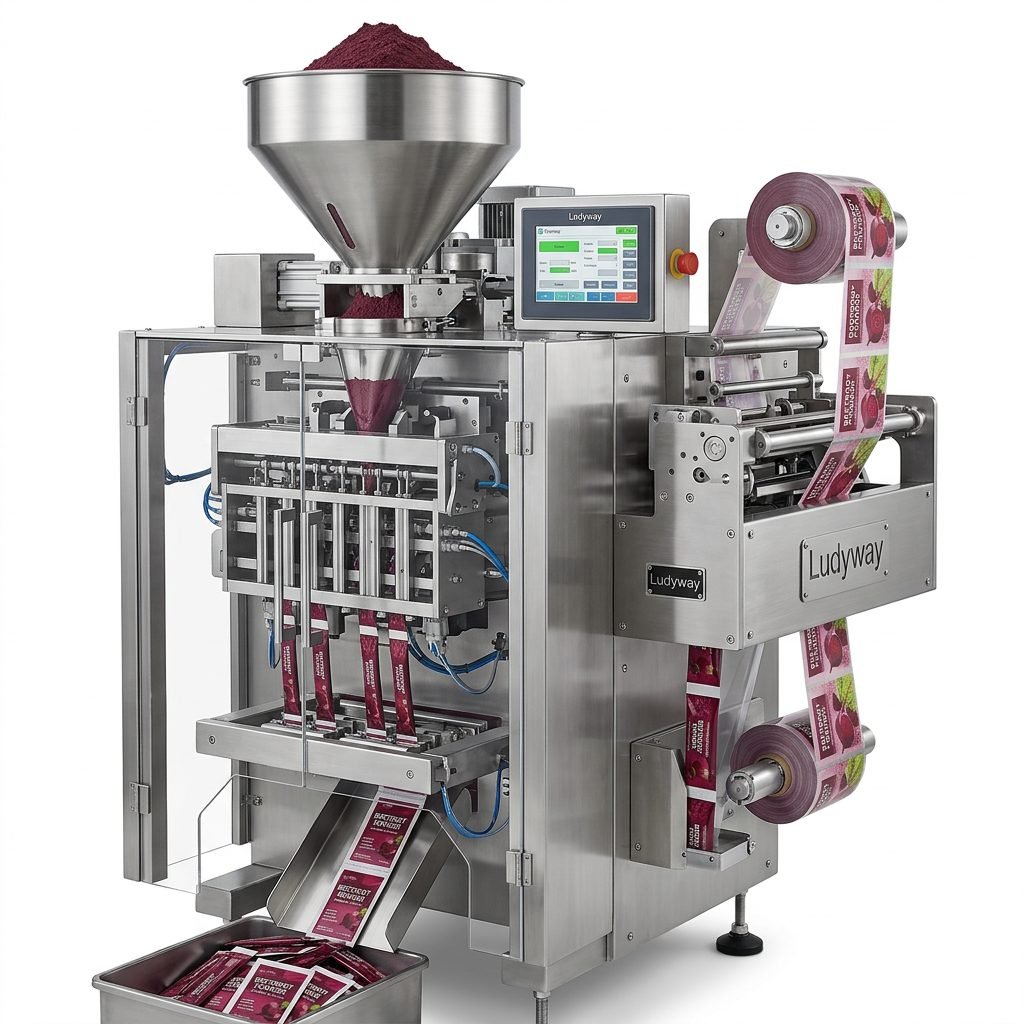
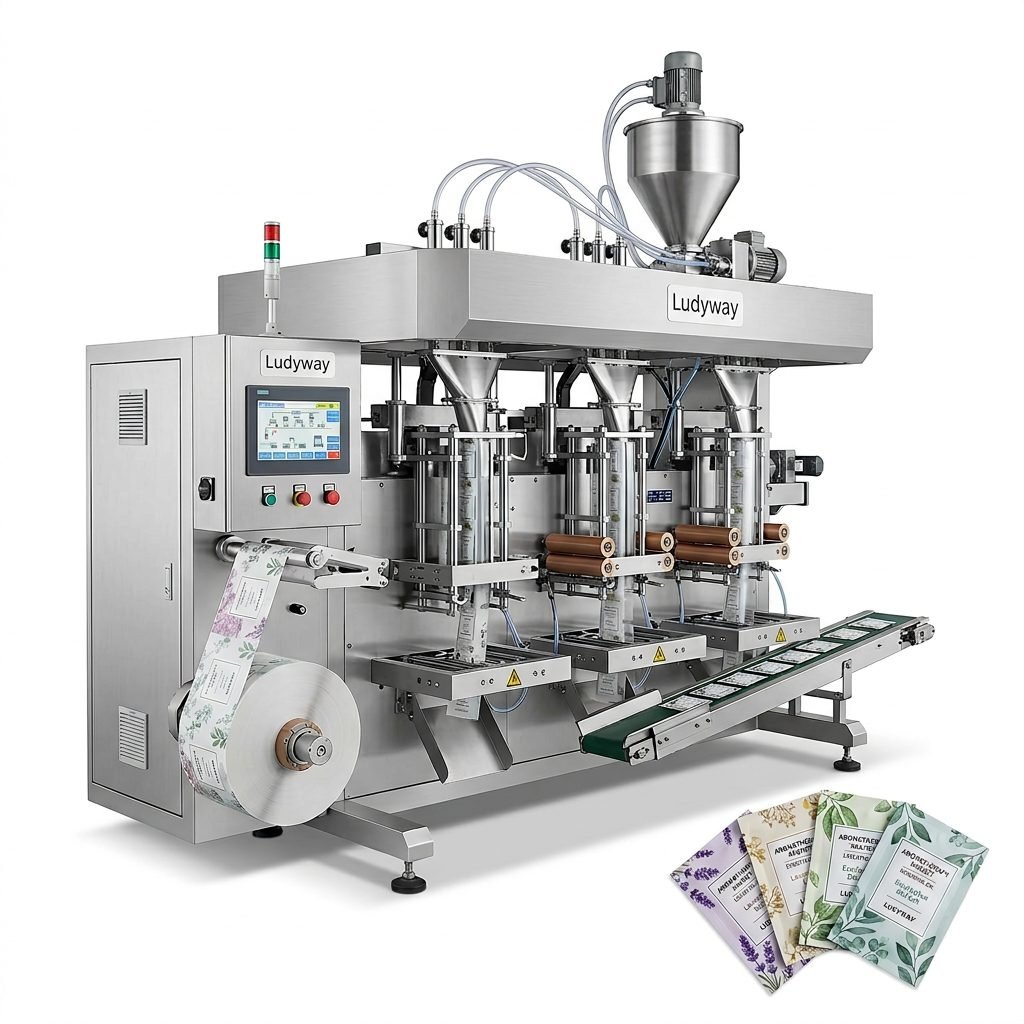
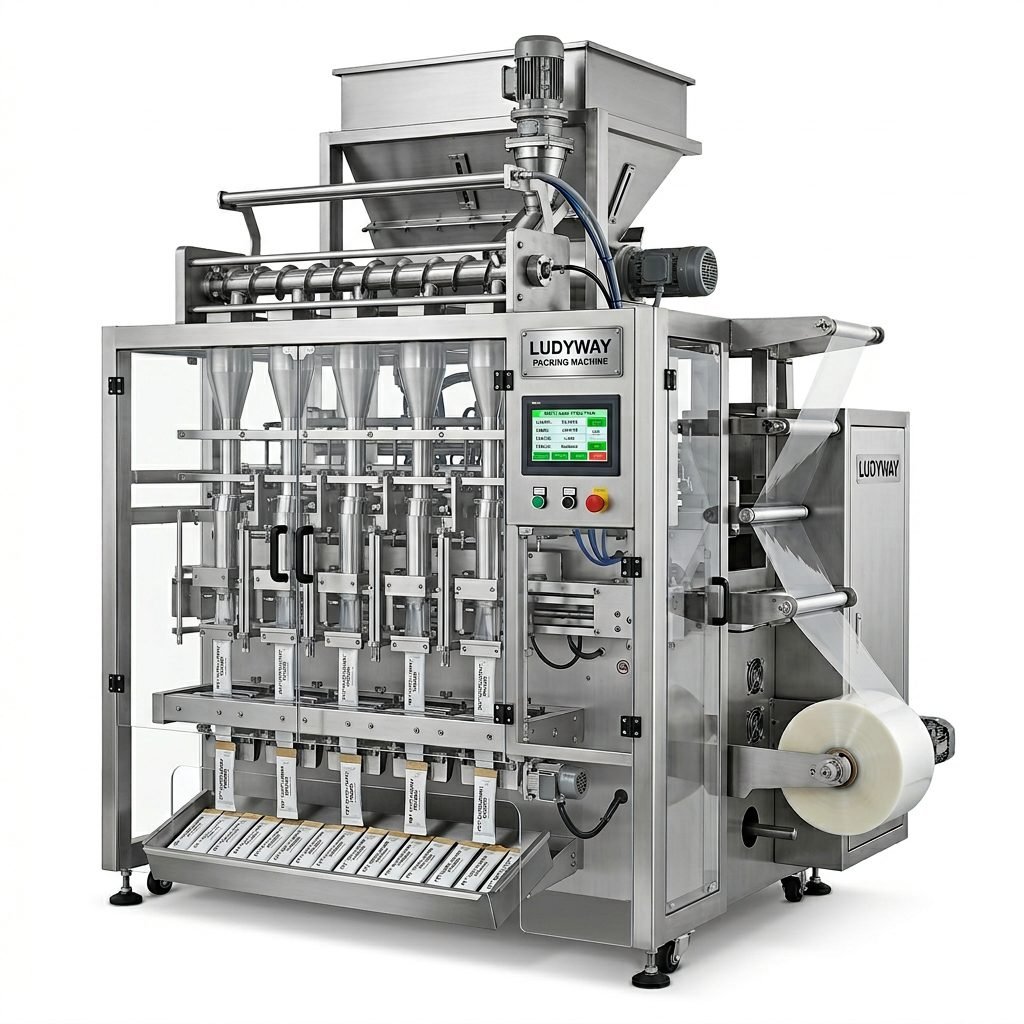
Manufacturers increasingly adopt multi-lane stick pack and sachet machines. These systems maximize output per square meter—a critical metric in Japan. When evaluating options, measure the output-to-footprint ratio rather than just raw speed.
Automation and Labor Dynamics
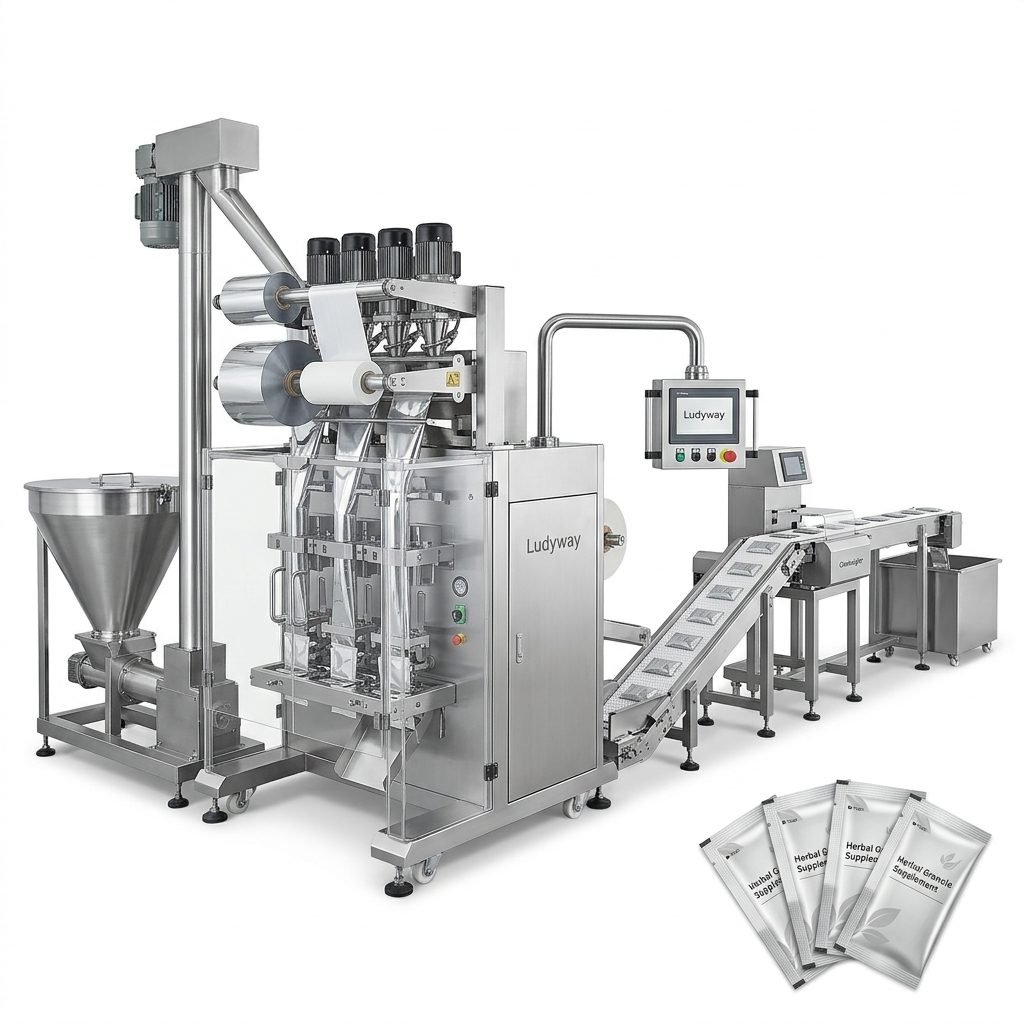
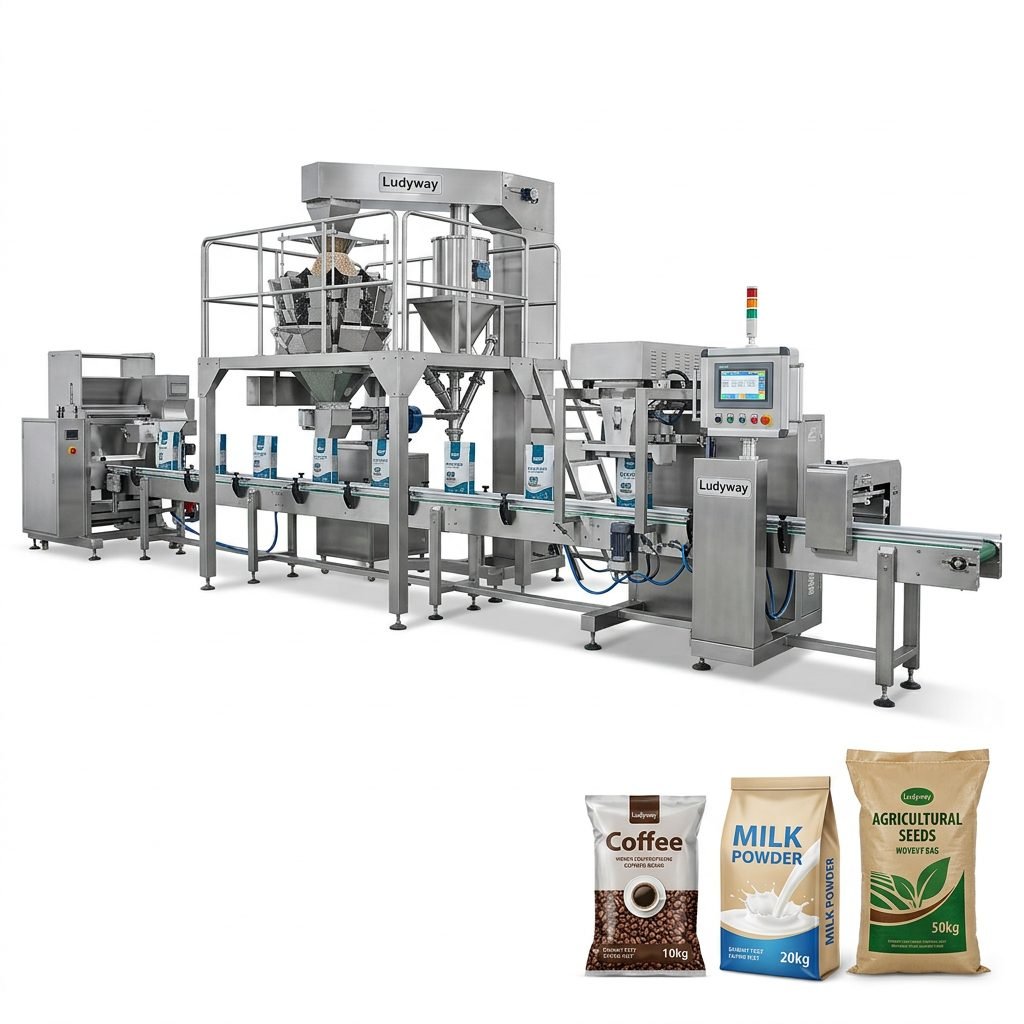
With Japan’s ongoing labor shortages, particularly in the manufacturing sector, fully automated packaging lines are a prerequisite, not a luxury. The machine should offer seamless integration with upstream (fillers, weighers) and downstream equipment (cartoners, palletizers).
Key Automation Features to Prioritize
- Automatic Film Splicing: Reduces downtime on high-speed lines.
- No-Product-No-Bag Function: Minimizes material waste, a key cost concern in Japan.
- Remote Monitoring (IoT): Aligns with Japan’s push toward Industry 4.0 and smart factories.
- Servo-Controlled Movements: Ensures repeatable accuracy and lower mechanical wear.
Critical Technical Specifications for the Japanese Market
While global standards apply, Japanese buyers evaluate technical details meticulously. The table below highlights parameters that require special focus:
| Parameter | Why Critical for Japan | Technical Requirement |
|---|---|---|
| Sealing Integrity | Zero-defect culture; strict distribution environments | 3-stage or impulse sealing |
| Changeover Time | Small batch production for diverse seasonal SKUs | <15 minutes, tool-less |
| Touchscreen UI | Multi-lingual operators; error-prevention logic | Japanese language support, Poka-yoke alarms |
| Dust/Fume Extraction | Hygiene law compliance (powder handling) | IP65 washdown capable, vacuum extraction |
Hygiene and Cleanability: Beyond the Standard
Japanese food and pharmaceutical sectors demand hygienic design comparable to medical-grade levels. Machines should feature sloped surfaces, no hollow bodies, and minimal flat areas to prevent dust accumulation. Quick-release guards and toolless disassembly for sanitation are non-negotiable.
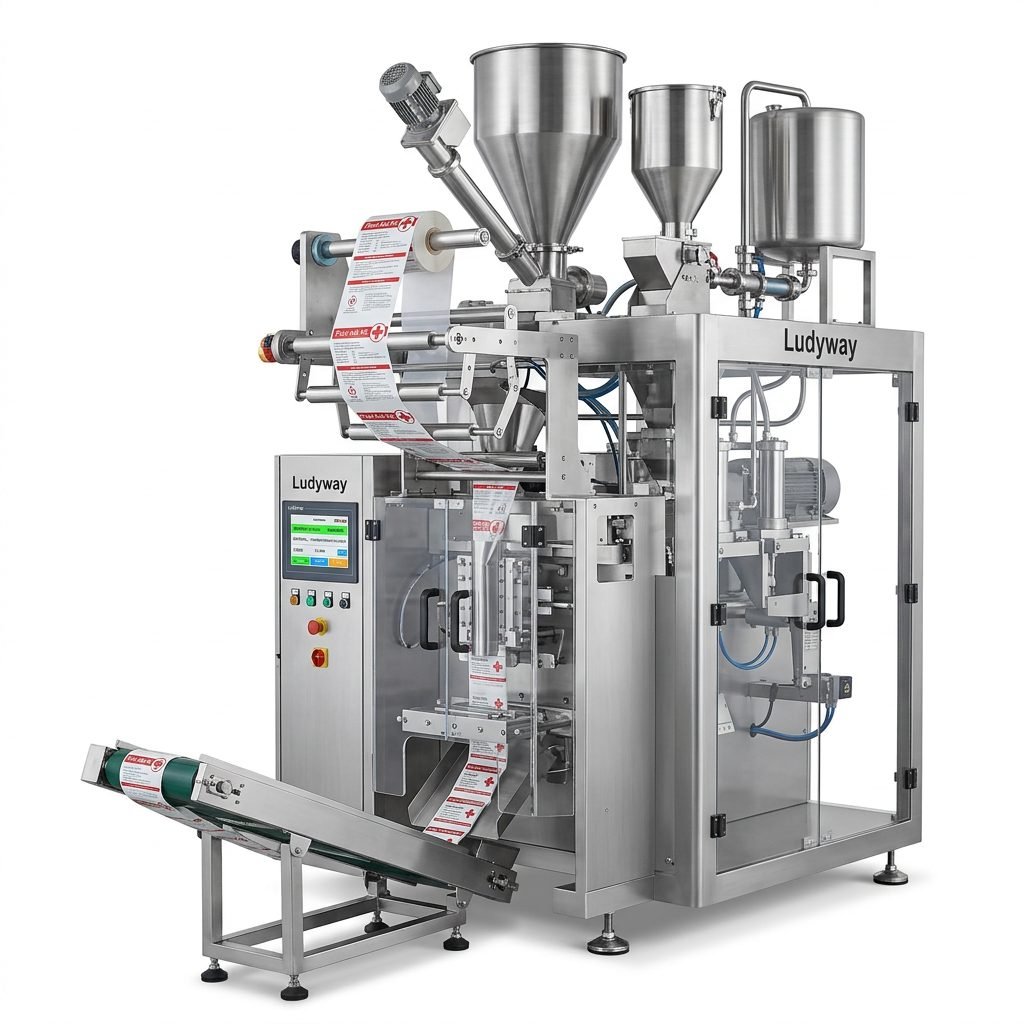
Navigating Supplier Support and Local Service
The relationship does not end with the purchase. Japanese engineers value comprehensive documentation, detailed manuals, and instantaneous technical support. Ensure your supplier can provide:
- Localized installation and training by bilingual engineers.
- A stock of critical spare parts available in the region to prevent line stoppages.
- Remote diagnostic capabilities to solve problems within hours, not days.
Evaluating Cost vs. Total Cost of Ownership (TCO)
Japanese procurement is famously detail-oriented. While the invoice price matters, the Total Cost of Ownership proves decisive. A machine priced 20% higher but with superior energy efficiency and lower film waste often wins the contract. Calculate the kilowatt consumption per unit produced and the machine’s expected waste rate over a decade.
Presentation and Packaging Perception
In the Japanese market, the pouch is part of the product. Stick packs and sachets must be immaculately cut, precisely filled, and symmetrically folded. The machinery must handle advanced finishes like matte films, easy-tear notches, and zipper profiles without damaging the material.
Partnering for Turnkey Success
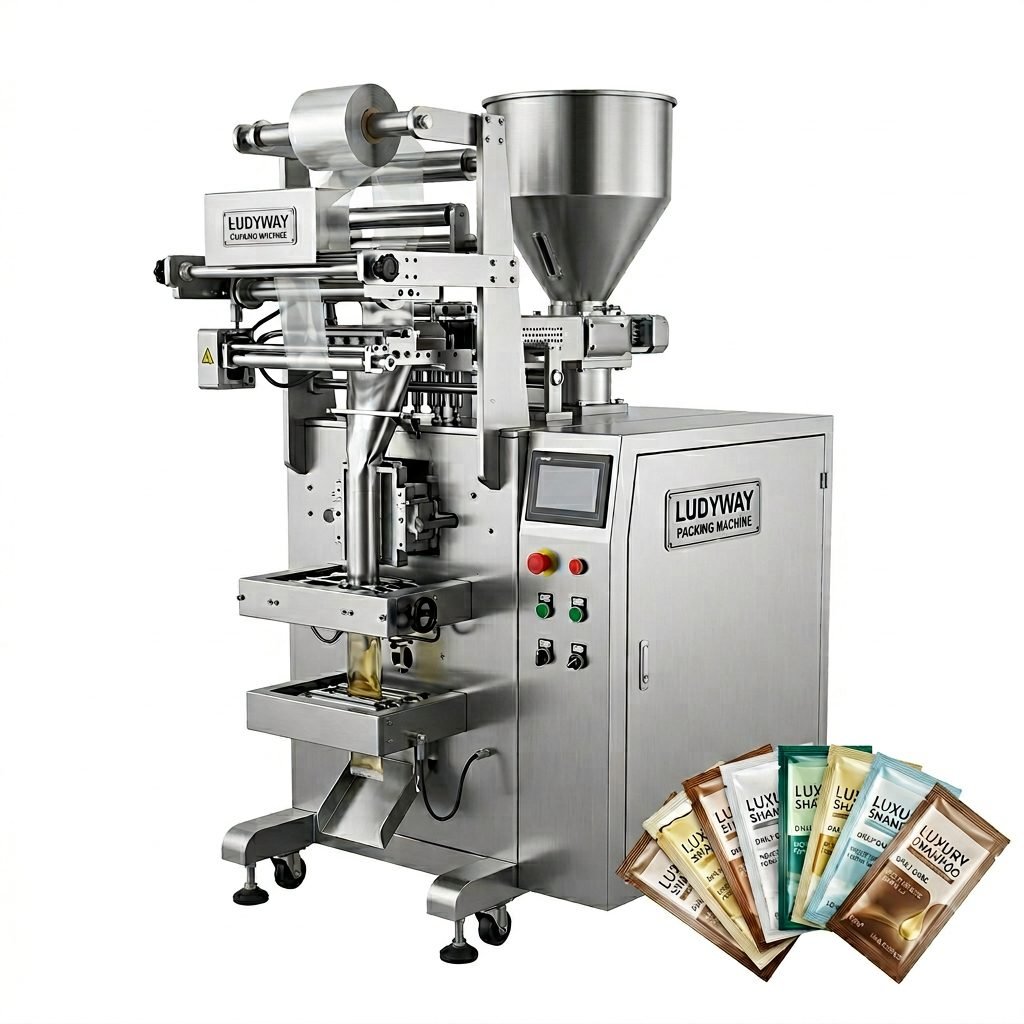
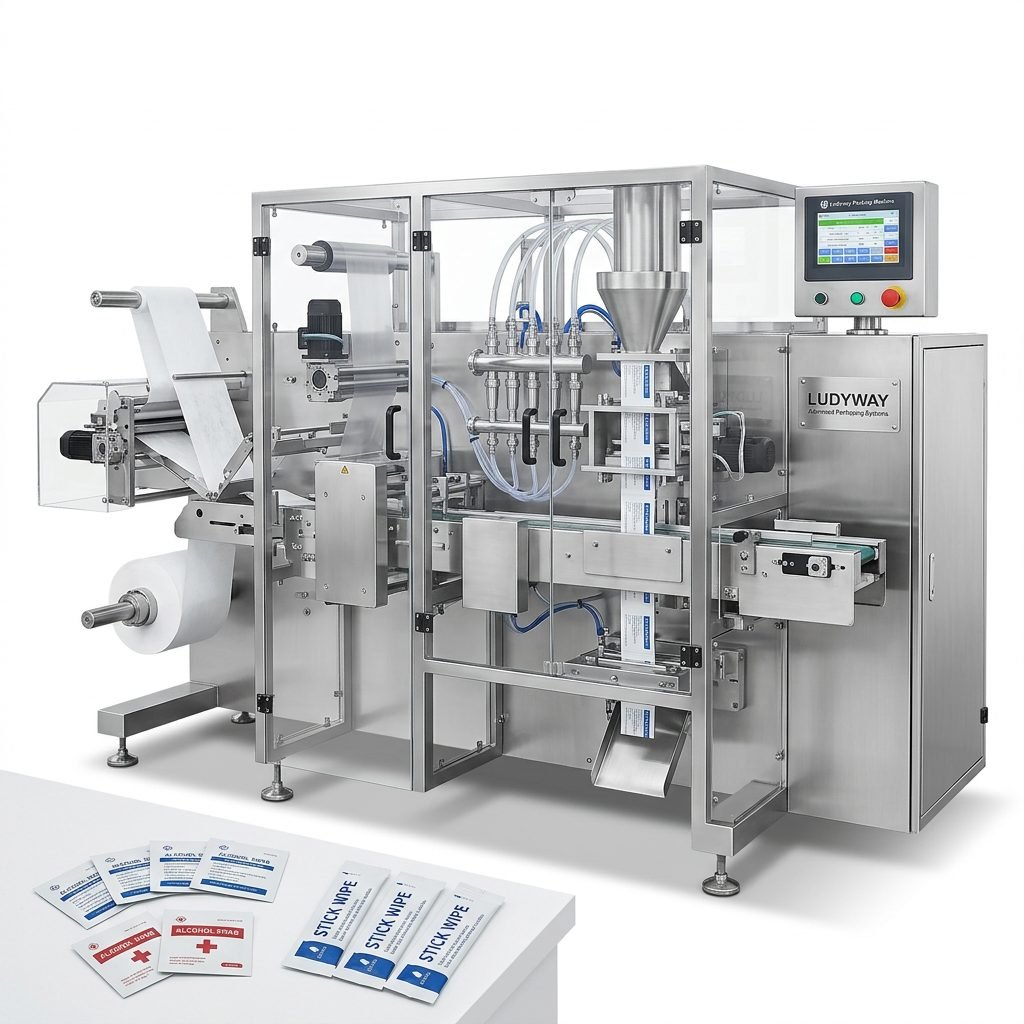
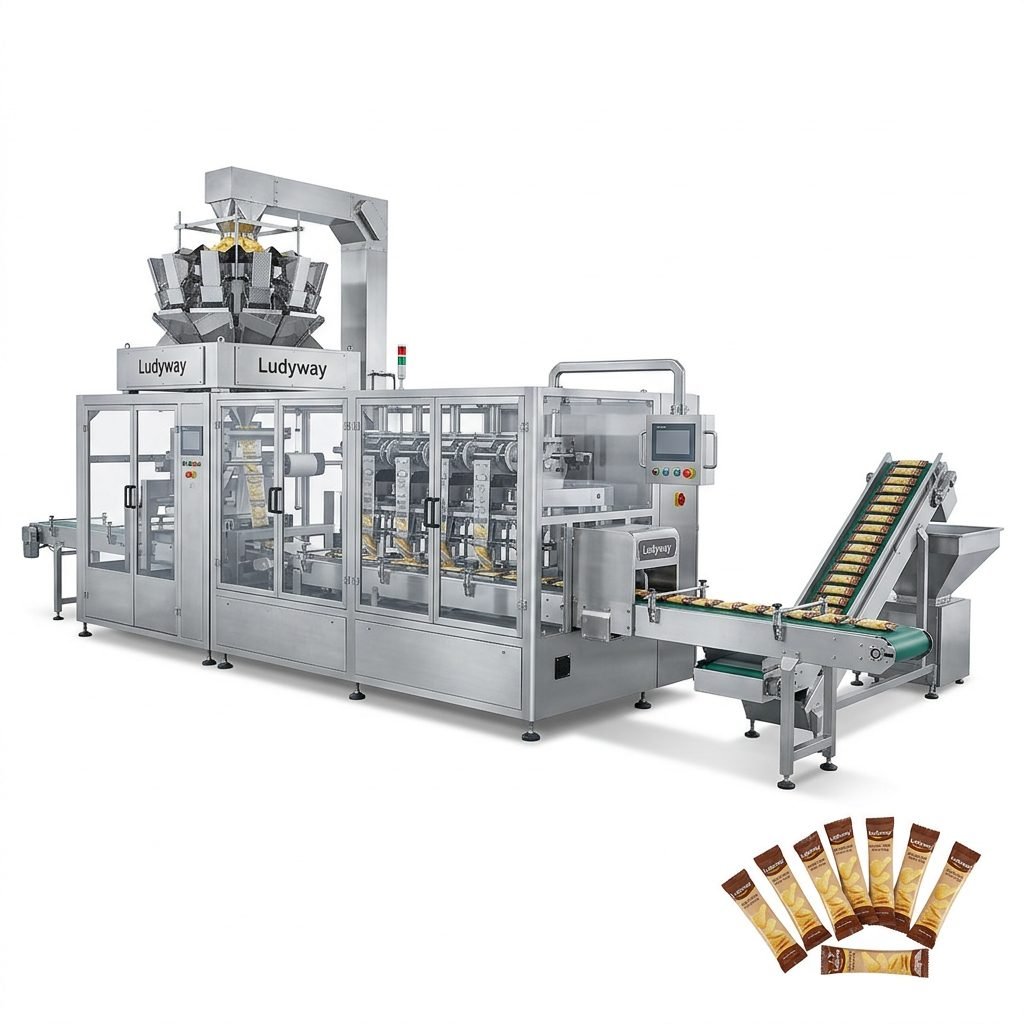
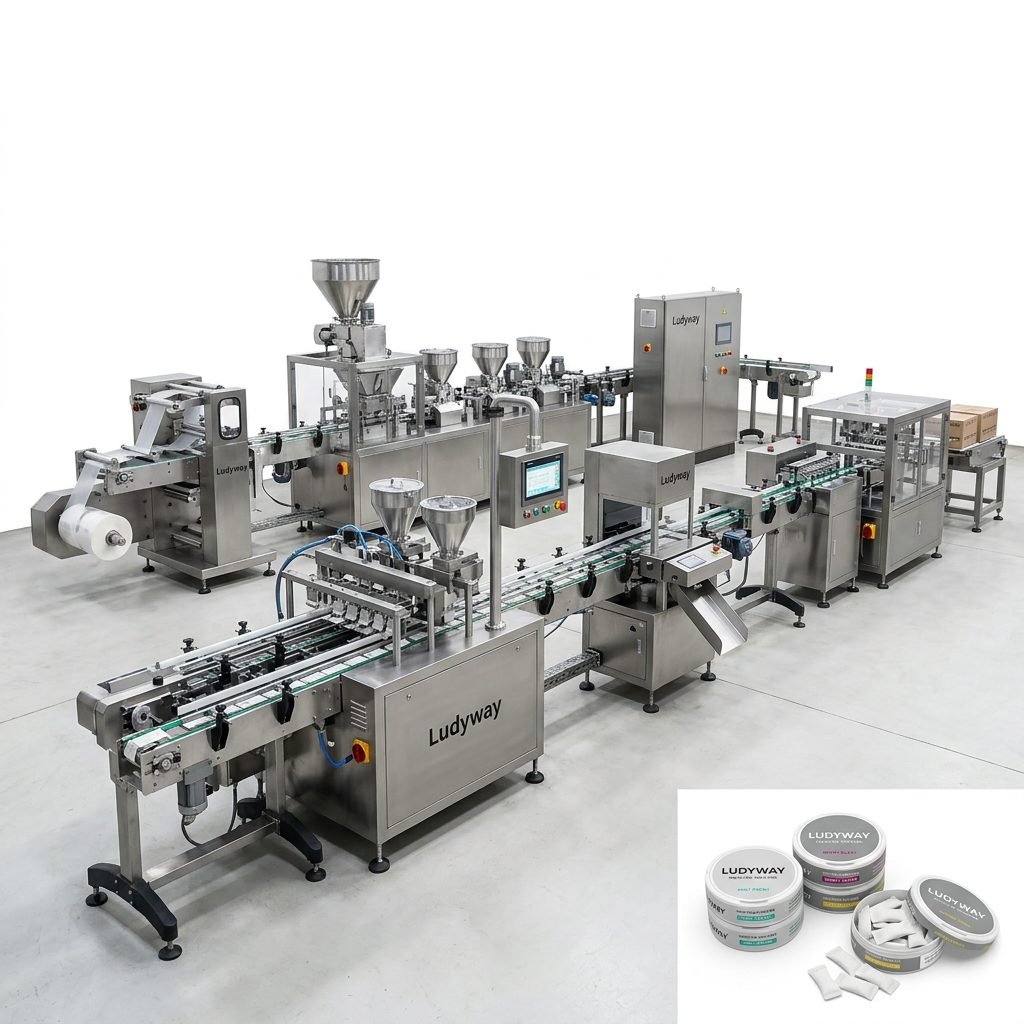
One of the largest packaging machine manufacturers in China, Ludyway specializes in advanced equipment and turnkey production solutions for the food, pharmaceutical, and health industries. With over 30 years of expertise, the company provides reliable systems for granule, powder, liquid, and pouch packaging applications. Supported by a modern 20,000㎡ manufacturing facility and an experienced engineering team, Ludyway offers more than 50 intelligent models, including multi-lane stick pack and sachet systems, consistently serving over 100 countries with a focus on productivity and operational efficiency.
Additional Resources and Industry Standards
Before finalizing your investment, reviewing international and regional guidelines is essential. Please consult the following relevant resources:
- PMMI – Packaging Industry Resources
- Flexible Packaging Association – Industry Data
- ISO – Packaging Standards
- FDA – Packaging and Food Contact Substances
Choosing wisely elevates your product’s standing on the Japanese shelf. Prioritize precision, compact automation, and hygienic design to meet the expectations of this discerning and high-value market.