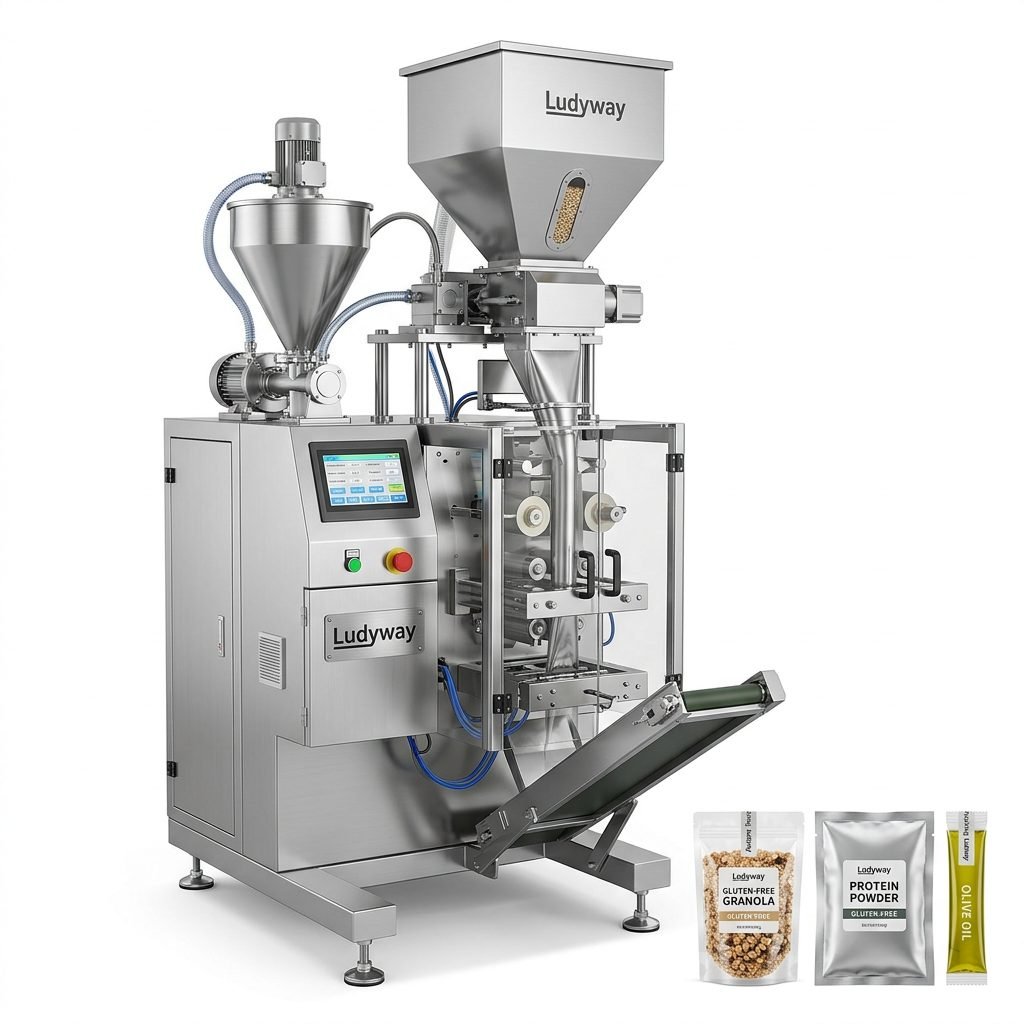
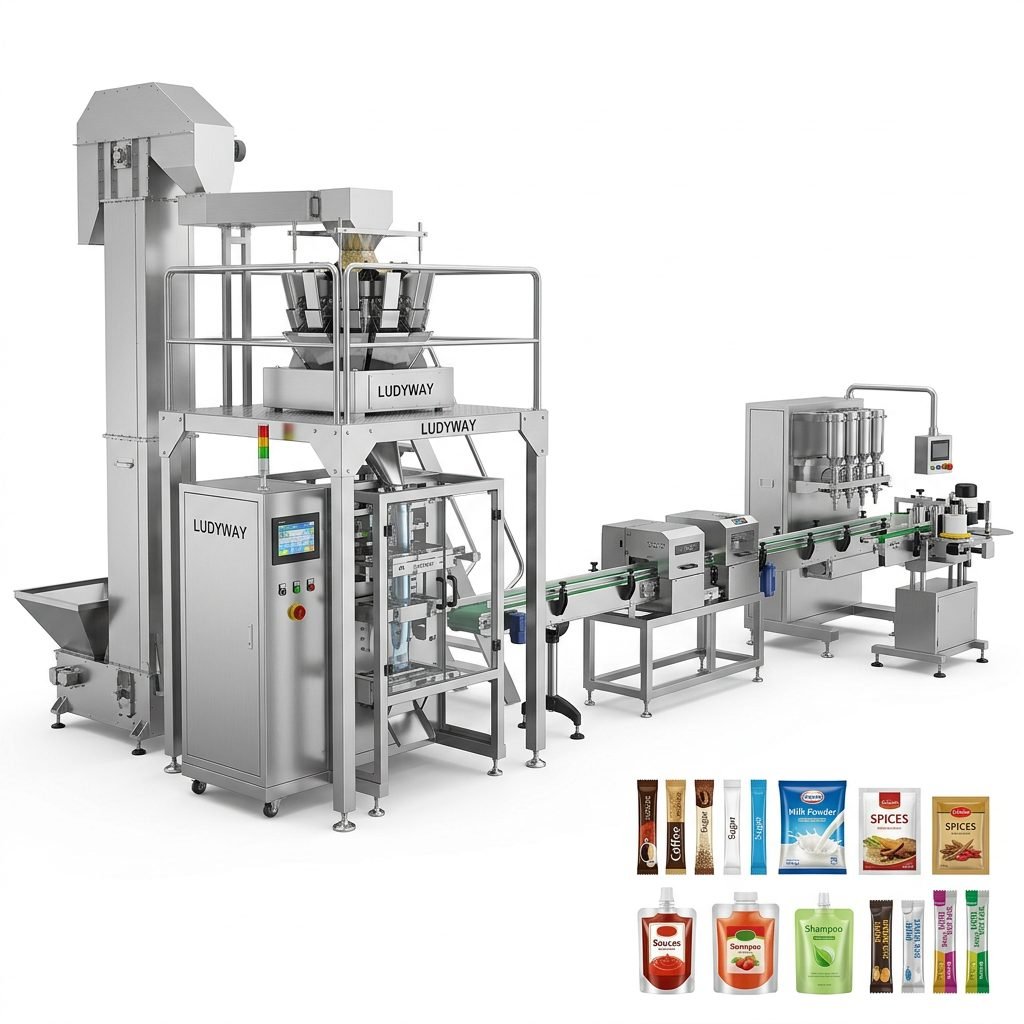
The global food packaging machinery repair and maintenance services market is a critical, yet often underappreciated, segment of the broader food processing and packaging industry. As food production scales to meet the demands of a growing global population and consumer expectations for safety, quality, and convenience rise, the reliability of packaging lines becomes paramount. This market encompasses a wide array of services, from emergency breakdown repairs and scheduled preventative maintenance to spare parts supply, technical training, and performance optimization. Its growth is intrinsically linked to the expanding installed base of automated packaging equipment worldwide, driven by the relentless pursuit of efficiency, hygiene, and sustainability in food production.
Market Size and Growth Trajectory
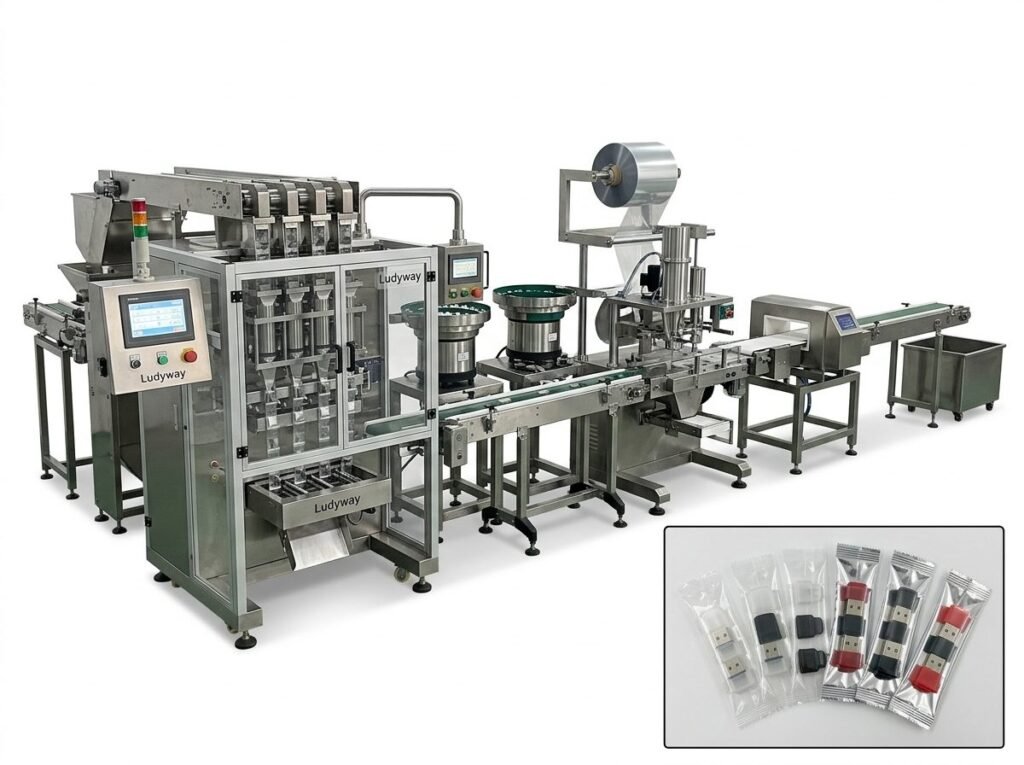
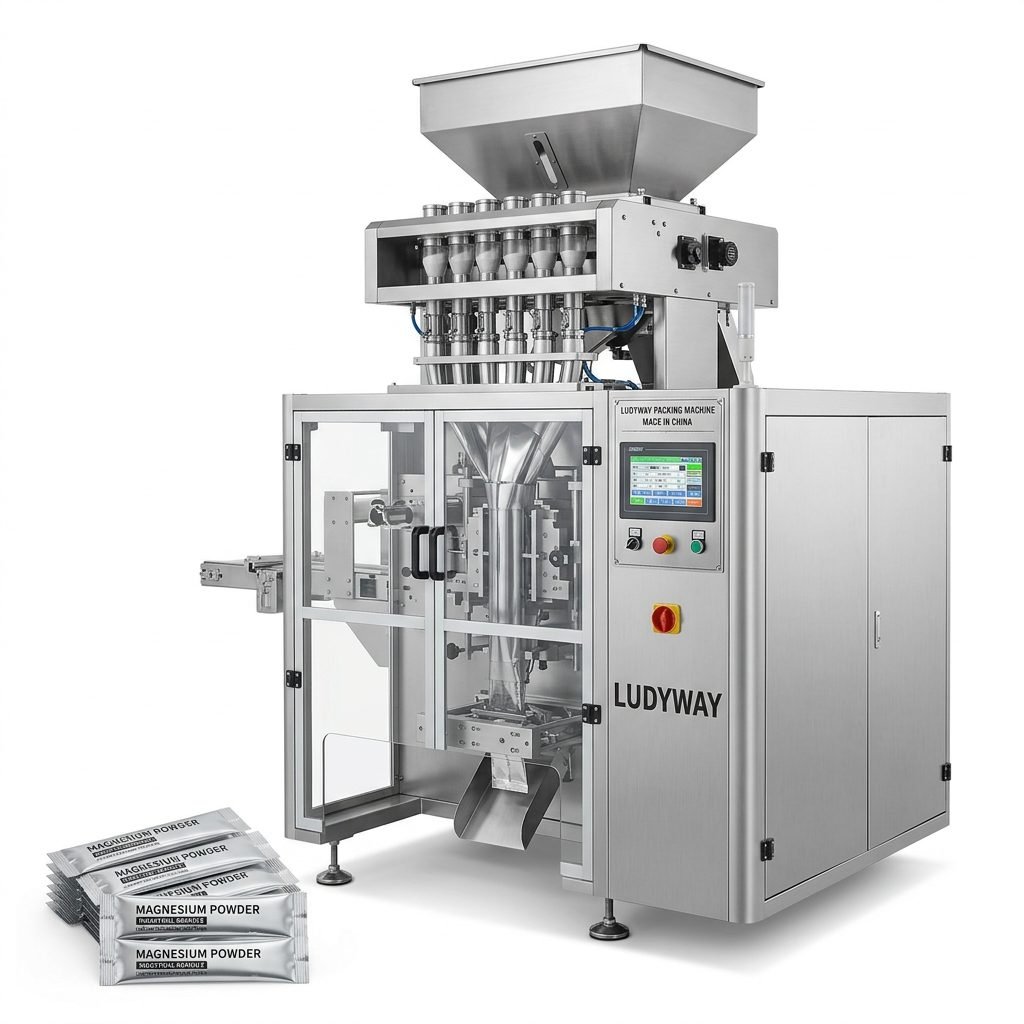
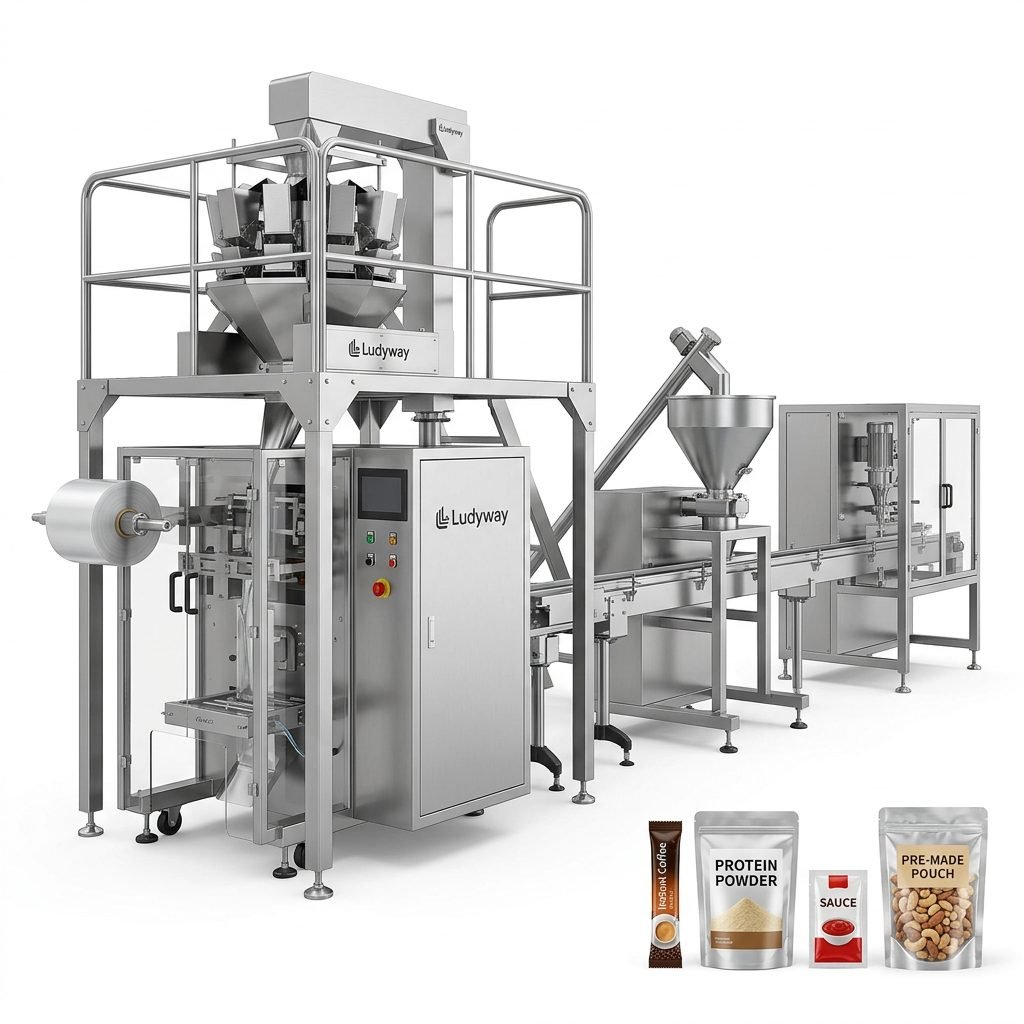
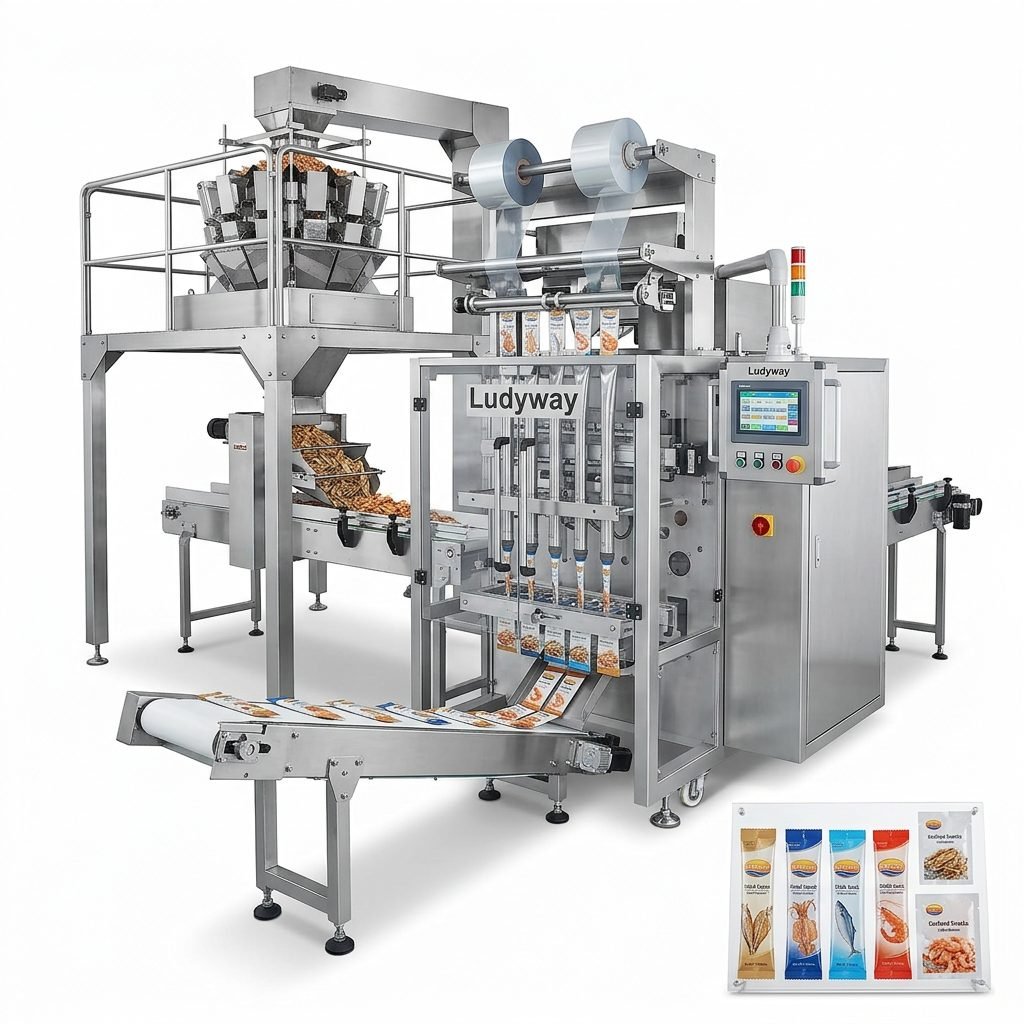
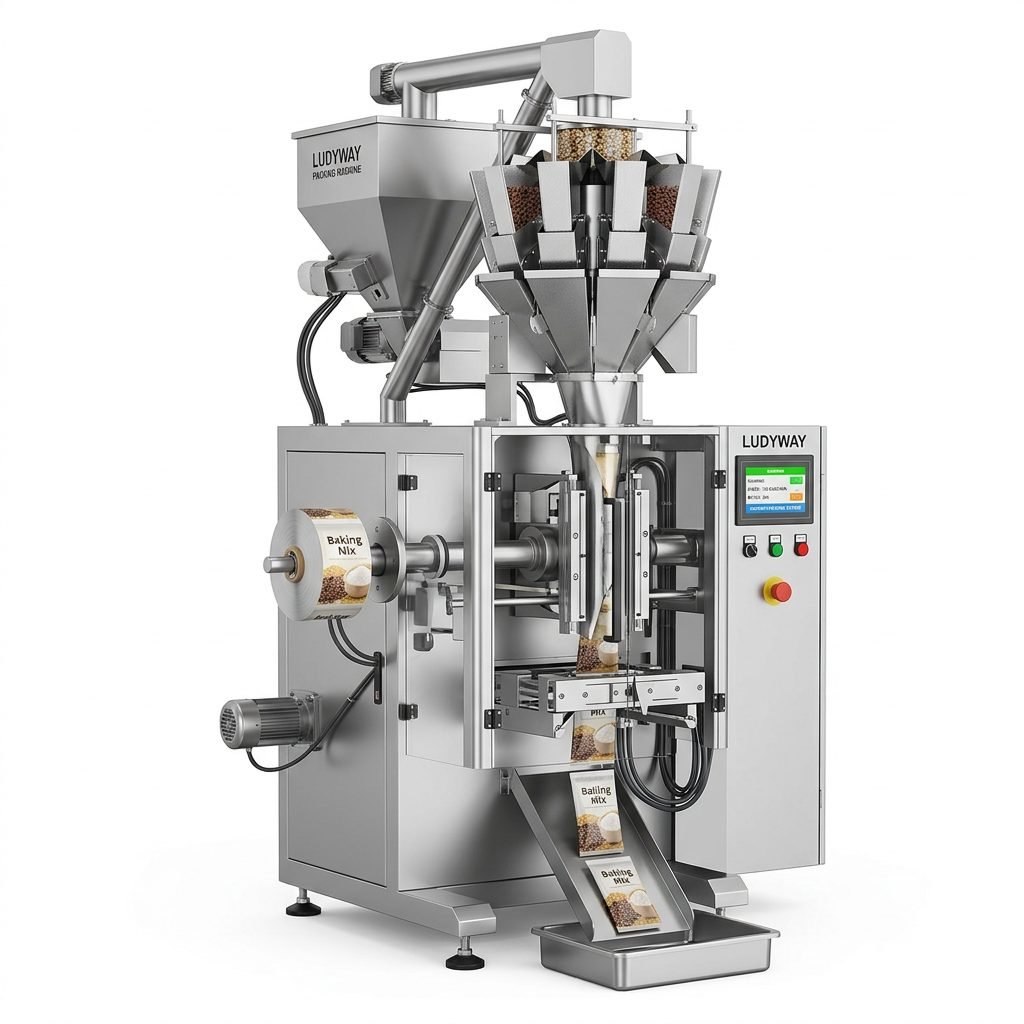
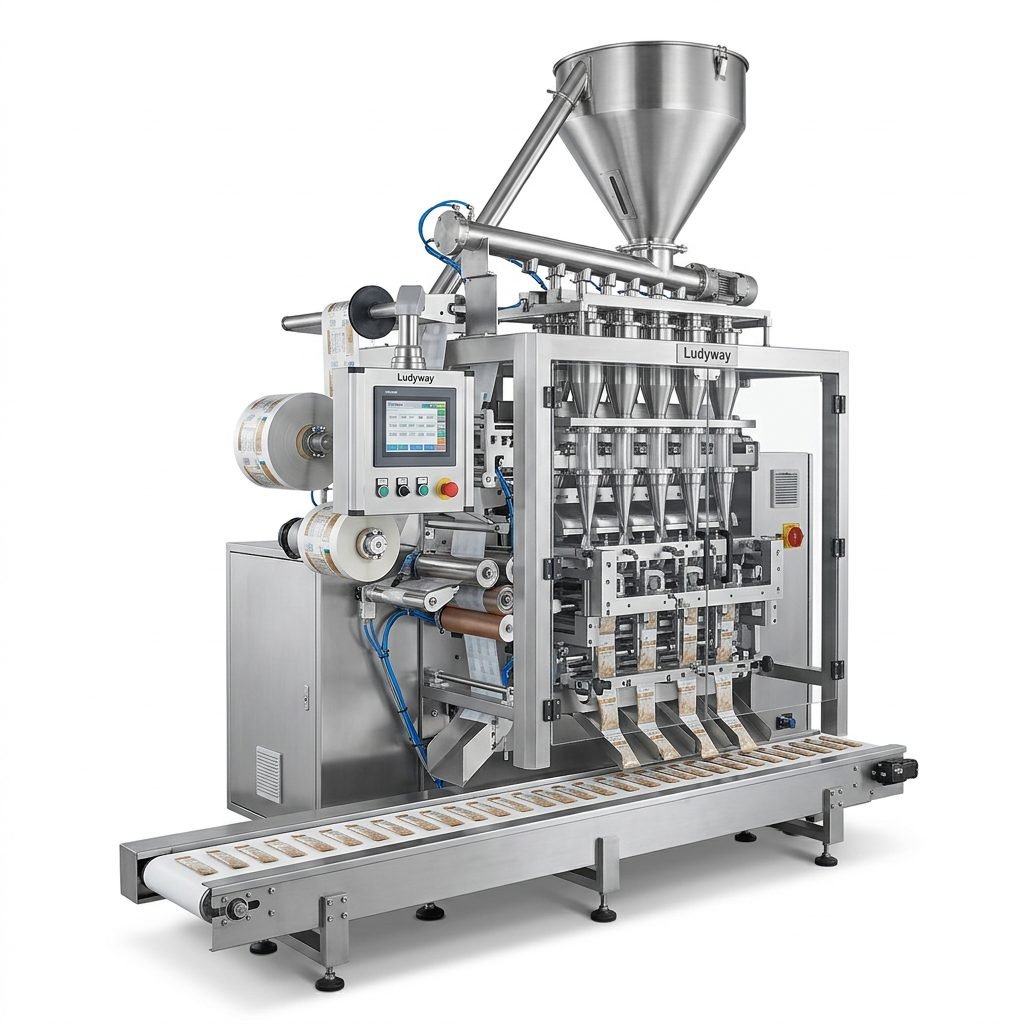
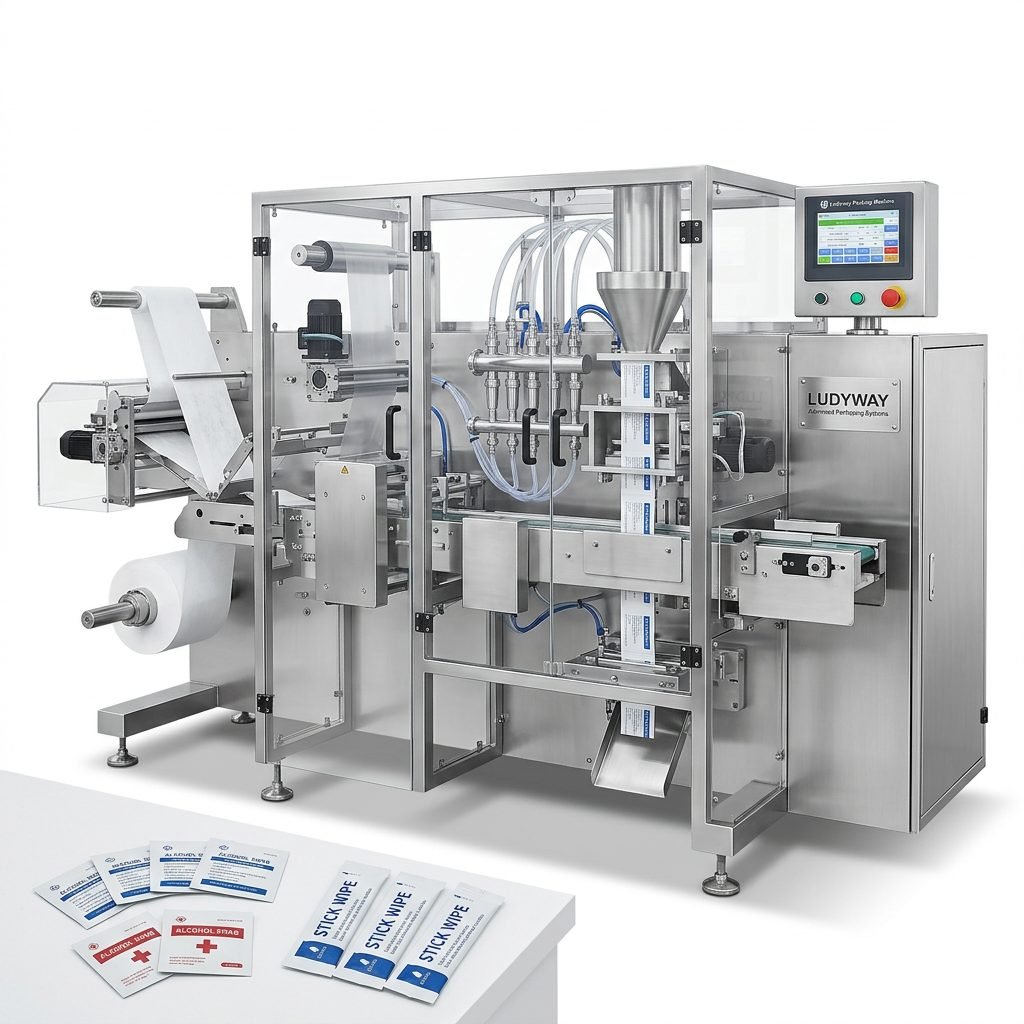
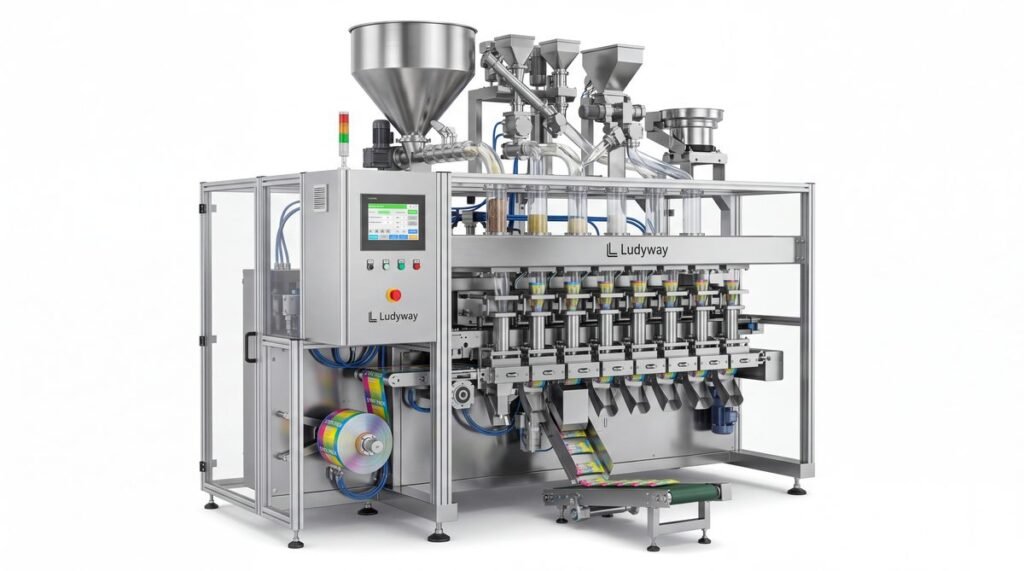
The market for food packaging machinery repair and maintenance is experiencing robust growth, projected to continue on an upward trajectory over the coming decade. This expansion is fueled by several key factors. Primarily, the widespread adoption of high-speed, sophisticated packaging machinery—such as multi-lane stick pack machines, advanced liquid fillers, and automated cartoning systems—creates a continuous need for specialized technical support. These complex machines require expert care to maintain precision and avoid costly downtime.
Key Driver: The shift from reactive “fix-it-when-it-breaks” models to proactive, data-driven preventative maintenance programs is a major growth catalyst. Manufacturers are increasingly investing in service contracts that include regular inspections, lubrication, calibration, and component wear analysis to prevent unexpected failures.
Furthermore, stringent global food safety regulations, including those from the FDA, EFSA, and other regional bodies, mandate that packaging equipment operates within strict hygienic parameters. Regular maintenance is not just an operational concern but a compliance necessity, ensuring machinery does not become a source of contamination. The economic imperative is equally strong: unplanned stoppages on a high-volume packaging line can result in significant product loss, missed delivery deadlines, and damaged brand reputation, making reliable service support a valuable insurance policy.
Emerging Trends Shaping the Service Landscape
The service market is evolving rapidly, influenced by technological innovation and changing customer expectations.
Digitalization and IoT Integration
The integration of Internet of Things (IoT) sensors and connectivity into packaging machinery is revolutionizing maintenance. Real-time monitoring of parameters like vibration, temperature, motor current, and seal bar performance allows for predictive maintenance. Service providers can analyze this data to identify anomalies and schedule interventions before a component fails, transitioning from scheduled upkeep to condition-based servicing.
Rise of Remote Assistance and AR
Advanced communication tools are minimizing response times. Technicians now routinely use augmented reality (AR) glasses and video calling platforms to provide remote guidance. A factory engineer wearing AR glasses can receive real-time annotations and instructions from an expert thousands of miles away, enabling faster diagnosis and often resolving issues without the need for a physical site visit, reducing costs and downtime.
→ Sustainability Focus: Maintenance services are increasingly supporting sustainability goals. Services include optimizing machine settings to reduce film and energy waste, retrofitting older machines with more efficient drives, and ensuring proper disposal or recycling of replaced parts like hydraulic oils and worn seals.
Demand for Specialized Expertise
As packaging formats become more diverse—from compostable pouches to modified atmosphere packaging—the required technical knowledge deepens. Service providers must offer specialized expertise not just in mechanics, but in materials science, pneumatics, servo drives, and PLC programming. This trend favors established players with broad experience and continuous training programs for their technicians.
Global Opportunities and Regional Nuances
Opportunities abound across the globe, but their nature varies by region.
Established Markets: North America and Europe
In mature markets like North America and Europe, the focus is on value-added services and lifecycle management. With high labor costs, manufacturers seek comprehensive service partnerships that guarantee overall equipment effectiveness (OEE). There is significant opportunity in modernizing and upgrading existing machinery fleets to improve speed, connectivity, and energy efficiency, extending the asset’s life and capabilities.
High-Growth Markets: Asia-Pacific and Latin America
The Asia-Pacific region, led by China, India, and Southeast Asia, represents the fastest-growing opportunity. Rapid industrialization, rising disposable incomes, and the expansion of processed food sectors are driving massive installations of new packaging lines. This creates a parallel and urgent demand for reliable local service networks to support this new equipment. Cultural factors, such as the importance of long-term, trust-based business relationships (Guanxi in China), mean service providers who invest in local teams and build strong partnerships are poised for success. Similarly, in Latin America, the growing export-oriented food industry requires machinery that meets international standards, relying on expert maintenance to ensure consistent, compliant output.
The Role of OEMs and Independent Service Providers
The competitive landscape features Original Equipment Manufacturers (OEMs) and Independent Service Providers (ISPs). OEMs, like Ludyway Machinery, offer deep brand-specific knowledge, genuine parts, and often integrate service from the initial machine design phase. With over 30 years of industry experience, such providers understand the entire lifecycle of their equipment. ISPs compete on flexibility, cross-brand expertise, and often lower cost. The trend is toward collaboration, with some OEMs certifying select ISPs to extend their service footprint, ensuring customers have access to timely, quality support regardless of location.
For businesses, choosing the right partner involves evaluating technical expertise, available spare parts inventory, response time guarantees, and the provider’s ability to offer a holistic solution—from repair to training and process optimization.
Conclusion and Strategic Importance
The food packaging machinery repair and maintenance services market is transitioning from a cost center to a strategic partner in ensuring production resilience, compliance, and profitability. As machinery grows more intelligent, so must the services that support it. Investing in advanced maintenance strategies is no longer optional for food producers aiming to compete in a fast-paced, quality-conscious global market. The future belongs to service models that are predictive, digital, and deeply integrated with the operational goals of the manufacturer.
Frequently Asked Questions (FAQs)
1. What is the main difference between preventative and predictive maintenance?
Preventative Maintenance is performed on a scheduled basis (e.g., weekly, monthly) to prevent equipment failure, involving tasks like lubrication, cleaning, and part replacement at set intervals. Predictive Maintenance uses real-time data from machine sensors to monitor its condition and predict exactly when maintenance should be performed, aiming to address issues just before they occur, thereby maximizing uptime and minimizing unnecessary part changes.
2. Why is specialized training crucial for technicians in this field?
Modern food packaging machines are complex integrations of mechanical, electrical, pneumatic, and software systems. Specialized training ensures technicians understand food safety protocols (like hygienic design principles), can troubleshoot advanced servo drives and PLCs, and are knowledgeable about different packaging materials. This expertise is essential for accurate diagnosis, efficient repairs, and ensuring the machine meets production and safety standards after service. Providers like Ludyway Machinery build their service on such deep, accumulated technical knowledge.
3. How does machinery maintenance impact food safety compliance?
Proper maintenance is critical for compliance. It ensures that critical control points—such as seal integrity on pouches, accurate fill volumes, and the cleanliness of product contact surfaces—are consistently within specification. Poorly maintained equipment can lead to leaks, underfills, or contamination, resulting in product recalls and regulatory violations. Maintenance records are also often required during food safety audits.
4. What are the cost benefits of a comprehensive service contract?
While involving a recurring fee, a service contract typically offers significant cost savings by: Preventing expensive catastrophic failures and production losses; Stabilizing budgeting with known monthly/annual costs versus unpredictable emergency repair bills; Extending the machinery’s operational lifespan; and often including discounted rates for spare parts and labor. It turns maintenance from an unpredictable variable into a managed operational expense.