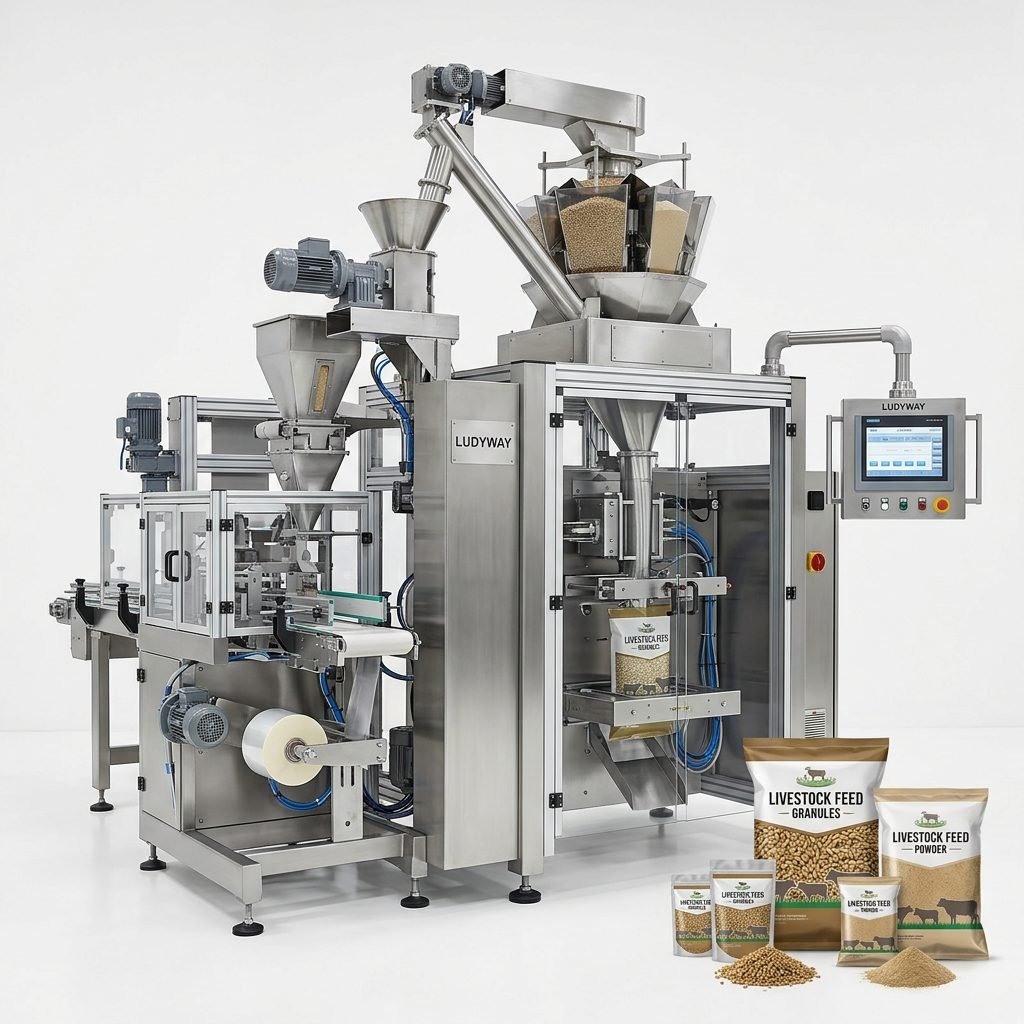
Selecting the right food packaging machine for operations in North Korea requires a carefully considered strategy. Unlike standard markets, this environment demands a deep understanding of import restrictions, power supply stability, and the specific types of products being manufactured for local consumption and limited export. Whether you are packing granules, powders, liquids, or solid snacks, the equipment must be robust, easy to maintain, and adaptable to available raw materials.
Understanding Local Regulations and Import Requirements
Before investing in a packaging line, it is critical to understand the trade sanctions and import limitations that affect North Korea. While humanitarian food aid and certain agricultural products are permitted, dual-use machinery can face strict scrutiny.
- Sanctions Compliance: Verify that the specific model of the packaging machinery does not fall under restricted categories. The machine should be configured strictly for food and non-military applications.
- Energy Efficiency: Due to frequent power fluctuations in the region, prioritize packaging machines with voltage stabilizers or those capable of running on generators without damaging sensitive electronic components.
- Spare Parts Accessibility: Choose a supplier that can provide a comprehensive inventory of critical spare parts upfront, as re-supply logistics can be incredibly complex.
Matching the Machine to Your Product Type
The physical characteristics of your food product dictate the feeding and sealing technology you need. A mismatch can lead to spillage, inaccurate weighing, or poor seal integrity in humid conditions.
Granules and Powders
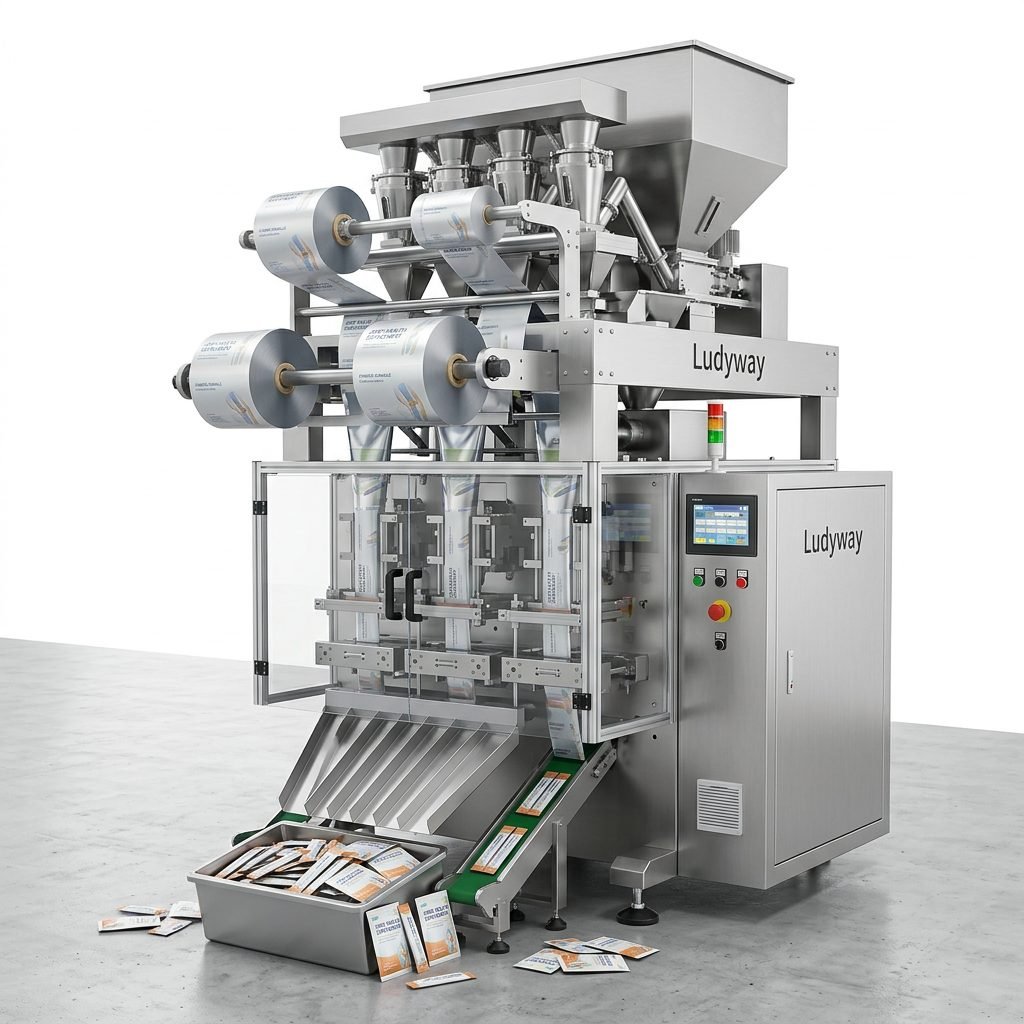
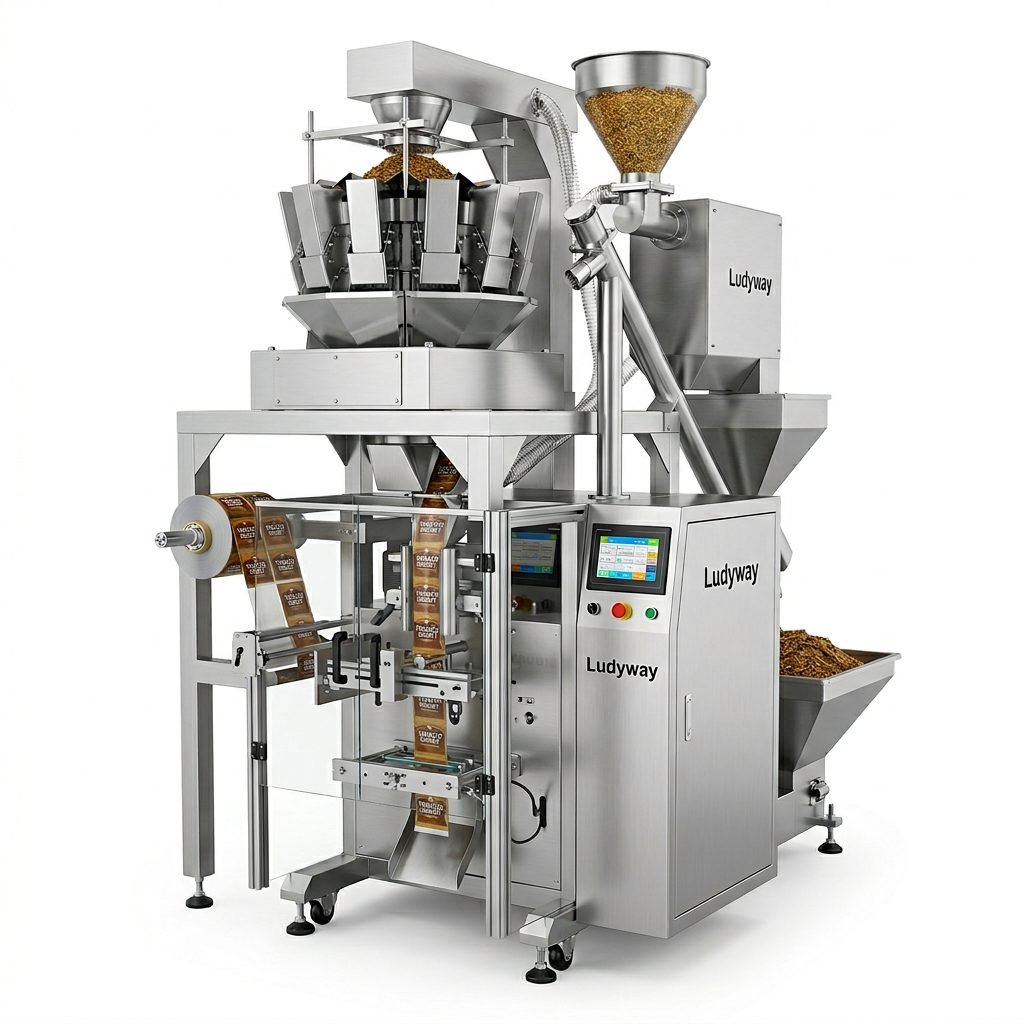
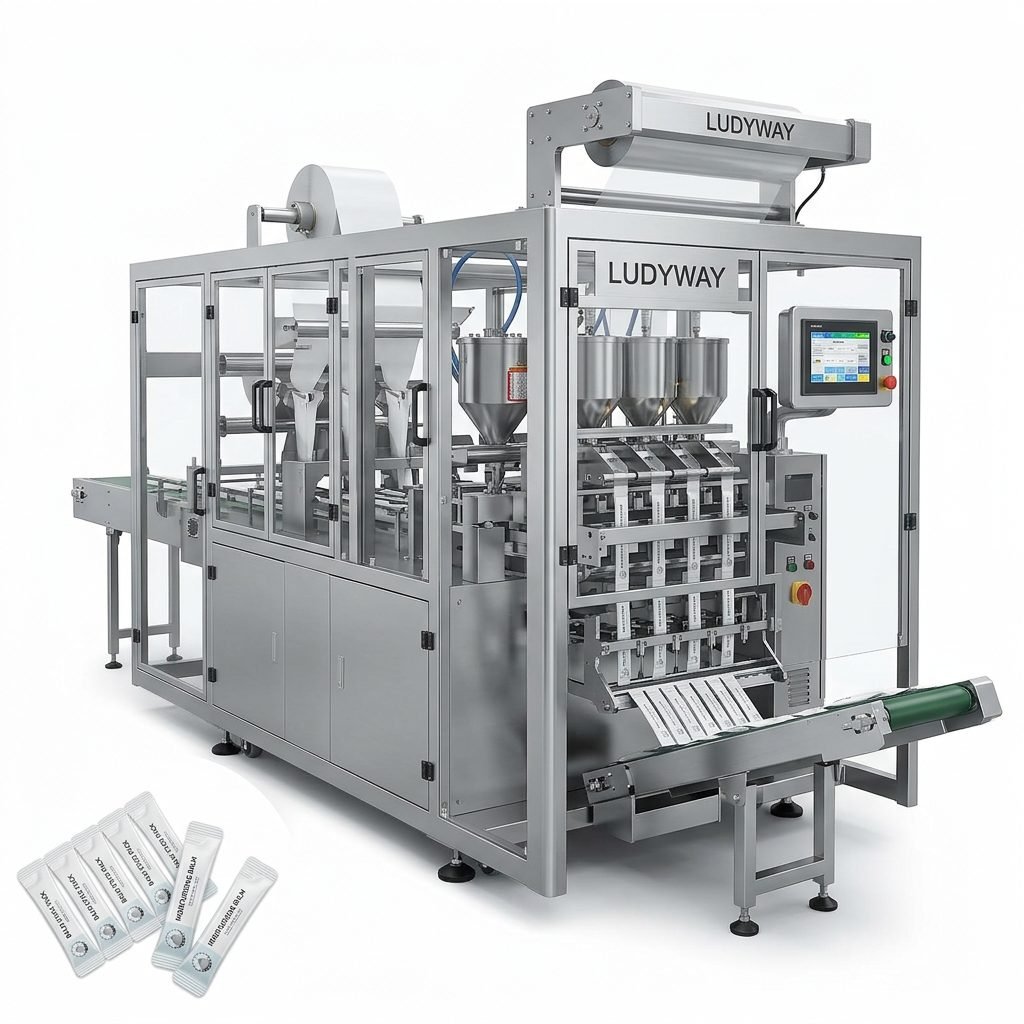
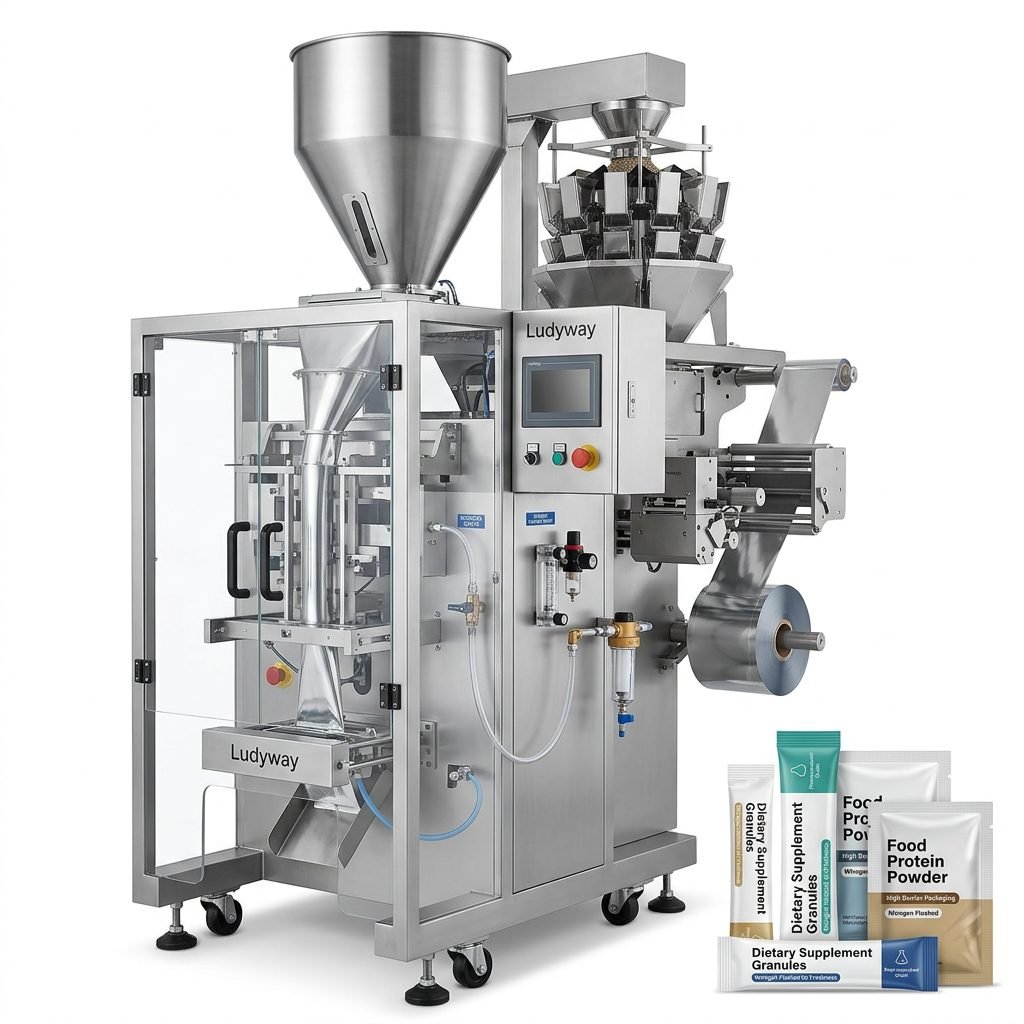
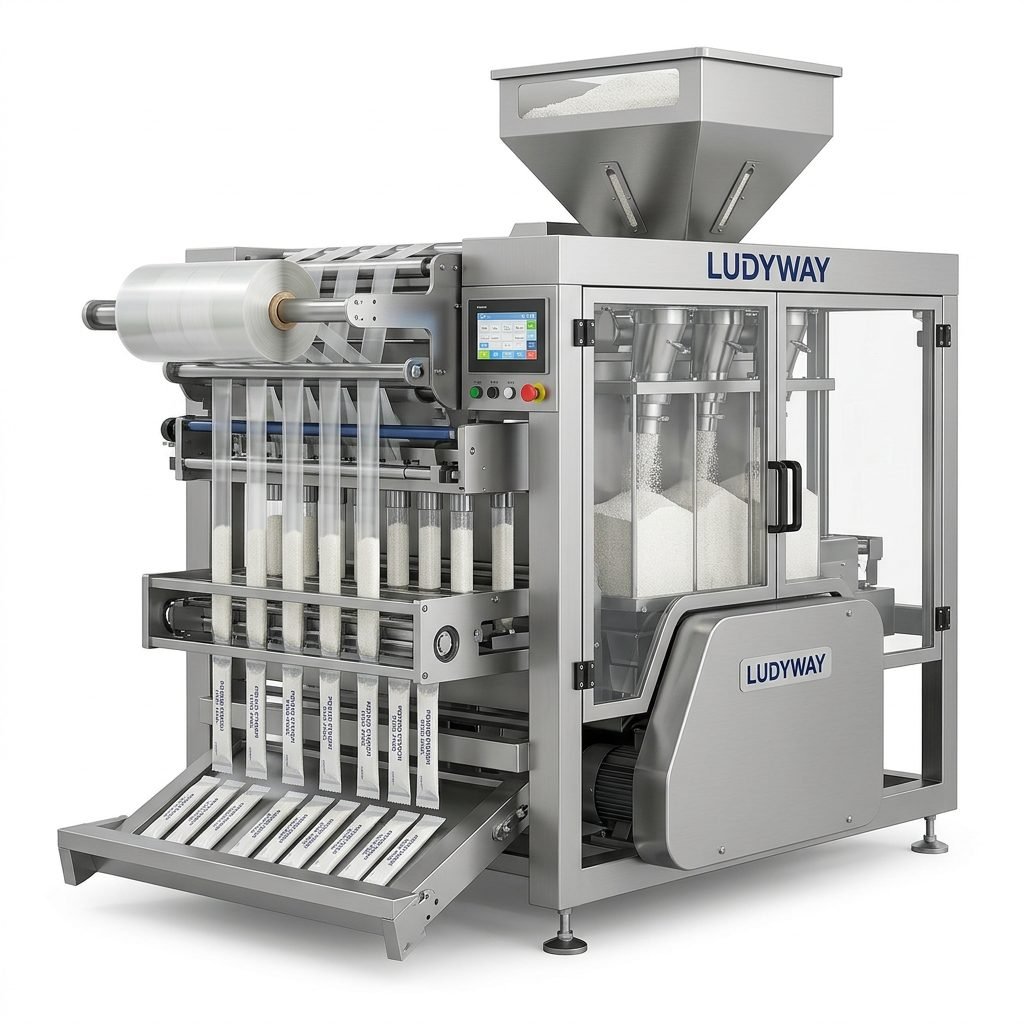
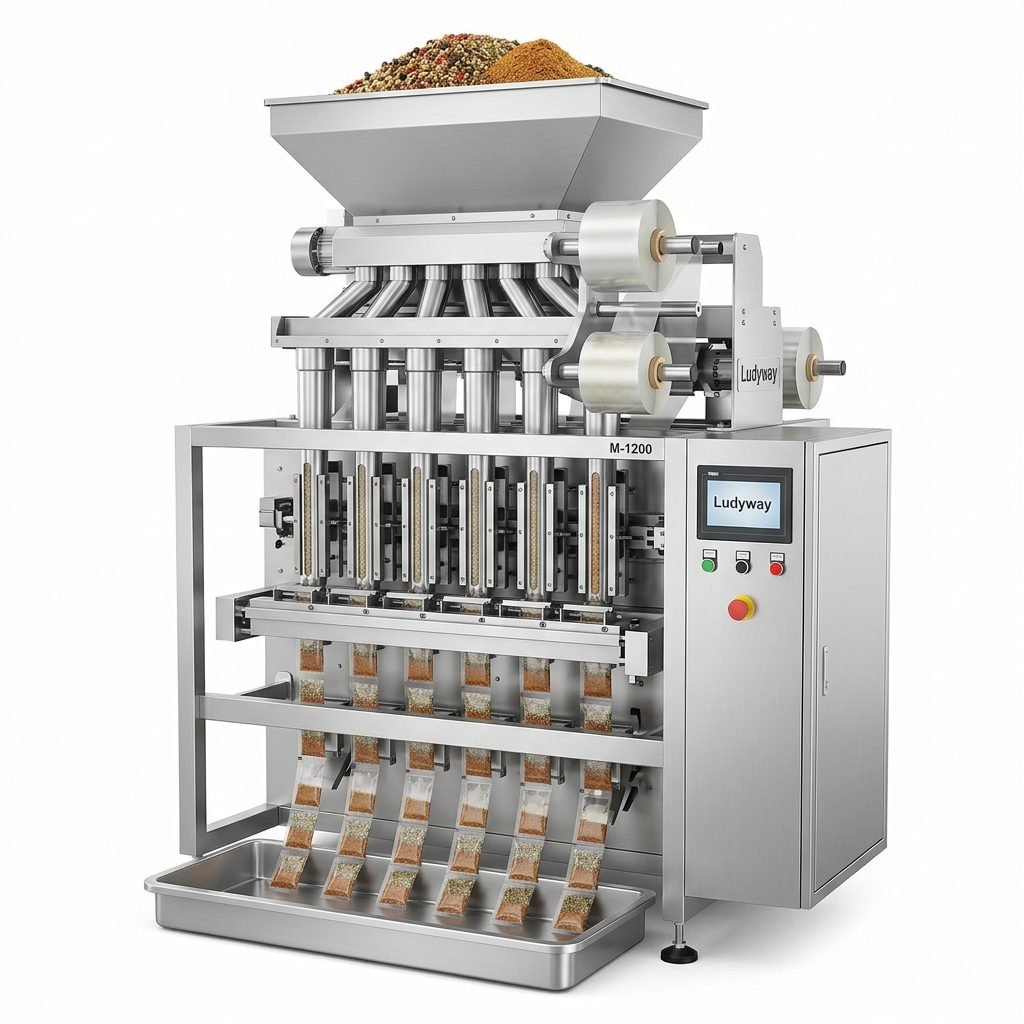
For free-flowing granules like rice, grains, or sugar, and for fine powders like flour or milk powder, multi-lane stick pack machines or vertical form fill seal (VFFS) machines are ideal. They offer high speed and precision. Dust control is a significant factor for powder applications to prevent machine wear in North Korea’s often dusty environments.
Liquids and Pastes
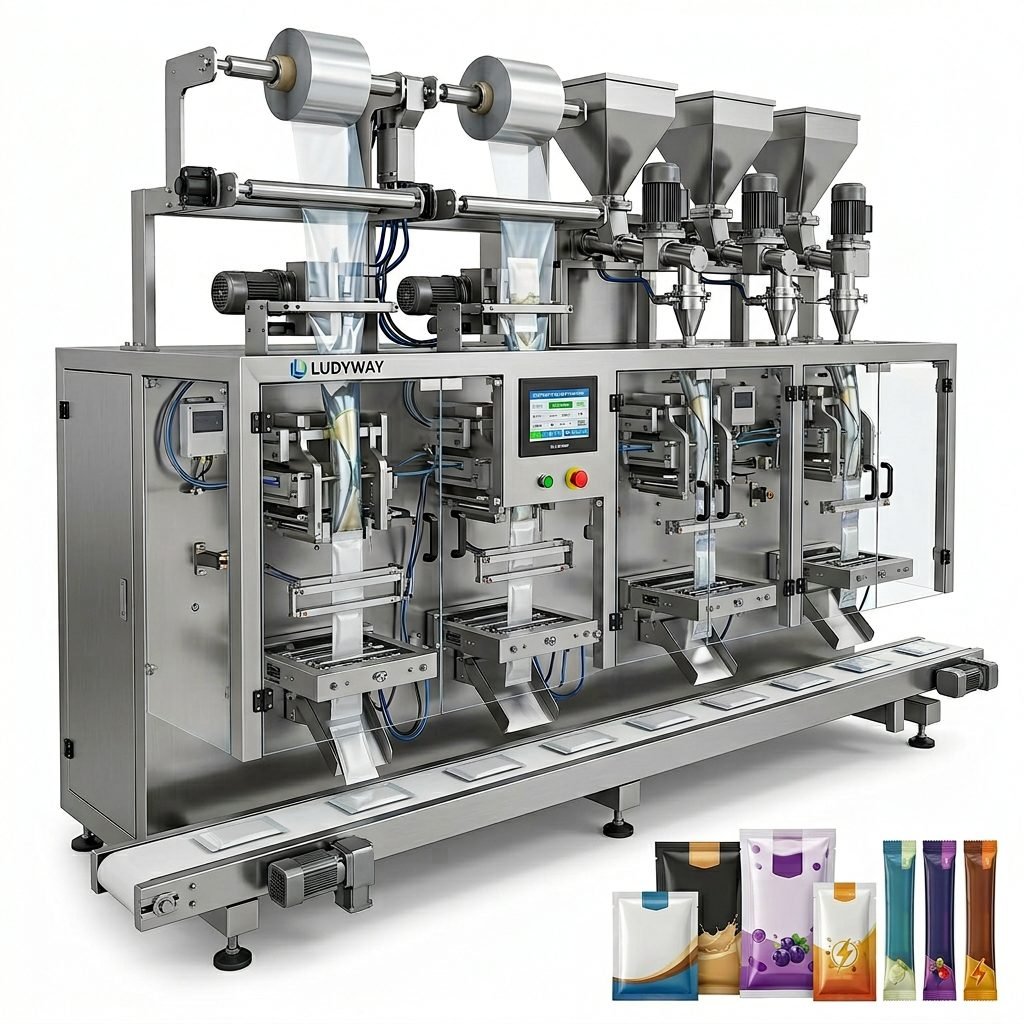
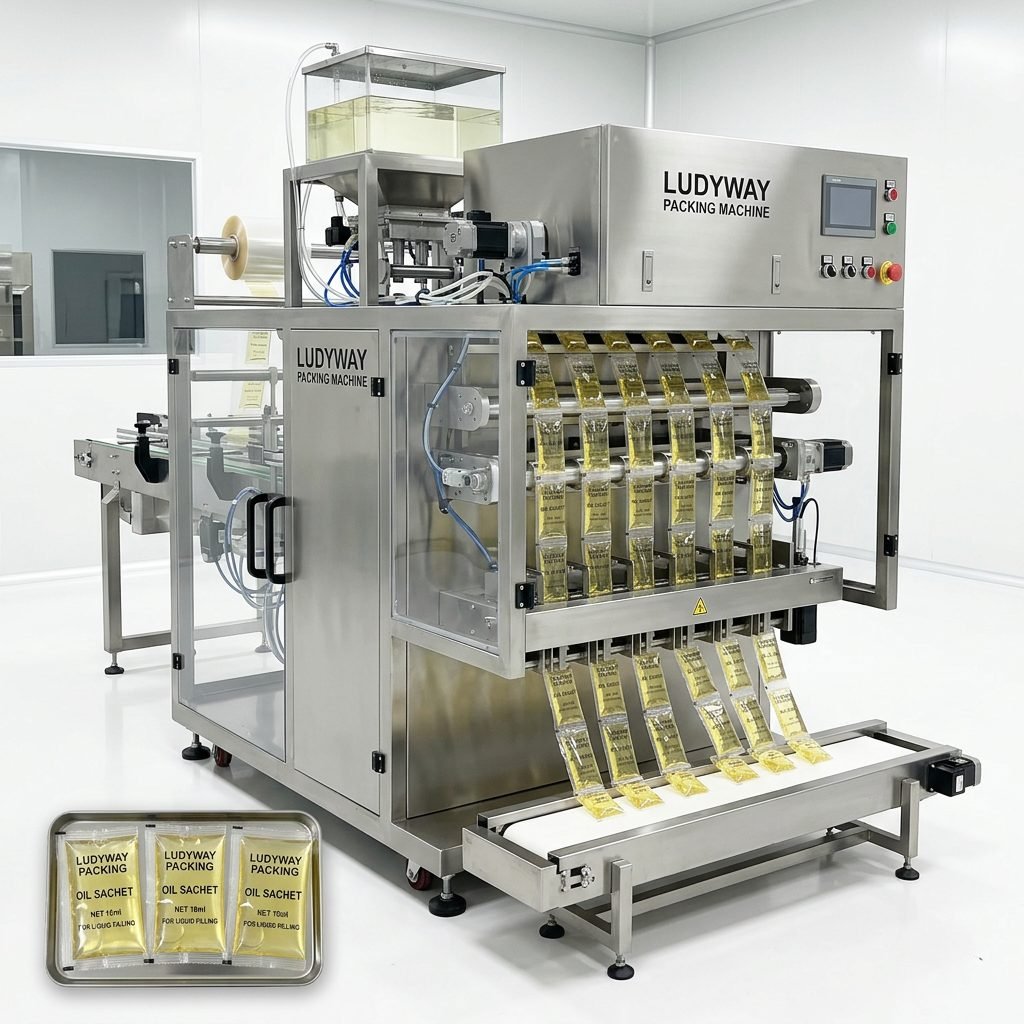
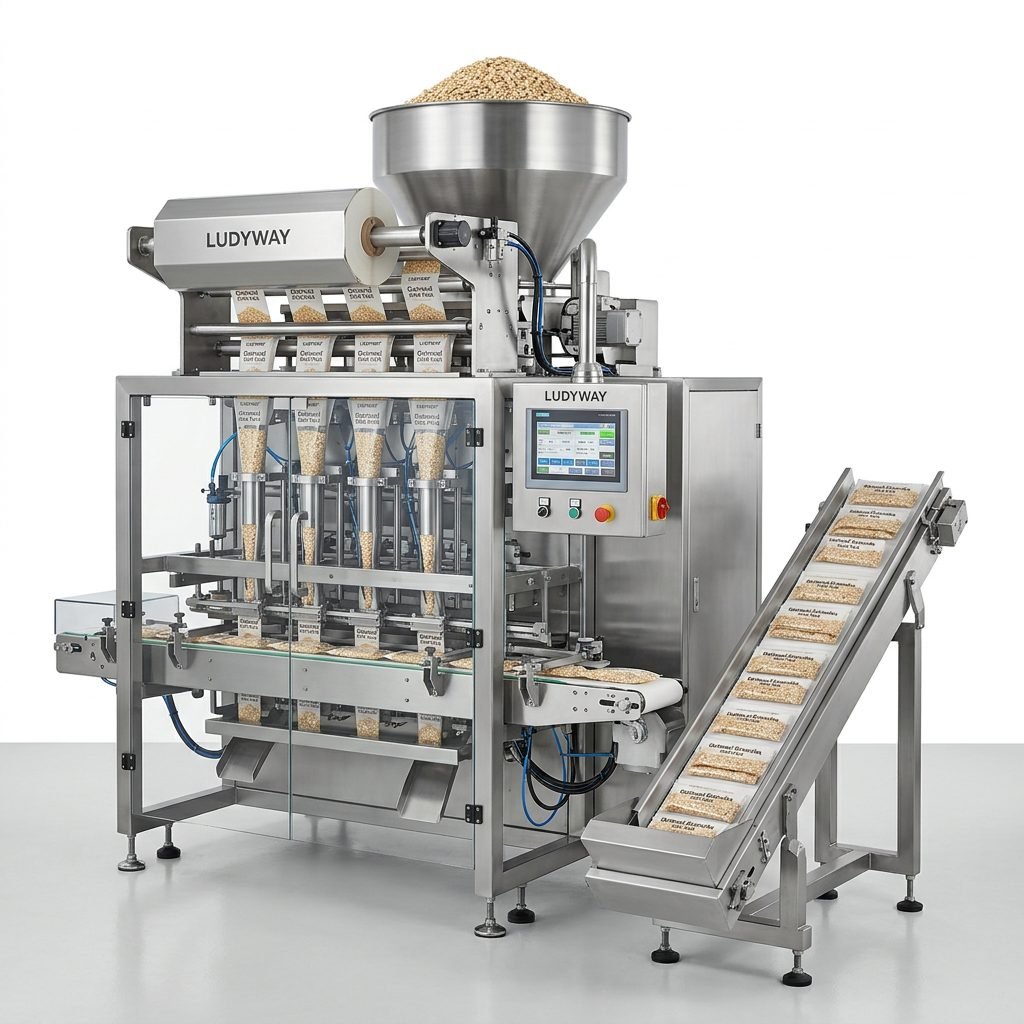
Liquid foods, sauces, and oils require piston or pump filling systems with high-precision nozzles to prevent dripping. Sanitary design is non-negotiable. Sachet packaging machines with multi-lane configurations can significantly boost output for single-use condiment packs, which are commonly distributed in domestic ration programs.
Solid and Snack Foods
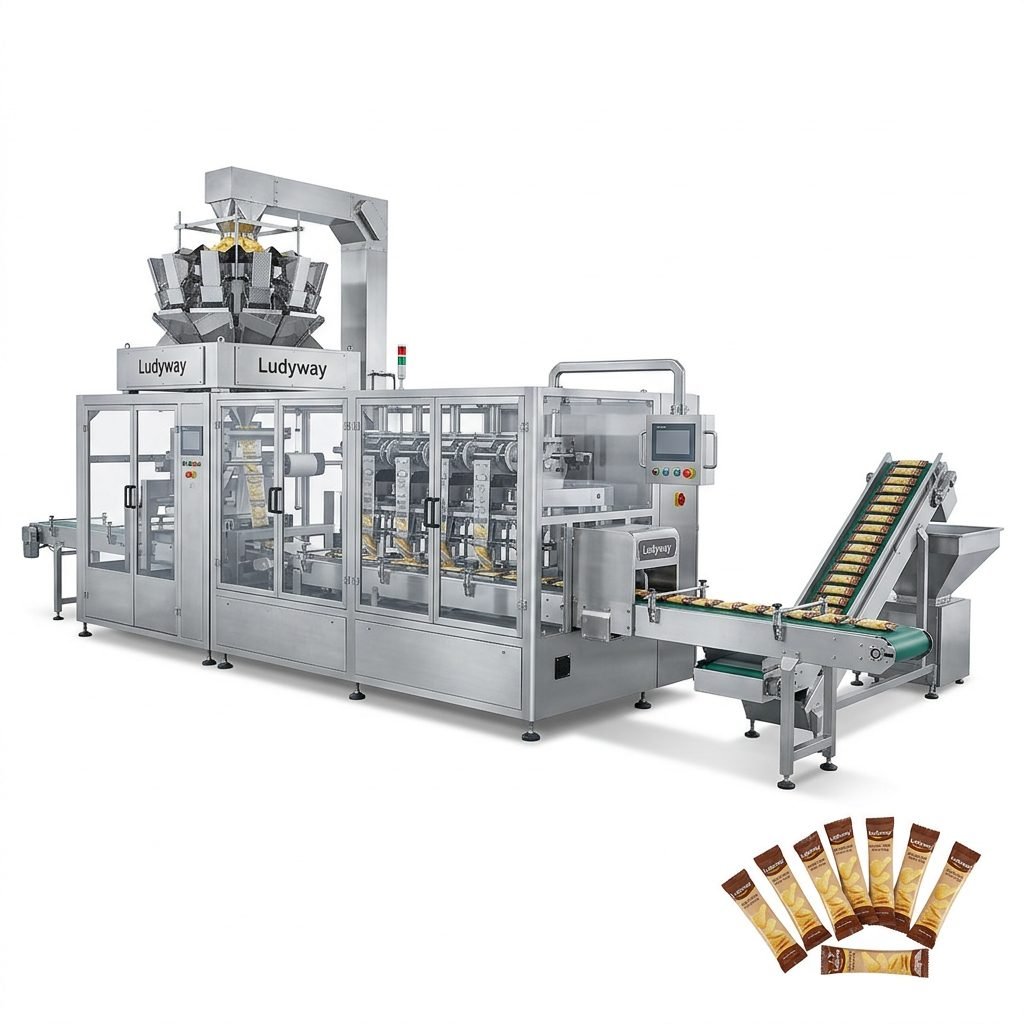
For solid items like biscuits, potato chips, or dried fruit, horizontal flow wrapping or premade pouch packaging systems are preferred. These machines handle fragile products gently while maintaining airtight seals to combat high humidity during summer months.
Key Technical Specifications to Evaluate
Beyond basic functionality, certain technical aspects become non-negotiable when operating in isolated environments.
| Specification | Why It Matters in North Korea |
|---|---|
| Construction Material | Stainless Steel 304 or 316 is essential to prevent corrosion from saline air in coastal processing facilities. |
| Automation Level | Semi-automatic machines are often preferred over fully automatic lines due to lower power consumption and easier manual troubleshooting. |
| Sealing Temperature | Machines must offer wide temperature adjustability to seal thicker, locally sourced multi-layer films that serve as alternatives when imported films are scarce. |
| Footprint | Compact, floor-standing designs that can be operated in small factory spaces without extensive infrastructure modifications are ideal. |
The Importance of Simple Operation and Training
When selecting a food packaging machine, the user interface and training support are crucial. Equipment destined for the local market should have minimal reliance on proprietary software that requires frequent updates. Mechanical controls with clear labeling, or basic PLC touch screens with offline capabilities, minimize downtime. Comprehensive printed manuals and hands-on training resources from the manufacturer are essential since remote support access is not guaranteed.
Choosing a Reliable International Partner
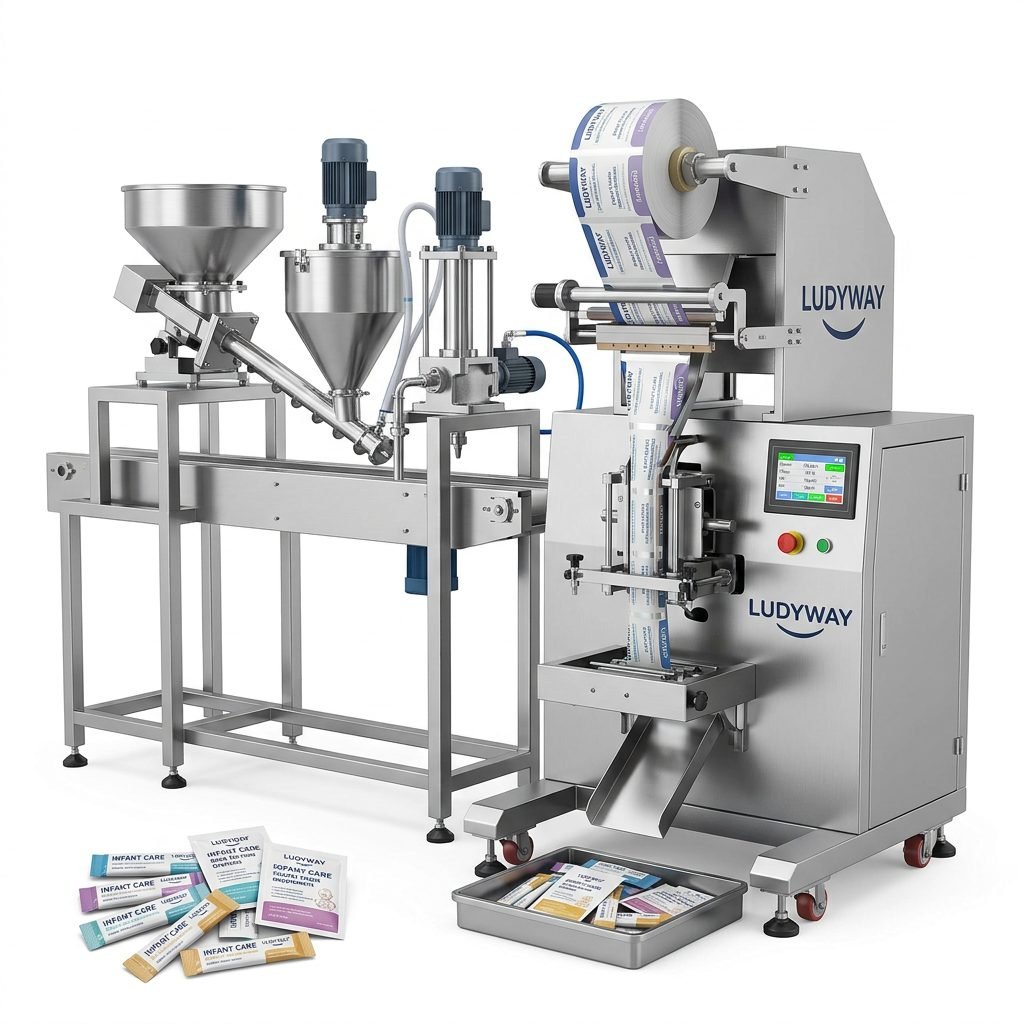
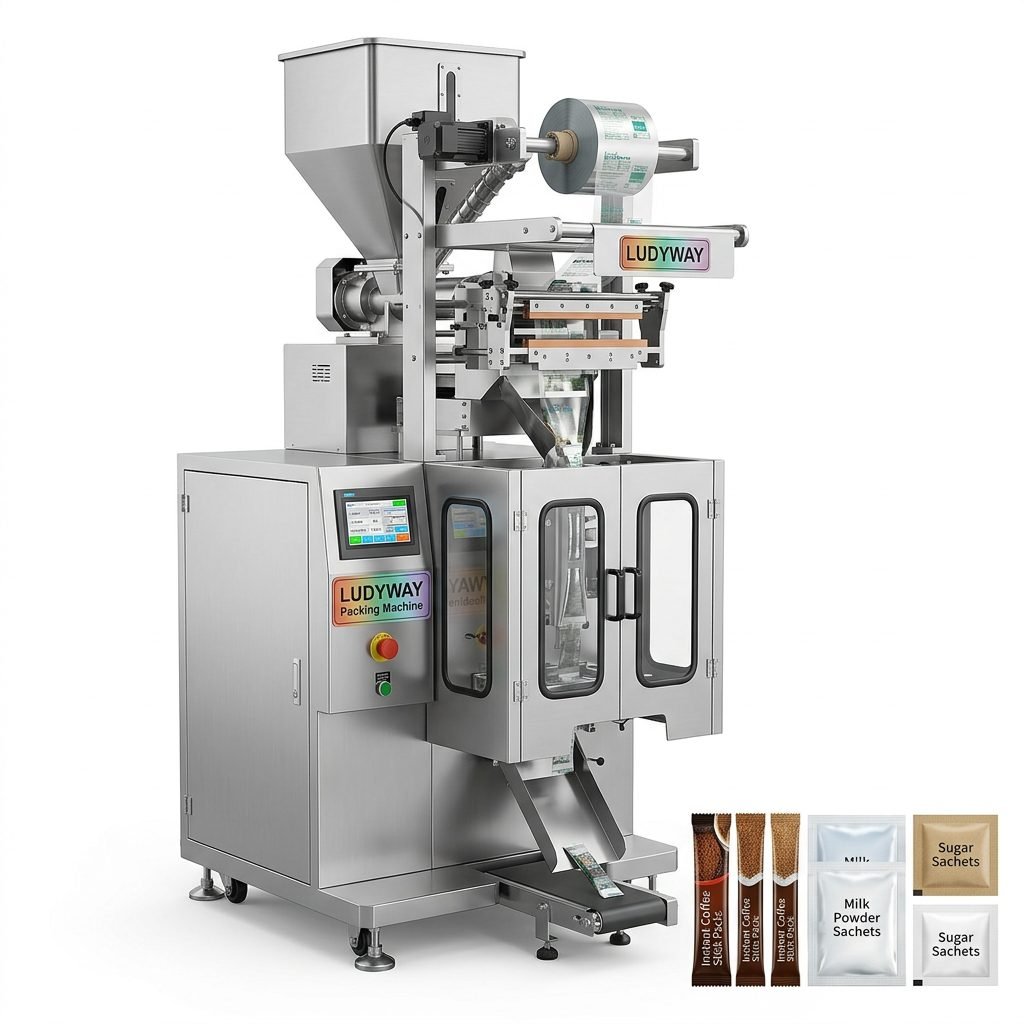
Sourcing a food packaging machine from a manufacturer experienced in complex international logistics is vital. The supplier must understand non-standard shipping routes, documentation for sensitive destinations, and deferred payment mechanisms. Look for manufacturers with a broad global presence and a demonstrated history of serving diverse markets. For instance, Ludyway, a leading packaging machine manufacturer from China with over 30 years of industry experience, offers a wide range of granule, powder, and liquid packaging systems engineered for reliability in challenging production environments. Their expertise in turnkey solutions extends across food, pharmaceutical, and health applications in over 100 countries, ensuring robust machine designs that prioritize operational simplicity and long-term performance — qualities indispensable for the North Korean market. When evaluating partners, prioritize those who offer multilingual documentation, comprehensive spare parts kits, and mechanical design that allows local technicians to perform maintenance independently.
Cost-Benefit Analysis and Long-Term Viability
Budget constraints are a reality, but the cheapest machine often becomes the most expensive in isolated markets.
- Total Cost of Ownership: Calculate not just the purchase price, but the cost of spare parts, expected electricity consumption, and the potential loss of product if the machine is frequently down.
- Versatility: A single machine that can handle multiple product types (e.g., switching between granules and powders with minimal change parts) offers significant value in markets where production needs shift rapidly. Refer to flexible packaging industry standards for guidance on film compatibility.
- Film and Consumable Compatibility: Ensure the machine can run on a wide range of film thicknesses and materials, including locally available or Chinese-imported substrates, without constant recalibration.
Packaging Line Integration and Future Scalability
Even if starting with a single machine, plan for future integration. A well-designed automated packaging line allows for the addition of conveyors, checkweighers, and cartoning machines later. Machines with standard industrial interfaces make expansion feasible when conditions allow. For bulk products like grains or animal feed, consider industry benchmarks for throughput when designing the initial layout.
After-Sales Service Strategy
Given the impossibility of frequent technician visits, the pre-shipment phase must include exhaustive factory acceptance testing (FAT). Record detailed video documentation of every maintenance procedure. A supplier willing to build redundancy into the control systems and provide analog backup components alongside digital ones will save significant hardship later. Confirm that the manufacturer provides detailed electrical schematics and PLC backup files stored on physical media.
By focusing on durability, simplicity, and film flexibility while rigorously verifying the export compliance of the equipment, food producers can successfully commission a packaging system that delivers consistent results despite the unique logistical and infrastructural challenges present.