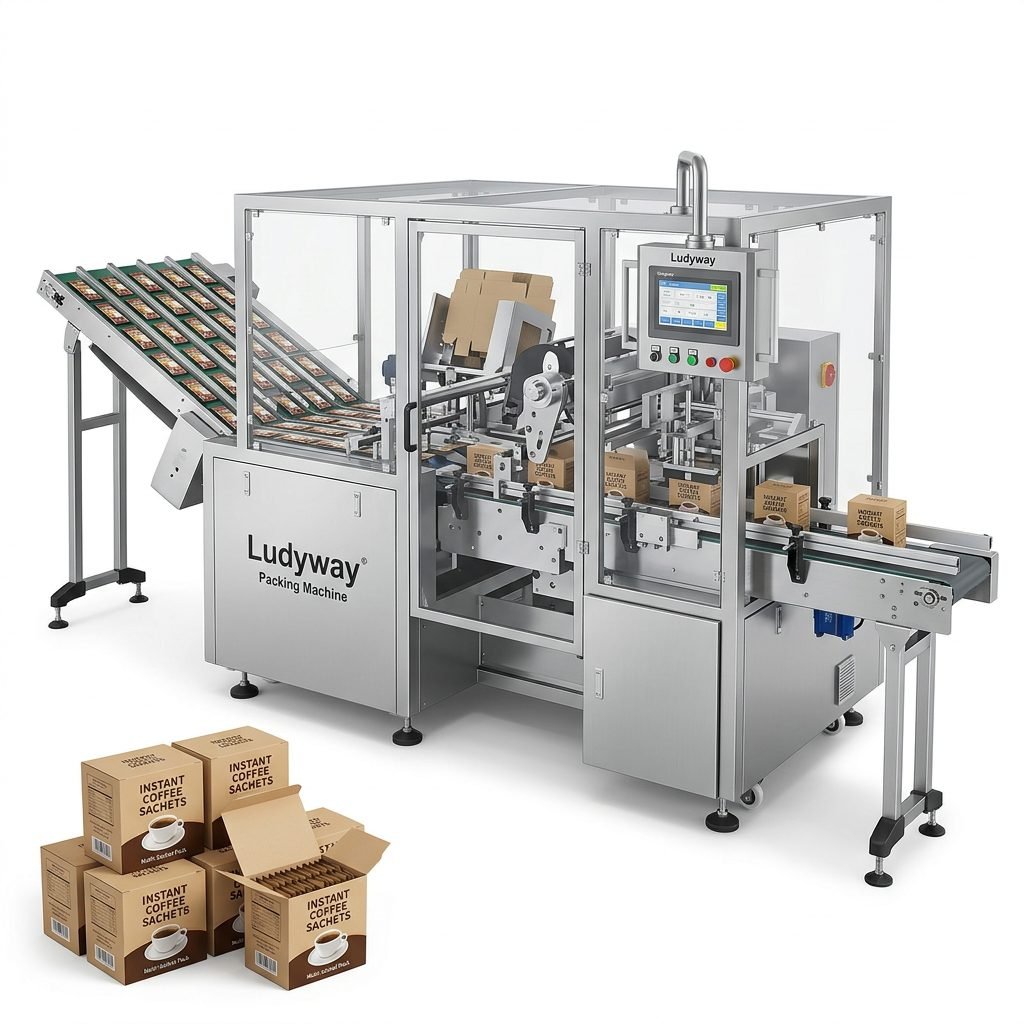
The demand for airtight food packaging machines in Southeast Asia has surged dramatically over the past decade. With countries like Vietnam, Thailand, Indonesia, and the Philippines experiencing rapid growth in food processing and export industries, manufacturers are investing heavily in advanced packaging technology to ensure product freshness, extended shelf life, and compliance with international food safety standards.
Southeast Asia’s food processing sector is projected to grow at a CAGR of over 7% through 2030, driven by rising consumer demand for convenience foods, ready-to-eat meals, and portion-controlled packaging. This growth directly correlates with increased demand for high-quality packaging machinery that can deliver consistent, hermetic seals for a wide range of food products.
Why Airtight Packaging Is Non-Negotiable for Food Safety
Airtight or hermetic packaging creates a complete barrier against oxygen, moisture, and contaminants. For food products, this is critical because oxygen exposure accelerates oxidation, leading to rancidity, nutrient degradation, and microbial growth. In tropical climates like Southeast Asia, where humidity levels regularly exceed 80%, the importance of moisture-proof sealing cannot be overstated.
Key benefits of investing in proper airtight packaging equipment include:
- Extended product shelf life by 2-5 times compared to non-hermetic packaging
- Reduced food waste throughout the supply chain
- Compliance with FDA food packaging regulations for export markets
- Enhanced brand reputation through consistent product quality
- Protection against pests and environmental contaminants
- Lower return rates and fewer customer complaints
Types of Airtight Food Packaging Machines Available
Understanding the different machine categories is essential for making an informed purchasing decision. Each type serves specific product formats and production requirements. The following table outlines the primary machine types commonly deployed in Southeast Asian food manufacturing facilities:
| Machine Type | Best Suited Products | Sealing Technology | Typical Output Range |
|---|---|---|---|
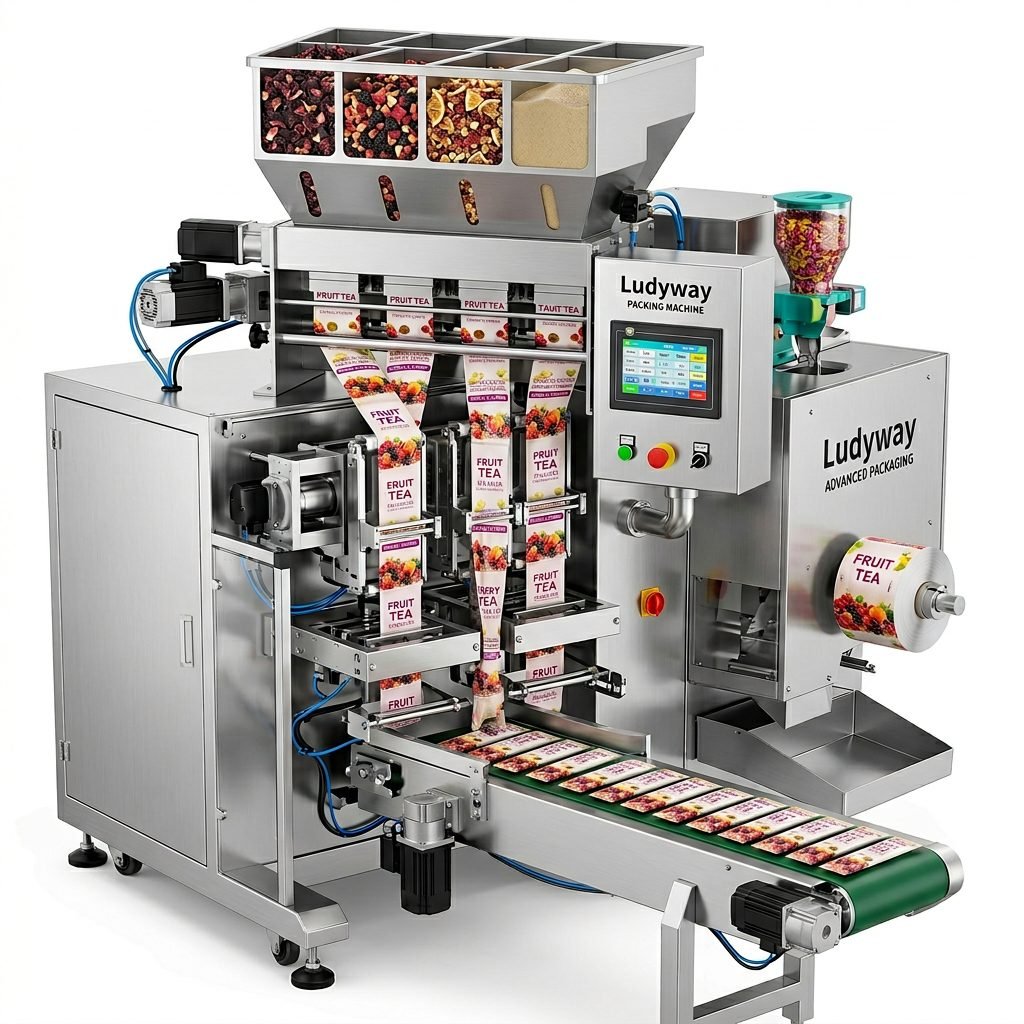
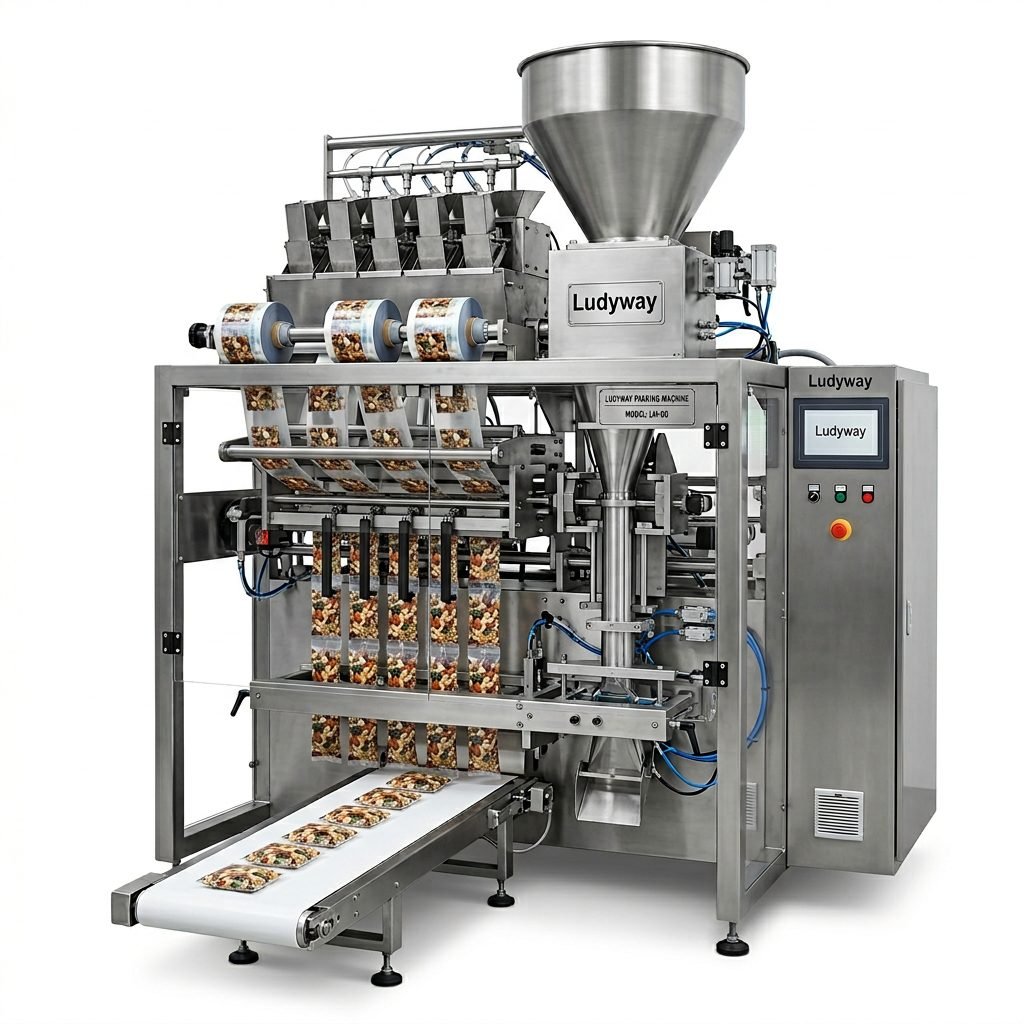
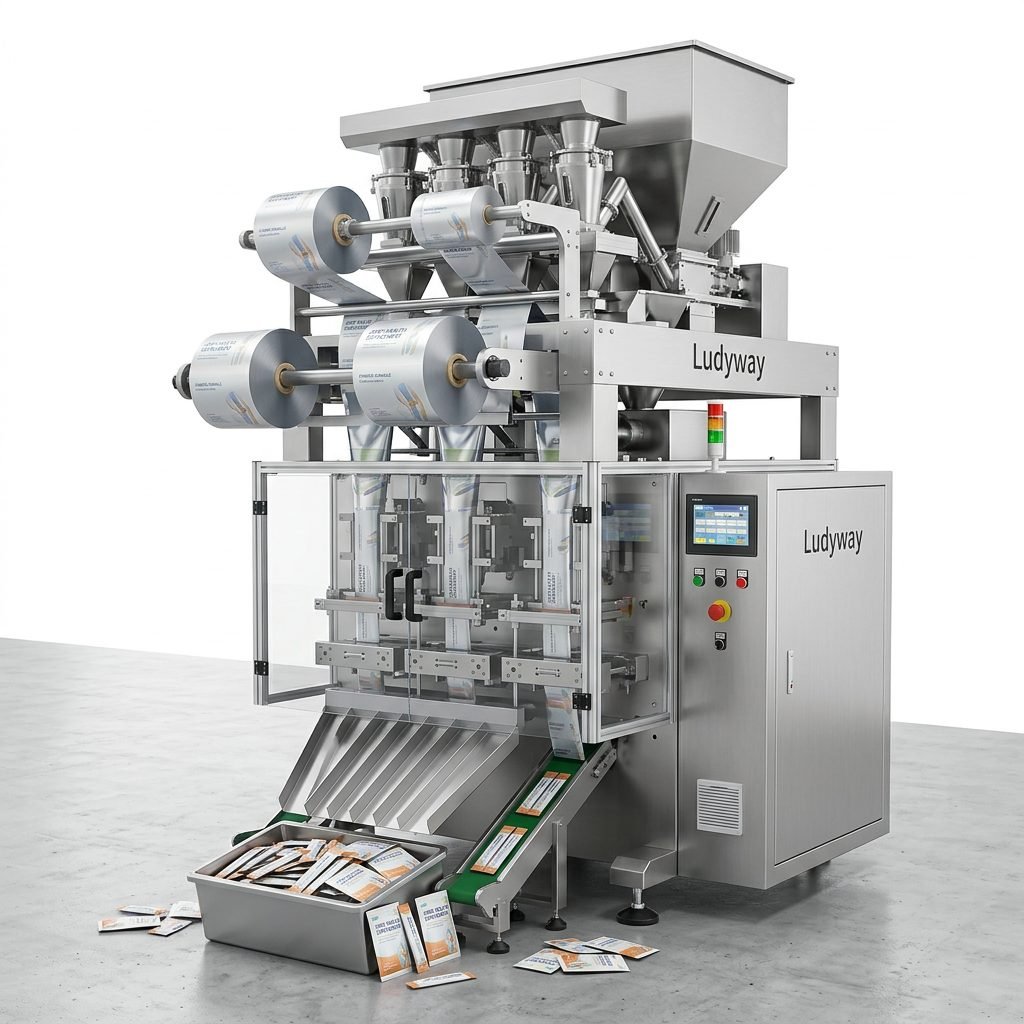
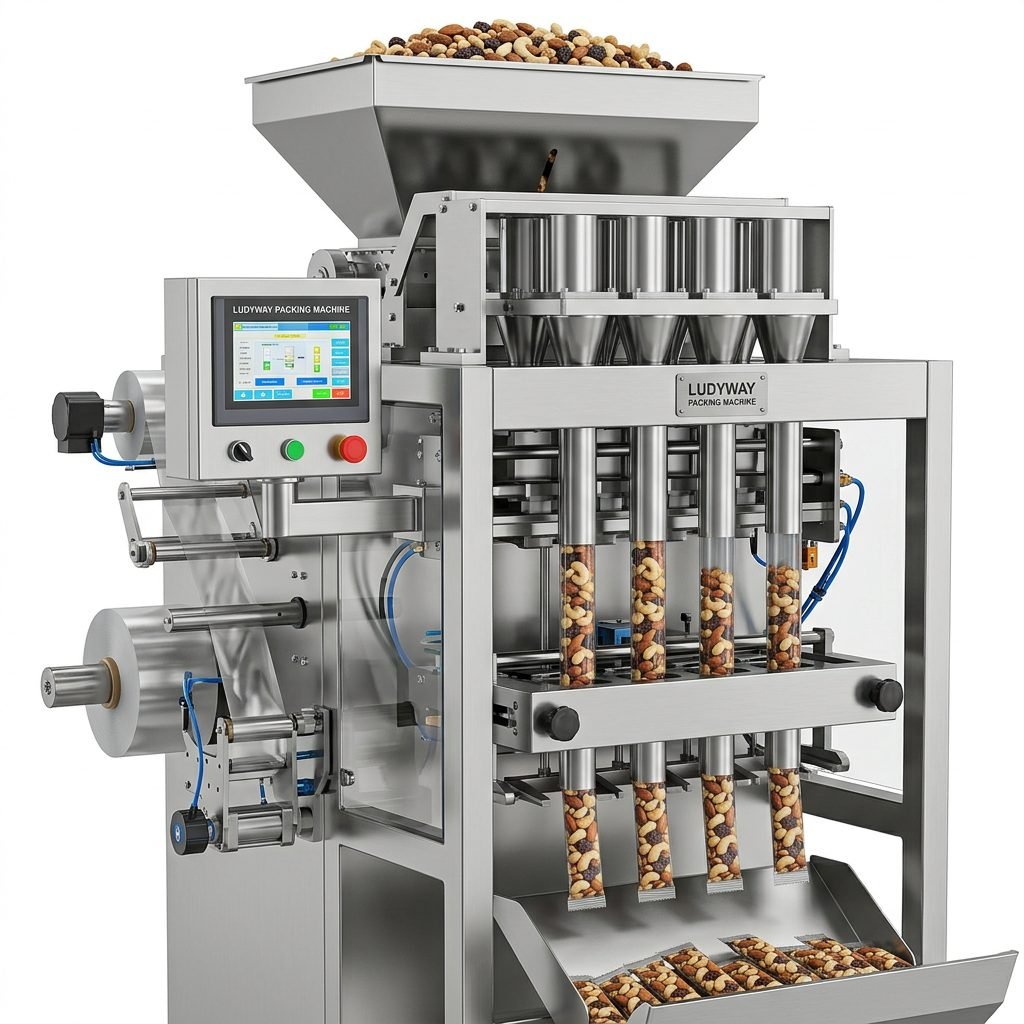
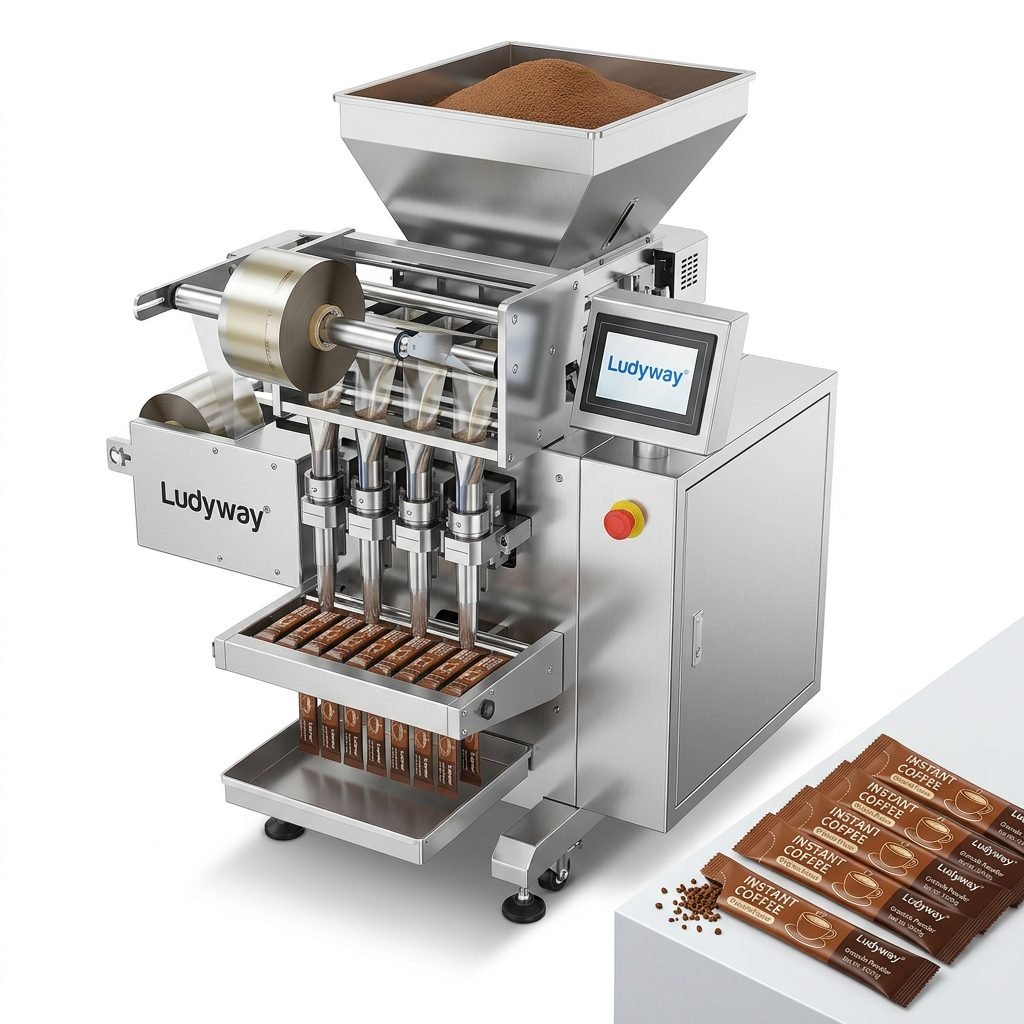
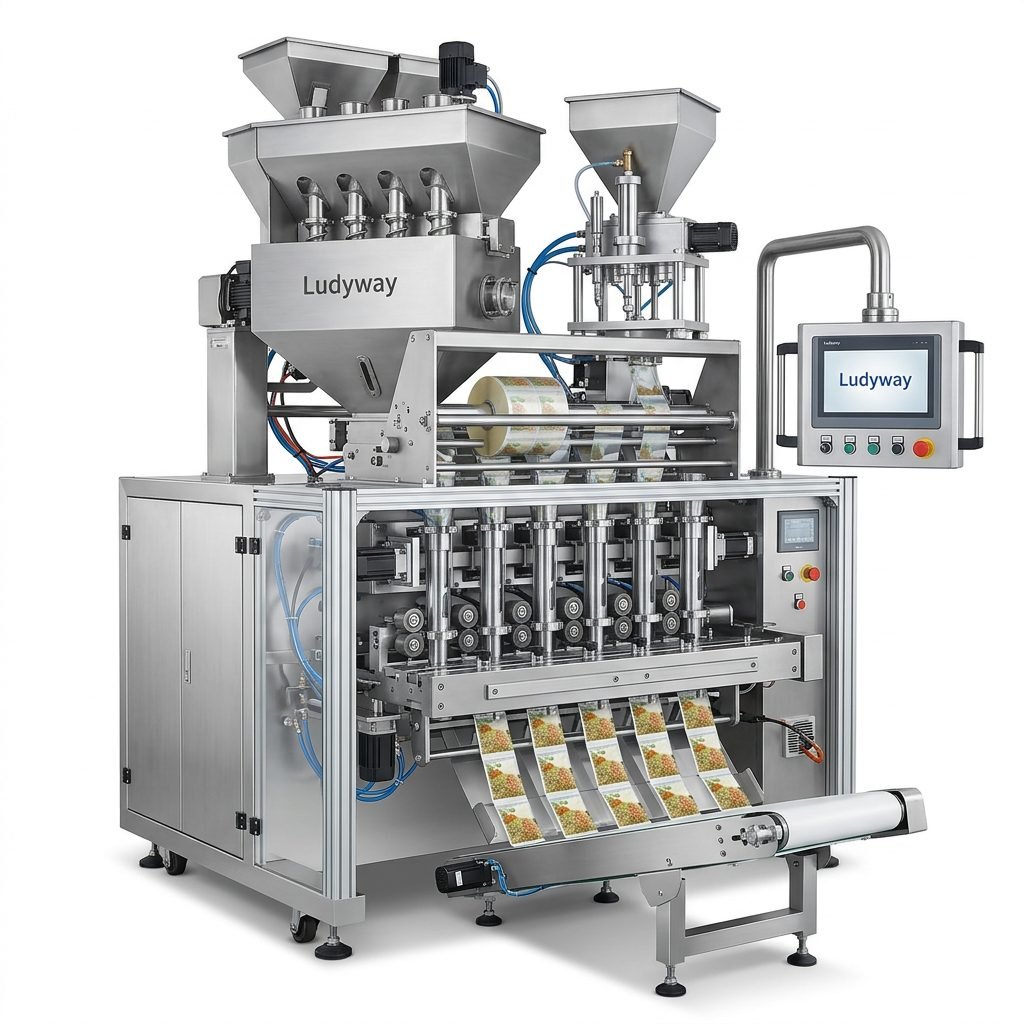
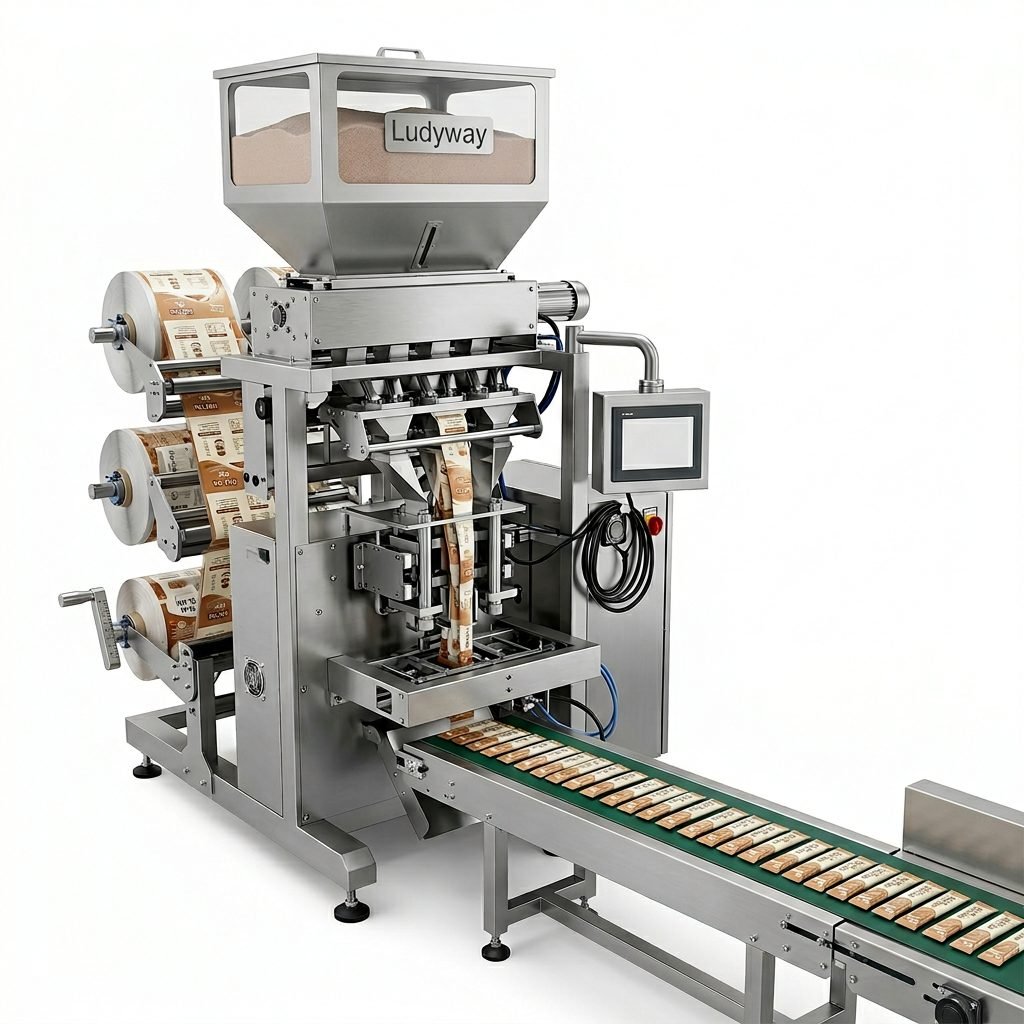
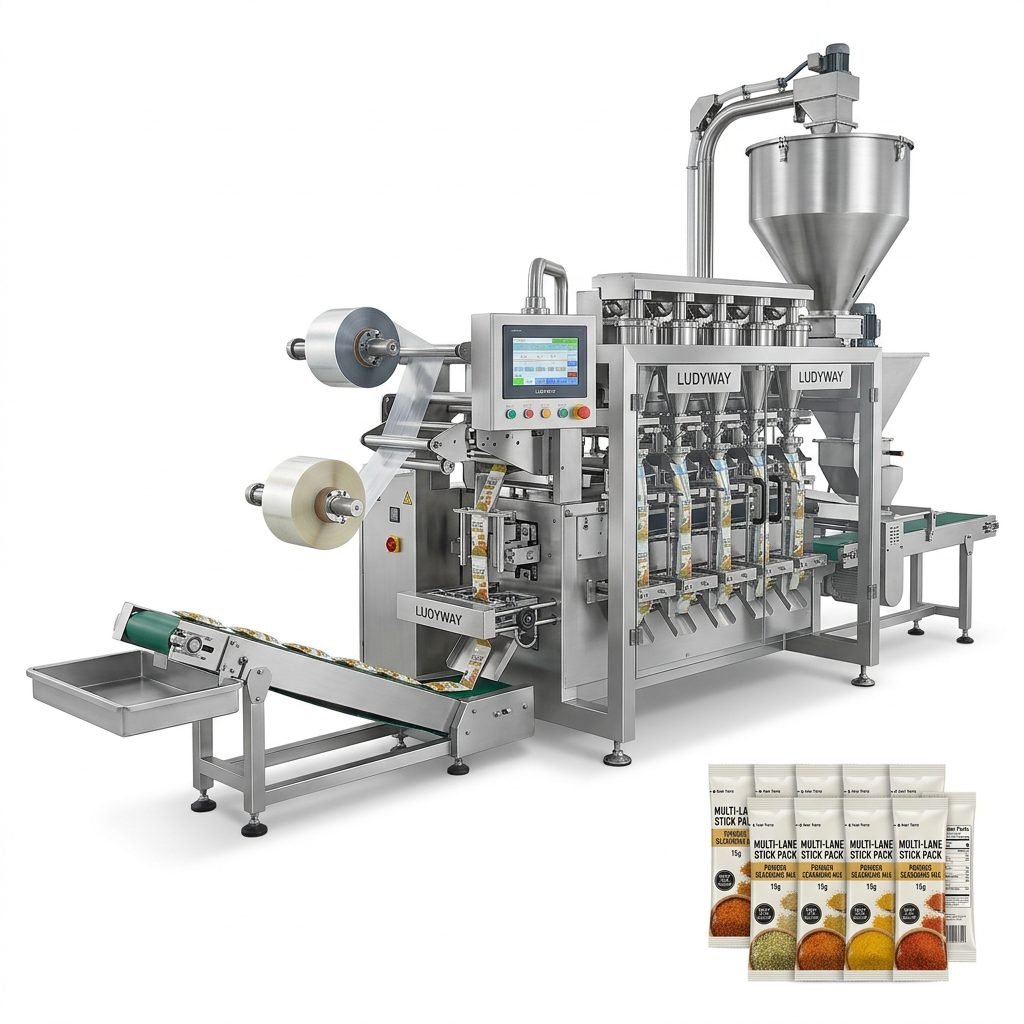
| Multi-Lane Stick Pack Machines | Powdered beverages, coffee, milk powder, seasoning mixes | Heat-sealed longitudinal and transverse sealing | 200-1,200 packs/min |
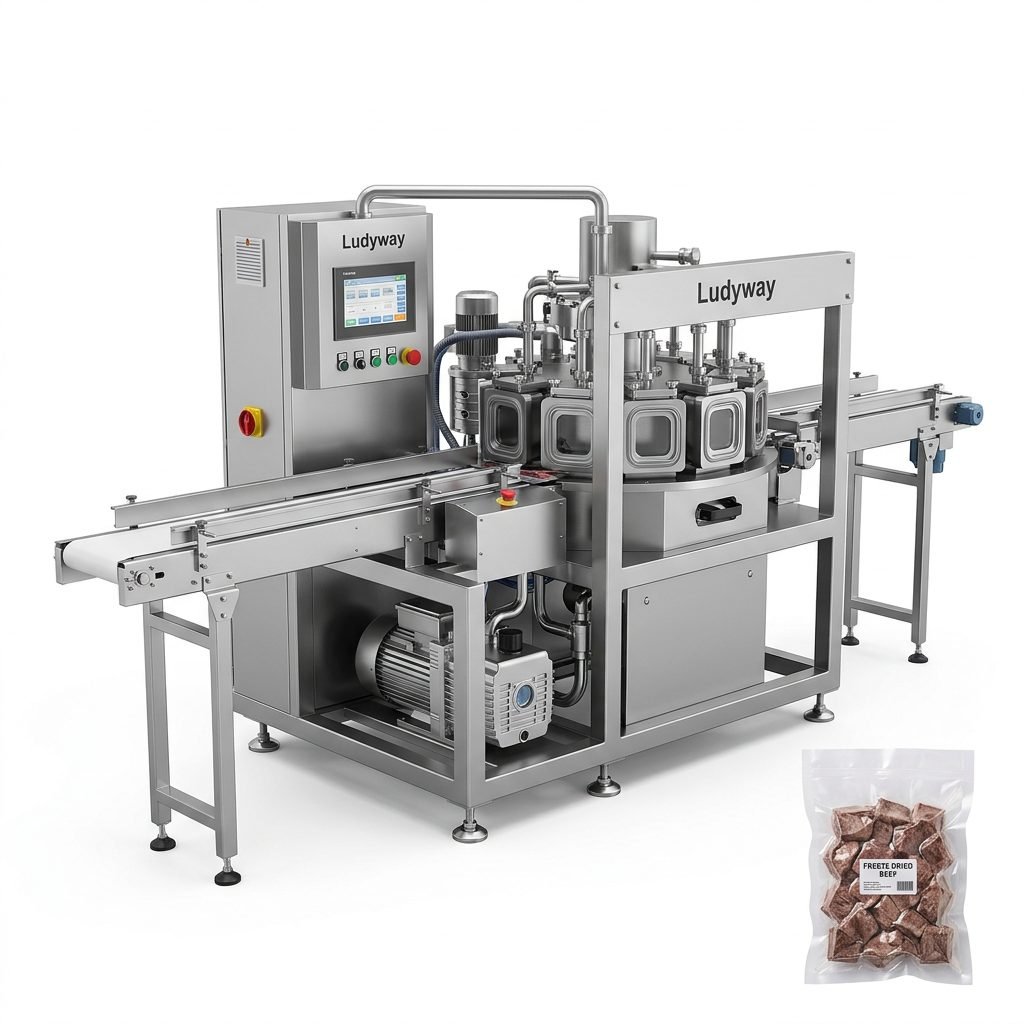
| Vacuum Packaging Machines | Meat, seafood, cheese, freeze-dried products | Vacuum extraction + heat sealing | 10-80 packs/min |
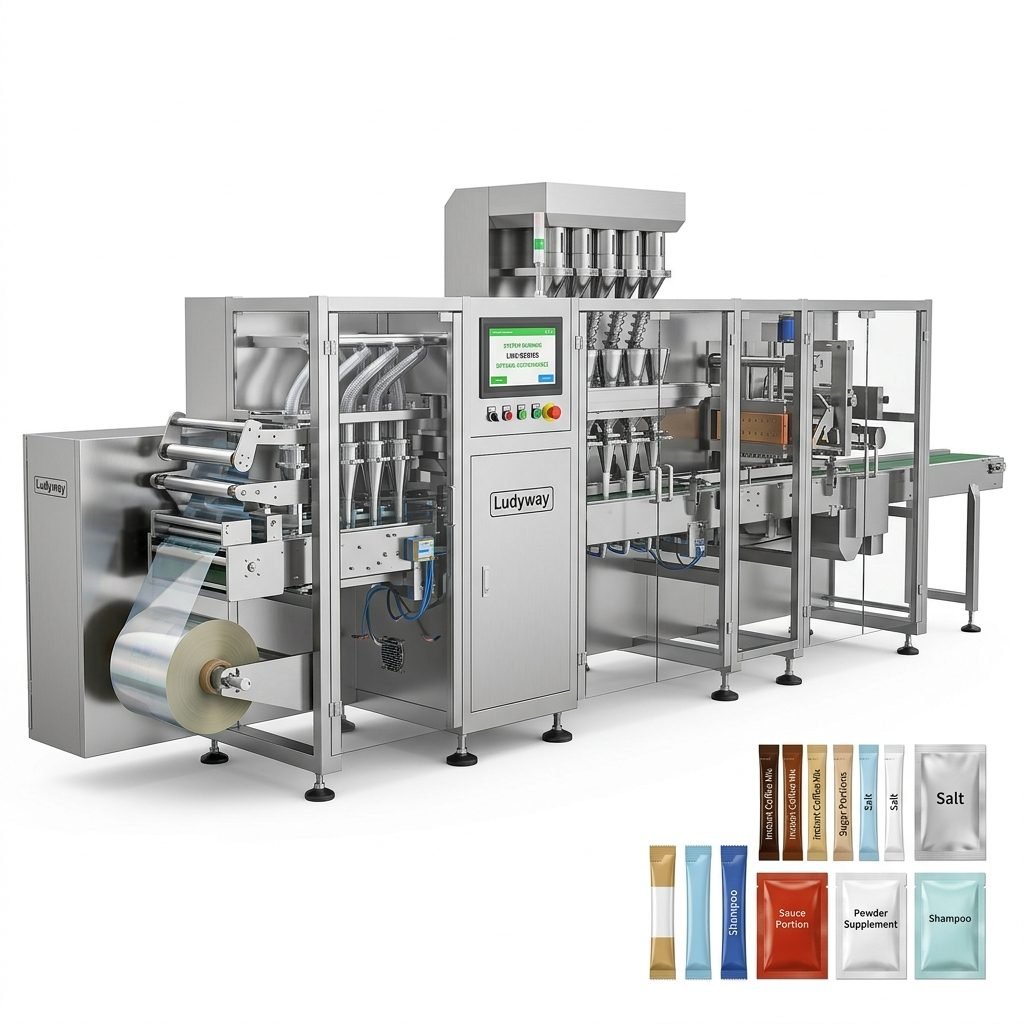
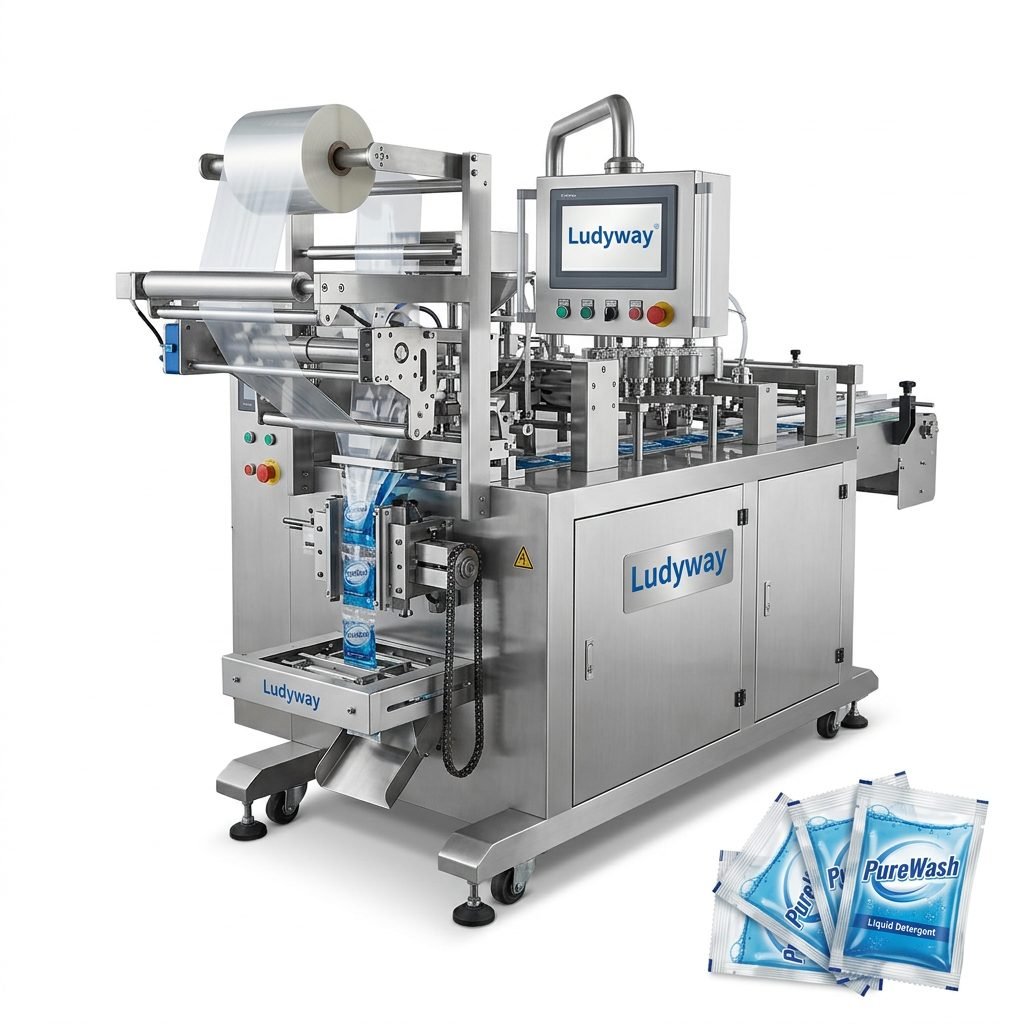
| Sachet Packaging Machines | Sauces, condiments, liquid seasonings, cosmetic samples | Heat-sealed four-side sealing | 100-800 packs/min |
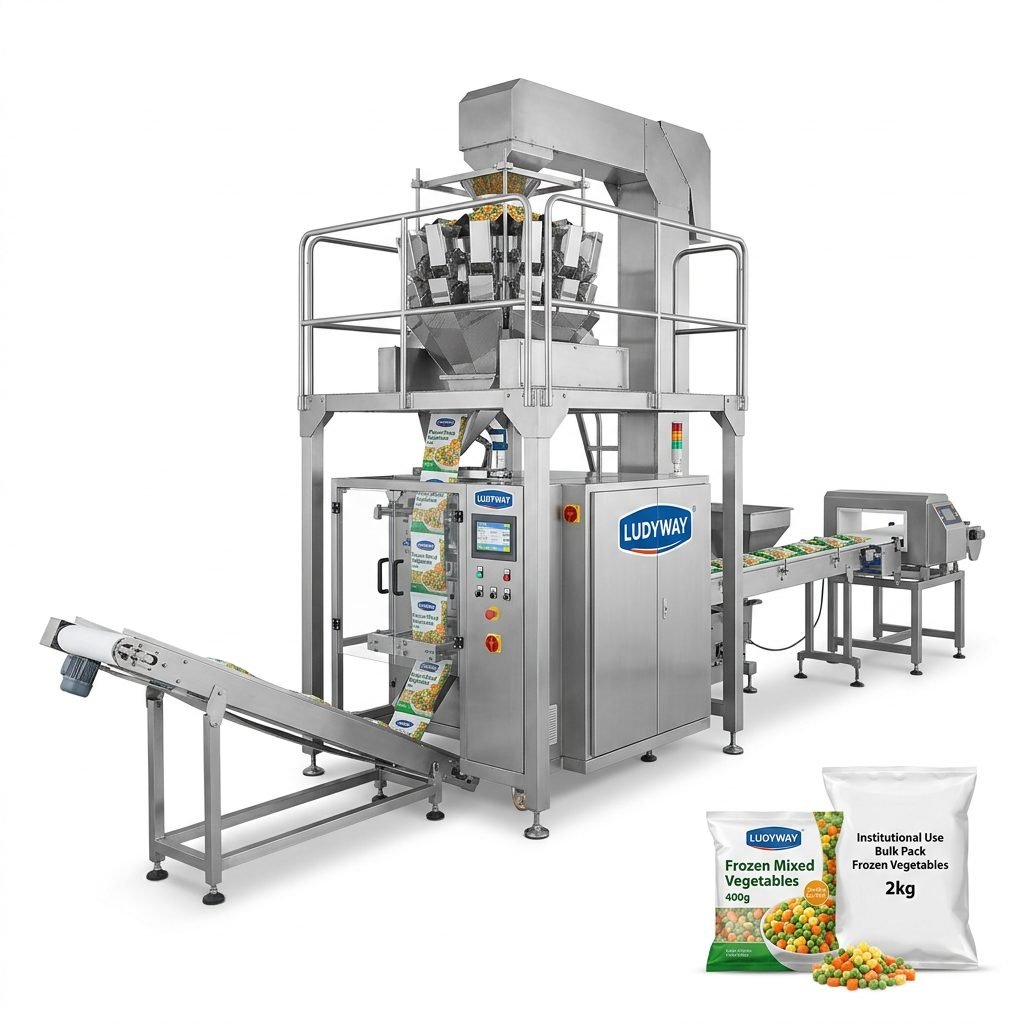
| Premade Pouch Filling & Sealing Machines | Granules, powders, liquids in stand-up pouches | Heat sealing with optional nitrogen flushing | 30-60 packs/min |
| Tray Sealing Machines (MAP) | Fresh produce, ready meals, bakery products | Modified atmosphere packaging with film seal | 5-20 trays/min |
Critical Factors to Evaluate Before Purchasing
Investing in an airtight food packaging machine is a significant capital decision. Southeast Asian buyers should carefully assess the following factors to ensure they select equipment that matches both current needs and future growth plans:
1. Product Characteristics and Compatibility
Your product’s physical properties directly determine the type of machine required. Granule size, powder density, moisture content, and viscosity all influence feeder design, sealing parameters, and filling accuracy. For instance, hygroscopic powders like milk powder or coffee require machines with enhanced moisture protection during the filling process.
2. Production Capacity Requirements
Calculate your daily throughput needs realistically. A machine rated at 400 packs per minute may deliver only 320-350 in actual production conditions due to film changes, cleaning intervals, and minor adjustments. Always factor in a 15-20% buffer above your current peak demand to accommodate future growth.
3. Packaging Material Compatibility
Not all machines handle all film types equally well. Multi-layer laminates with aluminum foil barriers provide the best flexible packaging performance for airtight applications. Verify that your chosen machine can efficiently seal the specific film structure you plan to use, including testing with metallized PET, aluminum foil laminates, and high-barrier EVOH films.
4. Sealing Integrity and Quality Assurance
The heart of any airtight packaging system is the sealing mechanism. Look for machines with precise temperature control, adjustable sealing pressure, and consistent dwell time. Advanced systems incorporate seal integrity testing, vacuum decay detection, or vision inspection to automatically reject packages with compromised seals.
5. Compliance with International Standards
For Southeast Asian manufacturers exporting to global markets, equipment should comply with ISO packaging standards, CE certification requirements, and food-grade material specifications. Machines built with 304 or 316L stainless steel food-contact surfaces are essential for GMP and HACCP compliance.
Navigating the Southeast Asian Market Landscape
Southeast Asia presents unique challenges and opportunities for food packaging operations. High ambient temperatures, extreme humidity, and variable power supply quality demand packaging machines that are specifically engineered for tropical environments. Key regional considerations include:
- Climate-adapted electrical systems with enhanced insulation and corrosion resistance
- Stainless steel construction for all product contact and external surfaces
- Voltage stabilization capabilities for regions with fluctuating power supply
- Availability of local technical support and spare parts inventory
- Training programs delivered in regional languages
- Halal-certified manufacturing processes for Muslim-majority markets
Cost Analysis and Return on Investment
Understanding the total cost of ownership (TCO) is crucial for making a sound investment decision. While the initial purchase price of an airtight food packaging machine ranges from $15,000 to over $200,000 depending on configuration, the long-term operational costs often exceed the capital expenditure. The table below breaks down the key cost components:
| Cost Category | Estimated Share of TCO | Key Variables |
|---|---|---|
| Machine Purchase | 30-40% | Automation level, output speed, brand origin |
| Packaging Materials | 35-45% | Film type, barrier requirements, order volume |
| Maintenance & Spare Parts | 8-12% | Machine complexity, operating hours, environment |
| Energy Consumption | 5-8% | Heating elements, motor efficiency, duty cycle |
| Operator Labor | 5-10% | Automation level, local wage rates, shift structure |
ROI typically ranges from 12 to 24 months for well-matched equipment in high-volume production environments. The primary drivers of rapid payback include reduced product spoilage, lower labor costs, and access to premium export markets that require certified airtight packaging.
Evaluating Machine Suppliers and Manufacturers
Selecting the right equipment partner is as important as choosing the right machine. A reliable supplier provides ongoing technical support, operator training, and readily available spare parts. When evaluating potential suppliers, consider these questions:
- Does the supplier have reference installations in Southeast Asia or similar tropical climates?
- What is the warranty period and what does it cover?
- Are remote diagnostic capabilities available for rapid troubleshooting?
- What is the typical lead time for critical spare parts?
- Can the supplier provide turnkey solutions including upstream and downstream integration?
- Is comprehensive operator training included in the quotation?
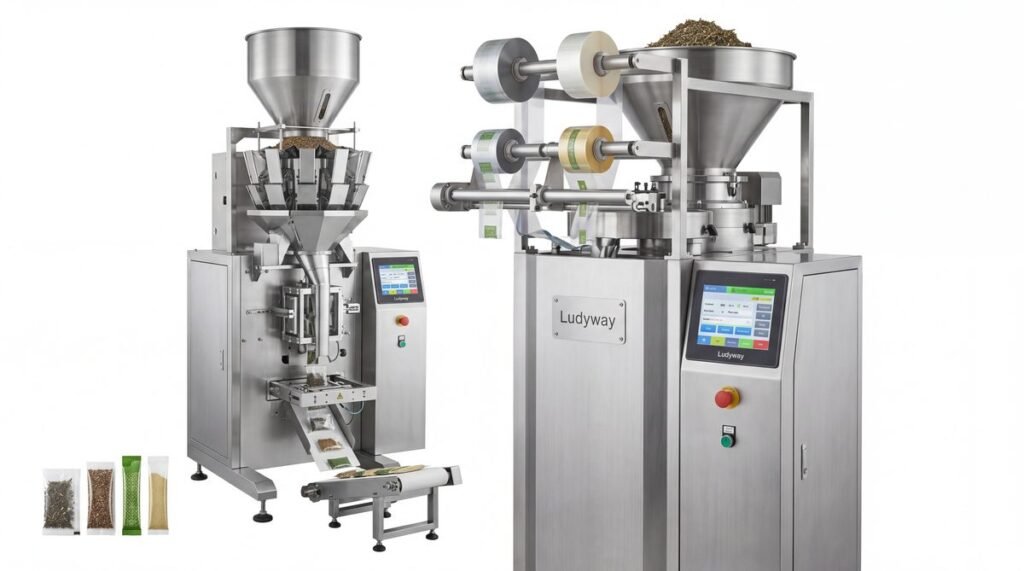
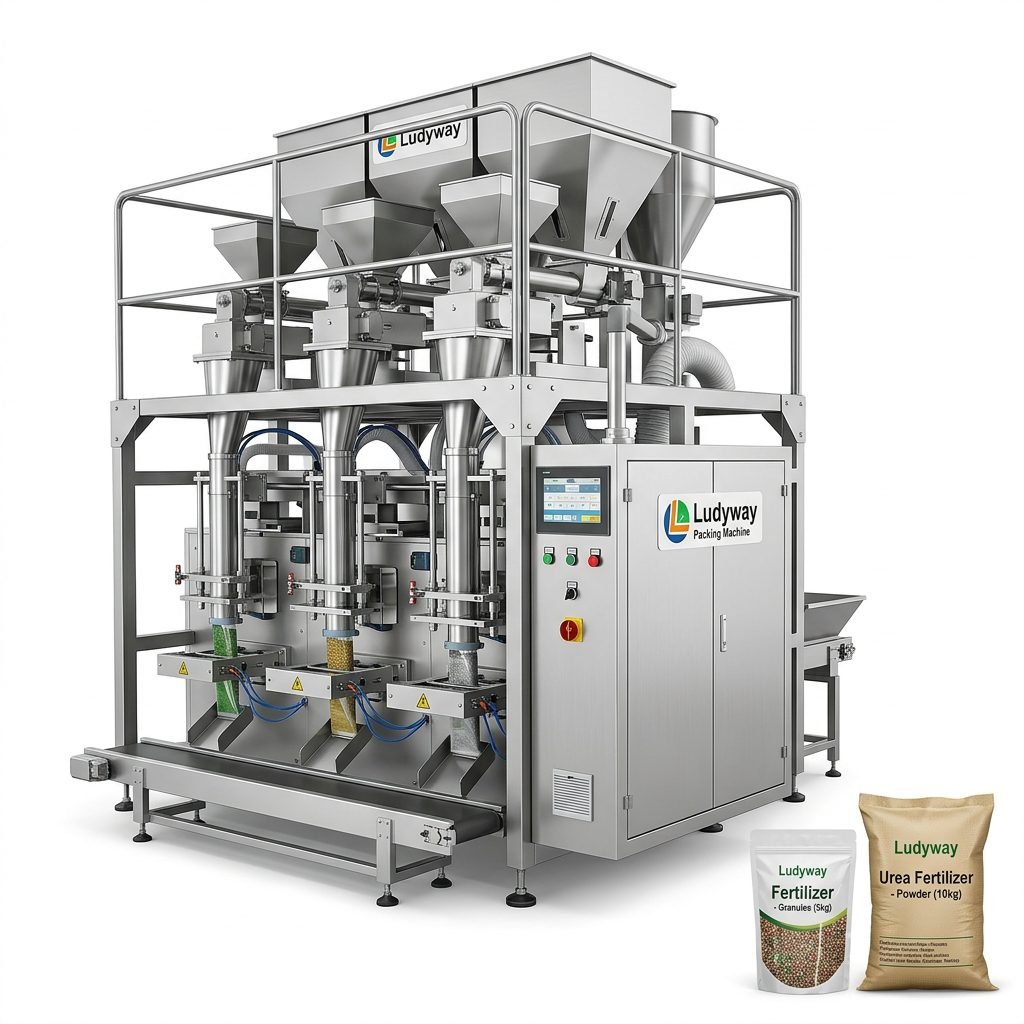
Manufacturers with substantial production facilities and a strong track record in global markets are generally more reliable partners. For example, Ludyway, one of the largest packaging machine manufacturers in China with over 30 years of experience and a 20,000㎡ modern production facility, has served customers in over 100 countries including many across Southeast Asia.
Installation, Commissioning, and Operator Training
Proper installation and commissioning are critical for achieving optimal machine performance. Even the best packaging machine will underperform if not correctly installed and calibrated. The installation process should include:
- Site preparation assessment including floor loading, power supply verification, and compressed air requirements
- Professional mechanical installation and alignment by factory-trained technicians
- Electrical integration and safety system verification
- Initial calibration for your specific product and packaging material
- Production trial runs with quality testing for seal integrity
- Hands-on operator training covering operation, cleaning, and basic troubleshooting
- Documentation of all machine settings for future reference
Preventive Maintenance and Long-Term Reliability
An airtight food packaging machine requires consistent preventive maintenance to maintain sealing performance. In Southeast Asia’s challenging environment, maintenance schedules should be more frequent than in temperate climates. Critical maintenance activities include:
- Weekly inspection of sealing jaws for wear, alignment, and surface condition
- Monthly calibration of temperature controllers and thermocouples
- Regular cleaning of film transport rollers to prevent material buildup
- Quarterly inspection of pneumatic systems for moisture accumulation
- Lubrication of all moving parts according to manufacturer specifications
- Annual comprehensive service by qualified technicians
Implementing a structured maintenance program can extend machine lifespan by 30-50% and significantly reduce unplanned downtime. Many suppliers offer service contracts that include periodic inspections and priority spare parts access.
Emerging Trends in Airtight Food Packaging
The food packaging industry is evolving rapidly, driven by sustainability concerns, smart factory integration, and changing consumer preferences. Southeast Asian manufacturers should be aware of these trends when making equipment investments:
- Recyclable mono-material films replacing traditional multi-layer laminates while maintaining barrier properties
- IoT-enabled machines with real-time production monitoring and predictive maintenance alerts
- Energy-efficient sealing technologies that reduce electricity consumption
- Integration with Industry 4.0 standards for complete traceability
- Flexible packaging formats that reduce material usage without compromising product protection
- Nitrogen-flushing and oxygen-absorbing technologies for extended freshness
Common Pitfalls to Avoid When Buying
Many first-time buyers make costly mistakes when purchasing airtight packaging equipment. Being aware of these common pitfalls can save significant time and money:
- Underestimating production growth: Purchasing a machine that barely meets current needs often leads to costly replacement within 2-3 years
- Overlooking packaging material costs: The cheapest machine may require expensive proprietary films, negating any initial savings
- Ignoring local after-sales support availability and relying solely on remote assistance
- Failing to test the machine with actual production materials before purchase
- Not budgeting for auxiliary equipment such as compressors, conveyors, and quality control systems
- Skipping the verification of ISO 11607 compliance for sealed packaging validation
Frequently Asked Questions
What is the typical lifespan of an airtight food packaging machine?
A well-maintained machine from a reputable manufacturer typically lasts 10-15 years in continuous production. Key components like sealing jaws and drive belts require periodic replacement, but the main frame and control systems can serve reliably for over a decade with proper care.
How do I verify the airtight integrity of sealed packages?
Several testing methods are available, including water bath immersion testing, vacuum decay testing, and tracer gas detection. Most production lines incorporate random sampling protocols, while advanced systems offer 100% inline seal inspection using vision systems or pressure differential technology.
Can one machine handle multiple product types?
Many modern machines offer quick-changeover features that allow switching between different products and package formats in 15-30 minutes. However, the range of compatible products depends on the feeder design, sealing parameters, and film handling capabilities. Always verify multi-product capability during the evaluation phase.
What power requirements are typical for these machines?
Most industrial airtight food packaging machines operate on three-phase 380V/50Hz power, which is standard across most Southeast Asian countries. However, voltage stabilization equipment may be necessary in areas with unreliable power supply to protect sensitive control systems.
Final Recommendations for Southeast Asian Buyers
Investing in an airtight food packaging machine is a strategic decision that impacts product quality, operational efficiency, and market competitiveness. For buyers across Southeast Asia, the following recommendations can guide a successful purchase:
- Prioritize seal quality and consistency above all other features
- Select equipment specifically engineered for tropical operating environments
- Choose suppliers with proven experience in Southeast Asian markets
- Invest in comprehensive operator training to maximize machine utilization
- Plan for future capacity expansion when sizing your initial investment
- Establish a preventive maintenance schedule before production begins
- Verify regulatory compliance for all target export markets before finalizing specifications
By carefully evaluating your product requirements, production goals, and supplier capabilities, you can select an airtight packaging solution that delivers consistent quality, reliable performance, and strong return on investment for years to come. The growing food processing industry in Southeast Asia presents tremendous opportunities for manufacturers who invest wisely in world-class packaging technology.