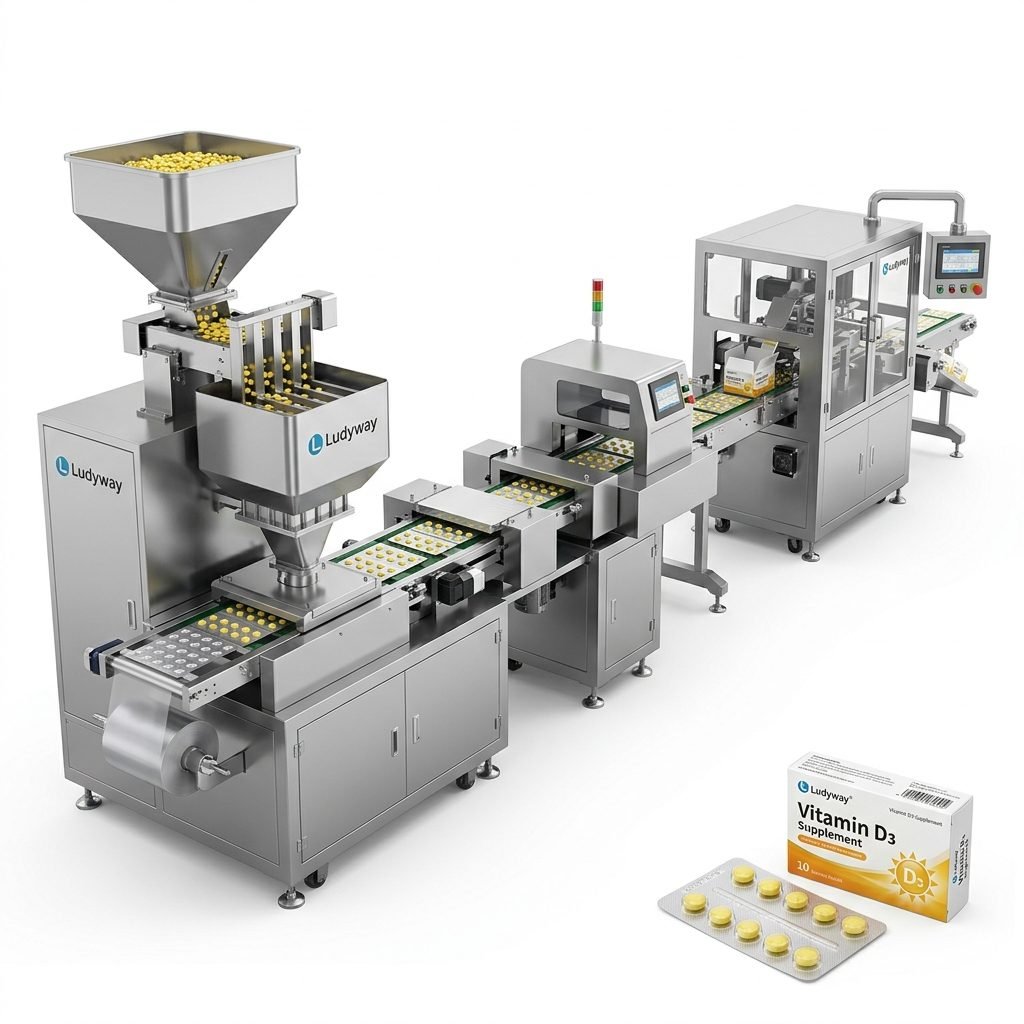
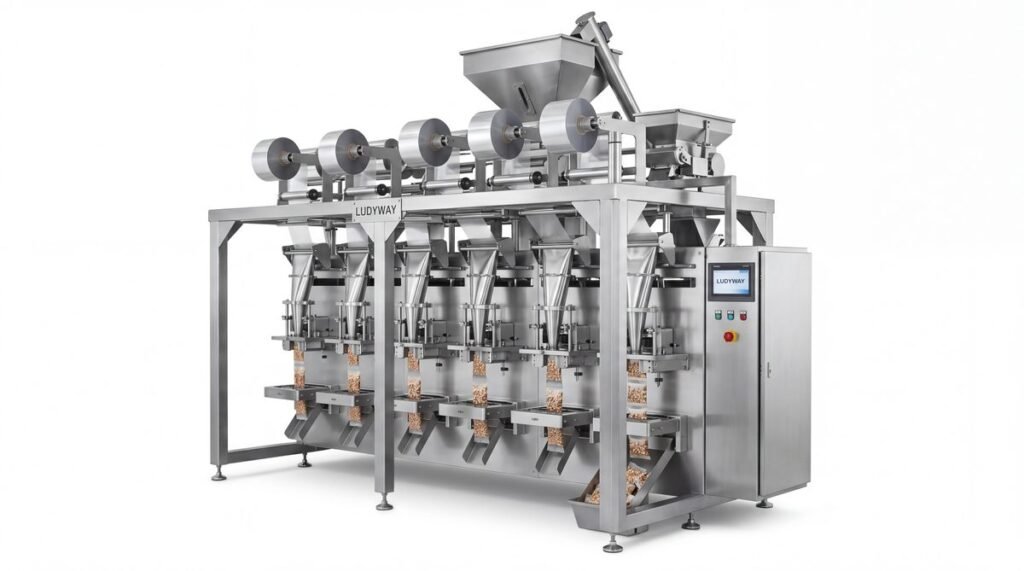
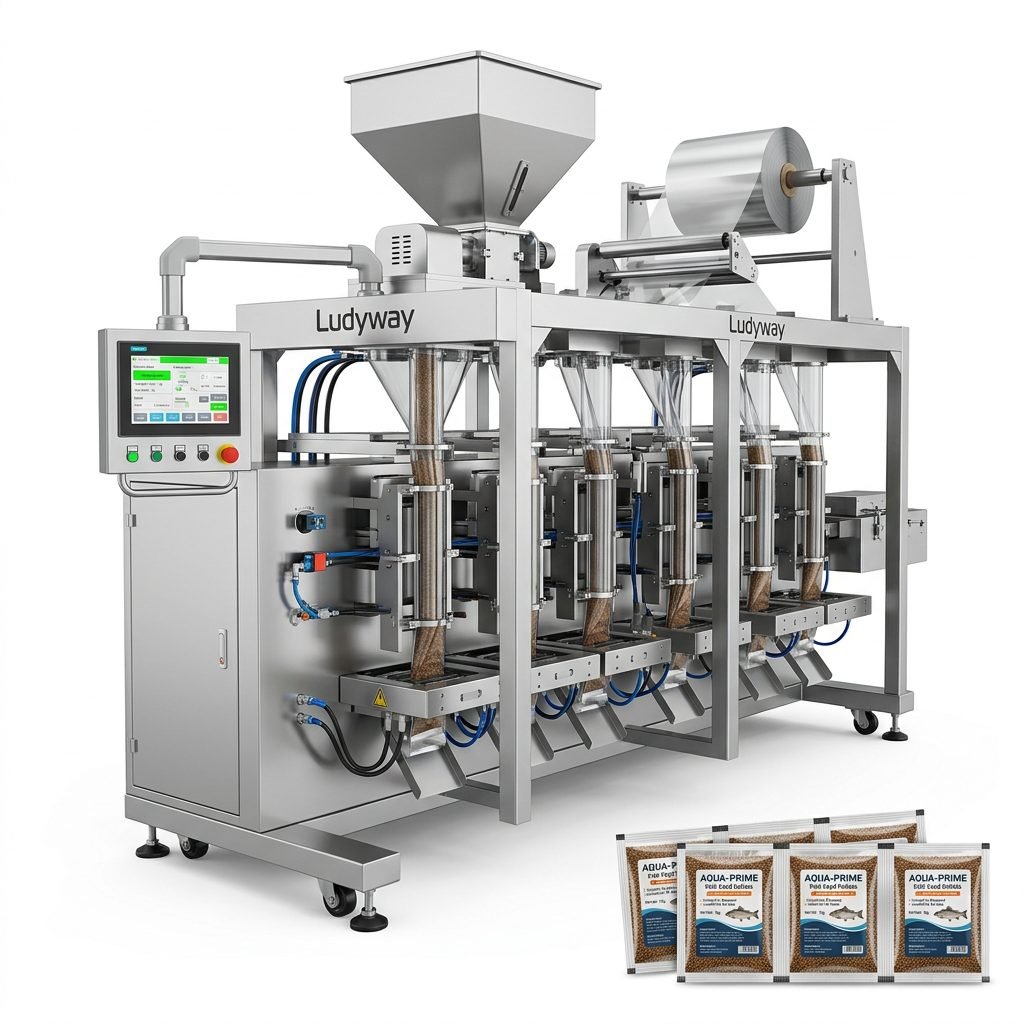
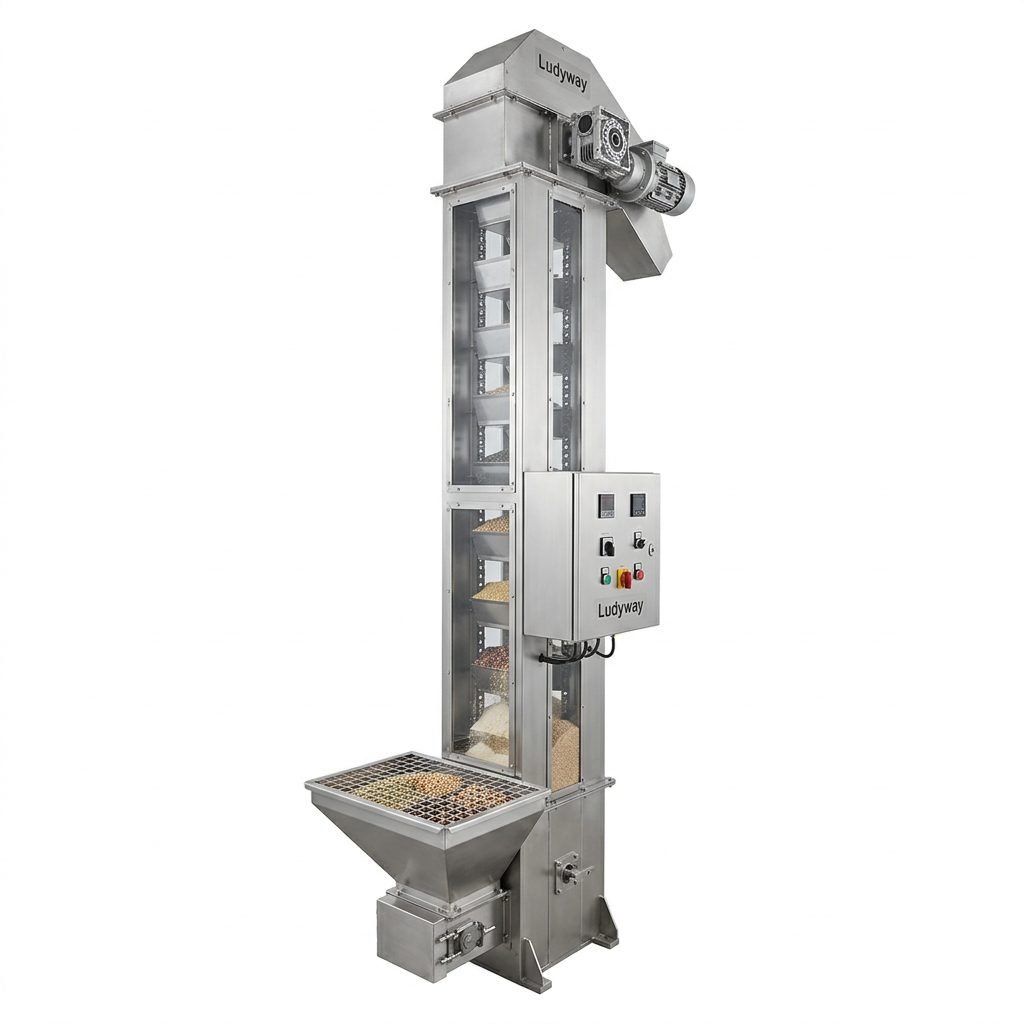
Regular maintenance of your confectionery packaging machine isn’t just about preventing breakdowns—it’s a critical factor in ensuring product consistency, maximizing production uptime, and extending the lifespan of your equipment. From sticky sugars to fine powders, confectionery products present unique challenges that demand a structured and thorough care routine.
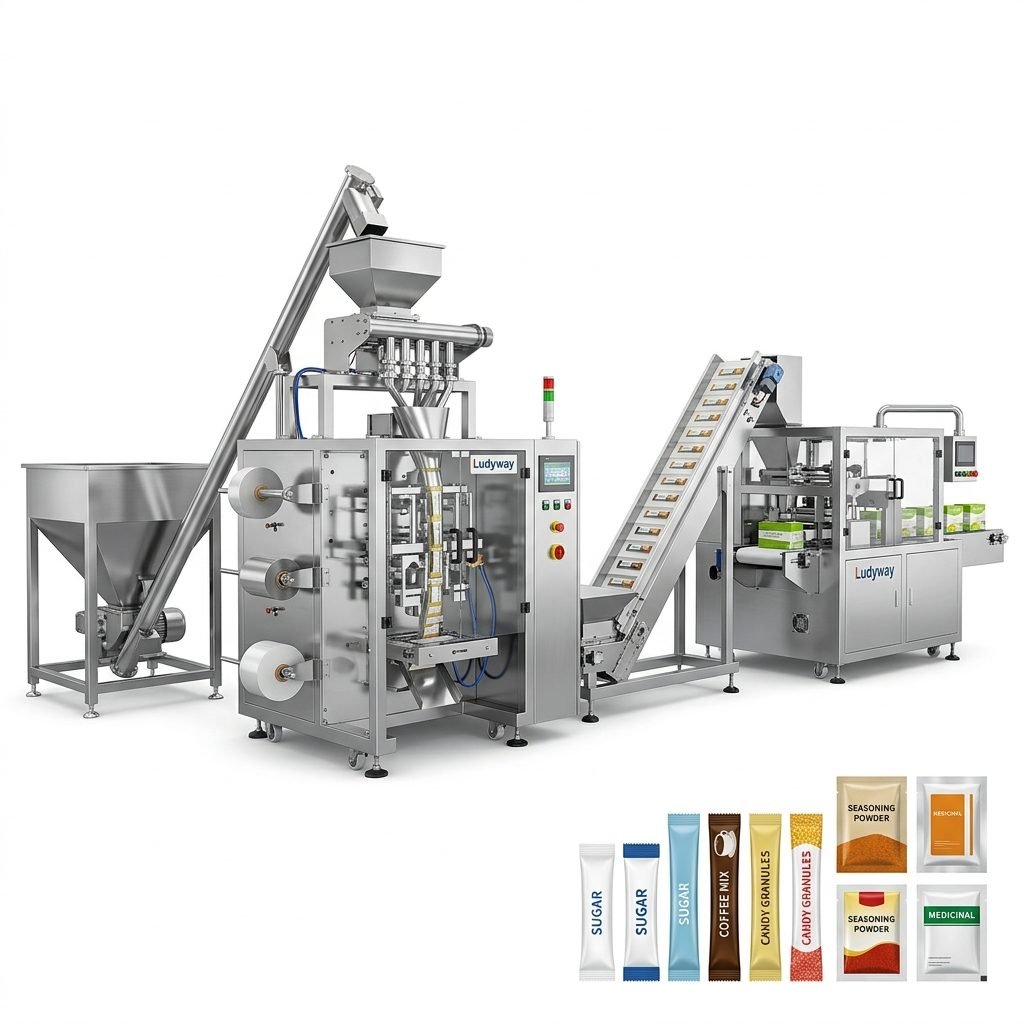
Why a Preventive Maintenance Schedule is Non-Negotiable
Waiting for a machine to fail before servicing it is a costly mistake. A preventive maintenance schedule allows you to plan downtime, order parts in advance, and avoid the ripple effects of sudden production halts. For confectionery operations, where hygiene and precision are paramount, a strict schedule ensures that cross-contamination risks are minimized, and fill accuracy remains stable across high-speed runs. Consistent cleaning also prevents the buildup of hardened sugar and chocolate, which is a primary cause of mechanical wear in the confectionery industry.
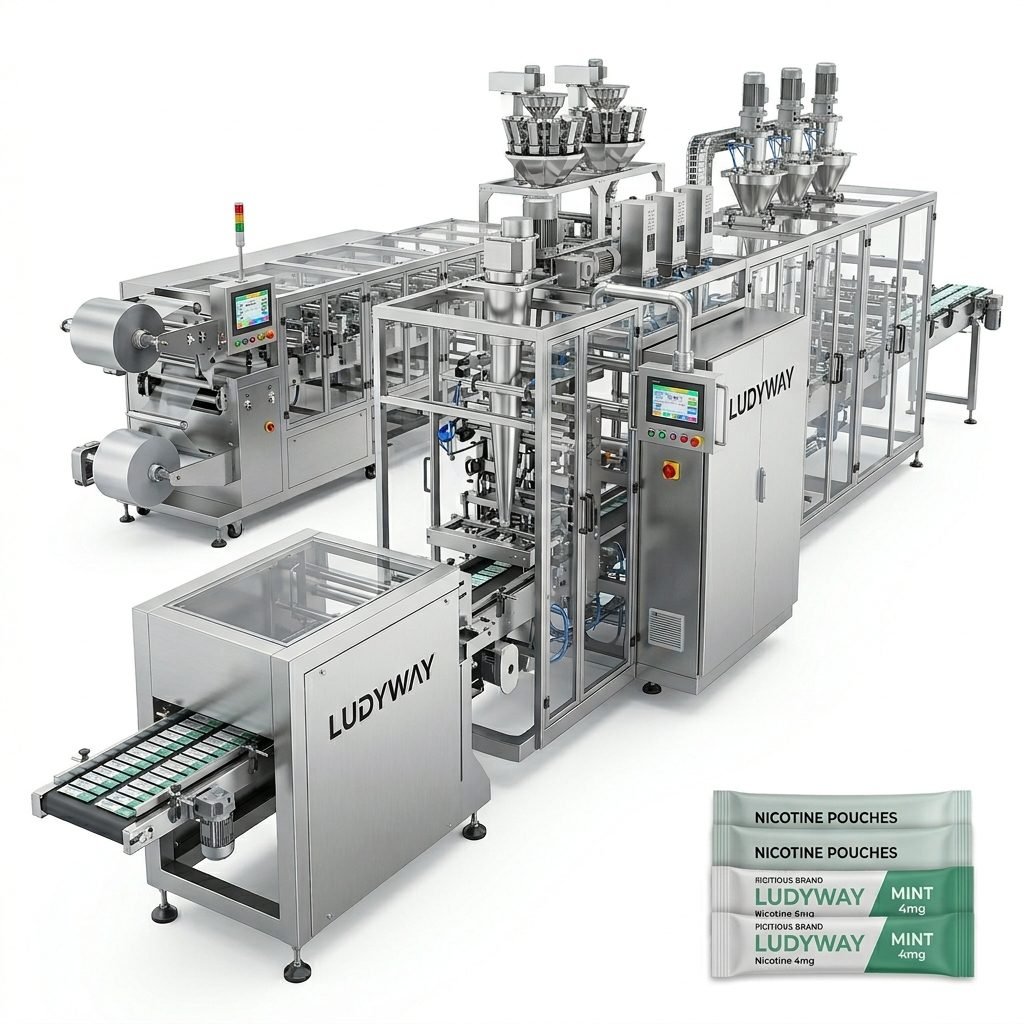
Daily Cleaning Protocols to Tackle Sugary Residue
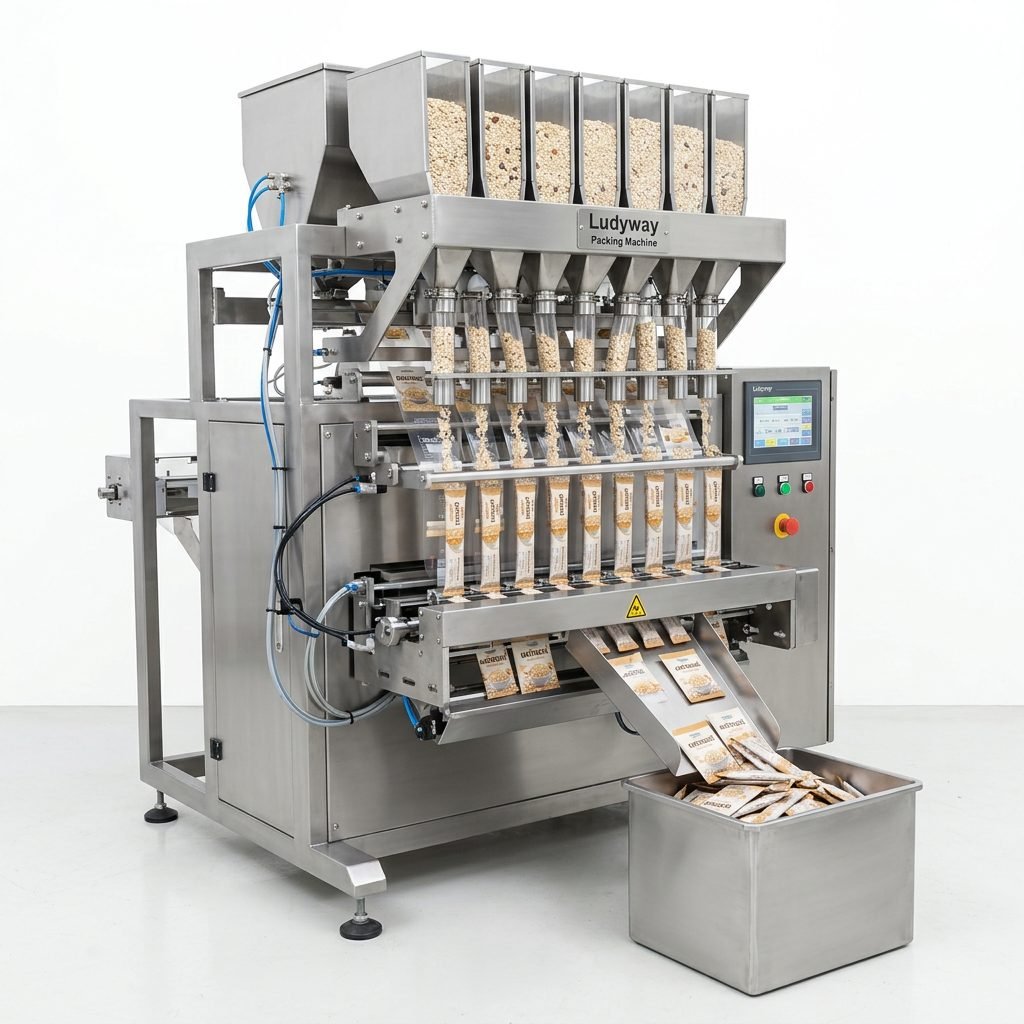
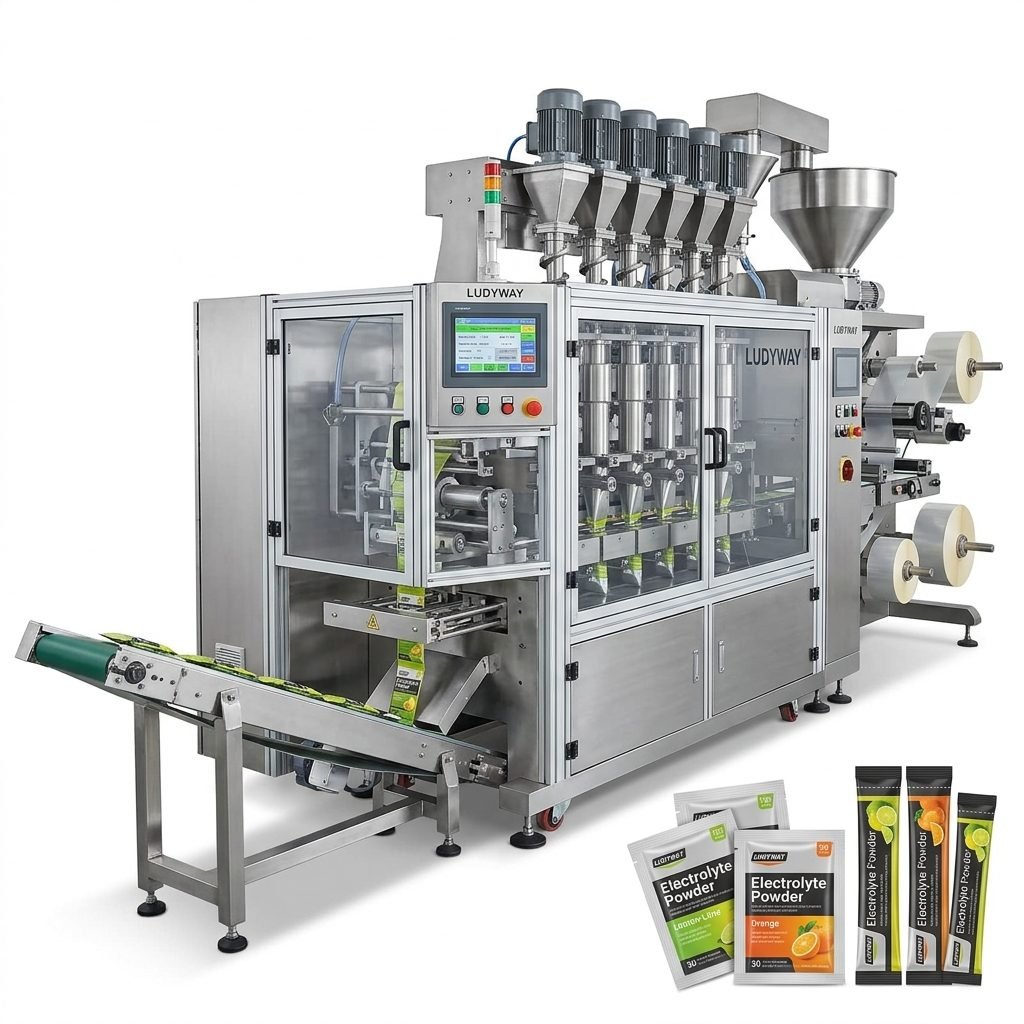
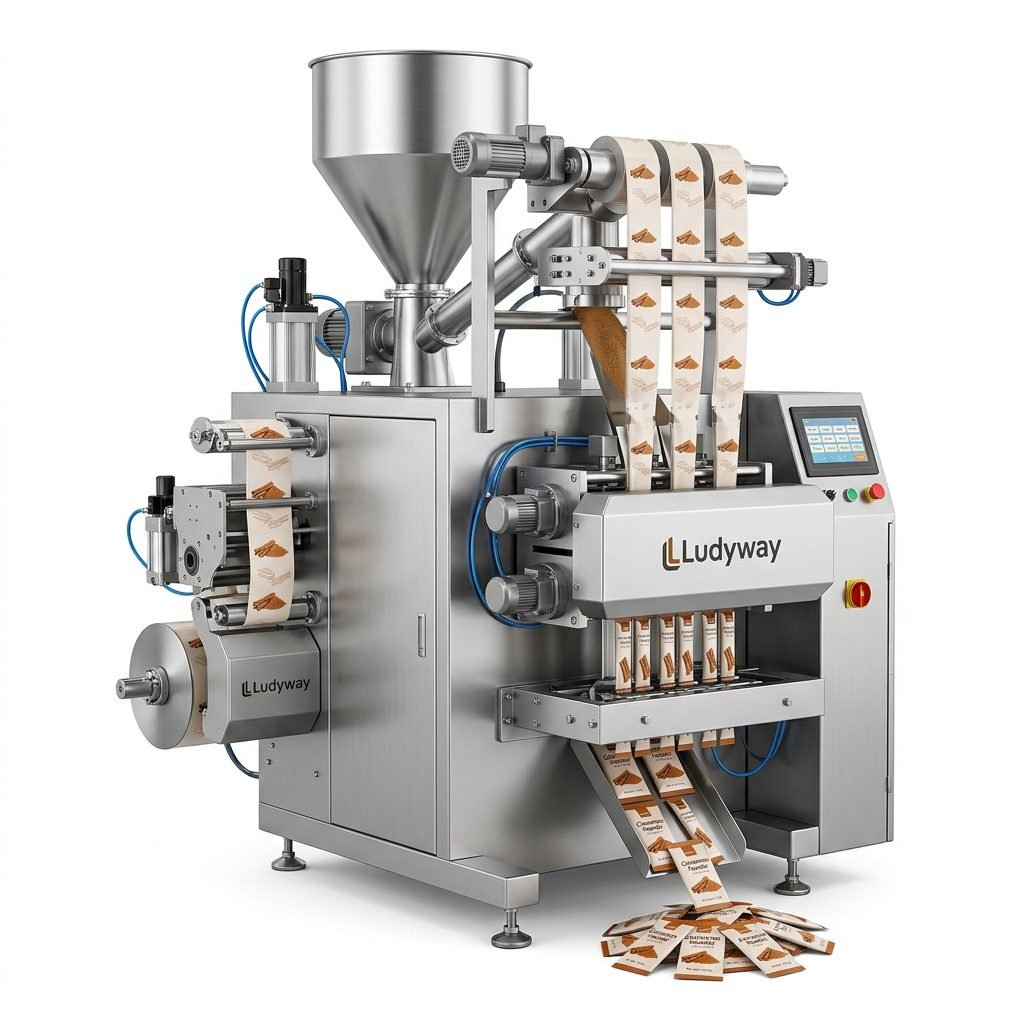
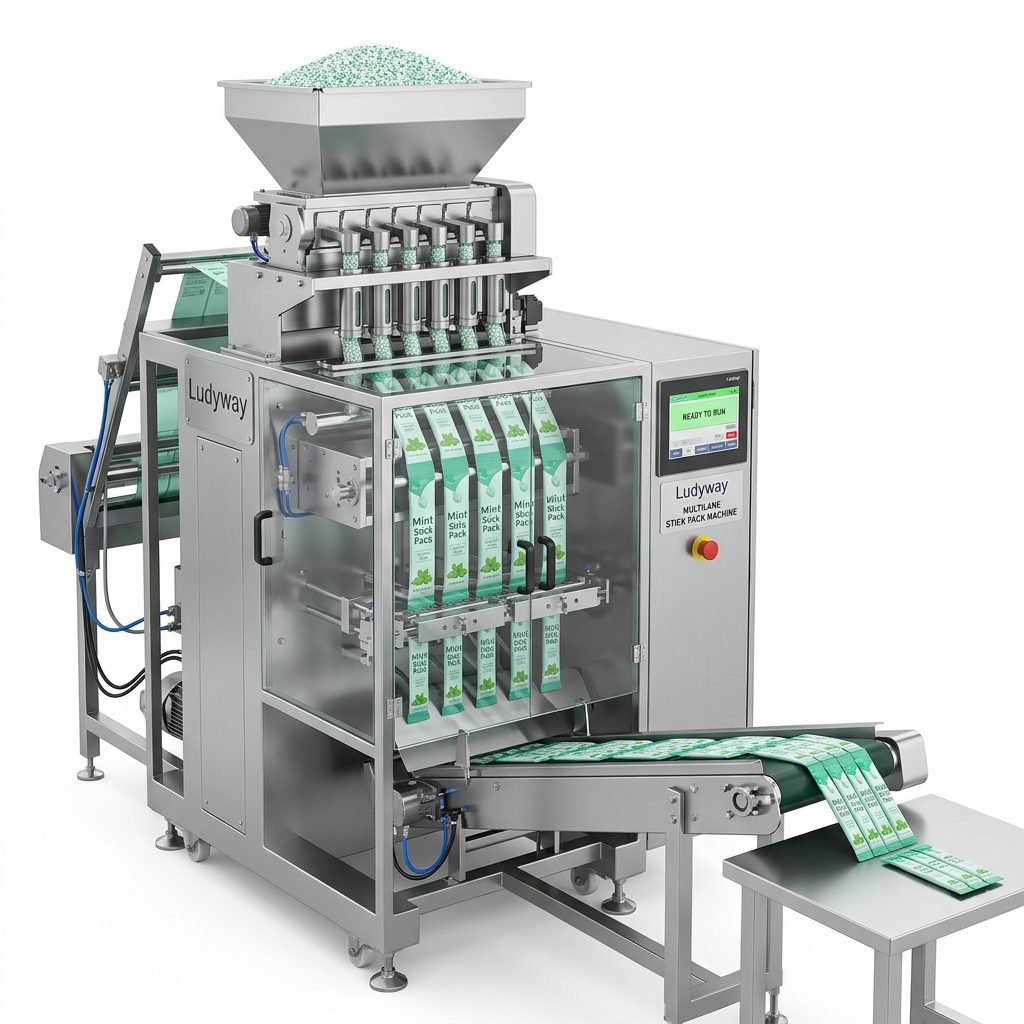
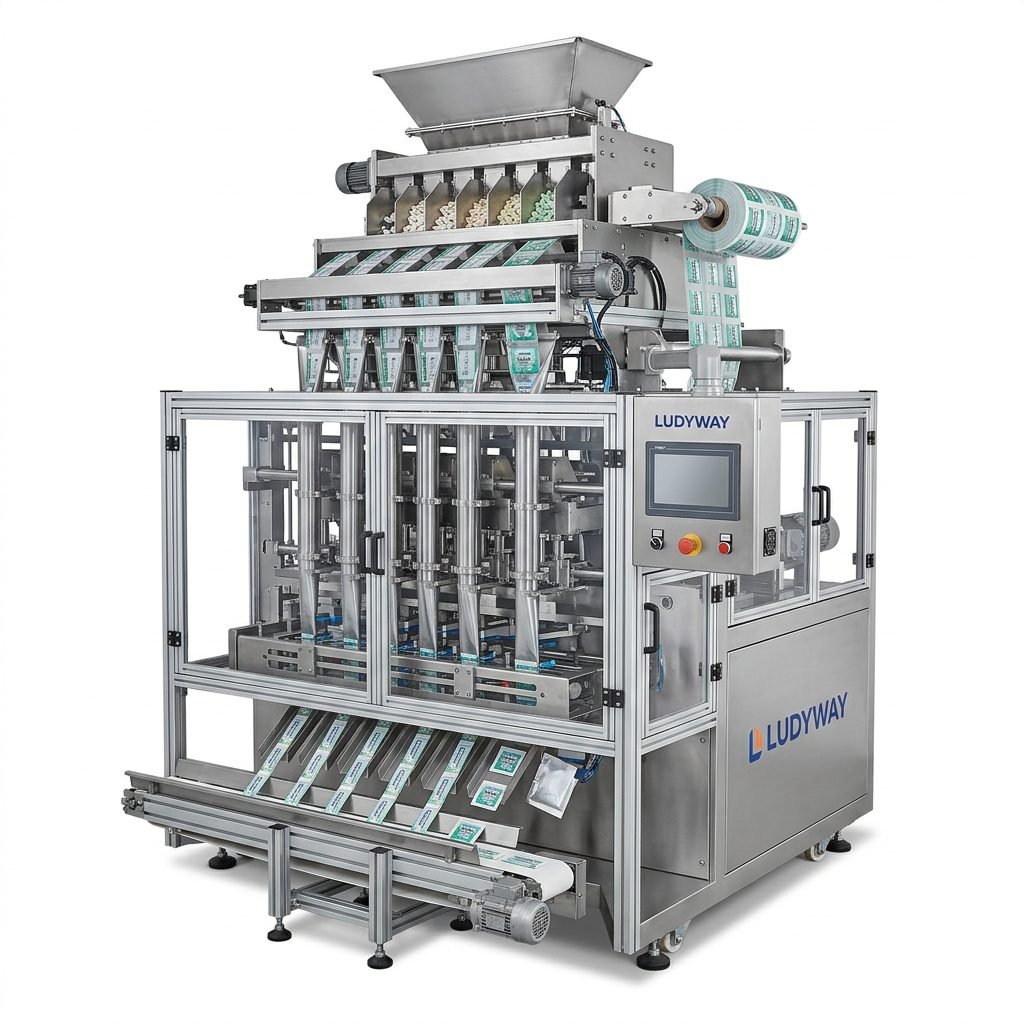
Sugar, chocolate, and sticky flavorings are highly corrosive and abrasive over time. If left unattended, these residues attract dust, clog sensors, and impede moving parts. A daily cleaning protocol should never be skipped. Start by purging the system of remaining product, then use food-safe, non-abrasive cleaners and soft cloths to wipe down all contact surfaces. Pay special attention to the forming tubes, sealing jaws, and cutters, as residue here directly impacts package integrity. Additionally, vacuum away loose powder and granules from electrical panels and sensor lenses to prevent false readings. You can explore advanced systems designed for easier cleanability, such as those found in our multi-lane sachet packaging machines, which feature quick-release components for this very purpose.
Key Components to Prioritize During Daily Cleaning
- Sealing Jaws: Remove carbonized sugar buildup to ensure a hermetic seal.
- Product Hoppers and Feeders: Prevent bridging and inconsistent dosing.
- Film Tracking Sensors: Wipe with a dry, lint-free cloth to maintain alignment accuracy.
- Auger or Volumetric Cup Fillers: Disassemble and brush out fine dust to maintain fill weight precision.
Weekly and Monthly Inspection Checklists
Beyond daily cleaning, a more in-depth inspection should be performed on a weekly and monthly basis. These checks focus on wear, lubrication, and calibration. Documenting these checks creates a valuable history that can predict part lifecycles. The table below outlines a practical checklist structure for your team:
| Frequency | Checkpoint | Action Required |
|---|---|---|
| Weekly | Pneumatic Hoses & Fittings | Check for air leaks, tighten connections. |
| Weekly | Safety Guards & Interlocks | Test functionality, ensure no overrides are in place. |
| Monthly | Chain & Belt Tension | Adjust tension, inspect for cracks or stretching. |
| Monthly | Temperature Controllers | Calibrate heating elements and thermocouples for accurate sealing heat. |
| Monthly | Lubrication Points | Apply food-grade grease to bearings and guide rails, avoiding over-greasing. |
Optimizing Lubrication for a Clean Food Environment
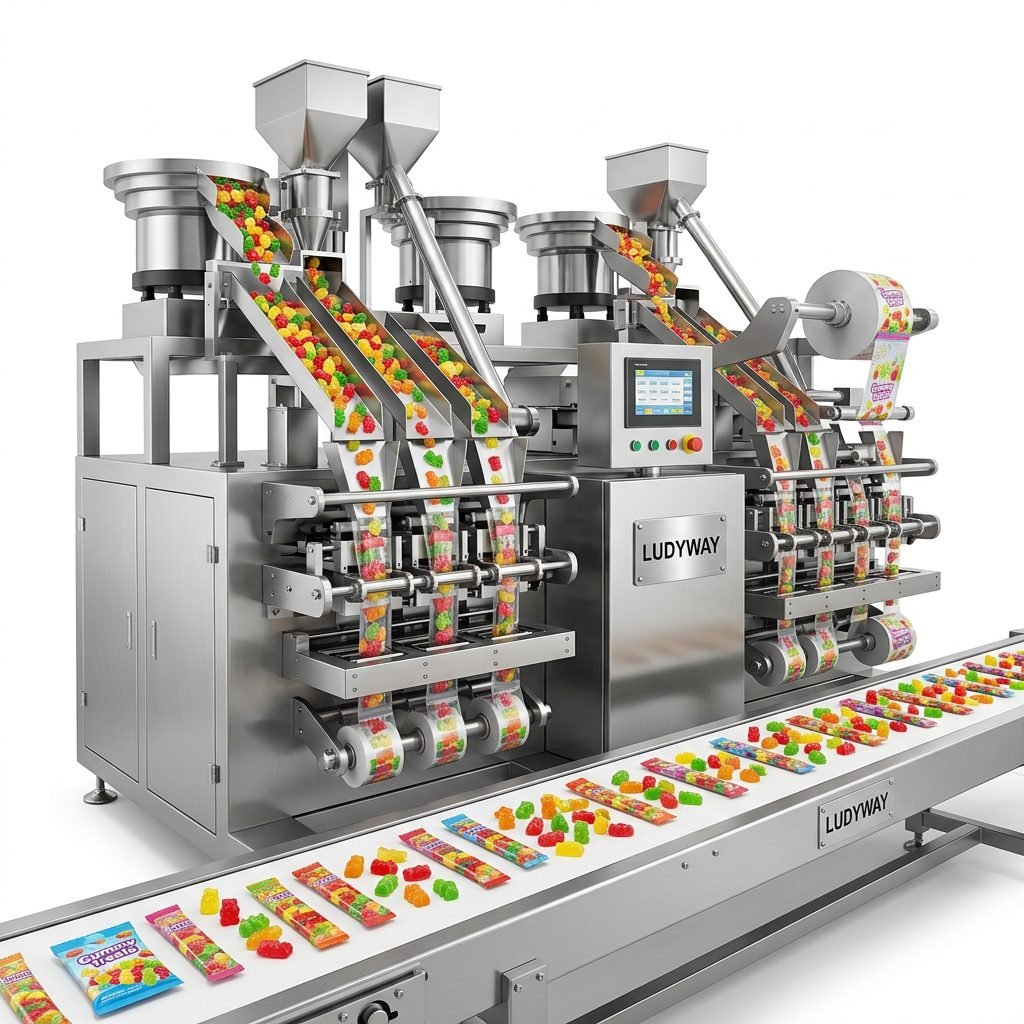
Lubrication reduces friction on rotating shafts and linear guides, but in a confectionery setting, it can also become a magnet for dust and sugar. Use only food-grade, H1-rated lubricants and apply them sparingly at manufacturer-specified intervals. Excess lubricant can drip onto packaging film or migrate into product zones, leading to quality non-conformance. A modern stick pack and sachet machine often features sealed bearings and maintenance-free components to minimize these risks, but regular inspection is still essential. Wipe away any excess immediately, and always keep a detailed lubrication log.

Electrical System and Sensor Care
Electrical faults are a leading cause of unplanned downtime. The production environment for confectionery often involves fine sugar dust, which can be conductive and hygroscopic, potentially shorting circuit boards. Monthly maintenance should involve isolating the machine from the power supply, removing cabinet filters and cleaning them, and inspecting all wiring for signs of heat damage or rodent intrusion. Use a dry, clean, compressed air supply to gently blow dust from control enclosures. Finally, test emergency stops and sensor feedback loops. An unresponsive photoelectric sensor can cause an entire line to jam, wasting film and product.
Long-Term Strategies for Wear Parts Management
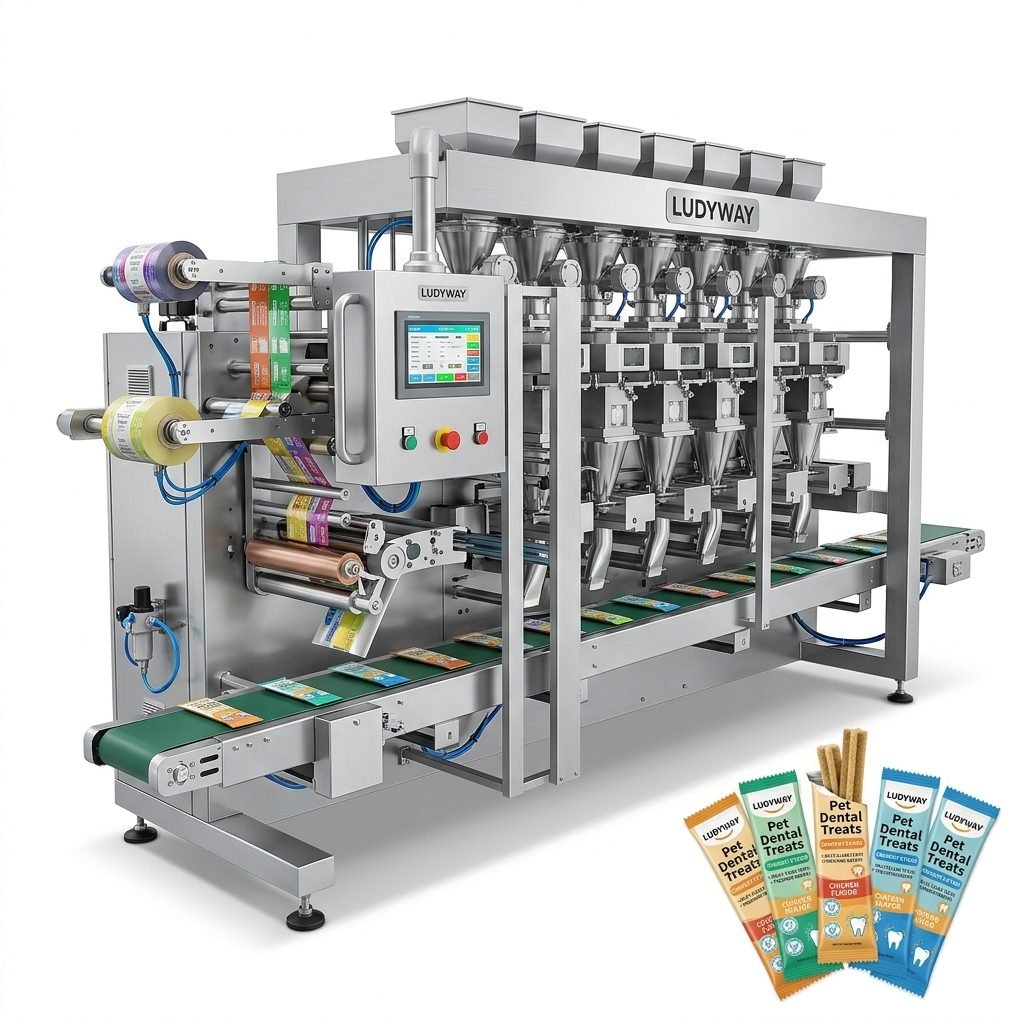
A strategic approach to spare parts inventory ensures that a worn-out heat sealing element or a damaged forming collar doesn’t halt production for days. For critical wear parts, maintain a safety stock based on the manufacturer’s recommended lifecycle. This includes items like sealing bands, Teflon tape, heating rods, cutting blades, and various types of belts. When you replace a part, take the opportunity to inspect adjacent components for secondary damage. By choosing durable packaging equipment from an experienced packaging machine manufacturer like Ludyway, you benefit from robust parts availability and engineering support that simplifies long-term asset management.
For more detailed technical specifications and maintenance training resources, you can visit our resource center or explore authoritative industry guidelines from the PMMI – The Association for Packaging and Processing Technologies and insights on flexible packaging materials from the Flexible Packaging Association.