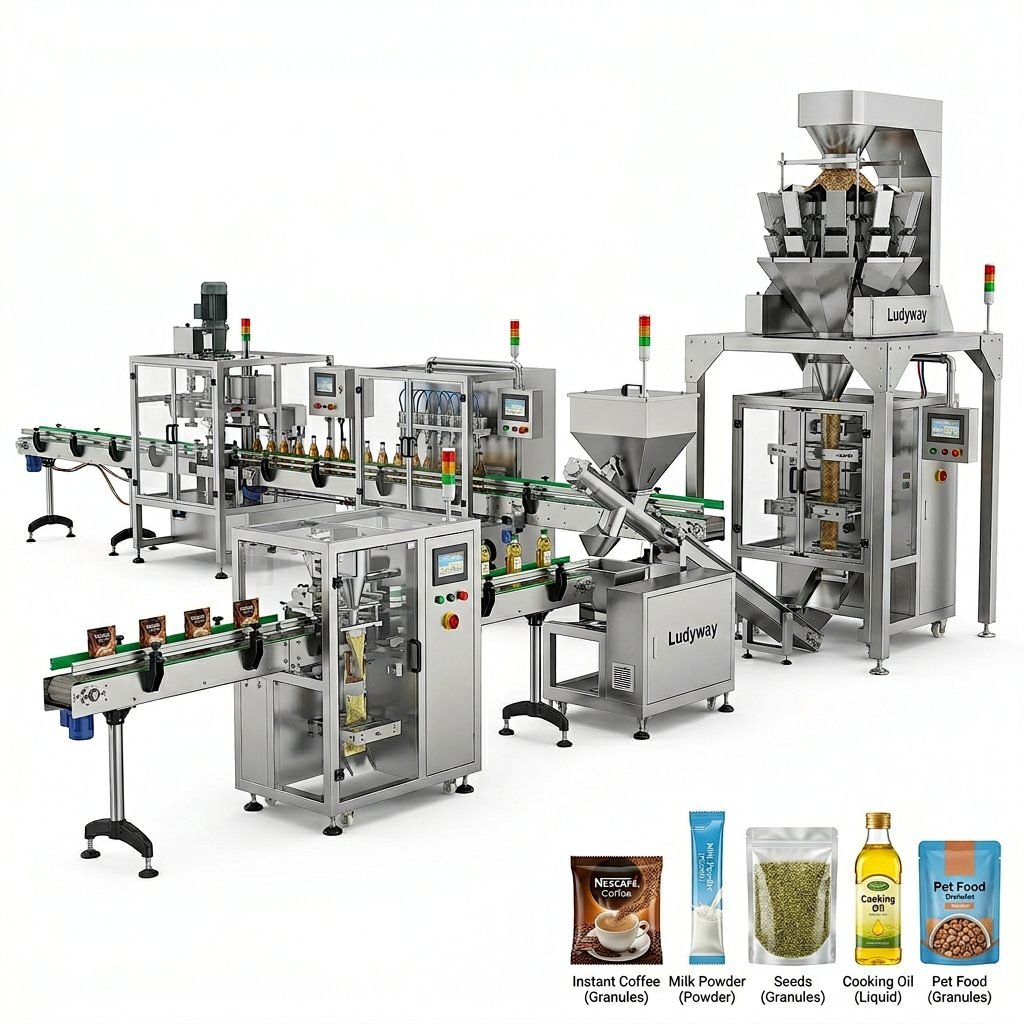
Setting up a dry food packaging machine production line in Oceania requires careful planning, an understanding of regional regulatory frameworks, and strategic equipment selection. Whether you are packaging granule snacks, powdered beverages, or dehydrated meal kits, this guide walks you through the essential steps to build a compliant, efficient, and scalable operation in markets such as Australia, New Zealand, and the Pacific Islands.
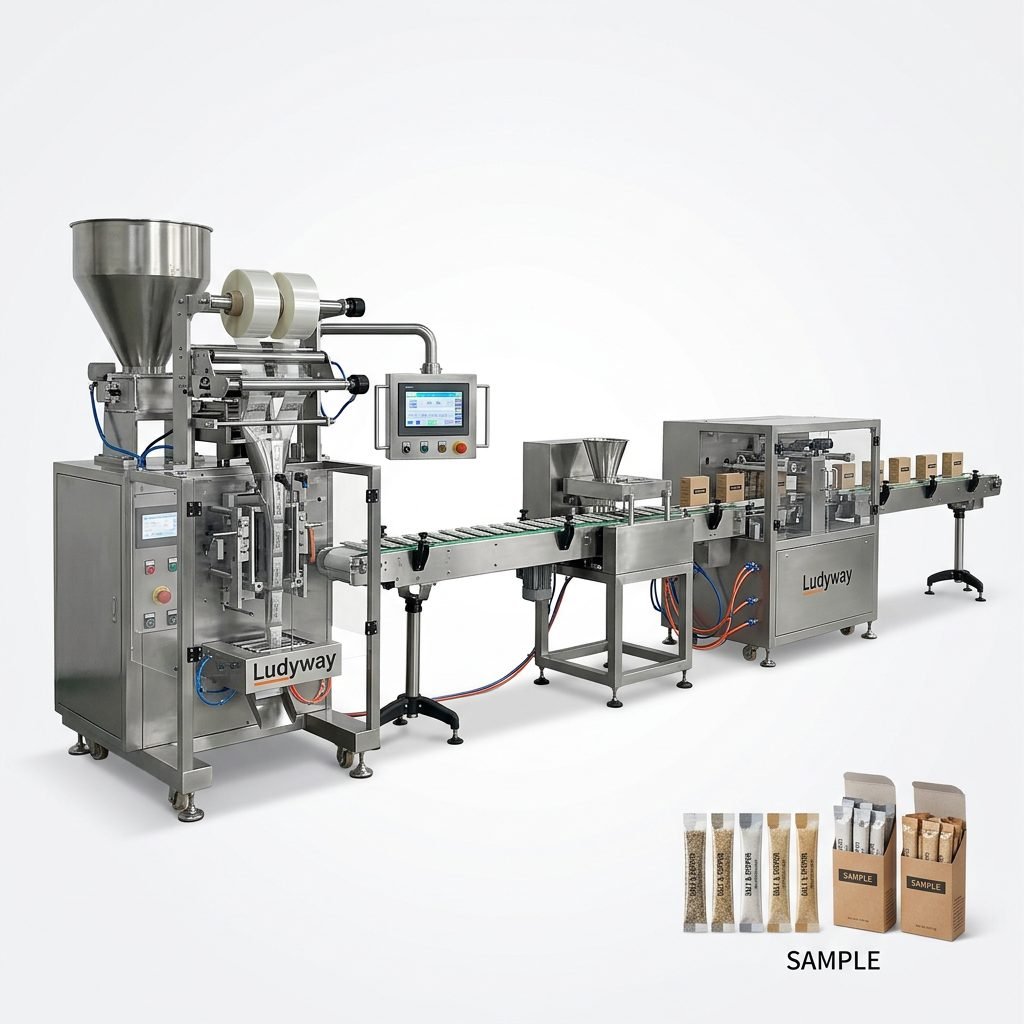
Step 1: Define Your Product Range and Production Capacity
Before investing in machinery, clearly identify the types of dry food products you intend to package. Common categories in the Oceanian market include:
- Granules: coffee beans, nuts, seeds, dried fruits, pet kibble
- Powders: protein powder, milk powder, spice blends, drink mixes
- Mixed formats: seasoning sachets, instant soup packs, meal replacement sticks
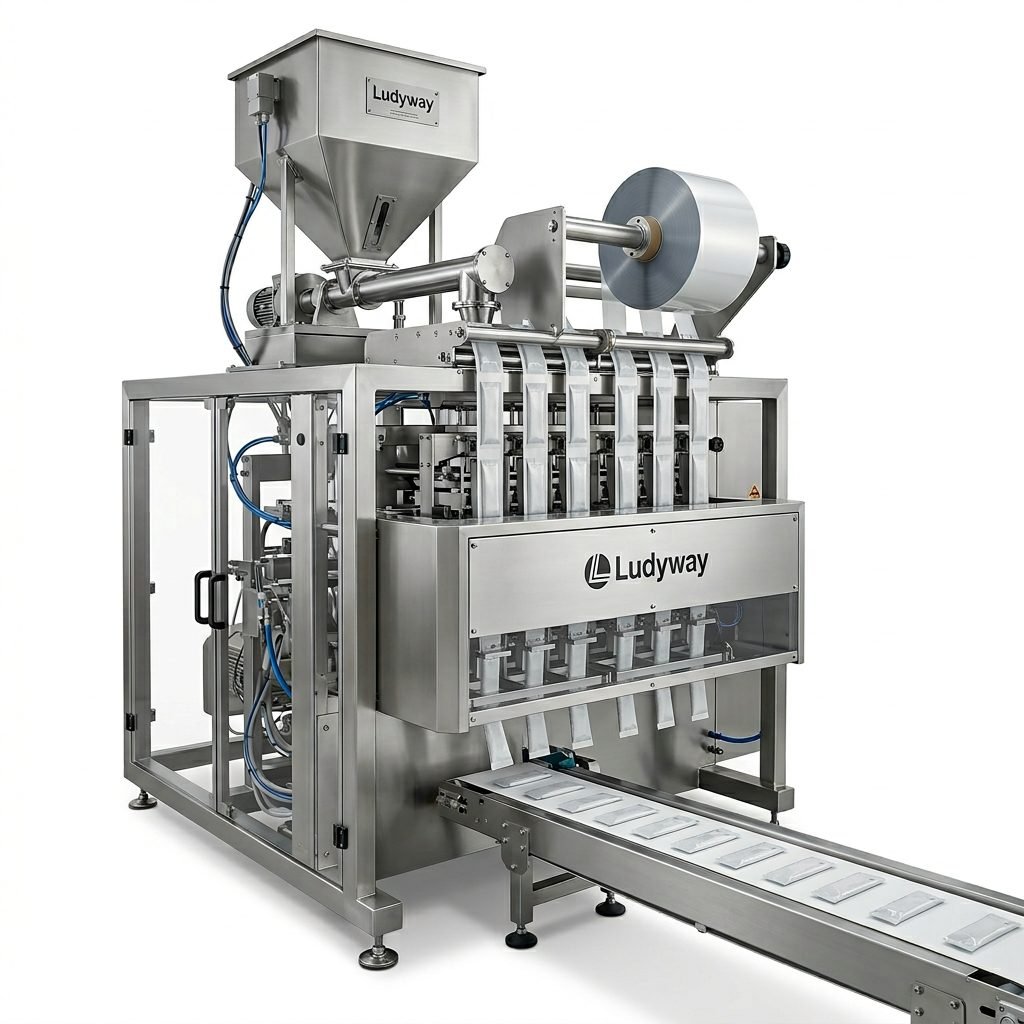
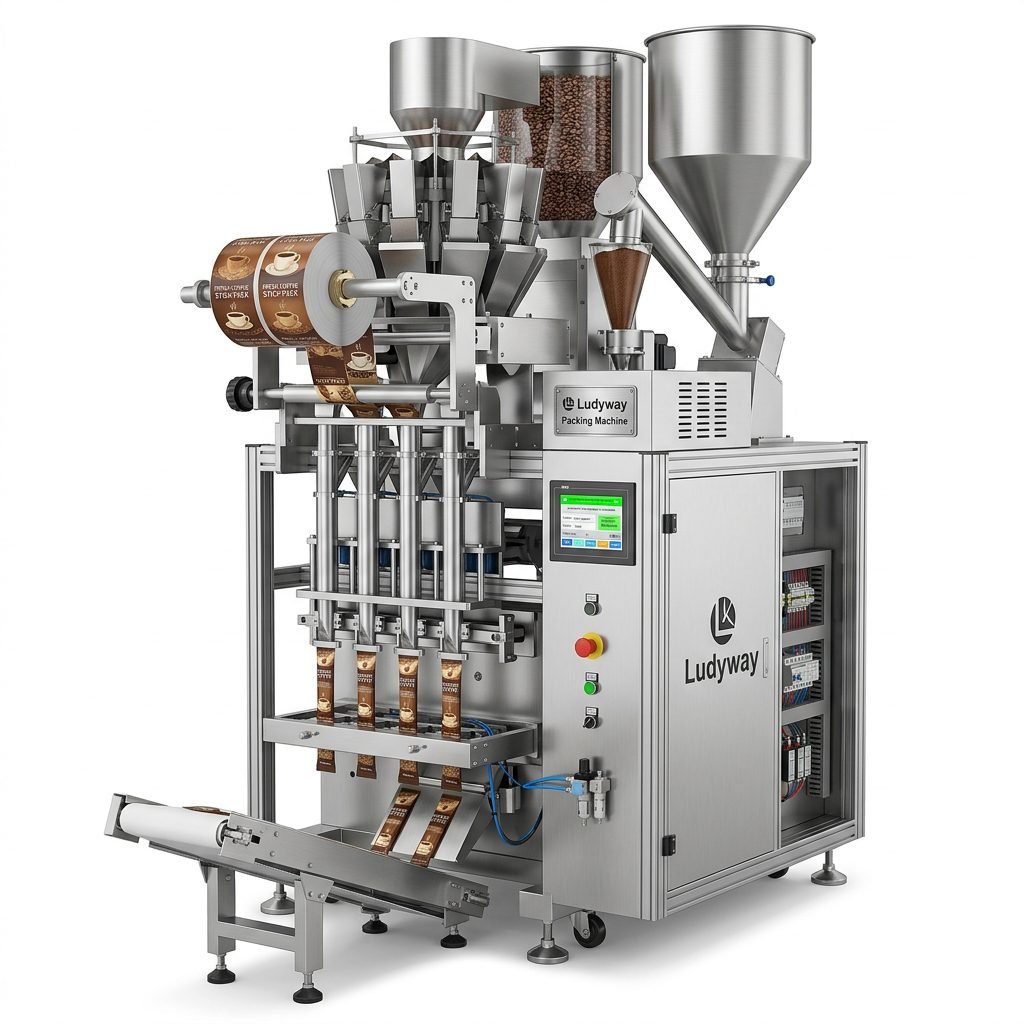
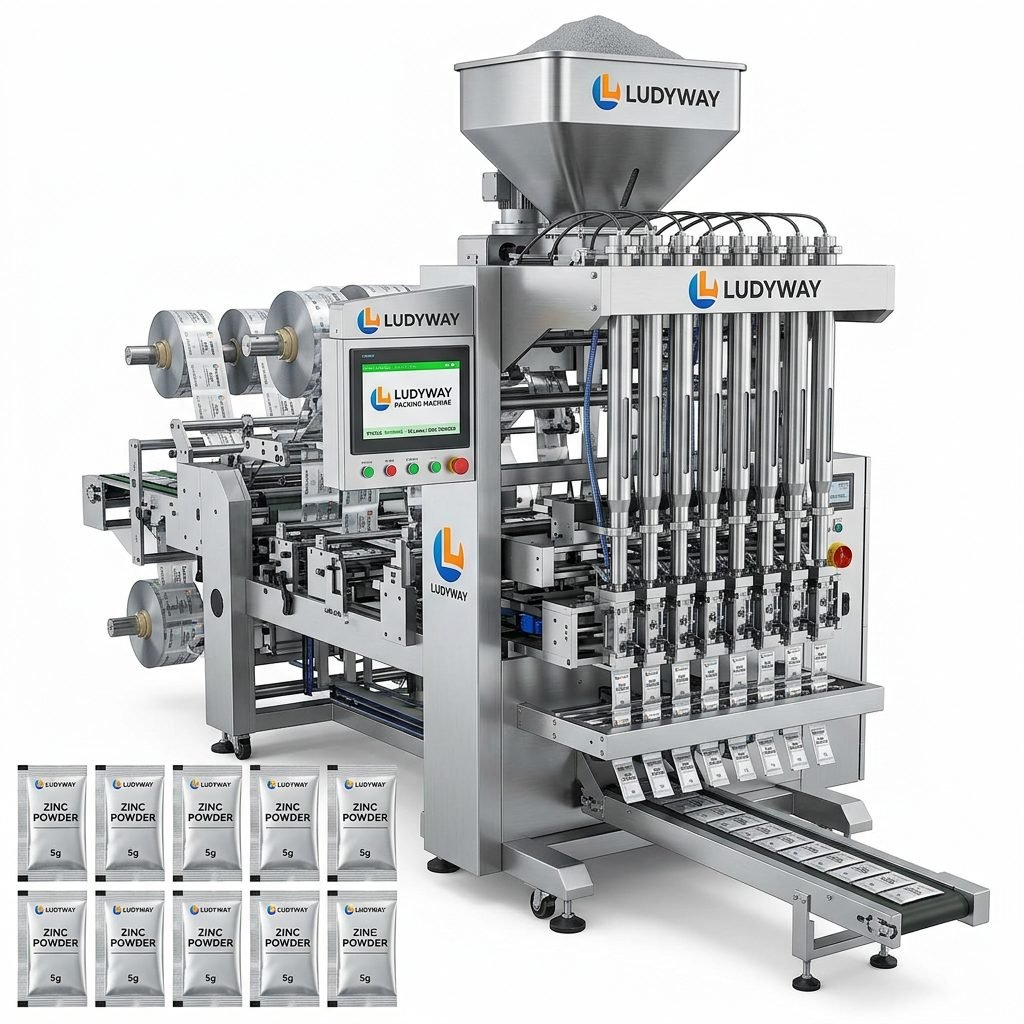
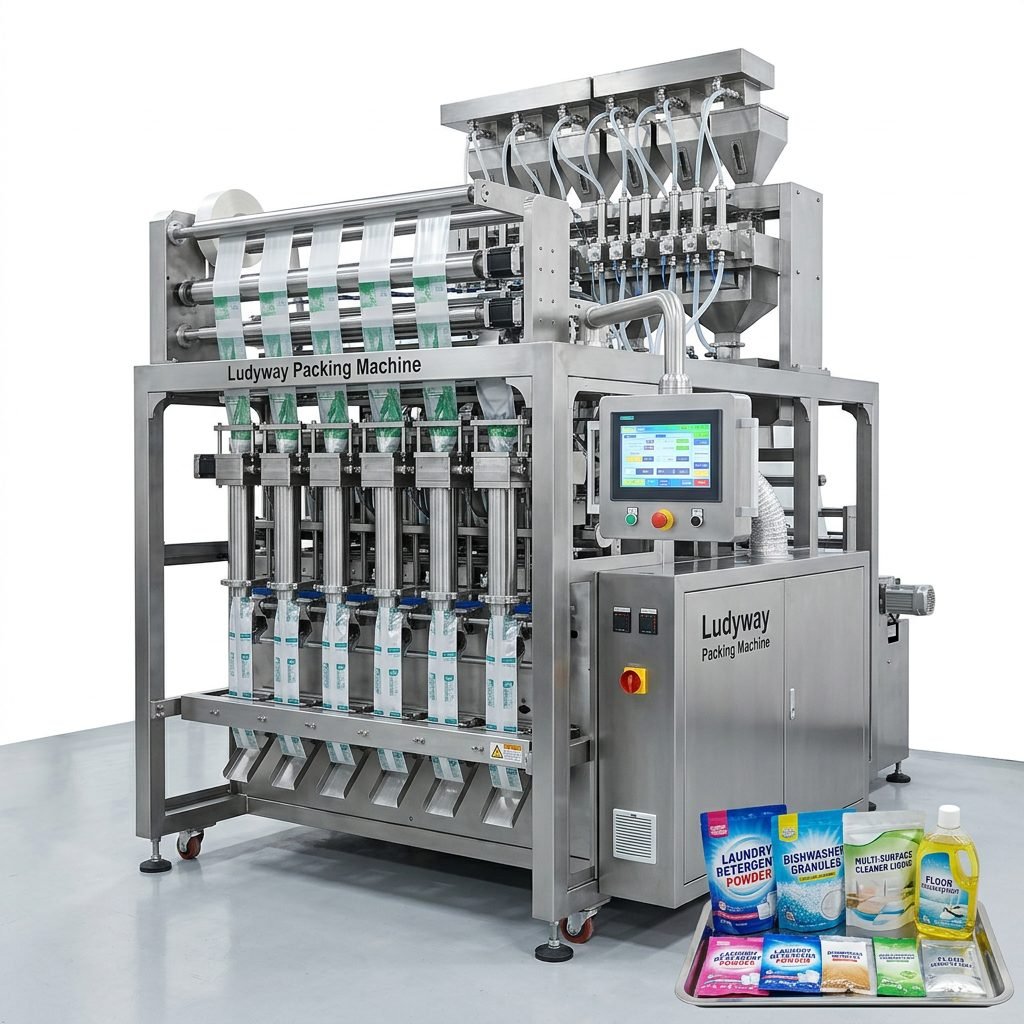
Determine your target output per hour or per shift. This directly influences whether you need a multi-lane stick pack machine capable of high-speed production or a more compact single-lane system. Consider also the packaging format — stick packs, sachets, or pouches — each requiring different forming, filling, and sealing configurations.
Step 2: Understand Oceania’s Food Safety and Packaging Regulations
Compliance is non-negotiable when setting up a packaging line in this region. Australia and New Zealand operate under the Australia New Zealand Food Standards Code (FSANZ), which governs food contact materials, labelling, and hygiene standards. Key regulatory considerations include:
- Food-contact packaging materials must comply with FSANZ Standard 1.4.3 and relevant migration limits.
- Equipment must support HACCP and GMP protocols.
- Imported machinery must meet local electrical safety standards (e.g., AS/NZS 3820 for electrical equipment).
- For exports to Pacific Island nations, additional biosecurity and labelling requirements may apply.
For broader international reference, consult resources from PMMI – The Association for Packaging and Processing Technologies and FDA – Food Packaging and Food Contact Substances. Additionally, ISO Packaging Standards provide globally recognized benchmarks for packaging machinery performance and safety.
Step 3: Design Your Production Line Layout
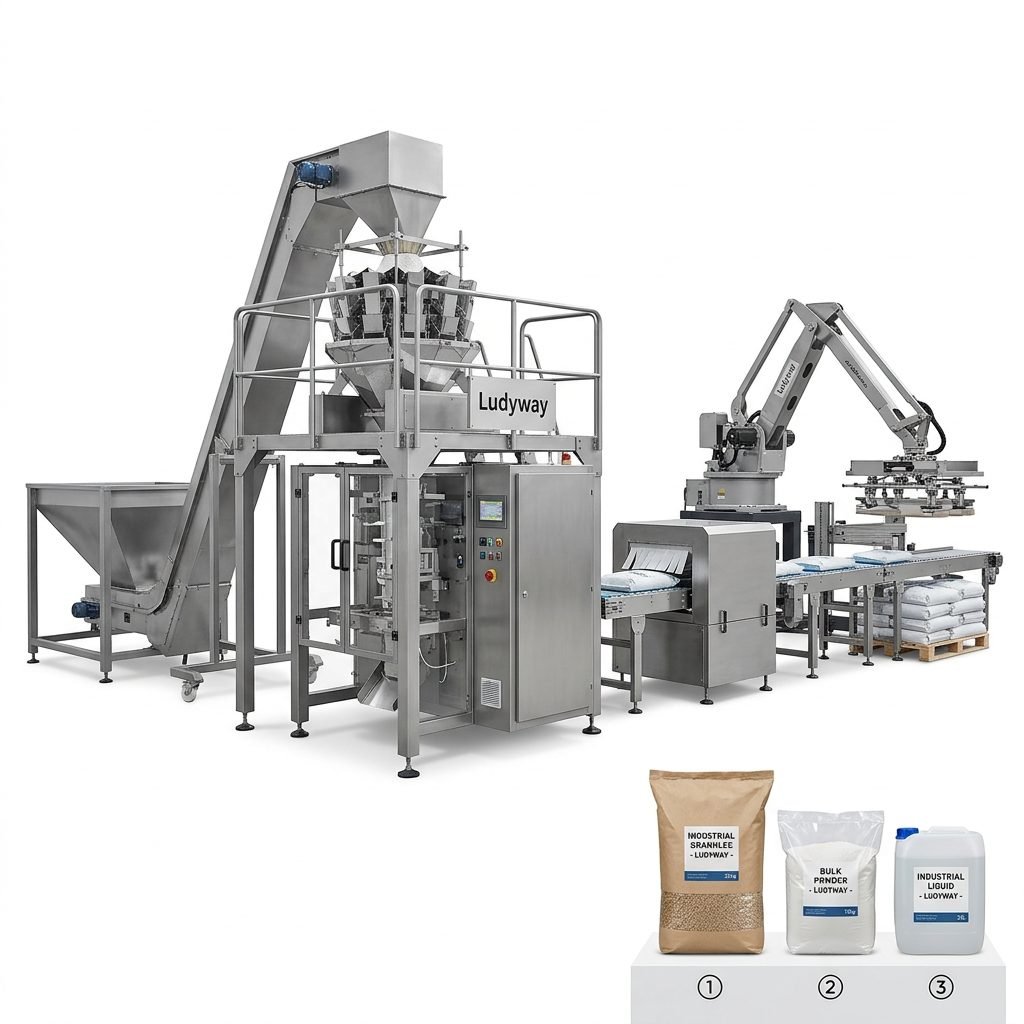
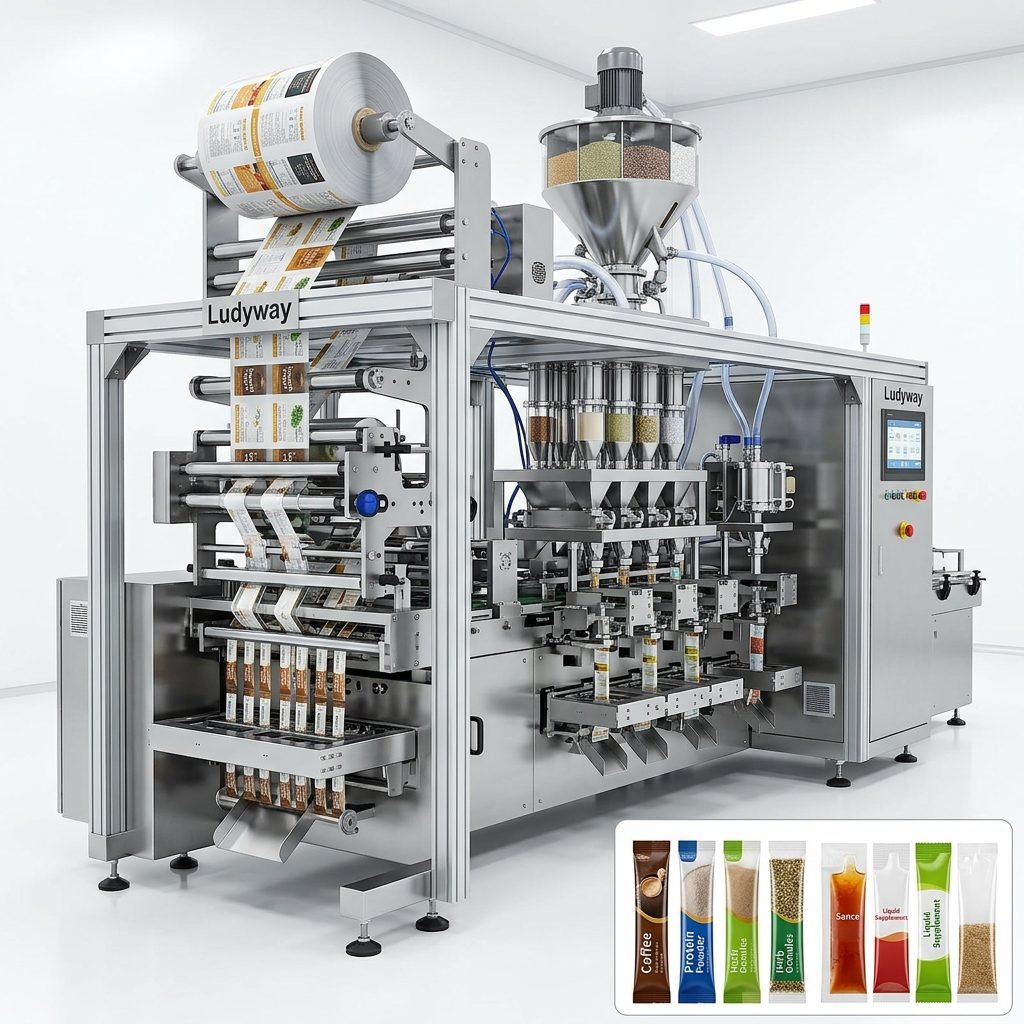
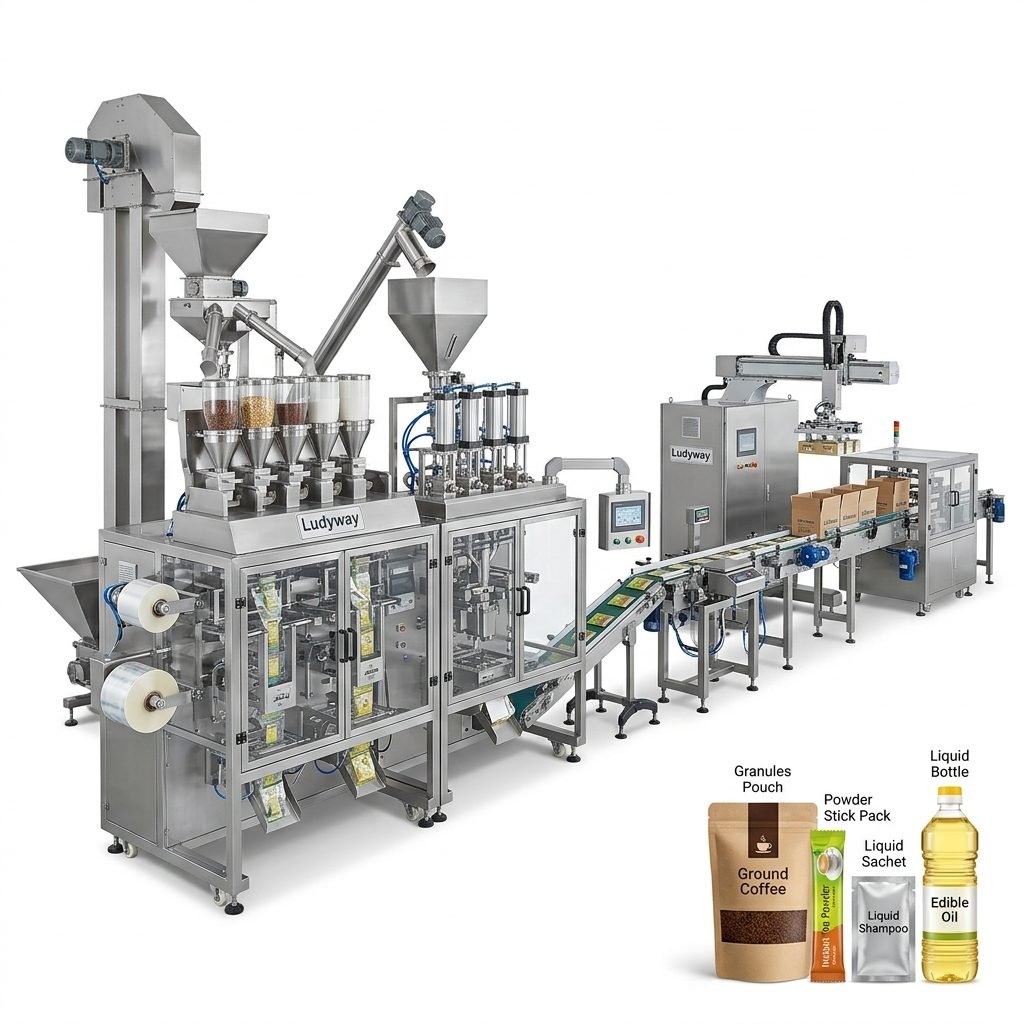
An efficient layout minimizes material handling, reduces cross-contamination risks, and optimizes workflow. A typical dry food packaging line includes the following integrated modules:
| Stage | Equipment | Key Consideration for Oceania |
|---|---|---|
| Feeding | Z-type bucket elevator, vacuum feeder | Dust control for powder products; humidity management |
| Weighing & Dosing | Multi-head weigher, auger filler | Accuracy for high-value products like protein powders |
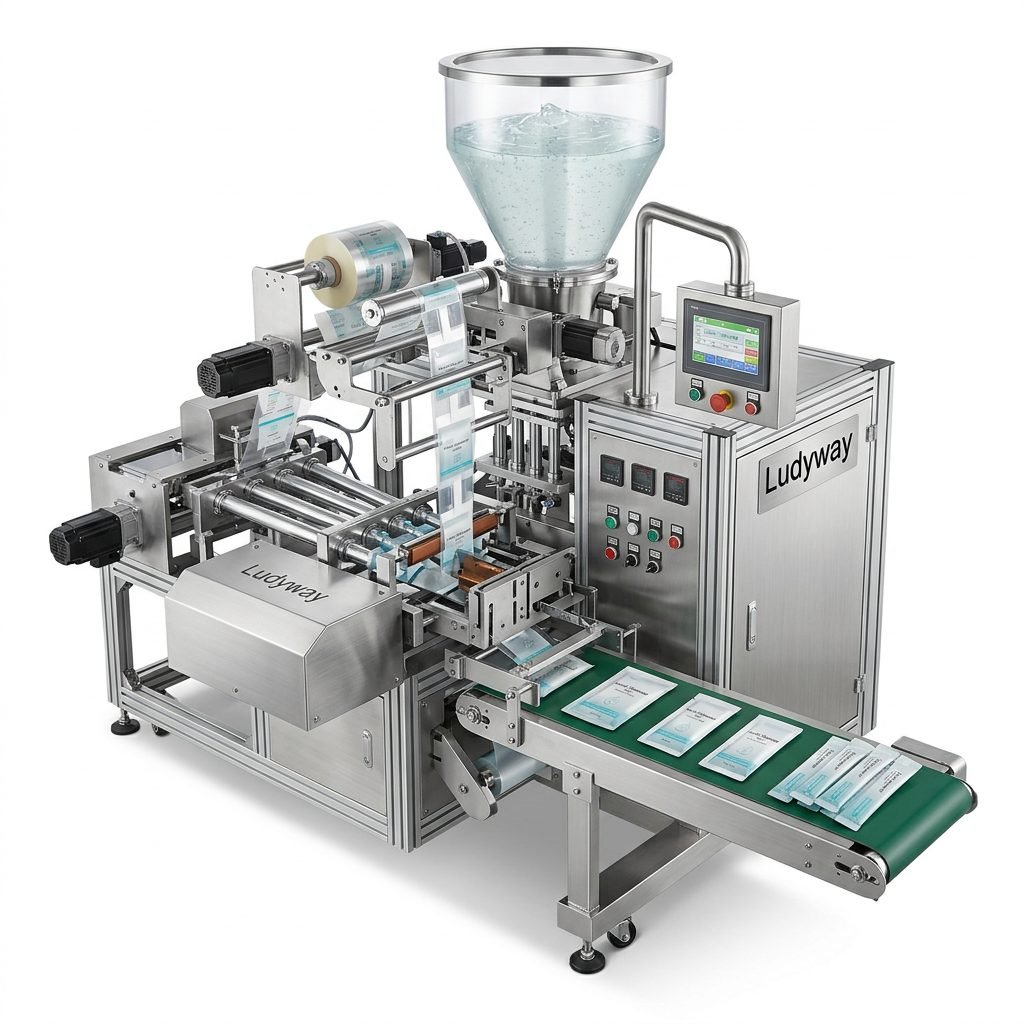
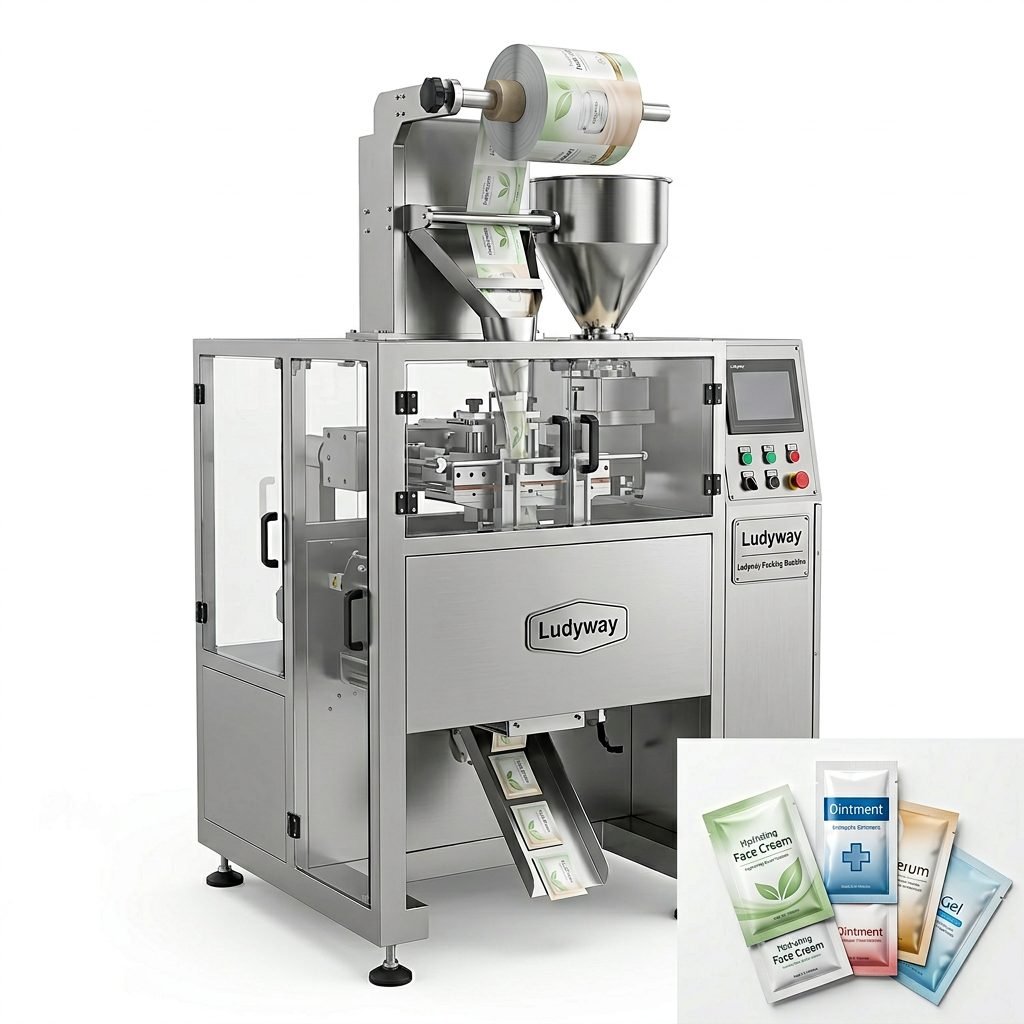
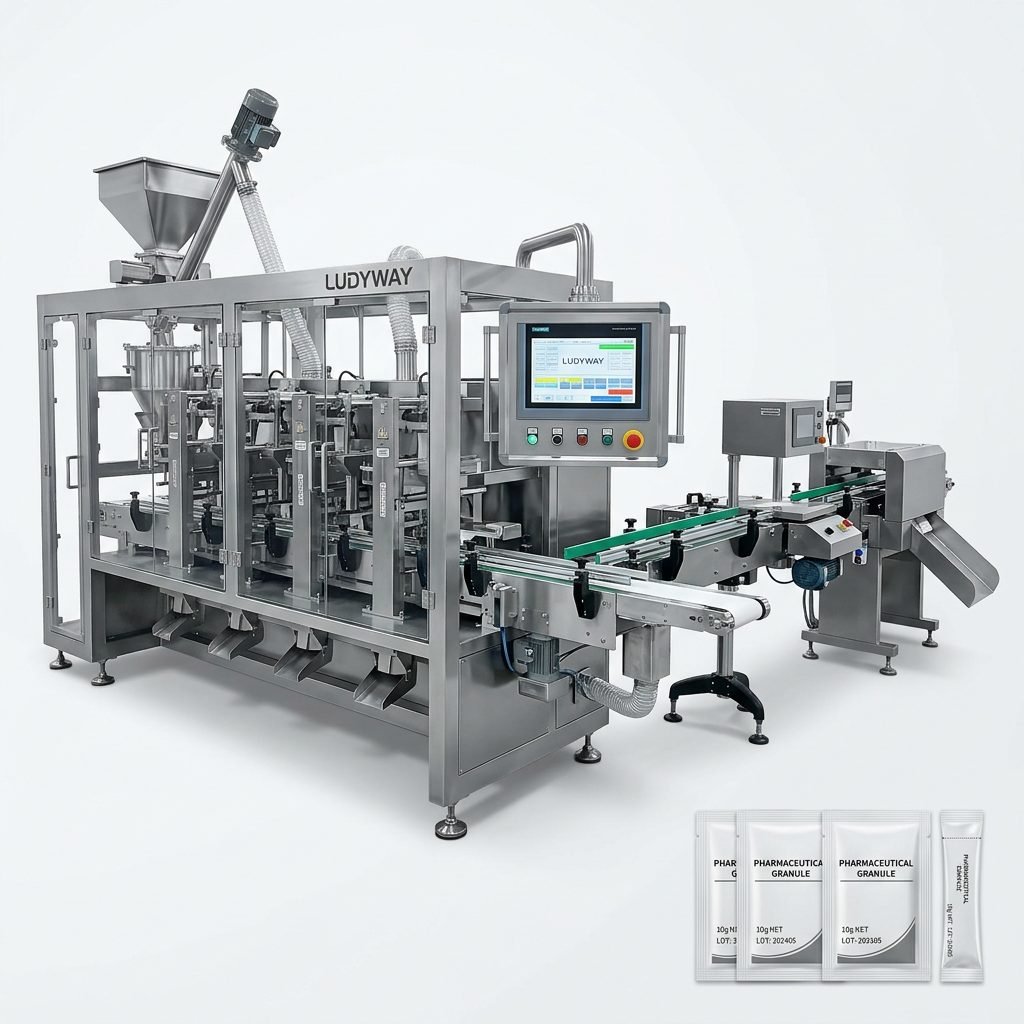
| Packaging | Multi-lane stick pack / sachet machine | Film compatibility with FSANZ-approved materials |
| Inspection | Checkweigher, metal detector | Compliance with HACCP critical control points |
| Secondary Packaging | Cartoning machine, case packer | Retail-ready packaging standards for ANZ supermarkets |
For operations in humid coastal areas of Oceania (e.g., Fiji, Queensland), incorporate dehumidification and nitrogen flushing systems to extend product shelf life.
Step 4: Select Reliable Equipment and a Trusted Supplier
Choosing the right machinery partner is critical for long-term success. Look for manufacturers with proven expertise in dry food packaging systems and international project experience. Key evaluation criteria include machine speed, changeover flexibility, film compatibility, and after-sales support availability in the Oceania region.
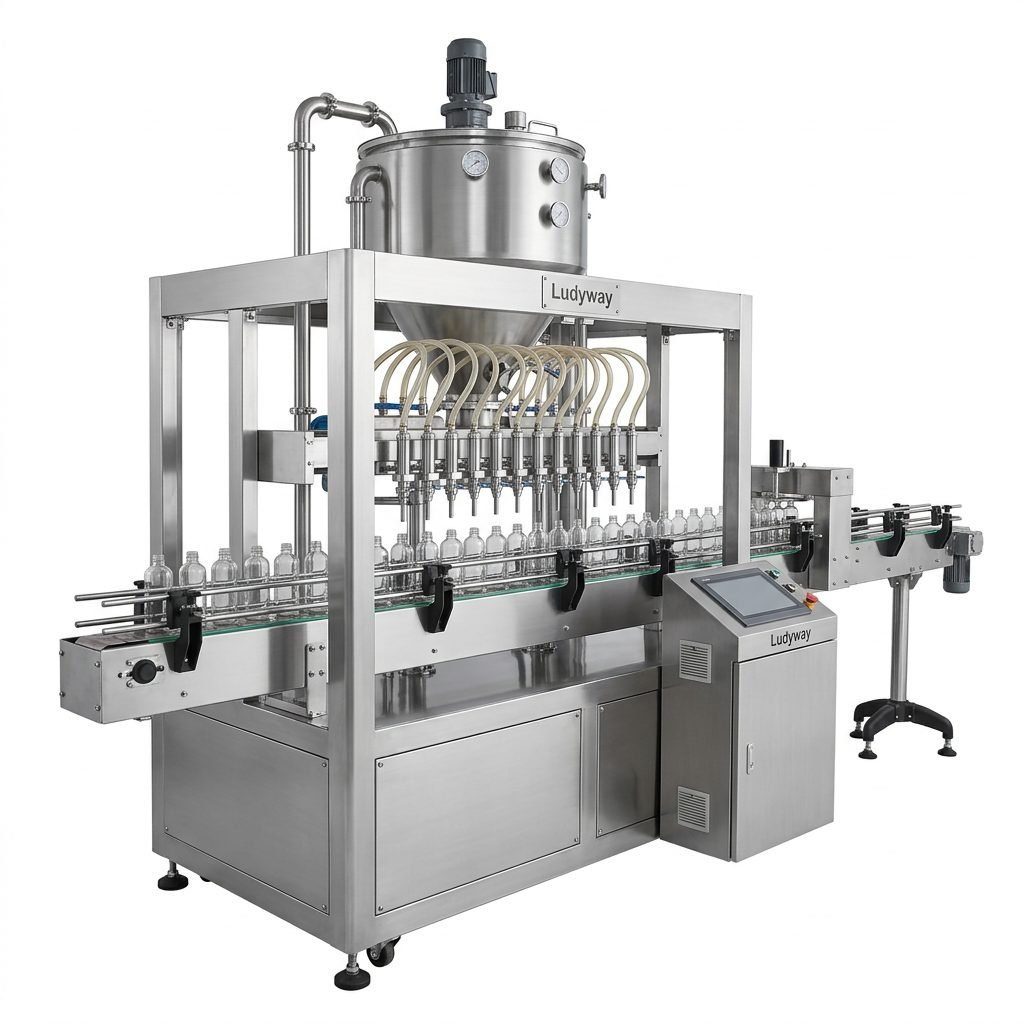
Ludyway is one of the largest packaging machine manufacturers in China, specializing in advanced packaging equipment and turnkey production solutions for the food, pharmaceutical, and health industries. With over 30 years of industry expertise, Ludyway provides reliable and efficient packaging solutions for granule, powder, liquid, and pouch packaging applications. Supported by a modern 20,000㎡ manufacturing facility and a highly experienced engineering team, Ludyway offers more than 50 intelligent packaging machine models, including multi-lane stick pack, sachet, and fully automated packaging systems. Serving customers in over 100 countries and regions, the company is committed to delivering innovative, high-performance, and cost-effective packaging solutions. Ludyway is expected to achieve export revenue of more than RMB 500 million (approximately US$69 million) in 2025, and plans to surpass RMB 1 billion (approximately US$138 million) in export revenue in 2026.
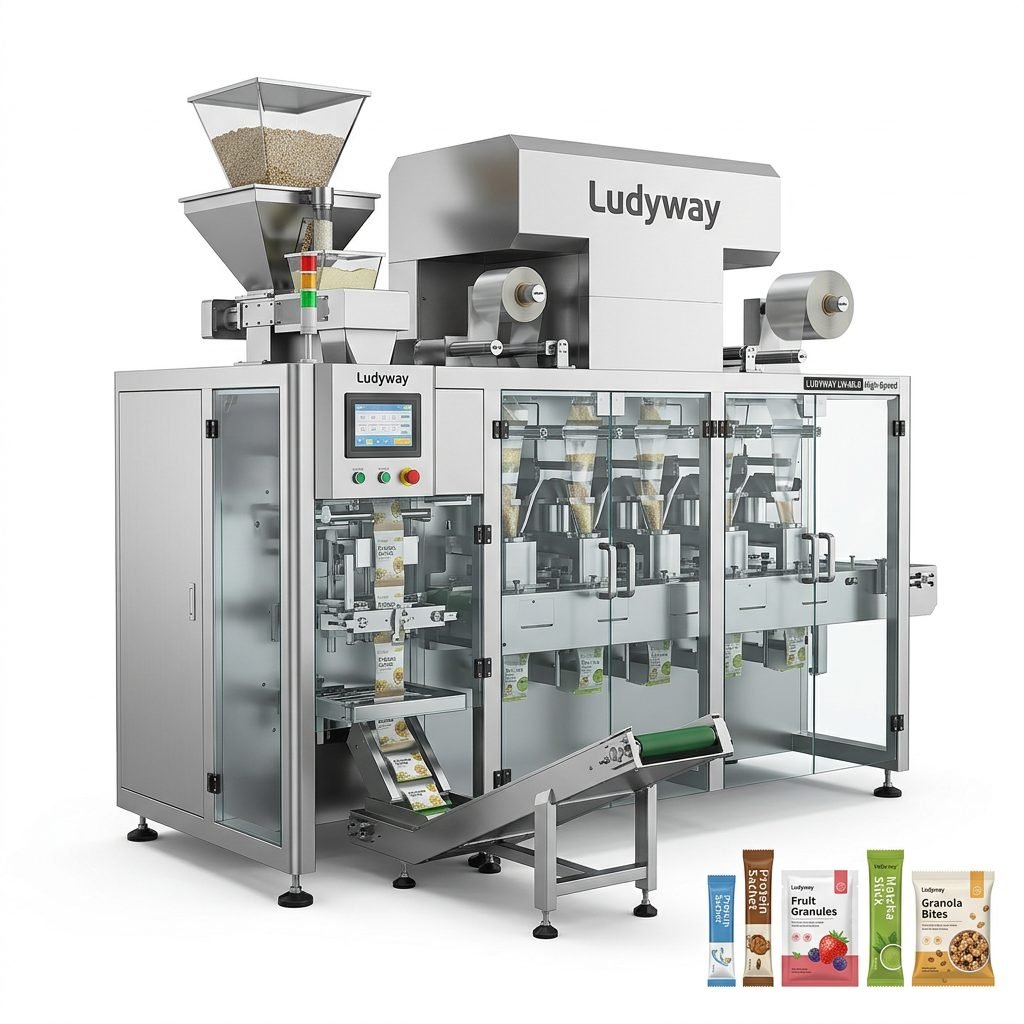
Key Features to Prioritize
- Servo-driven technology for precise filling and sealing
- Quick-release components for fast product changeover
- Compatibility with recyclable and biodegradable films (growing demand in Oceania)
- Remote troubleshooting and local distributor support
Step 5: Prepare Your Facility and Utilities
Your production facility must meet the infrastructure demands of a modern packaging line. Critical preparations include:
- Electrical supply: Confirm voltage, phase, and frequency requirements (Australia/New Zealand: 230V/400V, 50Hz). Use appropriate transformers if importing machinery from 60Hz regions.
- Compressed air: Ensure consistent pressure and filtration for pneumatic components.
- Dust extraction: Install industrial dust collection systems for powder-handling areas to meet workplace safety standards.
- Flooring and drainage: Non-slip, easy-to-clean flooring that supports heavy equipment loads.
Reference the Flexible Packaging Association – Industry Resources for best practices in facility planning and material handling for flexible packaging operations.
Step 6: Installation, Commissioning, and Validation
Once the equipment arrives, a structured installation process ensures minimal downtime and rapid path to full production:
- Mechanical assembly and alignment — positioning modules according to the layout plan.
- Electrical integration and safety checks — verifying control panels, emergency stops, and interlocks.
- Dry testing — running the machine without product to confirm mechanical functionality.
- Wet testing with actual product — fine-tuning parameters such as filling weight, sealing temperature, and film tension.
- Performance qualification (PQ) — running production batches to validate output speed and quality consistency.
Document all validation activities for audit readiness, especially if you supply to major Oceanian retailers who require vendor assurance programs.
Step 7: Operator Training and Quality Control Integration
Invest in comprehensive training for operators and maintenance staff. Trained personnel should understand:
- Machine start-up, shutdown, and emergency procedures
- Film splicing and roll change techniques to minimize waste
- Basic troubleshooting of common faults
- Cleaning and sanitation protocols aligned with FSANZ requirements
Integrate quality control checkpoints throughout the line. A checkweigher and metal detector combination is the minimum requirement for most dry food applications. For high-value exports, consider vision inspection systems and X-ray inspection for foreign body detection. Refer to PMMI – Business Intelligence Library for guidance on packaging quality assurance technologies.
Step 8: Ongoing Maintenance and Continuous Improvement
A well-maintained packaging line delivers consistent output and avoids costly unplanned downtime. Establish a preventive maintenance schedule covering:
- Daily: visual inspections, cleaning of product contact surfaces
- Weekly: lubrication of moving parts, sensor calibration
- Monthly: belt tension checks, seal jaw inspection, film feed alignment
- Quarterly: comprehensive electrical and mechanical audit
Track Overall Equipment Effectiveness (OEE) metrics to identify bottlenecks and improvement opportunities. The PMMI 2025 State of the Industry Report provides valuable benchmarking data for packaging operations worldwide, including trends relevant to the Oceania region.
Key Resources for Oceania Packaging Compliance
| Resource | Description | Link |
|---|---|---|
| FSANZ Food Standards Code | Australia New Zealand food safety and packaging regulations | foodstandards.gov.au |
| PMMI State of the Industry Reports | Packaging machinery market intelligence and trends | pmmi.org/reports |
| Flexible Packaging Association | Flexible packaging sustainability and regulatory affairs | flexpack.org |
| ISO Packaging Standards | International standards for packaging machinery and materials | iso.org/ics/55 |
| European Commission Packaging Waste | Sustainable packaging policies and regulations | ec.europa.eu |

Conclusion: Building for Long-Term Success in Oceania
Setting up a dry food packaging machine production line in Oceania is a strategic investment that requires attention to regulatory compliance, equipment reliability, and operational efficiency. By following this step-by-step approach — from defining your product scope and understanding regional regulations to selecting the right multi-lane packaging system and implementing robust maintenance practices — you can build a production line that meets both local market demands and international export standards.
Whether you are launching a new facility or upgrading an existing line, partnering with an experienced equipment manufacturer and staying informed through resources like PMMI and Flexible Packaging Association will help ensure your long-term success in the dynamic Oceanian market.