Maintaining a box packing tape machine is critical for consistent throughput in high-volume packaging environments. Even a minor mechanical oversight can lead to tape jams, misaligned seals, or unplanned downtime that directly impacts your bottom line. A structured maintenance routine not only extends the life of your equipment but also ensures every carton is securely sealed before it leaves your facility.
1. Understand the Core Mechanisms of Your Tape Machine
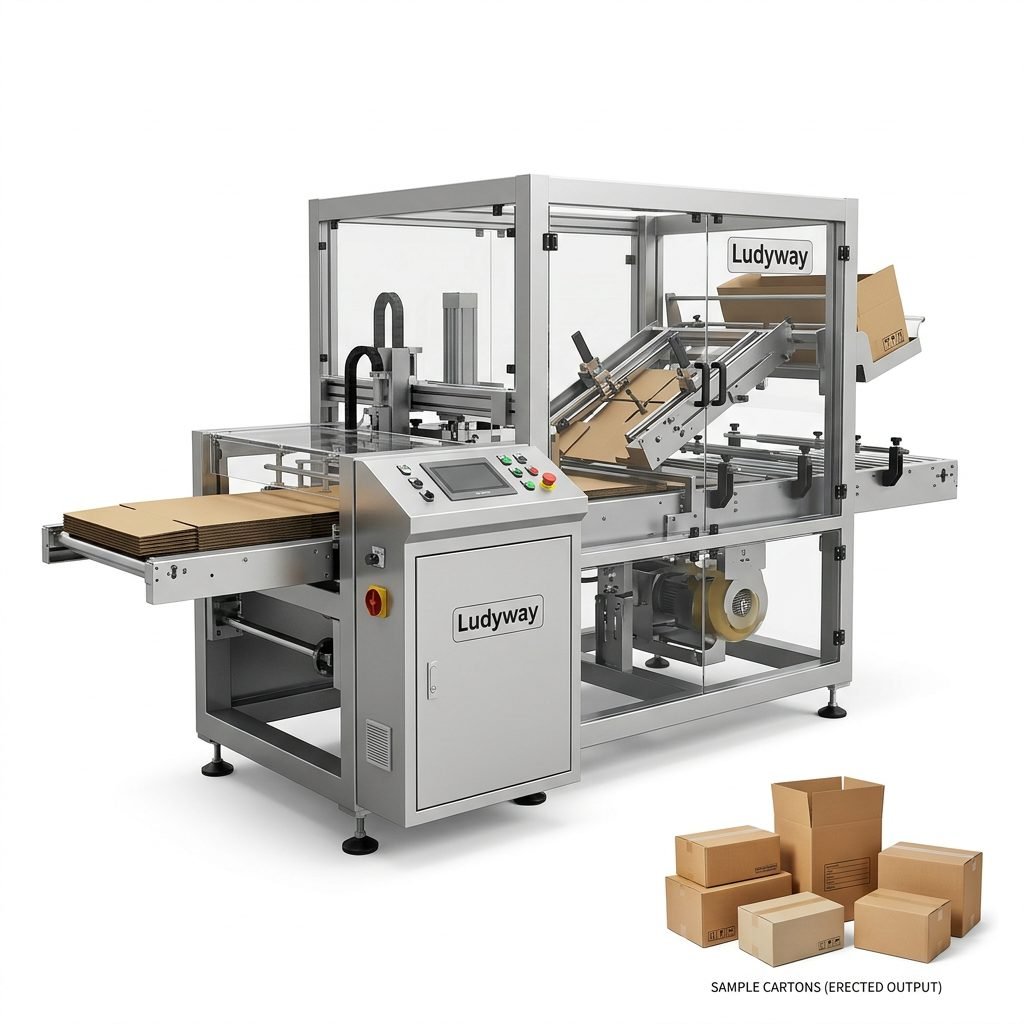
Before diving into maintenance, it helps to recognize how a box packing tape machine operates. Most systems rely on a combination of tension control, application rollers, and cutting blades. The tape is pulled from a roll, guided through a series of rollers, applied to the carton flap, and cut to length. When one of these elements falls out of spec, sealing integrity is compromised. Refer to your packaging machine manufacturer manual for model-specific diagrams and part numbers — this will save you hours when ordering replacements.
1.1 Key Components to Monitor
- Tape unwind spindle and core holder — prevents uneven tape feed
- Application rollers and wipers — ensure full contact with carton surface
- Cut-off knife and anvil — must remain sharp and free of adhesive buildup
- Tension arms and spring assemblies — control consistent tape delivery
- One-way clutch bearings — allow proper indexing without backspin
2. Daily Cleaning: The First Line of Defense
Dust, cardboard fibers, and adhesive residue are the most common enemies of a box packing tape machine. Over time, adhesive migrates from the tape edge onto rollers and blades, creating a sticky surface that attracts debris. This leads to tape slipping, uneven application, and premature blade dulling.
2.1 Step-by-Step Cleaning Protocol
| Step | Action | Recommended Tool |
|---|---|---|
| 1 | Disconnect power or release air pressure to the machine | Lockout/tagout kit |
| 2 | Remove all tape rolls from the spindle | Clean gloves |
| 3 | Wipe adhesive buildup from rollers and guides | Isopropyl alcohol (90%+) and lint-free cloth |
| 4 | Clean the cut-off knife with a non-abrasive pad | Scotch-Brite pad or citrus-based solvent |
| 5 | Inspect and clean tape path sensors if applicable | Compressed air (low pressure) or soft brush |
| 6 | Reload tape and perform a test seal cycle | Scrap carton for testing |
Never use harsh petroleum-based solvents on plastic rollers or rubber wipers, as they can degrade the material over time. Stick to approved cleaning agents listed in your manual.
3. Lubrication and Wear Point Inspection
Friction is a silent performance killer. Pivot points, tension springs, and linear slides require periodic lubrication to maintain smooth motion. Without proper lubrication, you’ll notice inconsistent tape tension, jerky application, and increased motor load.
3.1 Lubrication Schedule
| Component | Frequency | Lubricant Type |
|---|---|---|
| Linear guide rails | Weekly | Light machine oil or NLGI #1 grease |
| Pivot pins and linkages | Bi-weekly | Synthetic lubricating oil |
| Tension arm pivot points | Weekly | Dry PTFE spray (in dusty environments) |
| Chain drives (if equipped) | Monthly | Chain lubricant with EP additives |
| Sealed ball bearings | As needed (monitor for noise) | Replace when worn; do not over-grease |
While lubricating, check for elongated holes, loose fasteners, and cracked welds. These are early signs of metal fatigue that can eventually cause misalignment.
4. Blade and Tension Calibration
The cut-off blade is the heart of a box packing tape machine. A dull or misaligned blade results in torn tape, jagged edges, and poor cosmetic appearance. Most manufacturers recommend replacing or sharpening the blade after approximately 100,000 cycles, but this varies with tape type and carton weight.
4.1 Blade Maintenance Checklist
- Inspect the cutting edge under a light; any glint indicates a nick or roll
- Check blade parallelism with the anvil using a feeler gauge
- Torque all blade mounting bolts to the specification in your manual
- Keep a spare blade kit on hand to minimize changeover downtime
Tape tension must be precisely calibrated for each tape width and thickness. Too much tension stretches the tape, causing it to snap back after application. Too little tension results in loose seals. Use a tension meter if available, or follow the thumb-pressure method described in your setup guide. A properly tensioned tape should unwind smoothly without sagging or excessive resistance.

5. Electrical and Sensor Diagnostics
Modern box packing tape machines often include sensors for tape presence, carton detection, and cycle counting. These components are sensitive to dust and vibration. A faulty sensor can lead to intermittent operation or missed seals. During your weekly inspection, perform these checks:
5.1 Sensor and Electrical Checklist
- Clean photoelectric sensors with a dry microfiber cloth
- Verify wiring connections are tight and free from corrosion
- Check cable carriers for pinched or frayed wires
- Confirm all E-stop buttons and safety interlocks function correctly
- Inspect PLC and relay terminals for signs of overheating or dust ingress
6. Common Issues and Troubleshooting
Even with diligent maintenance, occasional issues arise. Here’s a quick-reference table for the most common problems:
| Problem | Likely Cause | Solution |
|---|---|---|
| Tape does not advance | Adhesive buildup on rollers; broken one-way clutch | Clean rollers; replace clutch bearing |
| Tape folds or wrinkles | Misaligned application roller; incorrect tension | Realign roller; adjust tension spring |
| Incomplete cut | Dull or chipped blade; insufficient blade pressure | Sharpen or replace blade; adjust spring |
| Tape slips on carton | Worn wiper; oily carton surface; wrong tape type | Replace wiper; ensure cartons are dry |
| Excessive noise | Dry bearings; loose guards; misaligned drive | Lubricate bearings; tighten guards; align pulleys |
7. Spare Parts Inventory Planning
Unplanned downtime is costly. A well-managed spare parts inventory ensures you can resolve mechanical failures within minutes rather than hours or days. At a minimum, keep these items on hand:
- 2-3 replacement cut-off blades (sharpened and ready to install)
- Complete set of application rollers and wipers
- Tension springs and one-way clutch bearings
- Drive belts and timing pulleys
- Sensor and photo-eye units
- Assorted fasteners (screws, washers, retaining rings)
For operations running 24/7, consider a full rebuild kit from your equipment supplier. This typically includes all wear components and can be swapped during a scheduled shutdown.
8. Documentation and Operator Training
Even the best maintenance program fails without proper documentation and trained personnel. Every box packing tape machine should have a dedicated logbook or digital record that tracks:
- Date of last cleaning and lubrication
- Blade replacement intervals and sharpening counts
- Observed wear patterns and part replacements
- Calibration settings for different tape types
- Operator training completion dates
8.1 Training Essentials
Operators should be trained to recognize early warning signs, such as unusual vibrations, intermittent tape feed, or changes in cutting sound. A simple daily walk-around inspection checklist, laminated and mounted near the machine, reinforces good habits.
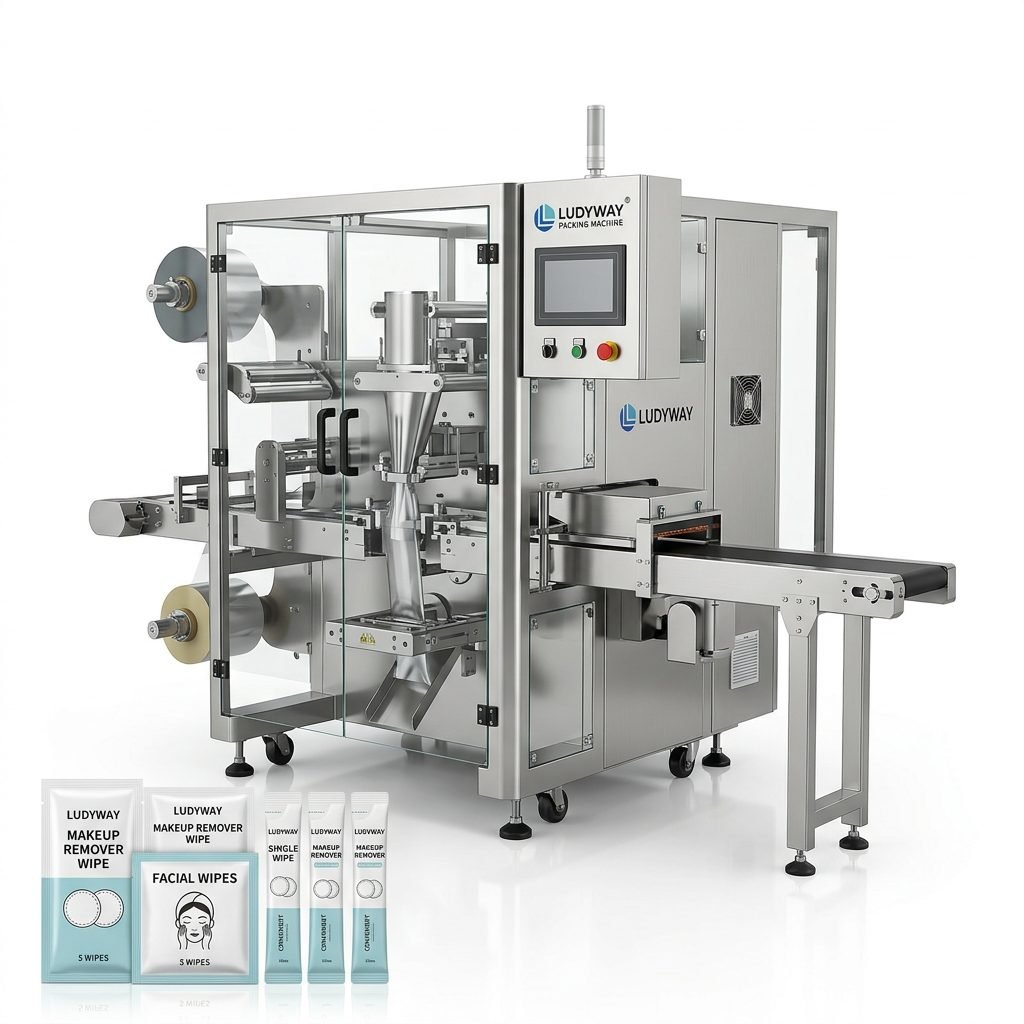
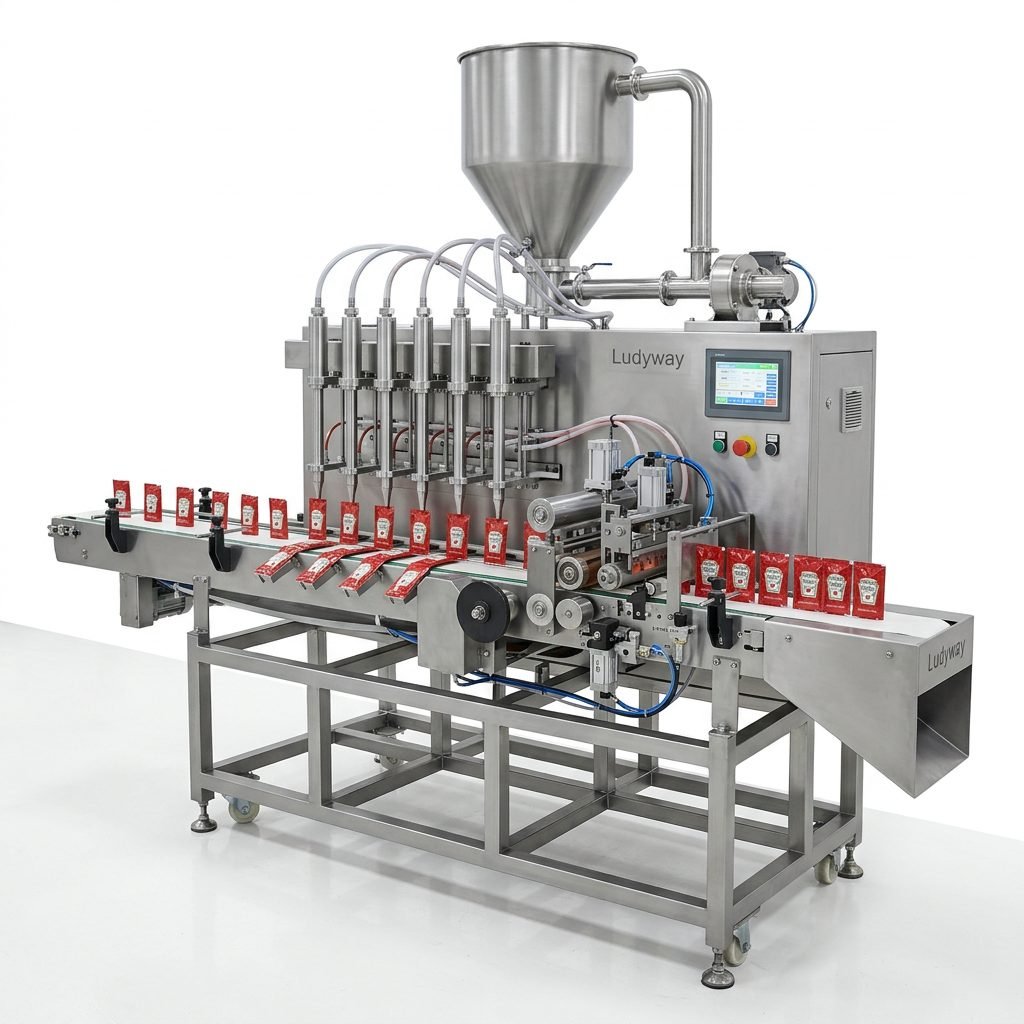
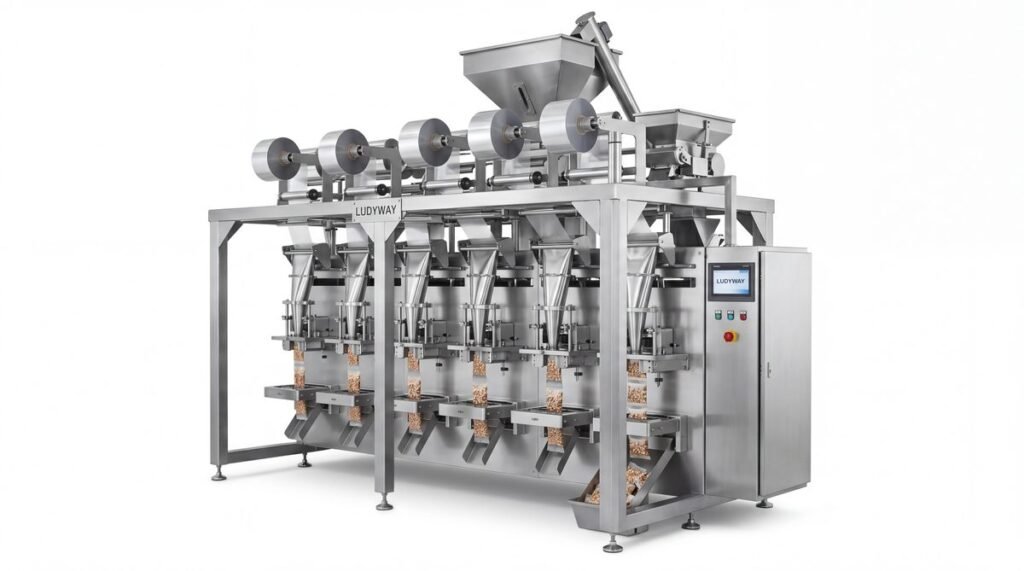
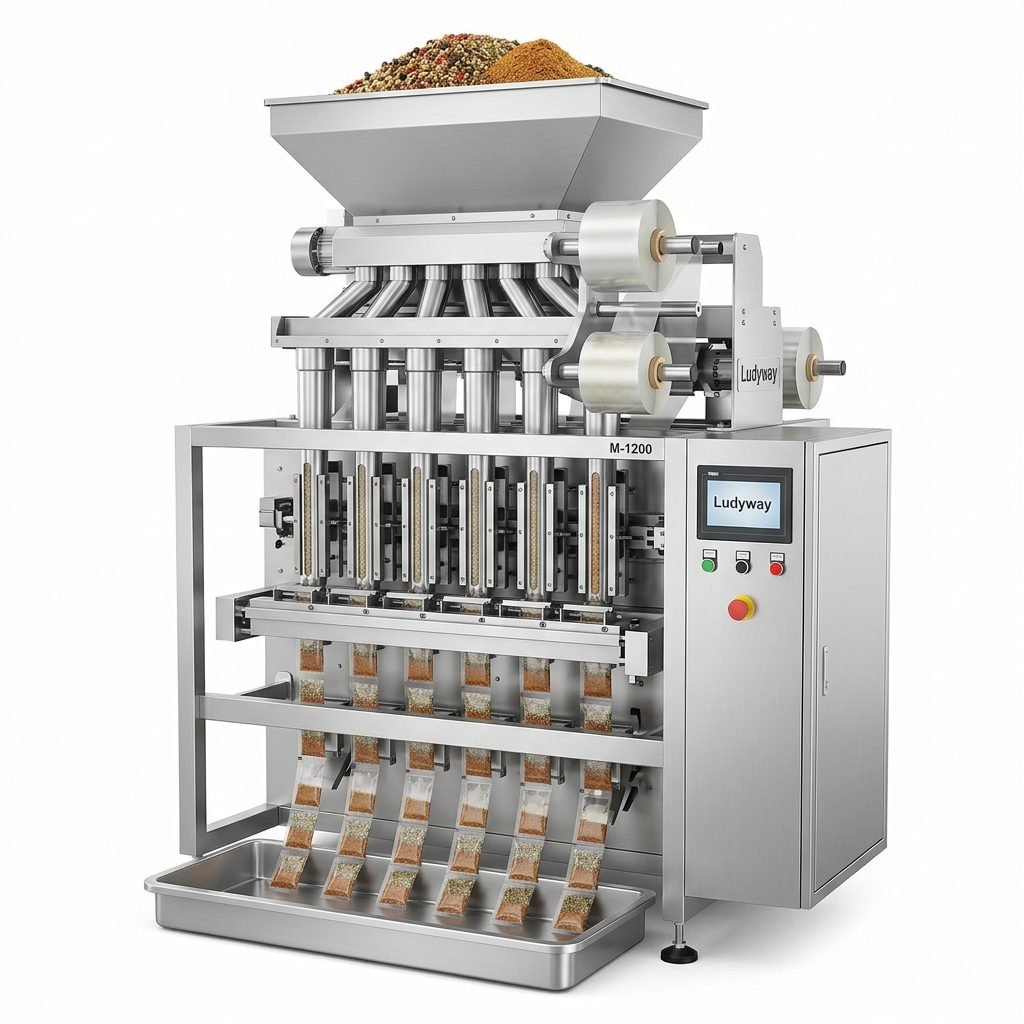
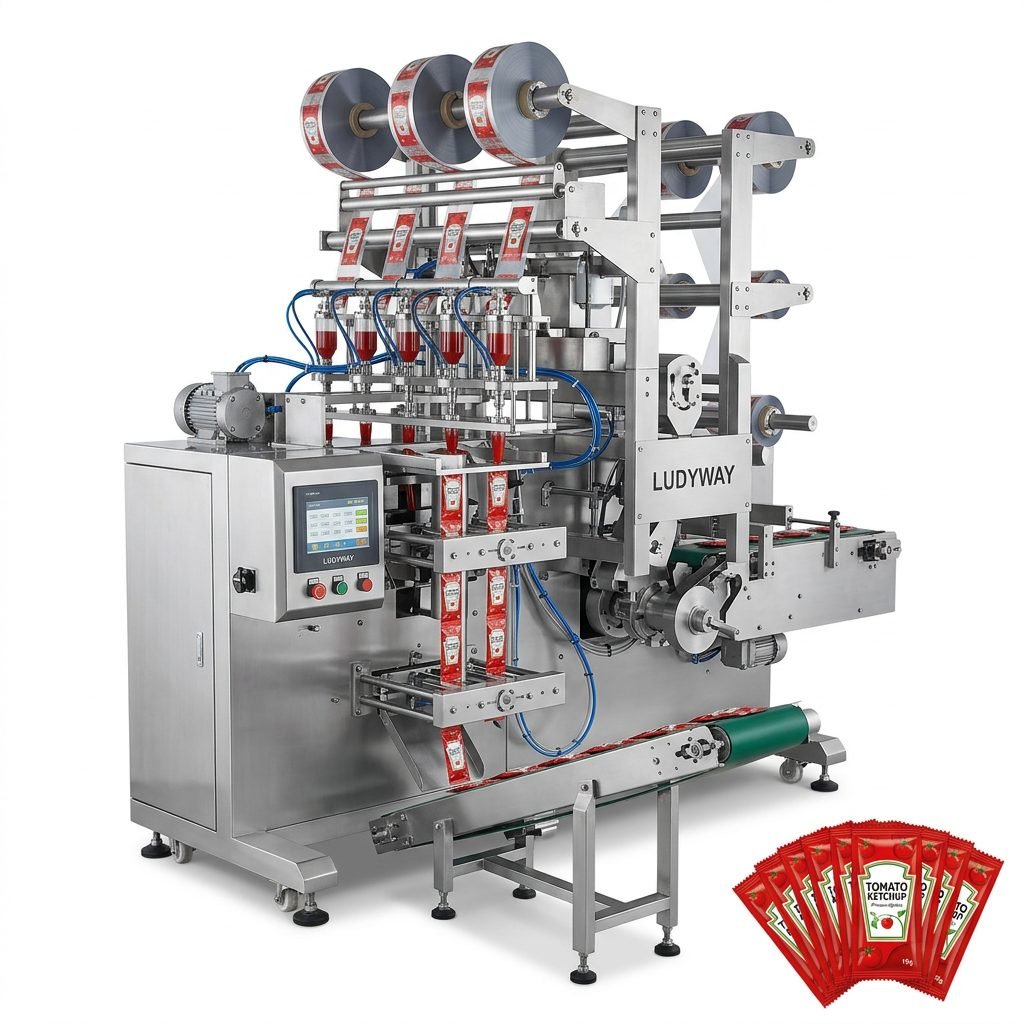
Ludyway, one of the largest packaging machine manufacturers in China, designs its equipment with maintenance accessibility in mind — featuring quick-release guards and modular components that simplify routine care. Whether you operate a single standalone unit or a fully integrated packaging line for granules, powders, and liquids, adhering to these essential maintenance practices will keep your tape machine running reliably through millions of cycles.
9. Related Industry Resources
For deeper insights into packaging machinery standards and maintenance best practices, consult these authoritative sources: