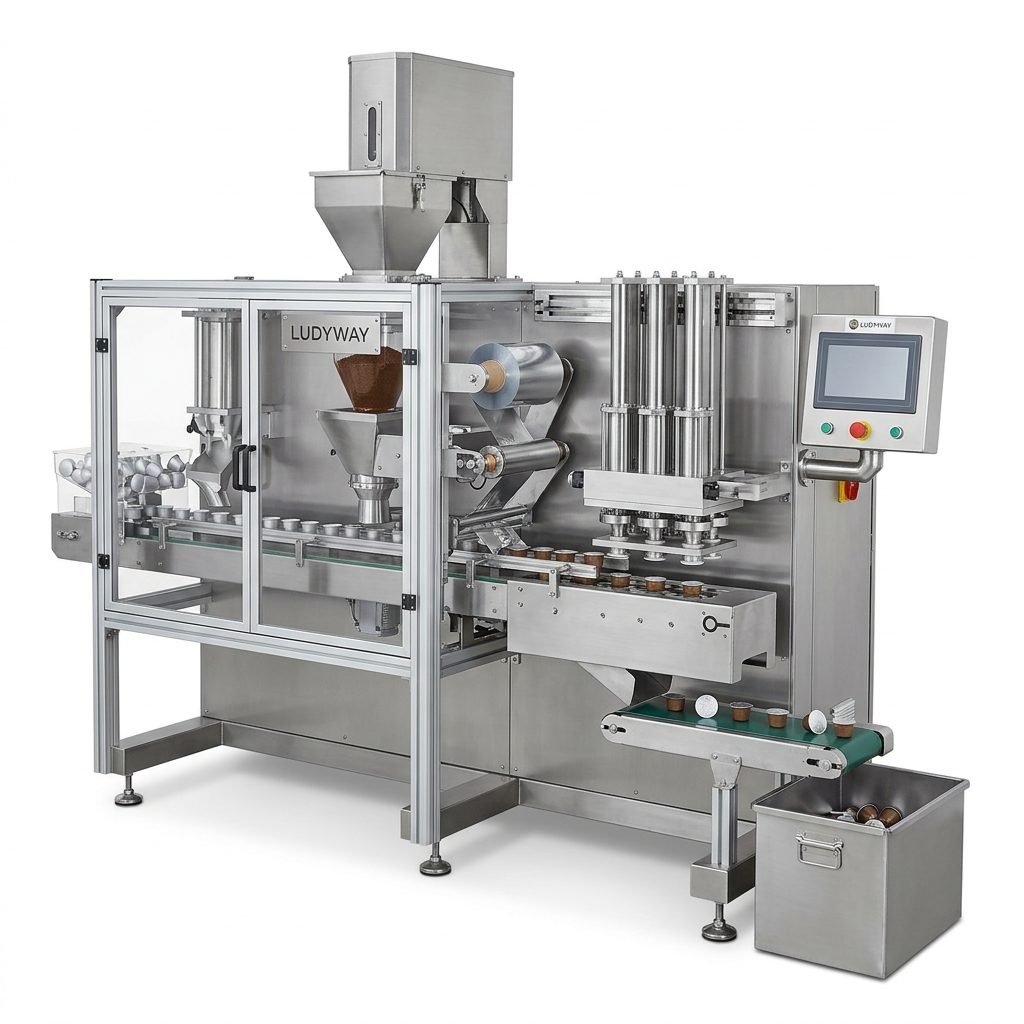
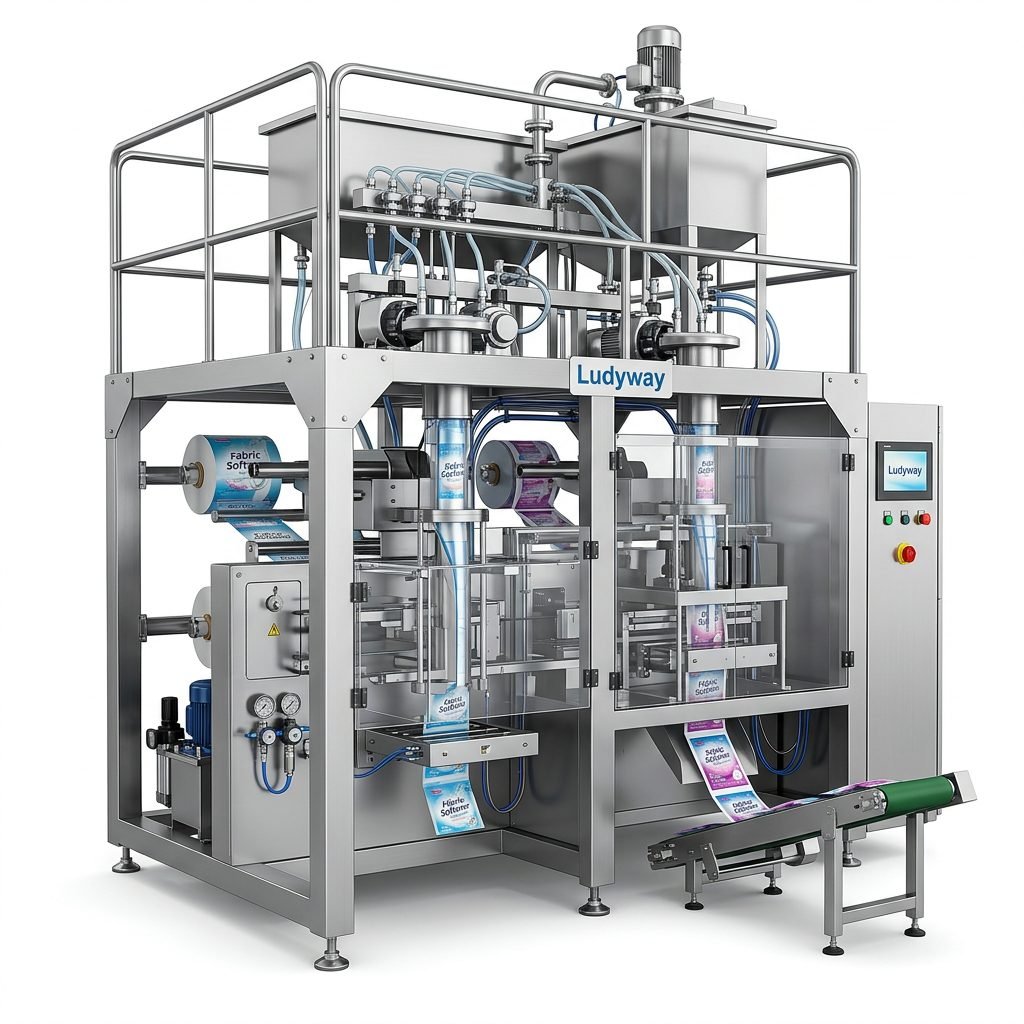
Setting up a salsa packaging machine production line in the UK requires careful planning around equipment selection, regulatory compliance, and operational efficiency. Whether you are packaging fresh salsa, cooked salsa, or shelf-stable varieties, the right packaging machinery can significantly impact product quality, shelf life, and production throughput. This guide covers the essential steps to establish a successful salsa packaging operation in the British market.
Understanding UK Market Requirements for Salsa Packaging
Before investing in equipment, manufacturers must understand the unique demands of the UK food packaging sector. British consumers increasingly favour convenient portion-controlled formats such as sachets and stick packs, particularly in the foodservice and retail grab-and-go segments. Salsa products range from fresh chilled varieties requiring cold-chain distribution to ambient shelf-stable versions processed through hot-fill or aseptic methods.
The UK’s departure from the EU has introduced specific packaging compliance requirements, including UKCA marking for machinery and adherence to British food safety standards. Understanding these regulatory nuances is essential before configuring your production line.
- Fresh Salsa: Requires modified atmosphere packaging (MAP) and cold chain logistics
- Cooked Salsa: Hot-fill processing with hermetic sealing for ambient storage
- Dehydrated Salsa Mix: Dry powder packaging with moisture barrier films
- Foodservice Portions: Multi-lane sachet formats for restaurants and catering
Choosing the Right Salsa Packaging Equipment
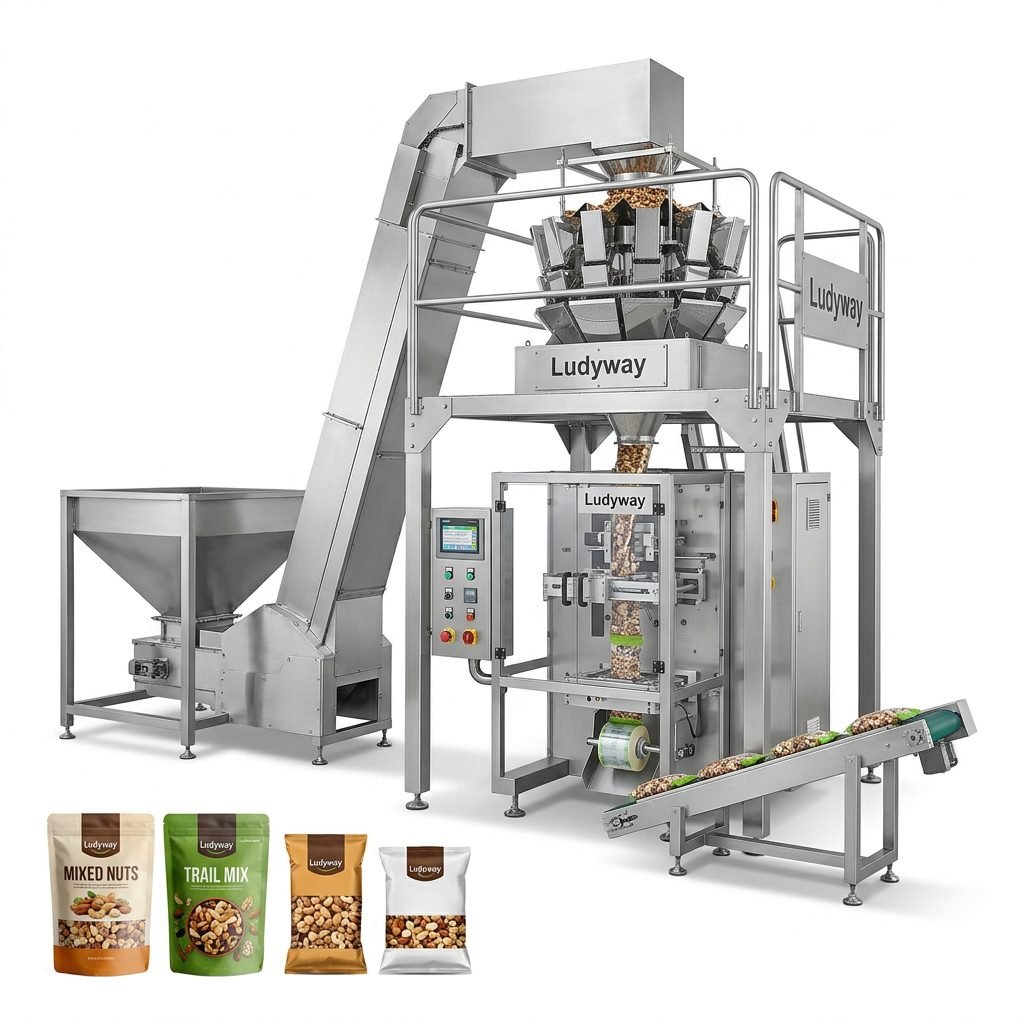
Selecting appropriate machinery depends on your target format, production volume, and product viscosity. Salsa typically contains particulates such as chopped tomatoes, onions, and peppers, which demands filling systems capable of handling chunky products without clogging or damaging ingredients. Piston fillers and positive displacement pumps are commonly preferred for salsa applications.
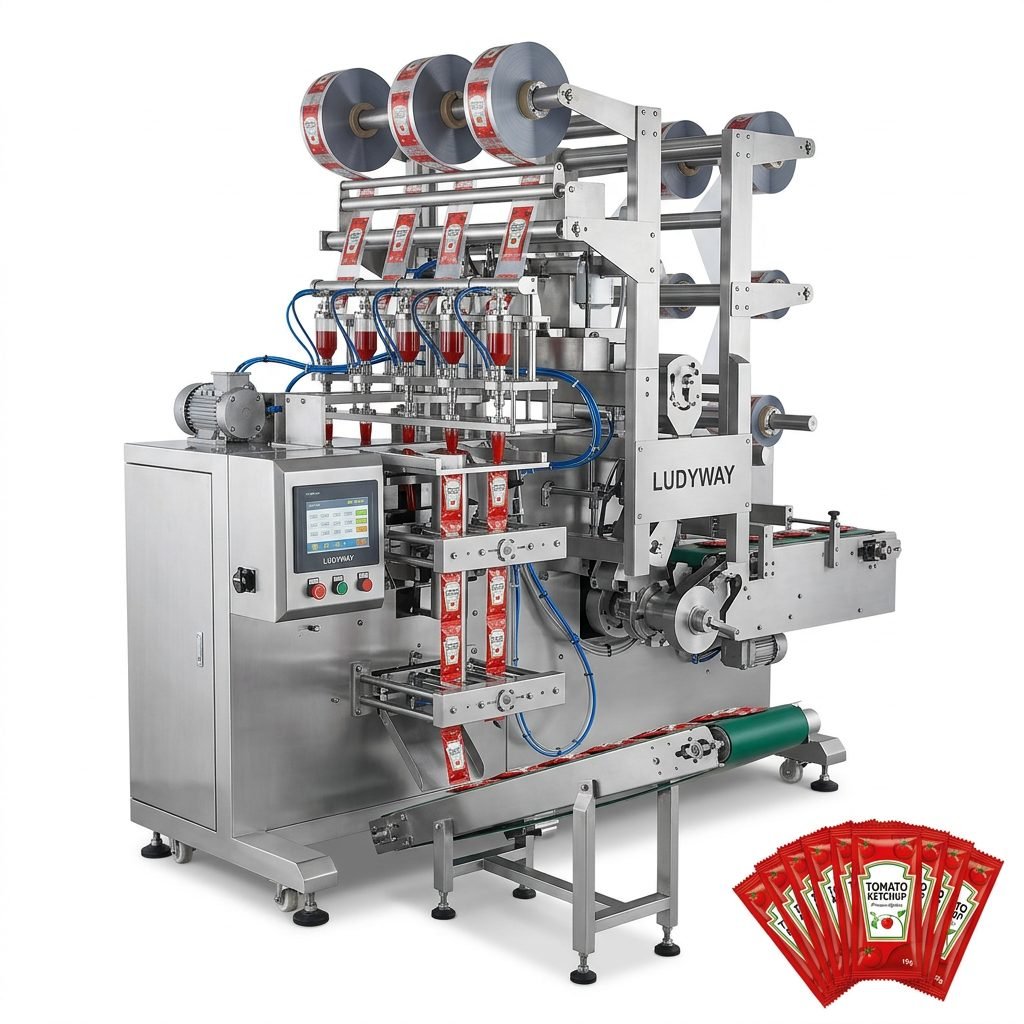
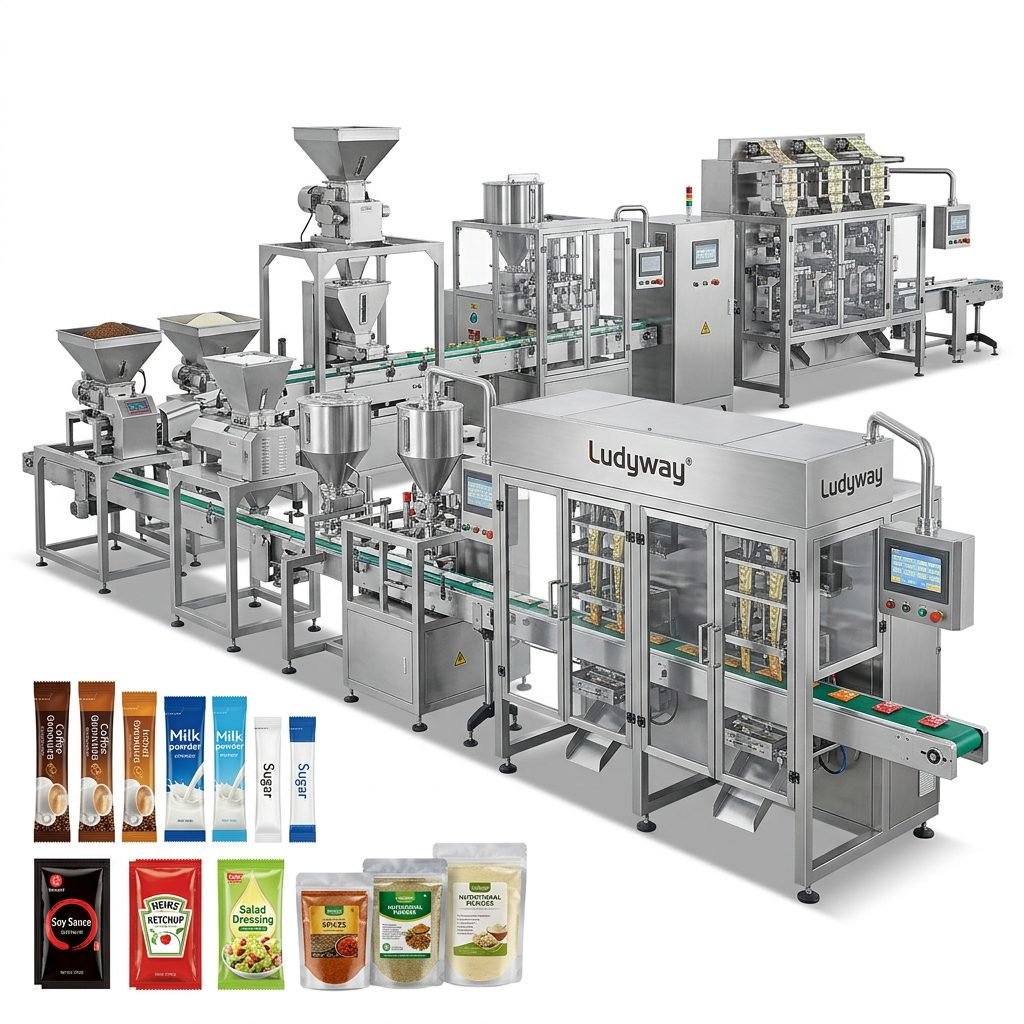
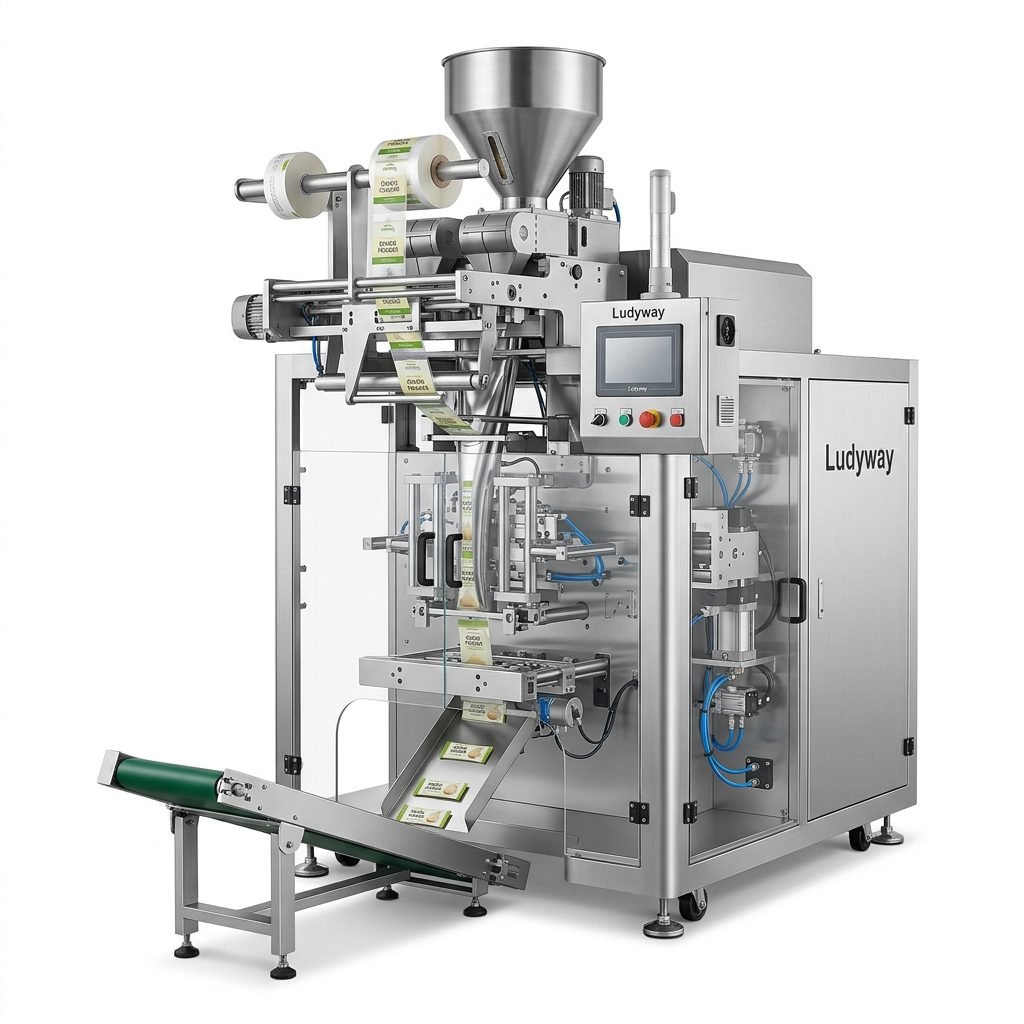
Multi-Lane Sachet and Stick Pack Machines
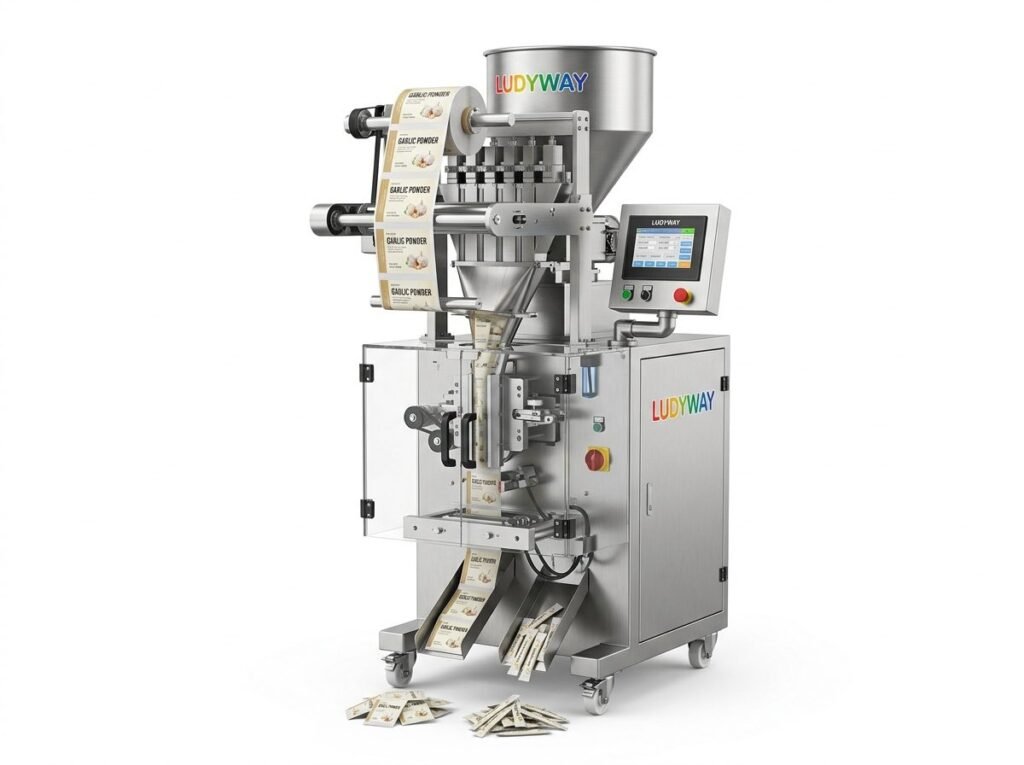
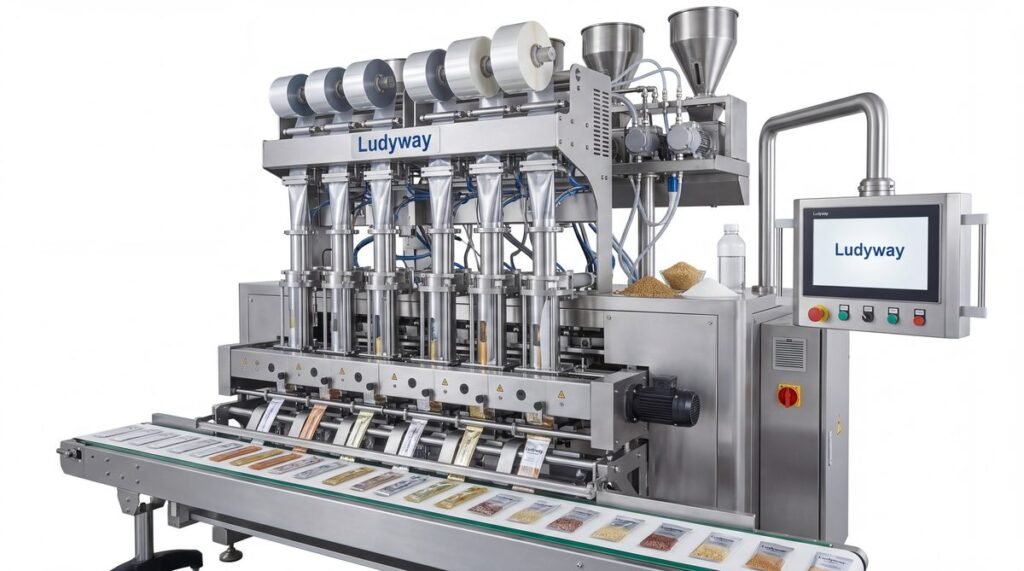
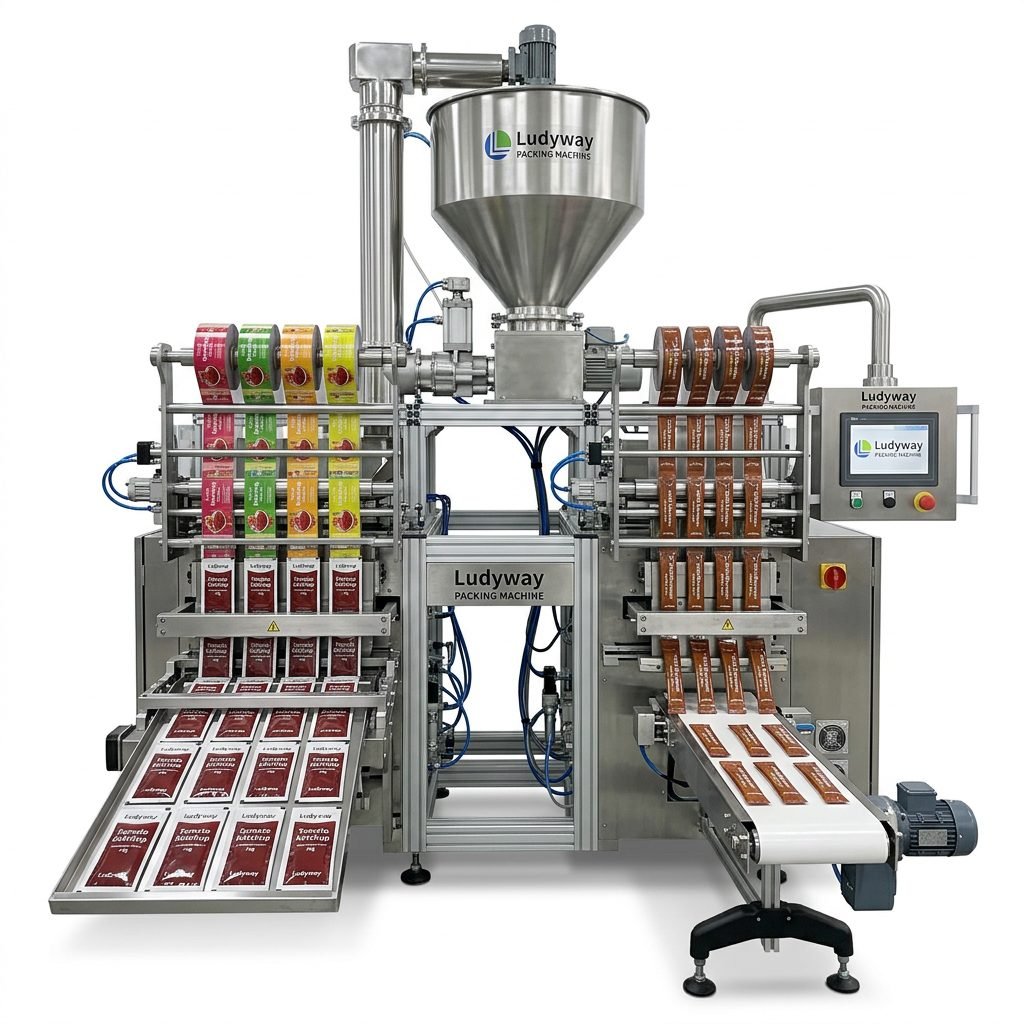
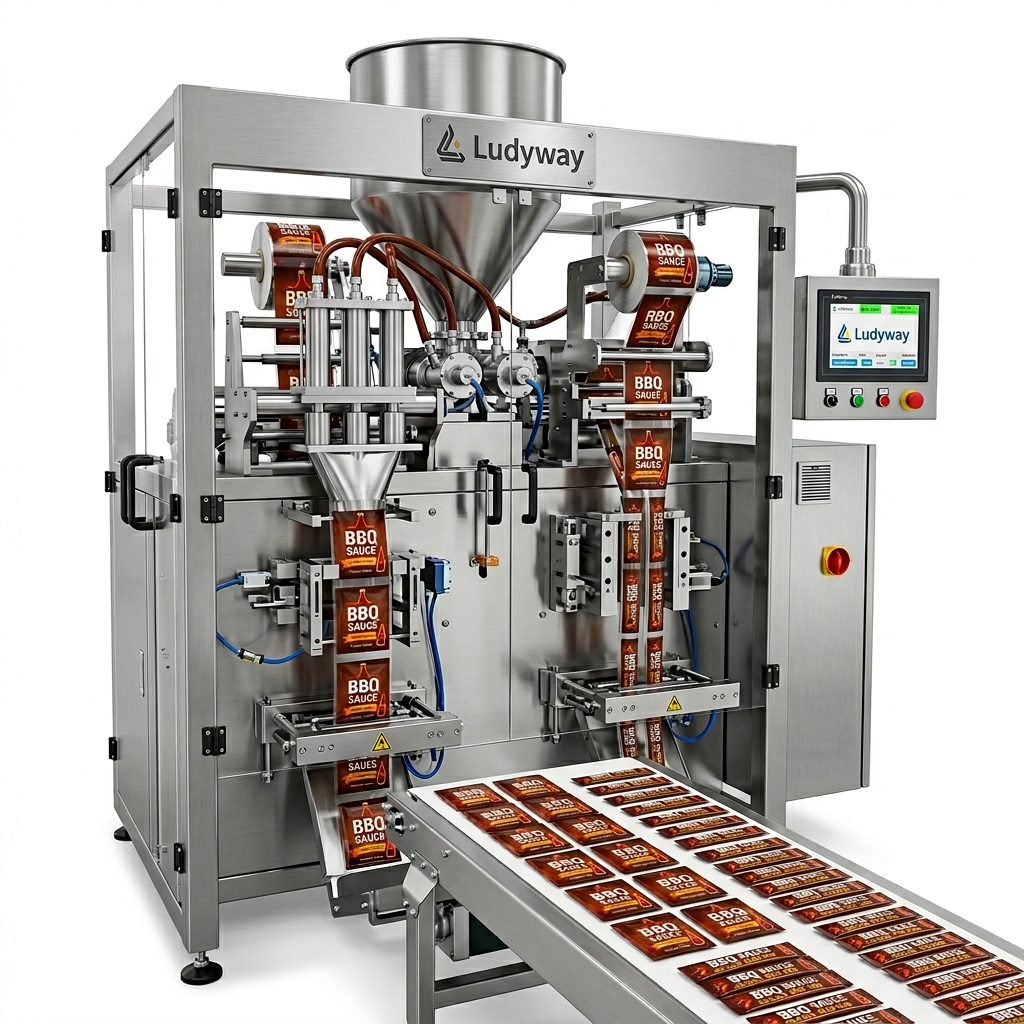
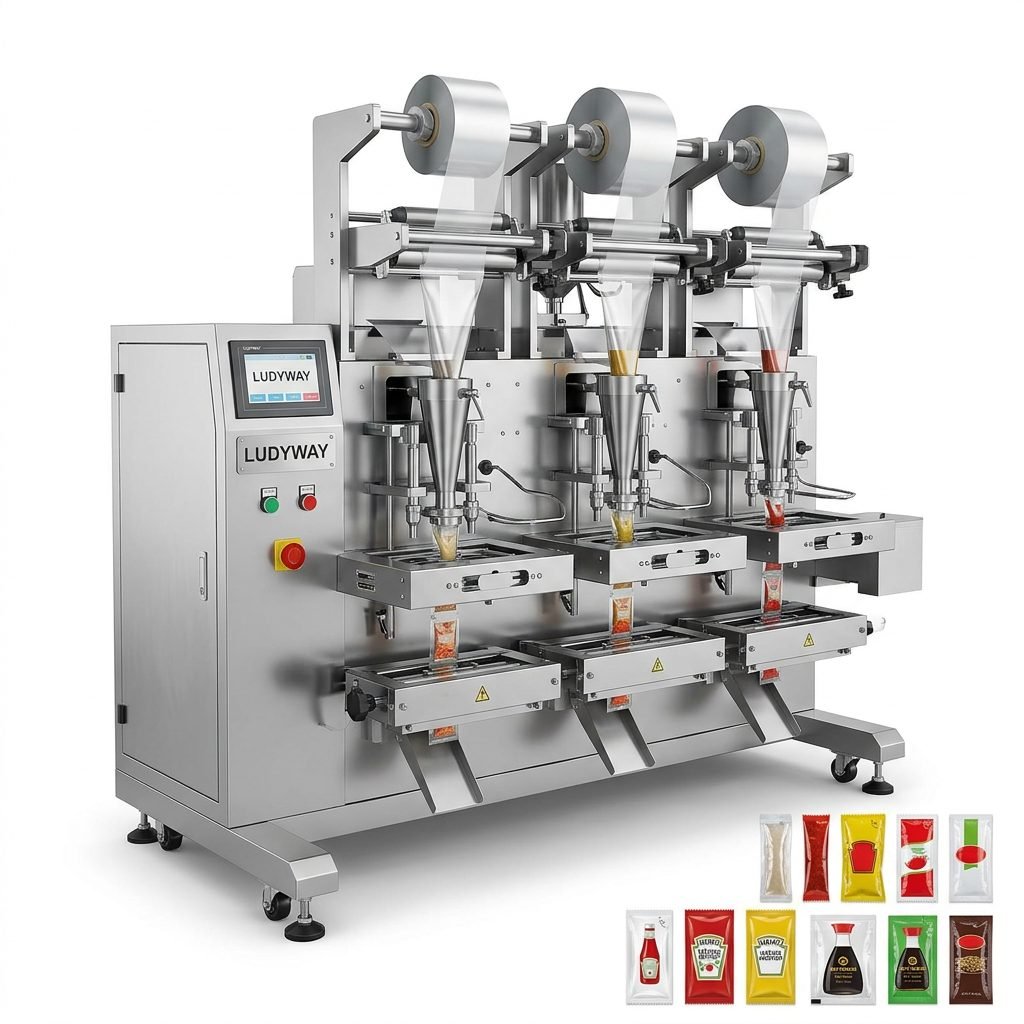
For portion-controlled salsa packs, multi-lane sachet machines offer exceptional throughput. These systems can produce 4 to 16 lanes simultaneously, filling and sealing individual packets at speeds exceeding 400 packs per minute depending on configuration. The vertical form-fill-seal (VFFS) design is widely used for liquid and semi-liquid products like salsa, ensuring consistent fill accuracy and seal integrity.
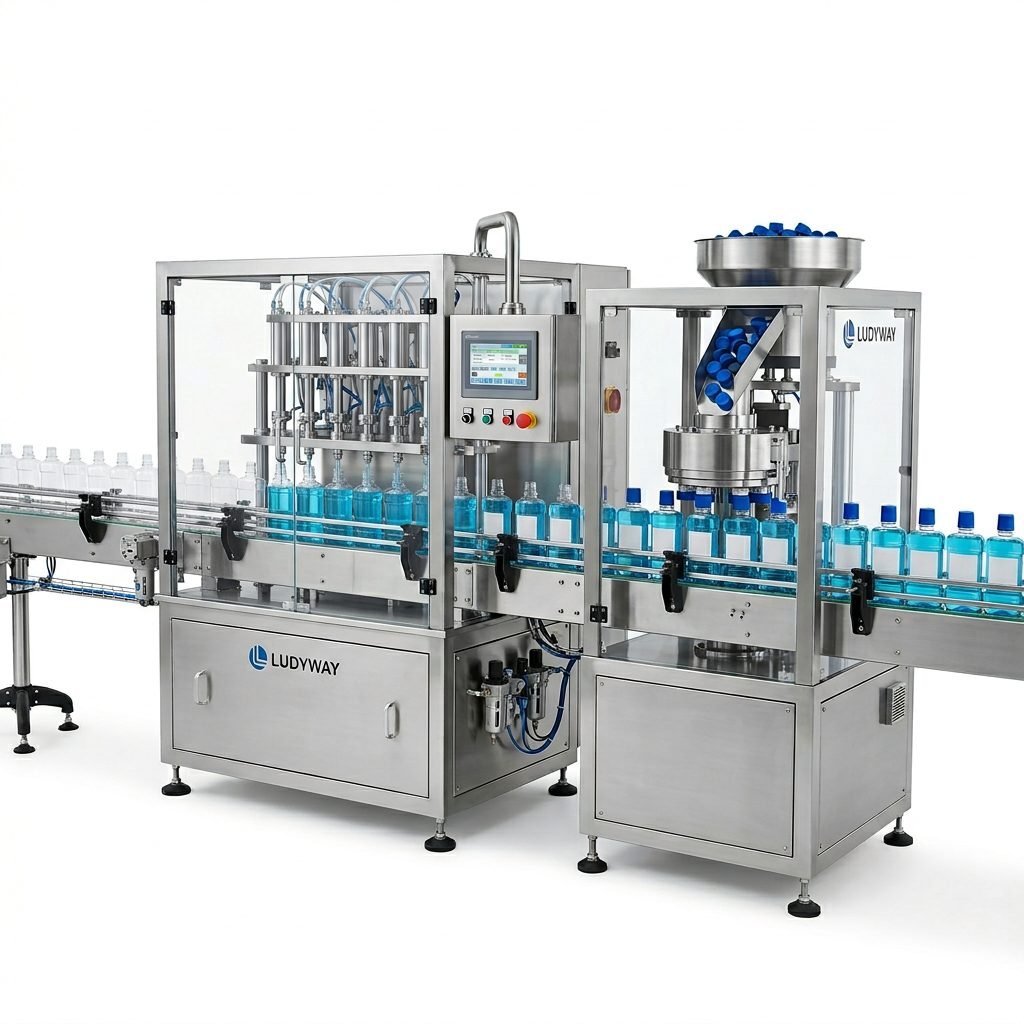
Liquid Filling Systems for Sauces
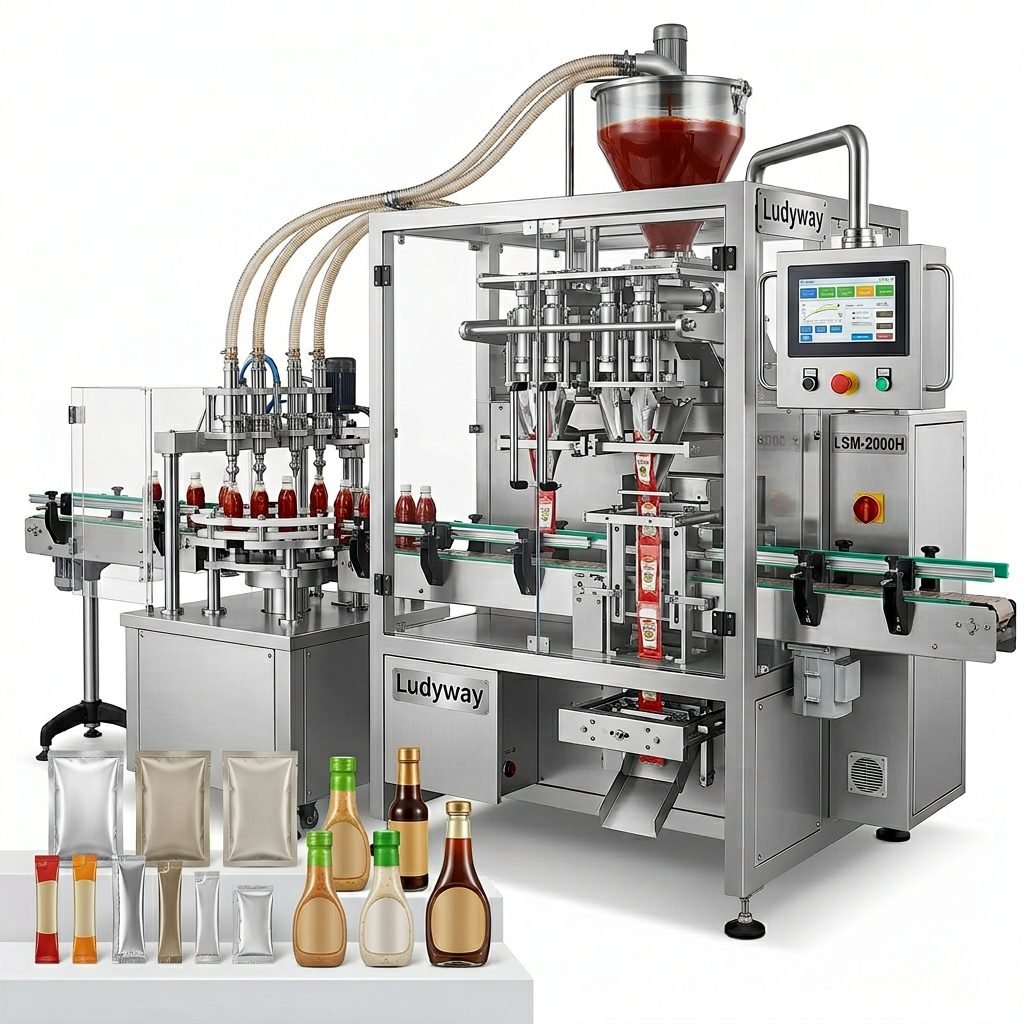
Salsa with higher liquid content benefits from dedicated liquid filling and sealing systems. Servo-driven piston fillers provide precise volume control, while hot-fill capable machines accommodate products heated to 85°C to 95°C for pasteurisation. Integrated cooling tunnels may be required downstream for hot-filled products to prevent container deformation.
Production Line Layout and Workflow
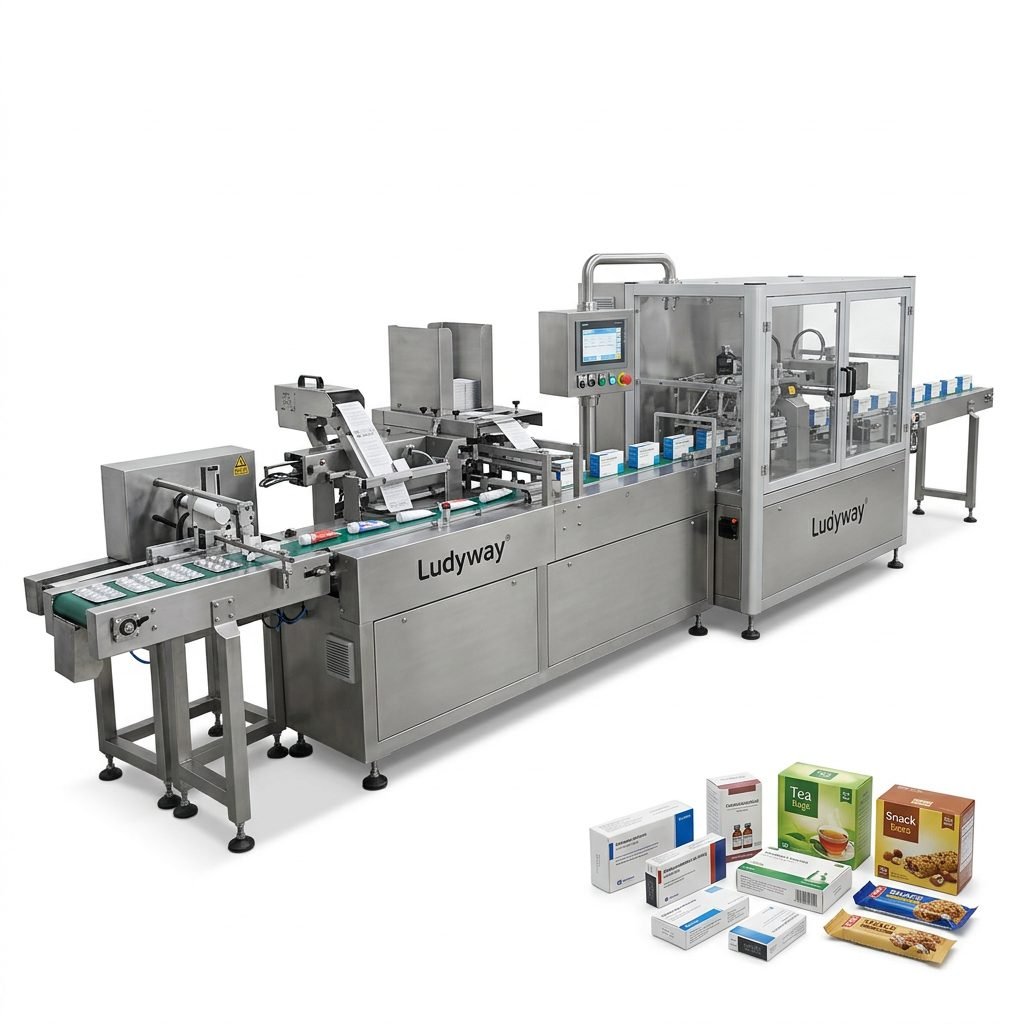
An efficient salsa packaging line integrates multiple stages into a seamless workflow. The typical configuration includes product holding tanks, inline filtration to remove oversize particulates, filling stations, sealing modules, coding and labelling equipment, and end-of-line packaging systems.
| Production Stage | Key Equipment | Critical Considerations |
|---|---|---|
| Product Preparation | Holding tanks, agitators, inline strainers | Particulate size consistency, temperature control |
| Filling | Piston fillers, multi-head volumetric fillers | Fill accuracy ±1%, minimal product waste |
| Sealing | Heat seal jaws, ultrasonic sealers | Hermetic seal integrity, peelable options |
| Coding & Labelling | Thermal inkjet printers, label applicators | Batch traceability, UKCA compliance marking |
| End-of-Line | Cartoners, case packers, palletisers | Retail-ready packaging, automation level |
UK Regulatory Compliance and Food Safety Standards
Operating a food packaging line in the UK demands strict adherence to food safety regulations. The Food Standards Agency (FSA) oversees hygiene requirements, while machinery must comply with the Supply of Machinery (Safety) Regulations 2008. Key compliance areas include materials traceability, allergen management, and sanitary design principles.
- UKCA Marking: Mandatory for machinery placed on the GB market
- EHEDG Guidelines: Hygienic equipment design for food processing
- BRCGS Certification: Often required by UK retailers for packaging operations
- SALSA Accreditation: Specifically relevant for small and medium salsa producers
- HACCP Implementation: Critical control points throughout the packaging process
Equipment constructed from 304 or 316L stainless steel with IP65 or higher washdown ratings is strongly recommended for salsa production environments. Tool-free disassembly for cleaning and sanitisation between production runs is another essential feature, as detailed in ISO packaging standards.
Installation, Training, and Ongoing Support
Successful line installation extends beyond equipment delivery. Comprehensive site preparation, including utility connections for electricity, compressed air, and water, must be coordinated. Professional installation teams should handle machine positioning, levelling, and calibration. Operator training on proper setup, changeover procedures, and troubleshooting is essential for maximising uptime.
Key Support Considerations
- Availability of local UK-based service engineers for rapid response
- Remote diagnostic capabilities to minimise downtime
- Comprehensive spare parts inventory with express delivery options
- Documentation in English meeting UK technical file requirements
- Validation support including IQ/OQ/PQ protocols for regulated environments
Cost Considerations and ROI Analysis
Investment in a salsa packaging line varies significantly based on automation level and production capacity. Entry-level semi-automatic systems may start from approximately £40,000 to £80,000, while fully automated multi-lane lines with integrated cartoning can range from £150,000 to £500,000+. Return on investment typically derives from reduced labour costs, increased throughput, and improved product consistency.
| Automation Level | Typical Investment Range | Output Capacity | ROI Timeline |
|---|---|---|---|
| Semi-Automatic | £40,000 Р£80,000 | 30-60 packs/min | 12-18 months |
| Fully Automatic Single Lane | £80,000 Р£150,000 | 60-120 packs/min | 18-24 months |
| Multi-Lane Integrated Line | £150,000 Р£500,000+ | 200-600 packs/min | 24-36 months |
Manufacturers should also factor in ongoing costs including packaging film, maintenance contracts, and energy consumption. Selecting energy-efficient servo-driven systems can reduce operational expenditure over the equipment lifecycle.
Selecting a Reliable Equipment Partner
Choosing the right machinery supplier is critical to long-term success. Look for manufacturers with proven experience in liquid and sauce packaging, demonstrated through case studies and client references. Factory acceptance testing (FAT) before shipment and site acceptance testing (SAT) after installation are standard practices that ensure equipment performs to specification.
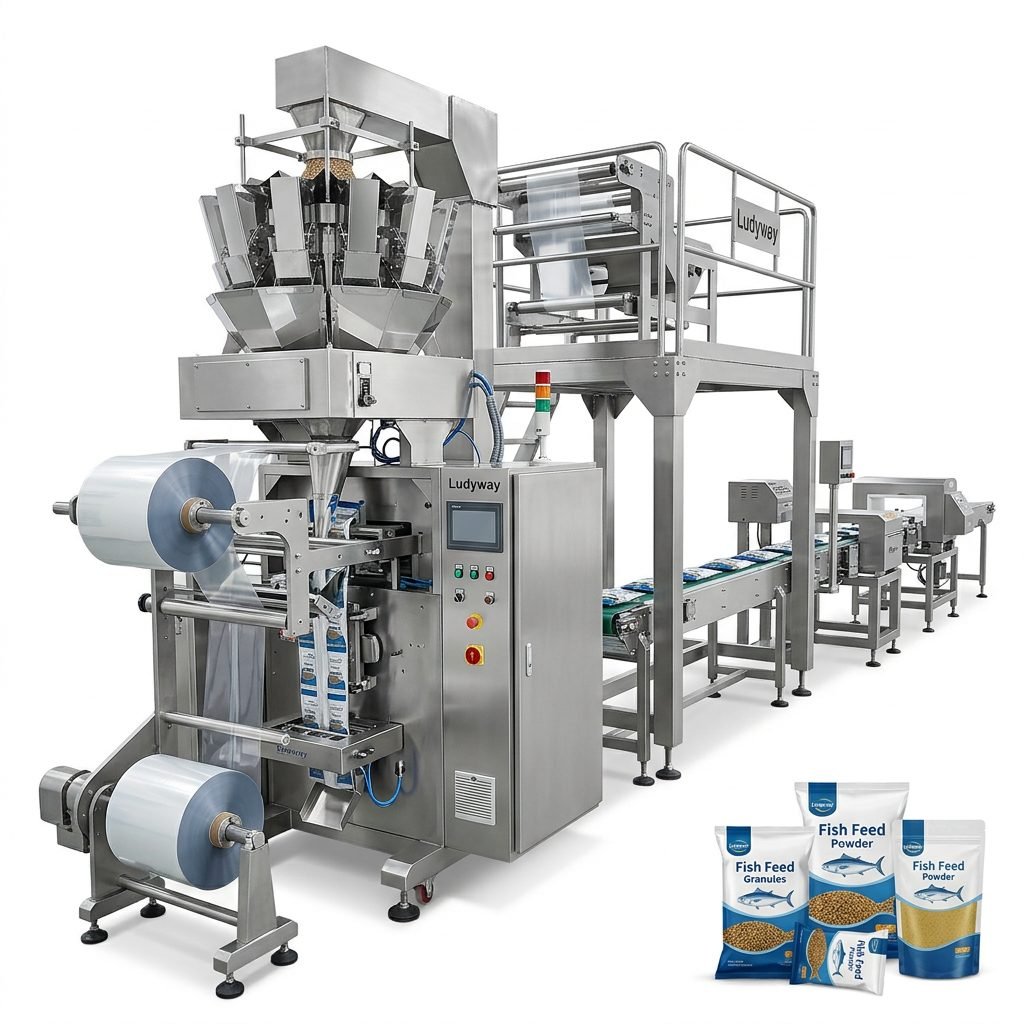
Companies such as Ludyway, one of the largest packaging machine manufacturers with over 30 years of industry expertise, offer comprehensive turnkey solutions spanning granule, powder, liquid, and pouch packaging applications. Their modern 20,000m² manufacturing facility and extensive engineering team support more than 50 intelligent packaging machine models, serving customers in over 100 countries. Ludyway provides end-to-end support from line design through commissioning and after-sales service, helping UK businesses achieve efficient and compliant salsa packaging operations. For expert consultation on configuring a salsa packaging line tailored to your production requirements, manufacturers can explore the range of advanced packaging equipment available.
Future-Proofing Your Salsa Packaging Line
The UK packaging industry continues to evolve with increasing emphasis on sustainability and recyclability. When selecting equipment, consider compatibility with mono-material recyclable films and biodegradable packaging options. Flexible packaging innovations are rapidly advancing, and machinery with quick-change capabilities will adapt more easily to future material transitions. Additionally, integrating Industry 4.0 features such as real-time production monitoring and predictive maintenance alerts can further enhance operational efficiency and reduce unplanned downtime.
Starting with a well-designed packaging line that meets both current production needs and anticipates future market demands positions UK salsa manufacturers for sustainable growth in this competitive sector.
Related Resources: PMMI State of the Industry Reports | FDA Food Packaging Guidelines | ISO Packaging Standards