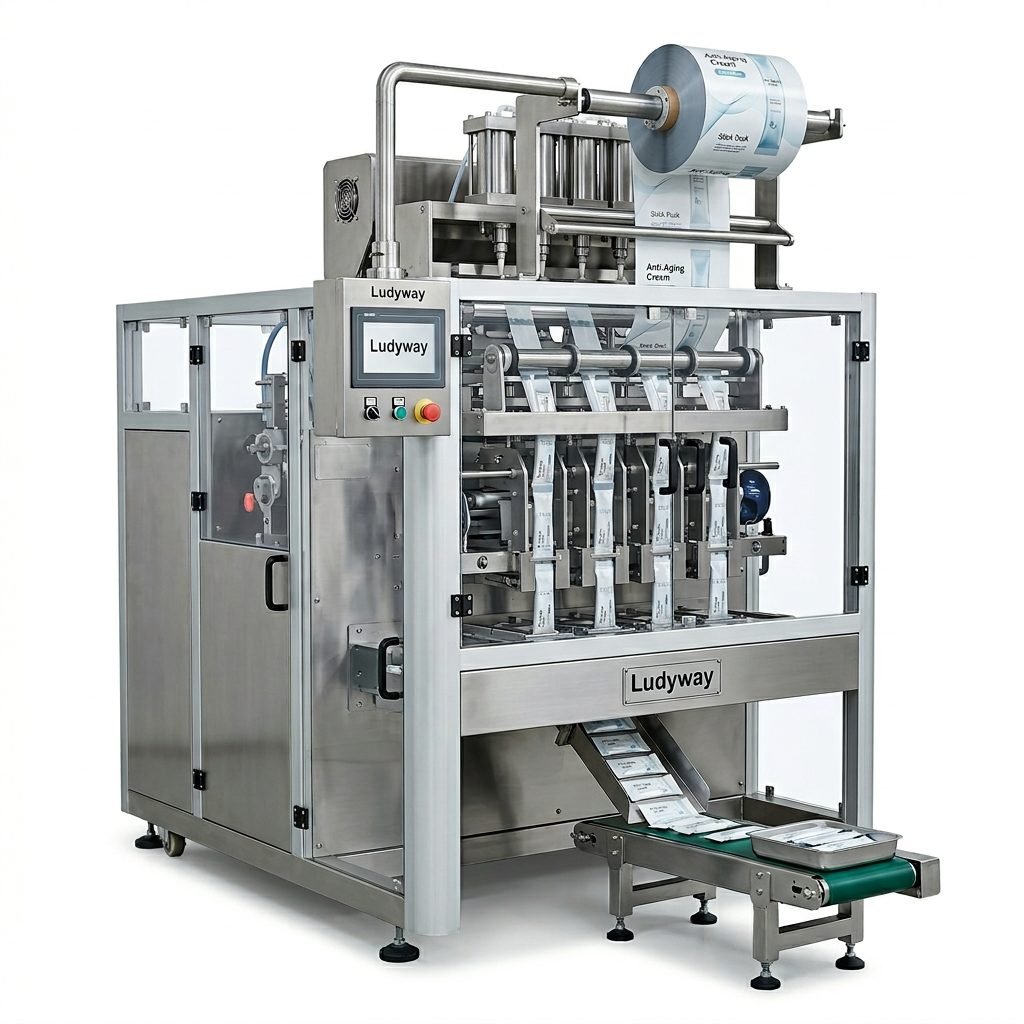
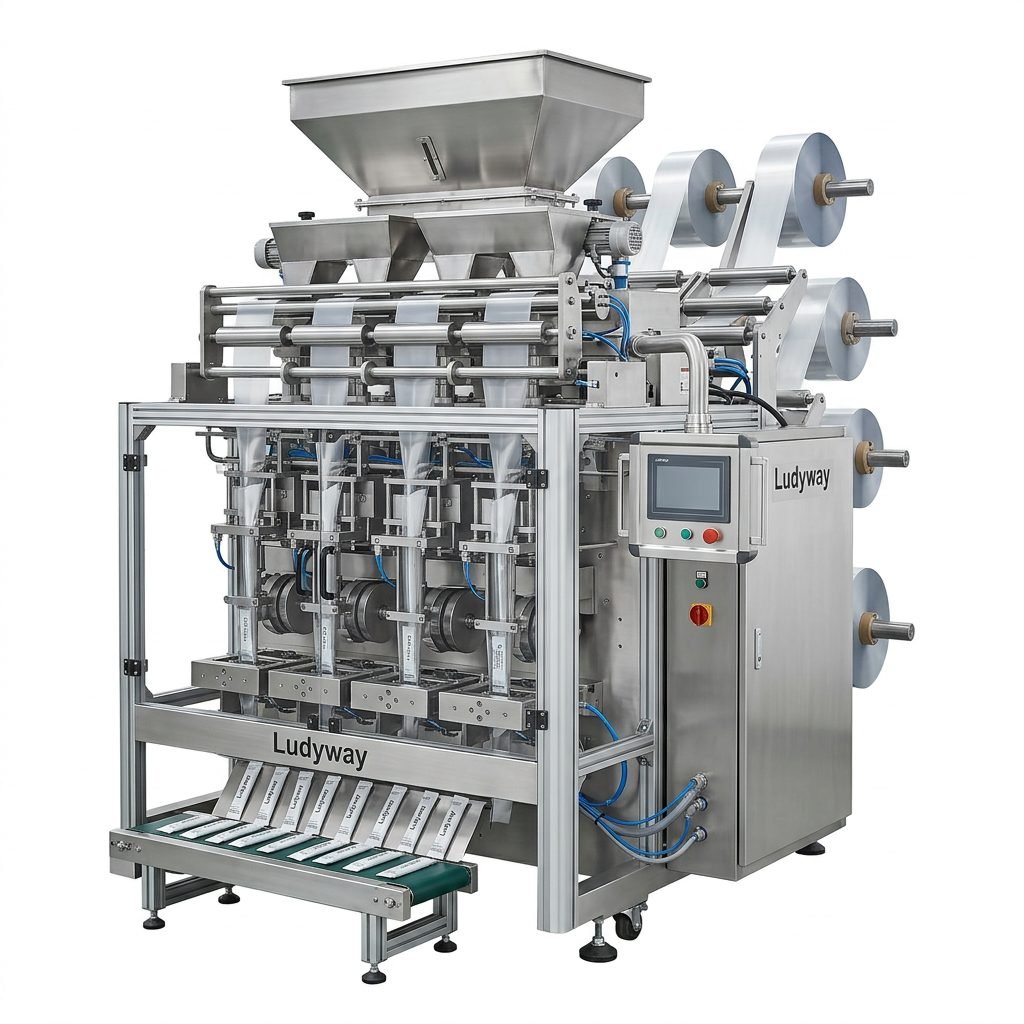
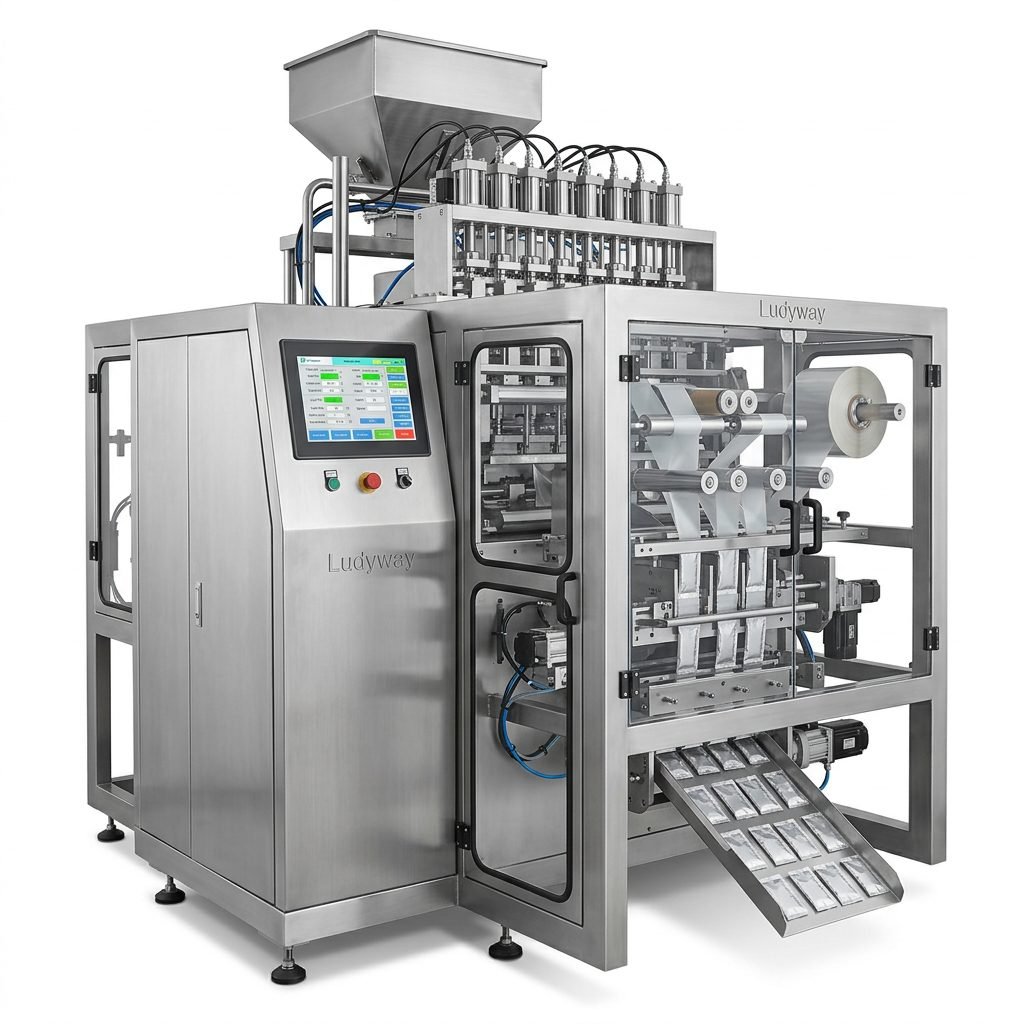
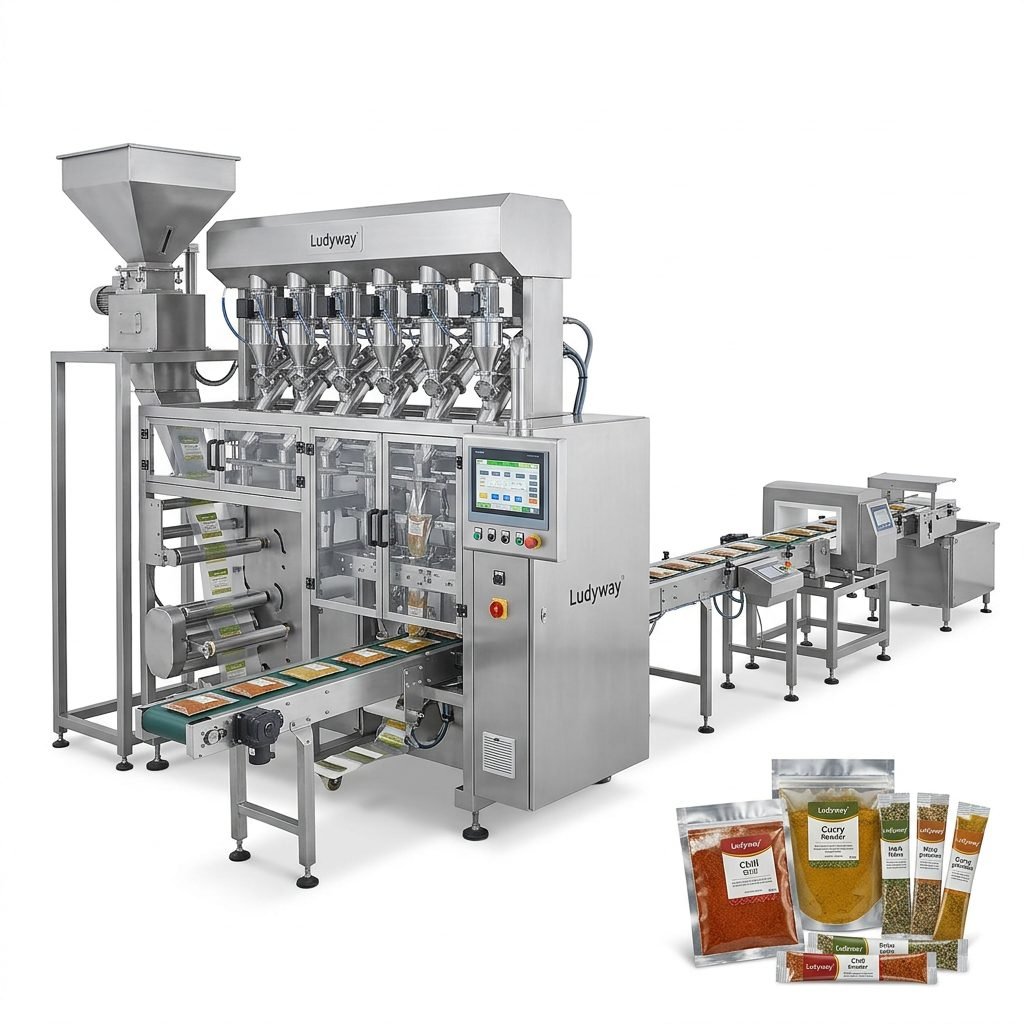
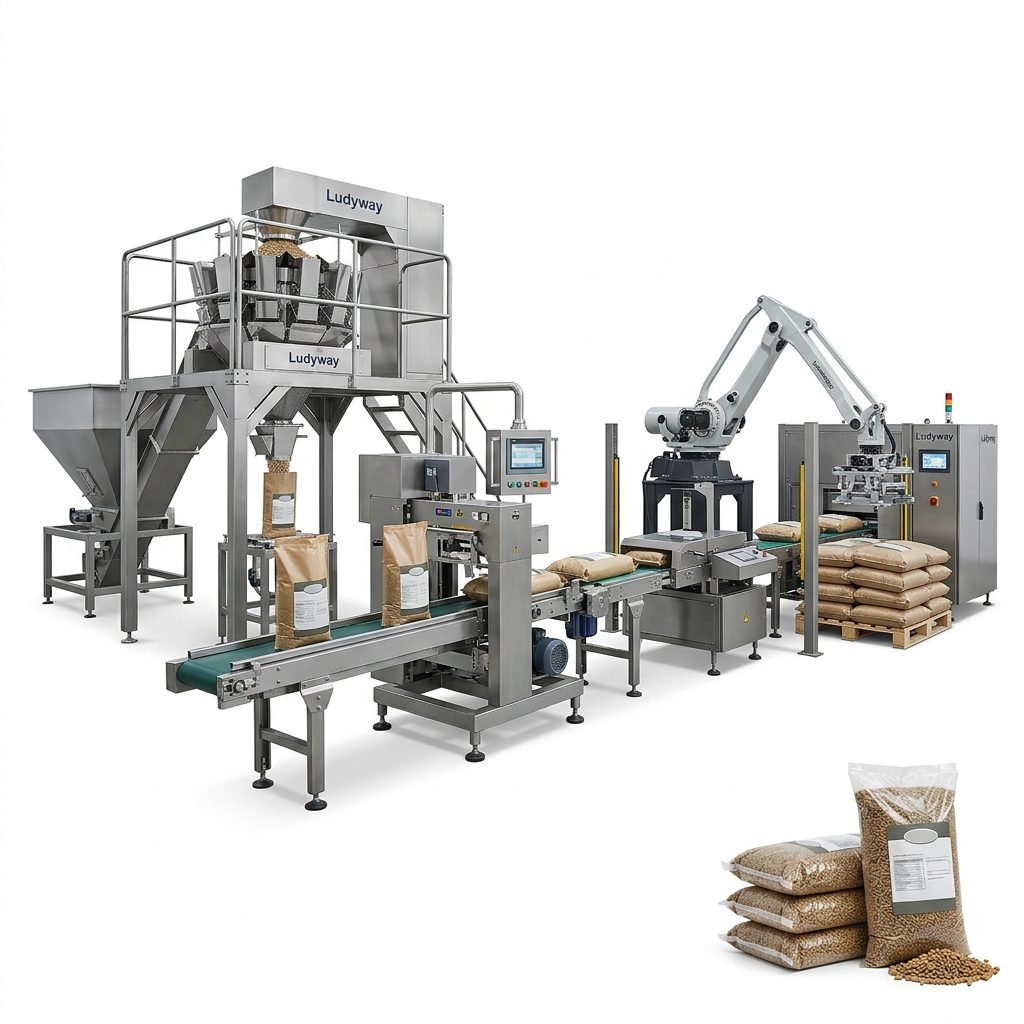
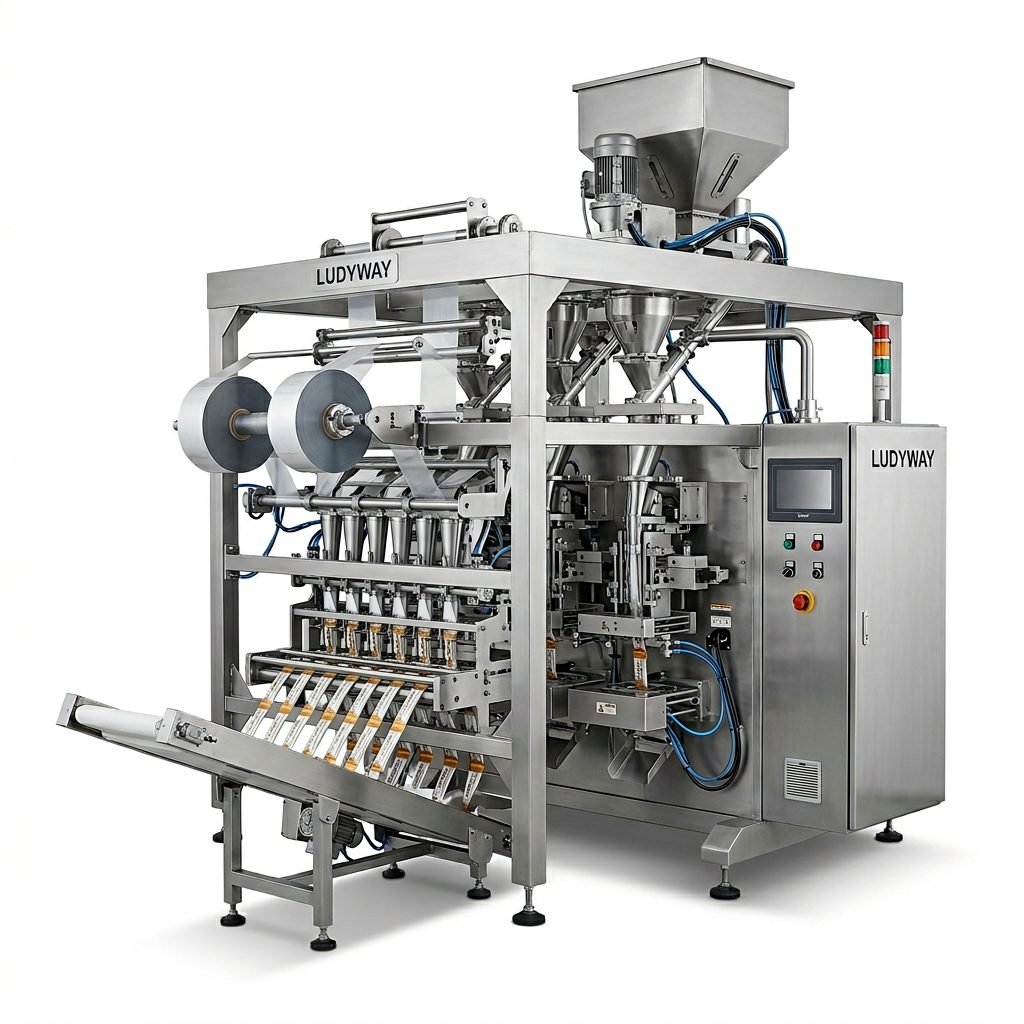
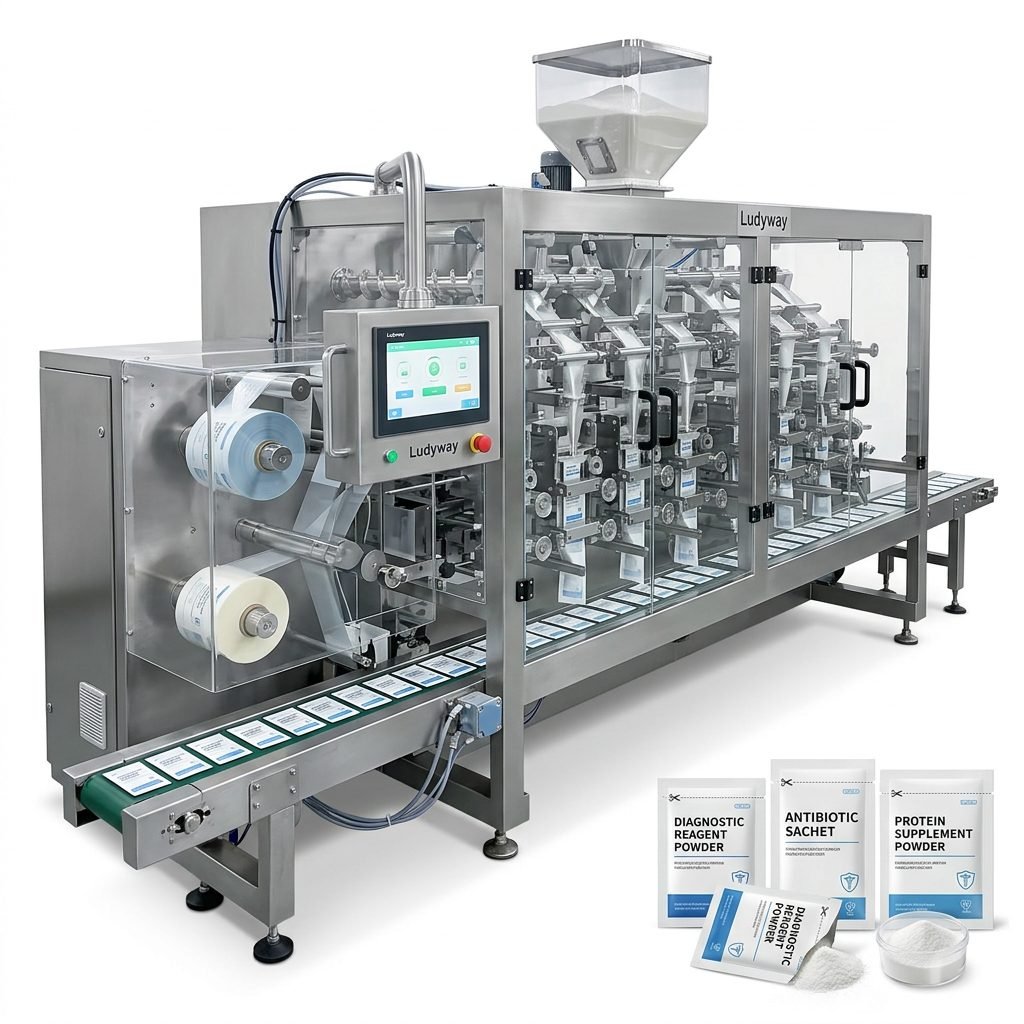
A 50 kg rice packing machine is a significant investment for any rice milling or packaging operation. Proper maintenance is essential to ensure consistent weighing accuracy, minimize downtime, and extend the equipment’s service life. Without a structured maintenance routine, even the most robust packaging machinery can suffer from premature wear, inaccurate fills, and unexpected breakdowns that disrupt your entire production line.
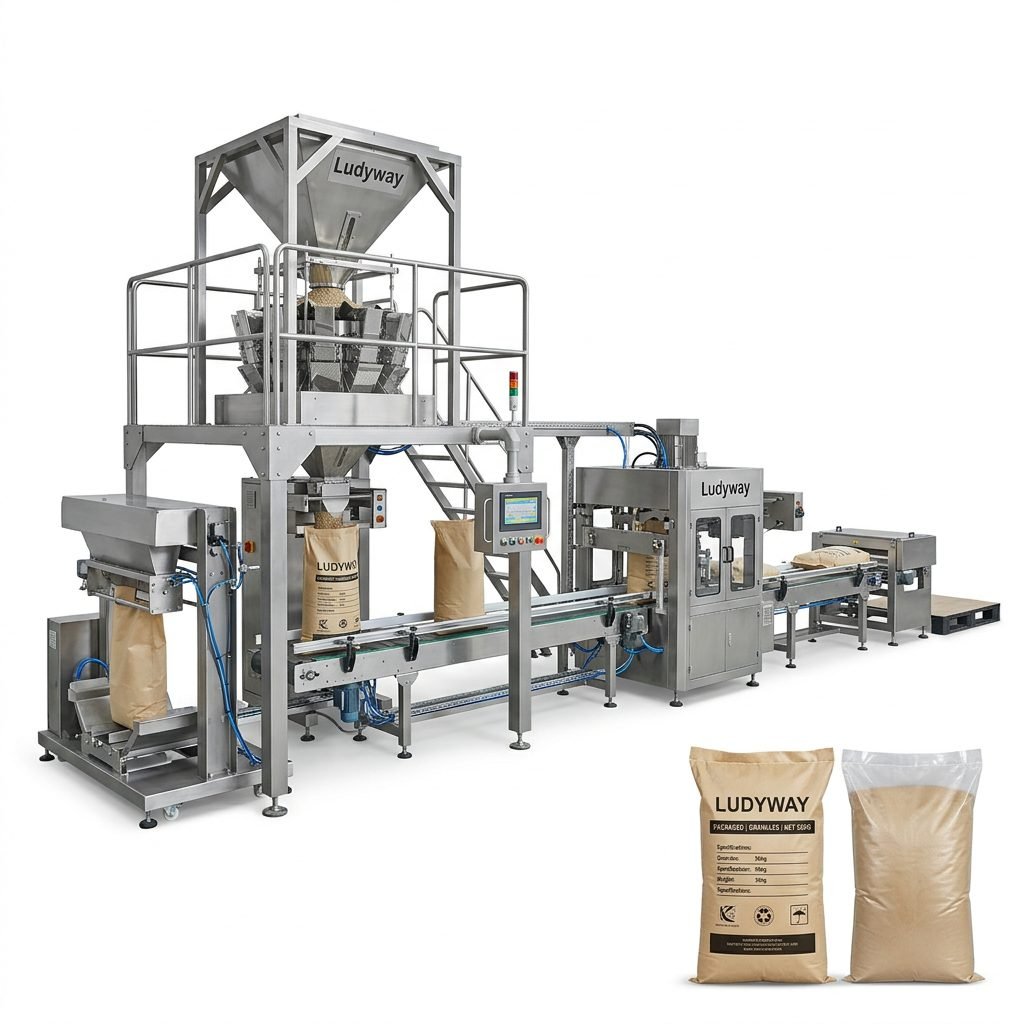
Why Preventive Maintenance Matters
Preventive maintenance is the cornerstone of reliable packaging performance. When you maintain your 50 kg rice packing machine proactively, you benefit from reduced operational costs, fewer emergency repairs, and consistent product quality. A well-maintained machine also ensures compliance with ISO packaging standards and food safety regulations.
- Reduced downtime: Scheduled maintenance prevents unexpected failures during peak production periods.
- Extended equipment lifespan: Regular care protects critical components from accelerated wear.
- Consistent accuracy: Properly calibrated weighing systems deliver precise fills every cycle.
- Lower total cost of ownership: Preventive care costs far less than major repairs or replacements.

Daily Inspection Checklist
Daily inspections form the first line of defense against equipment failure. Operators should perform these checks at the start of each shift and document their findings to track machine condition over time.
- Inspect all pneumatic hoses and fittings for air leaks or visible damage.
- Check the weighing hopper for residual material buildup or obstructions.
- Verify that all safety guards and emergency stop buttons are fully functional.
- Examine the heat sealing mechanism for consistent temperature and clean sealing surfaces.
- Listen for unusual noises, vibrations, or irregular mechanical movements during operation.
- Confirm that the digital control panel displays accurate readings without error codes.
Weekly Maintenance Procedures
Weekly tasks address components that experience moderate wear and require slightly deeper attention than daily checks. These procedures help catch developing issues before they escalate into serious problems.
- Clean and lubricate all chain drives, bearings, and linear guide rails according to the manufacturer’s specifications.
- Inspect and tighten all fasteners, bolts, and mounting brackets throughout the machine frame.
- Calibrate the load cells and verify weighing accuracy using certified test weights.
- Clean dust filters on electrical cabinets and cooling fans to prevent overheating.
- Check belt tension on all conveyor systems and adjust if necessary.
Monthly Maintenance Schedule
Monthly maintenance involves more comprehensive inspections and component servicing. This schedule ensures that all critical systems remain in optimal condition for high-volume rice packaging operations.
| Component | Maintenance Task | Frequency |
|---|---|---|
| Weighing System | Full calibration and load cell inspection | Monthly |
| Sealing Jaws | Clean residue, check temperature uniformity | Monthly |
| Pneumatic System | Drain moisture, check pressure regulators | Monthly |
| Electrical Connections | Inspect wiring, tighten terminals | Monthly |
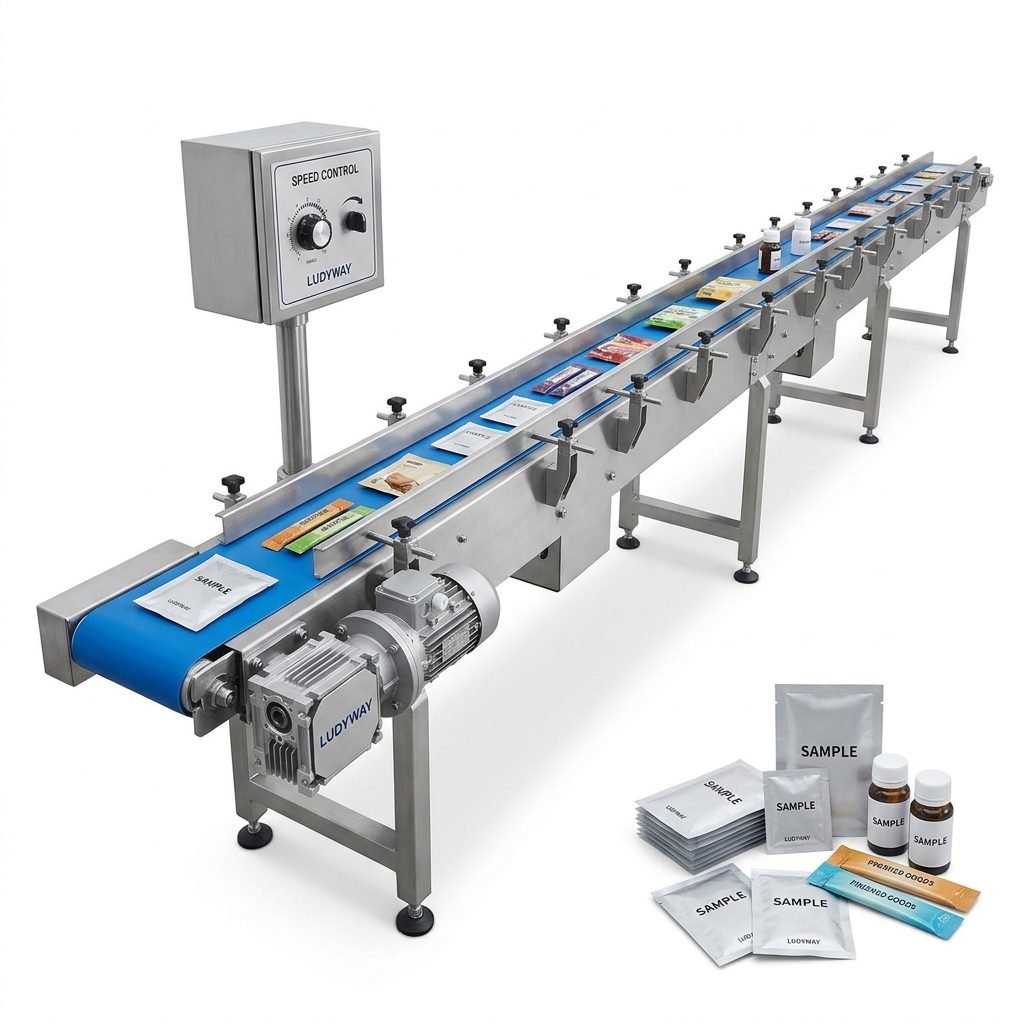
| Conveyor Belts | Check alignment, tracking, and wear patterns | Monthly |
Quarterly and Semi-Annual Servicing
Quarterly and semi-annual servicing tasks are more intensive and may require specialized tools or technician expertise. These procedures address long-term wear components and critical safety systems.
Quarterly Tasks
- Replace or clean all air filters in the pneumatic system.
- Inspect and test all sensors, including photoelectric eyes and proximity switches.
- Check the integrity of electrical grounding and insulation resistance.
- Examine gearbox oil levels and top up or replace as needed.
- Verify clamping force consistency on the bag gripping mechanism.
Semi-Annual Tasks
- Conduct a full machine alignment check, including frame leveling.
- Replace worn sealing elements, such as heating bands and PTFE covers.
- Perform a complete audit of all packaging machinery safety interlocks and guarding systems.
- Inspect and service the main drive motor and transmission components.
- Review and update maintenance documentation and operator logs.
Common Troubleshooting Scenarios
Even with diligent maintenance, occasional issues may arise. Understanding common problems and their solutions helps operators respond quickly and minimize production losses. The table below outlines typical troubleshooting scenarios for a 50 kg rice packing machine.
| Symptom | Possible Cause | Recommended Action |
|---|---|---|
| Inaccurate fill weight | Load cell drift or material bridging | Recalibrate load cells; check feed gate operation |
| Poor seal quality | Incorrect temperature or worn sealing jaw | Adjust temperature; replace sealing elements |
| Bag slippage or misalignment | Worn grippers or incorrect timing | Replace grippers; check pneumatic timing |
| Machine stops mid-cycle | Sensor fault or emergency circuit activation | Inspect all sensors; check safety relay status |
Spare Parts Management
Maintaining an adequate inventory of critical spare parts is essential for minimizing downtime. The most commonly replaced components on a 50 kg rice packing machine include sealing elements, heating cartridges, filters, belts, bearings, and pneumatic fittings. Partnering with a reliable packaging machine manufacturer ensures you have access to genuine parts and expert technical guidance when needed.
Leading manufacturers like Ludyway, with over 30 years of industry experience and a modern 20,000㎡ production facility, provide comprehensive after-sales support including spare parts supply, remote diagnostics, and on-site technical assistance to customers in more than 100 countries. This level of manufacturer support is invaluable for maintaining long-term equipment reliability.

Operator Training and Documentation
Well-trained operators are your best asset for preventive maintenance success. Every operator should understand the machine’s normal operating parameters, recognize early warning signs of potential failures, and know how to perform basic maintenance tasks correctly. Maintaining detailed maintenance logs creates a valuable historical record that helps identify recurring issues and optimize service intervals based on actual usage patterns.
- Provide comprehensive training on daily inspection protocols and documentation procedures.
- Create clear, visual standard operating procedures for all routine maintenance tasks.
- Maintain digital or physical logs of all maintenance activities, including parts replaced and calibration results.
- Schedule periodic refresher training to reinforce best practices and introduce updated procedures.
Conclusion
A structured maintenance program is the key to achieving reliable, long-term performance from your 50 kg rice packing machine. By implementing daily inspections, weekly servicing, monthly calibrations, and quarterly deep maintenance, you protect your investment, ensure consistent packaging quality, and avoid costly production interruptions. For specific guidance tailored to your machine model, always consult the manufacturer’s technical documentation or contact their service team directly.