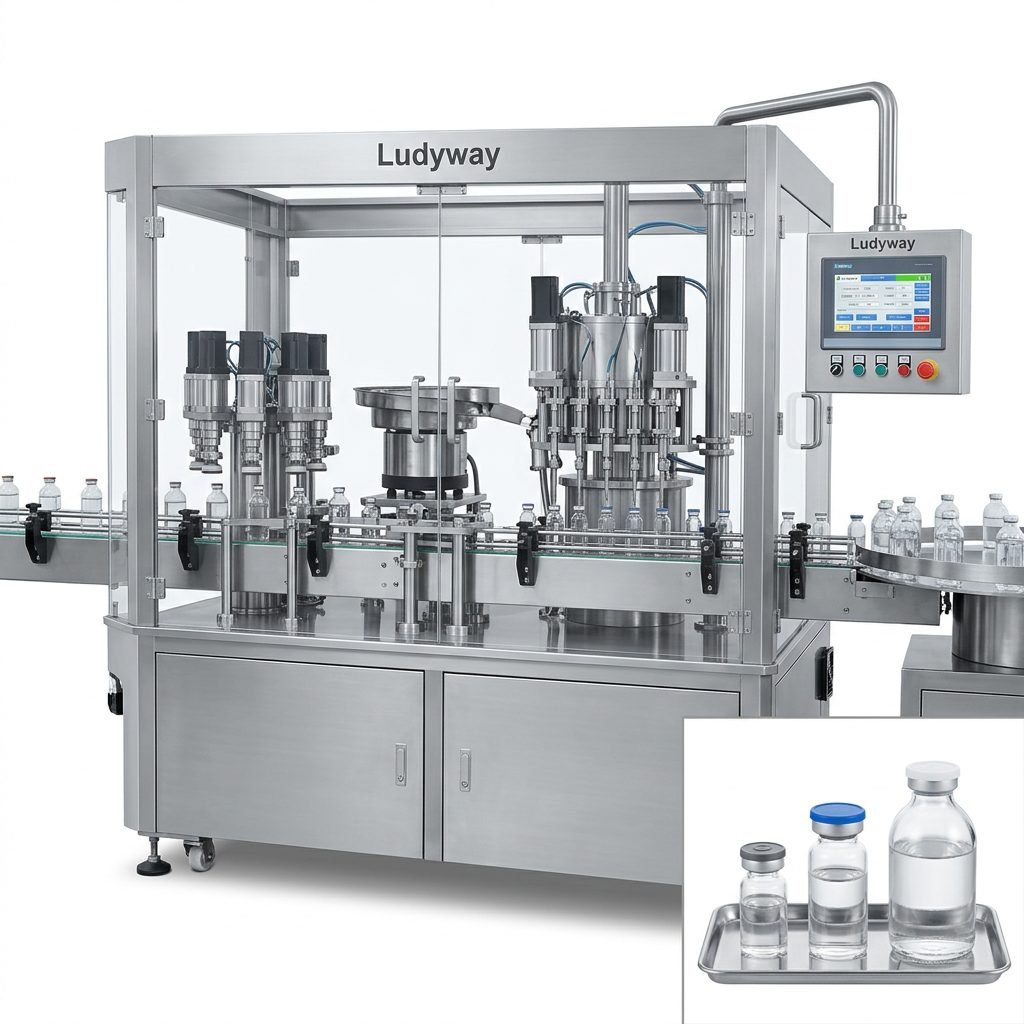
Turmeric, a golden-hued spice renowned for its health benefits and culinary uses, requires precise and hygienic packaging to maintain its potency, color, and quality from production to consumer. Selecting the right turmeric packaging machine is a critical investment for manufacturers, impacting product integrity, operational efficiency, and brand reputation. This comprehensive guide explores the various types of turmeric packaging machines, factors influencing their prices, and key considerations for choosing the best solution for your production needs.
Understanding Turmeric Packaging Requirements
Turmeric, typically sold as a fine powder or in granular form, presents specific packaging challenges. It is sensitive to moisture, light, and air, which can degrade its active compound, curcumin, and cause clumping or color fading. Therefore, packaging must provide an excellent barrier against these elements. Furthermore, the vibrant yellow powder is prone to dusting, requiring machines with effective sealing mechanisms and minimal spillage. Whether packaging small consumer sachets, stick packs for single servings, or bulk bags for industrial use, the machinery must ensure accurate dosing, consistent seal integrity, and high-speed operation to meet market demands.
Key Packaging Challenges for Turmeric:
- Moisture & Air Protection: Essential to preserve curcumin potency and prevent clumping.
- Dust Control: Fine powder requires clean, sealed transfer systems to maintain a hygienic production environment.
- Accurate Dosing: Consistent fill weight is crucial for consumer trust and regulatory compliance, especially for premium products.
- Seal Integrity: Strong, airtight seals prevent leakage and contamination during transport and storage.
Types of Turmeric Packaging Machines
The choice of machine depends heavily on the intended package format, production volume, and level of automation required. Here are the primary types used in the industry.
1. Vertical Form-Fill-Seal (VFFS) Machines
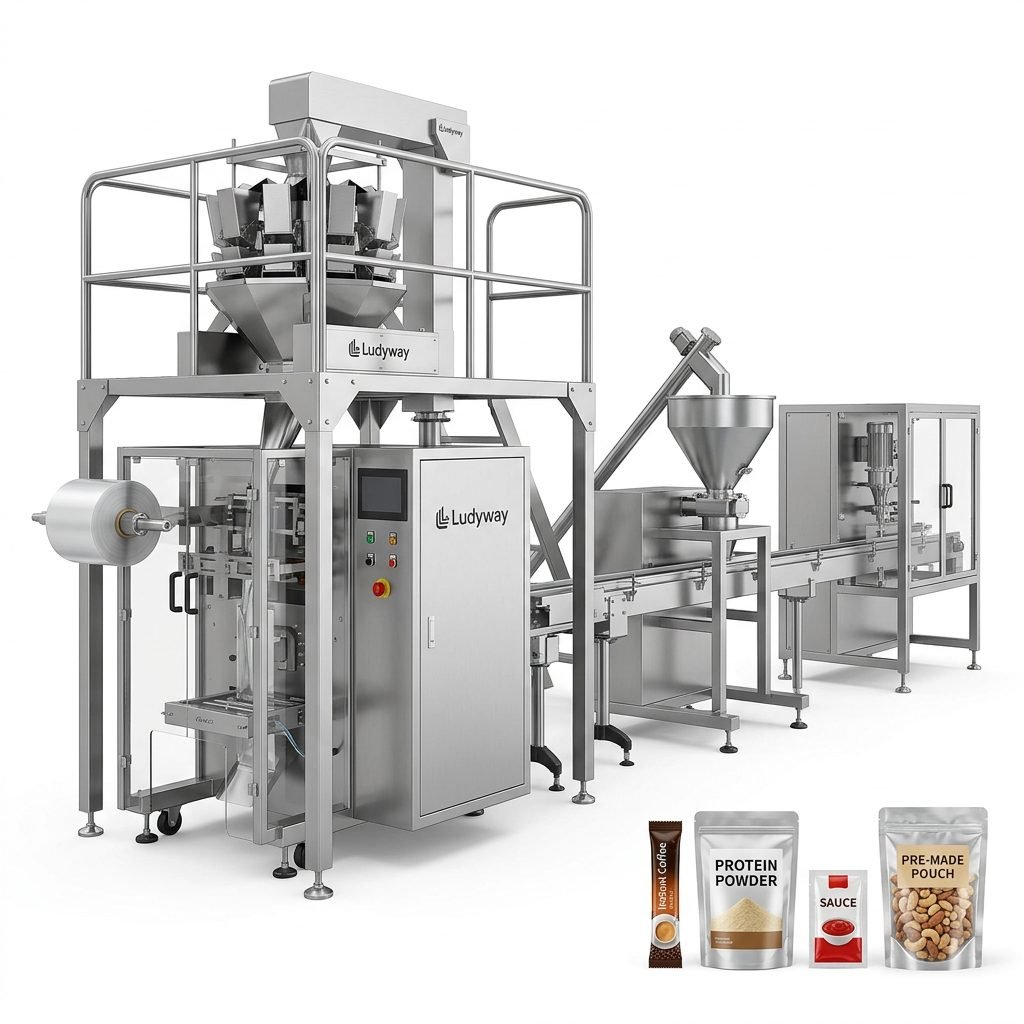
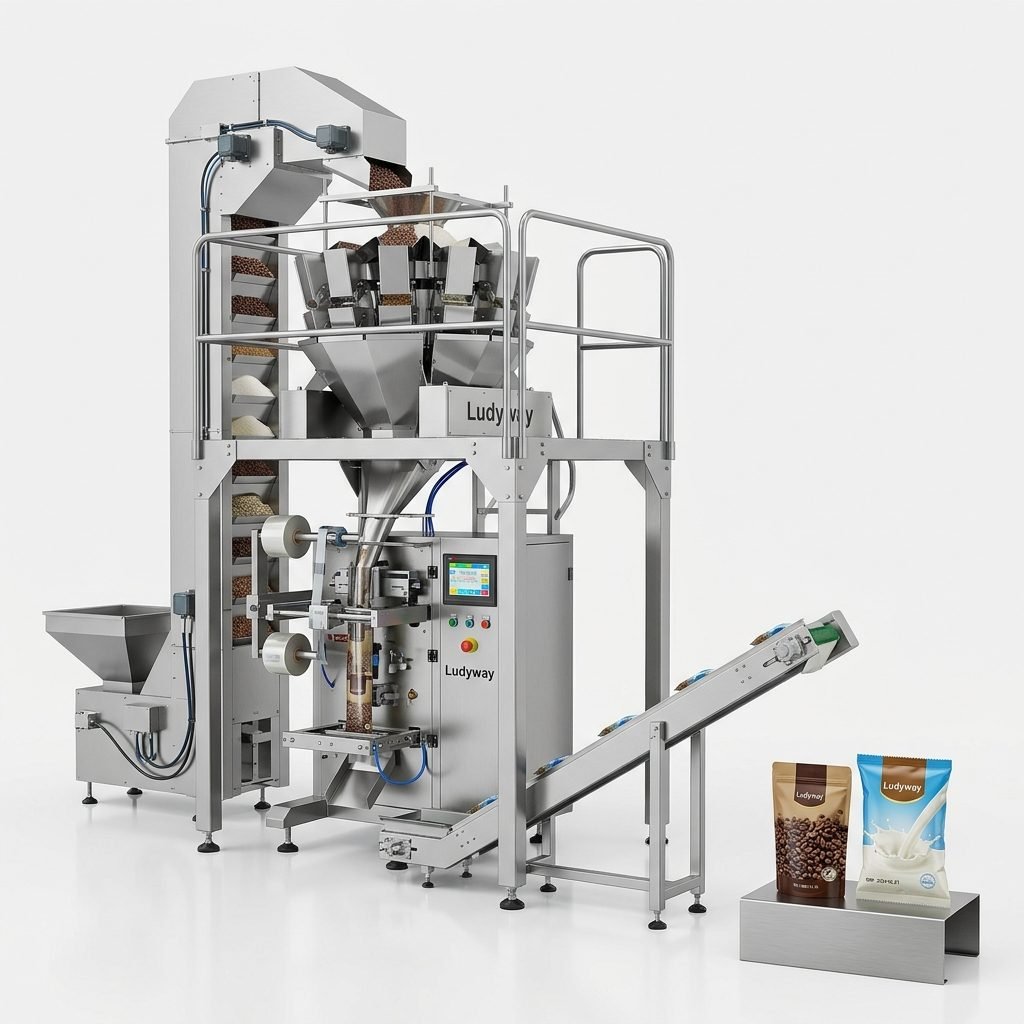
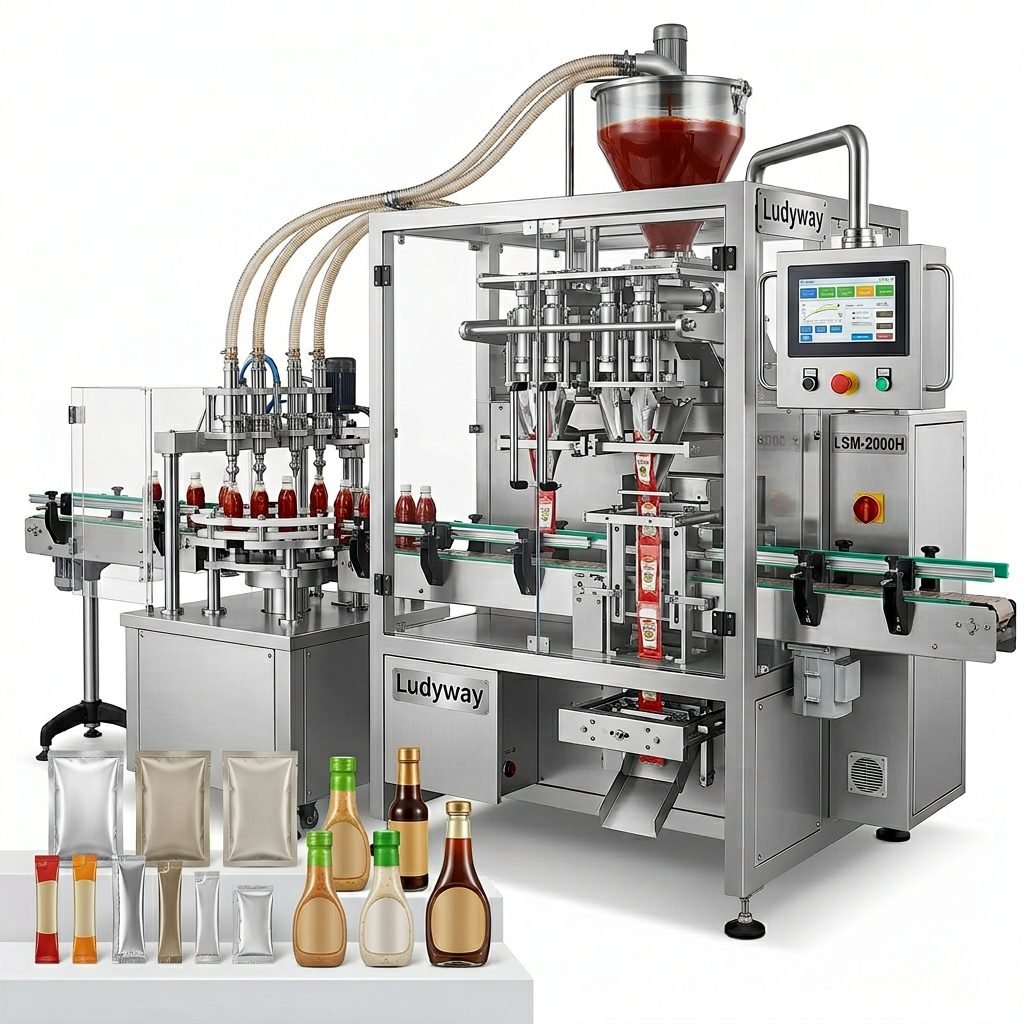
These are the most common machines for packaging powders like turmeric. They form a bag from a roll of film, fill it with the measured product, and then seal it—all in one continuous vertical process. VFFS machines are highly versatile and can produce various bag styles, such as pillow packs, gusseted bags, or stand-up pouches. They are ideal for medium to high-volume production of retail-sized packages.
2. Stick Pack Packaging Machines
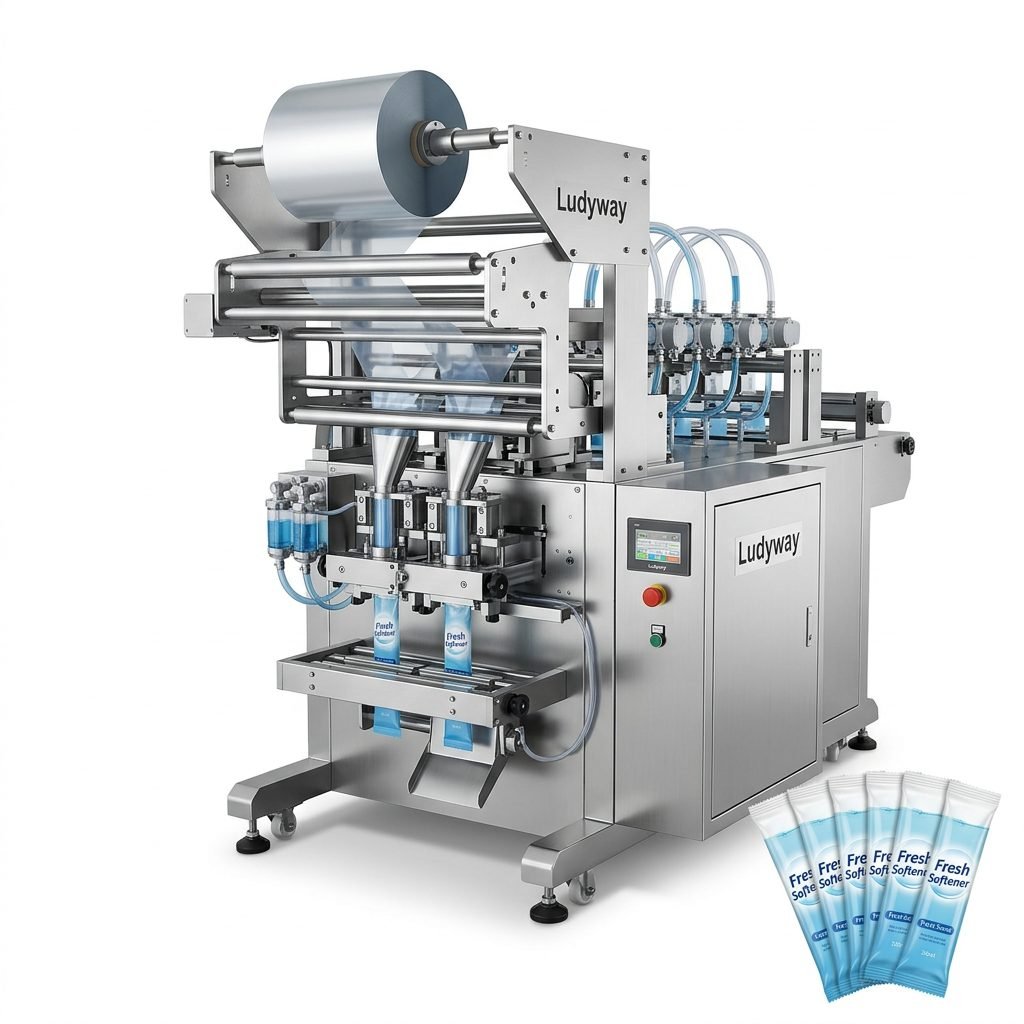
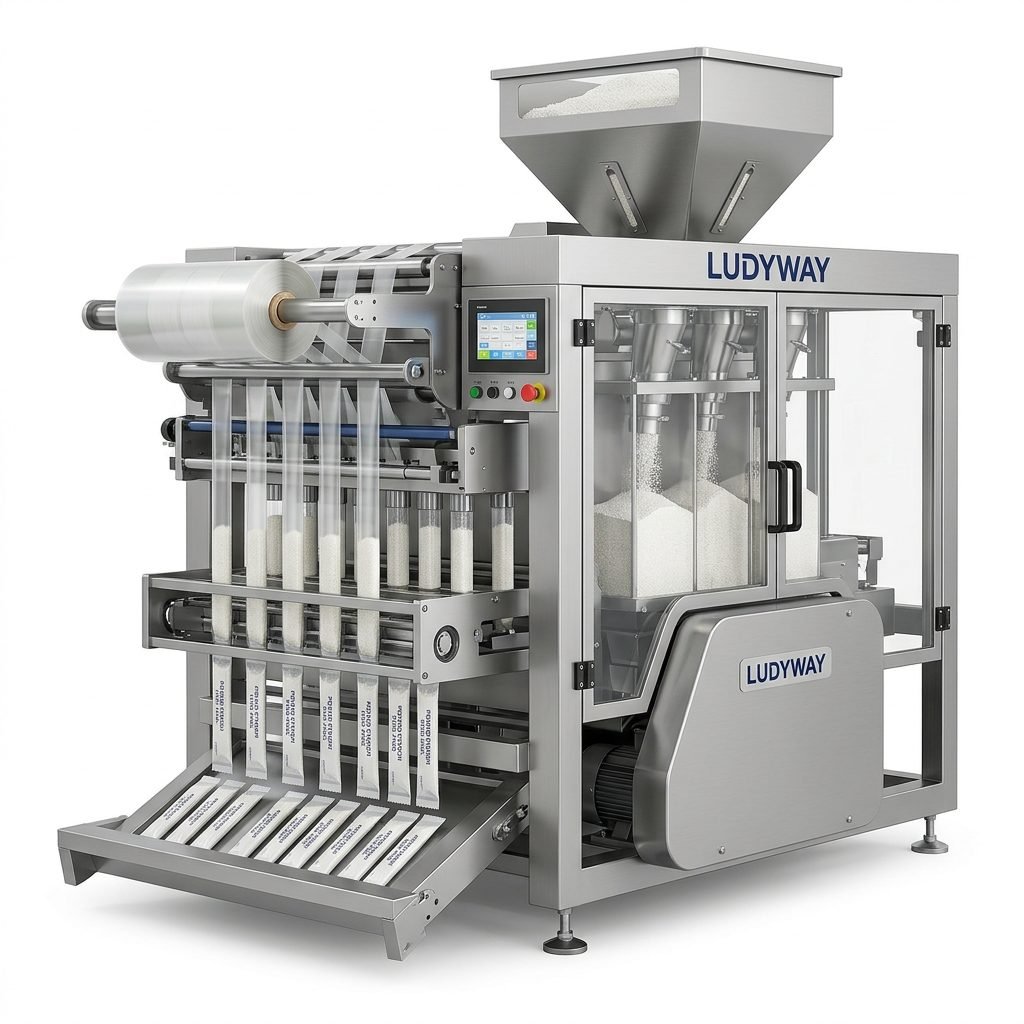
Stick packs are slim, single-serve packets that are extremely popular for dietary supplements, beverage mixes, and spices. Specialized stick pack machines create these elongated, portable packets. For turmeric, often marketed as a health supplement or “golden milk” ingredient, stick packs offer convenience and precise dosage. These machines can be single-lane for lower output or multi-lane for high-speed production, making them a perfect choice for brands targeting health-conscious consumers and the supplement market.
3. Sachet Packaging Machines
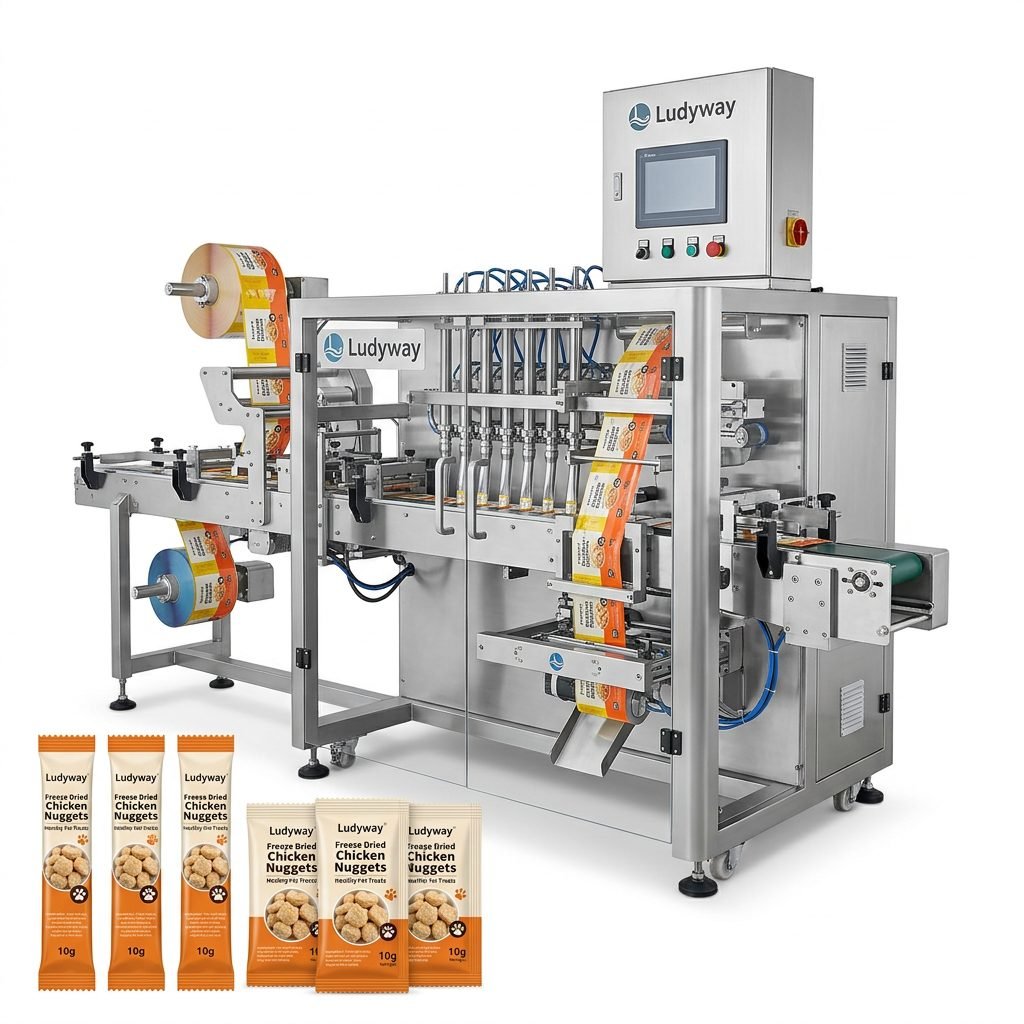
Similar to stick packs but often wider, sachets are used for slightly larger single servings or small multi-use quantities. Sachet packaging machines are highly efficient and can handle a range of materials, including laminated films that provide superior barrier properties. They are suitable for packaging turmeric for retail sampling, food service, or as an ingredient boxed with other products.
4. Granule & Powder Filling Machines
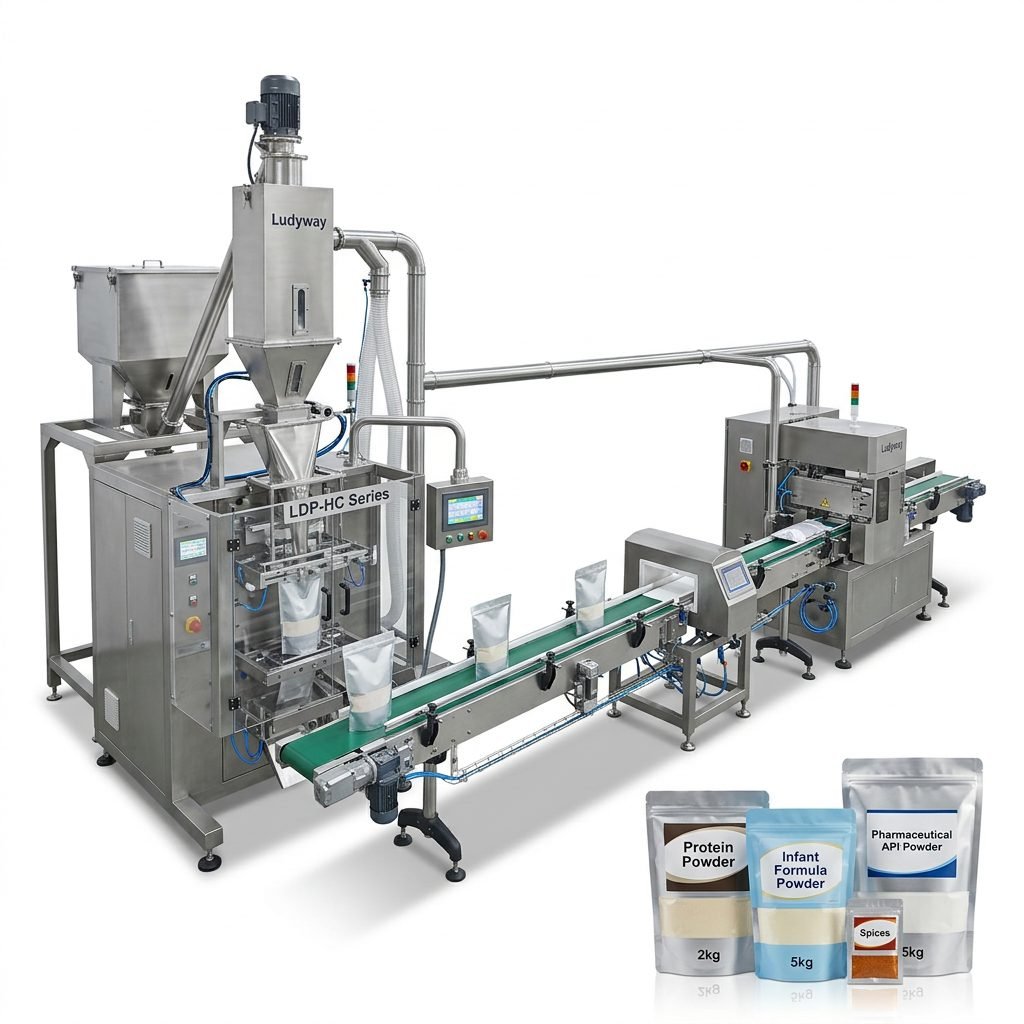
These are often integrated into a larger packaging line. Auger fillers are the standard for accurate volumetric or net-weight filling of powders. They use a rotating screw (auger) to dispense product into pre-made bags, jars, cans, or bottles. For premium turmeric products where weight accuracy is paramount, machines with precision weighing systems (like multi-head weighers) may be employed. The choice between auger and weigher depends on required speed, accuracy, and budget.
5. Complete Turnkey Production Lines
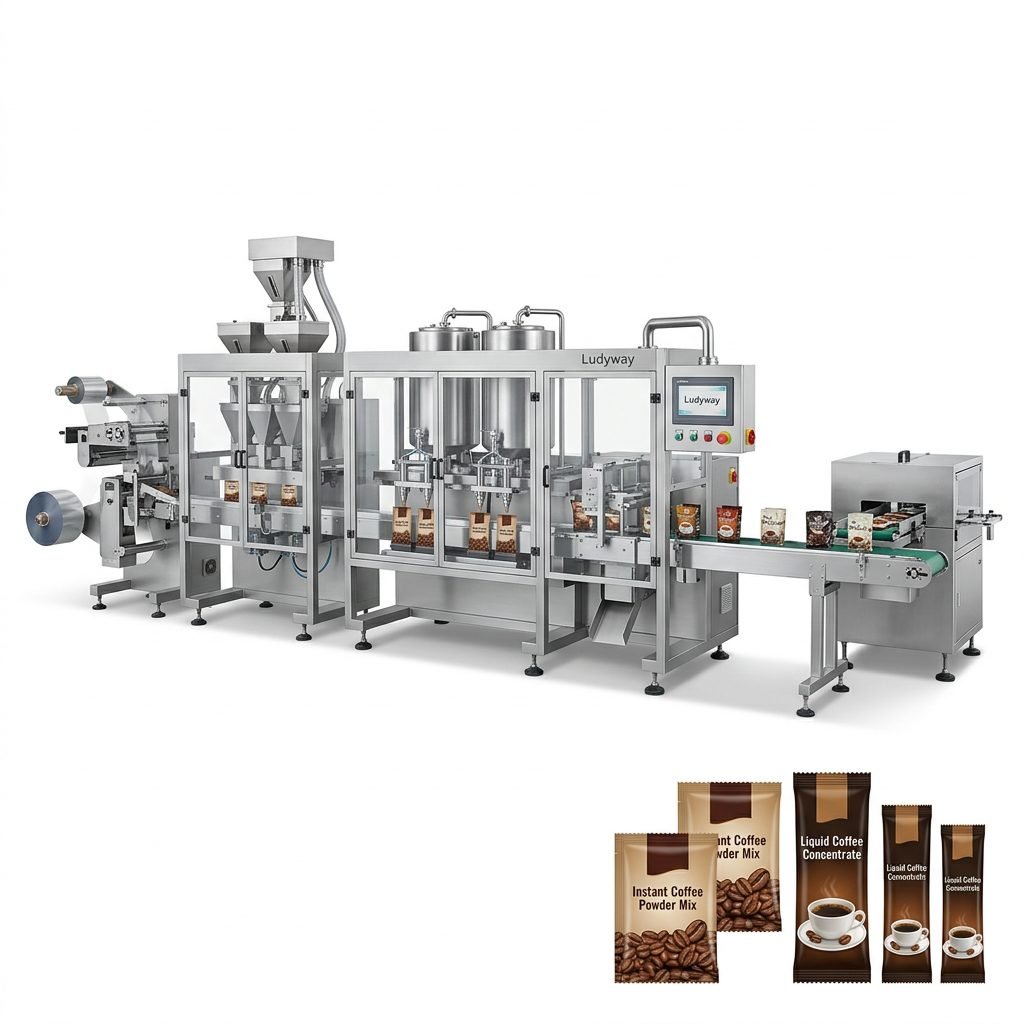
For large-scale manufacturers, a fully automated line integrates multiple functions: feeding, filling, sealing, cartoning, and palletizing. A turnkey solution for turmeric might include a bulk bag unloader, a sieve or de-duster, a storage hopper, an auger filler connected to a VFFS machine, a checkweigher, and a case packer. This automation maximizes throughput, minimizes labor, and ensures consistent quality control from start to finish.
Factors Influencing Turmeric Packaging Machine Prices
The cost of a turmeric packaging machine is not a single figure but a range determined by several interconnected factors. Understanding these will help you budget effectively.
Primary Cost Determinants:
Machine Type & Complexity: A basic single-lane sachet machine is far less expensive than a high-speed, 12-lane stick pack machine or a fully integrated turnkey line with robotics.
Production Speed (Output): Machines are rated in packs per minute (PPM). Higher speeds require more sophisticated mechanics, controls, and stability, driving up the price.
Level of Automation: Manual or semi-automatic machines are cheaper. Fully automatic machines with touchscreen PLC controls, automatic film splicing, self-diagnostic systems, and data recording capabilities command a higher price.
Material & Build Quality: Machines built with food-grade stainless steel (e.g., SS304, SS316) for contact parts are more durable, corrosion-resistant, and compliant with hygiene standards, but also more costly than those with painted carbon steel frames.
Customization & Special Features: Requirements like specific auger designs for free-flowing powder, nitrogen gas flushing systems to extend shelf life, integrated weight checkers, or unique bag shapes will add to the base cost.
Brand & Supplier: Established brands with proven reliability and global service networks often have higher prices. However, they reduce long-term risk. Suppliers like Ludyway Packing Machine, with deep industry experience, offer a balance of advanced technology and cost-effectiveness, providing robust solutions tailored to specific needs.
How to Choose the Best Turmeric Packaging Solution
Selecting the right machine is a strategic decision. Follow this step-by-step framework to make an informed choice.
Step 1: Define Your Product & Package Specifications
Clearly outline your package type (stick pack, sachet, pouch), dimensions, and the film material required (e.g., PET/AL/PE for high barrier). Determine your exact fill weight range and the required accuracy (±1% is typical for powders).
Step 2: Assess Your Production Volume & Growth Plans
Calculate your current required output (packs per shift/day). More critically, forecast your growth for the next 3-5 years. It’s often wiser to invest in a machine that can operate at 70-80% of its max capacity initially but can scale up as demand increases, rather than immediately maxing out a smaller machine.
Step 3: Evaluate Machine Features & Hygiene
For food-grade products like turmeric, hygiene is non-negotiable. Insist on machines with easy-to-clean designs, smooth surfaces, and food-grade materials. Key features to look for include:
✔ Servo-driven systems for precision and energy efficiency,
✔ User-friendly HMI (Human-Machine Interface),
✔ Quick-changeover parts to reduce downtime between production runs, and
✔ Effective dust extraction ports.
Step 4: Consider Integration & Support
Will the machine fit into your existing production line? Consider footprint, electrical requirements, and connectivity. Post-purchase support is crucial. Partner with a supplier that offers comprehensive after-sales service, readily available spare parts, and thorough operator training. A provider’s global experience, such as that demonstrated by Ludyway’s packaging solutions, ensures they understand diverse market requirements and can offer reliable long-term support.
Step 5: Analyze Total Cost of Ownership (TCO)
Look beyond the initial purchase price. Calculate TCO by factoring in:
- Operational Costs: Energy consumption, compressed air usage, and required labor.
- Maintenance Costs: Routine servicing and part replacement costs.
- Material Efficiency: A machine with precise film tracking and cutting will reduce packaging material waste.
- Downtime Cost: A reliable, well-supported machine minimizes costly production stoppages.
A slightly higher initial investment in a robust, efficient machine from a reputable supplier often results in a lower TCO.
Conclusion
Investing in the optimal turmeric packaging machine is a balance of technical requirements, production goals, and financial planning. By thoroughly understanding the different machine types, the factors that drive their cost, and following a structured selection process, you can secure a solution that not only packages your product effectively but also enhances your operational efficiency and product quality. For businesses seeking to navigate these choices, collaborating with an experienced packaging machinery partner can provide invaluable guidance and access to tailored, automated packaging solutions that drive growth and market competitiveness.
Frequently Asked Questions (FAQs)
1. What is the most suitable packaging machine for small-scale turmeric powder business?
For small-scale startups or businesses with lower volumes, a semi-automatic auger filler combined with a manual or semi-automatic bag sealer is a cost-effective entry point. Alternatively, a single-lane, table-top stick pack or sachet machine offers more automation for single-serve formats. These options require a higher degree of manual labor but have a much lower capital investment and are simpler to operate and maintain.
2. How can I prevent turmeric powder from staining the machine or causing cross-contamination?
Choose machines designed for powders with enclosed or shielded filling areas and integrated dust collection systems. Regular and thorough cleaning protocols are essential. Machines with a modular design and quick-disassembly features for contact parts make cleaning faster and more effective, minimizing downtime and contamination risk.
3. Does packaging turmeric require any special sealing technology?
While standard heat sealing is sufficient for many applications, turmeric’s sensitivity to oxygen can benefit from modified atmosphere packaging (MAP). Some machines offer an optional gas flushing system (usually nitrogen) that displaces oxygen inside the bag before sealing. This significantly extends shelf life and preserves color and potency, which is valuable for premium organic or supplement-grade turmeric.
4. What is the typical output speed (PPM) I should expect from an automatic turmeric stick pack machine?
Speeds vary greatly. A standard single-lane stick pack machine might produce 40-70 packs per minute. For medium to high volume, multi-lane machines (e.g., 4-lane, 8-lane) are used, with outputs ranging from 200 to over 600 packs per minute. The required speed should be matched to your daily production target, allowing for routine stoppages for refilling film and product.
5. Why is partner selection as important as the machine selection itself?
The machinery supplier is your long-term partner. A reliable partner provides comprehensive technical support, readily available genuine spare parts, and expert training. They can assist with troubleshooting, process optimization, and future upgrades. An experienced supplier with a global perspective, like the team behind Ludyway Machinery, understands the specific challenges of packaging sensitive powders and can ensure your investment continues to perform reliably for years, safeguarding your production and brand reputation.