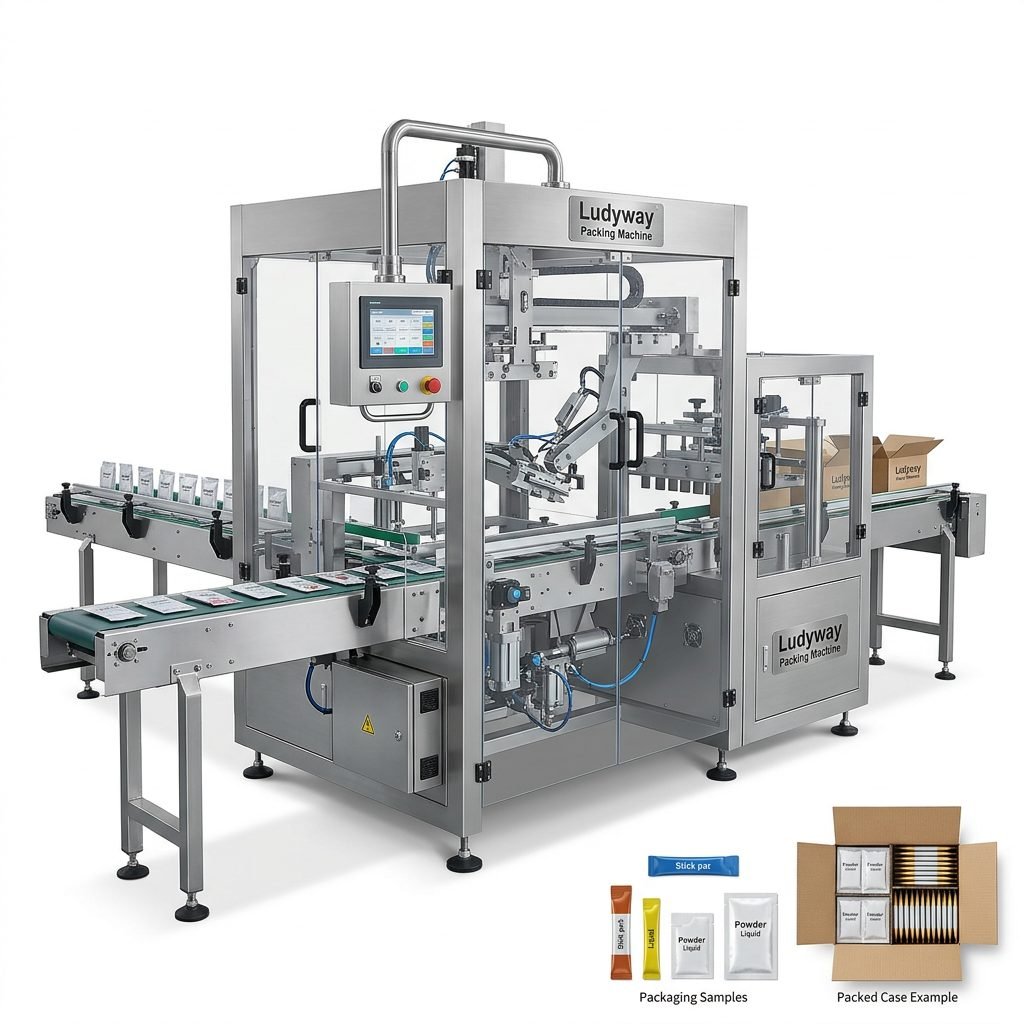
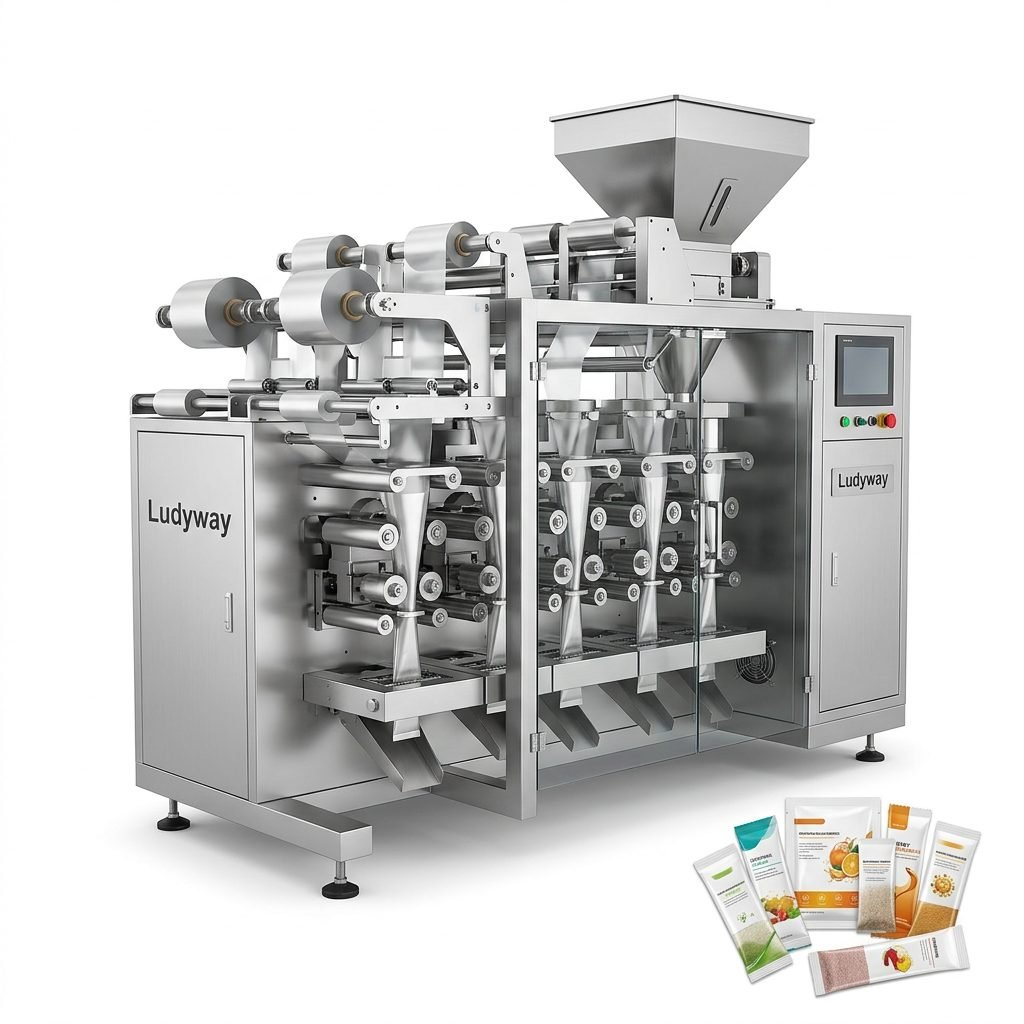
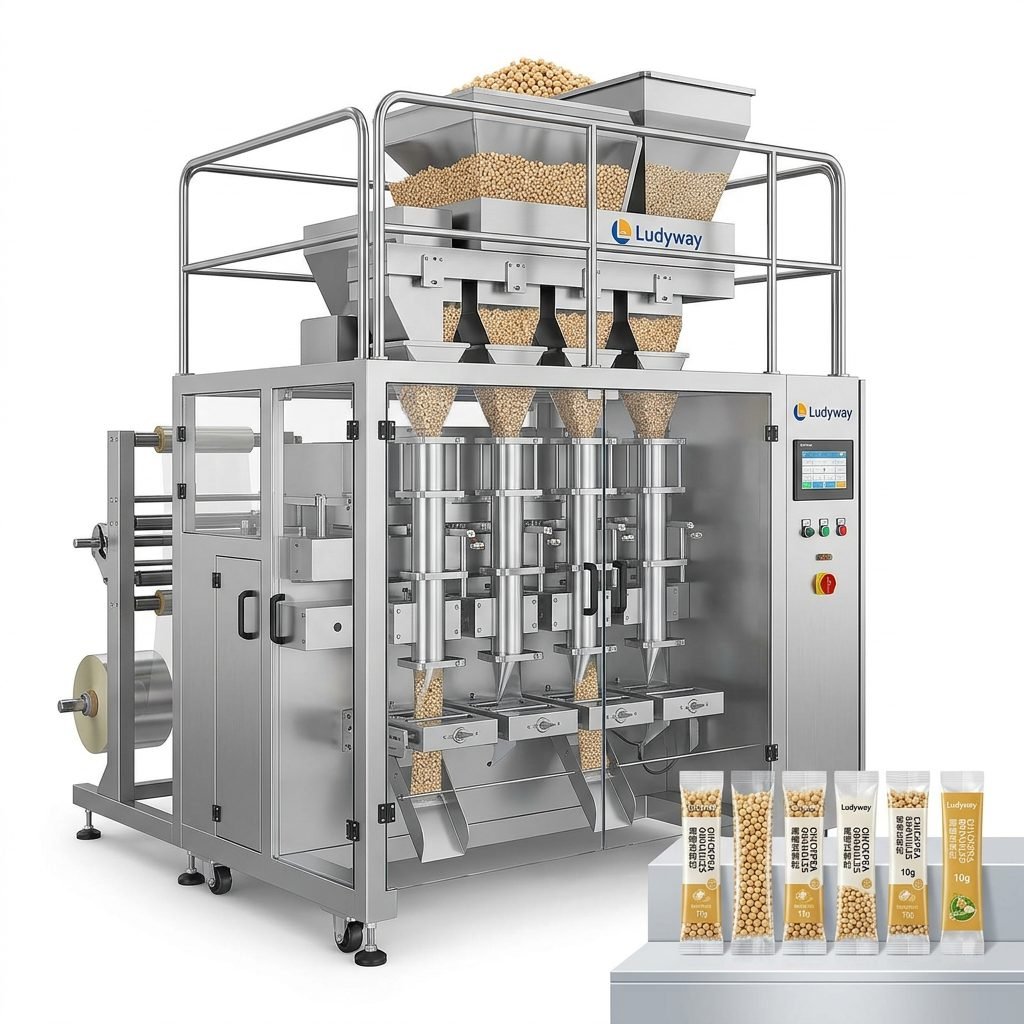
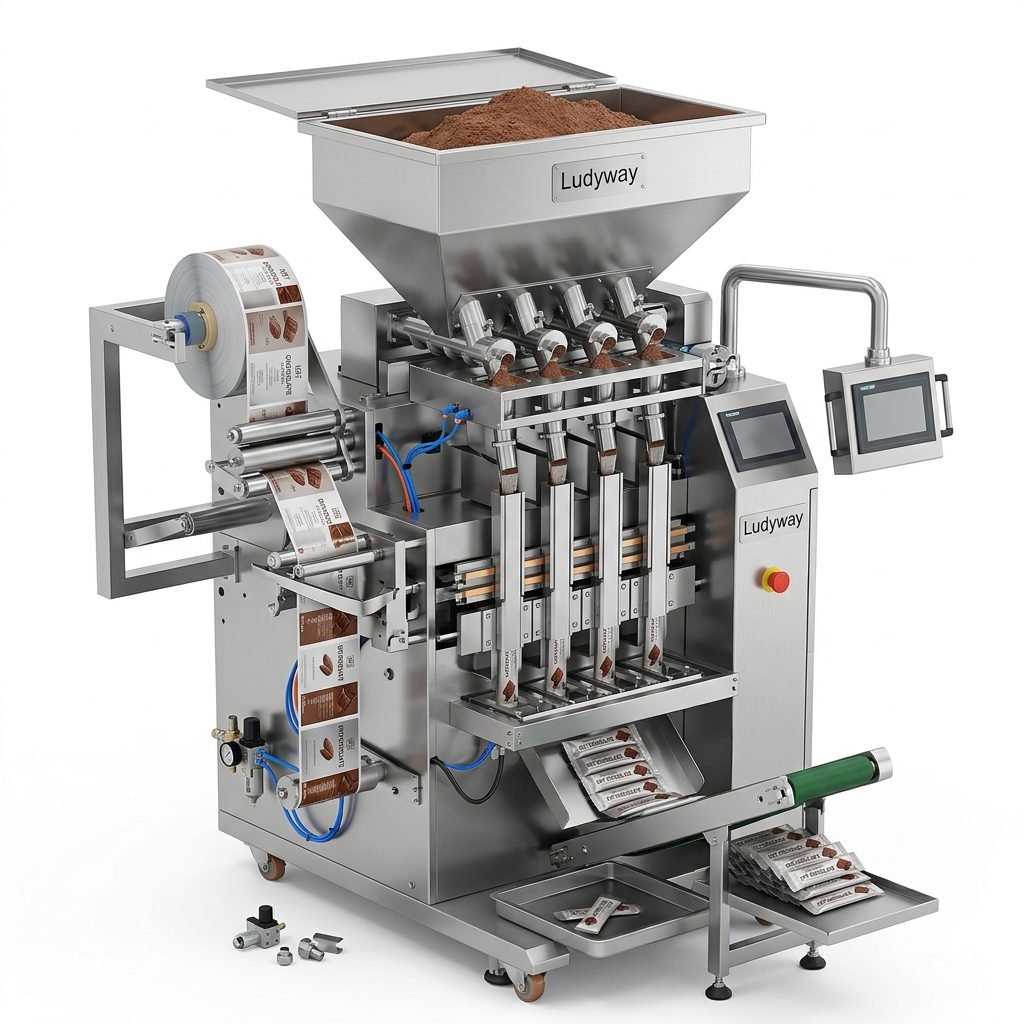
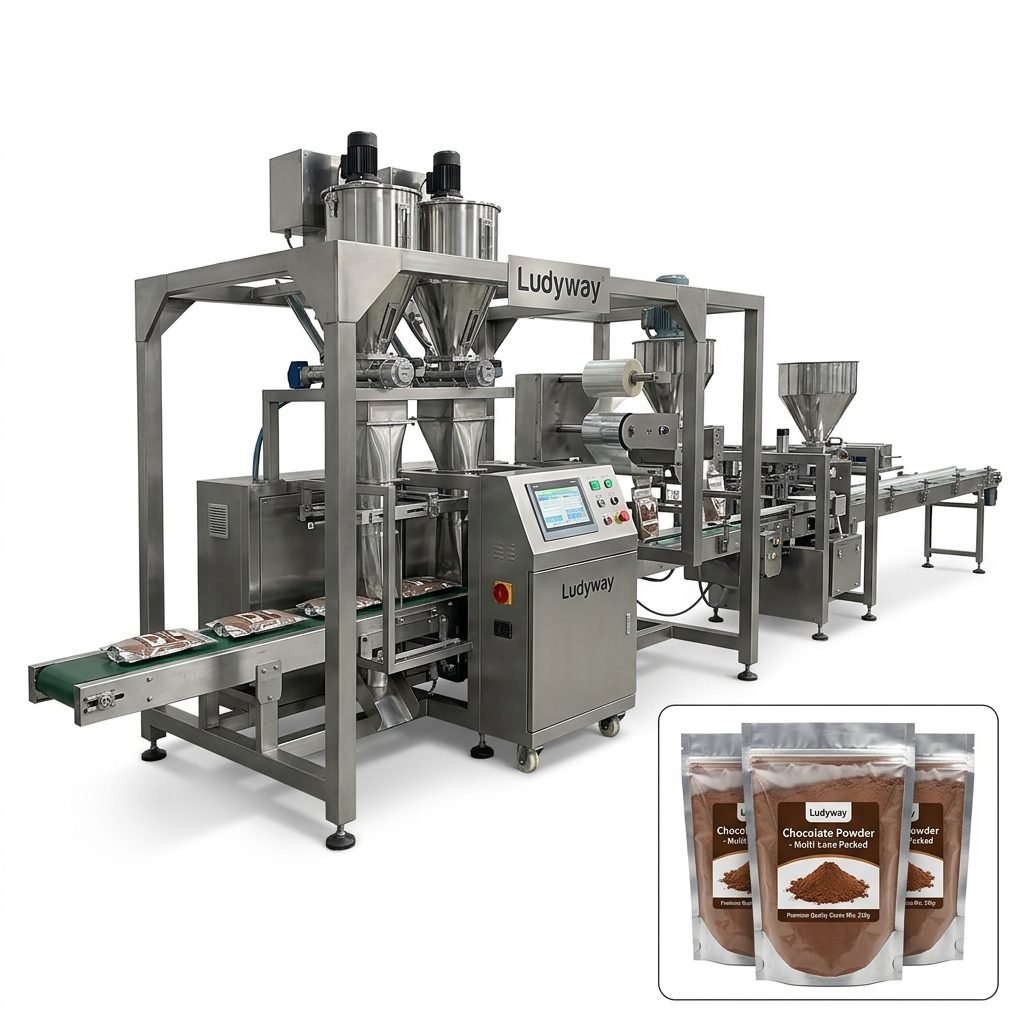
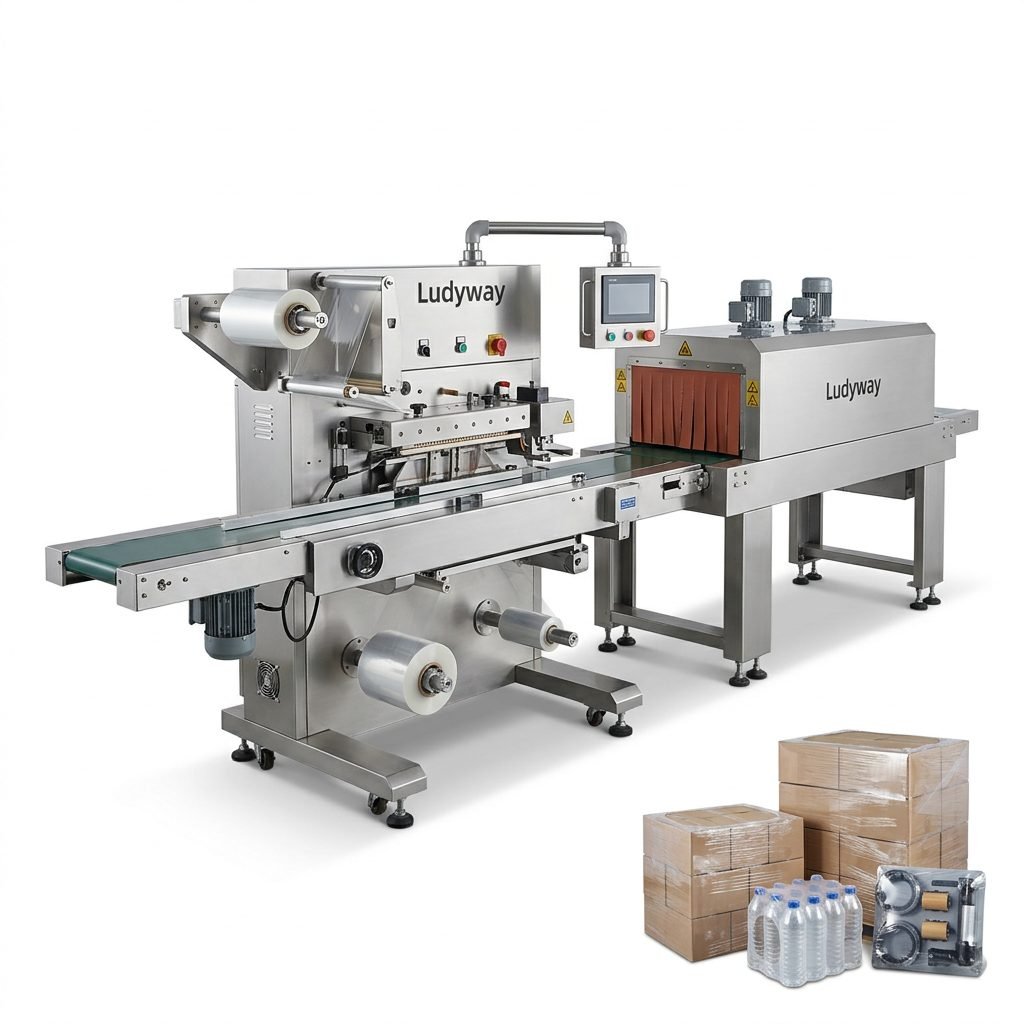
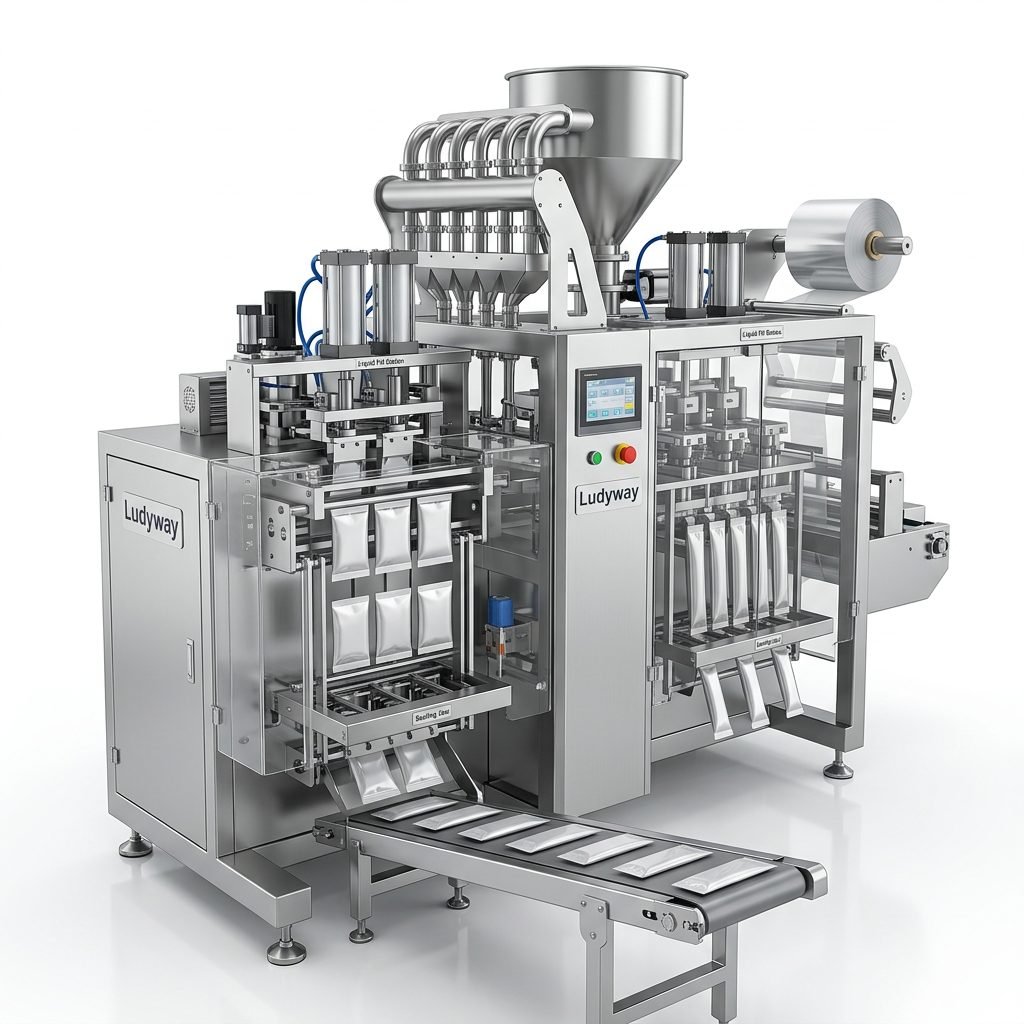
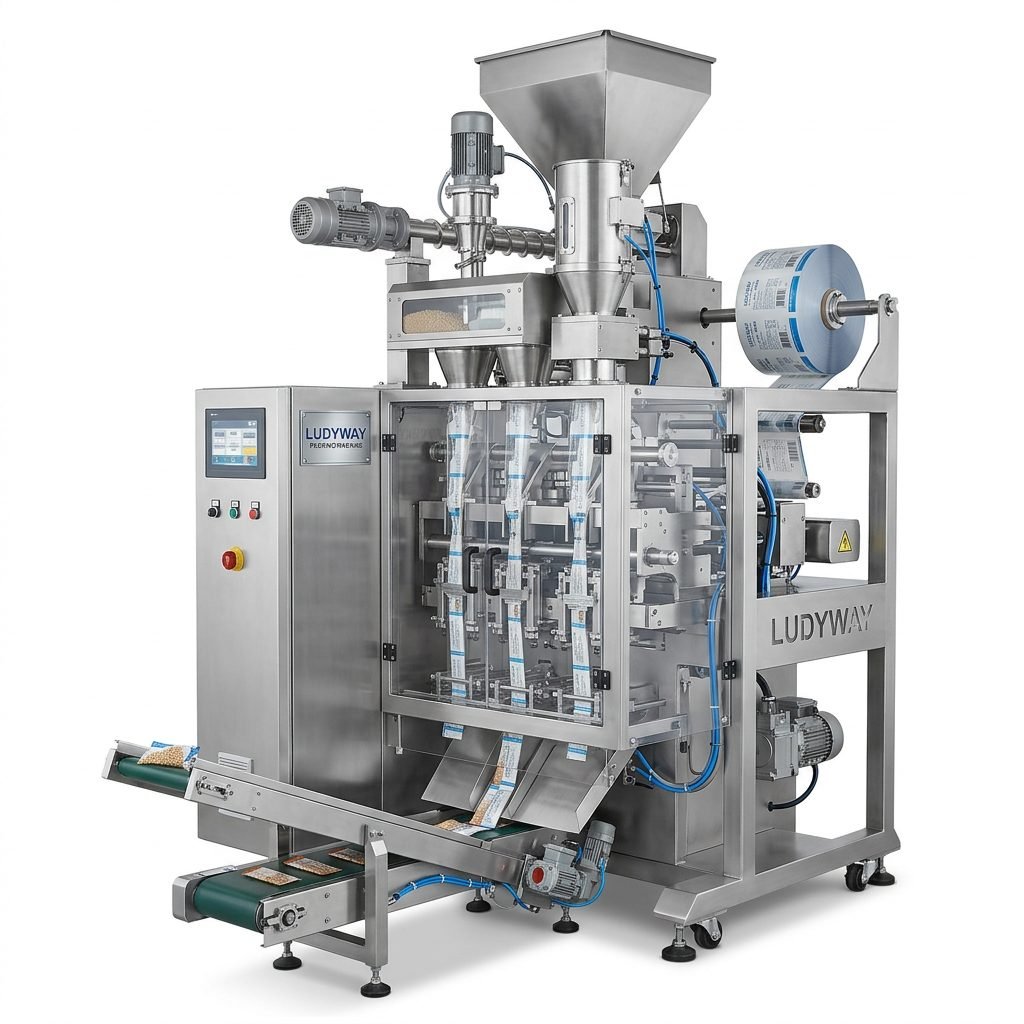
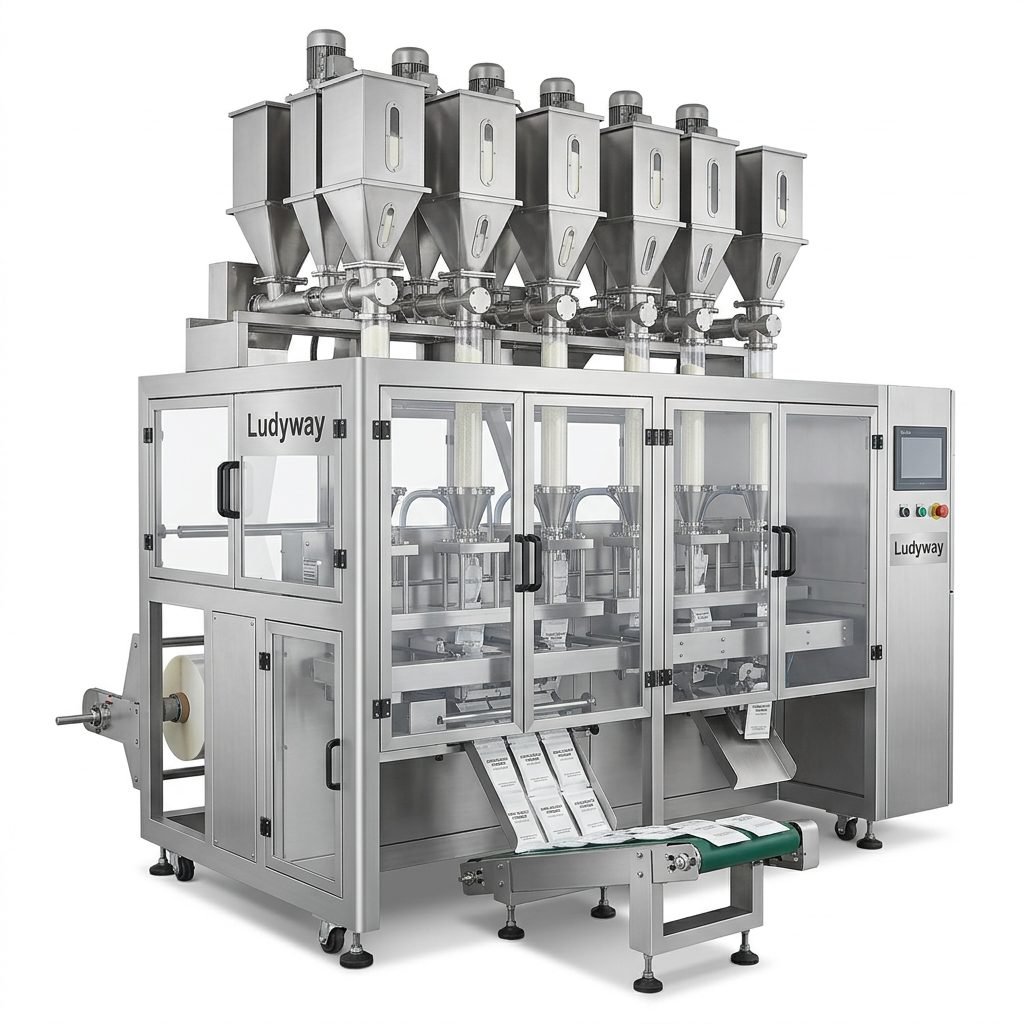
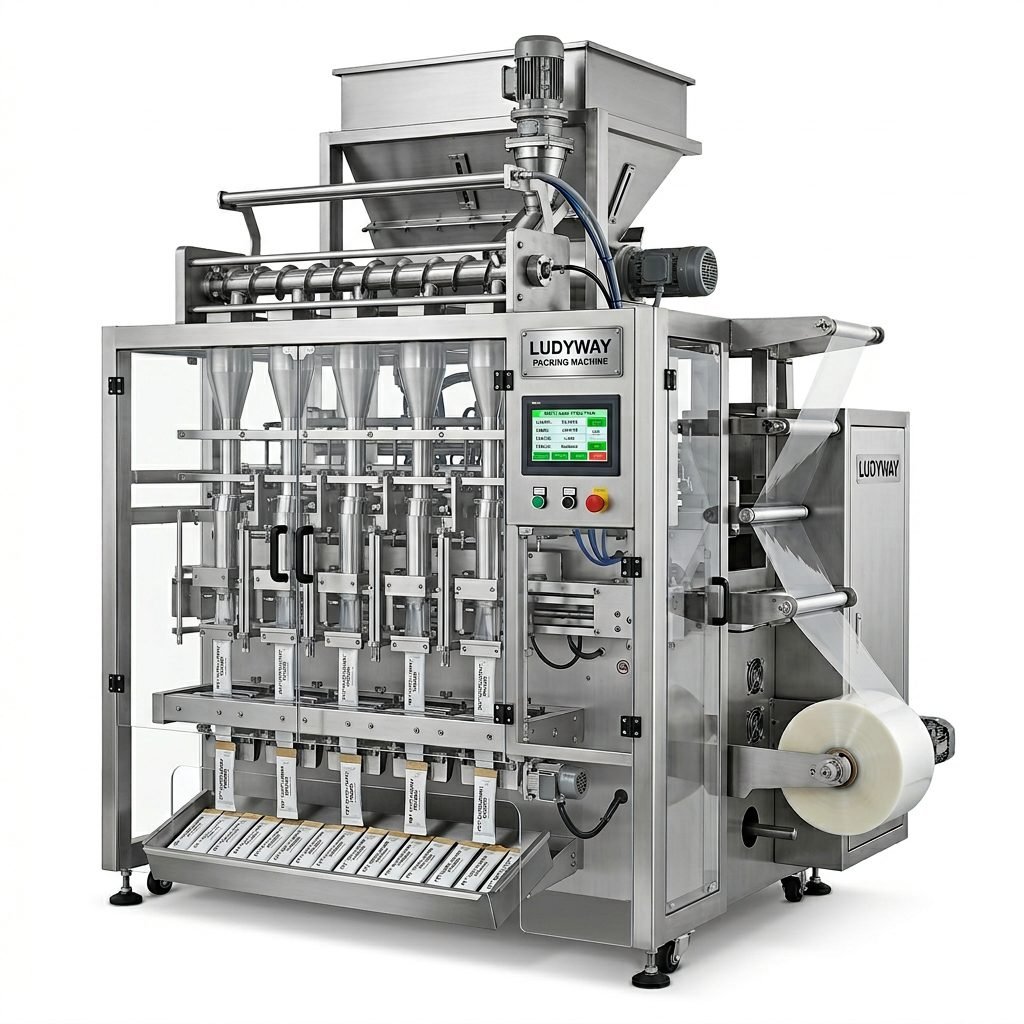
Proper maintenance is the foundation of reliable packaging operations. A camphor packing machine, whether used for granule packaging or powder sachet production, demands consistent care to avoid unplanned downtime and ensure product quality. Neglecting routine upkeep can lead to costly repairs, inconsistent seal integrity, and compromised output. This guide walks you through essential maintenance practices that keep your equipment running at peak performance.
Daily Cleaning and Inspection Routine
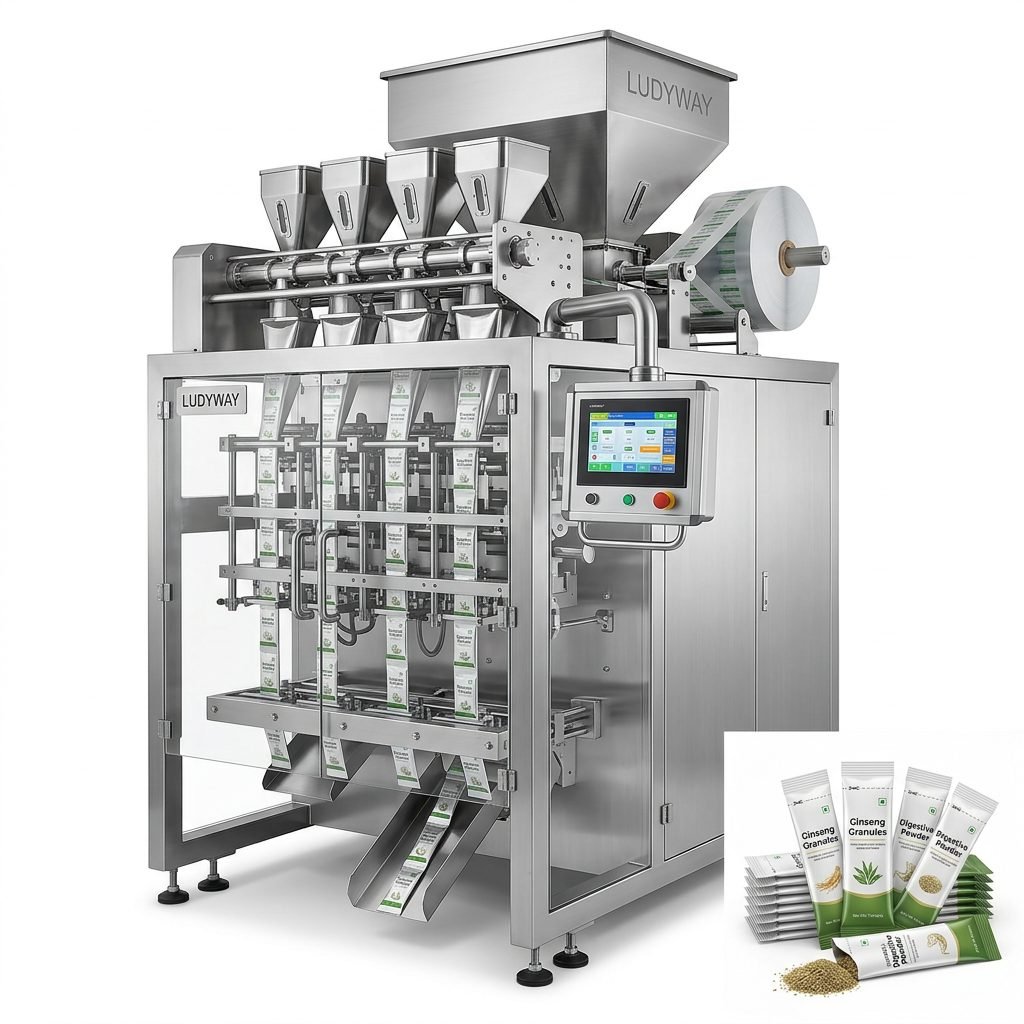
A daily cleaning protocol is the first line of defense against buildup that can affect your camphor packing machine’s precision. Camphor and similar crystalline substances tend to leave residue that accumulates on sealing jaws, filling nozzles, and forming tubes.
- Remove residual product from all contact surfaces using food-grade cleaning agents and lint-free cloths
- Inspect sealing jaws for camphor residue buildup — even a thin layer can cause weak or inconsistent seals
- Check the filling auger or volumetric cup for material caking, especially in humid environments
- Examine the film tracking system and remove any dust or debris from sensors
- Verify that all safety guards and interlocks are functioning properly before starting production
Operators should document each inspection in a daily log. This creates a maintenance history that helps identify recurring issues before they escalate into major failures. Pay special attention to any unusual sounds, vibrations, or temperature changes during the warm-up cycle of your multi-lane sachet packaging machine.
Lubrication Best Practices
Lubrication is critical for the longevity of moving components in any camphor packing machine. Insufficient or excessive lubrication are both common causes of premature wear. Follow the manufacturer’s lubrication chart precisely, noting the recommended grease types and application intervals for each component.
- Sealing jaw bearings — lubricate weekly with high-temperature food-grade grease
- Cam followers and linear guides — apply light machine oil every 40-60 operating hours
- Chain drives and sprockets — inspect tension monthly and lubricate with appropriate chain oil
- Gearboxes — check oil levels quarterly and replace according to the maintenance schedule
- Pneumatic cylinders — ensure clean, dry compressed air; lubricate seals only if specified by the manufacturer
Important: Always use lubricants that are compatible with pharmaceutical or food-grade requirements if your camphor products are destined for human consumption or topical use. Cross-contamination from improper lubricants can lead to product rejection and regulatory issues.
Critical Component Checks
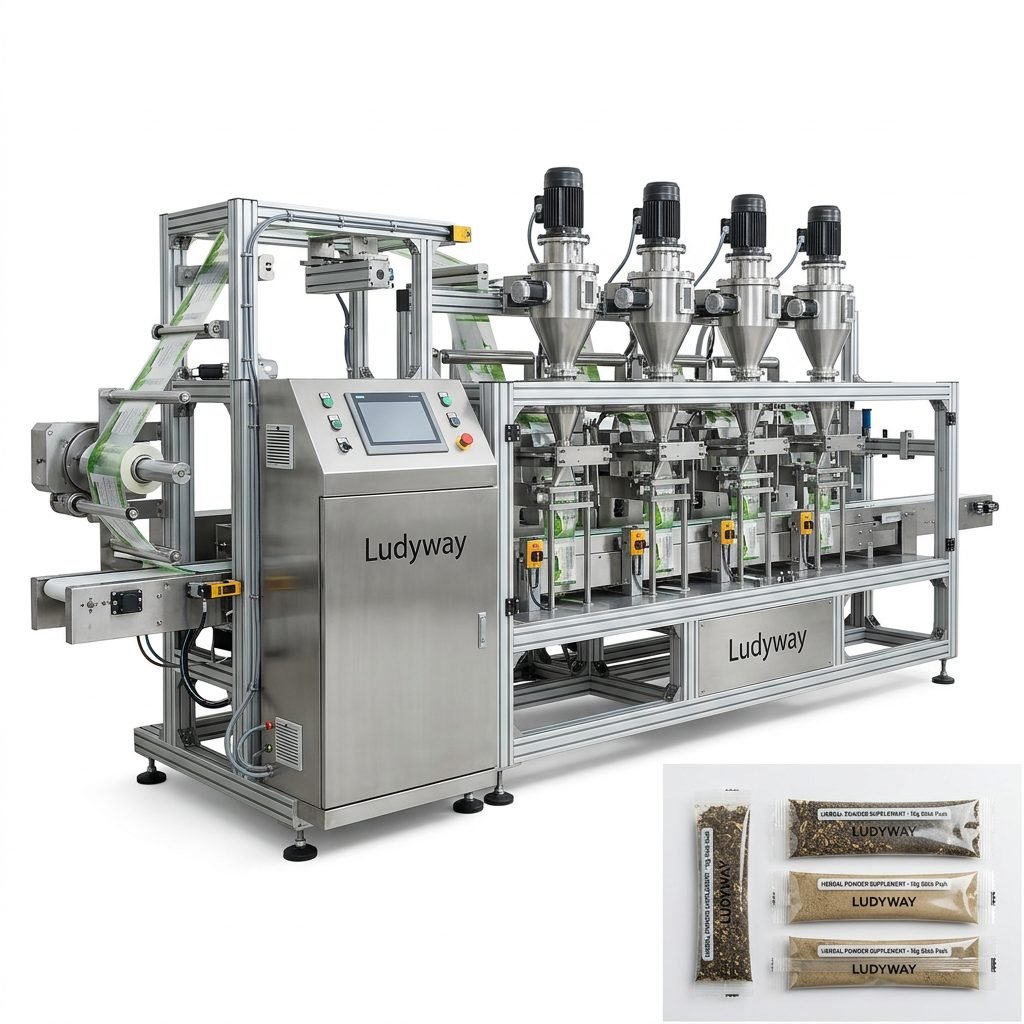
Several components on a camphor packing machine require scheduled inspection and replacement to maintain reliable performance. Identifying wear patterns early prevents catastrophic failures during production runs.
Sealing System Components
The sealing system is arguably the most critical subsystem. Worn or misaligned sealing jaws produce defective packages that compromise product shelf life. Inspect the following:
- Sealing jaw surface condition — look for scoring, pitting, or uneven wear patterns
- Heating element resistance values — compare against specifications monthly
- Thermocouple accuracy — calibrate quarterly to ensure precise temperature control
- Jaw alignment and parallelism — check every 500 operating hours
Filling and Dosing Assembly
For camphor products, accurate dosing is essential. Inconsistent fill weights can indicate wear in the dosing mechanism. Inspect volumetric cups or auger flights for dimensional wear every three months. Clean and calibrate load cells on multi-head weighers regularly to maintain the ±1% accuracy required for most applications.
Film Transport and Registration
The film unwinding and tracking system must maintain precise tension control. Check rubber rollers for hardening or glazing, inspect brake pads for wear, and clean the registration sensor lens weekly. A misaligned film path causes wrinkled packages and wasted material on your stick pack machine.
Electrical System Maintenance
Electrical components on modern camphor packing machines include PLCs, servo drives, sensors, and HMI panels. These require a systematic approach to maintenance that differs from mechanical upkeep.
- Control cabinet — keep doors closed and seals intact; inspect for dust ingress monthly and clean ventilation filters
- Wiring and connections — check for loose terminals, signs of overheating, or insulation damage during quarterly inspections
- Sensor calibration — verify photoelectric sensors, proximity switches, and temperature probes against known standards every six months
- Battery backup — replace PLC and HMI backup batteries annually to prevent program loss
- Grounding integrity — test grounding resistance annually; poor grounding causes erratic sensor behavior and potential safety hazards
Always de-energize and lock out the machine before performing any electrical maintenance. Capacitors in servo drives can retain dangerous voltage levels even after power is disconnected.
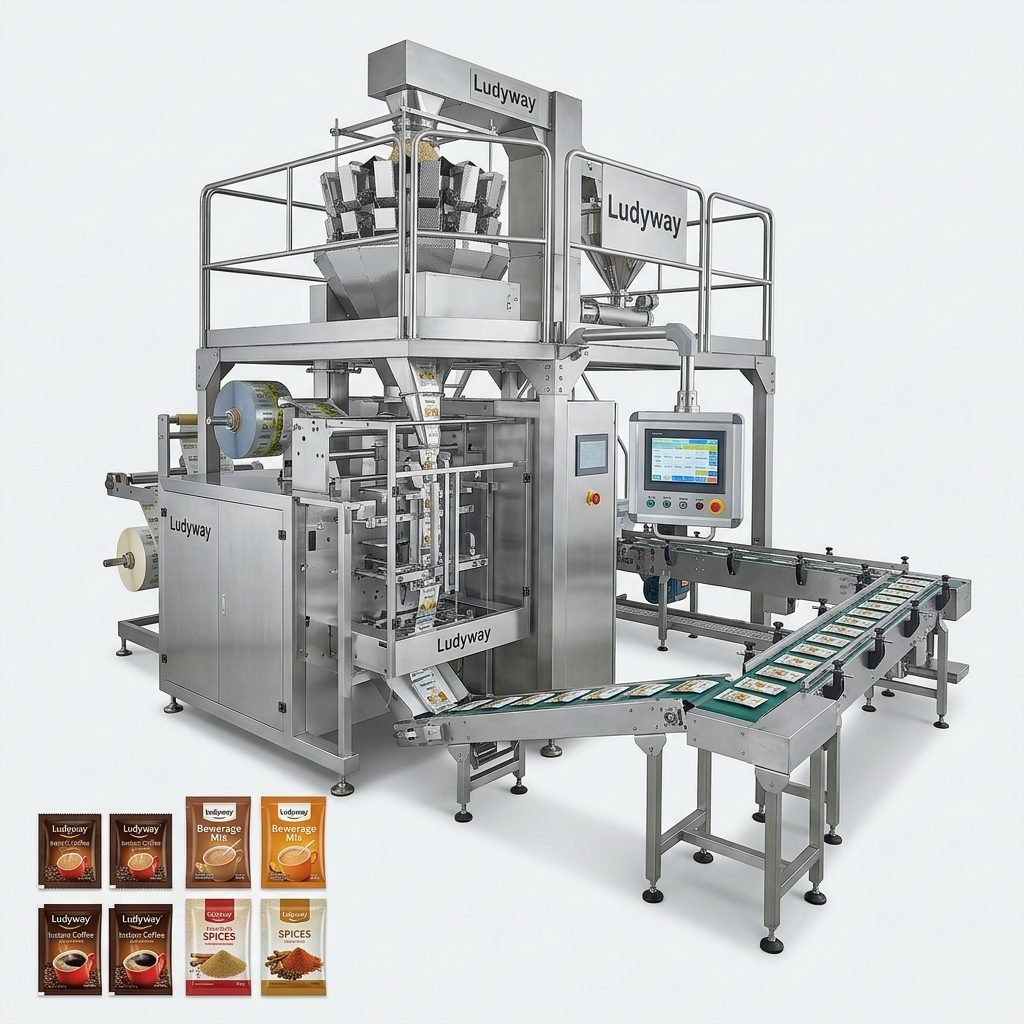
Preventive Maintenance Schedule
A structured preventive maintenance program is the most effective way to maximize the service life of your camphor packing machine. The following table outlines a recommended schedule based on industry best practices and guidelines referenced by organizations such as PMMI.
| Frequency | Maintenance Tasks | Responsible Party |
|---|---|---|
| Daily | Clean product contact surfaces, inspect sealing jaws, check safety interlocks, verify film tracking | Machine Operator |
| Weekly | Lubricate bearings, clean sensors, inspect rubber rollers, check pneumatic filters and traps | Maintenance Technician |
| Monthly | Check chain tension, inspect wiring connections, verify heating element resistance, clean control cabinet filters | Maintenance Technician |
| Quarterly | Calibrate thermocouples, inspect dosing mechanism for wear, check gearbox oil, test all emergency stops | Senior Technician / Engineer |
| Semi-Annually | Calibrate all sensors, replace worn sealing components, inspect servo motor couplings, verify PLC program integrity | Automation Engineer |
| Annually | Complete machine overhaul, replace backup batteries, test grounding, update firmware, review maintenance logs for trends | Engineering Team / OEM Support |
Troubleshooting Common Issues
Even with diligent maintenance, occasional issues arise. Quick diagnosis minimizes downtime. Here are common problems encountered with camphor packing machines and their likely causes:
- Inconsistent seal strength: Check jaw temperature uniformity, inspect for residue buildup, verify film compatibility with heat settings
- Fill weight variation: Examine dosing mechanism for wear, check product flow consistency, recalibrate weighing system
- Film tracking drift: Clean tracking sensor, verify roller alignment, check film roll placement and tension settings
- Excessive machine vibration: Inspect motor mounts, check for loose fasteners, verify belt tension and pulley alignment
- Intermittent sensor faults: Clean sensor lenses, check wiring connections, verify power supply stability, inspect for grounding issues
Always consult the machine manual before attempting repairs. For complex issues involving servo drives or PLC programming, contact qualified support personnel. As noted in resources from the FDA packaging guidelines, maintaining proper documentation of all troubleshooting activities is essential for compliance in regulated industries.
Spare Parts Management
An organized spare parts inventory significantly reduces downtime when replacement components are needed. For camphor packing machines, prioritize stocking the following:
- Sealing jaw sets (heated and unheated)
- Thermocouples and heating elements
- Common bearings and bushings
- Drive belts and timing belts
- Sensor types specific to your machine configuration
- Pneumatic seals and O-rings
- Fuses and common electrical components
Work with your equipment supplier to identify critical spare parts based on your specific camphor packing machine model and production volume. For businesses seeking reliable packaging solutions, Ludyway provides comprehensive spare parts support and technical documentation with every machine. Maintaining a relationship with your original equipment manufacturer ensures access to genuine parts and updated technical guidance.
Operator Training and Documentation
Well-trained operators are your best maintenance asset. They are the first to notice subtle changes in machine behavior that signal developing problems. Invest in structured training that covers:
- Proper startup and shutdown procedures for the camphor packing machine
- Recognition of abnormal sounds, vibrations, or visual indicators
- Correct cleaning techniques that do not damage sensitive components
- Basic troubleshooting steps documented in standard operating procedures
- Accurate completion of maintenance logs and shift reports
Maintain a comprehensive maintenance library that includes machine manuals, electrical schematics, spare parts lists, and service records. Digital documentation with searchable PDFs and video tutorials enhances accessibility. Industry resources such as those from the PMMI resource library and ISO packaging standards provide valuable frameworks for developing maintenance protocols.
Environmental Considerations for Camphor Products
Camphor presents unique packaging challenges due to its volatile nature and tendency to sublimate at room temperature. Your maintenance routine should account for these characteristics:
- Camphor vapors can corrode certain metals over time — inspect metal components in the filling zone more frequently
- Product sublimation creates microscopic crystalline deposits on optical sensors — increase sensor cleaning frequency
- Ensure proper ventilation around the packaging area to reduce vapor concentration near electrical components
- Consider stainless steel construction for all product contact parts to resist chemical interaction with camphor
- Monitor ambient temperature and humidity in the packaging room — fluctuations affect both camphor behavior and machine performance

Key Takeaways for Long-Term Reliability
- Establish and follow a documented preventive maintenance schedule tailored to your camphor packing machine
- Train operators thoroughly — they are the first line of defense in early problem detection
- Stock critical spare parts to minimize downtime when components need replacement
- Account for camphor’s unique properties in your cleaning and inspection routines
- Maintain detailed service records to identify wear patterns and optimize maintenance intervals
- Partner with a knowledgeable packaging machine manufacturer for ongoing technical support and genuine replacement parts
Consistent application of these maintenance principles will extend the service life of your equipment, reduce total cost of ownership, and ensure that your camphor packing machine delivers reliable performance for years to come. For further guidance on packaging machinery standards, refer to the Flexible Packaging Association and PMMI business intelligence resources.