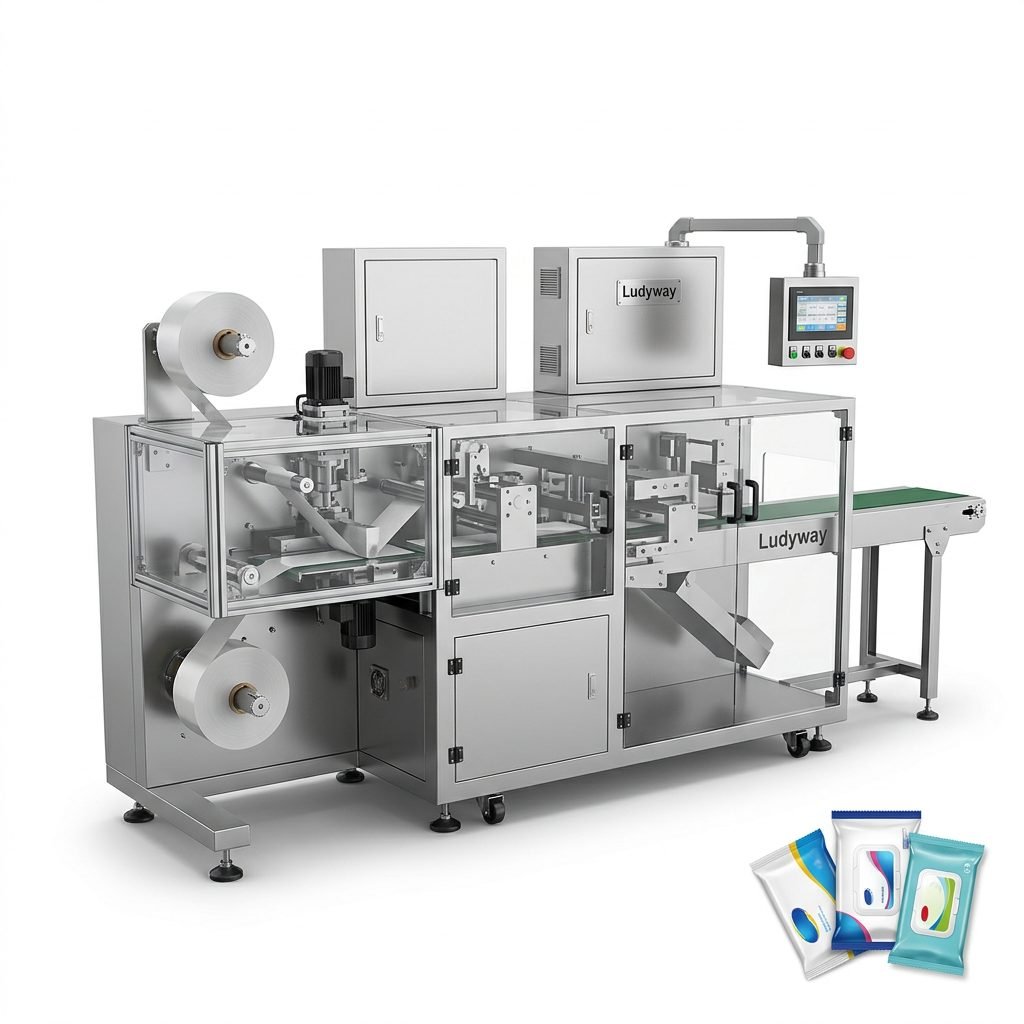
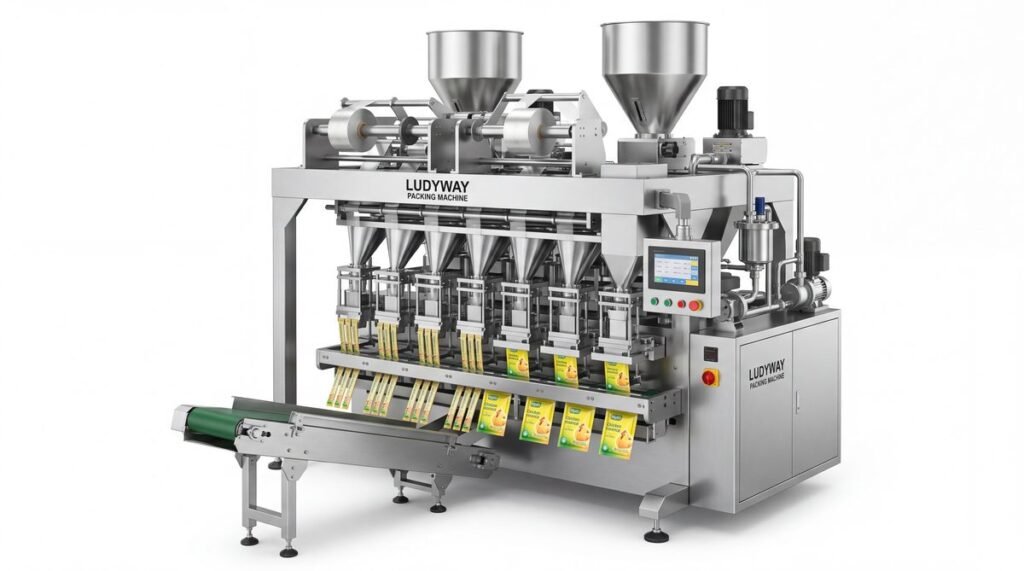
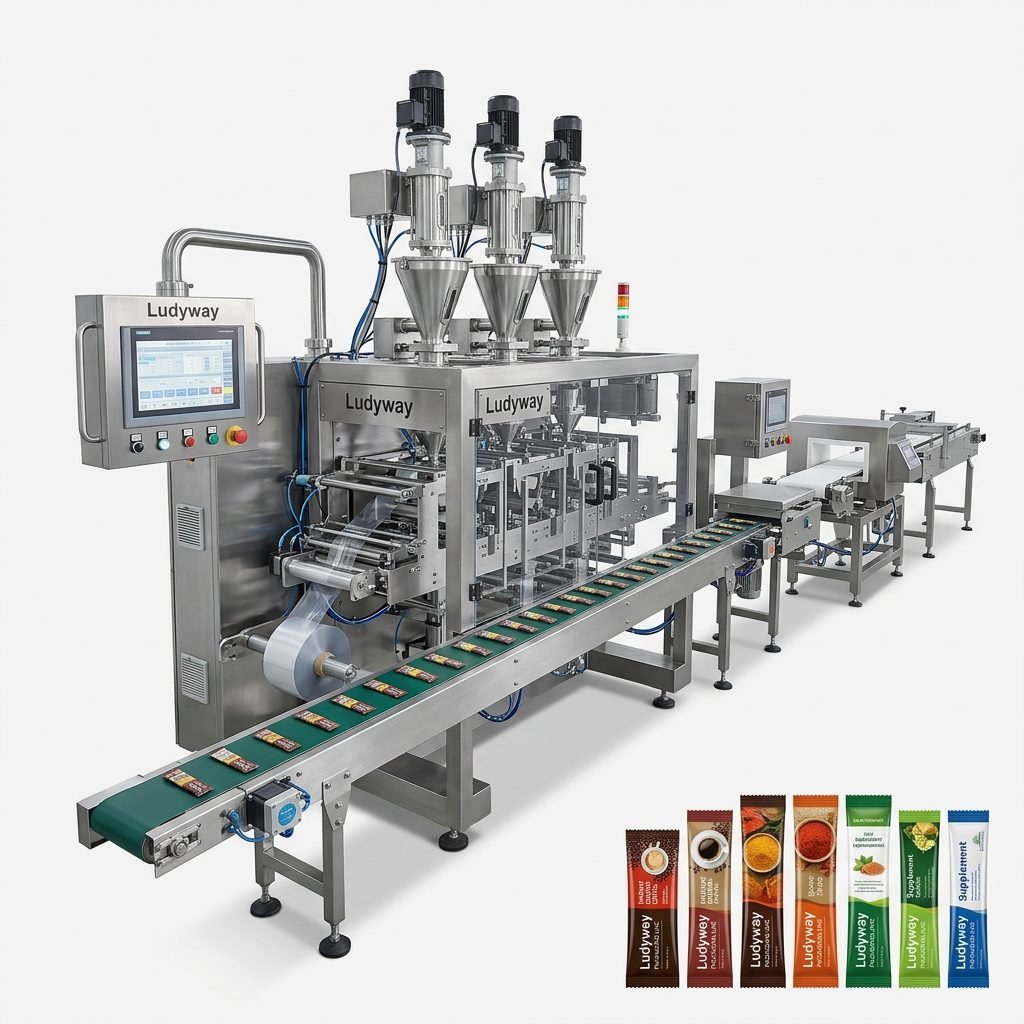
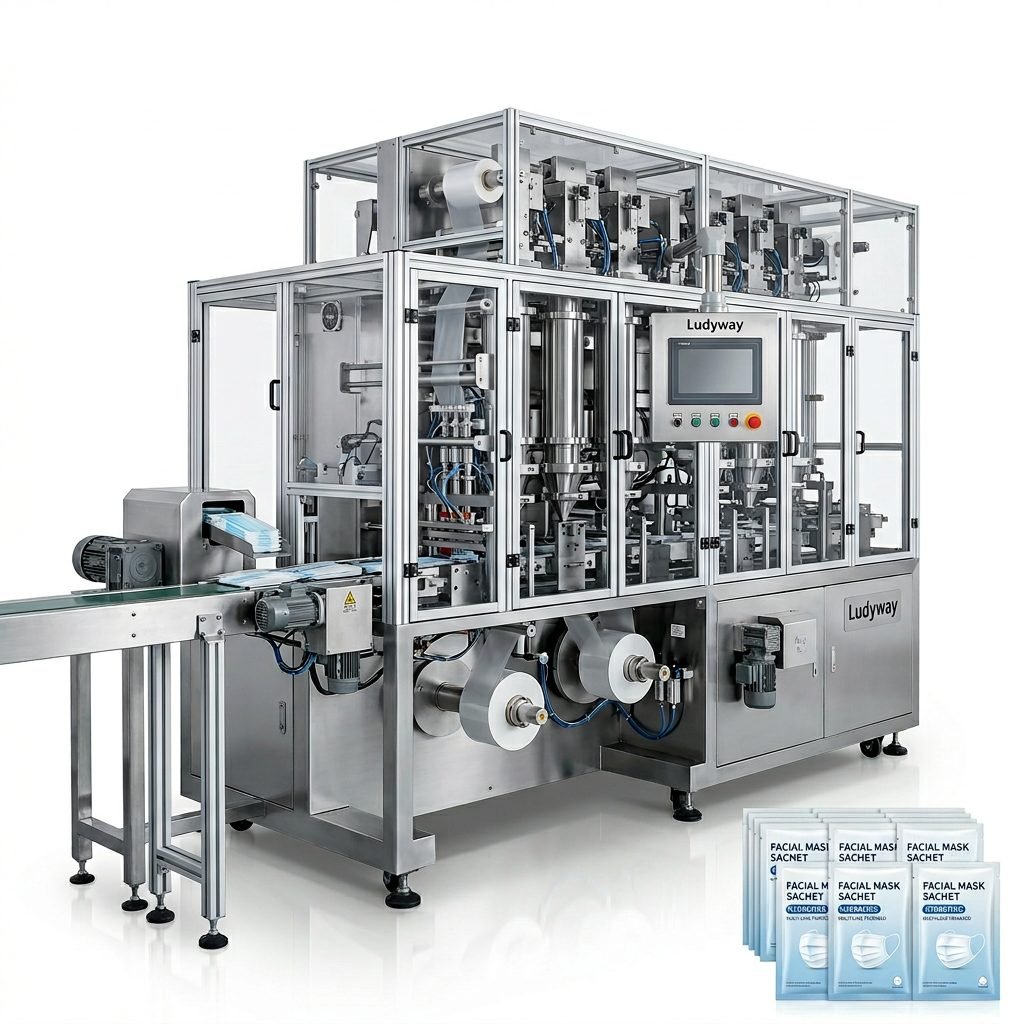
For small business owners, selecting the right packaging machine is a critical decision that impacts efficiency, product presentation, and the bottom line. Compact packaging solutions offer a way to automate processes without the massive footprint or capital investment of industrial-scale equipment. This guide will help you navigate the key considerations for choosing the best compact packaging machine for your small business needs.
Understanding Your Packaging Requirements
Before diving into machine specifications, a thorough assessment of your specific needs is essential. This foundational step ensures the equipment you choose aligns perfectly with your operations.
Key Factors to Evaluate:
- Product Type: Is your product a granule, powder, liquid, paste, or solid? The physical form dictates the machine’s filling mechanism.
- Production Volume: Estimate your daily, weekly, or monthly output. Compact machines are designed for lower to medium volumes compared to large production lines.
- Packaging Material: Determine if you’ll use pre-made bags, roll film (for form-fill-seal machines), sachets, or stick packs.
- Bag Size & Format: Define the range of bag dimensions and styles (e.g., pillow bags, gusseted bags, stand-up pouches) you plan to use.
- Available Space: Precisely measure your floor space. The beauty of compact solutions is their small footprint, but you must ensure a proper fit.
Types of Compact Packaging Machines for Small Businesses
The market offers several types of machines tailored for smaller-scale operations. Understanding their functions helps narrow your search.
Vertical Form-Fill-Seal (VFFS) Machines
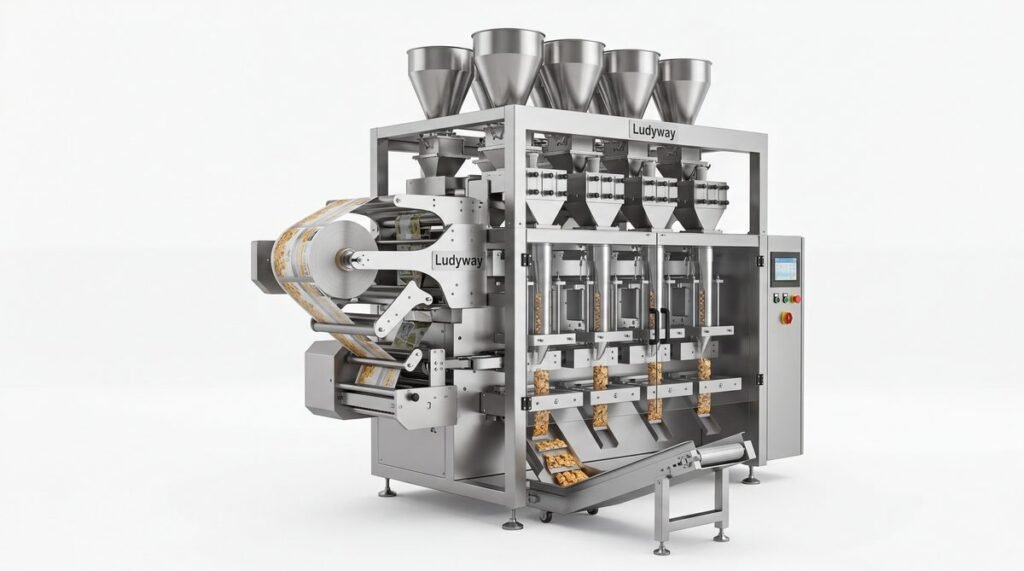
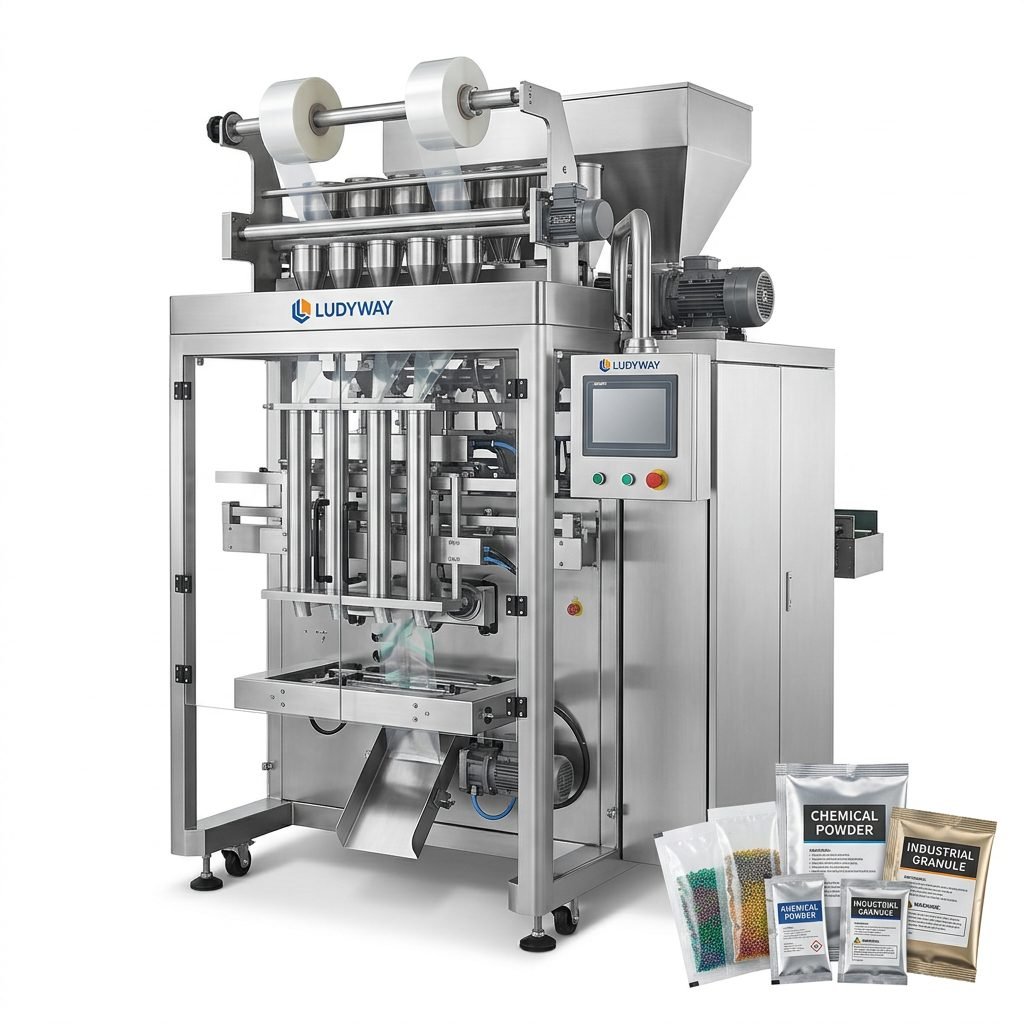
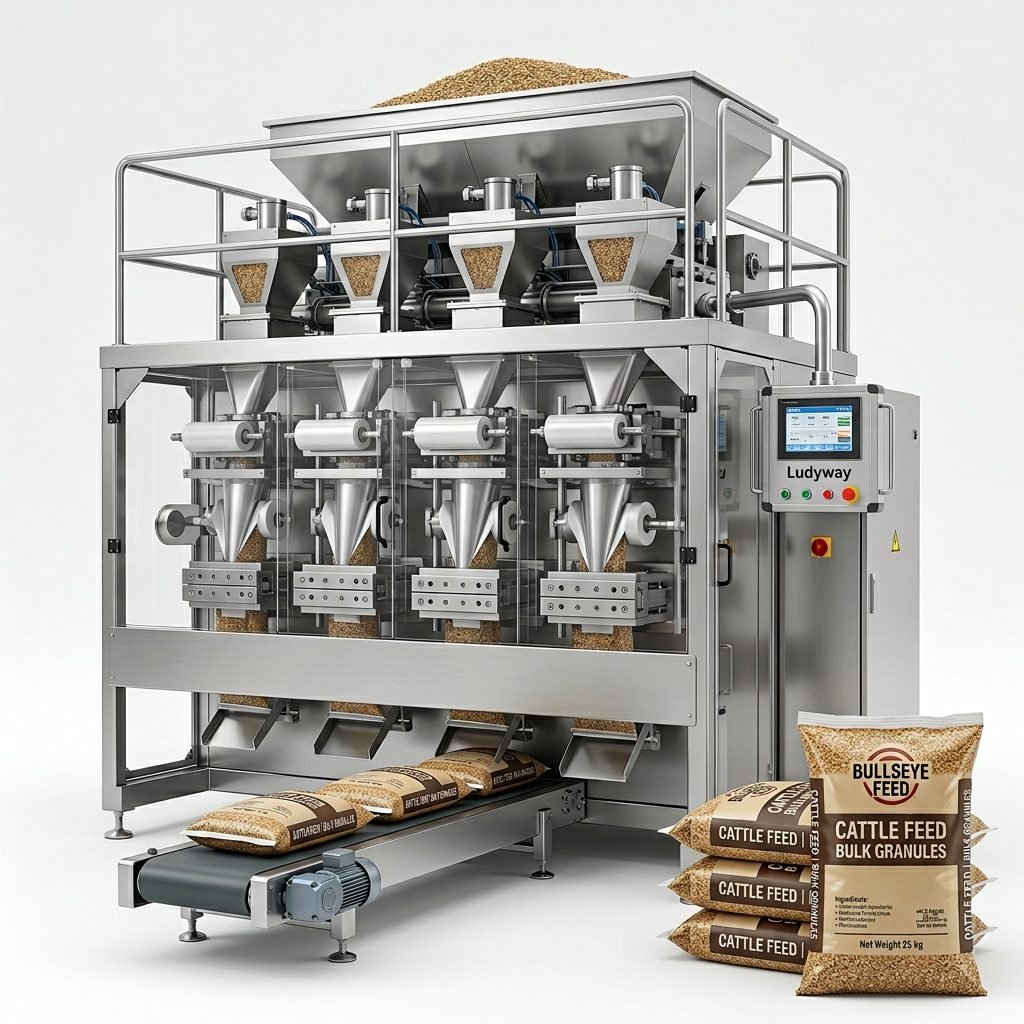
These are among the most versatile and popular compact options. A VFFS machine forms bags from a roll of packaging film, fills them with your product, and seals them—all in one continuous, automated cycle. They are ideal for granules, powders, and small solid items.
→ Primary Benefit: Extremely flexible for bag sizes and styles, minimizing pre-made bag inventory.
Automatic Cup Filling and Sealing Machines
Perfect for products like yogurt, pudding, dips, or sauces, these machines fill pre-formed plastic or paper cups and then seal them with a lid or film. They are compact and excellent for maintaining product freshness.
Liquid & Paste Filling Machines
Designed for viscous products, these compact fillers use piston, pump, or gravity systems to accurately dose liquids, creams, or pastes into bottles, tubes, or sachets. Look for models with easy-to-clean contact parts.
Stick Pack & Sachet Packaging Machines
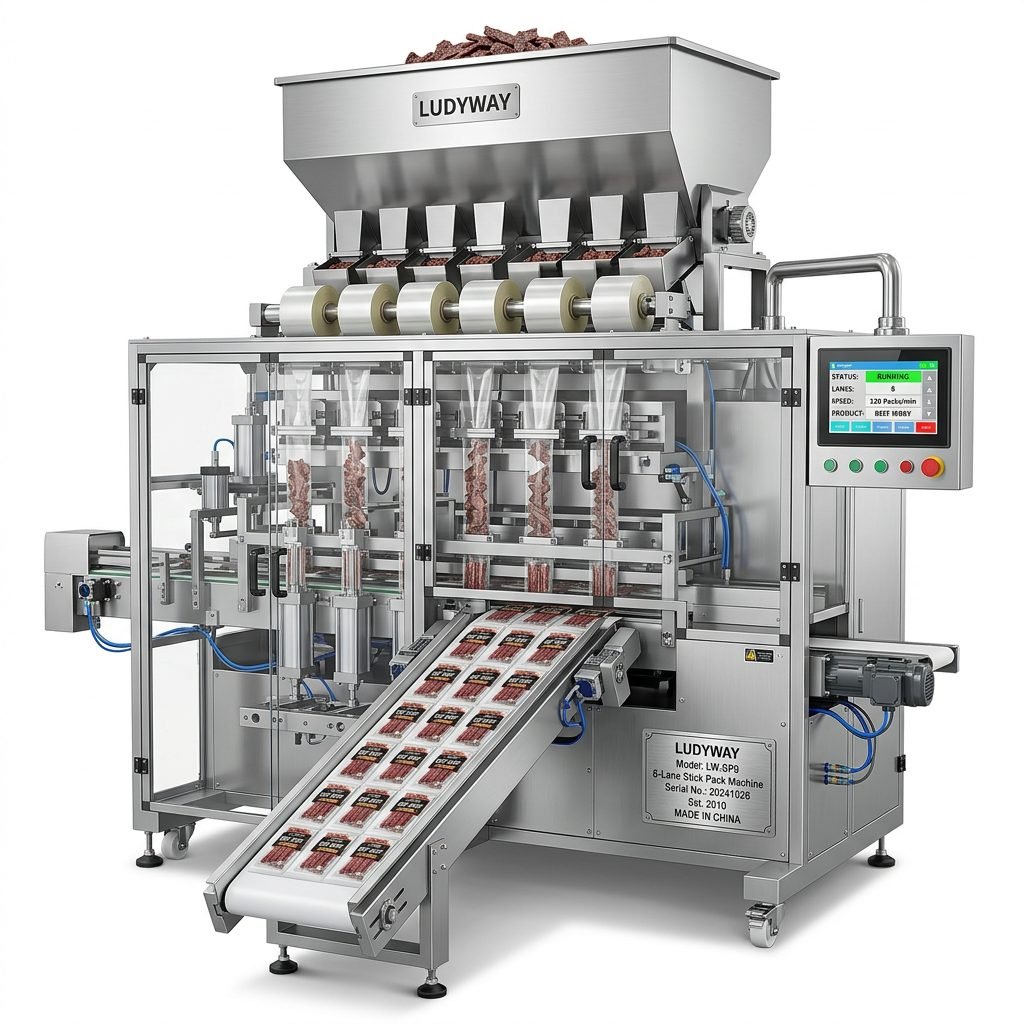
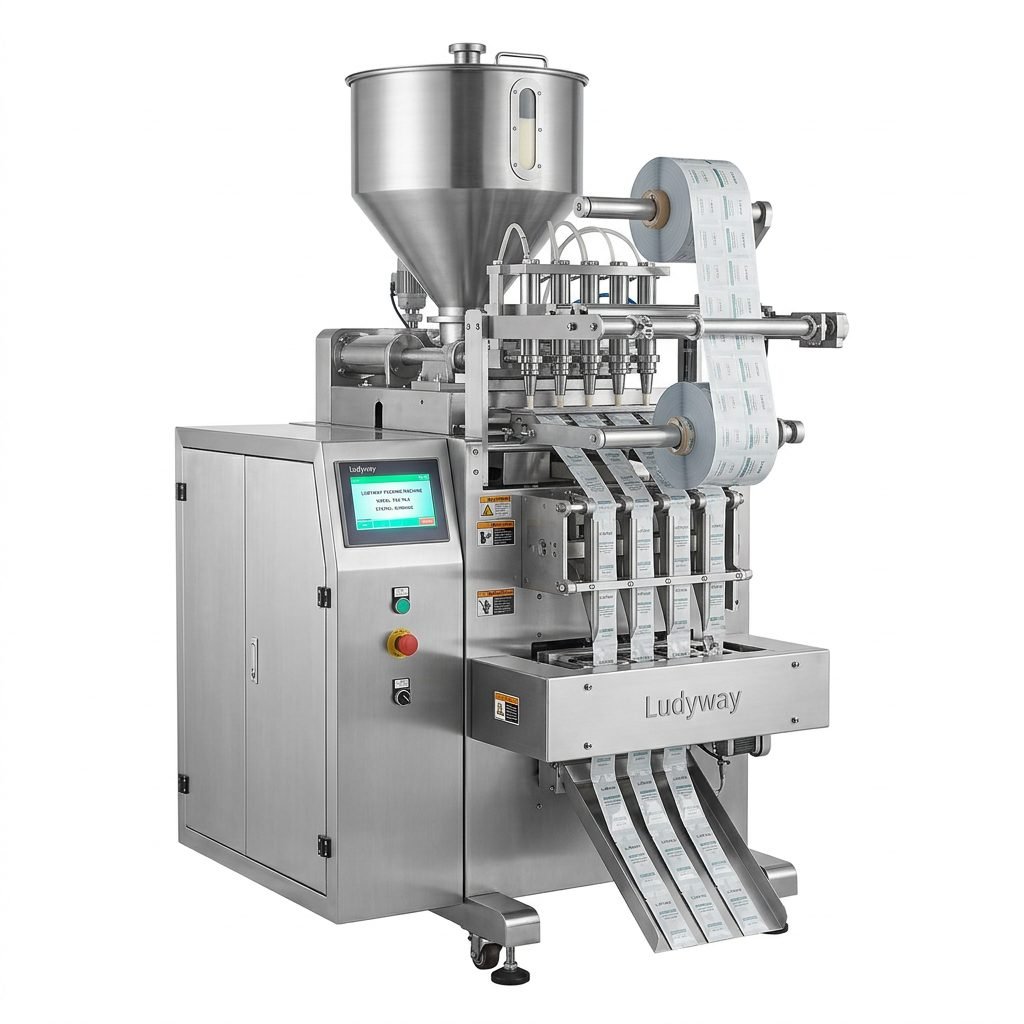
If your product is a single-serving powder (like coffee, sugar, or supplements) or a small liquid dose, a compact stick pack machine is optimal. They create slim, elongated packets that are space-efficient and consumer-friendly. Ludyway Packing Machine offers several intelligent models in this category, known for their reliability in the food and health industries.
Critical Features to Look For in a Compact Machine
Beyond the machine type, specific features determine usability, efficiency, and return on investment.
Must-Have Features for Small Business Success
1. User-Friendly Interface & Controls: A simple touchscreen or control panel with clear instructions reduces training time and operator error. Look for machines that allow easy parameter changes for different products.
2. Quick Changeover Capability: Time is money. Machines that allow for rapid switching between bag sizes or products maximize your operational flexibility and minimize downtime.
3. Robust Construction & Reliability: Even a compact machine should be built with durable materials (e.g., stainless steel food-grade contact parts) to ensure longevity and consistent performance, a hallmark of experienced brands like Ludyway Machinery.
4. Accuracy of Filling: Consistent and precise filling prevents product giveaways and ensures every package meets label claims. This is crucial for compliance and customer trust.
5. Safety Features: Emergency stop buttons, safety guards, and overload protection are non-negotiable for protecting your staff and equipment.
Balancing Budget with Long-Term Value
The initial purchase price is just one part of the cost equation. A smarter investment considers total cost of ownership.
▶ Upfront Cost: Compact machines vary widely. Set a realistic budget but be wary of prices that seem too good to be true, as they may indicate poor quality.
▶ Operational Costs: Factor in utilities (power/air consumption), packaging material waste during setup, and required maintenance supplies.
▶ Service & Support: This is arguably the most critical factor for a small business. Ensure the supplier offers accessible technical support, available spare parts, and clear documentation. A company with over 30 years of industry experience often provides more reliable long-term support.
▶ ROI Calculation: Estimate how much the machine will save in labor costs, reduce material waste, and increase output. A slightly higher initial investment in a more efficient, reliable machine often pays for itself quickly.
Implementing Your New Packaging Solution
Successful integration goes beyond unboxing the machine.
Site Preparation
Ensure you have the correct power supply, compressed air (if needed), and a level, stable floor. Proper preparation prevents installation delays.
Training and Workflow Integration
Schedule comprehensive training for your operators. Analyze your production workflow to position the machine optimally, ensuring a smooth material flow from filling to sealing to boxing.
Start with a Pilot Phase
Begin by running the machine for a limited product batch. Monitor its performance, accuracy, and speed. This allows you to iron out any kinks before full-scale production.
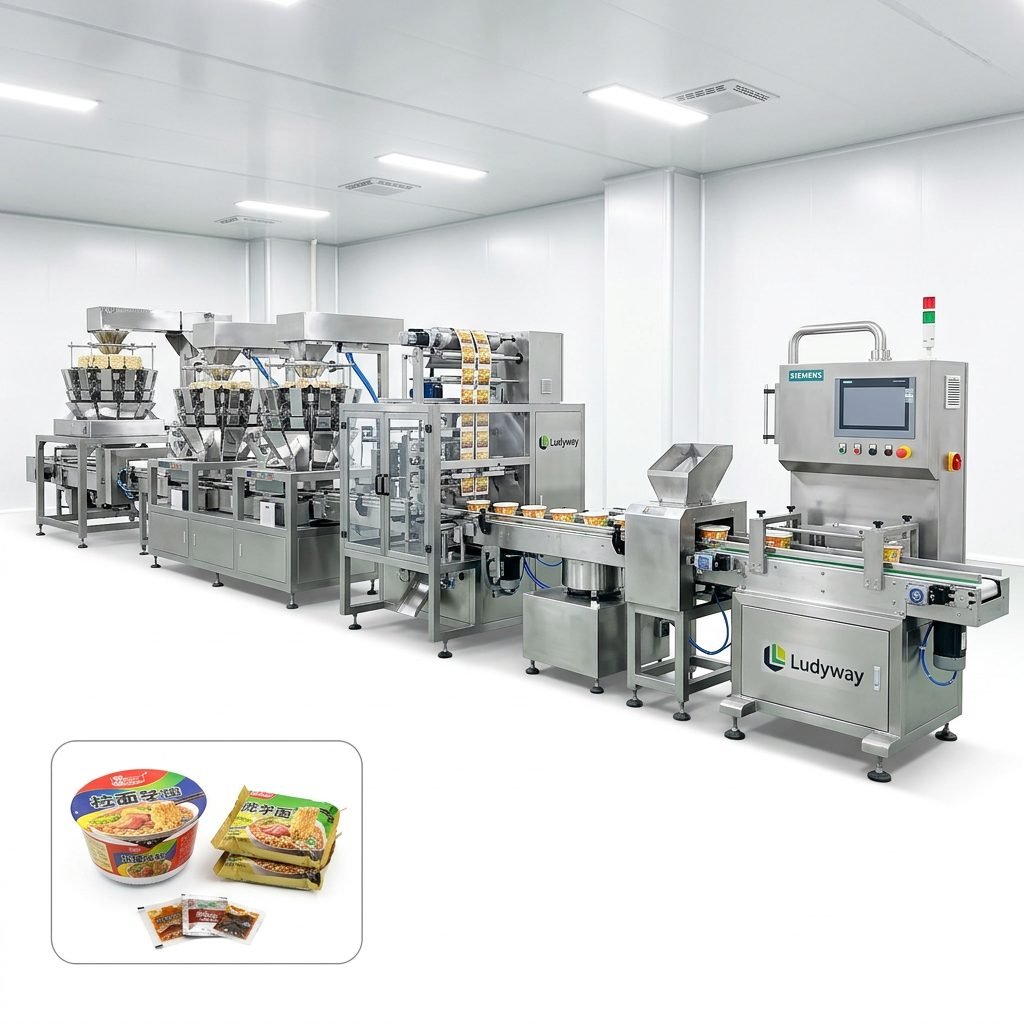
Choosing a partner that provides complete turnkey production solutions can significantly simplify this implementation process, offering guidance from setup to optimization.
Frequently Asked Questions (FAQs)
Q1: How much space do I really need for a compact packaging machine?
While “compact” is relative, most machines designed for small businesses require a footprint similar to a large office desk (e.g., 1.5m x 1m), plus additional space for operator access, material loading, and output collection. Always check the manufacturer’s specifications and plan for a comfortable workspace around it.
Q2: Can one machine handle multiple, very different products?
It depends on the machine’s flexibility. A well-designed vertical form-fill-seal (VFFS) machine can often switch between different granule or powder products with a thorough cleaning and change of film. Switching between entirely different product types (e.g., powder to liquid) usually requires a different filling system and may not be feasible on a single machine.
Q3: What is the typical lead time for receiving and installing a machine?
Lead times vary by manufacturer, machine complexity, and customization. For standard compact models from a reputable supplier with solid engineering capabilities, expect a lead time of several weeks to a few months. This includes manufacturing, testing, and shipping. Always confirm timelines with your supplier before ordering.
Q4: How do I ensure the machine meets food safety or pharmaceutical standards?
Specify your industry requirements upfront. Look for machines constructed with food-grade stainless steel (e.g., 304 or 316) for product contact parts, with designs that allow for easy cleaning and sanitization. Reputable manufacturers will understand GMP (Good Manufacturing Practices) guidelines and can often provide documentation or machine features that support compliance.
Q5: Is financing or leasing available for small business packaging equipment?
Many equipment suppliers and third-party financial companies offer leasing or financing options to help small businesses manage cash flow. This allows you to acquire the necessary equipment with a lower upfront payment. It’s always worth inquiring about these options during your purchasing discussions.