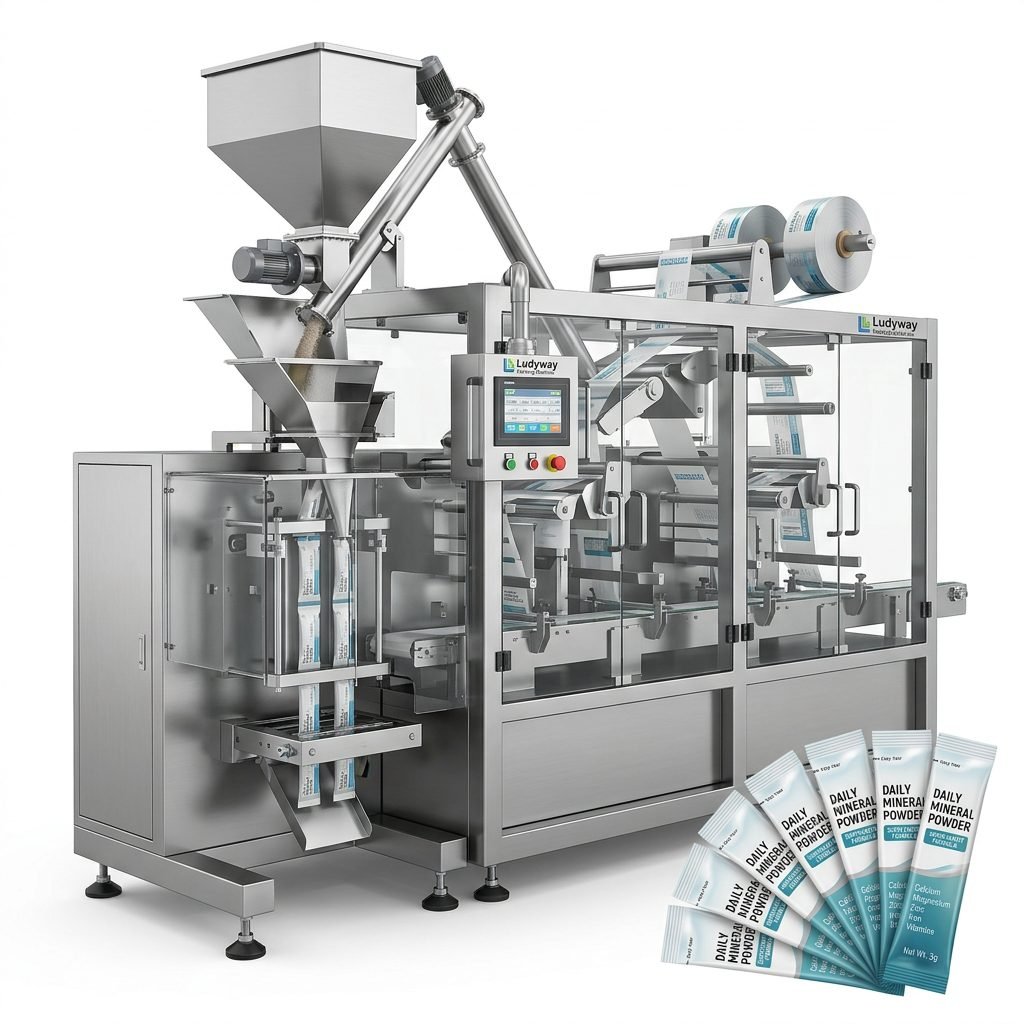
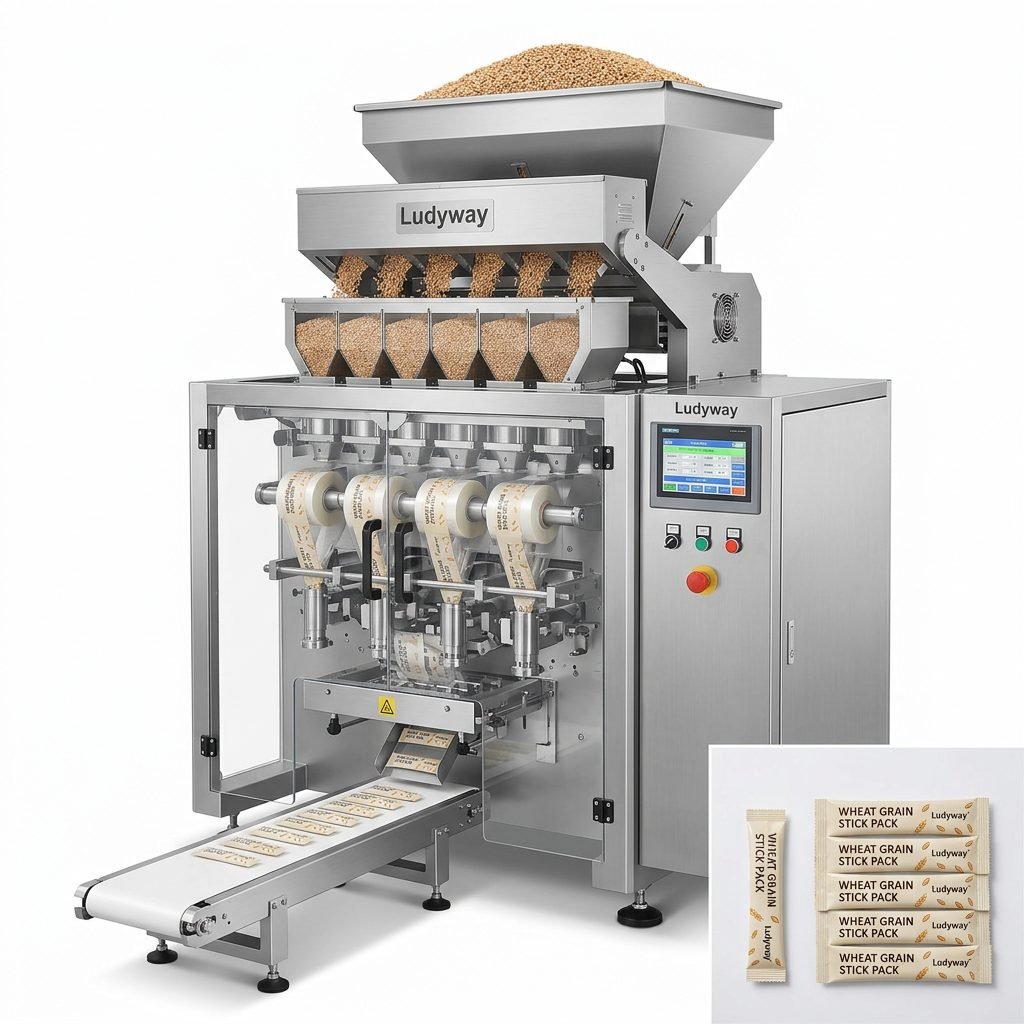
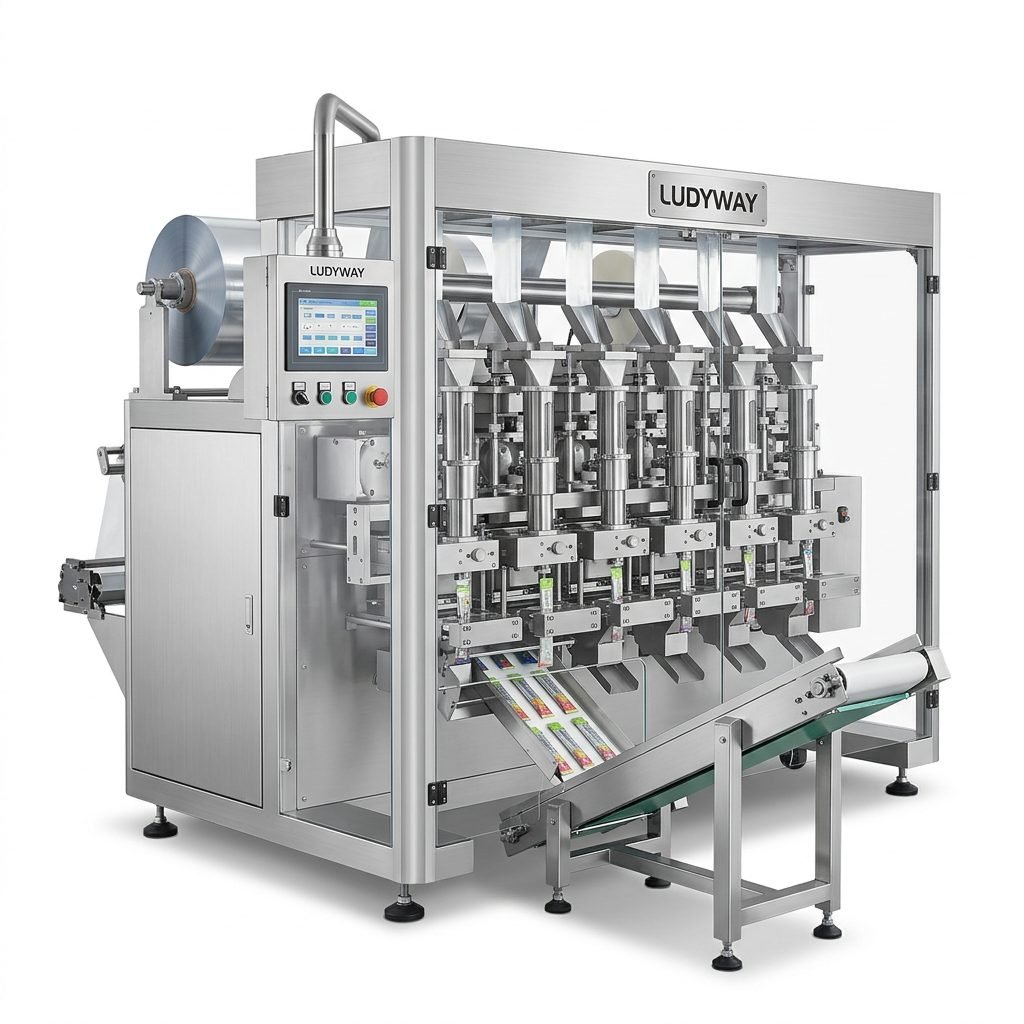
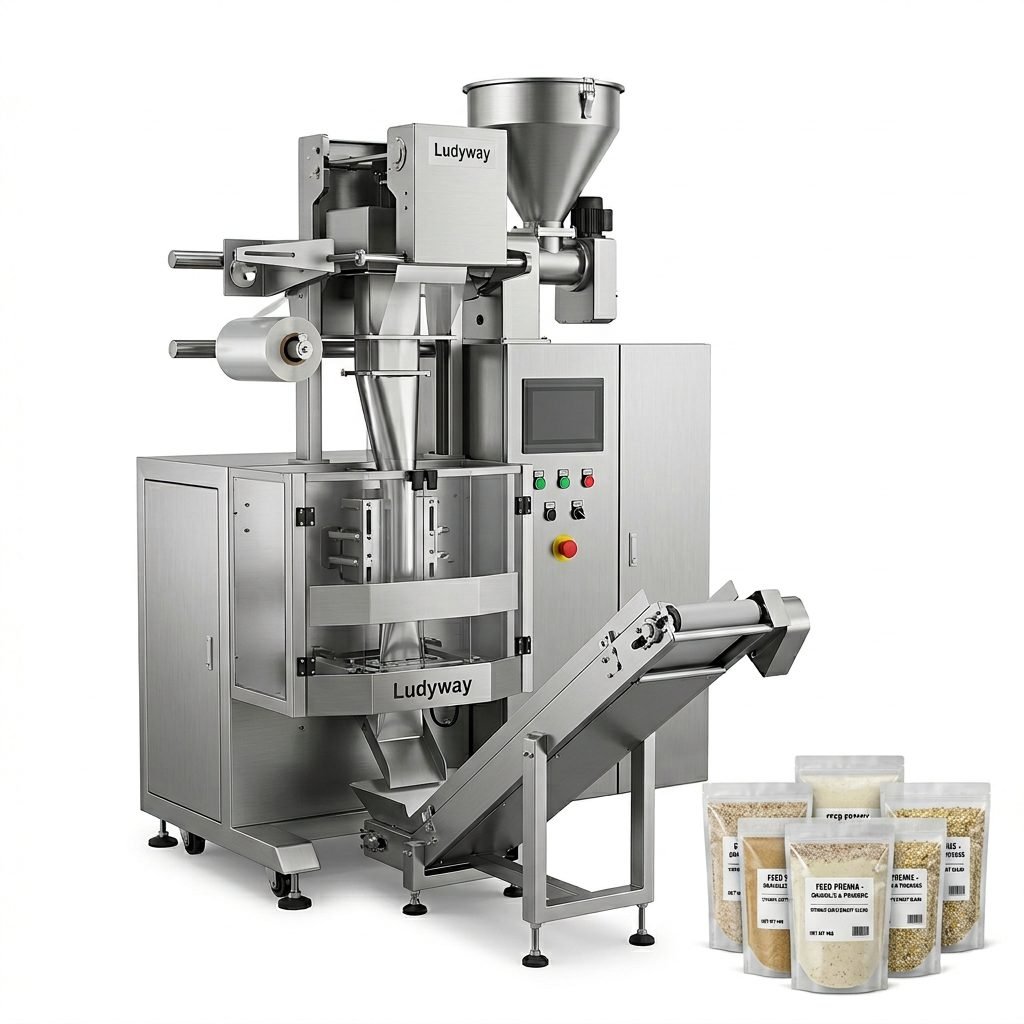
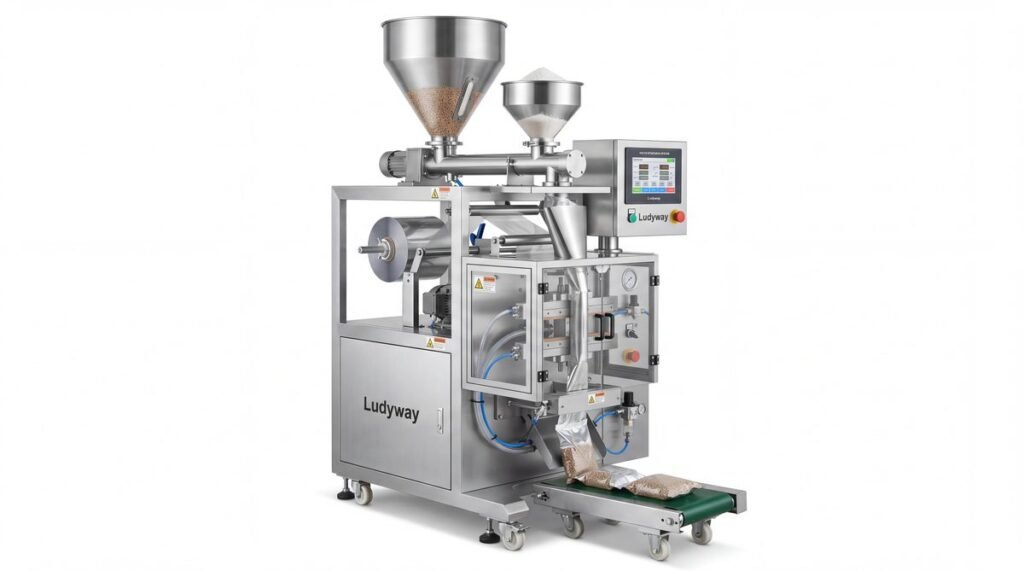
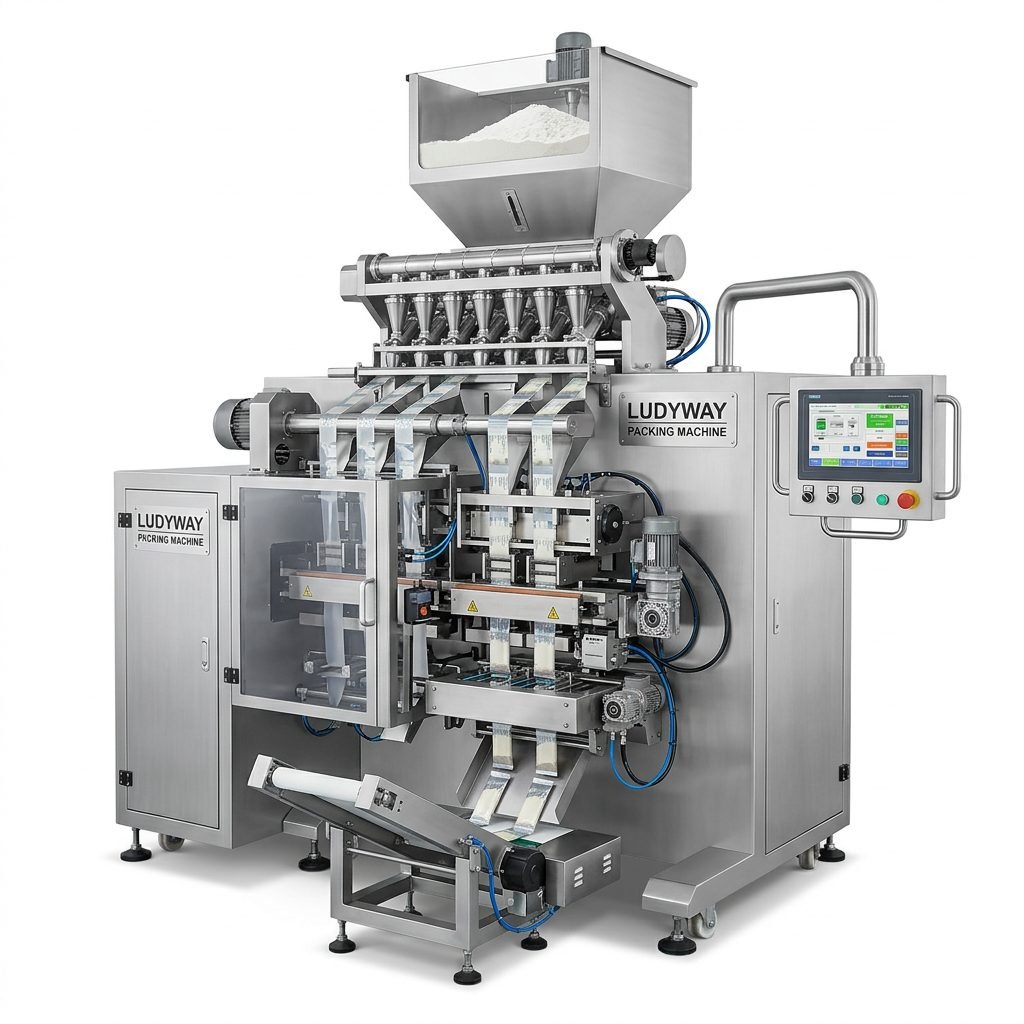
Regular maintenance is the cornerstone of reliable horizontal packing machine performance. Without a structured upkeep routine, even the most robust equipment can experience unexpected downtime, inconsistent seal quality, and costly repairs. This guide outlines essential maintenance practices that help extend the service life of your machinery and maintain peak production efficiency.

Daily Cleaning and Inspection Routine
A consistent daily cleaning protocol is your first line of defense against mechanical issues. Product residue, dust, and debris can accumulate on critical components, leading to friction, misalignment, and contamination risks. Focus on the following areas during each shift:
- Sealing jaws and heating elements: Remove any built-up film residue or product particles that can affect seal integrity.
- Film feed path: Clear all rollers and guides of dust and adhesive residue to prevent film tracking errors.
- Product contact surfaces: Sanitize areas where product may spill or accumulate, particularly in food and pharmaceutical applications.
- Sensor lenses: Wipe photoelectric sensors clean to ensure accurate film registration and cut placement.
Document any anomalies observed during cleaning, such as unusual wear patterns or loose fasteners. Early detection of minor issues can prevent major failures down the line. For more information on packaging industry standards, refer to PMMI’s comprehensive resource library.
Lubrication of Critical Components
Proper lubrication is essential for minimizing friction and wear in moving parts. Horizontal packing machines contain numerous bearings, chains, gears, and cam mechanisms that require regular lubrication according to the manufacturer’s specifications. Over-lubrication can be just as harmful as under-lubrication, attracting dust and creating abrasive paste that accelerates wear.
Establish a lubrication schedule based on operating hours and environmental conditions. Machines operating in dusty or high-temperature environments may need more frequent service. Always use the packaging machine manufacturer‘s recommended grease and oil grades, as incompatible lubricants can damage seals and bearings. Pay special attention to the main drive system, cross-sealing mechanisms, and film tensioning assemblies.
Inspection and Replacement of Wear Parts
Every horizontal packing machine has components designed for periodic replacement. Proactively managing these consumable parts prevents unexpected production stops. Key wear items include:
- Sealing belts and Teflon tapes: Replace when surface damage or reduced non-stick properties affect seal quality.
- Cutting blades and knives: Inspect for sharpness and alignment; dull blades cause jagged cuts and film waste.
- Rubber rollers and drive belts: Check for cracking, glazing, or loss of elasticity that impacts film transport.
- Heater cartridges and thermocouples: Verify consistent temperature performance and replace if response times increase.
- Air cylinders and seals: Monitor for leaks or sluggish actuation in pneumatic systems.
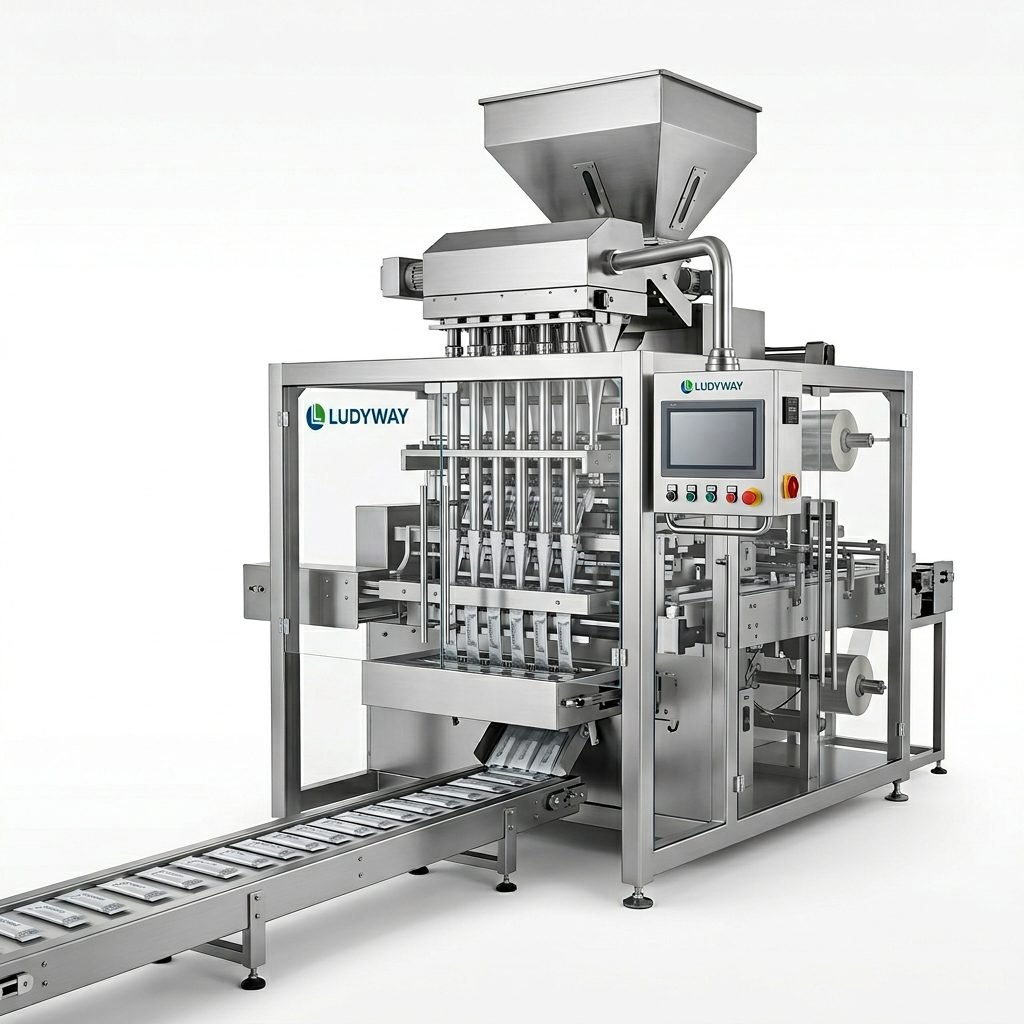
Alignment and Calibration Checks
Precision alignment directly impacts packaging quality and material waste. Misaligned film tracks cause wrinkling, poor print registration, and inconsistent bag lengths. Schedule routine calibration checks for the following systems:
- Film tracking alignment across all rollers and forming shoulders
- Cross-seal jaw parallelism and pressure distribution
- Product feeding synchronization with film advance timing
- Print registration sensors for accurate eye-mark detection
- Cut-off knife positioning relative to seal centers
Use calibrated measurement tools rather than visual estimates. Even minor deviations of less than a millimeter can compound over millions of cycles, resulting in significant quality drift. Refer to the ISO packaging standards for guidance on measurement and tolerance specifications relevant to packaging machinery.
Electrical System and Control Panel Maintenance
The electrical system requires careful attention to ensure safe and uninterrupted operation. Begin by verifying that all emergency stop circuits function correctly before each production run. Inspect wiring harnesses for signs of heat damage, loose connections, or insulation wear. Tighten terminal connections in the control panel annually, as thermal cycling can cause gradual loosening.
Keep control cabinets clean and properly ventilated. Dust accumulation on circuit boards and cooling fans can lead to overheating and premature component failure. Additionally, back up PLC programs and parameter settings regularly. This practice ensures quick recovery in the event of a controller fault or battery failure. Many modern packaging machinery systems include diagnostic logs that can help identify intermittent electrical issues before they escalate.
Recommended Maintenance Schedule
Following a structured maintenance schedule ensures that no critical task is overlooked. The table below outlines a general framework adaptable to your specific machine model and production intensity:
| Maintenance Task | Frequency | Responsible Party |
|---|---|---|
| General cleaning and visual inspection | Daily / Per shift | Machine operator |
| Sealing jaw and sensor cleaning | Weekly | Maintenance technician |
| Lubrication of bearings and chains | Monthly | Maintenance technician |
| Wear part inspection and replacement | Quarterly | Maintenance supervisor |
| Full alignment and calibration | Semi-annually | Engineering team |
| Electrical system and control audit | Annually | Qualified electrician |
| Complete overhaul and major component evaluation | Every 2-3 years | Manufacturer service team |
Operator Training and Standard Operating Procedures
Even the best maintenance program can be undermined by improper machine operation. Invest in comprehensive operator training that covers not only basic machine functions but also startup and shutdown procedures, common troubleshooting steps, and proper cleaning techniques. Well-trained operators can identify subtle changes in machine behavior that often precede equipment failure.
Develop clear Standard Operating Procedures for all routine maintenance activities. Document step-by-step instructions with photographs for complex tasks. This documentation ensures consistency across shifts and helps new team members quickly become proficient. Consider creating quick-reference checklists that operators can use during daily inspections without referencing lengthy manuals.

Troubleshooting Common Performance Issues
When performance issues arise, a systematic approach to diagnosis and resolution minimizes downtime. Below are frequently encountered problems and their potential causes:
- Inconsistent seal quality: Check jaw temperature uniformity, pressure settings, and Teflon tape condition. Verify that dwell time matches film specifications.
- Film tracking errors: Inspect roller alignment, tension settings, and edge guide sensors. Worn roller bearings often contribute to tracking drift.
- Intermittent cut failures: Examine blade sharpness, cutting anvil condition, and actuation timing. Air pressure fluctuations can affect pneumatic cut systems.
- Product jams in filling zone: Review product consistency, feed rate settings, and forming tube clearance. Sticky or static-prone products may require additional measures.
- PLC communication errors: Check network cables, power supply stability, and grounding integrity. Electromagnetic interference from nearby equipment can disrupt signals.
Maintain a detailed maintenance log that records each incident, its root cause, and the corrective action taken. This historical data becomes invaluable for identifying recurring patterns and optimizing preventive maintenance intervals. Industry resources such as the Flexible Packaging Association offer additional technical guidance on film and material handling best practices.
Partnering with Professional Maintenance Services
While in-house maintenance handles daily and routine tasks, periodic professional servicing provides deeper expertise and specialized tools. Companies like Ludyway, one of the largest packaging machine manufacturers in China with over 30 years of industry experience and a modern 20,000 sqm manufacturing facility, offer comprehensive maintenance support including on-site technical assistance, genuine spare parts supply, and equipment upgrade consultations. Their engineering teams can perform detailed diagnostics, software updates, and major component overhauls that extend beyond typical in-house capabilities.
Establishing a relationship with a qualified service provider ensures access to genuine replacement parts and manufacturer-specific expertise. Schedule annual or biennial professional inspections to complement your internal maintenance program. This combined approach maximizes equipment reliability, protects your investment, and keeps your horizontal packing machine operating at the performance levels required for today’s competitive production environments. For the latest insights on packaging machinery trends and maintenance strategies, explore PMMI’s State of the Industry reports.