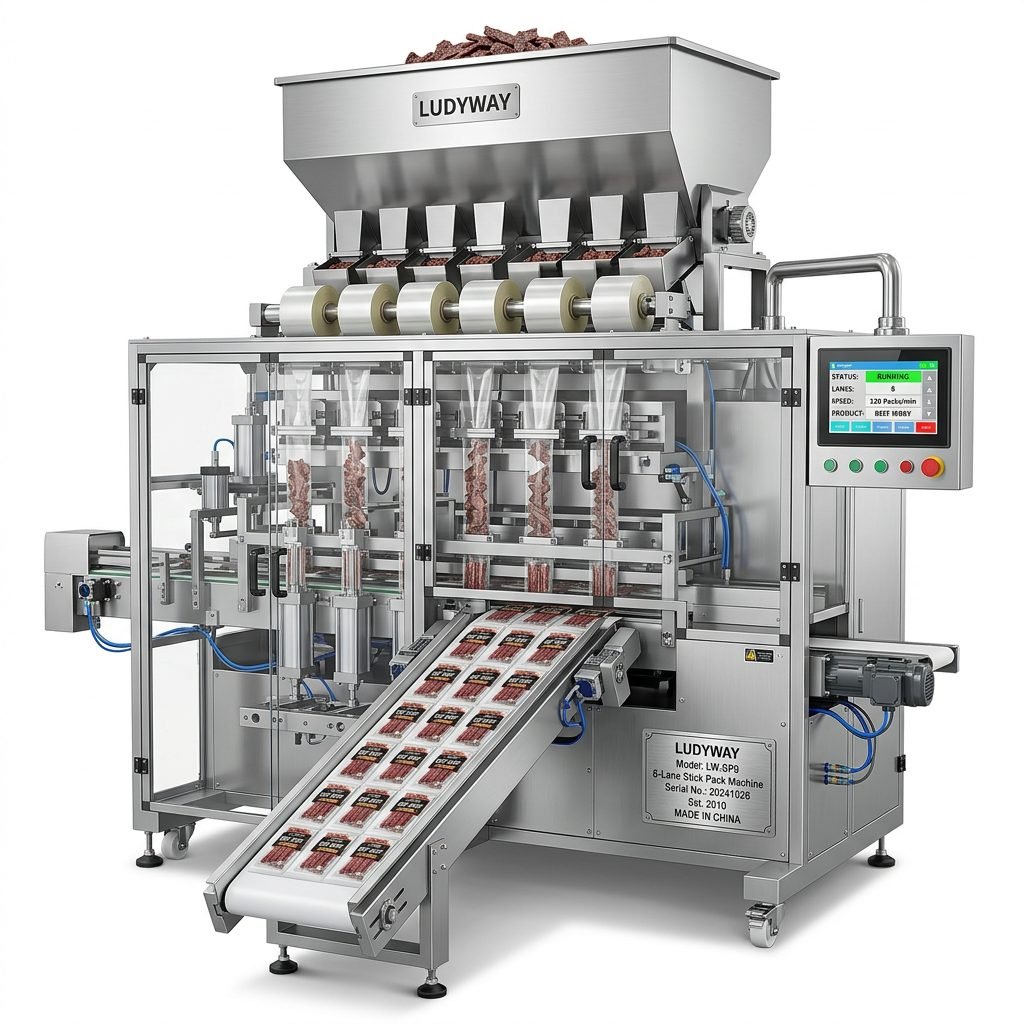
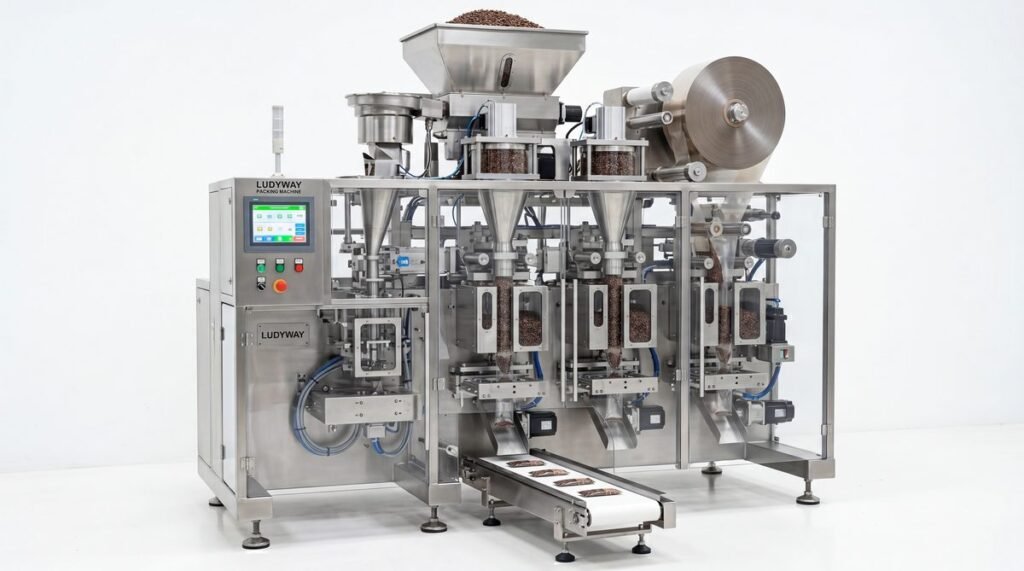
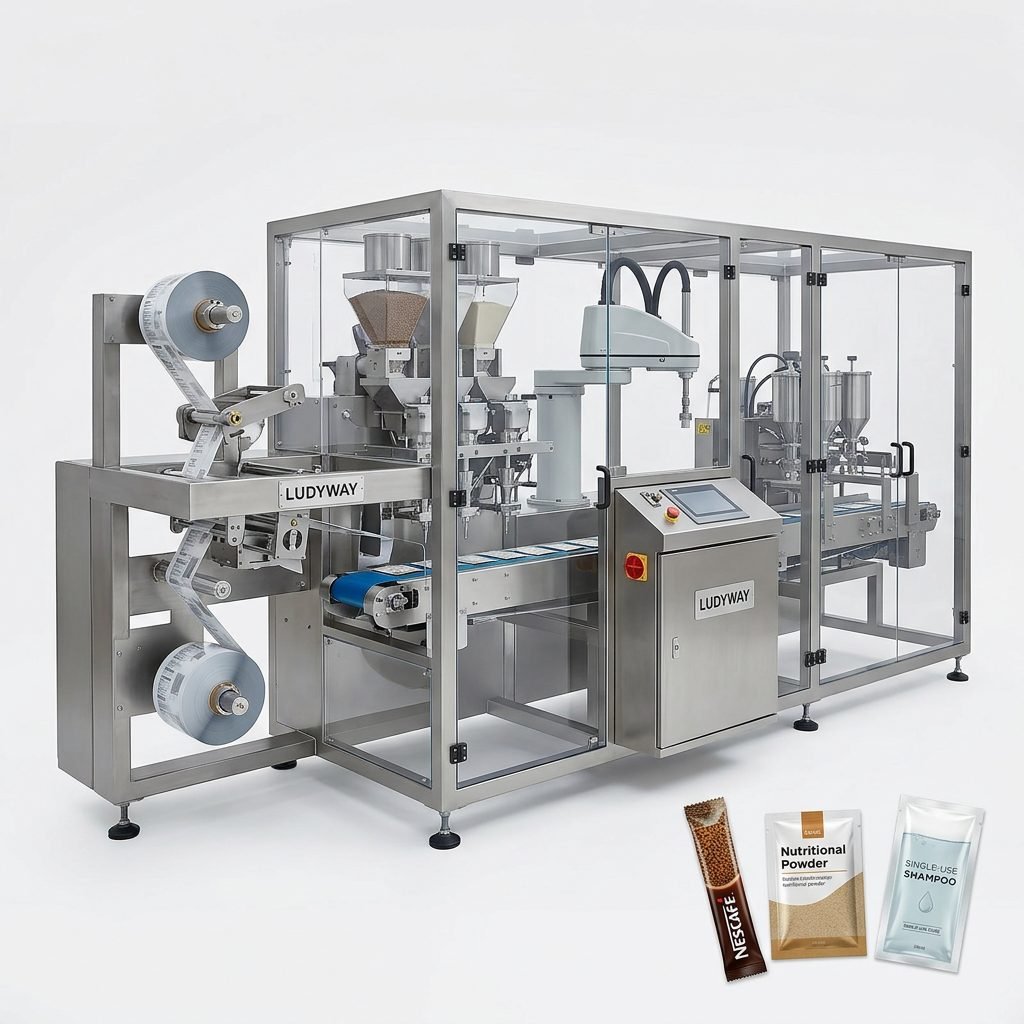
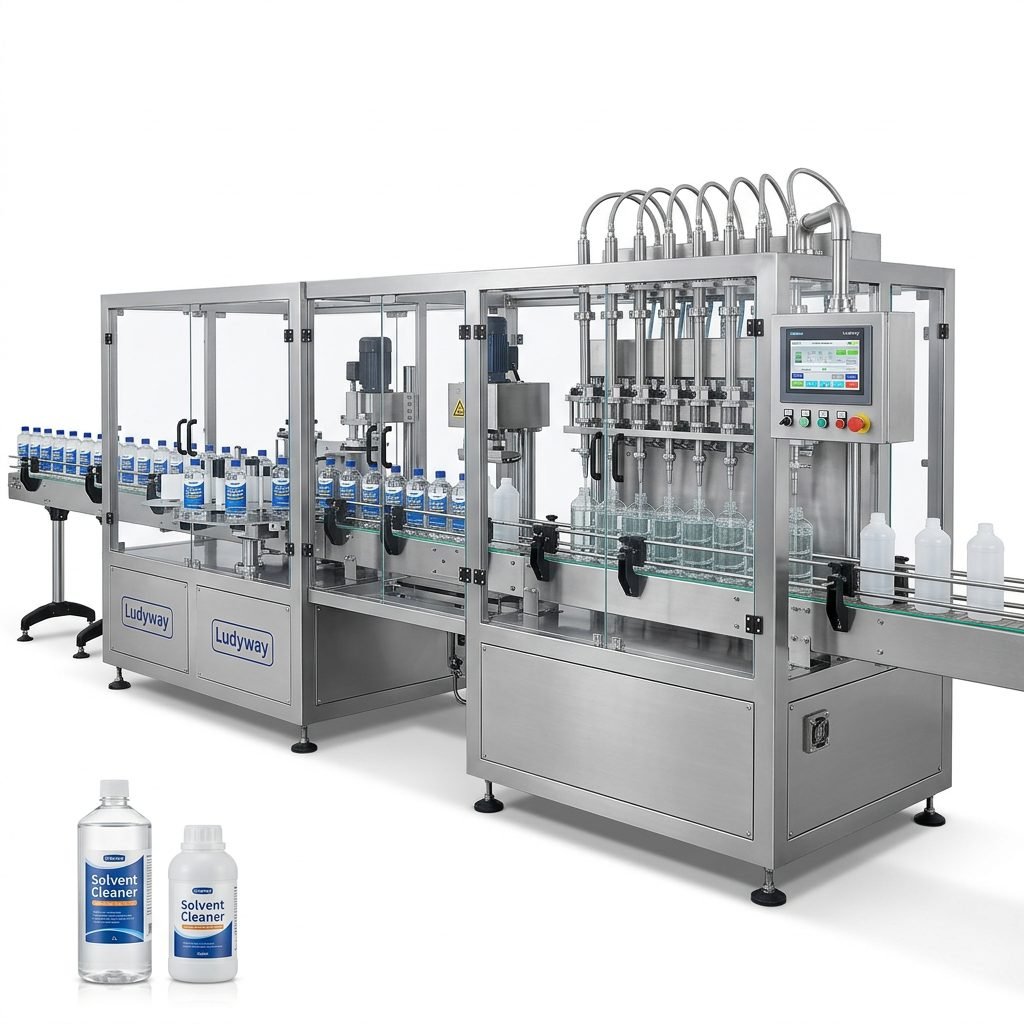
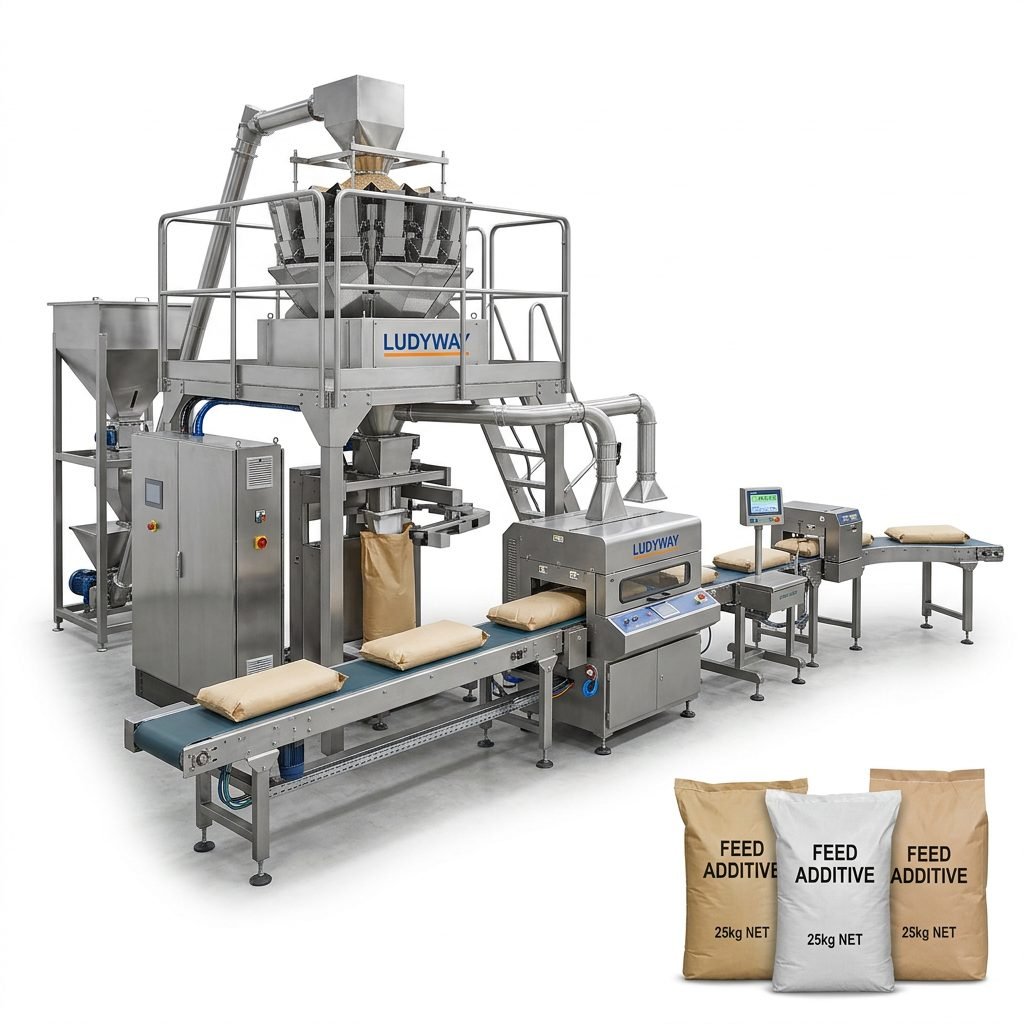
In today’s fast-paced manufacturing environment, the efficiency and reliability of packaging machinery are critical to operational success. However, even the most advanced equipment is only as effective as the people who operate and maintain it. That’s why comprehensive packaging machinery training is not just an optional extra—it’s a fundamental investment in productivity, safety, and long-term asset value.
The Core Pillars of Effective Packaging Machinery Training
Professional training programs are structured around three essential pillars: Operator Proficiency, Maintenance Mastery, and Safety Optimization. Each pillar addresses a distinct set of skills and knowledge areas, ensuring a holistic approach to machinery management.
Why Specialized Training is Non-Negotiable
Without proper training, operators may run equipment at suboptimal speeds, leading to waste and downtime. Maintenance technicians might perform reactive fixes instead of proactive care, increasing long-term costs. Most critically, a lack of safety awareness can lead to severe workplace incidents. A structured training program mitigates these risks, transforming your packaging line from a potential liability into a reliable, high-performing asset.
Pillar 1: Operator Training for Peak Performance
Operator training focuses on the daily interaction with the machinery. The goal is to move beyond basic button-pushing to develop a deep understanding of the machine’s functions and capabilities.
Key Training Modules for Operators:
- Machine Fundamentals & Control Panel Navigation: Understanding the purpose of each control, setting, and display.
- Start-up, Operation, and Shutdown Procedures: Learning the correct sequence to ensure smooth production cycles and prevent jams or faults.
- Product Changeover and Format Adjustment: Mastering quick and accurate changeovers to minimize downtime between production runs.
- Quality Control and Basic Troubleshooting: Identifying common defects (e.g., sealing issues, inaccurate fills) and knowing the first steps to resolve them.
- Daily Cleaning and Basic Care: Implementing routine cleaning protocols to maintain hygiene and machine performance.
Pillar 2: Maintenance Training for Longevity and Uptime
Preventive and corrective maintenance training empowers your technical team to keep machinery running smoothly and avoid catastrophic failures.
From Reactive to Proactive Maintenance
A well-trained maintenance team shifts the paradigm from fixing breakdowns to preventing them. Training covers lubrication schedules, belt tension checks, seal integrity inspections, and sensor calibration. This proactive approach is the cornerstone of maximizing Overall Equipment Effectiveness (OEE) and extending the machinery’s operational life.
Critical Maintenance Training Areas:
- Preventive Maintenance (PM) Scheduling and Execution: Following manufacturer-recommended PM checklists.
- Diagnostic Skills and Fault Analysis: Using error codes and machine behavior to diagnose root causes.
- Parts Identification and Safe Replacement Procedures: Knowing how to safely replace wear parts like seals, cutters, and filters.
- Mechanical, Pneumatic, and Electrical System Basics: Understanding the core systems that drive the machine’s operation.
Pillar 3: Safety Training for a Protected Workplace
Safety training is paramount. It protects your most valuable asset—your employees—and ensures compliance with international standards like OSHA or ISO 45001.
Essential Safety Training Components:
- Lockout/Tagout (LOTO) Procedures: The critical process for safely isolating energy sources before maintenance.
- Hazard Identification and Risk Assessment: Recognizing pinch points, electrical hazards, and moving parts.
- Proper Use of Personal Protective Equipment (PPE): When and how to use safety glasses, gloves, and hearing protection.
- Emergency Response Protocols: Actions to take in case of a machine malfunction or personal injury.
- Cleanliness and Housekeeping: Maintaining a clutter-free work area to prevent slips, trips, and falls.
Implementing a Successful Training Program
Effective training is a continuous process, not a one-time event. A successful program blends several methodologies:
Hands-On, Practical Sessions: Theory is essential, but real learning happens when trainees interact with the actual equipment under expert supervision.
Customized Training Materials: Generic manuals are less effective. Training should be tailored to your specific packaging machine models and the products you run.
Certification and Assessment: Validating knowledge through tests or practical demonstrations ensures comprehension and provides a record of competency.
Ongoing Support and Refresher Courses: Technology and procedures evolve. Regular refresher training keeps skills sharp and introduces teams to new best practices.
The Ludyway Advantage in Machinery Training
With over 30 years of industry experience, Ludyway Machinery understands that delivering a machine is just the beginning. Our commitment to client success extends to comprehensive training solutions. We don’t just teach you how to use a machine; we teach you how to optimize it. Our training programs are developed by engineers who design and build the equipment, ensuring deep, practical insights. We offer training tailored to operators, maintenance technicians, and line supervisors, covering everything from basic operation to advanced troubleshooting and safety optimization for our full range of over 50 intelligent packaging systems.
Conclusion: Training as a Strategic Investment
Investing in professional packaging machinery training yields a measurable return: higher productivity, lower waste, reduced downtime, fewer safety incidents, and longer equipment life. It empowers your workforce, fosters a culture of safety and efficiency, and protects your capital investment. In the competitive global market, a well-trained team is not an expense—it’s your ultimate competitive advantage.
Frequently Asked Questions (FAQs)
1. Who should attend packaging machinery training?
Training is essential for all personnel who interact with the equipment, including machine operators, maintenance technicians, production line supervisors, and quality control staff. Different roles will require different training modules.
2. How long does a typical training program last?
The duration varies based on machine complexity and trainee experience. A basic operator course may take 1-2 days, while a comprehensive program covering operation, maintenance, and safety for a technical team can last 3-5 days.
3. Can training be conducted on-site at our facility?
Yes, on-site training is highly effective. It takes place in the trainee’s actual work environment on the specific machines they will use, making the learning immediately relevant and practical.
4. What are the consequences of not providing proper training?
Without training, risks include increased machine wear and tear, more frequent breakdowns, higher material waste, reduced output, and a significantly greater risk of workplace accidents and injuries.
5. Do you provide training materials for future reference?
Reputable providers supply detailed training manuals, quick-reference guides, and sometimes digital resources like videos. These materials are crucial for refresher training and for onboarding new employees.