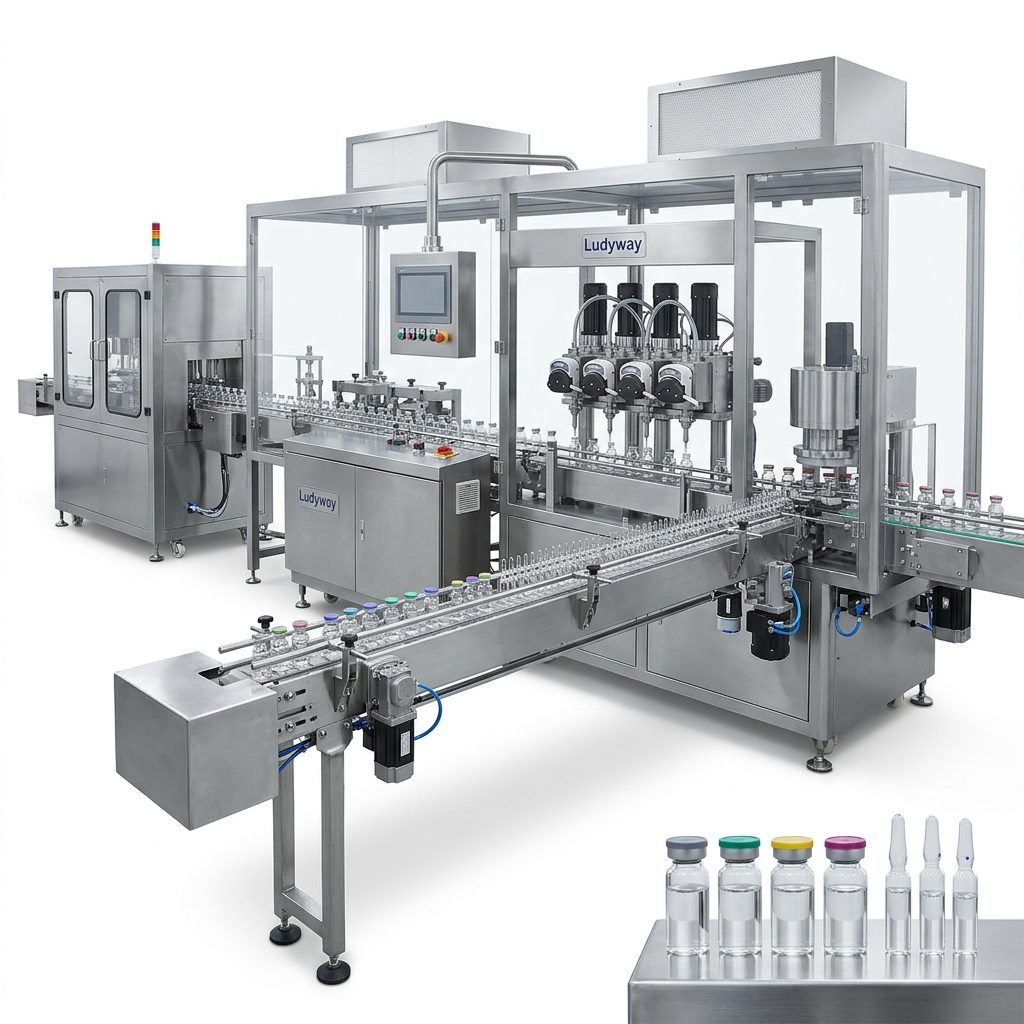
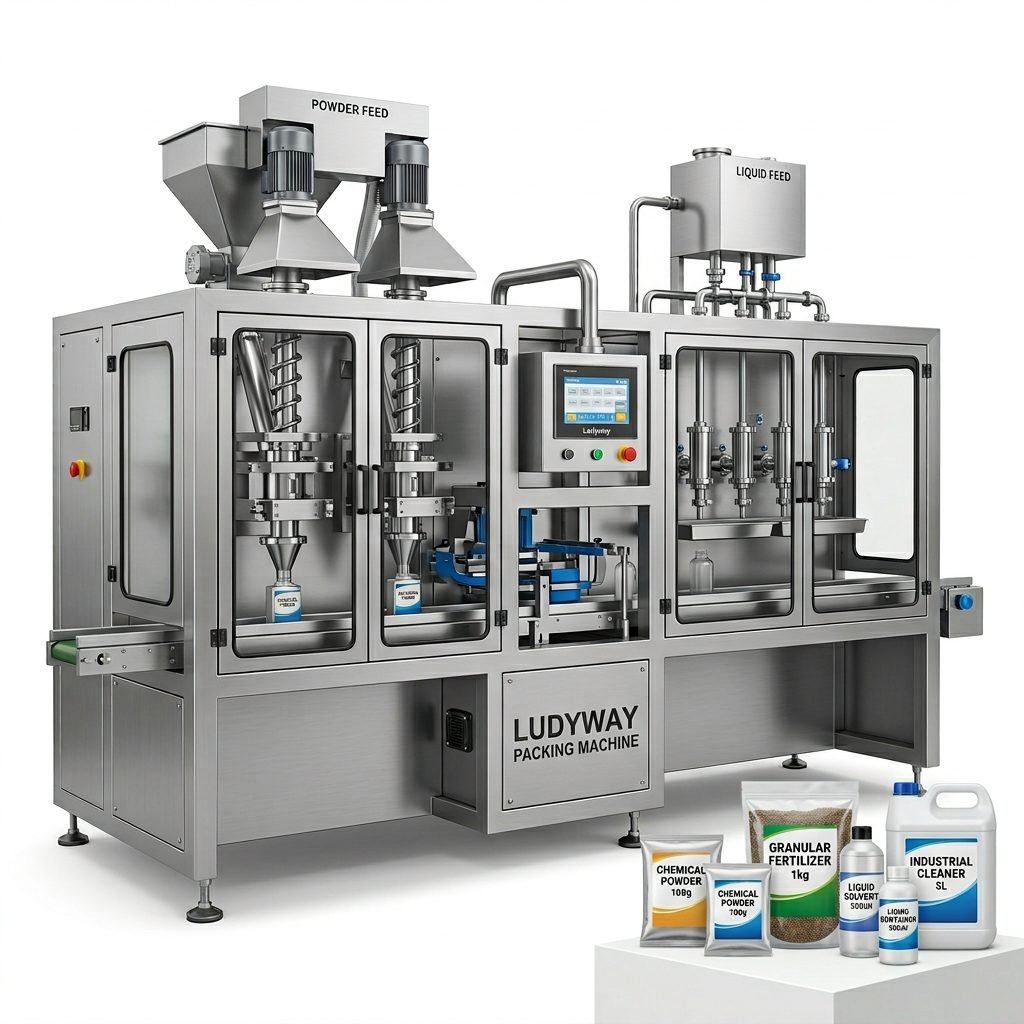
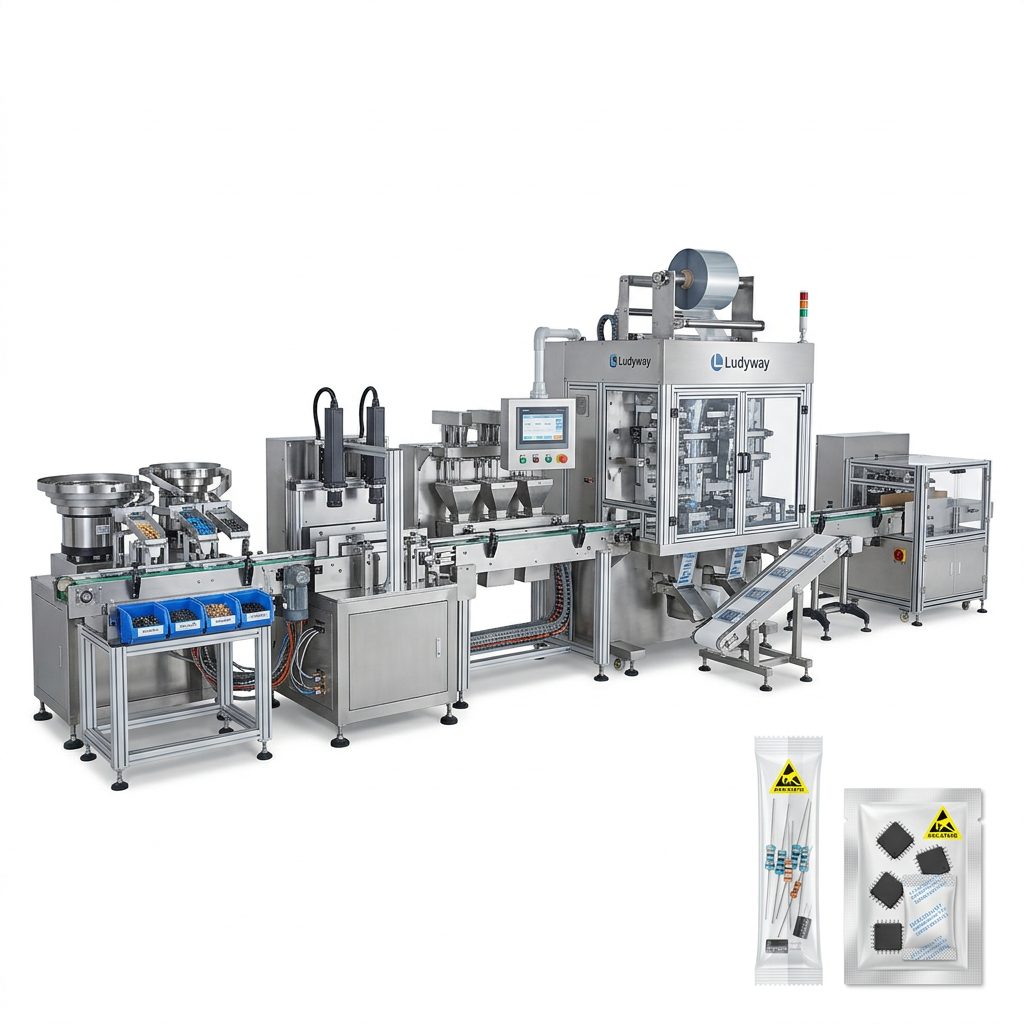
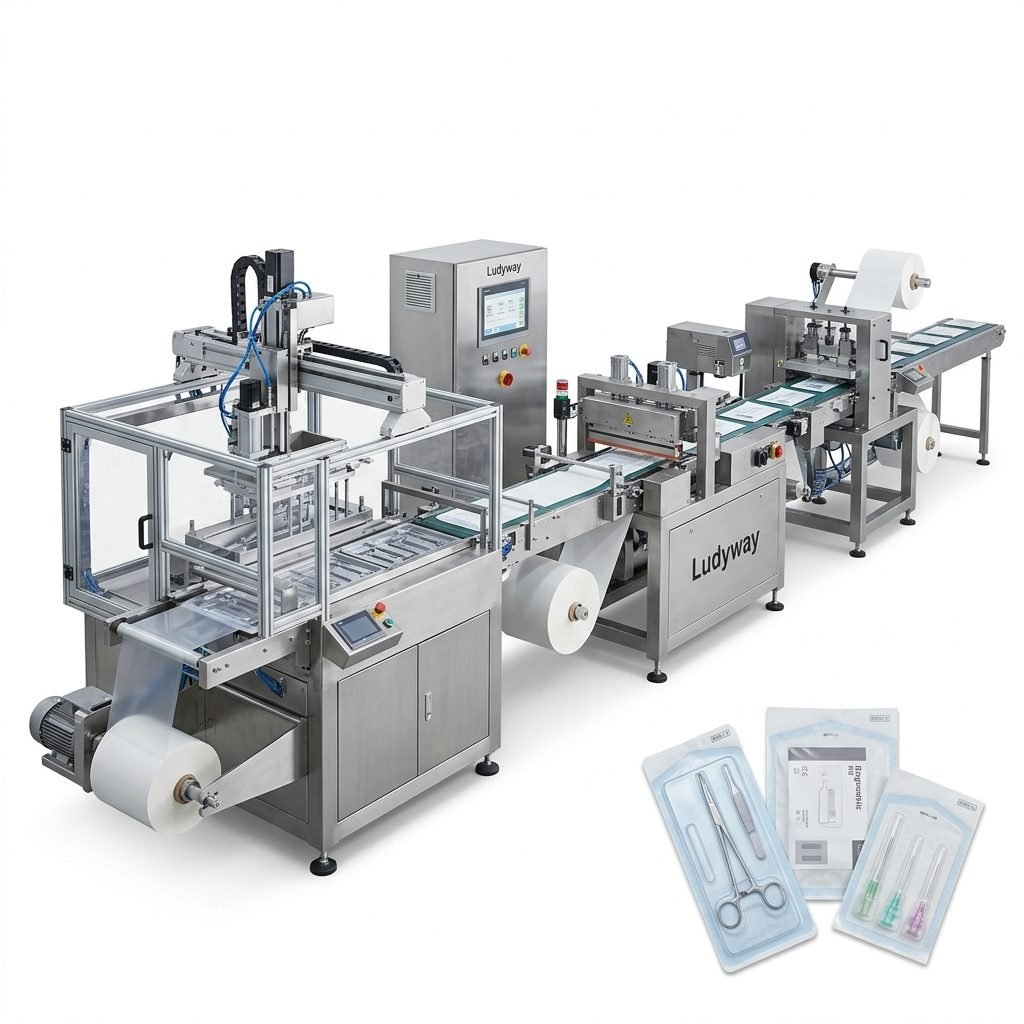
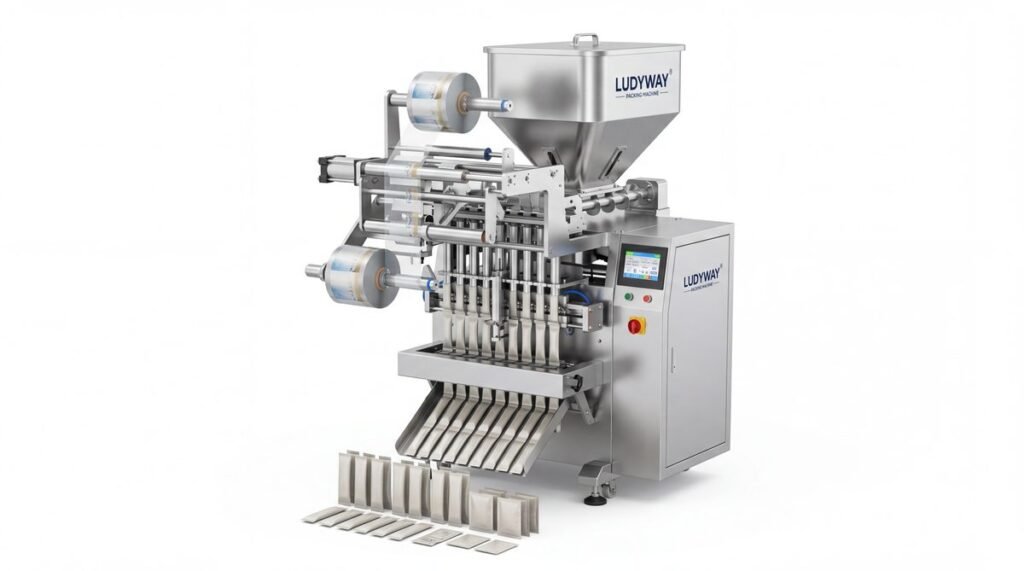
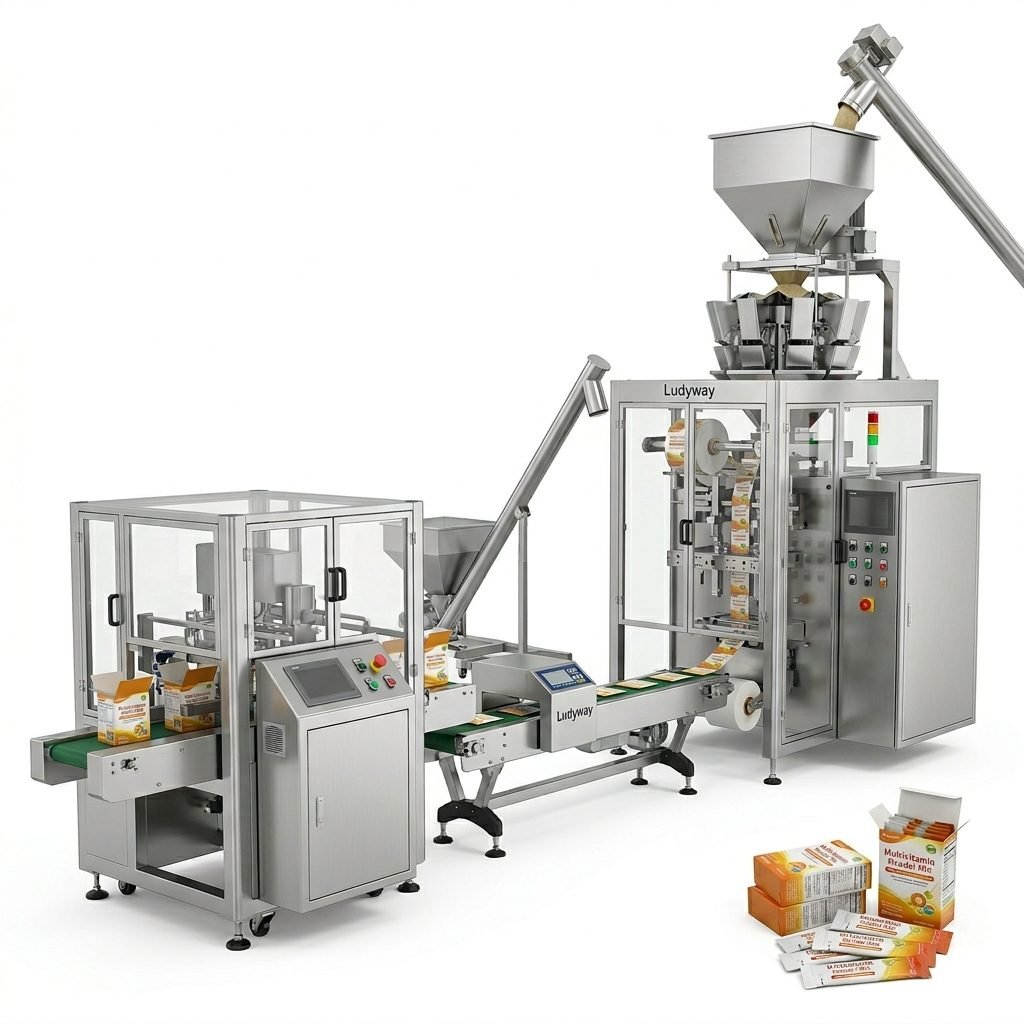
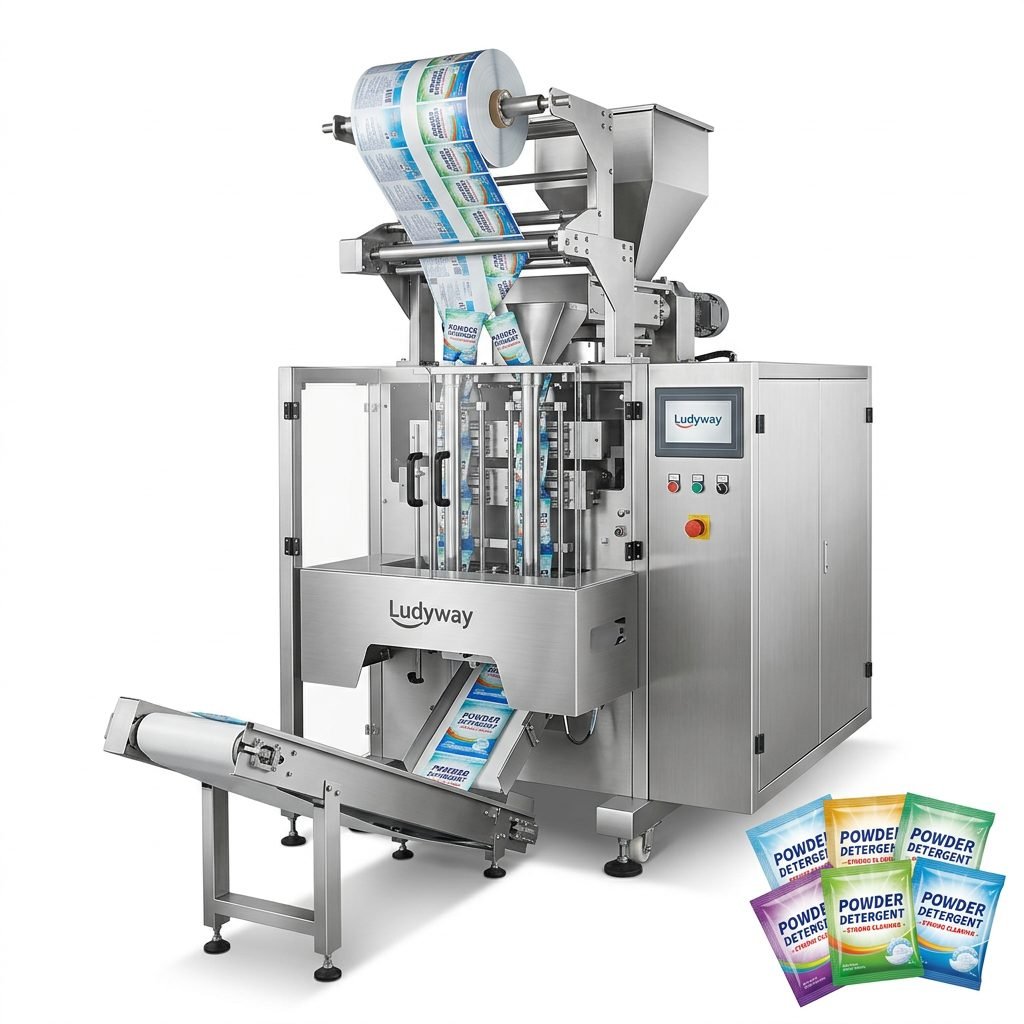
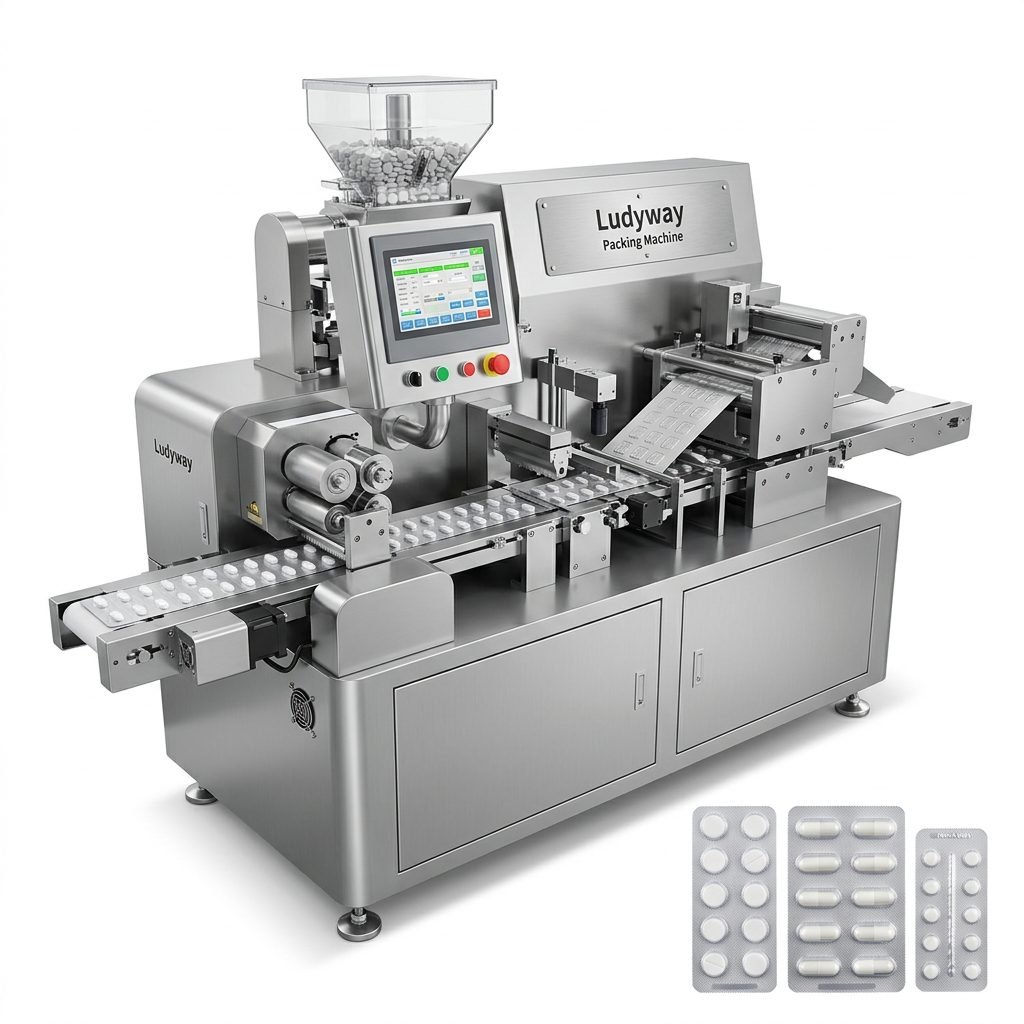
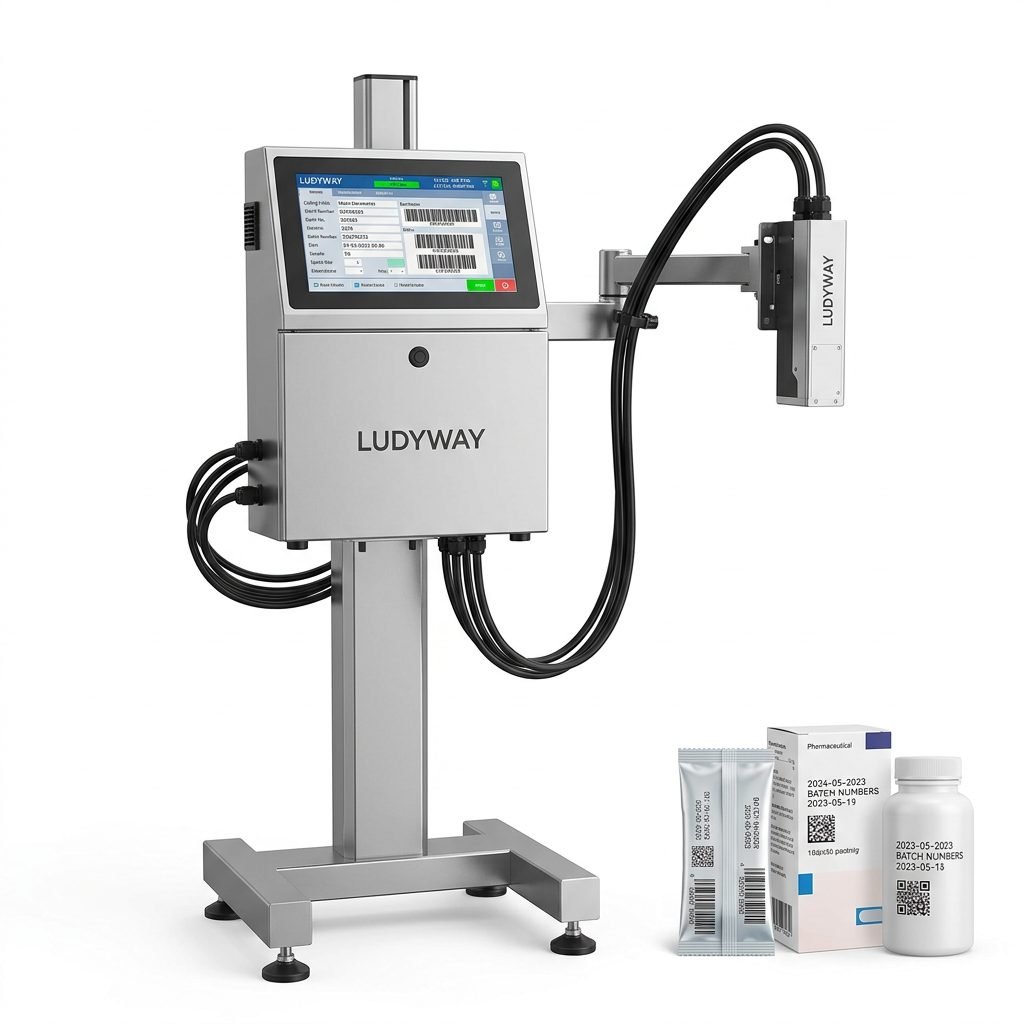
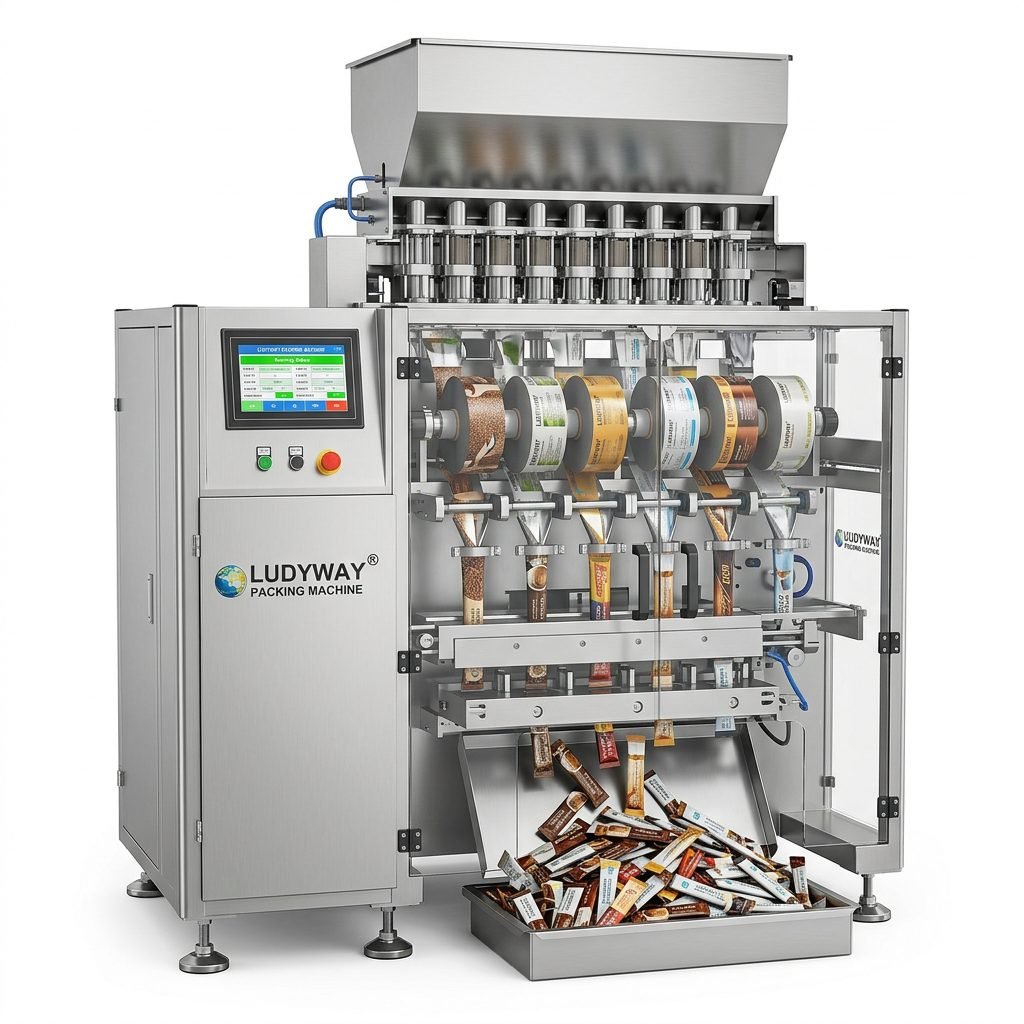
A vertical vacuum packing machine is a critical asset in food processing, pharmaceutical production, and industrial packaging operations. Proper maintenance ensures consistent seal integrity, extends equipment lifespan, and prevents costly downtime. This guide covers essential maintenance practices that every operator and maintenance team should follow to keep vacuum packaging equipment running at peak performance.

Why Regular Maintenance Matters
Neglecting routine maintenance on a vertical vacuum packing machine can lead to inconsistent seals, air leaks, product contamination, and ultimately equipment failure. A well-maintained machine delivers higher packaging quality, reduces material waste, and minimizes unexpected production interruptions. According to packaging machinery industry standards, preventive maintenance is one of the most effective ways to maximize return on investment in packaging equipment.
Key Benefits of a Consistent Maintenance Program
- Extended equipment lifespan – reduces wear on critical components
- Consistent vacuum levels – ensures reliable product preservation
- Reduced repair costs – catching issues early prevents major breakdowns
- Improved product safety – maintains hygienic packaging conditions
- Energy efficiency – well-maintained pumps and motors consume less power
Daily Maintenance Checklist
Daily inspections are the first line of defense against unexpected failures. Operators should perform the following checks at the start and end of each shift. These practices align with recommendations from the flexible packaging industry resource guidelines for maintaining packaging integrity.
Visual Inspection and Cleaning
- Wipe down all exterior surfaces with a clean, dry cloth to remove dust and debris
- Inspect the sealing bar for residue buildup or damage
- Check the vacuum chamber for any product spillage or foreign materials
- Verify that all safety guards and covers are properly in place
- Examine power cords and pneumatic hoses for signs of wear or cracking
Seal Integrity Verification
The heat seal is the most critical quality parameter in vacuum packaging. Run a test cycle at the beginning of each shift and inspect the seal for uniformity and strength. A weak or inconsistent seal can compromise product shelf life and lead to customer complaints.

Weekly Maintenance Tasks
Weekly maintenance dives deeper into components that experience gradual wear. These tasks require a trained technician and should be documented in a maintenance log. Refer to ISO packaging standards for comprehensive equipment maintenance frameworks applicable to packaging machinery.
Vacuum Pump Care
- Check the vacuum pump oil level and color – dark or milky oil indicates contamination and requires immediate replacement
- Inspect the oil filter and replace if clogged or discolored
- Listen for unusual noises during pump operation that may signal bearing wear
- Clean or replace the air intake filter to maintain proper airflow
- Test vacuum pressure with a calibrated gauge to verify performance against specifications
Sealing System Inspection
- Clean the sealing bar surface with a non-abrasive cleaner to remove polymer residue
- Inspect the Teflon tape or coating on the sealing bar – replace if torn or worn
- Check the heating element continuity and replace if resistance values are out of specification
- Verify that the cooling cycle functions correctly after each seal operation
Monthly Preventive Maintenance
Monthly procedures focus on mechanical and electrical systems that require more extensive inspection. These tasks help identify potential failures before they cause production stoppages.
Mechanical Component Checks
- Lubricate all moving parts including chains, bearings, and guide rails according to manufacturer specifications
- Inspect belt tension and alignment on drive systems
- Check pneumatic cylinders for smooth operation and replace worn seals
- Tighten all bolts and fasteners that may have loosened from vibration
- Examine chamber gaskets for compression set or cracking – replace if compromised
Electrical and Control System Verification
- Inspect all sensors and limit switches for proper positioning and function
- Clean electrical panels and check for loose connections or signs of overheating
- Verify that the temperature controller maintains consistent setpoint values
- Test emergency stop circuits and safety interlocks for reliable operation
- Backup machine parameters and program settings to external storage
Quarterly and Annual Maintenance Schedule
The following table outlines a comprehensive maintenance schedule for vertical vacuum packing machines. Adhering to these intervals helps maintain optimal performance and extends equipment service life.
| Maintenance Interval | Component | Action Required | Priority |
|---|---|---|---|
| Quarterly | Vacuum Pump | Complete oil change and filter replacement | High |
| Quarterly | Chamber Gaskets | Thorough cleaning and inspection for wear | High |
| Quarterly | Pneumatic System | Drain moisture traps, check all fittings | Medium |
| Semi-Annually | Heating Elements | Replace all heating elements and Teflon covers | High |
| Semi-Annually | Electrical System | Full inspection of wiring, relays, and contactors | Medium |
| Annually | Vacuum Pump | Complete overhaul including vanes and bearings | Critical |
| Annually | Control System | Full calibration of temperature controllers and timers | Critical |
| Annually | All Moving Parts | Complete disassembly, cleaning, and lubrication | Critical |
Common Issues and Troubleshooting
Even with diligent maintenance, issues can arise. Here are the most common problems encountered with vertical vacuum packing machines and their likely causes. These troubleshooting steps follow general packaging machinery standards and best practices recognized across the industry.
Weak or Incomplete Seals
- Possible causes: Worn Teflon tape, insufficient heat, contaminated sealing bar, or incorrect dwell time
- Solution: Replace Teflon covering, verify temperature settings, clean sealing surface thoroughly, and adjust timer settings
Insufficient Vacuum Level
- Possible causes: Low pump oil, clogged filters, leaking chamber gasket, or worn pump components
- Solution: Top up or replace oil, clean or replace all filters, inspect and replace gaskets, and schedule pump service
Excessive Noise During Operation
- Possible causes: Loose mechanical components, worn bearings, or insufficient lubrication
- Solution: Tighten all fasteners, inspect bearings for wear, and apply appropriate lubricants to all specified points

Cleaning and Sanitation Protocols
Proper cleaning is essential for hygienic operation, especially in food and pharmaceutical applications. Establish a cleaning schedule that corresponds with production demands and regulatory requirements.
Recommended Cleaning Practices
- Use food-grade cleaning agents approved for contact surfaces when cleaning food packaging equipment
- Avoid abrasive cleaners or scouring pads that can scratch sealing surfaces
- Clean from top to bottom to prevent recontamination of lower surfaces
- Allow all components to dry completely before reassembly and operation
- Document all cleaning activities including date, time, and personnel responsible
Spare Parts Inventory Management
Maintaining an adequate inventory of critical spare parts minimizes downtime when components fail. Based on typical wear patterns and manufacturer recommendations, the following items should be kept in stock:
Essential Spare Parts List
- Sealing bar Teflon tape and heating elements
- Vacuum pump oil and replacement filters
- Chamber gaskets and O-rings in various sizes
- Pneumatic cylinder seals and fittings
- Drive belts and tension springs
- Temperature sensors and thermocouples
- Control relays and fuses
Training and Documentation
A well-trained team is the foundation of an effective maintenance program. All operators and maintenance personnel should receive comprehensive training on equipment operation, routine maintenance procedures, and safety protocols. Maintain detailed records of all maintenance activities, including:
- Date and time of each maintenance task performed
- Components inspected, cleaned, or replaced
- Any abnormalities observed and corrective actions taken
- Calibration and test results
- Parts consumed from inventory
When to Seek Professional Service
While many maintenance tasks can be performed in-house, certain situations require the expertise of qualified service technicians. Contact a professional service provider when you encounter persistent vacuum leaks, electrical faults that cannot be easily diagnosed, or mechanical issues requiring specialized tools or knowledge. As a leading packaging machine manufacturer, Ludyway provides comprehensive after-sales support and technical service for vertical vacuum packing machines and complete packaging line solutions. With over 30 years of industry experience serving customers in more than 100 countries, Ludyway is committed to helping businesses maintain efficient and reliable packaging operations.
Conclusion
Implementing a structured maintenance program for your vertical vacuum packing machine is one of the most effective ways to protect your investment and ensure consistent production quality. By following the daily, weekly, monthly, quarterly, and annual maintenance tasks outlined in this guide, you can significantly reduce unplanned downtime, extend equipment life, and maintain the highest standards of packaging integrity. Remember that preventive maintenance is always more cost-effective than reactive repairs, and a well-documented maintenance history provides valuable insights for continuous improvement of your packaging operations.