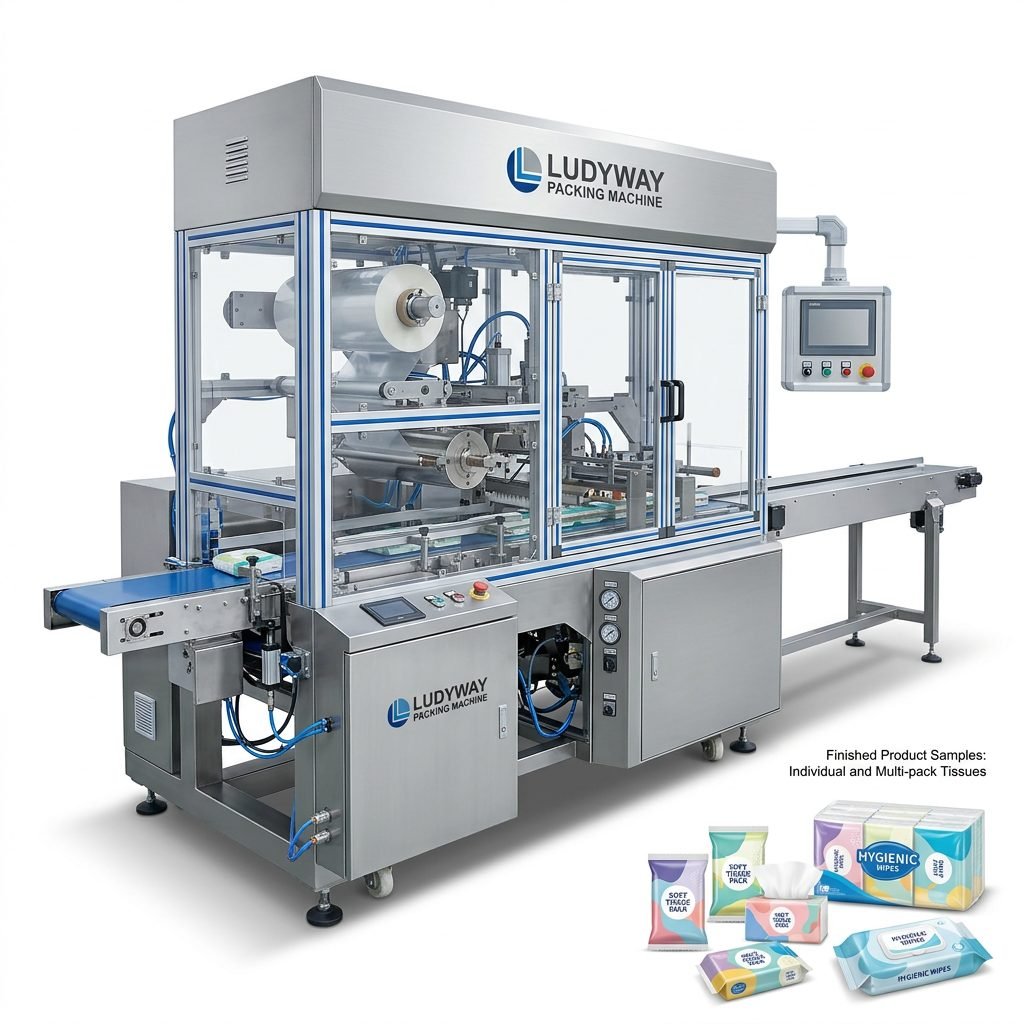
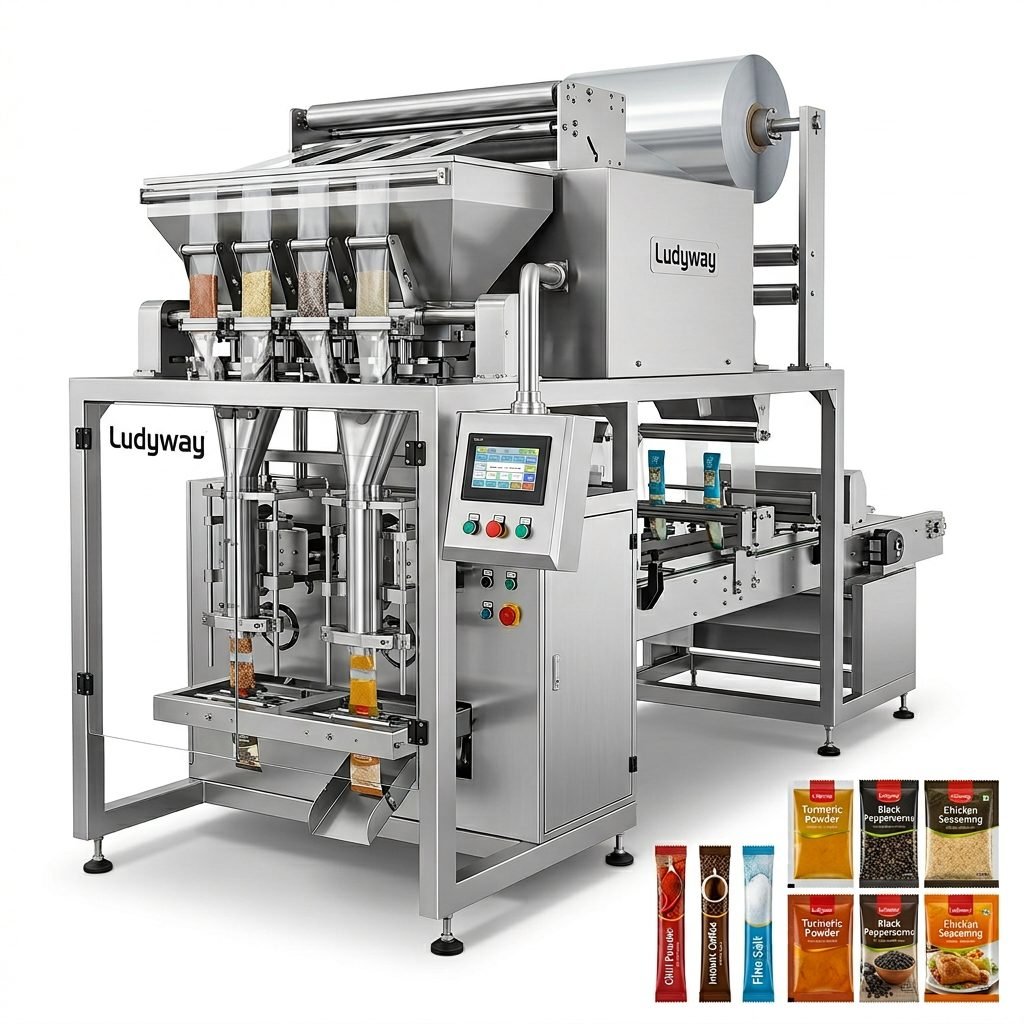
In the world of food preservation and industrial packaging, the Cryovac vacuum packaging machine stands as a pinnacle of technology and reliability. This comprehensive guide delves into the intricate workings of these machines, explores their significant benefits for businesses and consumers alike, and provides a detailed buying guide to help you make an informed investment. Whether you are a small-scale artisanal producer or a large-scale industrial manufacturer, understanding this equipment is crucial for enhancing product shelf life, maintaining quality, and optimizing packaging operations.
The Core Technology: How a Cryovac Machine Works
The operation of a Cryovac vacuum packaging machine is a precise, multi-stage process designed to remove air and create an airtight seal. The fundamental principle revolves around modified atmosphere packaging (MAP), which actively alters the internal gas composition around the product.
Key Operational Stages:
1. Product Placement & Chamber Closure: The item to be packaged is placed inside a specialized vacuum chamber or on the sealing bar. The machine’s lid is then closed to create an enclosed space.
2. Air Evacuation (Vacuum Phase): A powerful vacuum pump activates, extracting nearly all the air from the chamber and the packaging bag surrounding the product. This step is critical for inhibiting the growth of aerobic bacteria and preventing oxidation.
3. Gas Flushing (Optional for MAP): In many Cryovac models, this stage involves replacing the removed air with a specific protective gas mixture, such as nitrogen or carbon dioxide. This further stabilizes the product and prevents crushing.
4. Heat Sealing: While the chamber is still under vacuum, a heated sealing bar melts the inner layers of the packaging film together, creating a permanent, hermetic seal that locks out air and moisture.
5. Chamber Re-pressurization & Completion: The vacuum is released, allowing atmospheric pressure to return to the chamber. This external pressure firmly compresses the bag around the product, resulting in the characteristic “skin-tight” package. The lid opens, and the finished package is removed.
Unlocking Value: Key Benefits of Cryovac Packaging
Investing in a Cryovac system translates into tangible advantages across safety, efficiency, and economics. These benefits are why industries from gourmet food to pharmaceuticals rely on this technology.
Extended Shelf Life & Superior Food Safety
By removing oxygen—the primary agent of spoilage and microbial growth—Cryovac packaging can extend the shelf life of products by 3 to 5 times compared to conventional packaging. This drastically reduces food waste, allows for safer distribution over longer distances, and provides consumers with fresher products. The risk of contamination is minimized as the seal is created in a clean, controlled environment.
Enhanced Product Presentation & Protection
The vacuum process conforms the packaging material tightly to the product’s contours, improving presentation and maximizing display space. It also provides excellent protection against freezer burn, moisture loss (dehydration), and physical damage during transport. For marinated or liquid-containing products, the seal prevents leaks and cross-contamination.
Operational Efficiency & Cost Savings
Automated Cryovac machines streamline packaging lines, increasing throughput and reducing labor costs. The reduction in spoilage directly improves profit margins. Furthermore, longer shelf life enables better inventory management, fewer stock rotations, and the possibility of larger, more economical production batches.
Your Strategic Buying Guide
Selecting the right Cryovac machine requires careful consideration of your specific needs. Here’s a structured approach to guide your decision.
Step 1: Assess Your Production Requirements
- Volume & Speed: Determine your required packages per hour (PPH). Single-chamber machines are ideal for low to medium volumes, while double-chamber or rotary-chamber models offer continuous, high-output operation.
- Product Type: Consider product size, shape, and consistency. Machines have different chamber depths and sealing bar lengths. Products with sharp bones or excessive moisture may require specialized settings or pre-treatment.
- Packaging Material: Ensure compatibility with multilayer barrier films (like PA/PE) commonly used for vacuum packaging. The machine’s sealing temperature and pressure must be adjustable for different film gauges.
Step 2: Understand Machine Types & Features
- Single-Chamber Vacuum Sealers: The most common type, perfect for batch processing. The chamber lid closes for the entire vacuum-seal cycle.
- Double-Chamber Vacuum Sealers: Feature two chambers that work alternately: one is sealing while the other is being loaded/unloaded, maximizing efficiency.
- External (Nozzle) Vacuum Sealers: Use a snorkel-like nozzle to extract air from bags with built-in vacuum channels. Suitable for low-volume or bulky items but less effective for complete air removal.
- Critical Features to Look For:
- Programmable memory settings for different products.
- Gas flush capability for true MAP applications.
- Durable construction (stainless steel preferred for food contact).
- User-friendly digital controls and safety interlocks.
Step 3: Evaluate Supplier Credentials & Support
Partnering with a reputable supplier is as important as the machine itself. Look for a provider with proven industry experience, such as Ludyway Packing Machine, known for its expertise in automated packaging solutions. Key factors include:
- Technical Support & Training: Availability of installation, on-site training, and troubleshooting assistance.
- Warranty & Spare Parts: Clear warranty terms and reliable access to genuine spare parts to minimize downtime.
- Customization Options: Ability to tailor the machine to your specific production line or product needs.
For businesses looking to scale, exploring complete turnkey packaging lines that integrate vacuum sealers with filling and conveying systems can offer a seamless solution.
Conclusion
The Cryovac vacuum packaging machine is more than just a piece of equipment; it is a strategic investment in product quality, safety, and business growth. By understanding its sophisticated operation, leveraging its extensive benefits, and following a meticulous buying process, you can select a machine that perfectly aligns with your operational goals. As demand for high-quality, preserved products continues to grow globally, this technology remains indispensable for modern producers committed to excellence.
Frequently Asked Questions (FAQs)
1. What types of products are NOT suitable for Cryovac vacuum packaging?
Soft, delicate products like fresh bread, soft cheeses, or fragile pastries can be crushed by the vacuum pressure. Raw mushrooms and some fresh vegetables continue to respire and may require specialized perforated films. Products with sharp, protruding bones can puncture the packaging film.
2. How often does the vacuum pump require maintenance?
Routine maintenance is crucial. Oil rotary vane pumps typically need oil changes every 3-6 months under constant use, while oil-less pumps require less fluid maintenance but may have other service intervals. Always follow the manufacturer’s guidelines, which you can often find in the technical documentation from your supplier.
3. Can I use regular plastic bags in a chamber vacuum machine?
No. You must use specially designed vacuum packaging bags or rolls that are made of multi-layer barrier materials (e.g., nylon/polyethylene). These bags are porous enough to allow air to be sucked out from the outside but have a heat-sealable inner layer that melts to form an airtight seal.
4. What is the difference between a “vacuum sealer” and a “modified atmosphere (MAP) packaging machine”?
All MAP machines perform vacuuming, but not all vacuum sealers perform MAP. A basic vacuum sealer only removes air. A MAP-capable machine has an additional step to inject a specific gas mixture (like nitrogen) back into the bag after vacuuming, which is ideal for preventing crushing and preserving the texture of delicate items like chips or salads.
5. Where can I get professional advice on integrating a vacuum packaging system into my existing line?
Consulting with experienced packaging solution providers is the best approach. Companies with deep industry knowledge, such as those offering customized automation solutions, can conduct line audits and recommend the optimal machine type, placement, and ancillary equipment for your specific workflow.