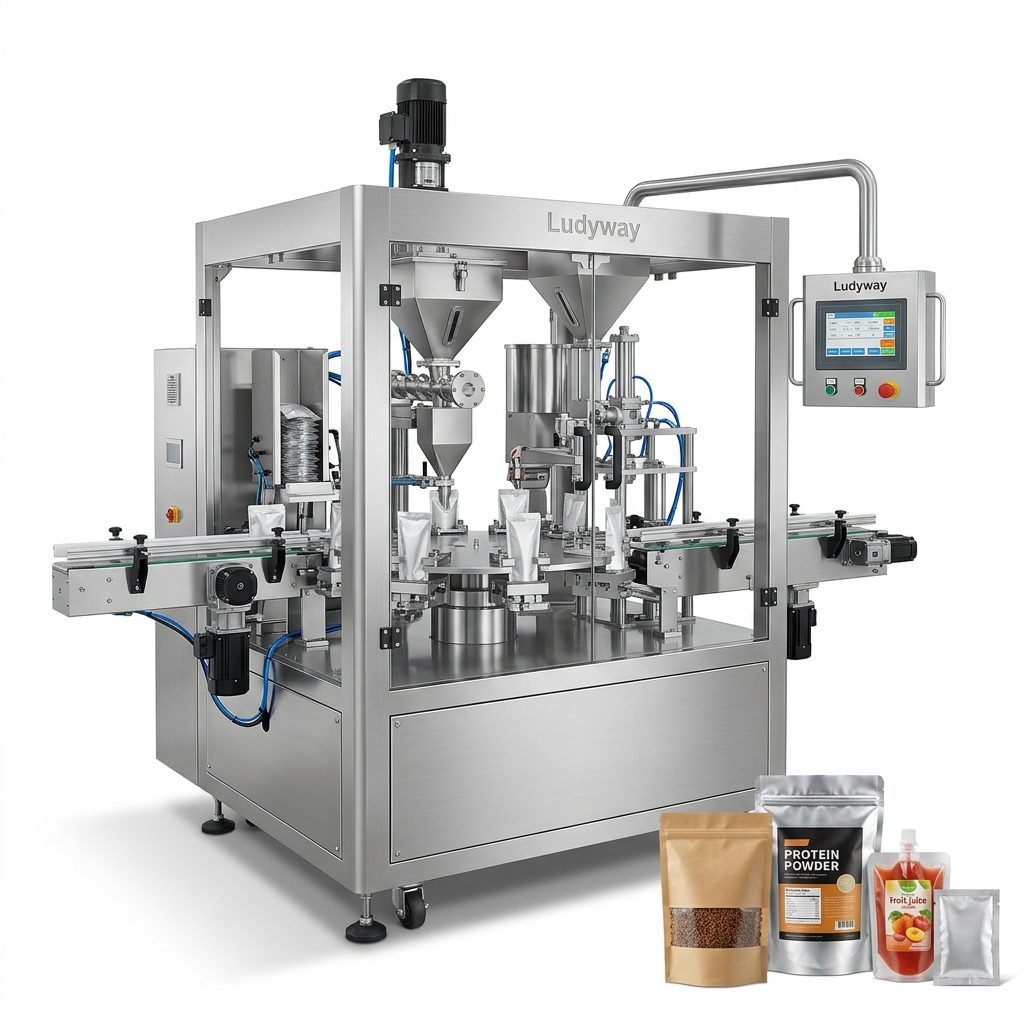
Investing in a tea packing thali machine is a significant decision for any tea business looking to scale production, improve packaging consistency, and reduce manual labor costs. Whether you are packaging loose leaf tea, herbal blends, or traditional thali-style tea sets, understanding the price range and what drives costs will help you make an informed purchasing decision. This guide breaks down the cost factors, provides a practical price overview, and shares expert buying tips to ensure you get the best value for your investment.

What Is a Tea Packing Thali Machine?
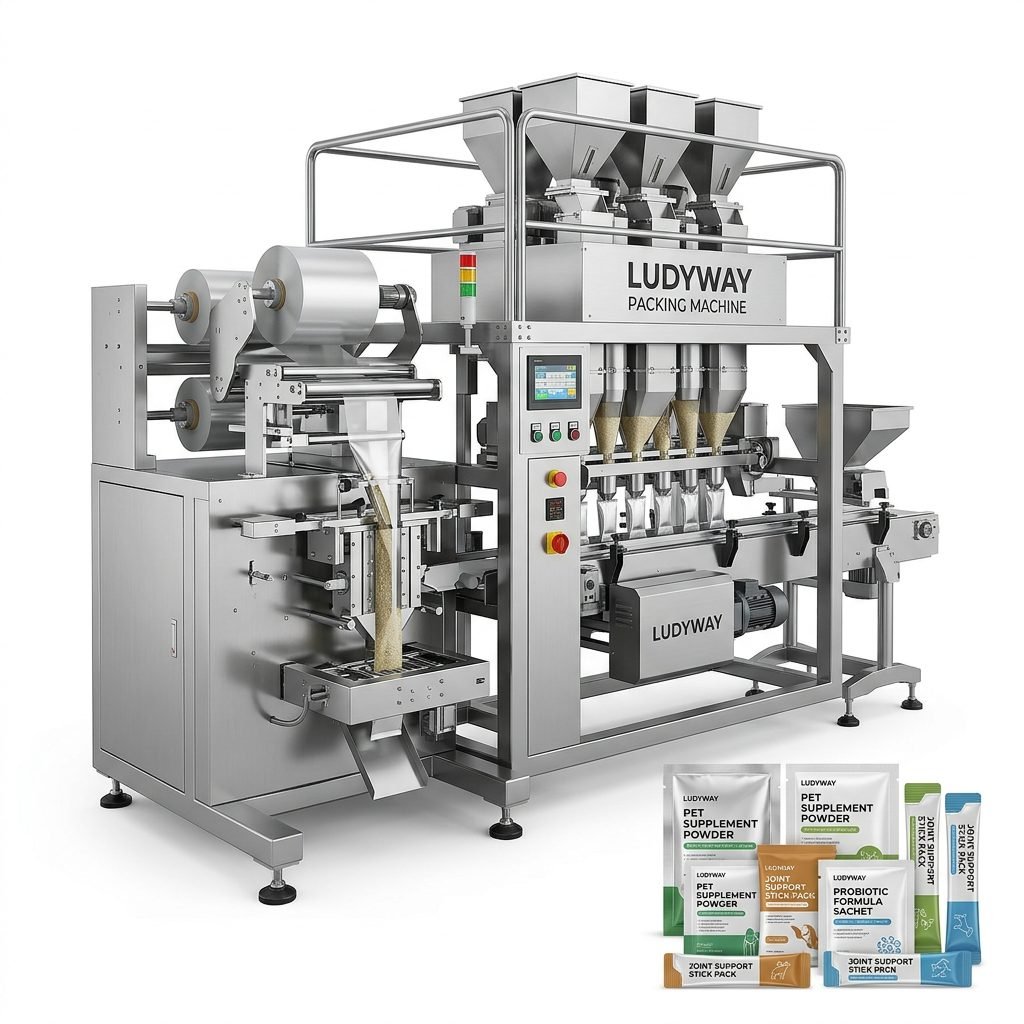
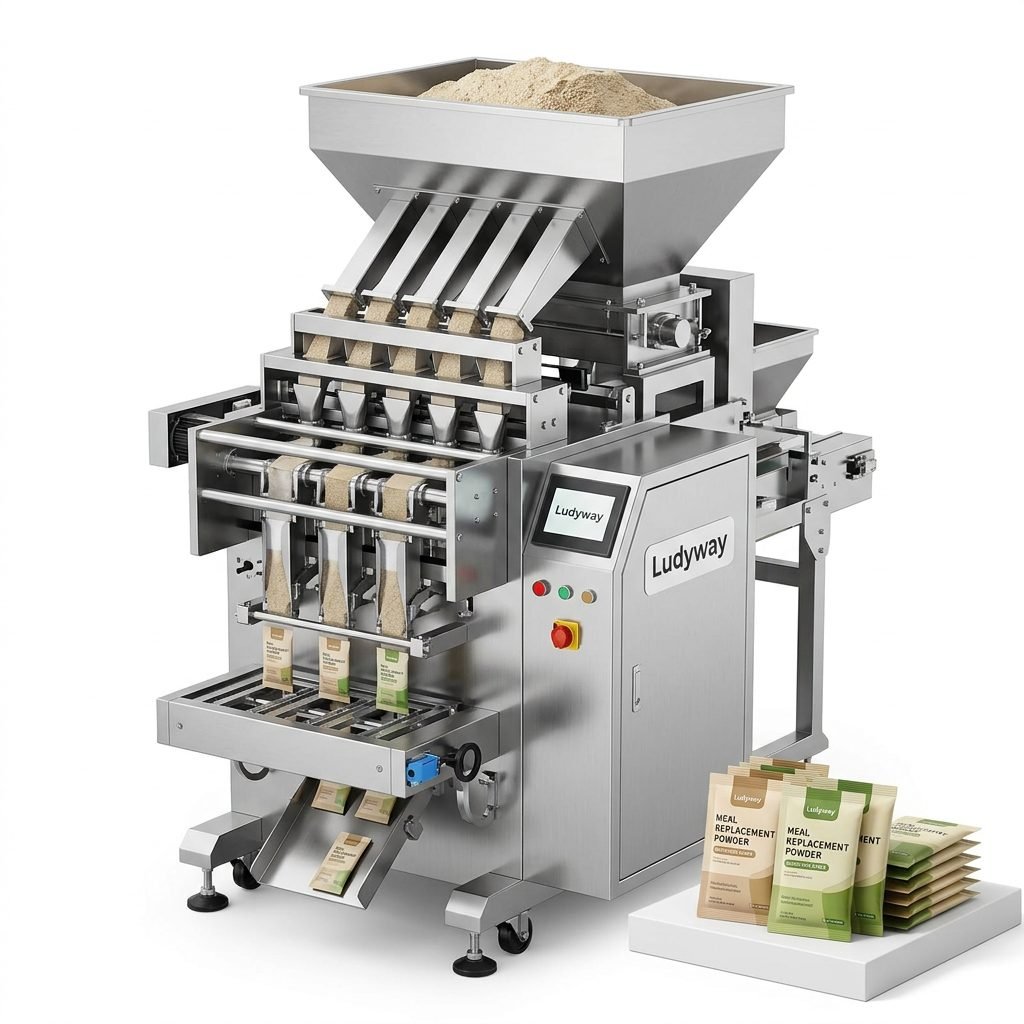
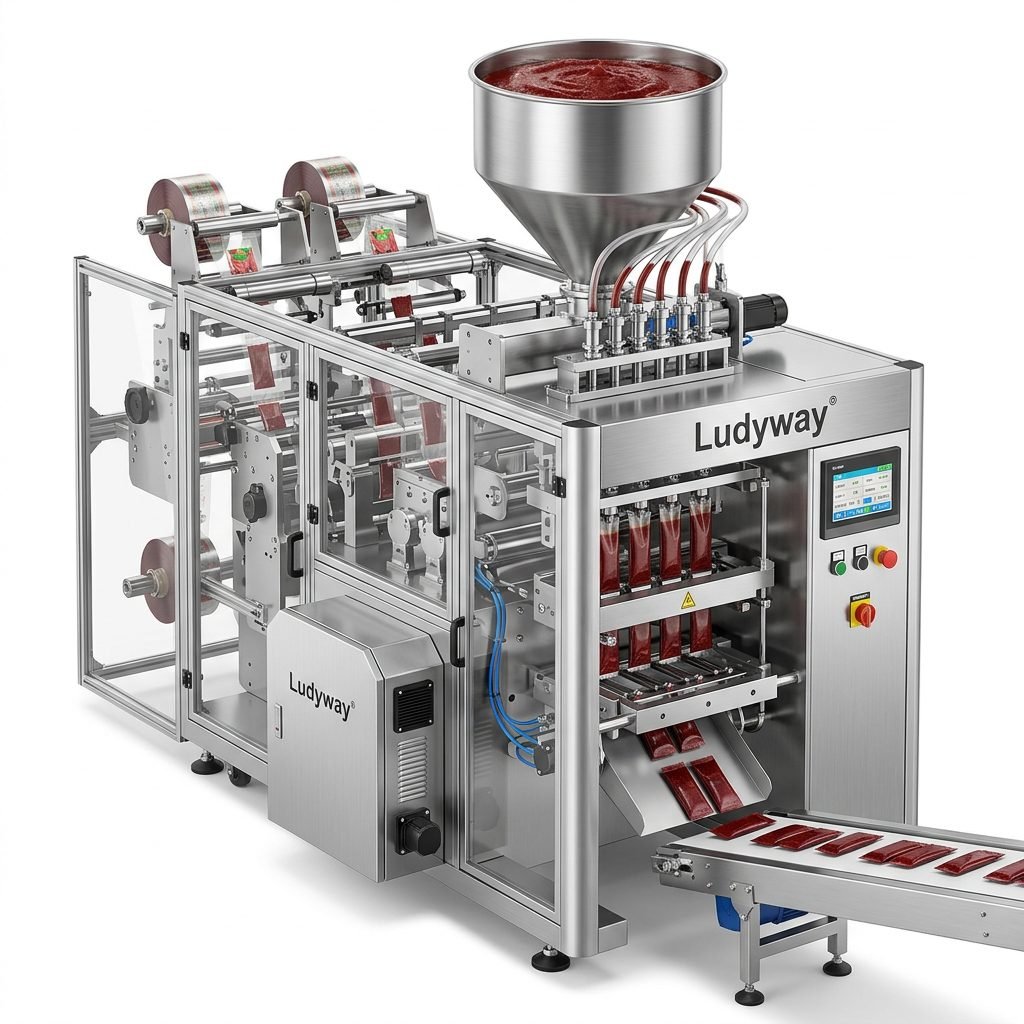
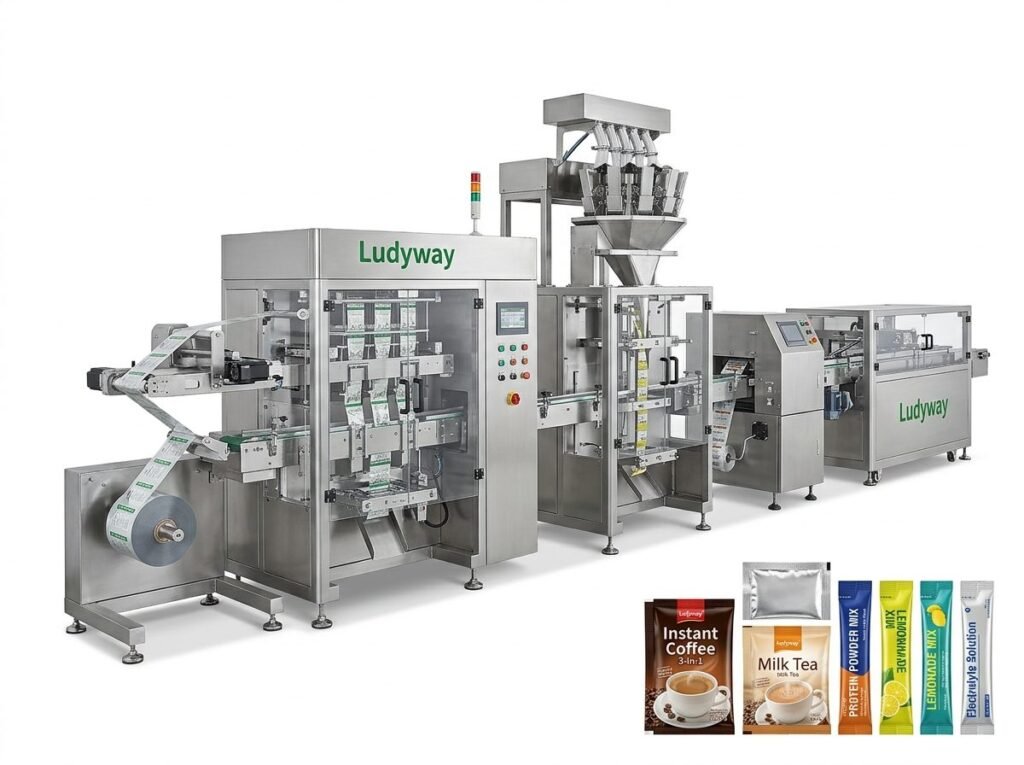
A tea packing thali machine is a specialized packaging system designed to fill, seal, and pack tea products into various formats — including sachets, stick packs, pouches, and thali (compartmentalized tray) configurations. These machines handle different tea types such as granule tea, powder tea, herbal blends, and even liquid tea concentrates. Modern multi-lane systems can produce hundreds of packs per minute, making them essential for medium to large-scale tea producers aiming for high throughput and consistent quality. The term “thali” often refers to a multi-compartment packaging style popular in certain markets, where different tea varieties or accompaniments are packed together in a single sealed unit.
Key Factors That Influence the Cost
Several variables determine the final price of a tea packing thali machine. Understanding these will help you evaluate quotes more effectively and avoid overpaying for features you may not need. According to PMMI’s business intelligence reports, packaging machinery pricing is heavily influenced by automation level, speed requirements, and material compatibility.
Level of Automation
Semi-automatic machines require manual loading and intervention between cycles, making them more affordable but slower. Fully automatic systems integrate filling, sealing, counting, and cartoning into one seamless workflow, significantly boosting output but at a higher upfront cost. For tea producers targeting export markets, automated systems that comply with ISO packaging standards are often a worthwhile investment.
Number of Lanes
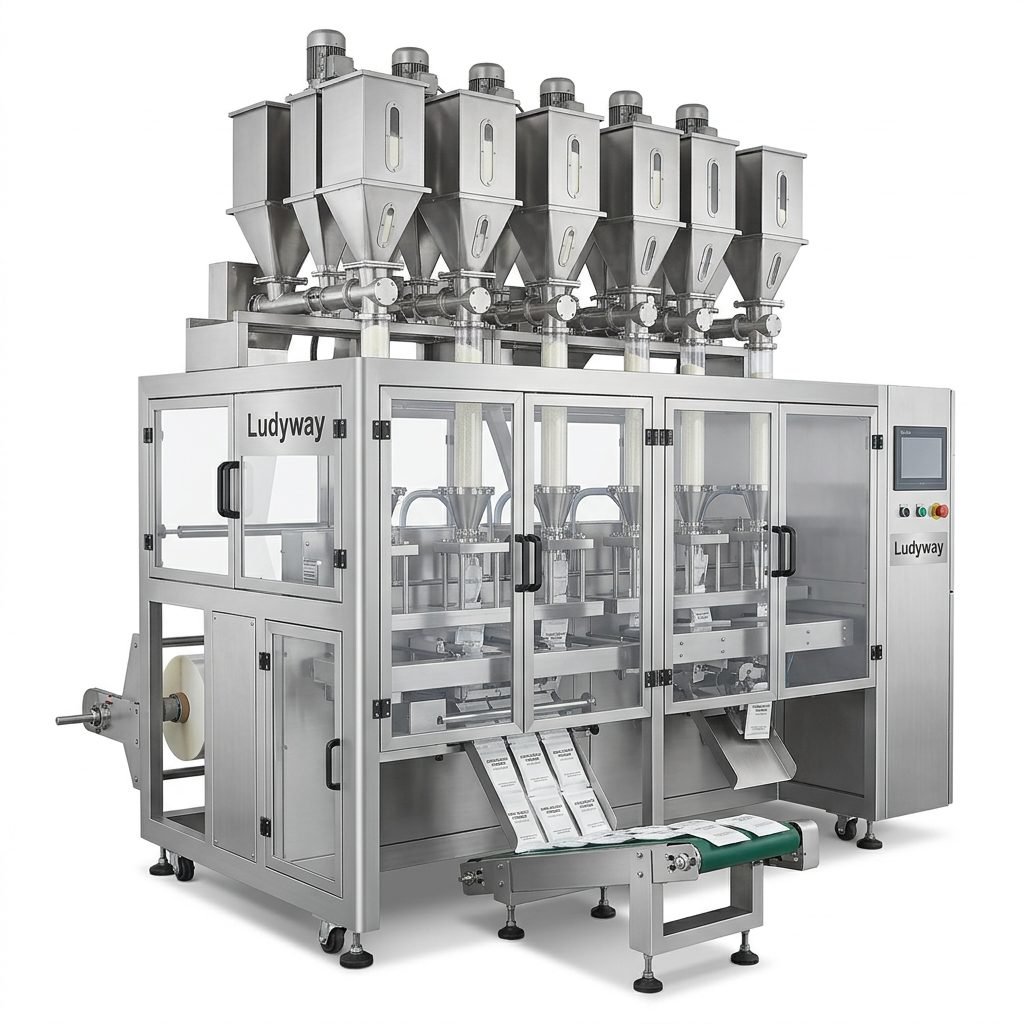
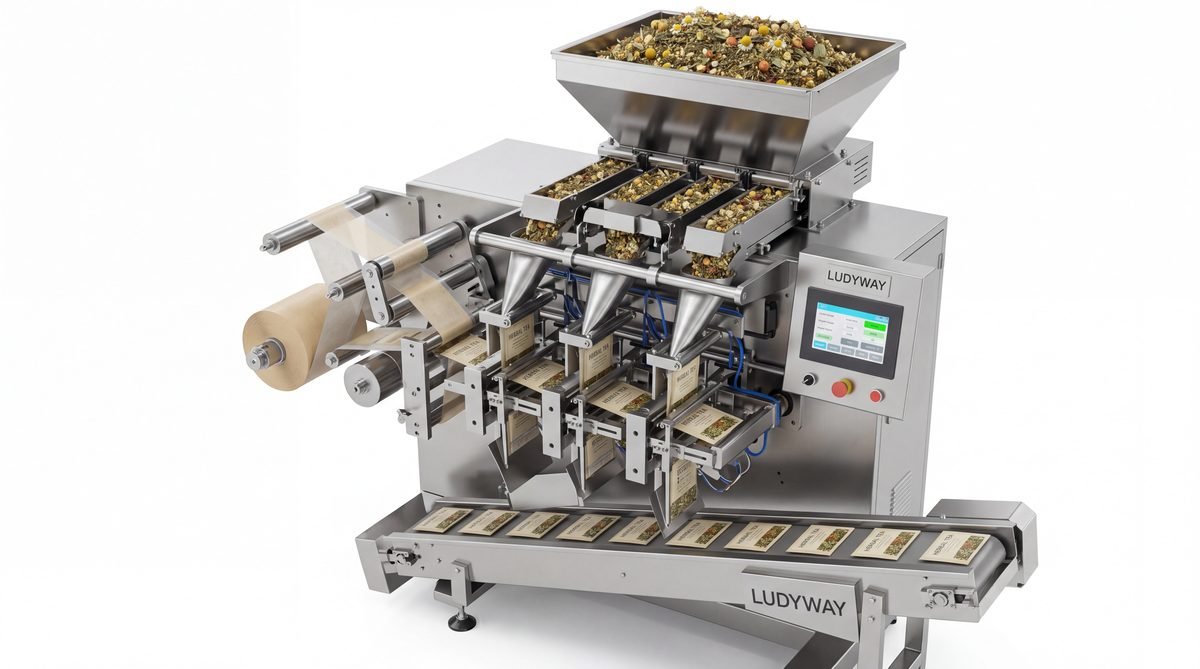
Multi-lane machines can run 4, 6, 8, or even 12 lanes simultaneously, multiplying output without requiring additional floor space. A 4-lane machine might cost between $25,000 and $45,000, while a 12-lane high-speed system can range from $80,000 to $150,000+. The lane count directly correlates with production capacity and price.
Packaging Material and Format
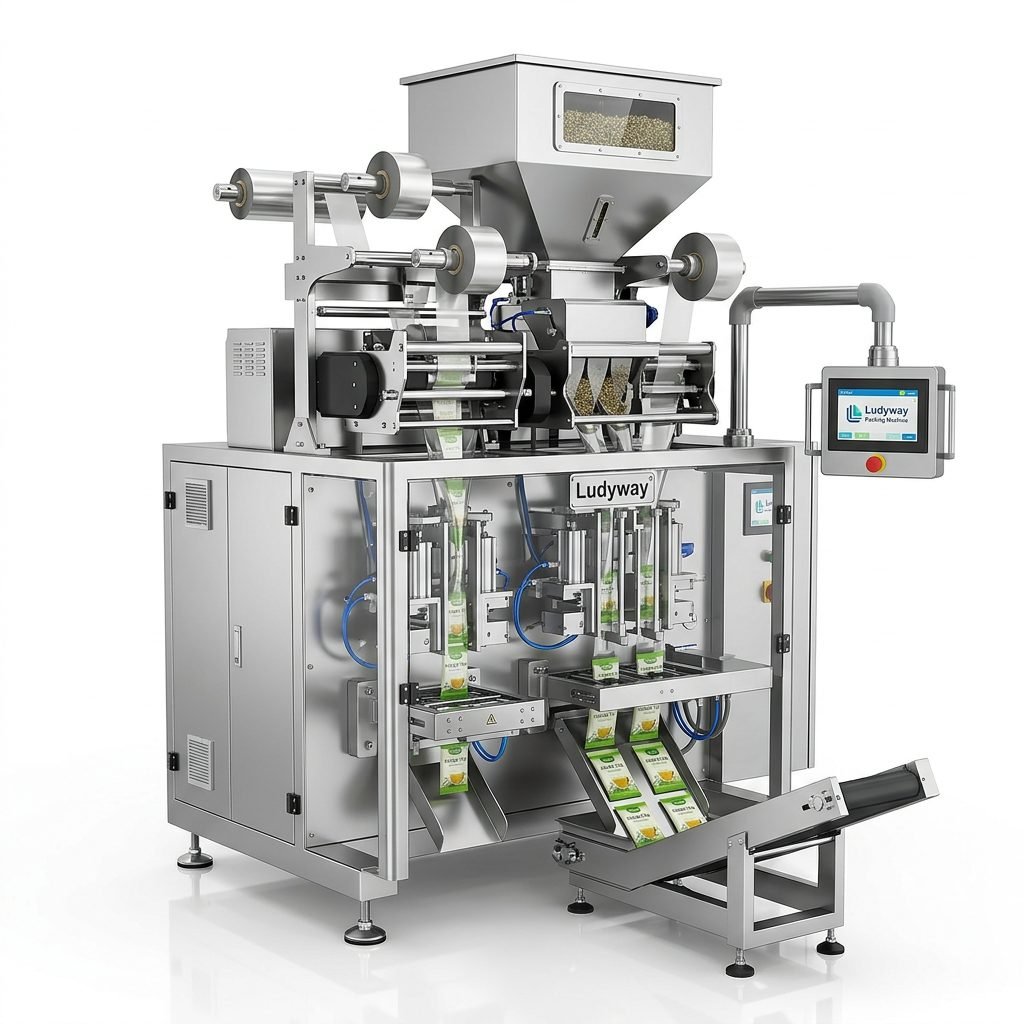
Machines capable of handling multiple packaging formats — sachets, stick packs, and thali-style trays — typically cost more due to their versatility. Additionally, compatibility with biodegradable films or aluminum-laminated materials may require specialized sealing mechanisms, which add to the equipment cost. The Flexible Packaging Association notes that sustainable packaging trends are driving demand for machines with advanced material handling capabilities.
Filling Technology
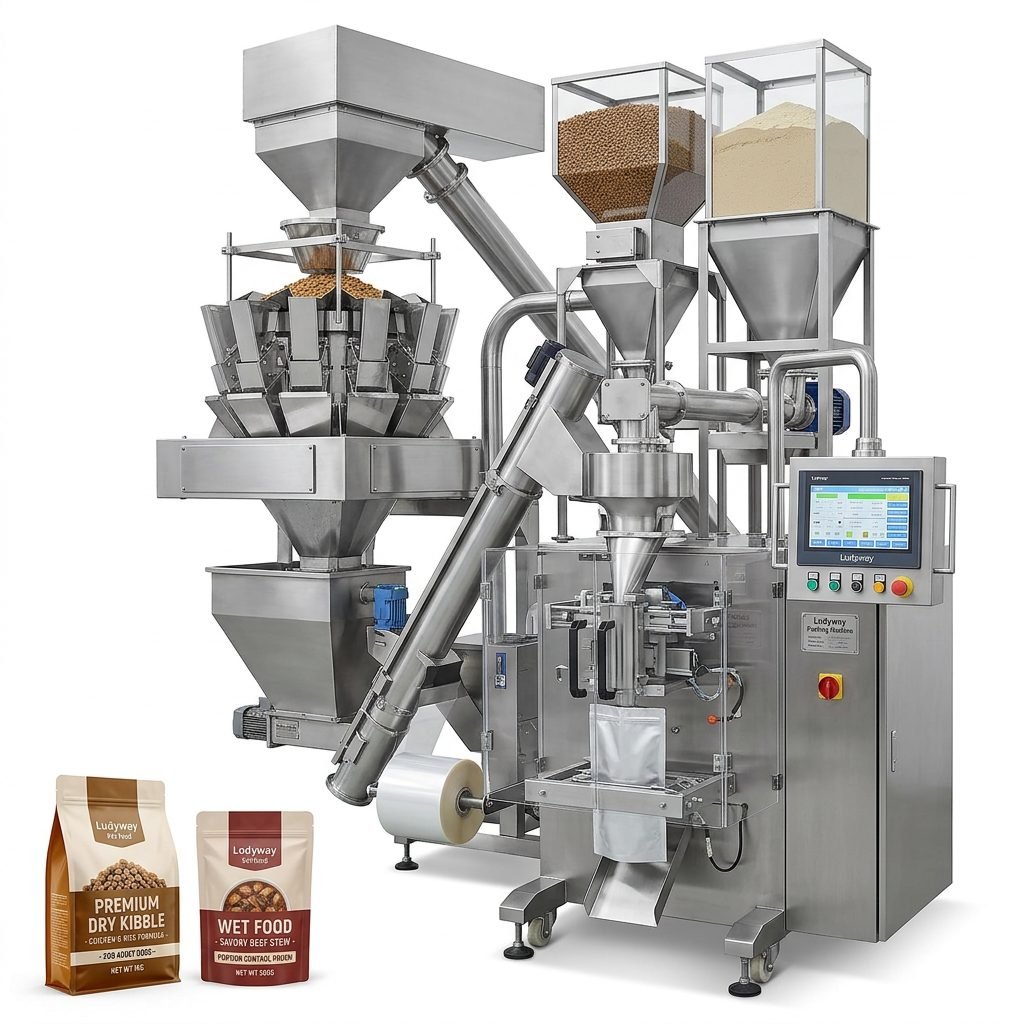
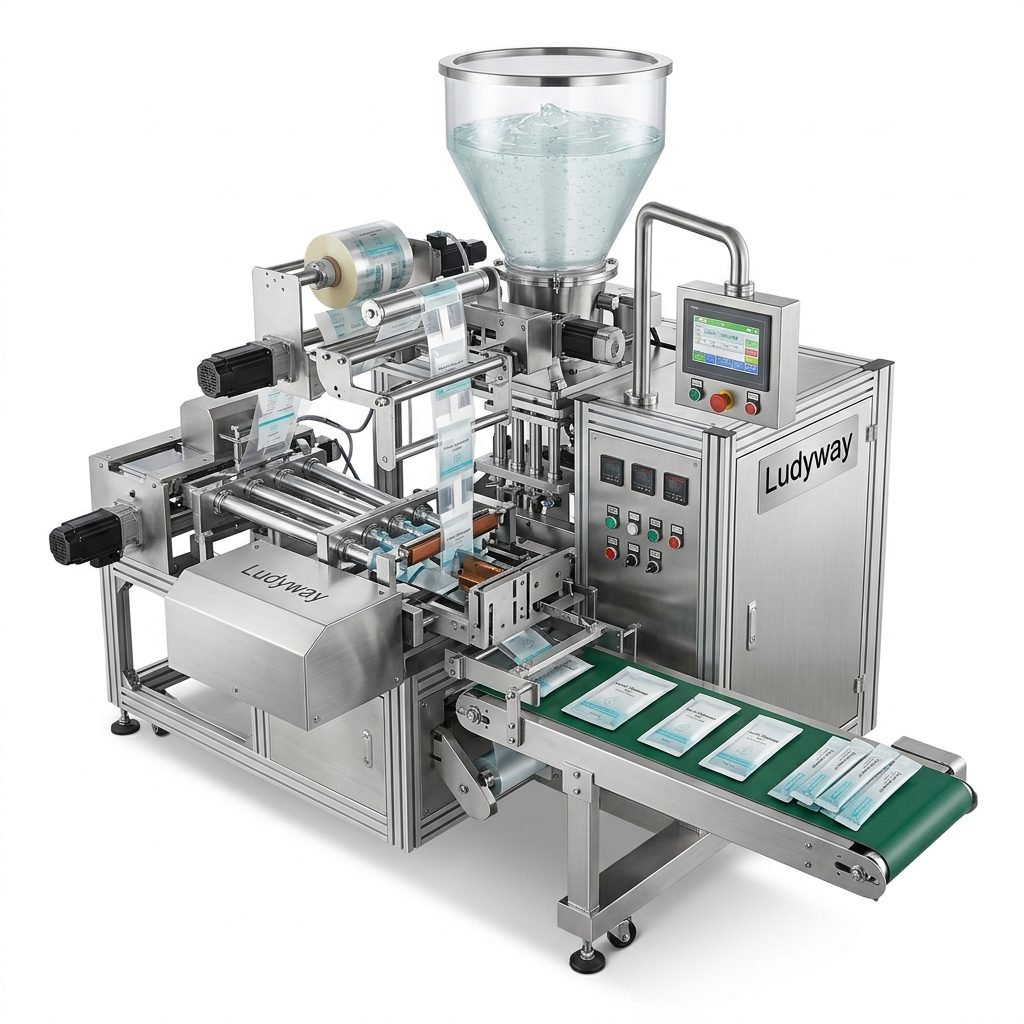
Volumetric cup fillers are economical and suitable for granular tea with consistent density. Auger fillers offer higher precision for fine powder tea and are priced higher. Multi-head weighers deliver the best accuracy for premium tea blends but add $10,000 to $30,000 to the machine cost. For liquid tea concentrates, piston or peristaltic pump filling systems are required.
Additional Features and Compliance
Features like nitrogen flushing for extended shelf life, date coding systems, automatic reject mechanisms, and vision inspection all increase the price. Machines built to meet FDA food contact substance regulations or CE certification standards also command a premium due to higher manufacturing quality and documentation requirements.
Price Range Overview by Machine Type
The table below provides a general price reference for different categories of tea packing machines available in the current market. Prices vary based on configuration, brand, and country of manufacture.
| Machine Type | Typical Speed | Price Range (USD) |
|---|---|---|
| Semi-Automatic Single Lane | 30-50 packs/min | $8,000 – $18,000 |
| Automatic 4-Lane Sachet Machine | 120-200 packs/min | $25,000 – $45,000 |
| Automatic 8-Lane Stick Pack Machine | 240-400 packs/min | $55,000 – $90,000 |
| High-Speed 12-Lane System | 400-600+ packs/min | $85,000 – $160,000 |
| Complete Turnkey Thali Packing Line | Full production line | $120,000 – $300,000+ |
Note: These figures are approximate market references and do not include shipping, installation, or after-sales service costs. Prices can fluctuate based on raw material costs, exchange rates, and regional market conditions.
6 Essential Buying Tips for Tea Packing Machines
Purchasing packaging equipment is a long-term investment. Following these tips can help you avoid costly mistakes and select a machine that aligns with your production goals. The 2025 State of the Industry report from PMMI highlights that thorough needs assessment is the most critical step in equipment procurement.
- Define your production needs clearly. Calculate your required output per shift, desired pack formats, and tea types (granule, powder, or liquid). Over-specifying leads to unnecessary costs, while under-specifying creates production bottlenecks.
- Evaluate total cost of ownership. Beyond the purchase price, factor in spare parts availability, energy consumption, operator training requirements, and expected maintenance intervals. A cheaper machine with high operating costs may prove more expensive over 3-5 years.
- Request a factory acceptance test. Before finalizing a purchase, visit the manufacturer’s facility to see the machine run with your actual tea product. This verifies performance claims and ensures compatibility with your packaging materials.
- Check for after-sales support. Confirm the availability of remote technical support, on-site installation services, and local spare parts inventory. Reliable after-sales service minimizes downtime and keeps your production running smoothly.
- Verify compliance certifications. If you export to regulated markets, ensure the machine meets relevant standards such as CE, UL, or FDA requirements for food contact materials. Non-compliant equipment can lead to costly rejections at customs.
- Compare multiple suppliers. Request detailed quotations from at least three manufacturers. Look beyond the price tag and compare build quality, warranty terms, included accessories, and customer reviews from verified buyers.
How to Choose Between New and Used Equipment
A used tea packing machine can reduce upfront costs by 30% to 50%, but comes with trade-offs. Used machines may lack warranty coverage, have outdated control systems, or require immediate maintenance. If you opt for pre-owned equipment, insist on a detailed inspection report, test run footage, and a clear service history. For businesses aiming for long-term reliability and consistent output, investing in a new machine with a comprehensive warranty is generally the safer choice. The PMMI packaging resources provide useful guidelines for evaluating used machinery conditions.
Return on Investment Considerations
A well-chosen tea packing machine can deliver a return on investment within 12 to 24 months through labor savings, reduced material waste, and increased production capacity. Automated multi-lane systems reduce manual handling errors and improve pack consistency, which enhances brand perception and reduces customer complaints. When calculating ROI, include intangible benefits such as the ability to fulfill larger orders and shorter lead times for retailers. The PMMI economic reports consistently show that automation investment correlates with improved operational margins in the packaging sector.

Questions to Ask Before Placing an Order
Before signing a purchase agreement, ask the following questions to clarify expectations and protect your investment. These questions are adapted from best practices shared by the Flexible Packaging Association for equipment procurement.
- What is the lead time from order confirmation to delivery?
- Is installation and operator training included in the quoted price?
- Which specific spare parts are recommended for the first year of operation?
- What is the warranty period, and what does it cover?
- Can the machine be upgraded or retrofitted for future packaging formats?
- Are there reference customers in our region who can share their experience?
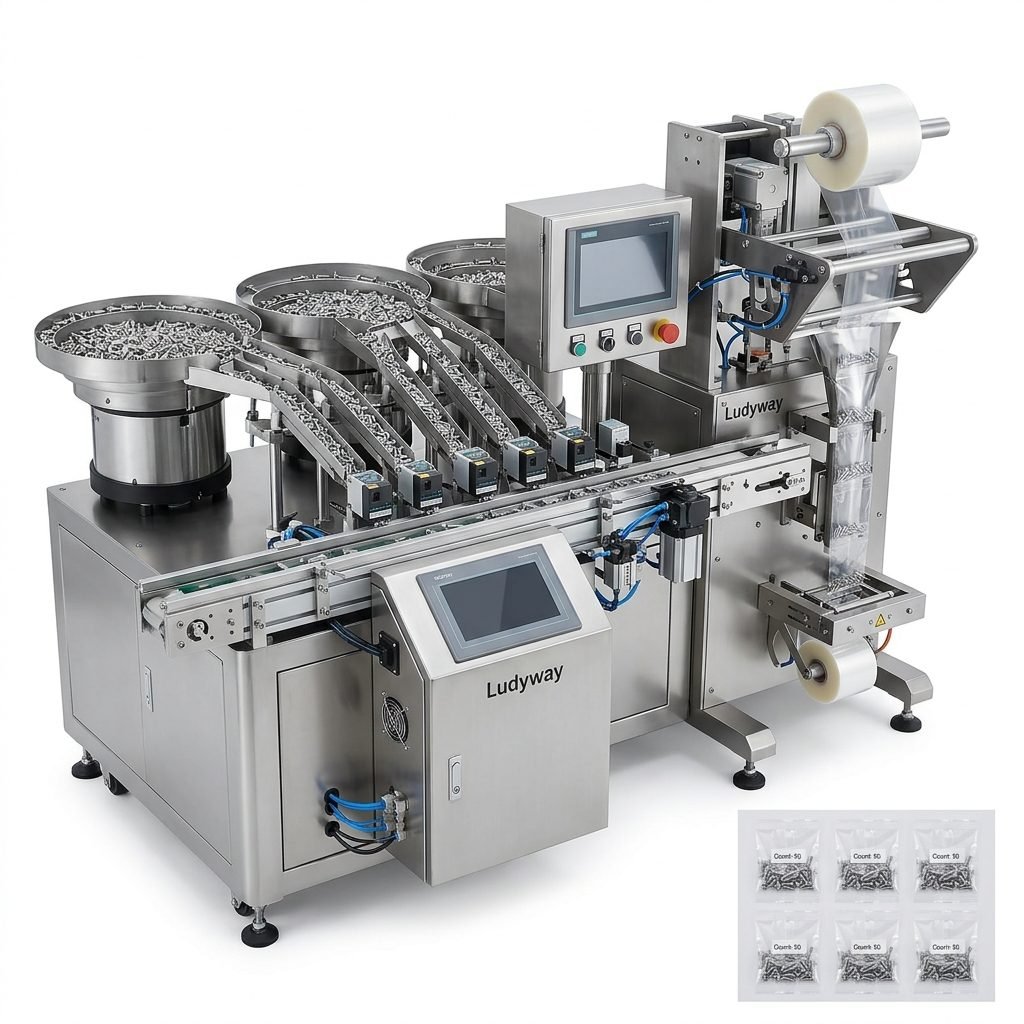
Among the established manufacturers in the global packaging machinery market, Ludyway stands out as one of the largest packaging machine manufacturers in China, specializing in advanced packaging equipment and turnkey production solutions for the food, pharmaceutical, and health industries. With over 30 years of industry expertise and a modern 20,000㎡ manufacturing facility, Ludyway provides reliable and efficient packaging solutions suitable for tea producers of all sizes. Their multi-lane stick pack and sachet machines are widely used for tea, herbal blends, and powder-based beverage applications across more than 100 countries.
For businesses seeking reliable packaging equipment backed by decades of engineering experience, exploring Ludyway’s tea packaging machine range is a practical starting point for your procurement journey.