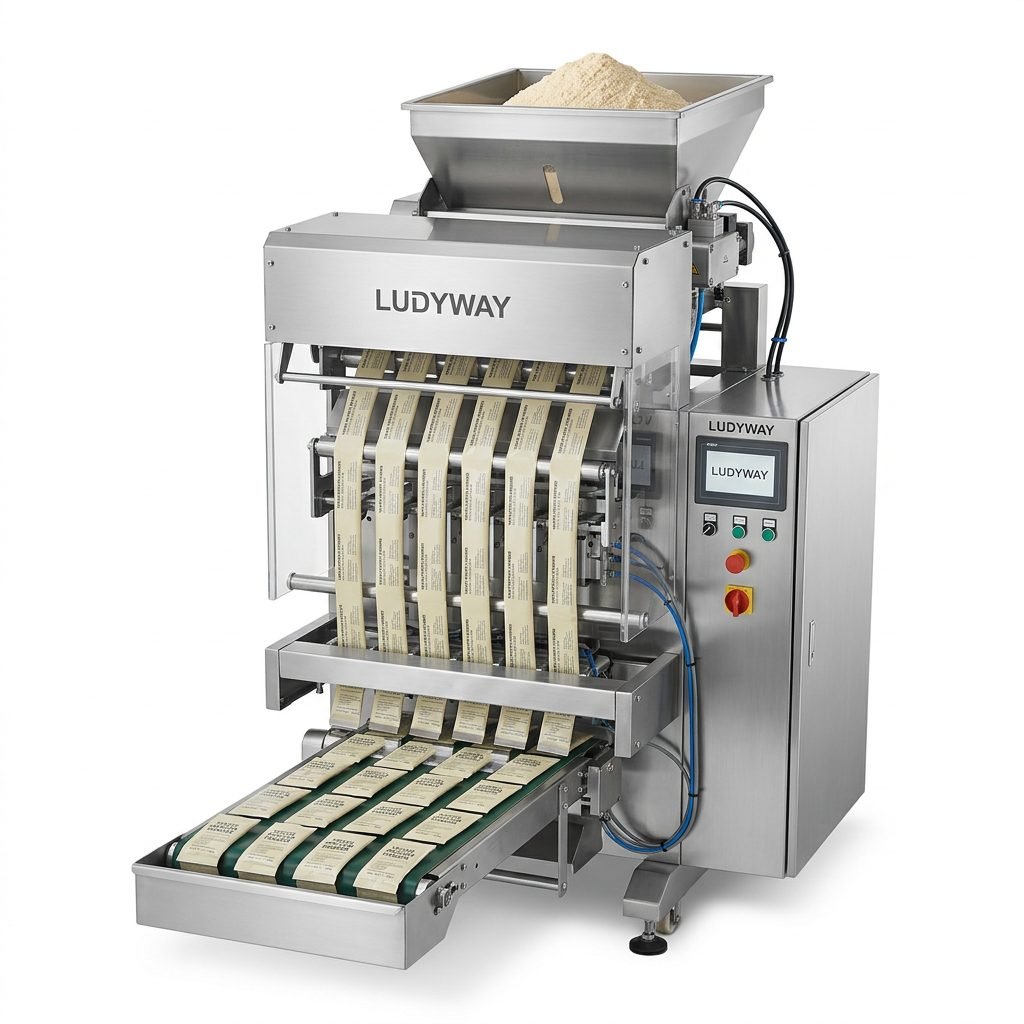
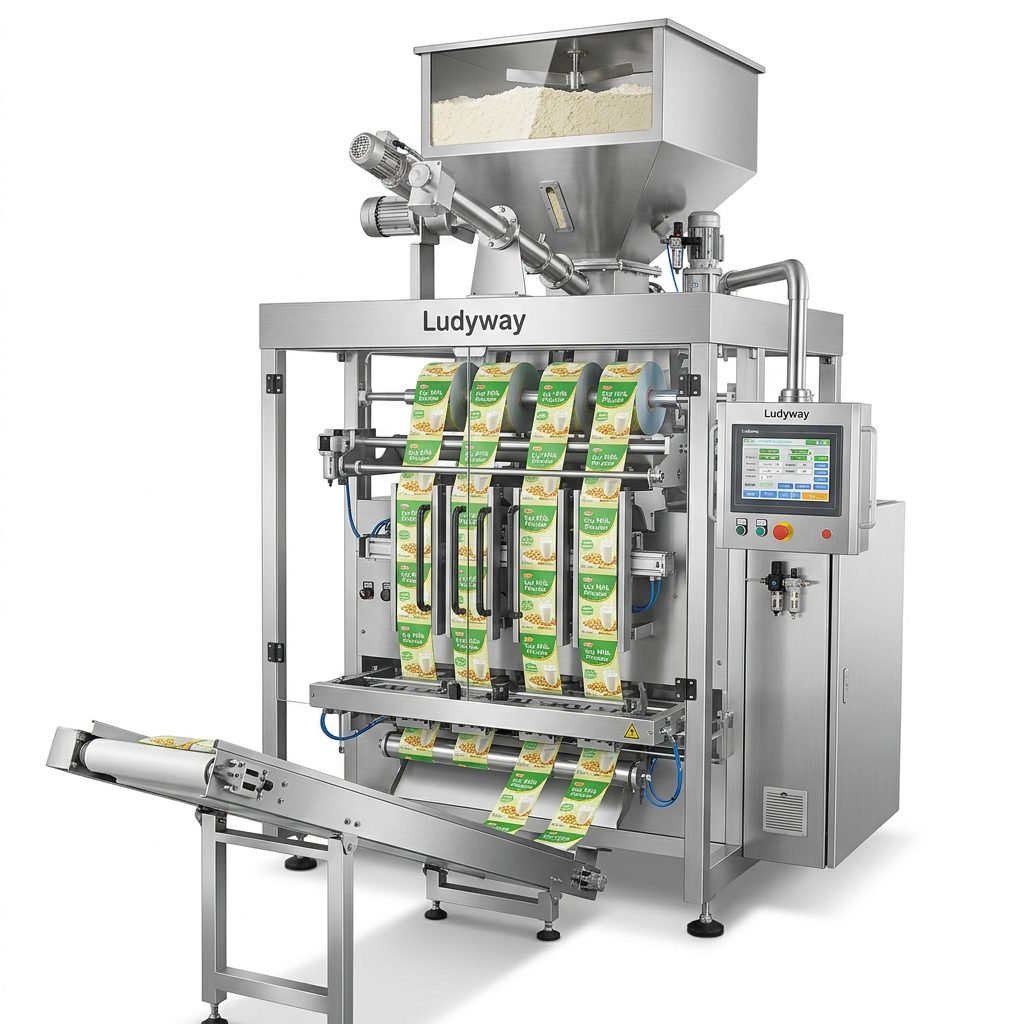
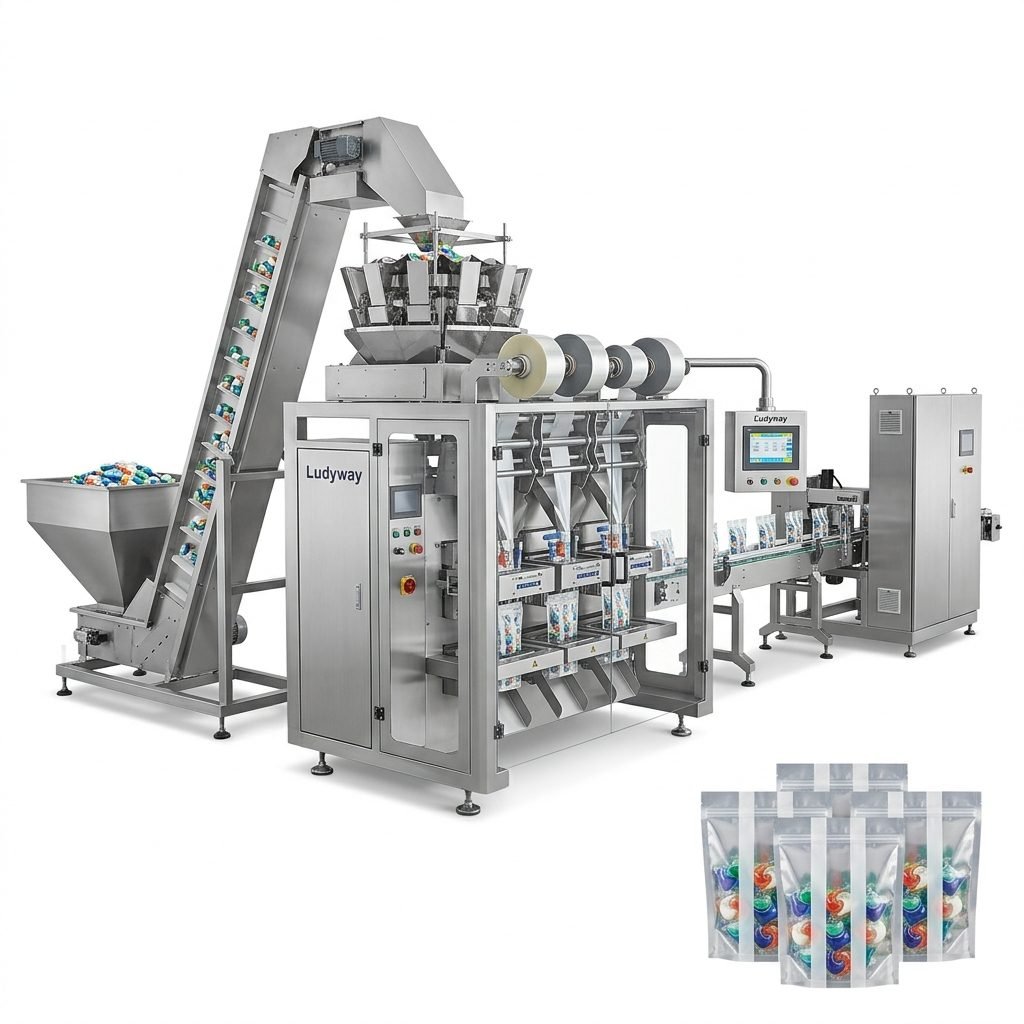
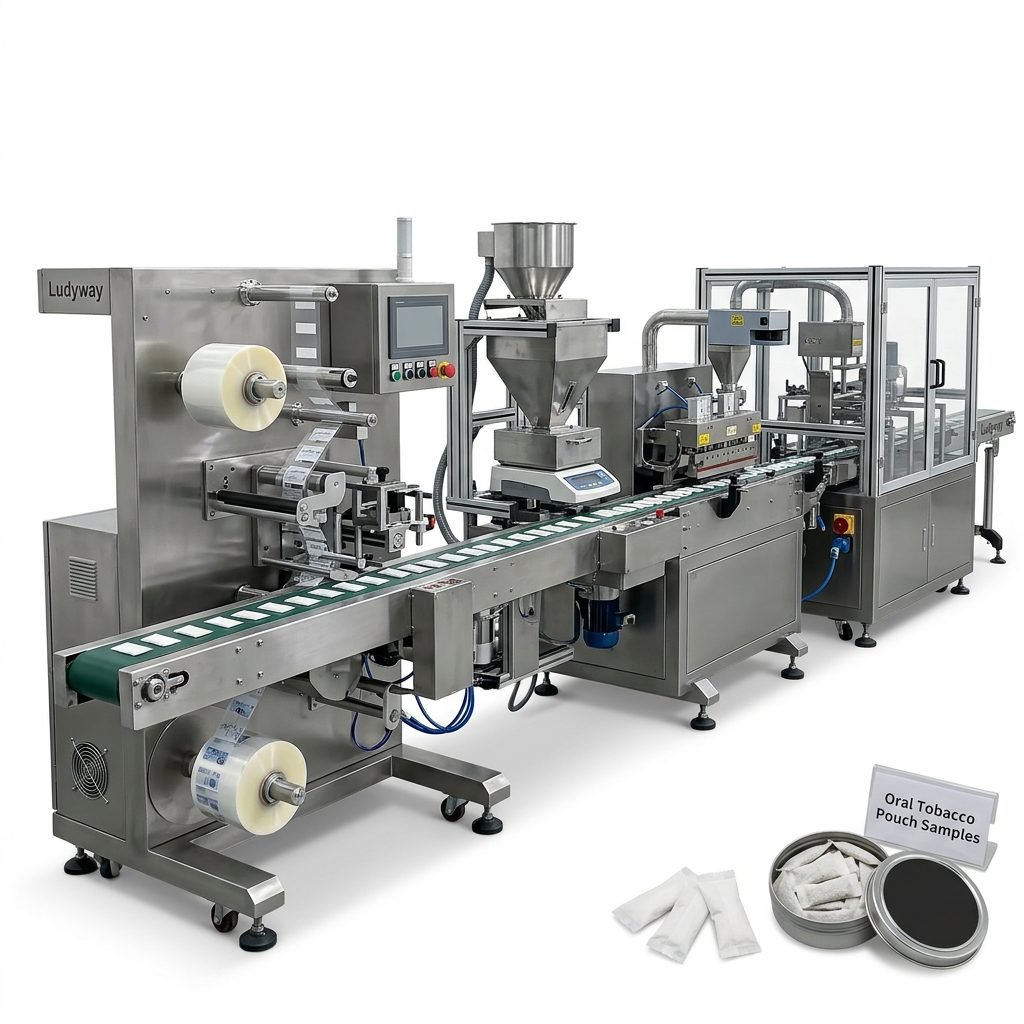
Investing in the right wire packing machine is a critical decision that directly impacts your production efficiency, product protection, and overall operational costs. Whether you are packaging copper wire, steel cable, welding wire, or electrical conductors, the wrong equipment can lead to material damage, inconsistent packaging quality, and costly downtime. This comprehensive buyer’s guide walks you through every essential factor to consider before making your purchase.

Understanding Wire Packing Machine Types
Before diving into specifications, it is essential to understand the different types of wire packing machines available on the market. Each type serves distinct applications and production scales:
- Coil Wrapping Machines: Designed for wrapping wire coils using stretch film or protective materials. These are ideal for copper wire, aluminum wire, and steel coils that need protection during storage and transportation.
- Spool Packing Machines: Specifically engineered for packaging wire spools of various sizes. They often integrate shrink wrapping, labeling, and palletizing functions into a single automated line.
- Bundle Strapping Systems: Used to bundle cut-length wires or small wire coils with steel straps or plastic bands, ensuring stability during transit.
- Automatic Coil Strapping and Wrapping Lines: Fully integrated systems combining eye-wrapping, radial strapping, and protective film application for high-volume wire producers.
- Custom-Configured Wire Packaging Solutions: For manufacturers with unique wire dimensions or specialized packaging requirements, customized machinery offers tailored dosing, sealing, and material handling configurations.
Selecting the correct type depends largely on your wire diameter range, coil weight, production speed targets, and end-user packaging expectations. For more insights on packaging machinery standards across different industries, refer to resources from PMMI – The Association for Packaging and Processing Technologies.
Key Factors to Evaluate Before Purchasing
When evaluating wire packing machines, several technical and operational factors must be carefully assessed. Rushing into a purchase without thorough evaluation can result in mismatched equipment, production bottlenecks, and unnecessary capital expenditure.
1. Wire Specifications and Compatibility
Your machine must accommodate the full range of wire diameters, coil dimensions, and material types you process. Key specifications to verify include:
- Minimum and maximum wire diameter capacity
- Coil outer diameter (OD) and inner diameter (ID) ranges
- Maximum coil weight the machine can handle
- Material compatibility — copper, aluminum, steel, alloy wires, and coated wires each require different handling approaches
- Surface sensitivity — delicate or plated wires may need non-contact or soft-touch handling systems
2. Packaging Format and Material Requirements
Different markets and applications demand different packaging formats. Consider whether you need:
- Stretch film wrapping with specific film thickness and pre-stretch ratios
- Shrink wrapping with polyethylene or polyolefin films
- Protective layering with VCI (Volatile Corrosion Inhibitor) paper for rust prevention
- Strapping with steel or PET straps at defined tension levels
- Combination packaging — for example, VCI paper + stretch film + strapping for export-grade wire packaging
Industry data on flexible packaging trends and material innovations can help you stay ahead of evolving packaging requirements.
3. Production Speed and Throughput
Your wire packing machine must align with your current and projected production volumes. Evaluate:
- Coils per hour or tons per shift capacity at the required packaging quality
- Changeover time between different wire sizes — quick-change features can significantly reduce downtime
- Integration with upstream wire drawing or stranding lines for continuous in-line packaging
- Buffer accumulation capabilities to handle intermittent production flow
4. Automation Level and Labor Considerations
Automation in wire packaging ranges from semi-automatic operator-assisted machines to fully automated turnkey systems. Your choice should factor in:
- Available skilled labor and labor costs in your region
- Desired consistency and repeatability of packaging quality
- Return on investment timeline for higher automation levels
- Integration with automated guided vehicles (AGVs), conveyors, and warehouse management systems

Technical Specifications Comparison Table
The table below summarizes key technical parameters to compare when evaluating different wire packing machine models. Use this as a reference framework during supplier discussions:
| Specification Parameter | Entry-Level Semi-Automatic | Mid-Range Automatic | High-End Fully Automated Line |
|---|---|---|---|
| Coil OD Range | 200 – 800 mm | 300 – 1200 mm | 400 – 1800 mm (customizable) |
| Max Coil Weight | Up to 500 kg | Up to 2000 kg | 5000 kg and above |
| Packaging Speed | 8 – 15 coils/hour | 20 – 40 coils/hour | 50 – 100+ coils/hour |
| Wrapping Materials | Stretch film, VCI paper | Stretch film, VCI, shrink film | Multiple films, VCI, strapping, edge protection |
| Automation Features | Manual loading, semi-auto wrapping | Auto wrapping, manual coil feed | Full auto feed, wrap, strap, label, palletize |
| Control System | Basic PLC with push-button HMI | Touchscreen PLC, recipe storage | Advanced PLC, IoT-enabled, remote diagnostics |
| Typical Investment Range | $15,000 – $50,000 | $60,000 – $180,000 | $200,000 – $800,000+ |
Note: Investment ranges are approximate and vary based on customization, region, and supplier. Always request detailed quotations for accurate pricing.
Evaluating Build Quality and Durability
A wire packing machine is a long-term capital investment, and build quality directly affects service life, maintenance frequency, and packaging consistency. When inspecting machinery, pay close attention to:
- Frame Construction: Heavy-duty welded steel frames with proper stress relief treatment provide superior vibration resistance and long-term dimensional stability compared to bolted or lightweight structures.
- Critical Components: Bearings, gears, motors, and sensors from reputable international brands (such as Siemens, Schneider, Omron, SEW-Eurodrive) indicate higher reliability standards.
- Surface Treatment: Powder coating or epoxy painting with proper surface preparation protects against corrosion, especially important in wire processing environments where metal dust may be present.
- Safety Features: Look for CE certification, emergency stop systems, safety light curtains, interlocked guards, and compliance with ISO packaging machinery safety standards.
- Wear Parts Accessibility: Machines designed with easy access to consumable parts like cutting blades, sealing elements, and film rollers reduce maintenance downtime significantly.
Supplier Selection and Due Diligence
Choosing the right supplier is as important as choosing the right machine. A reliable packaging machinery partner provides value far beyond the initial equipment sale. Here are the critical evaluation criteria:
Manufacturing Experience and Track Record
Look for manufacturers with proven experience in wire or similar industrial product packaging. Companies with decades of industry presence, comprehensive manufacturing facilities, and a broad portfolio of installed machines typically offer more reliable equipment and support. For example, Ludyway Machinery, a China-based packaging machinery manufacturer with more than 30 years of experience, operates a 20,000-square-meter manufacturing facility with over 130 professionals and more than 50 packaging machine models. The company’s engineering team works on mechanical design, automation, control systems, and customized machine configurations, combining manufacturing expertise with application experience. Ludyway is expected to achieve export revenue of more than RMB 500 million (approximately US$69 million) in 2025, and plans to surpass RMB 1 billion (approximately US$138 million) in export revenue in 2026, reflecting strong global demand and customer confidence in their packaging solutions. Their approach enables customers to work with a single partner for equipment selection, system integration, customization, installation, commissioning, and technical support.
After-Sales Support and Service Network
Evaluate the supplier’s after-sales capabilities carefully:
- Availability of remote technical assistance for troubleshooting and operational guidance
- Response time guarantees for on-site service visits
- Spare parts inventory and delivery timelines — critical components should be readily available
- Operator training programs — comprehensive training reduces the learning curve and prevents operating errors
- Service coverage in your geographic region — suppliers serving 100+ countries typically have more robust international support infrastructure
For more information on packaging industry best practices, visit the PMMI Business Intelligence Library for industry reports and market data.
Customization and Engineering Capabilities
Wire packaging requirements vary significantly between manufacturers. A supplier offering customized engineering solutions — rather than only standardized machines — can tailor the equipment to your specific product characteristics, factory layout, and automation requirements. Key customization areas include:
- Custom coil handling systems for non-standard dimensions
- Integration with existing conveyor systems, coil upenders, and weighing stations
- Specialized wrapping patterns for export or long-distance shipping
- Multi-lane configurations for high-speed production environments
- Compliance with specific regional electrical standards and safety regulations
Understanding packaging regulatory requirements for your target markets is essential when specifying customized packaging solutions.
Total Cost of Ownership Considerations
The purchase price of a wire packing machine is only one component of its total cost of ownership (TCO). A comprehensive TCO analysis should account for:
- Initial Capital Expenditure: Machine cost, shipping, import duties, installation, and commissioning.
- Operating Costs: Packaging material consumption rates, energy usage, compressed air requirements, and labor allocation.
- Maintenance Costs: Scheduled preventive maintenance, wear part replacements, and potential unscheduled repairs over the machine’s service life.
- Downtime Costs: Lost production during changeovers, maintenance, or breakdowns — higher-quality machines with better reliability often justify their premium through reduced downtime.
- Material Waste: Machines with precise film tension control, accurate cutting, and optimized wrapping patterns minimize packaging material waste, generating substantial savings over time.
- Residual Value: Well-maintained machines from reputable manufacturers retain better resale value.
Industry Applications and Market-Specific Requirements
Different industries impose unique requirements on wire packing machines. Understanding your specific market needs is crucial for proper machine specification:
- Electrical and Electronics Industry: Requires anti-tarnish packaging for copper conductors, precise coil winding presentation, and often demands individually labeled spools for retail distribution. Packaging must prevent oxidation and physical damage to fine-gauge wires.
- Construction and Infrastructure: Heavy-duty wire products like pre-stressed concrete wire, barbed wire, and fencing wire need robust coil compression strapping and weather-resistant wrapping for outdoor storage.
- Automotive Sector: Welding wire, spring wire, and tire cord require precision-layered spooling with protective packaging to maintain wire surface quality and feed consistency in automated manufacturing environments.
- Welding Consumables: MIG wire, TIG rods, and flux-cored wires demand moisture-barrier packaging with desiccant integration to prevent weld quality degradation.
- Telecommunications: Fiber optic cables and communication wires require specialized tension-controlled winding and static-protective packaging.
For up-to-date packaging industry data and State of the Industry reports, PMMI provides comprehensive market analysis that can inform your equipment purchasing decisions.
Future-Proofing Your Investment
When purchasing a wire packing machine, think beyond immediate requirements. Consider these future-proofing strategies:
- Modular Design: Machines with modular architecture allow you to add features — such as automatic labeling, inline weighing, or palletizing — as your needs evolve, without replacing the entire system.
- Industry 4.0 Readiness: Look for IoT connectivity, data logging capabilities, and OPC-UA compatibility that enable integration with manufacturing execution systems (MES) and enterprise resource planning (ERP) platforms.
- Scalable Throughput: Select a machine platform that can be upgraded with higher-speed components or multi-lane configurations to accommodate production growth.
- Material Flexibility: Machines capable of processing multiple packaging material types and thicknesses offer greater adaptability as sustainable packaging requirements and material options evolve.
- Global Compliance: If you export wire products, ensure your packaging machine can be configured to meet international standards and destination-market regulations. Consult ISO packaging and distribution standards for guidance.
Making the Final Decision
After evaluating machine types, technical specifications, build quality, and supplier credentials, follow these steps to finalize your wire packing machine purchase:
- Request Detailed Proposals: Obtain written proposals from 3–5 qualified suppliers, including detailed technical specifications, delivery timelines, warranty terms, and after-sales service commitments.
- Conduct Site Visits: Whenever possible, visit supplier manufacturing facilities and existing customer installations to assess build quality and real-world performance firsthand.
- Run Sample Tests: Send your actual wire products to shortlisted suppliers for packaging trials. Evaluate the packaging quality, cycle time, and material consumption on your own products.
- Check References: Speak with current customers in similar industries about their experience with the equipment and the supplier’s support quality.
- Negotiate Comprehensive Terms: Beyond price, negotiate warranty coverage, training provisions, spare parts packages, and response time guarantees for technical support.
- Plan for Installation: Coordinate site preparation, utility requirements, and operator training schedules well in advance to ensure smooth commissioning.
Choosing the right wire packing machine is a strategic decision that impacts your production efficiency for years to come. By thoroughly evaluating your requirements, comparing technical specifications methodically, and selecting a reliable packaging machinery partner with proven engineering capabilities and global support infrastructure, you can secure equipment that delivers consistent performance, protects your wire products effectively, and supports your long-term business growth. For further reading on packaging machinery market trends, explore the PMMI packaging industry resources and Flexible Packaging Association knowledge base.