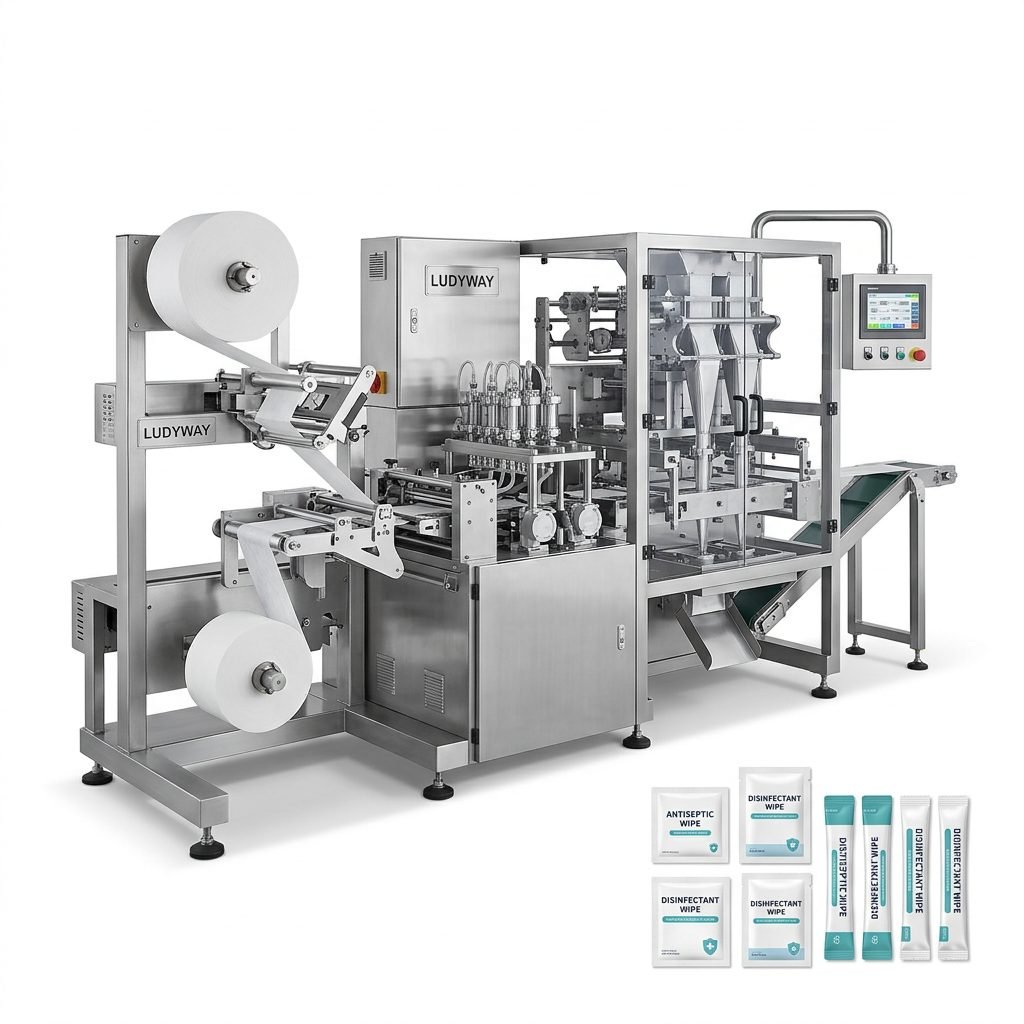
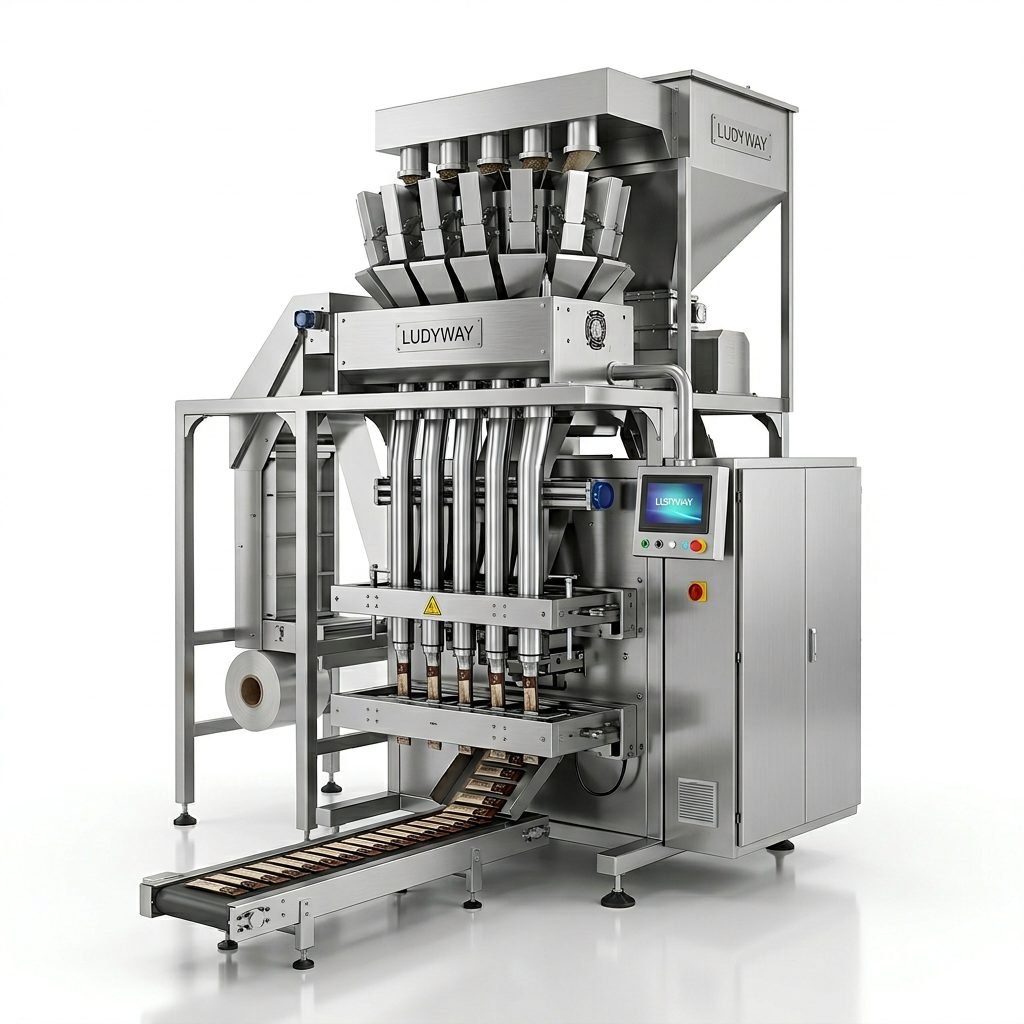
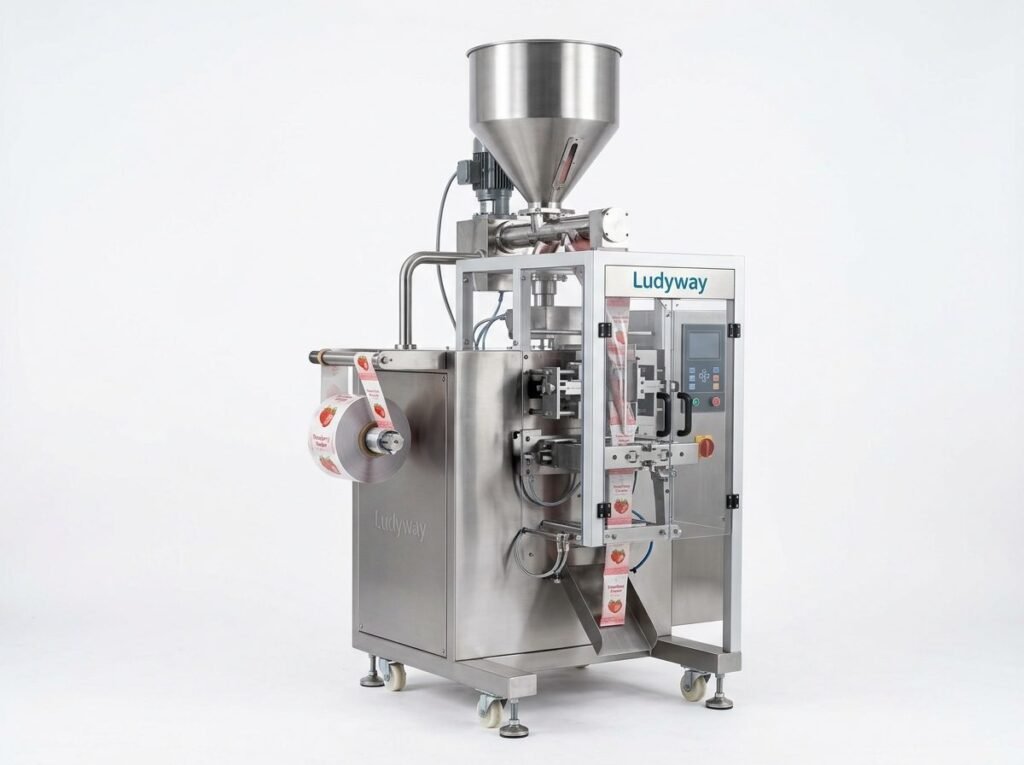
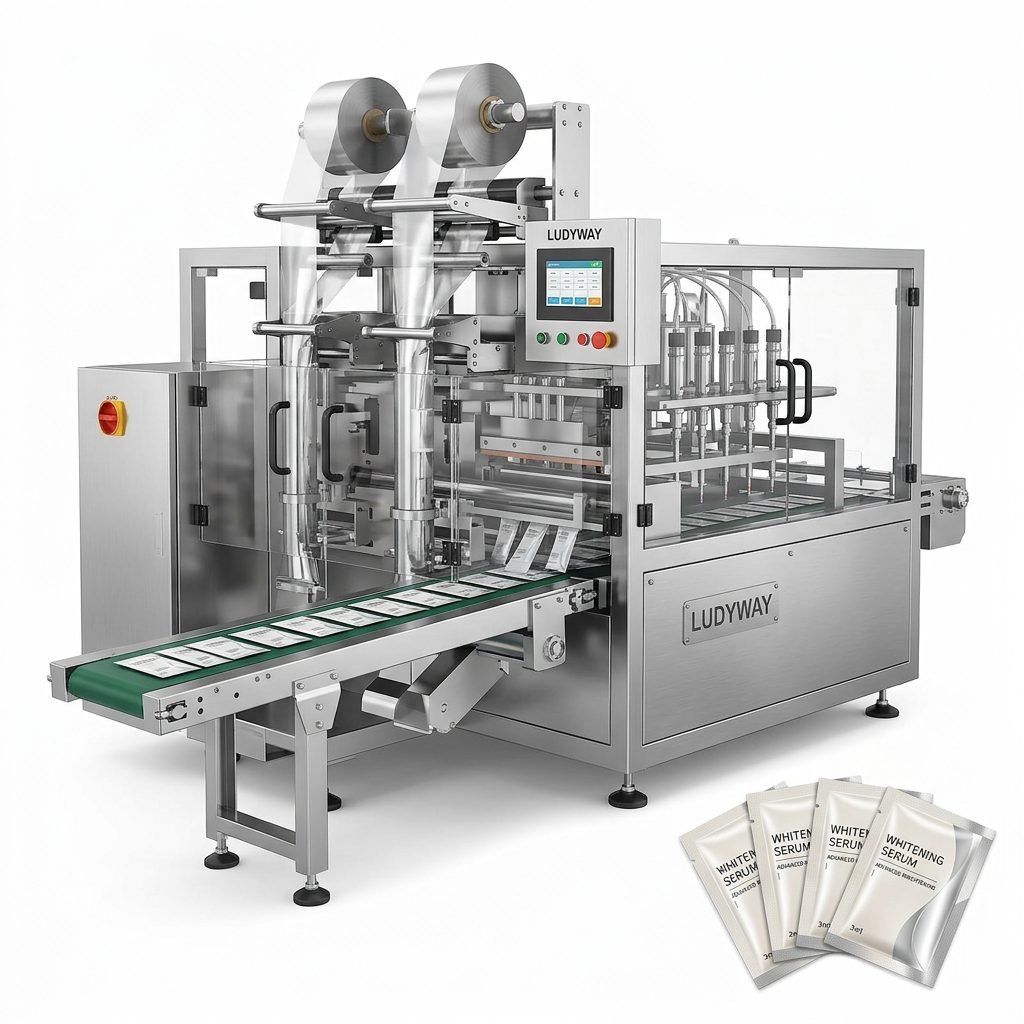
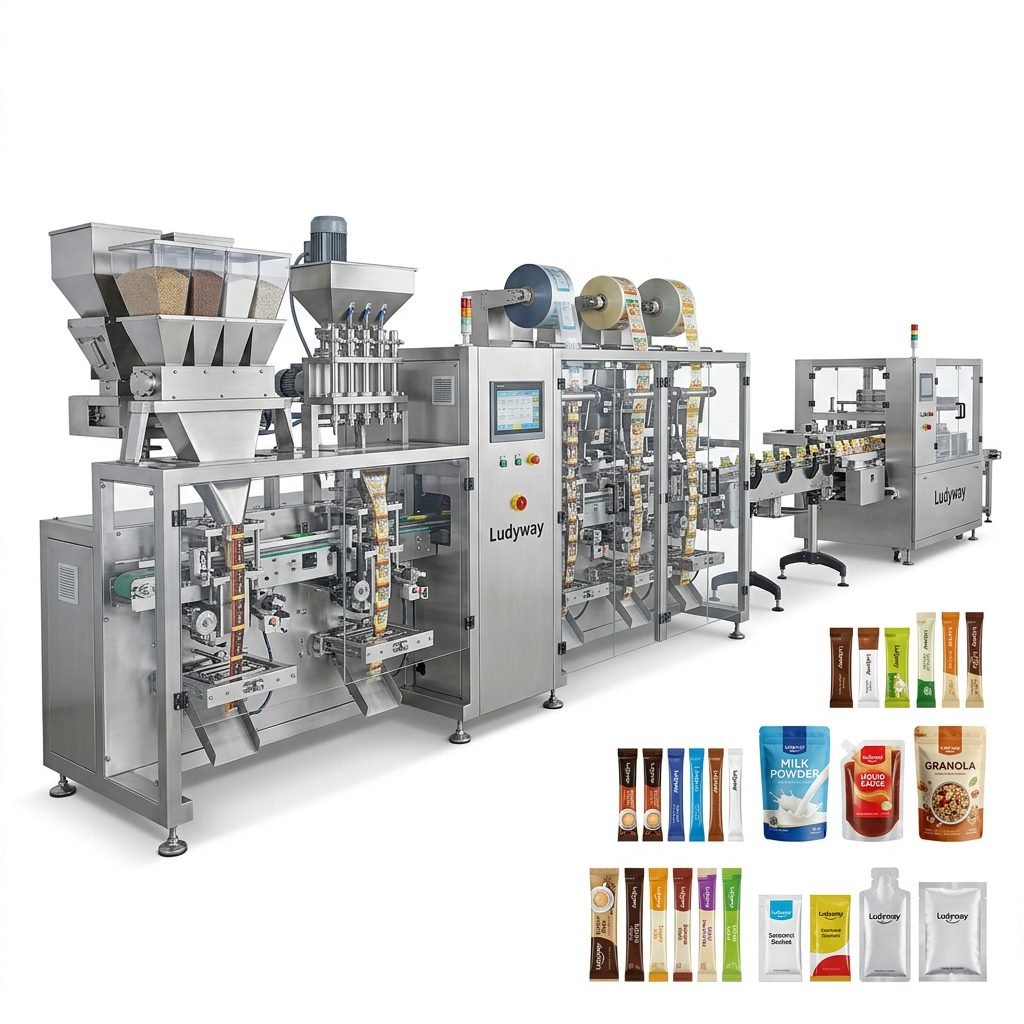
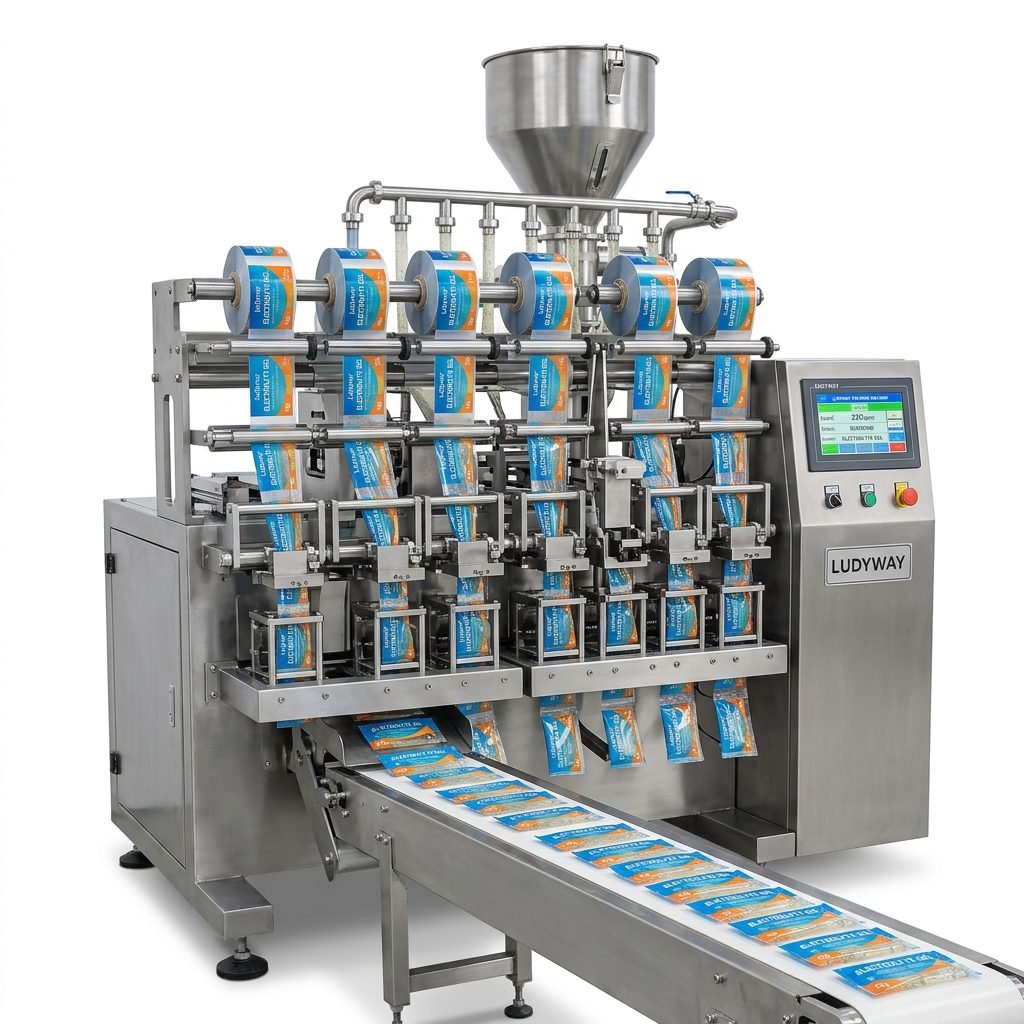
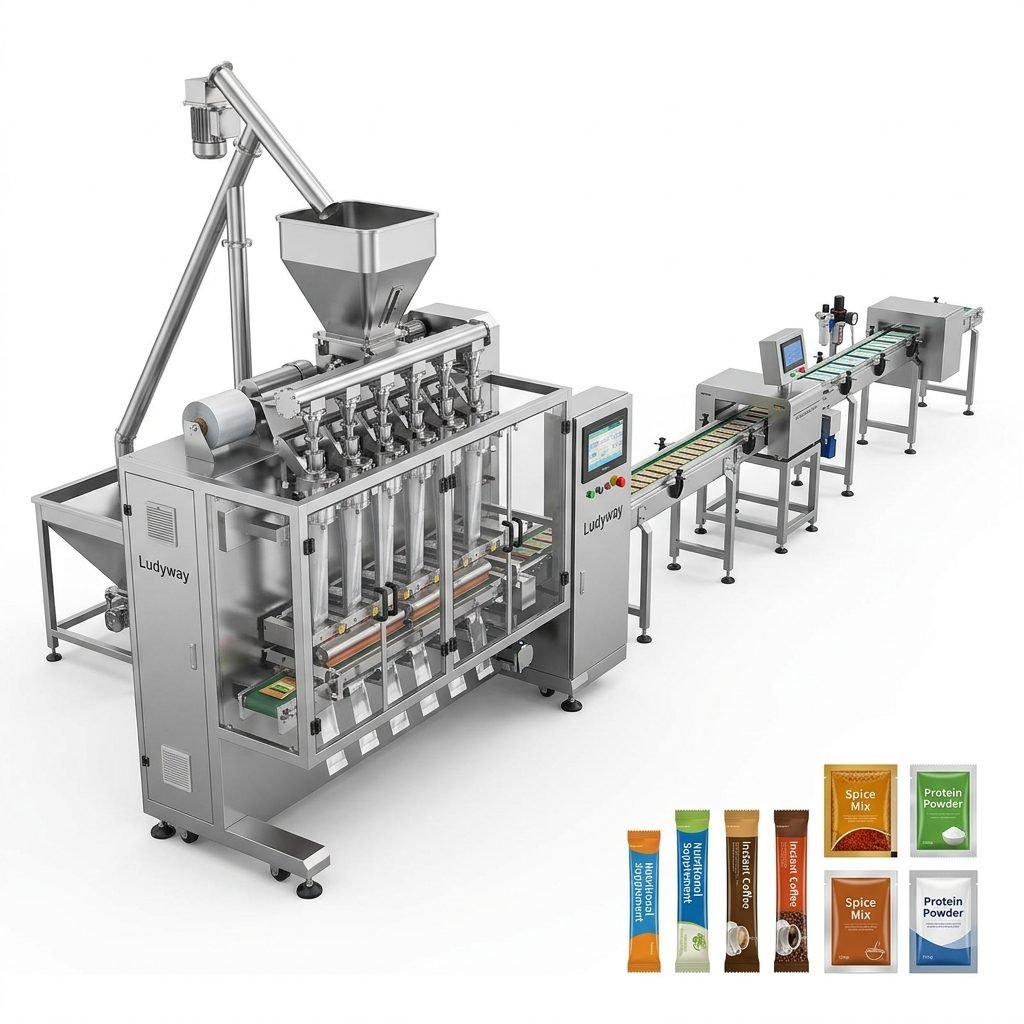
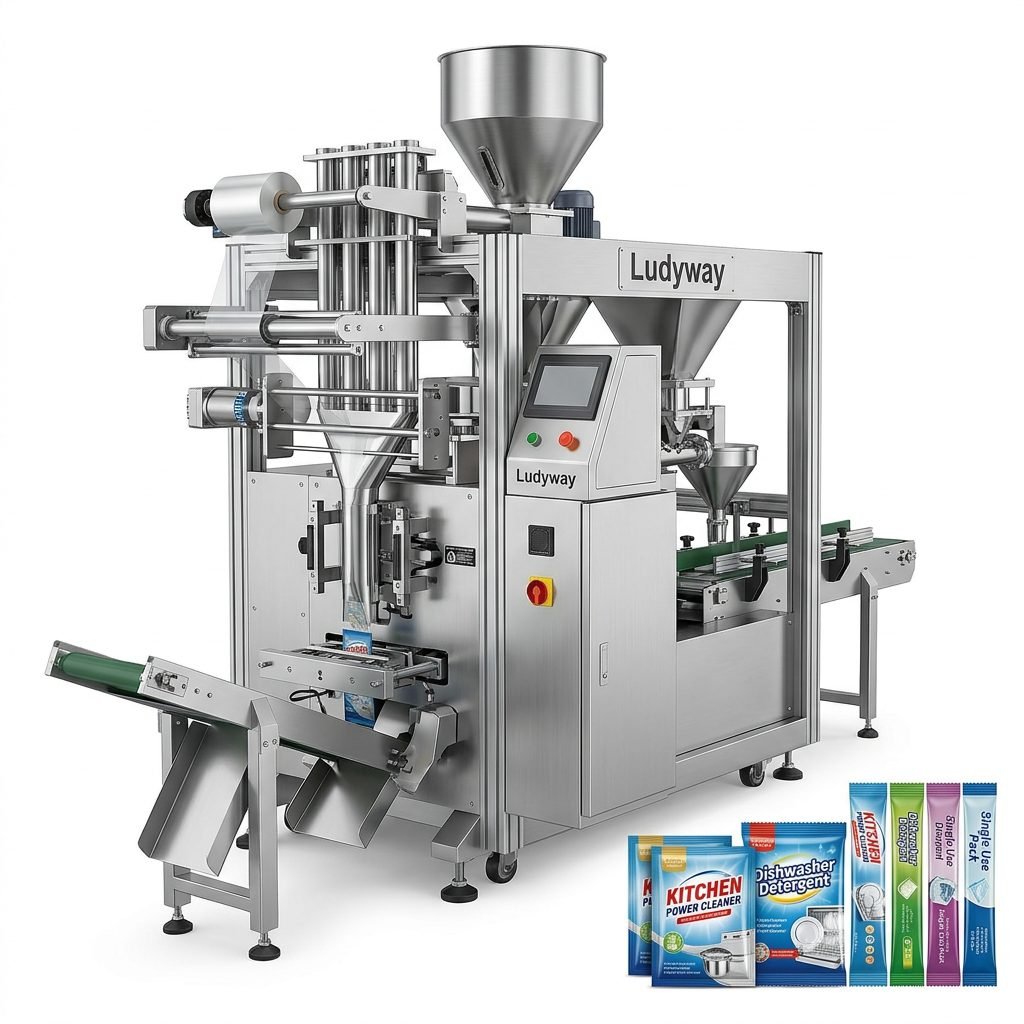
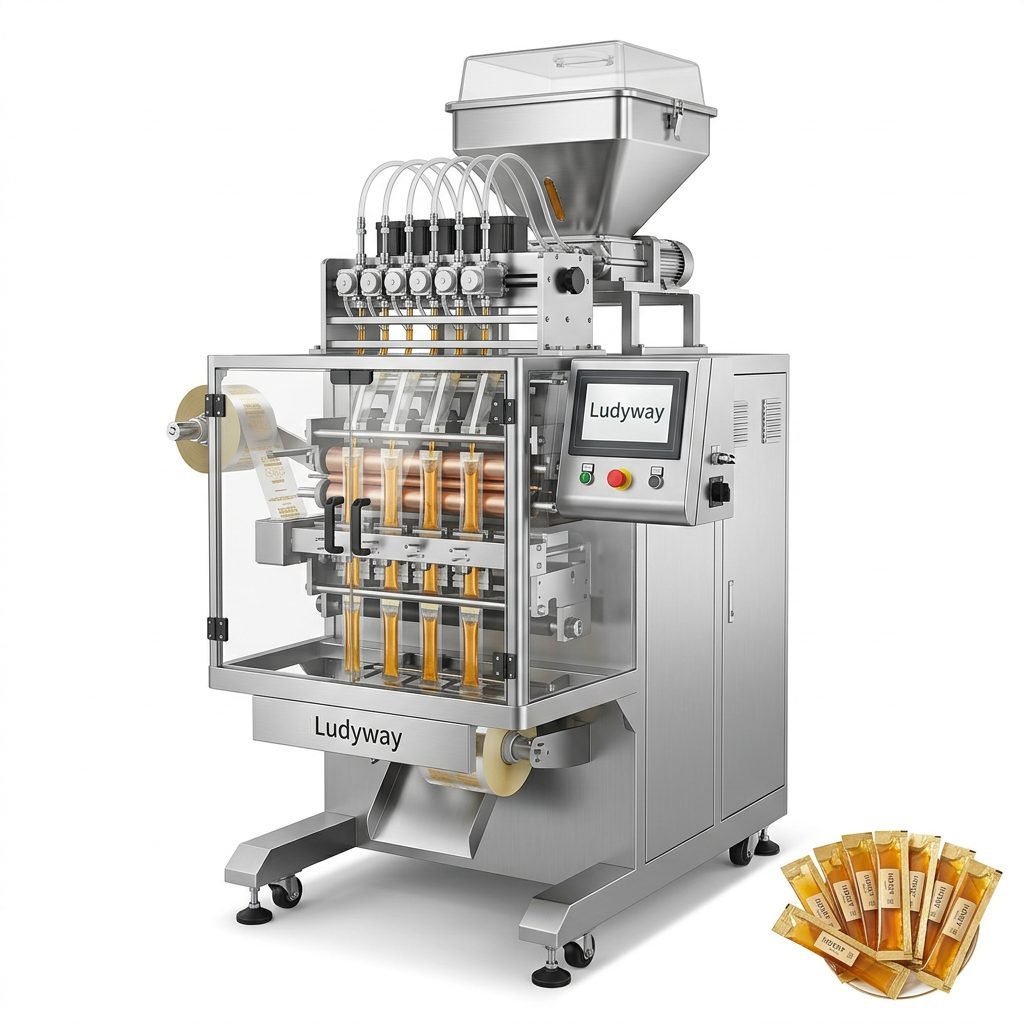
Proper maintenance of an edible oil packaging machine is critical for ensuring food safety, extending equipment lifespan, and maintaining consistent production output. Unlike standard packaging machinery, equipment handling edible oils faces unique challenges: oil residue buildup, viscosity-related component stress, and stringent hygiene requirements. A well-structured cleaning and maintenance routine prevents cross-contamination, reduces unexpected downtime, and keeps your packaging machine running at peak efficiency. This guide outlines essential daily, weekly, and monthly tasks to protect your investment and product integrity.
1. Daily Cleaning Protocol for Oil Residue Removal
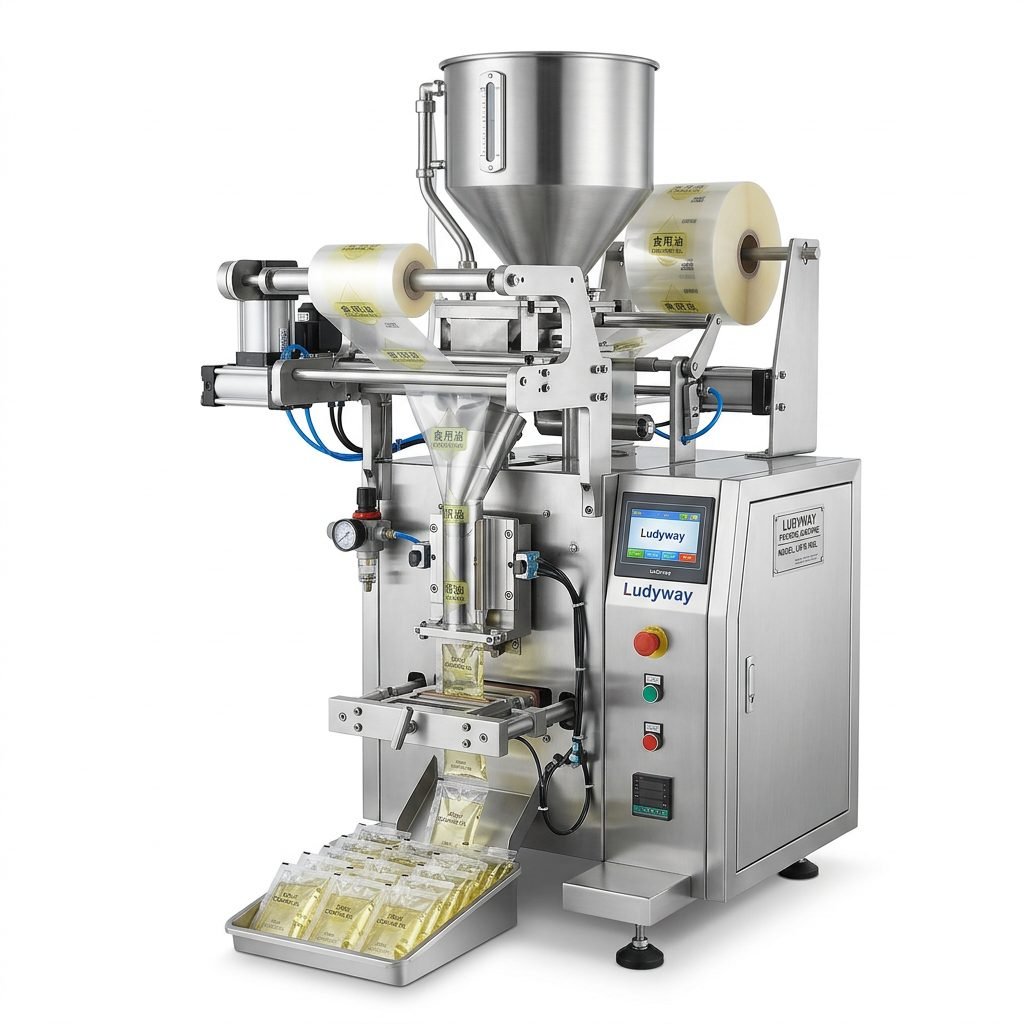
Edible oil leaves a stubborn film that can degrade seals and attract contaminants. Daily cleaning is non-negotiable for any food-grade operation. Begin by completely draining the oil hopper and flushing the filling lines with a food-safe solvent or warm water solution. Use microfiber cloths rather than paper towels to avoid lint contamination on nozzle tips and sealing jaws. Pay special attention to the filling nozzles, as partially clogged orifices cause inaccurate fill volumes and product waste. For vertical form-fill-seal (VFFS) machines, wipe down the forming tube and film tracking rollers to prevent slippage caused by oil mist accumulation.
2. Weekly Deep-Cleaning of Critical Components
While daily routines handle surface residue, weekly maintenance targets areas where oil hardens or polymerizes. Disassemble accessible pneumatic cylinders and wipe piston rods with a food-grade degreaser. Inspect heat sealing bars for carbonized oil deposits; these insulate the heating element and cause weak seals leading to leaks. Use a brass brush for stubborn buildup, but never steel wool, which scratches the protective coating. Verify that all drip trays and collection pans are sanitized to prevent rancidity odors from developing.
3. Lubrication System Management
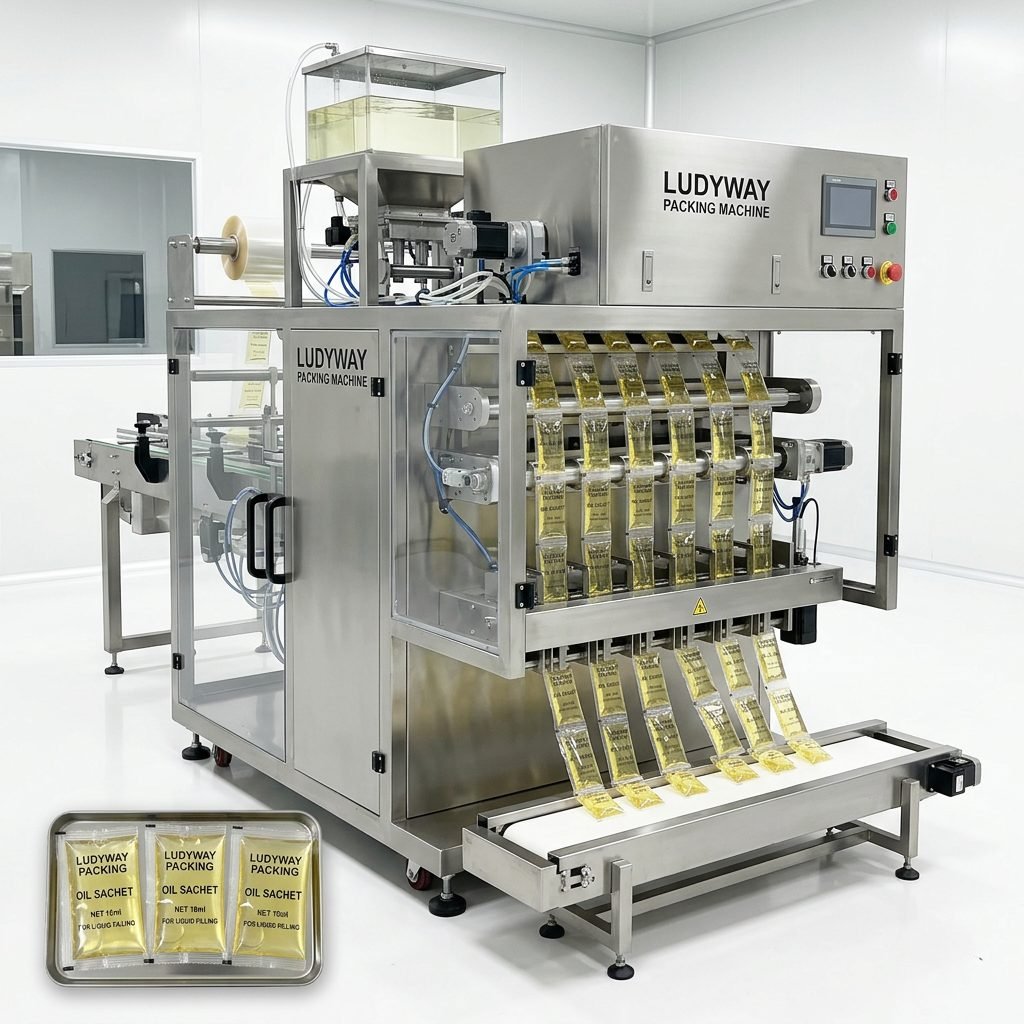
Oil packaging equipment requires a delicate balance: the product is a lubricant, yet machinery needs food-grade grease. Never use product oil to lubricate machine parts; it attracts dust and gums up bearings. Stick to H1 food-grade lubricants for all points listed in the OEM manual. Key lubrication points include:
- Cam followers and linear guides on the filling station
- Rotary joints on volumetric piston fillers
- Chain drives for pouch transport grippers
- Bearing housings on vertical sealing rollers
Over-lubrication is as harmful as under-lubrication. Excess grease drips into packaging areas and creates compliance risks during audits.
4. Seal Integrity and Temperature Calibration
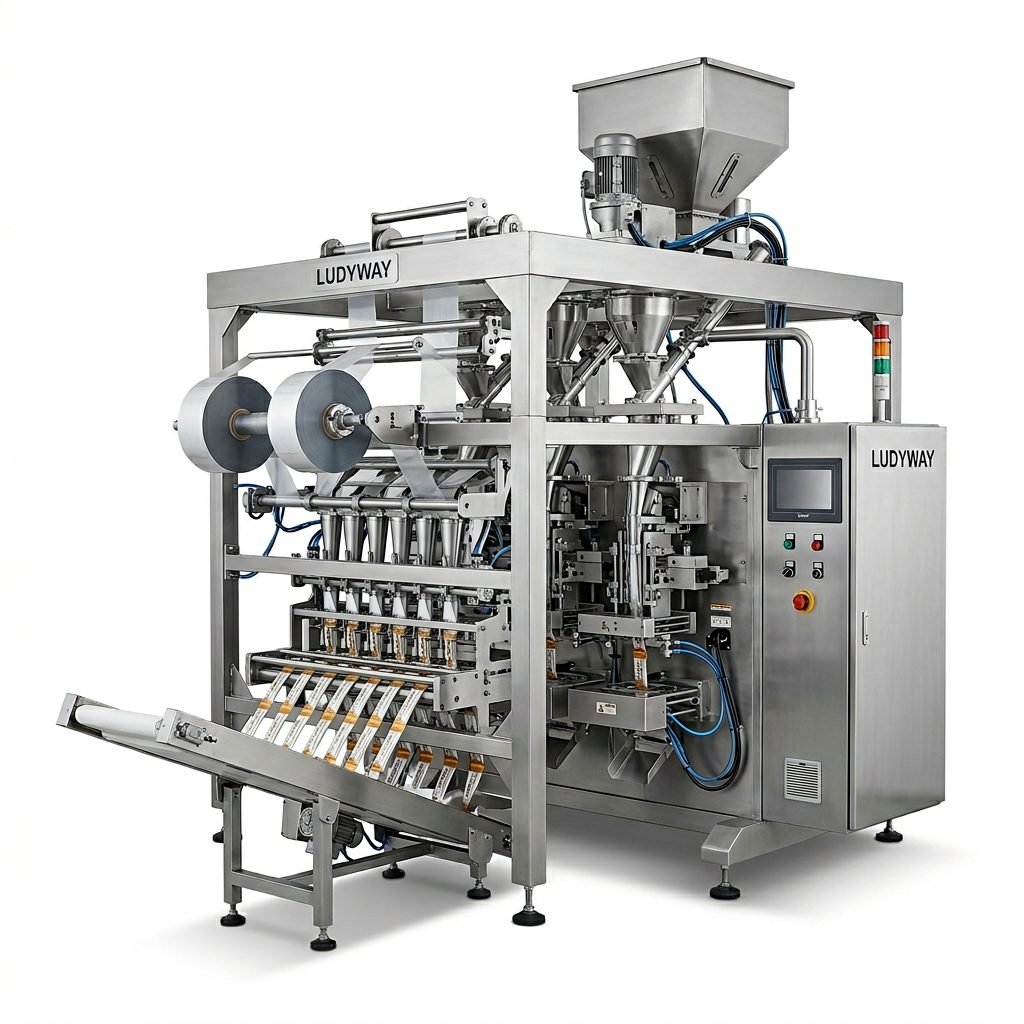
Leaking oil sachets destroy shelf life and brand reputation. Monthly, verify the actual temperature of sealing bars against the controller display using a calibrated surface thermocouple. A drift of just 5°C can reduce seal strength by 30%. Check Teflon-coated sealing bands for scratches; any exposed metal transfers excessive heat and melts film unevenly. For multi-lane stick pack machines, confirm all lanes seal uniformly — a single weak lane forces you to reject the entire batch.
| Maintenance Task | Frequency | Key Indicators |
|---|---|---|
| Clean filling nozzles & lines | Daily | Consistent fill volume, no dripping |
| Inspect heat seal bars | Weekly | Even seal width, no carbon spots |
| Calibrate temperature sensors | Monthly | Display vs. actual temp within ±2°C |
| Replace Teflon bands | Quarterly or as needed | No fraying or discoloration |
| Full pneumatic system check | Monthly | No leaks, consistent actuator speed |
5. Pneumatic and Air Quality Systems
Compressed air quality directly impacts edible oil packaging safety. Moisture in air lines causes sputtering during filling and promotes microbial growth. Drain the air filter bowl daily and replace the filter element according to the manufacturer’s schedule. Inspect all pneumatic hoses for swelling — oil mist from the packaging environment can deteriorate standard rubber, making food-grade reinforced tubing a worthwhile upgrade. A dedicated air dryer is strongly recommended if ambient humidity exceeds 60%.
6. Preventive Replacement of Wear Parts
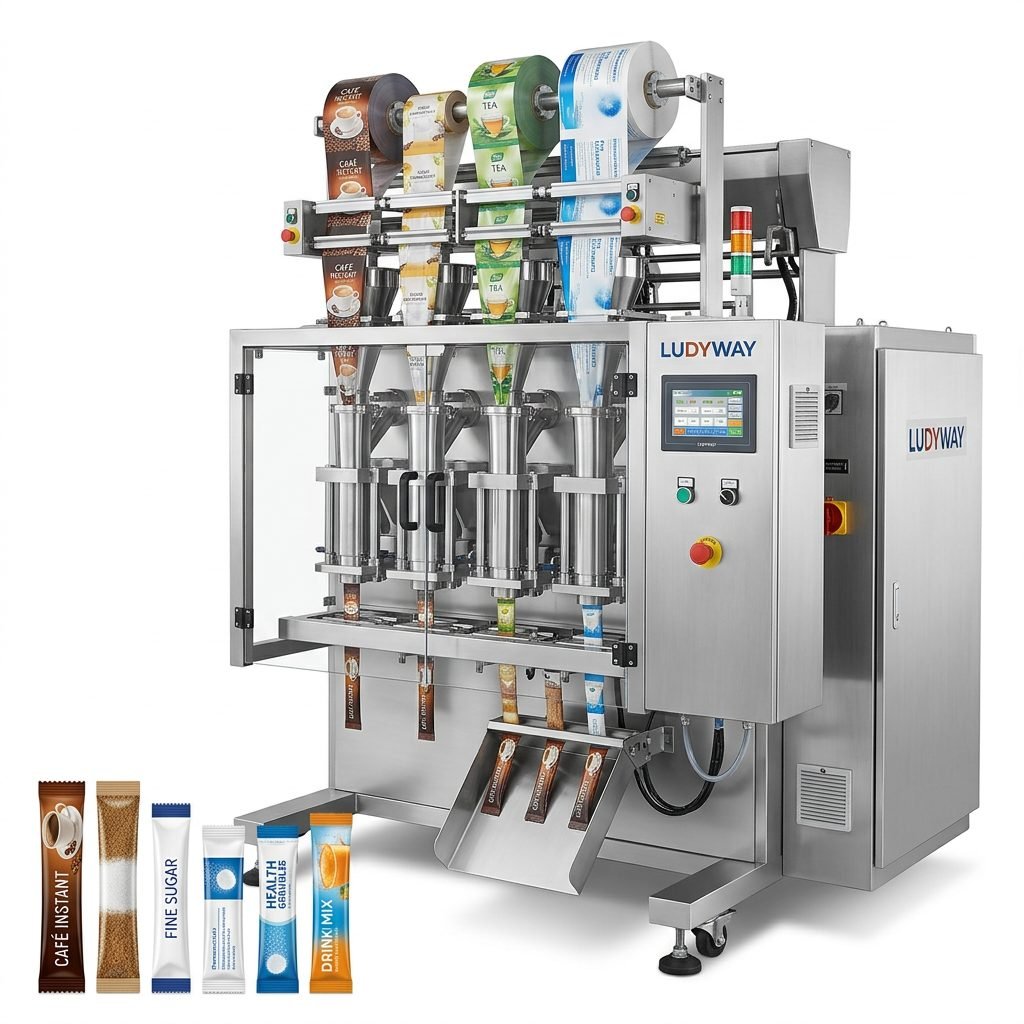
Reactive repairs multiply costs and disrupt contracts. Stock these critical spares and replace at scheduled intervals rather than waiting for failure:
- Sealing gaskets and O-rings — Replace every 6 months; oil causes accelerated swelling
- Cutting blades — Dull blades tear film instead of cutting cleanly, generating micro-plastic particles
- PTFE jaw tape — Inspect weekly; replace when adhesive fails or wear patterns appear
- Sensor lenses — Clean monthly; oil haze blocks photoelectric sensors, causing misfeeds
Keep a detailed log of each replacement; this data refines your preventive schedule and supports food safety certifications like HACCP or BRC.
7. Electrical Cabinet and Control Systems
Oil mist infiltrates electrical enclosures through cable glands and cooling fans. Power down and lock out the machine before opening any panel. Vacuum accumulated dust and oil film from circuit boards using anti-static equipment. Check that all terminal screws are tight; vibration from high-speed cycling loosens connections over time. Verify the emergency stop circuit and safety door interlocks function correctly — this isn’t just maintenance, it’s operator protection.
8. Documentation and Training Standards
The best maintenance protocol fails without consistent execution. Develop Standard Operating Procedures (SOPs) with clear photographs of each step. Train operators to recognize early warning signs: irregular machine rhythm, unusual heat from motors, or slow actuator response. Implement a shift handover checklist so incoming operators know if any anomaly appeared. Digital maintenance logs with time-stamped records simplify audit preparation and trend analysis for component lifespan prediction.
About Ludyway
Ludyway is one of the largest packaging machine manufacturers in China, specializing in advanced packaging equipment and turnkey production solutions for the food, pharmaceutical, and health industries. With over 30 years of industry expertise, the company provides reliable and efficient packaging machine systems for granule, powder, liquid, and pouch applications. Supported by a modern 20,000㎡ manufacturing facility and a highly experienced engineering team, Ludyway offers more than 50 intelligent packaging machine models, including multi-lane stick pack, sachet, and fully automated systems. Serving customers in over 100 countries, the company is committed to delivering innovative, high-performance, and cost-effective solutions.
9. Recommended Industry Resources
Staying informed on packaging standards ensures your maintenance program aligns with global best practices. Explore these authoritative sources:
- PMMI – The Association for Packaging and Processing Technologies
- FDA – Food Packaging and Food Contact Substances
- ISO – Packaging Standards
- Flexible Packaging Association – Official Website
- Ludyway Packaging Machinery Global Growth Trend
10. Annual Professional Servicing
Even with impeccable in-house maintenance, schedule an annual inspection by a qualified technician. They perform diagnostic tests you may not have equipment for: servo motor feedback analysis, ultrasonic seal testing, and volumetric accuracy verification across all lanes. This thorough review catches developing issues that avoid detection during routine checks. For advanced edible oil packaging lines with integrated weighing and nitrogen flushing, annual recalibration ensures every sachet meets labeled net content regulations.
A disciplined maintenance culture protects your edible oil packaging machine from premature wear, guarantees product safety, and maximizes return on investment. By implementing these essential cleaning routines and preventive measures, you minimize unplanned downtime and maintain the high throughput your operation demands.