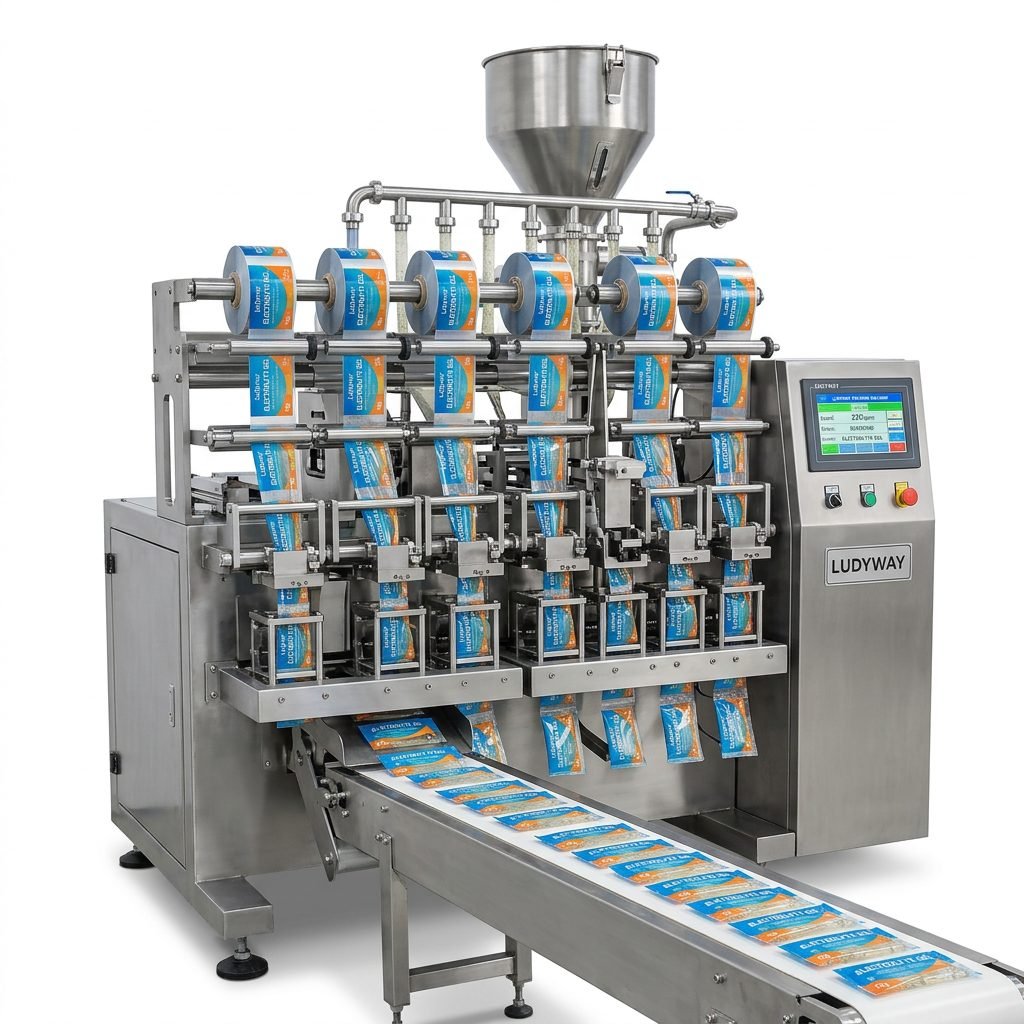
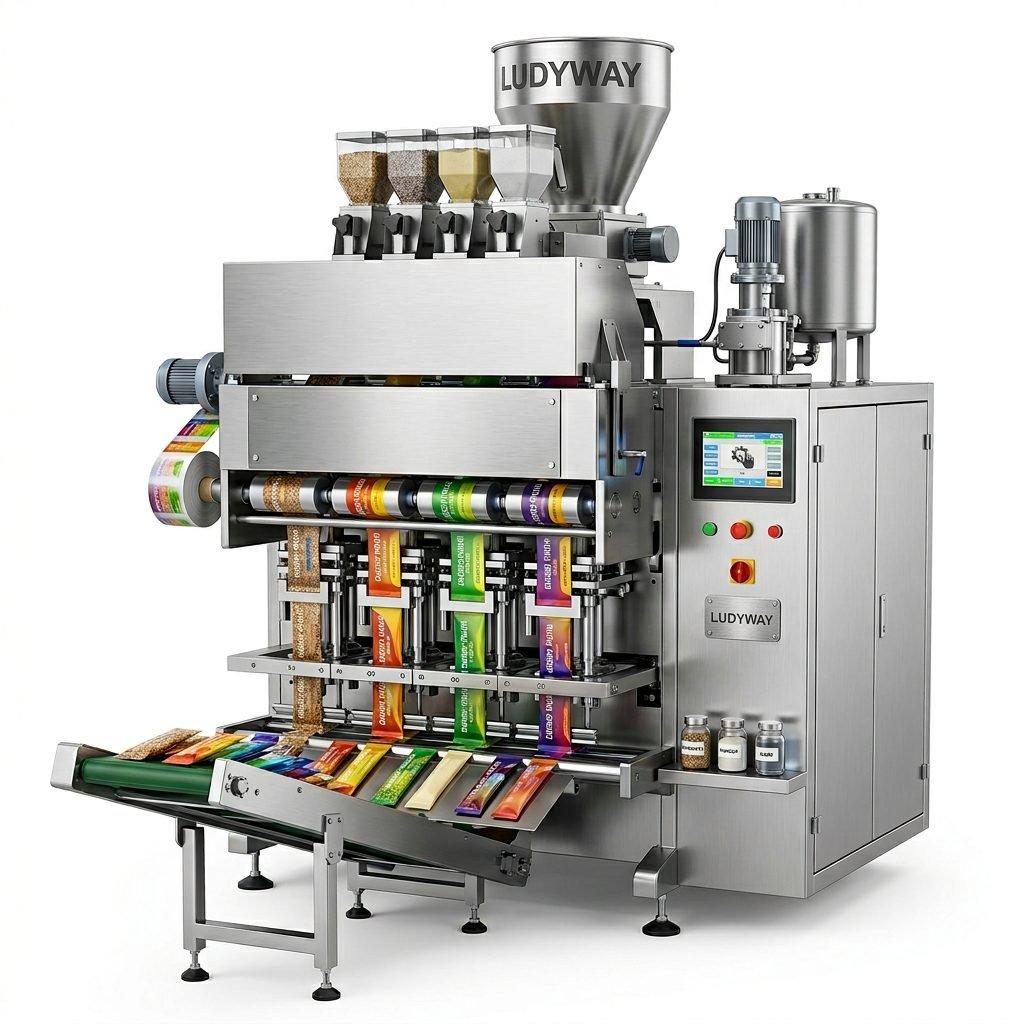
Honey is one of the most challenging products to package efficiently. Its high viscosity, natural stickiness, and sensitivity to temperature can easily reduce filling accuracy, slow production, and create sealing problems. A modern honey packaging machine is designed to solve these issues with stable dosing, clean sealing, and reliable automation for stick packs, sachets, pouches, and other retail formats.
For food manufacturers, contract packers, and honey brands, the right machine helps improve output, reduce product waste, and maintain consistent pack quality. Whether you need single-serve honey sticks, travel-size sachets, or integrated filling and sealing lines, choosing the correct system is essential for long-term performance.
Why Honey Requires Specialized Packaging Equipment
Unlike free-flowing liquids, honey behaves more like a thick paste. It does not always move smoothly through standard liquid fillers, especially in colder environments. This creates several production challenges:
- Inconsistent fill weights caused by slow or uneven product flow
- Dripping and tailing at the nozzle after filling
- Seal contamination due to sticky residue
- Production downtime for cleaning and maintenance
- Difficulty maintaining speed without sacrificing precision
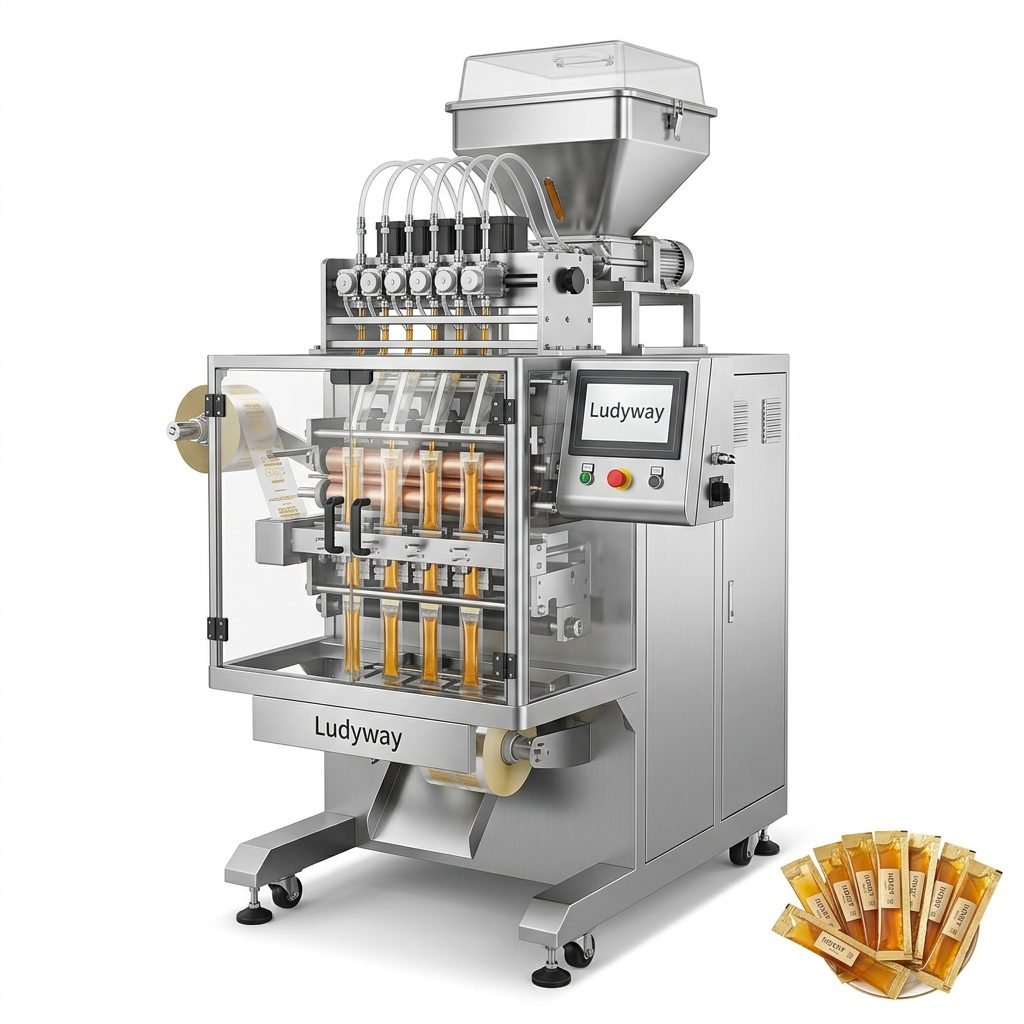
A purpose-built honey packing system addresses these issues through heated hoppers, anti-drip filling components, accurate metering, and synchronized sealing technology. The result is cleaner packs, better efficiency, and a more professional final product.
How a Honey Packaging Machine Works
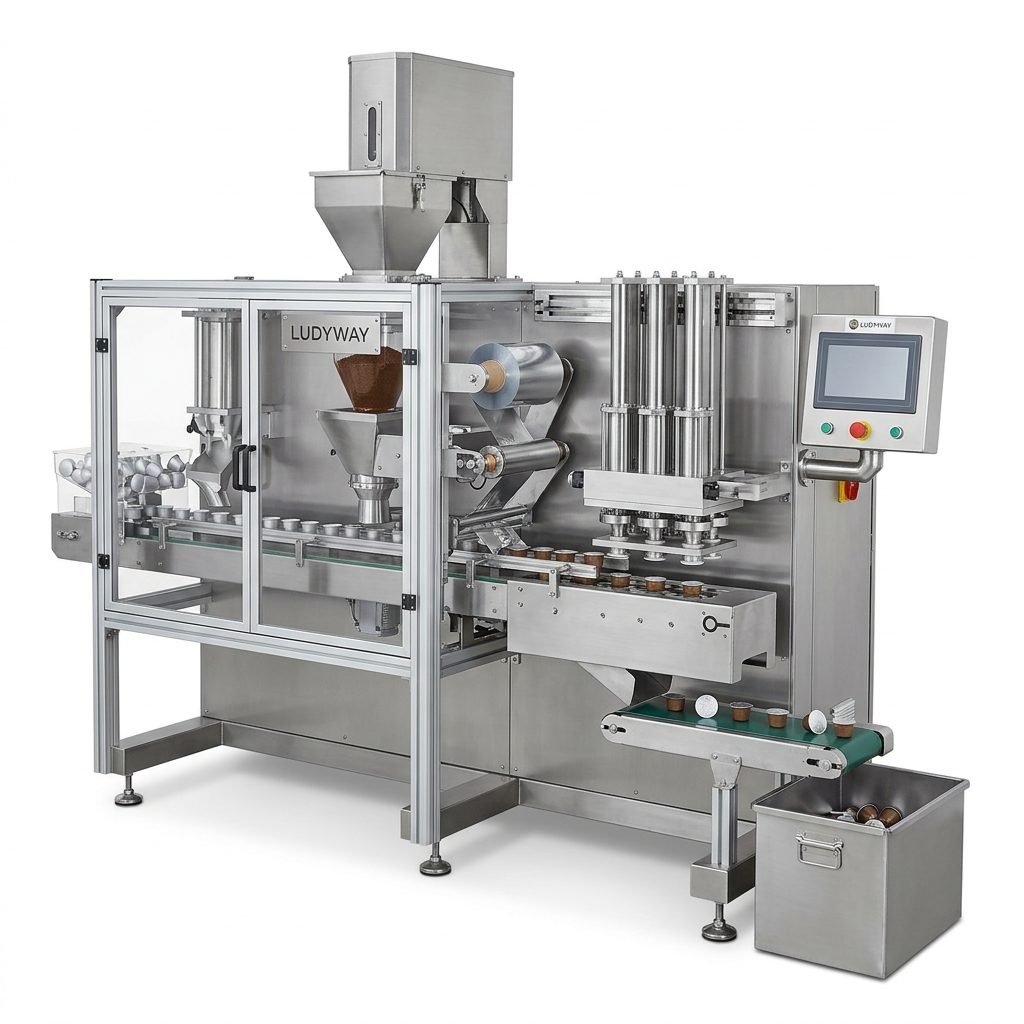
A typical honey packaging machine follows a controlled process to ensure precise filling and secure sealing:
- Honey is transferred into a hopper, often with temperature control to maintain flowability.
- The machine meters the product through piston, pump, or servo-driven filling systems.
- Packaging film or premade pouches are positioned automatically.
- The machine fills the target volume or weight accurately.
- The package is sealed under stable temperature and pressure conditions.
- Optional coding, cutting, counting, and discharge functions complete the cycle.
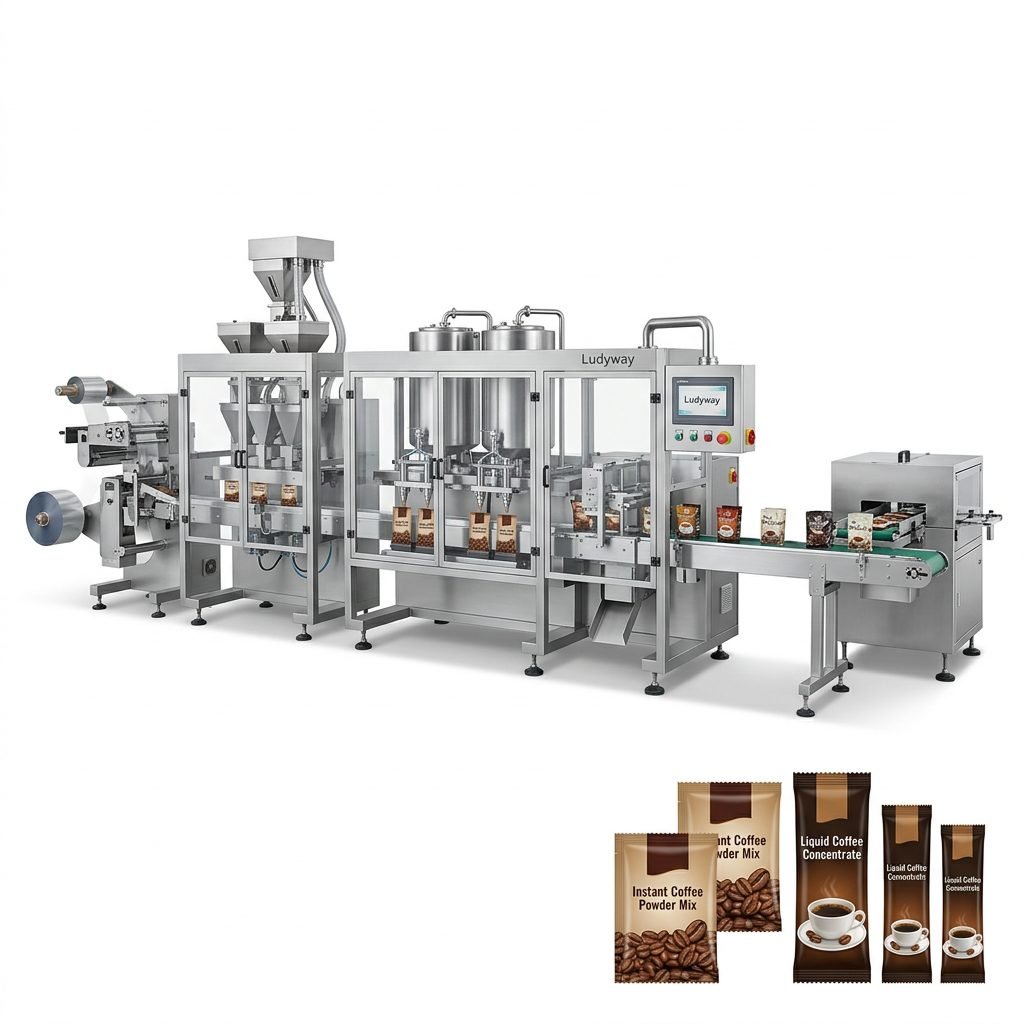
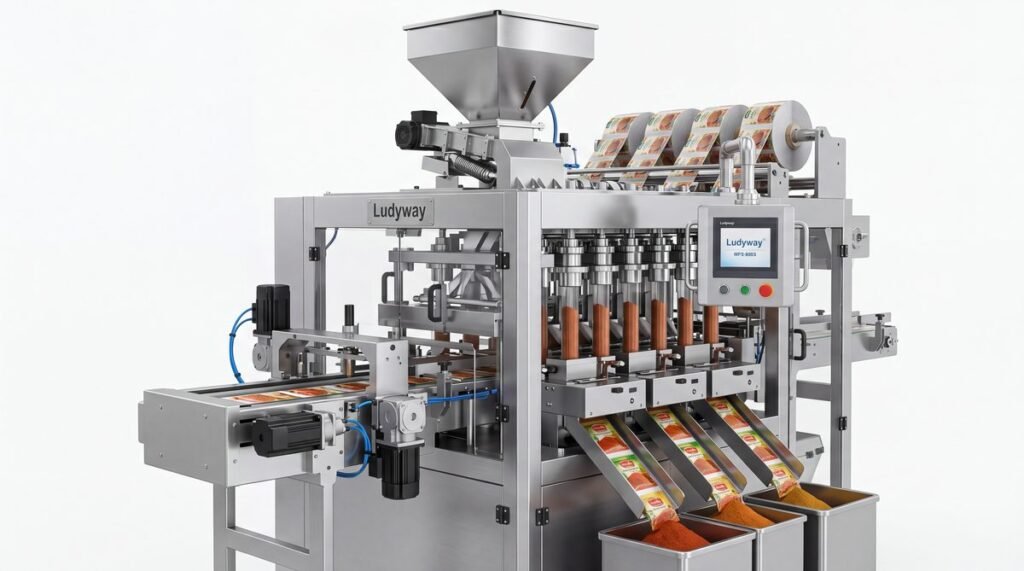
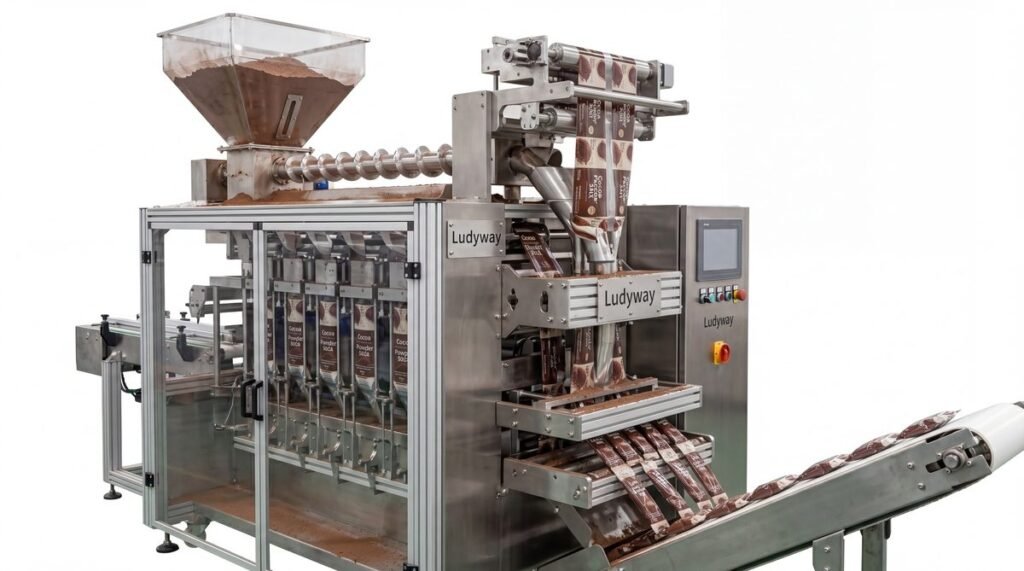
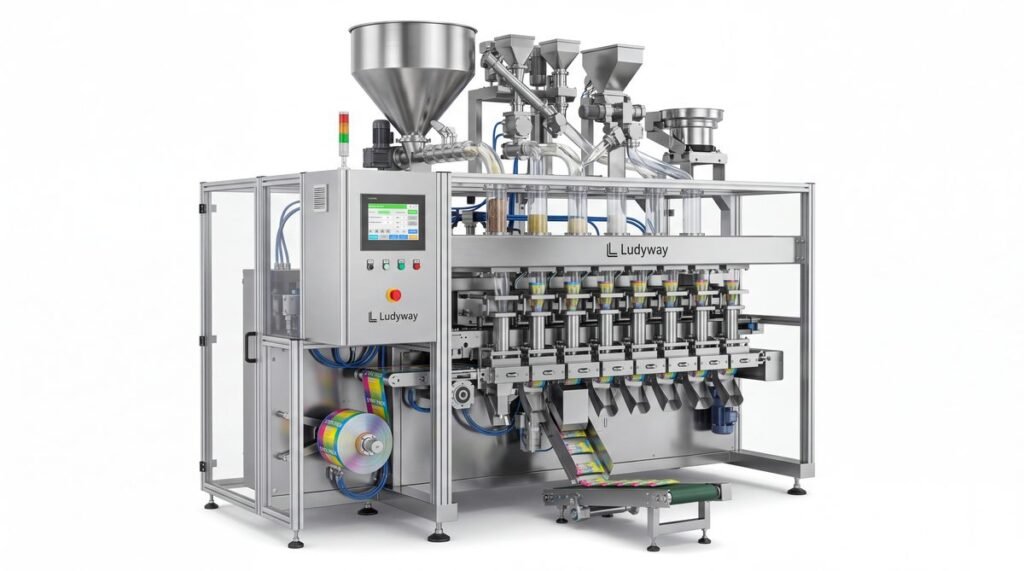
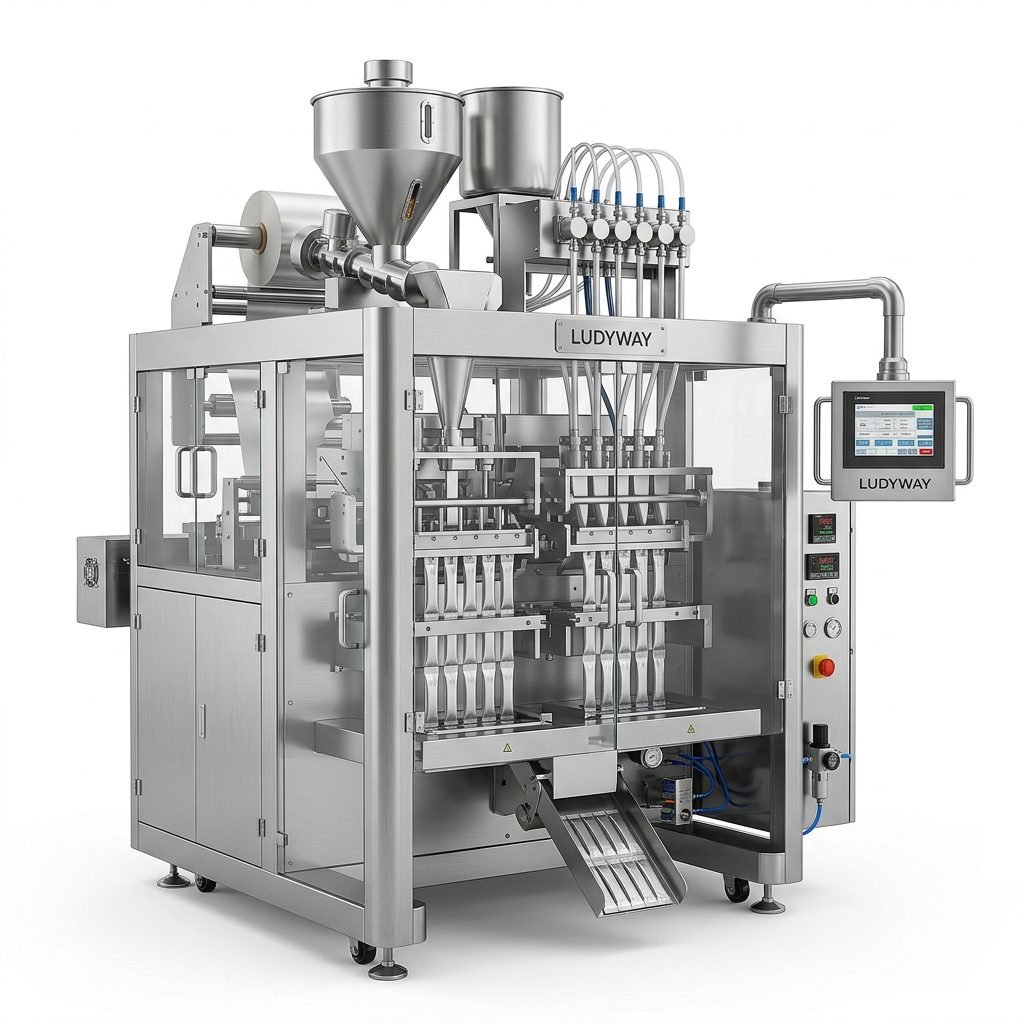
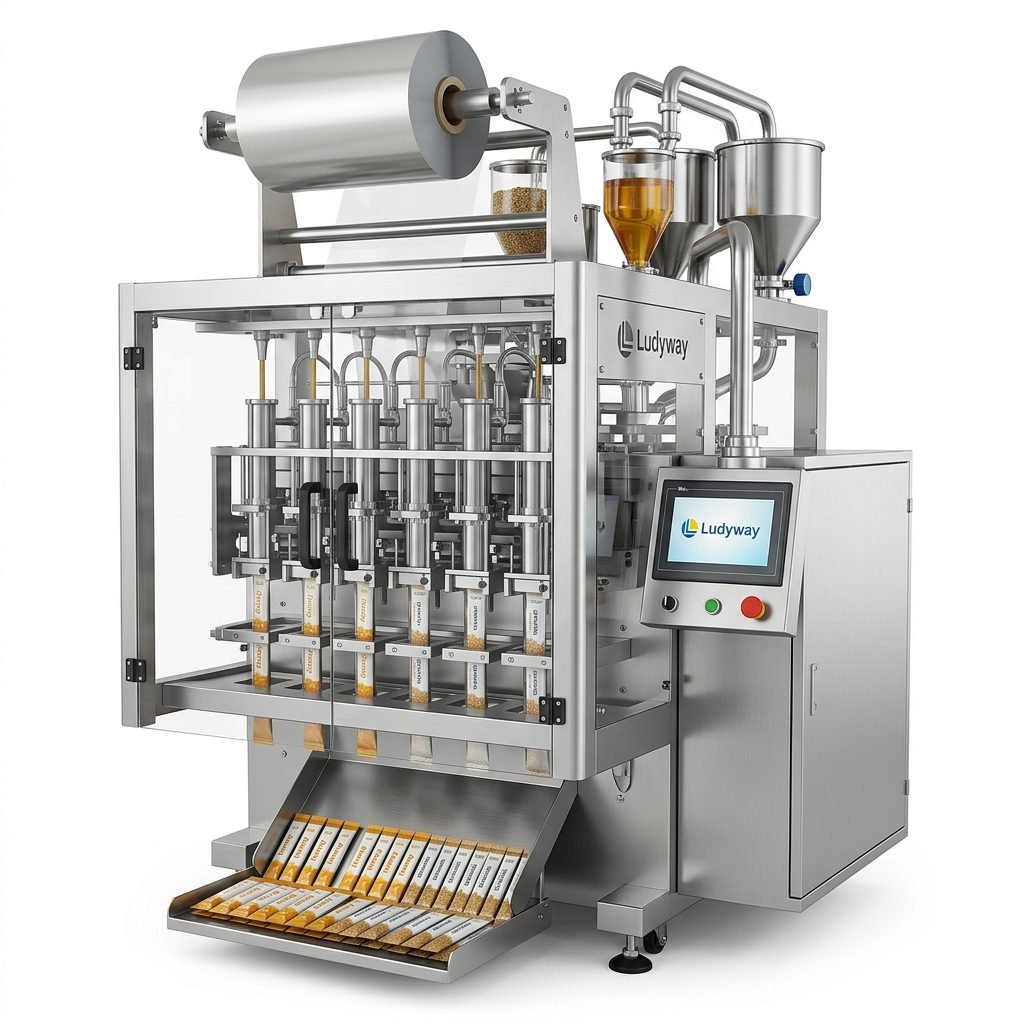
For higher-capacity production, multi-lane stick pack and sachet systems can fill several packs simultaneously, significantly increasing throughput while keeping dose consistency under control.
Common Packaging Formats for Honey
The best machine depends on your target market, sales channel, and pack size. Honey is commonly packed in the following formats:
| Packaging Format | Typical Use | Key Advantage |
|---|---|---|
| Stick packs | Hotels, cafes, travel, retail single-serve | Compact, portable, high-speed production |
| Sachets | Food service, samples, e-commerce packs | Flexible size and easy branding |
| Premade pouches | Retail and premium honey products | Strong shelf appeal and convenience |
| Bottles or jars | Traditional retail packaging | Familiar format with larger fill options |
Key Features to Look for in a Honey Filling and Sealing Machine
When selecting equipment, focus on features that directly affect product stability, packaging quality, and ease of operation.
1. Accurate Filling System
Honey packaging demands high filling precision. Servo-driven piston fillers and advanced dosing systems help minimize overfill and underfill, protecting both compliance and profit margins.
2. Heating and Temperature Control
Since honey thickens at lower temperatures, heated tanks, pipes, and nozzles help maintain steady product flow. This is especially important for continuous production environments.
3. Anti-Drip Design
Sticky product residue can affect seals and machine cleanliness. Anti-drip nozzles reduce contamination and improve sealing consistency.
4. Reliable Sealing Performance
A strong seal is essential for shelf life and leak prevention. Machines for honey should offer stable heat sealing control suited to laminated films and flexible packaging materials.
5. Easy Cleaning and Maintenance
Food-grade design, smooth contact parts, and convenient disassembly help shorten cleaning time and improve hygiene compliance.
6. Flexible Format Changeover
Brands often offer multiple pack sizes. A machine that supports quick changeovers improves operational flexibility and reduces downtime.
Benefits of Automated Honey Packaging
Investing in an automated system offers more than just speed. It improves packaging performance across the full production process.
- Better accuracy for each pack
- Lower labor dependency
- Reduced honey waste and cleaner operation
- Improved seal integrity and leak prevention
- Higher daily output
- More consistent package appearance
- Easier integration with coding, cartoning, and conveyor systems
These advantages are especially important for producers supplying supermarkets, hospitality channels, online retailers, and export markets.
Single-Lane vs Multi-Lane Honey Packaging Machines
Your production scale will largely determine which machine configuration is most suitable.
| Machine Type | Best For | Production Advantage |
|---|---|---|
| Single-lane | Startups, pilot lines, lower-volume production | Lower investment and simpler setup |
| Multi-lane | Medium to large manufacturers | Higher speed and stronger output efficiency |
For single-serve honey sticks and sachets, multi-lane systems are often the most efficient solution because they allow simultaneous filling and sealing across multiple lanes without sacrificing consistency.
Industries and Applications for Honey Packaging Machines
Honey packaging systems are widely used across multiple business models:
- Honey producers and bottling plants
- Food service condiment suppliers
- Private label and OEM packers
- Health food and supplement brands
- Travel-size and sample pack manufacturers
- Export-oriented food packaging operations
The same packaging principles can also apply to similar viscous products such as syrup, jam, chocolate sauce, and liquid nutritional gels.
How to Choose the Right Honey Packaging Solution
Before buying a machine, evaluate your project from both technical and commercial perspectives. Key questions include:
- What is your required pack size range?
- Do you need stick packs, sachets, pouches, or bottles?
- What is your target output per minute or per day?
- Does your honey formula vary in viscosity?
- Do you require date coding, cartoning, or turnkey line integration?
- How important are cleaning access and maintenance efficiency?
A reliable supplier should not only recommend a machine model, but also help match the filling method, sealing structure, and automation level to your actual product and packaging goals.
Why Turnkey Integration Matters
Many growing manufacturers now prefer complete honey packaging lines instead of standalone equipment. A turnkey system can include product feeding, filling, sealing, coding, check weighing, conveying, cartoning, and final case packing. This approach improves line coordination and reduces compatibility risks between separate machines.
For businesses planning long-term expansion, working with an experienced packaging equipment manufacturer can make future upgrades easier and more cost-effective. Companies such as Ludyway support customized packaging machinery and turnkey automation solutions for food, pharmaceutical, and related industries.
Final Considerations for Better Packaging Performance
A high-quality honey packaging machine should deliver three essential outcomes: accurate filling, clean sealing, and stable efficiency. When these elements are properly balanced, manufacturers can improve production speed, reduce waste, and deliver a better product experience to the end customer.
As demand grows for convenient, single-serve, and retail-ready honey packaging, automated filling and sealing systems are becoming an increasingly smart investment. Choosing equipment designed specifically for viscous products will help ensure reliable output today and scalable performance in the future.