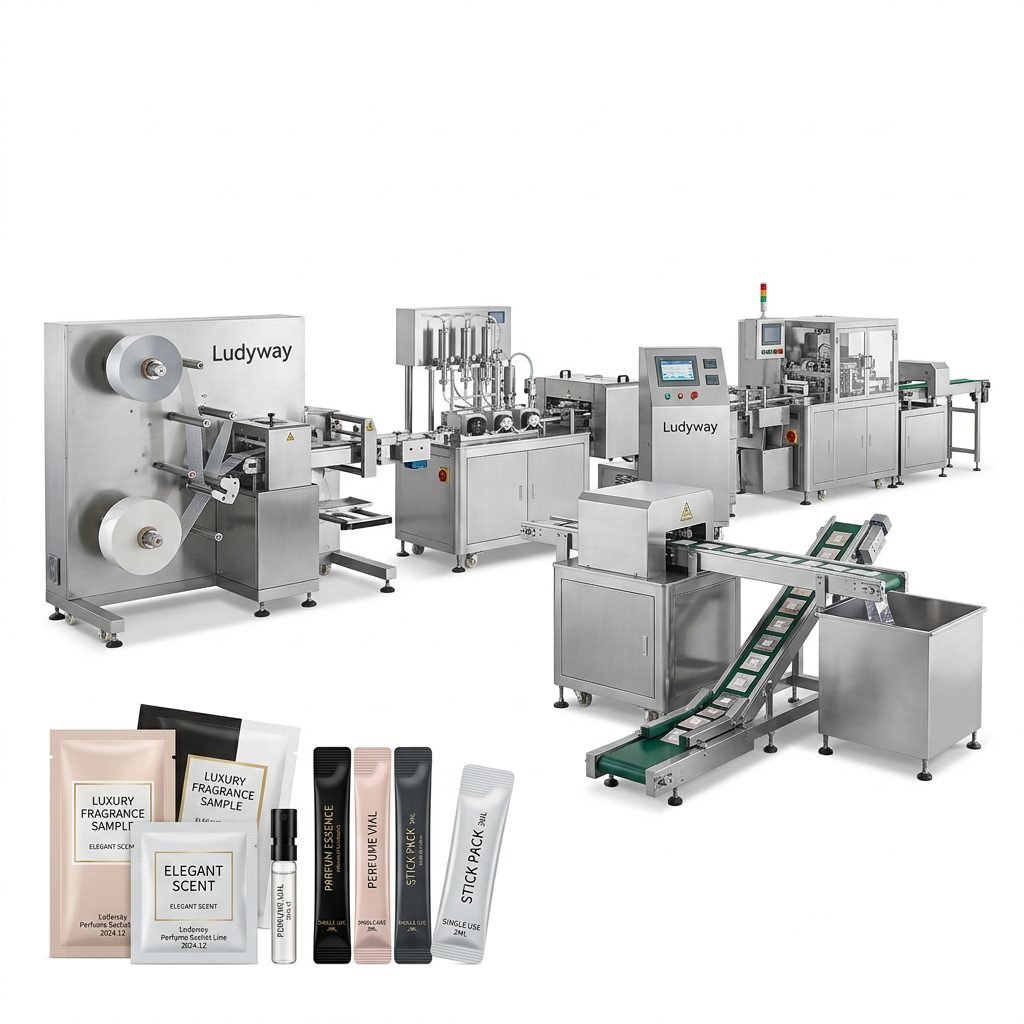
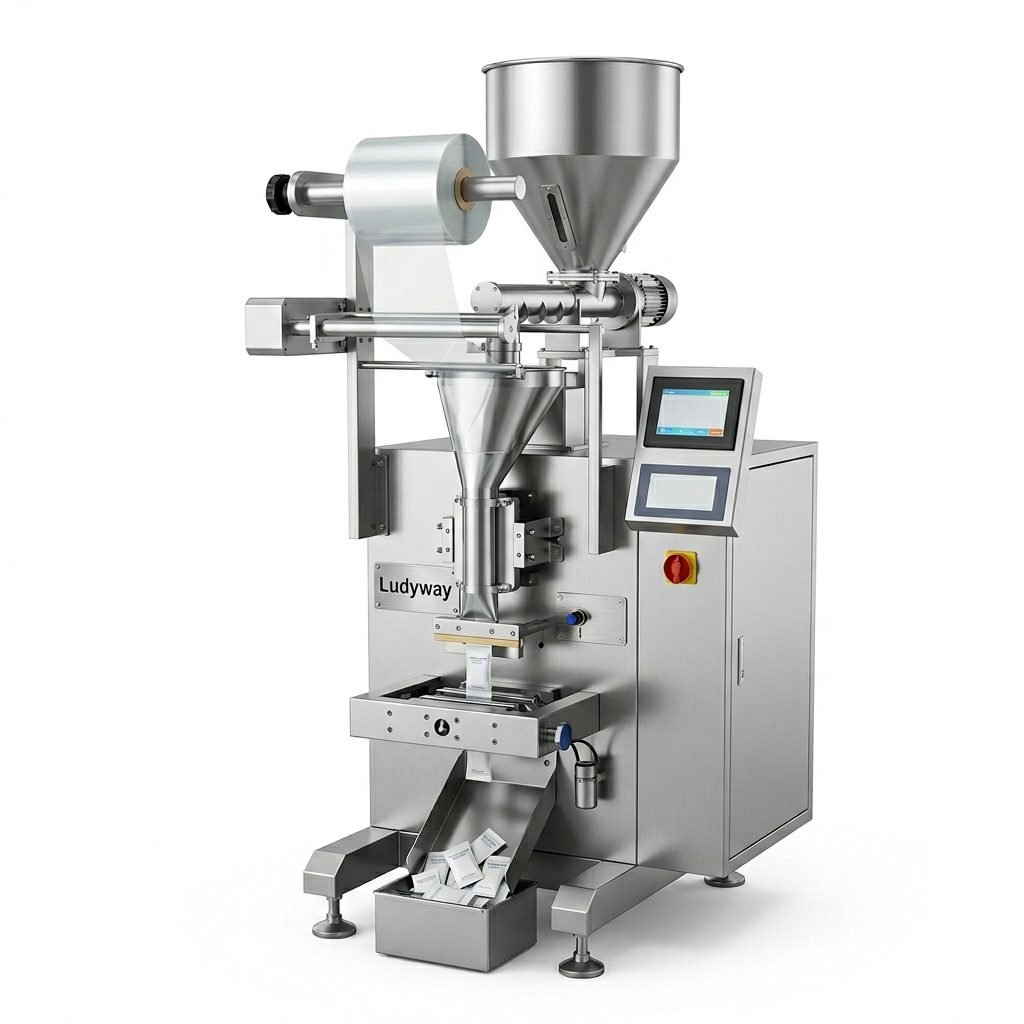
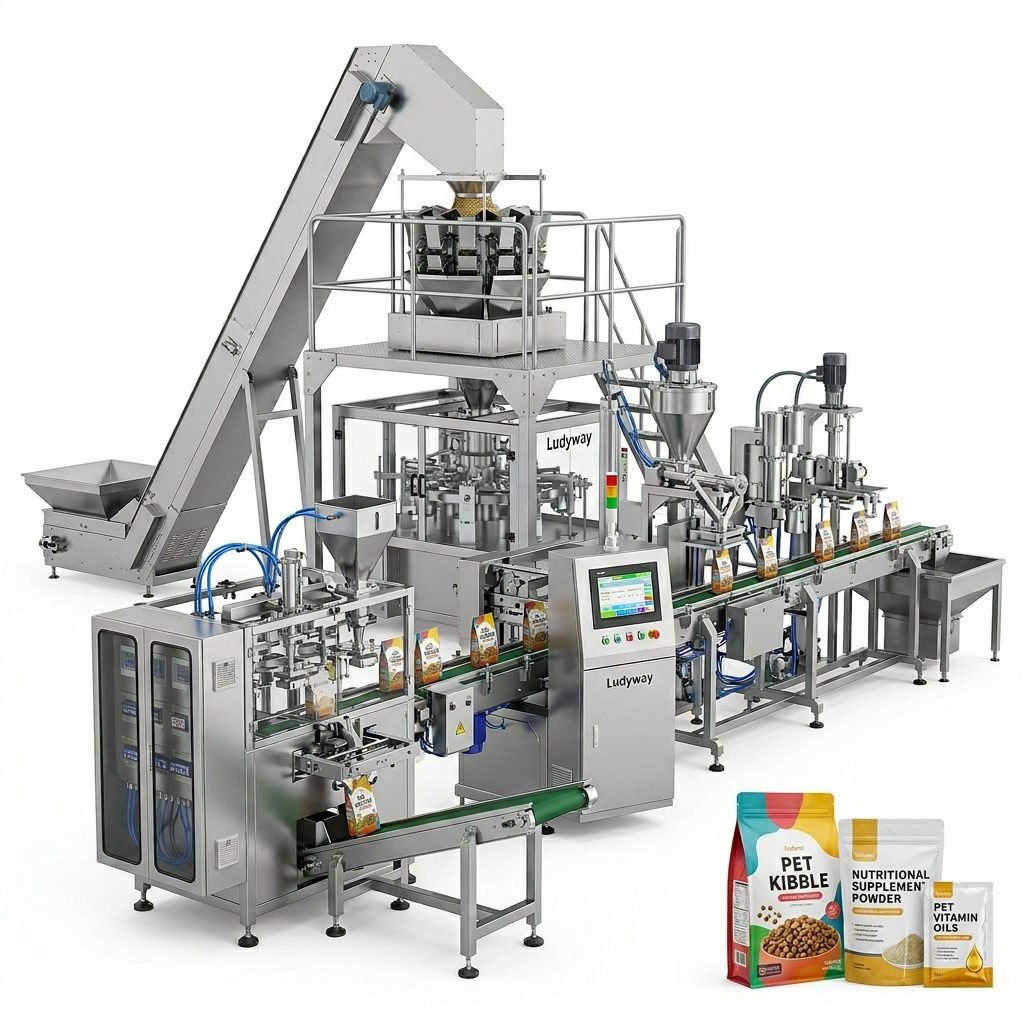
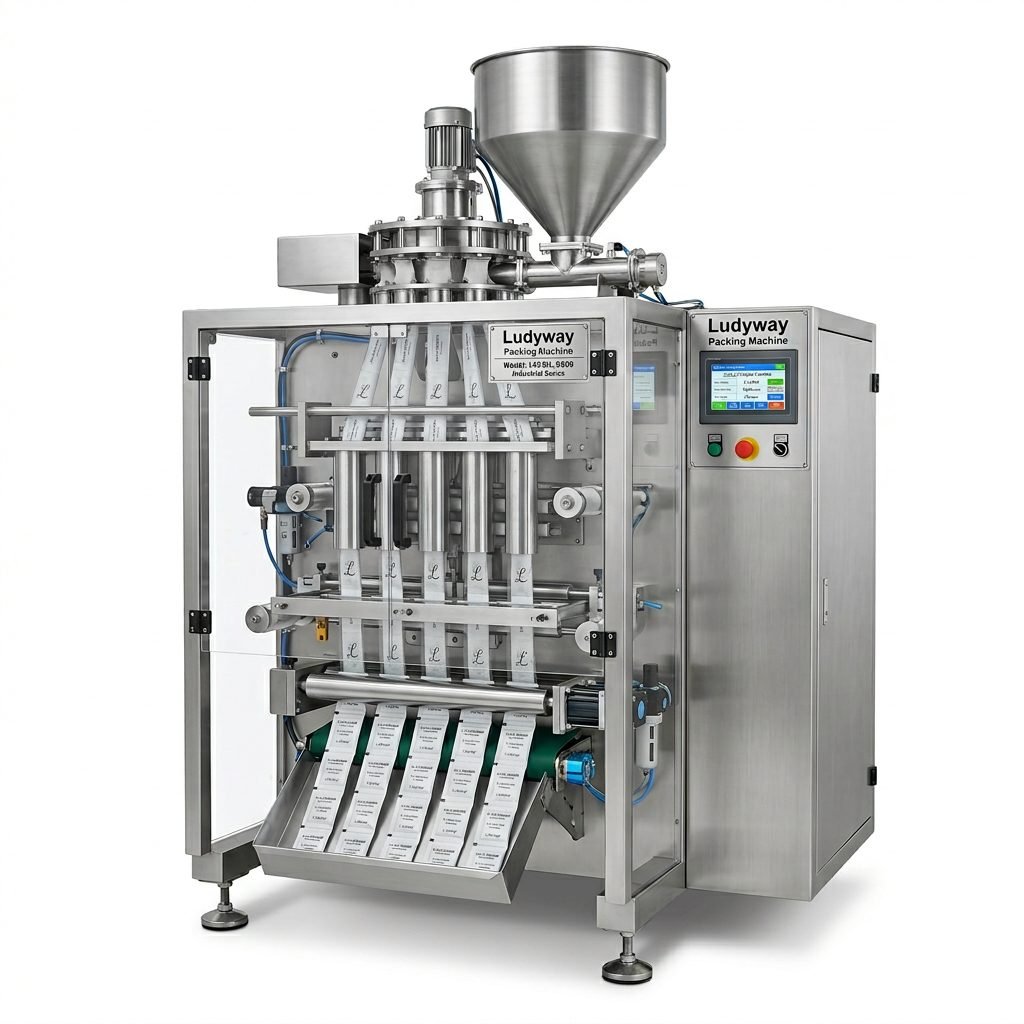
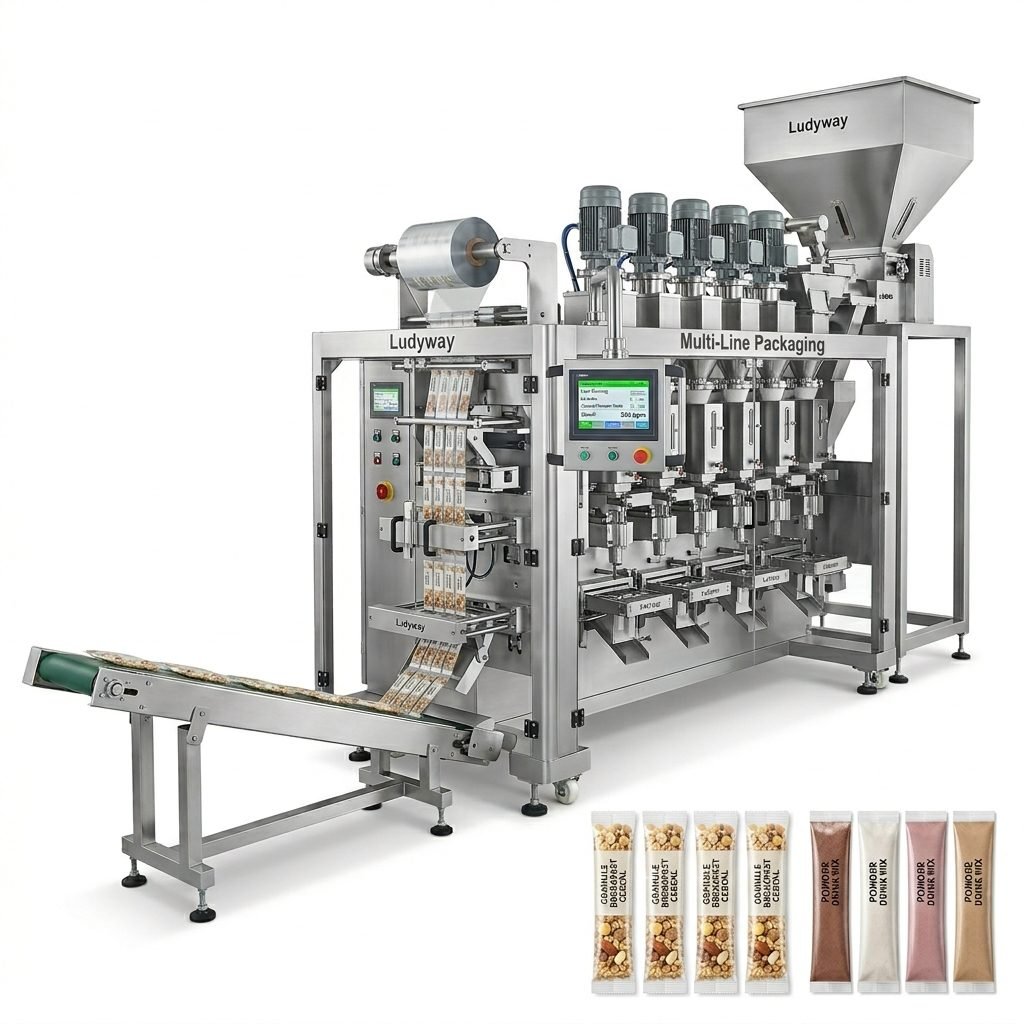
Proper maintenance of your sabun packing machine is not just about preventing breakdowns — it is the foundation of consistent product quality, operational efficiency, and extended equipment lifespan. Whether you are packaging liquid soap, bar soap, or powdered detergent, a well-maintained machine ensures seal integrity, accurate dosing, and minimal product waste. This guide walks you through practical cleaning routines, preventive maintenance tips, and troubleshooting techniques to keep your packaging line running at peak performance.
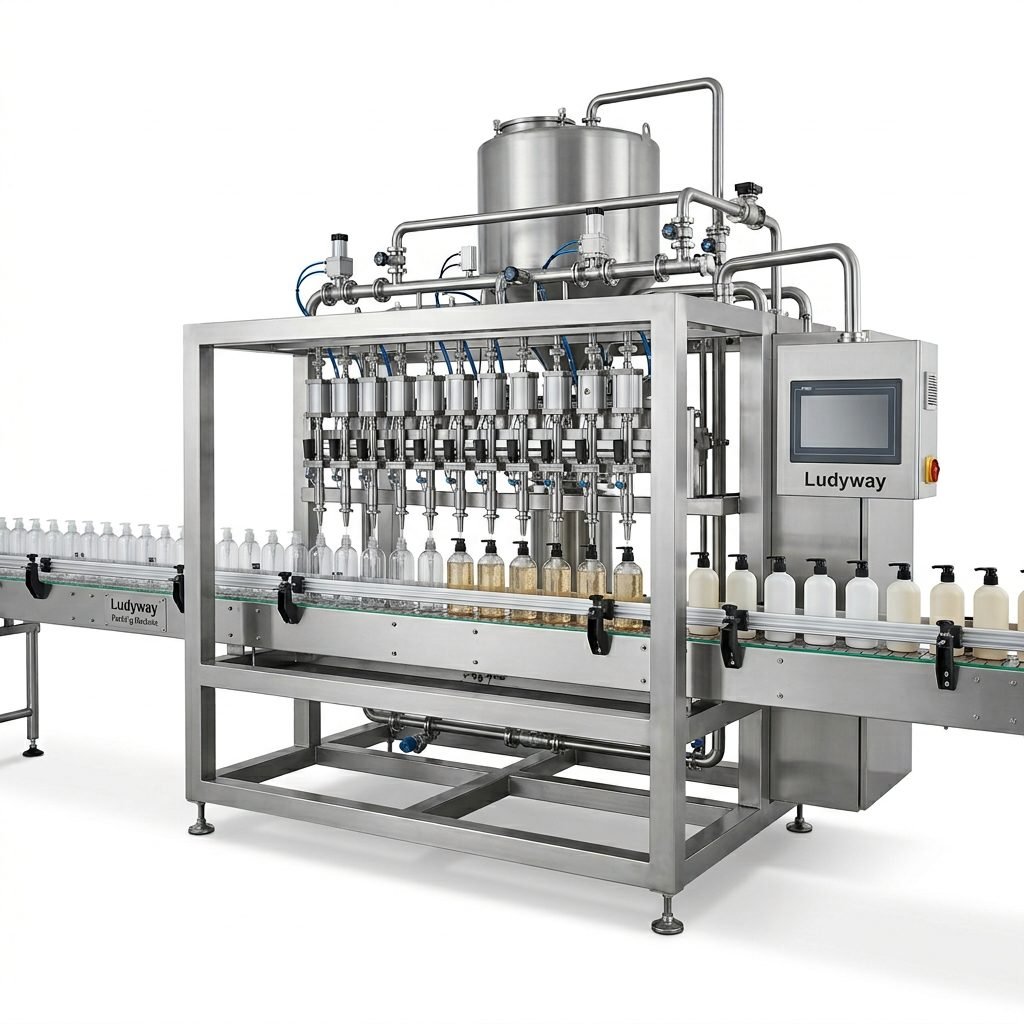
Why Routine Maintenance Is Critical for Sabun Packaging Equipment
Soap products — especially liquid and cream-based formulations — can leave sticky residues on filling nozzles, sealing jaws, and conveyor belts. Over time, these residues harden and interfere with machine precision. A proactive maintenance program helps you avoid unplanned downtime and protects your investment in high-speed packaging machinery. According to PMMI packaging industry resources, regular equipment upkeep can reduce defect rates by up to 30%.
Daily Cleaning Procedures
Daily cleaning is your first line of defense against contamination and mechanical wear. Follow these steps at the end of each production shift:
- Power down and lock out the machine completely before any cleaning activity.
- Remove product contact parts — filling nozzles, hoppers, and sealing bars — and wash them with warm water and mild detergent.
- Use food-grade sanitizers on all surfaces that touch the soap product.
- Wipe down the exterior with a lint-free microfiber cloth to prevent dust accumulation.
- Inspect the film feed path for any torn or misaligned packaging material.
- Check and empty the drip trays beneath filling stations.
Weekly Maintenance Tasks
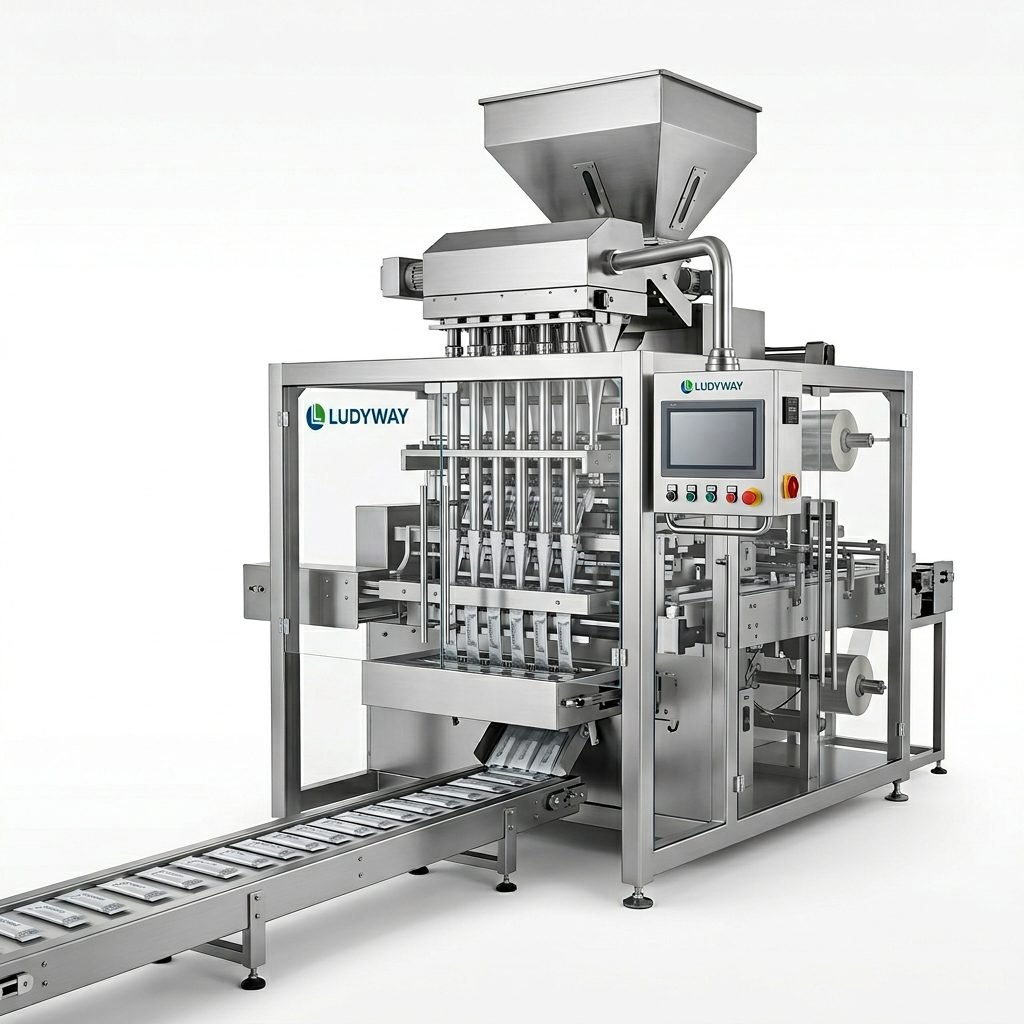
Set aside dedicated time each week for deeper inspection and component care. These tasks prevent small issues from escalating into major repairs:
- Inspect sealing elements — check heating bars and Teflon-coated surfaces for wear or carbon buildup.
- Clean photoelectric sensors with isopropyl alcohol to maintain accurate film registration.
- Verify that all pneumatic connections are tight and free from leaks.
- Lubricate guide rods, chains, and bearing points with manufacturer-approved grease.
- Run a test batch to confirm fill accuracy and seal strength after reassembly.
Monthly Inspection Checklist
A thorough monthly inspection helps you catch hidden wear and plan for spare part replacement. Use the table below as a reference guide:
| Component | Inspection Focus | Action Required |
|---|---|---|
| Filling System | Dosing accuracy, pump calibration | Recalibrate if variance exceeds ±1% |
| Sealing Jaws | Temperature uniformity, Teflon condition | Replace worn Teflon tape; adjust temperature |
| Conveyor Belt | Tension, alignment, surface wear | Tension or replace as needed |
| Pneumatic System | Hose integrity, pressure consistency | Replace cracked hoses; clean filters |
| Electrical Panel | Loose connections, dust buildup | Tighten terminals; vacuum clean interior |
Lubrication Best Practices
Proper lubrication reduces friction, prevents premature wear, and keeps your sabun packing machine operating smoothly. Follow these guidelines:
- Always use food-grade lubricants for any component near the product zone, as recommended by FDA food packaging standards.
- Apply grease sparingly — excess lubricant attracts dust and creates abrasive paste.
- Document lubrication dates and types in a maintenance log.
- Pay special attention to cam followers, linear bearings, and rotary joints.
Troubleshooting Common Issues
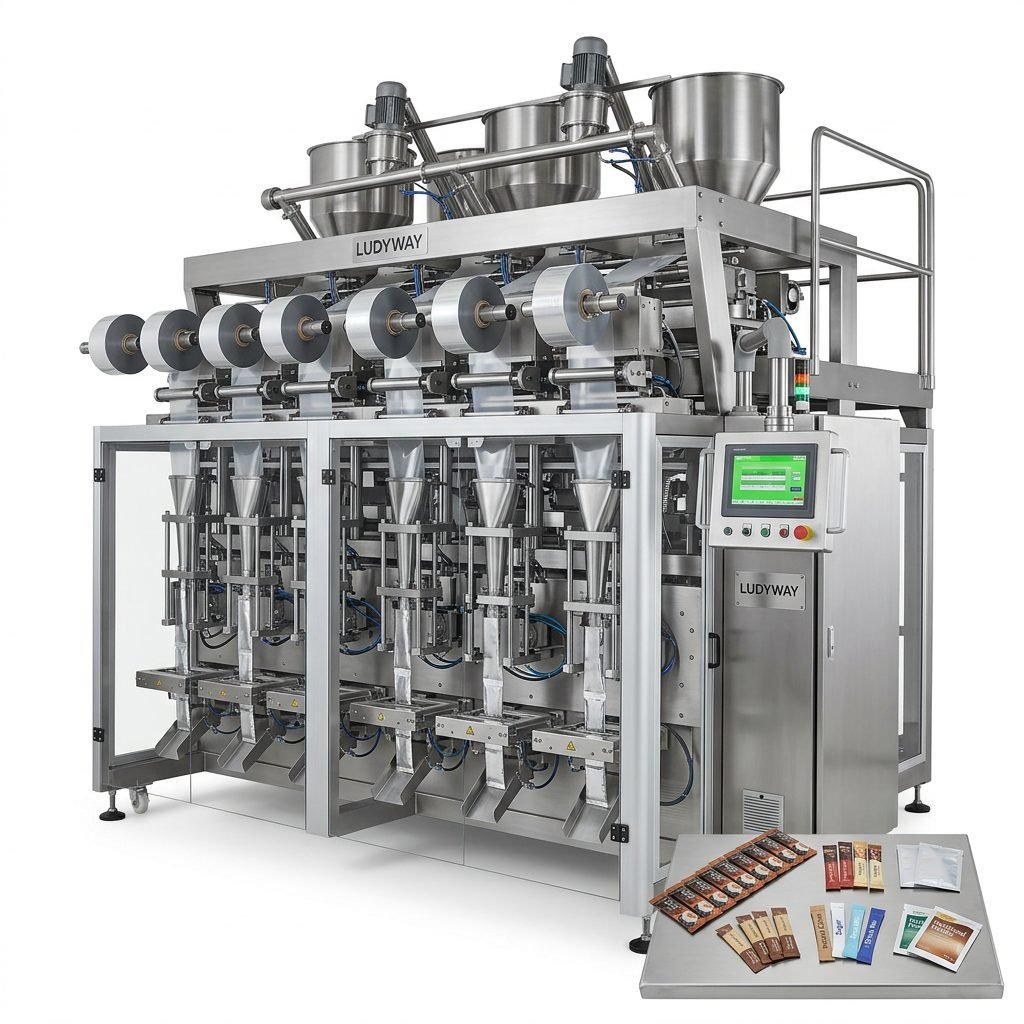
Even with diligent maintenance, occasional issues arise. Here is how to diagnose and resolve the most frequent problems:
- Inconsistent fill weights: Check for clogged nozzles, air in the product line, or worn pump seals. Recalibrate the dosing system.
- Weak or leaking seals: Verify sealing jaw temperature and pressure. Inspect Teflon coating for damage. Clean residue from the sealing area.
- Film misalignment: Adjust the film tracking rollers and ensure the roll is seated correctly on the unwind shaft.
- Excessive noise: Investigate loose fasteners, dry bearings, or misaligned components immediately.
- Machine stops unexpectedly: Review error codes on the HMI panel and check all safety interlocks and emergency stops.
When to Replace vs. Repair
Knowing the difference between a repairable component and one that needs replacement saves time and money. Sealing jaws with deep scoring, pump pistons with visible erosion, and bearings with audible grinding should be replaced immediately. Consult your OEM manual for recommended service intervals. For reference, ISO packaging standards provide benchmarks for equipment performance and maintenance documentation.
Safety Precautions During Maintenance
Safety must always come first when servicing any packaging equipment. Adhere to these essential rules:
- Follow proper lockout/tagout (LOTO) procedures before any maintenance work begins.
- Allow hot sealing surfaces to cool completely before handling.
- Wear appropriate personal protective equipment (PPE) — gloves, safety glasses, and non-slip footwear.
- Never bypass safety interlocks or sensors for faster operation.
- Keep the work area clean and free from spilled liquids or powders that create slip hazards.
Building a Maintenance Culture in Your Facility
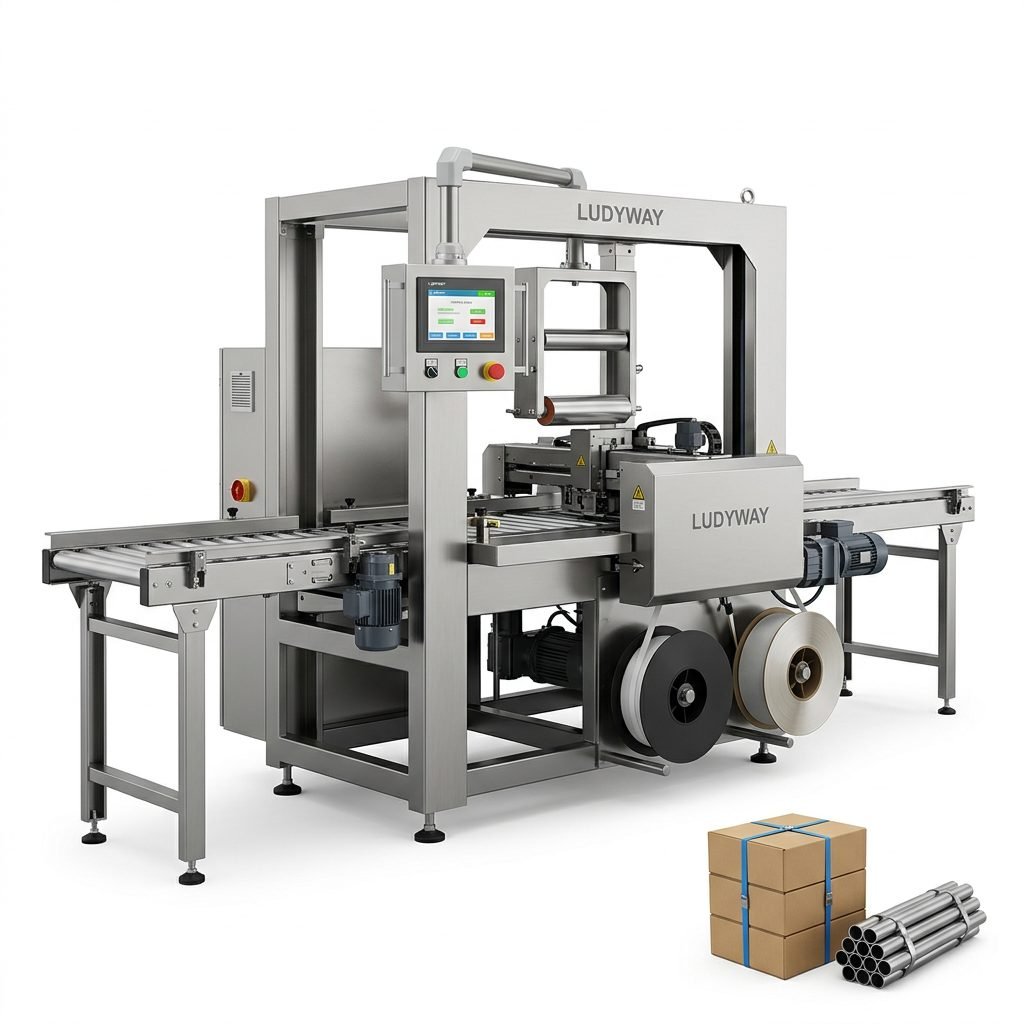
A single trained operator can make a significant difference in equipment longevity, but a facility-wide maintenance culture delivers lasting results. Train all operators to perform basic daily checks, encourage them to report unusual sounds or performance changes immediately, and maintain a clear spare parts inventory for critical components. Partnering with a reputable equipment manufacturer also ensures you have access to technical support and genuine replacement parts. Ludyway, one of the largest packaging machine manufacturers with over 30 years of industry expertise, provides comprehensive after-sales support and maintenance guidance to help businesses maximize their packaging line uptime.
Remember: a clean, well-maintained sabun packing machine is more than just reliable — it is a competitive advantage in today’s demanding market. Implement these maintenance routines consistently, and your equipment will deliver years of dependable service while keeping your soap products perfectly packaged and market-ready.