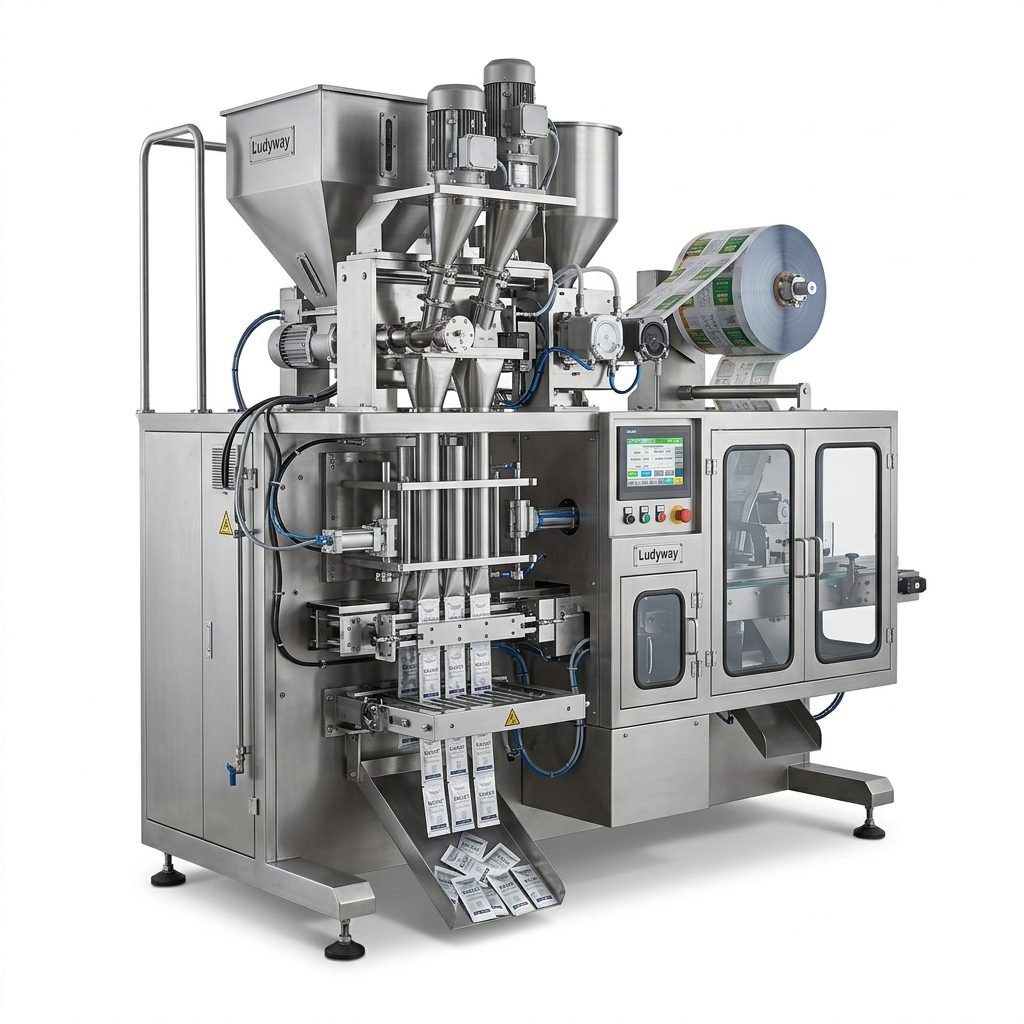
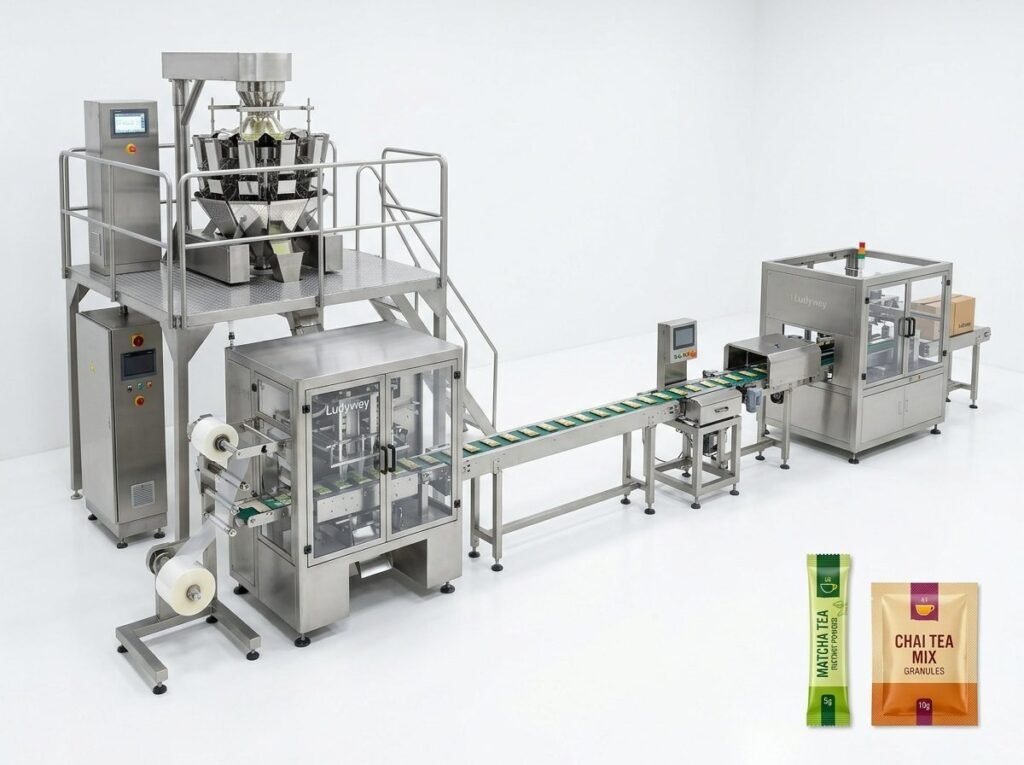
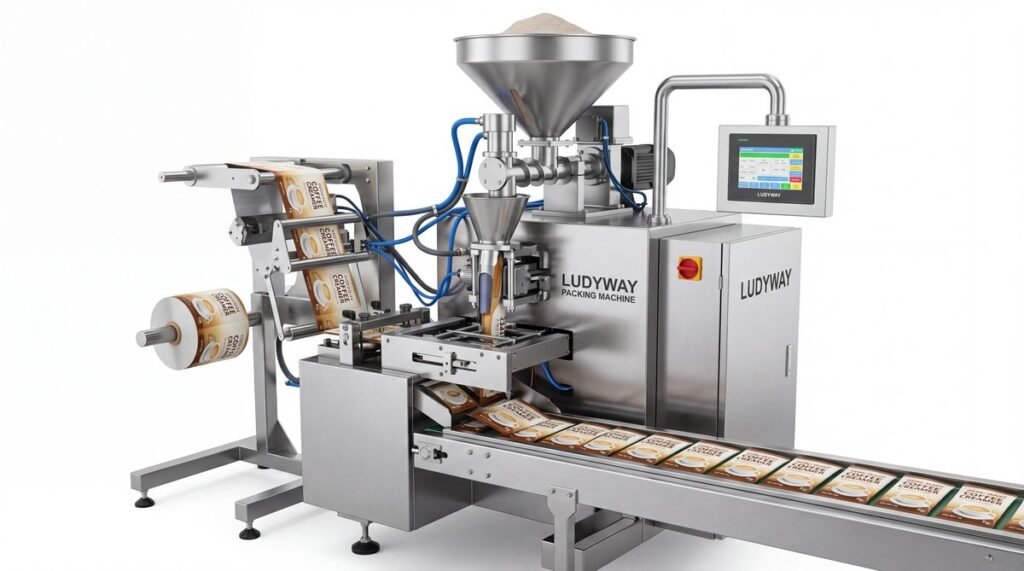
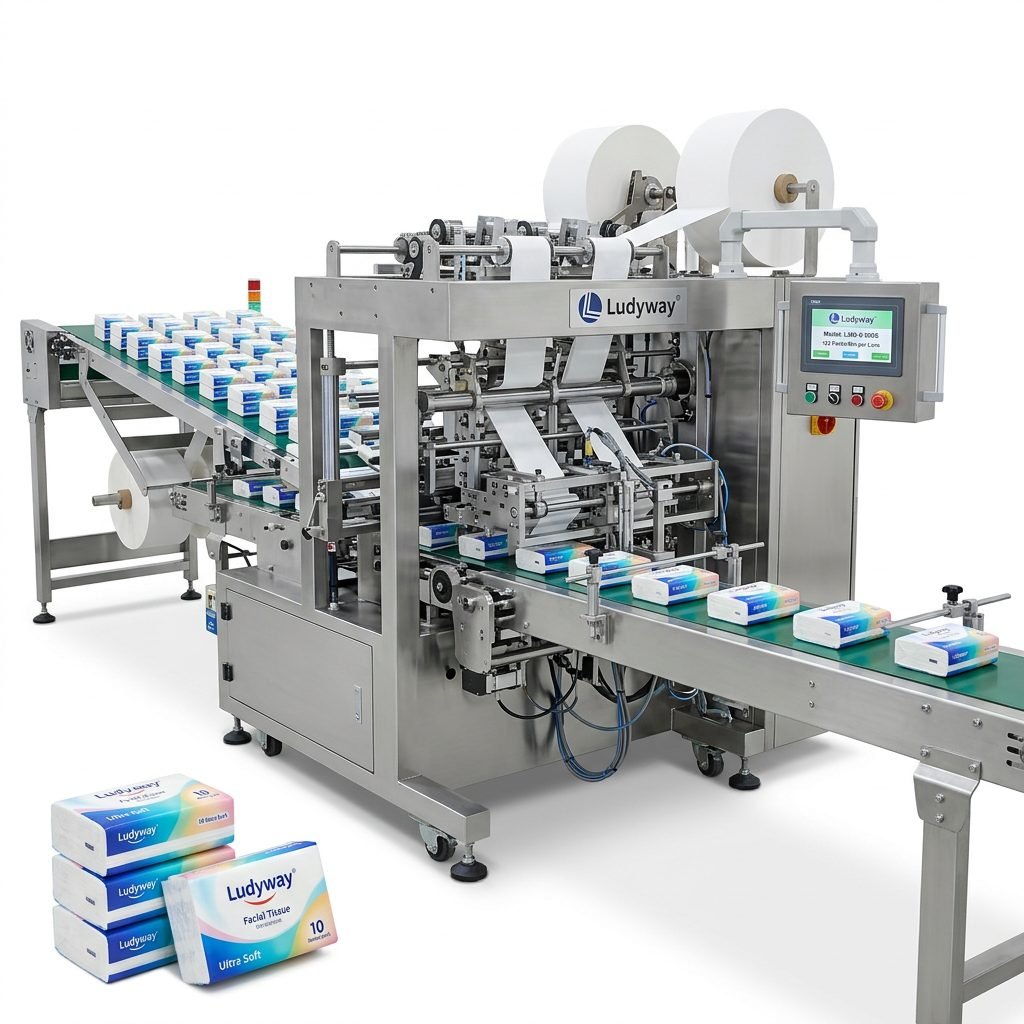
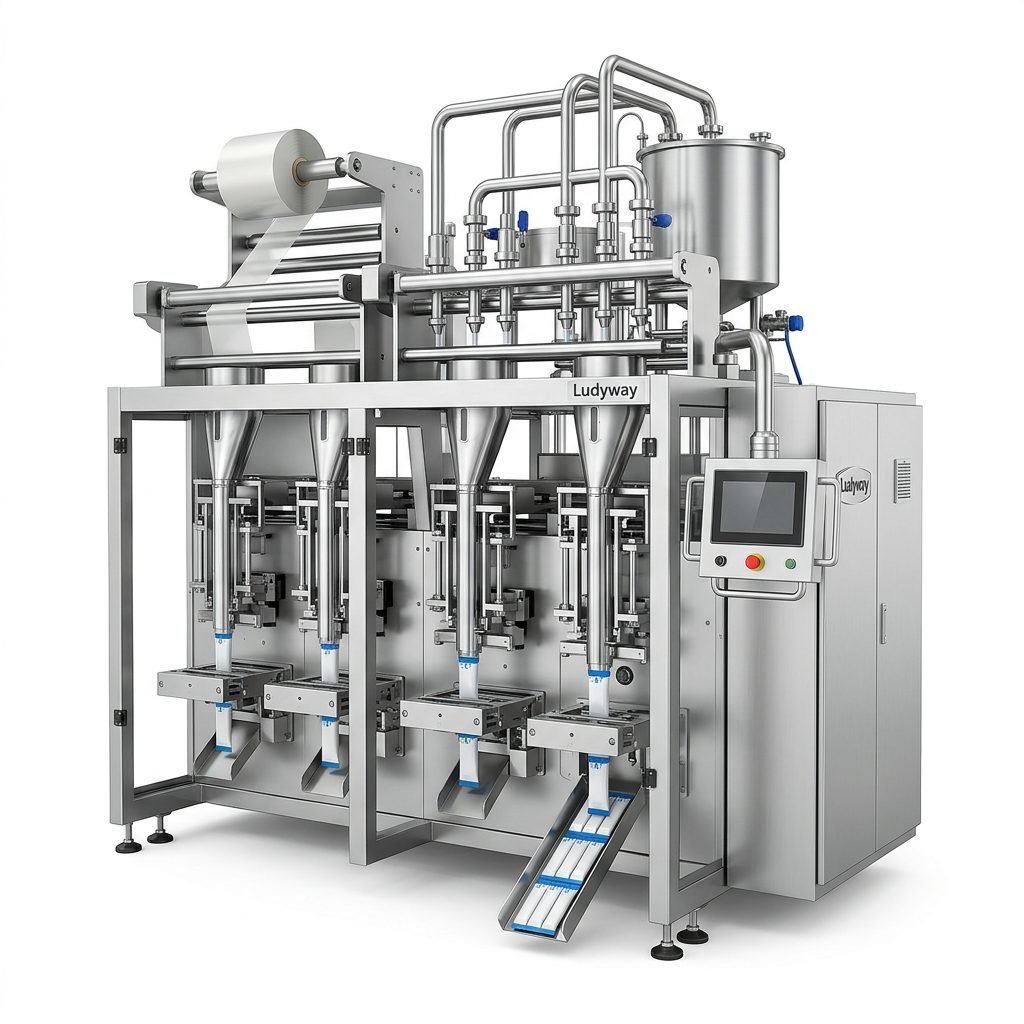
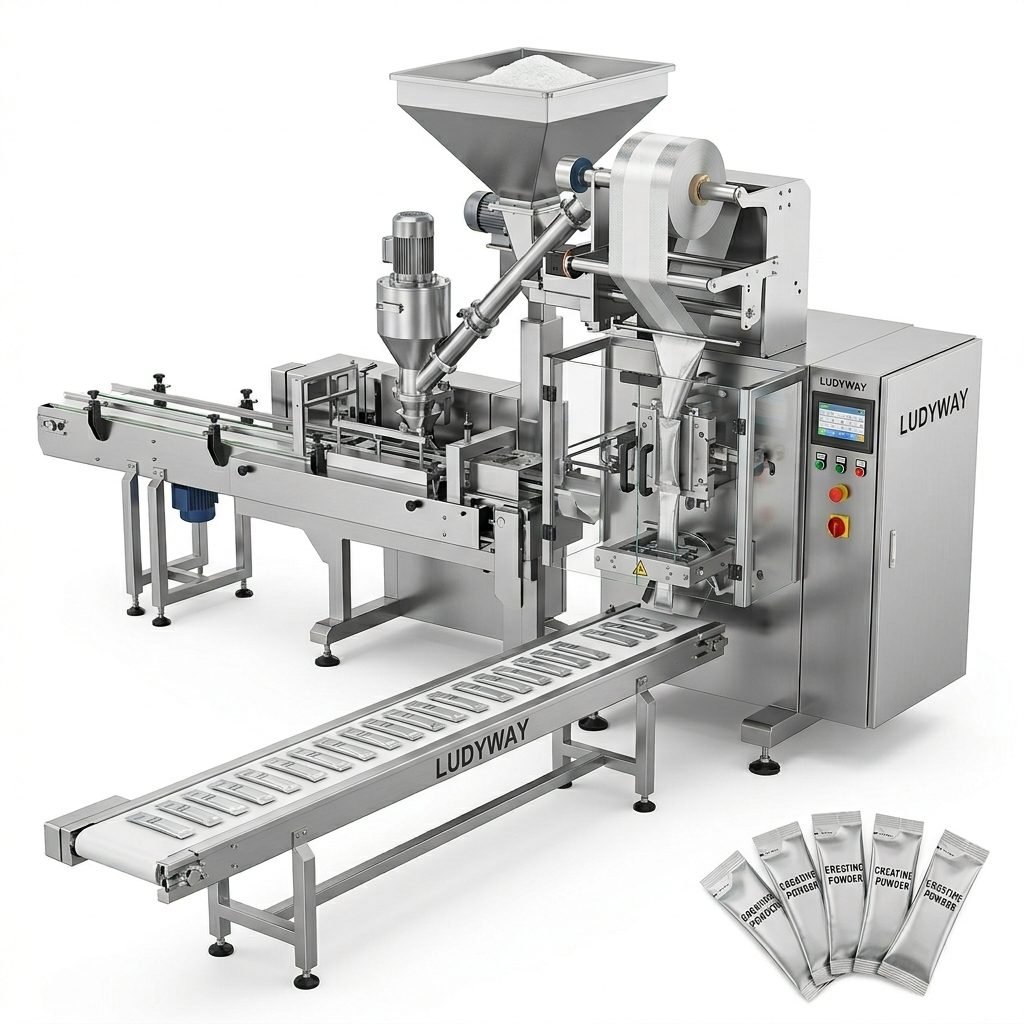
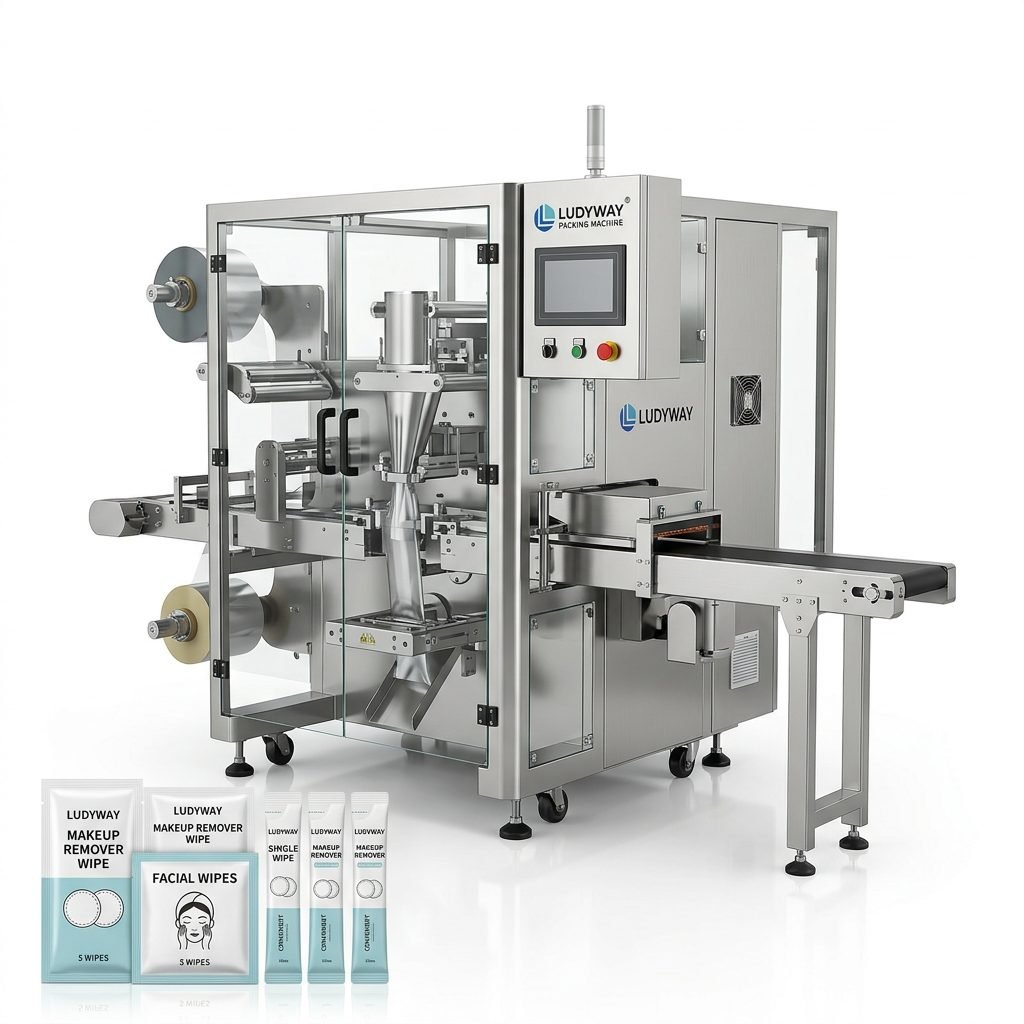
A flow pack packaging machine is a critical asset in high-speed production environments, especially in the food, pharmaceutical, and health industries. Without a structured maintenance routine, even the most robust machinery from a leading packaging machine manufacturer can experience unplanned downtime, compromising output and product integrity. Implementing a disciplined maintenance strategy is the most effective way to protect your investment and ensure consistent, reliable performance.
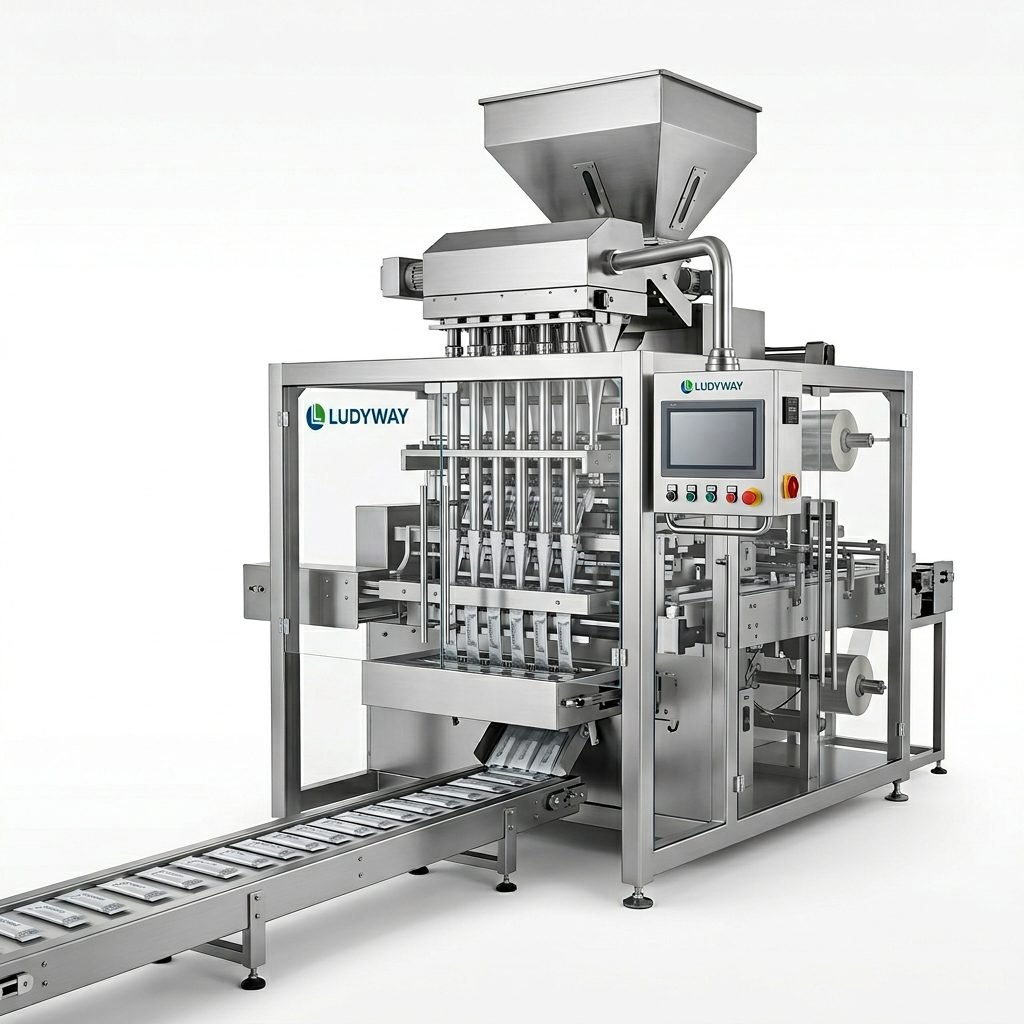
Understanding the Importance of Regular Maintenance
Proactive maintenance for a flow pack wrapper minimizes costly repairs and extends the machine’s lifecycle. Seal integrity, film tracking, and cutting precision are all directly influenced by the condition of mechanical and electronic components. A well-maintained machine delivers consistent package quality, reduces material waste, and maintains high throughput speeds. Neglecting these routines often leads to seal contamination, misaligned films, or critical sensor failures.
Daily Cleaning and Sanitation Protocols
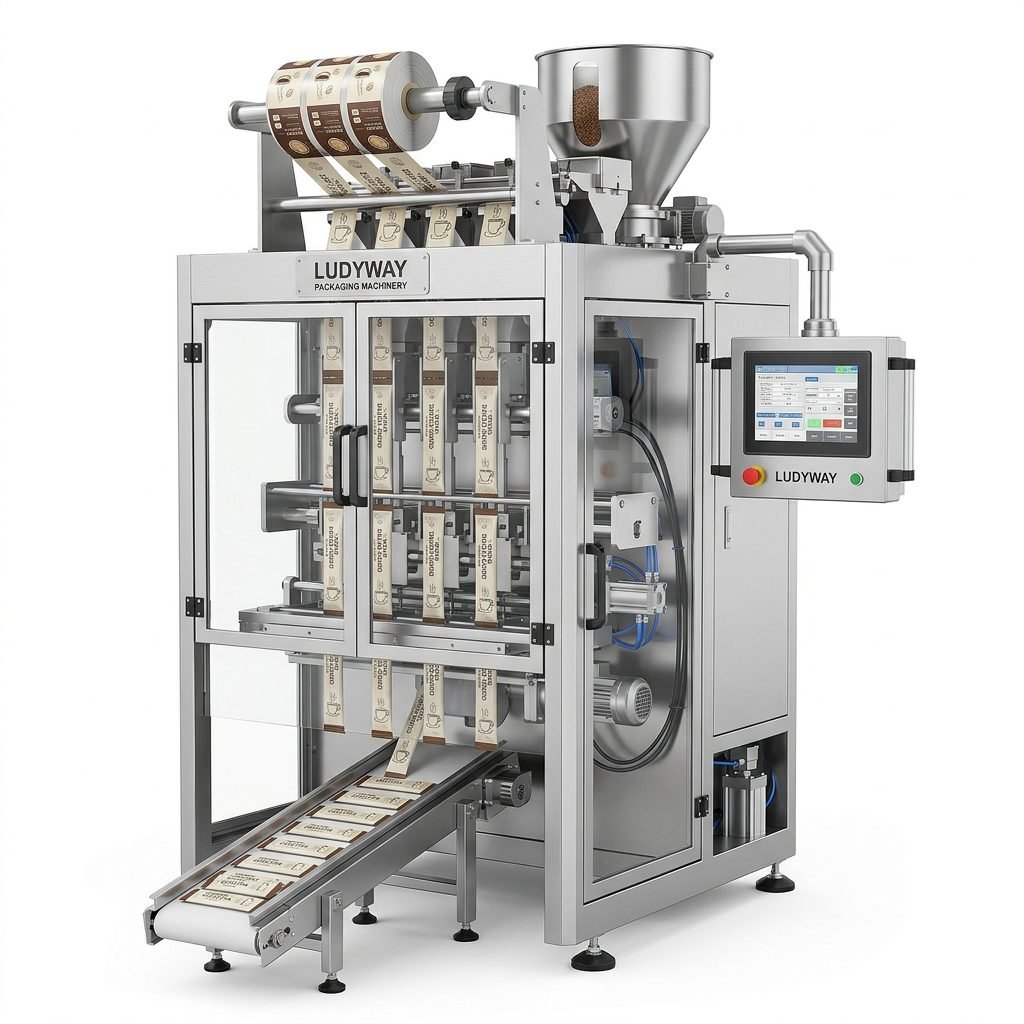
Daily cleaning is the foundation of any effective maintenance program. Product residue, dust, and film particles can quickly accumulate on critical components. Focus your daily cleaning efforts on the following areas:
- Sealing Jaws and Folding Box: Remove any product buildup or melted film residue to prevent seal failures and film jams.
- Film Unwinding and Forming Shoulder: Wipe down surfaces to ensure smooth film travel and accurate pouch formation.
- Photocell Sensors and Electric Eyes: Clean sensors with a soft, dry cloth to maintain precise film registration and print mark alignment.
- Conveyor Belts and Infeed Systems: Inspect and clean belts to prevent product slippage during the wrapping process.
Always disconnect the main power supply before performing any cleaning or maintenance task on the machinery.
Critical Component Inspection and Lubrication
Friction points are particularly vulnerable to wear. A strict lubrication schedule using food-grade lubricants is essential for high-speed machinery. Pay close attention to the main drive chains, cam followers, and linear bearings. Over-lubrication, however, can attract contaminants, so apply grease sparingly and precisely. Regular inspection of the following components will help prevent major mechanical breakdowns:
- Heating elements and thermocouples for consistent temperature control.
- The fin seal rollers and end-seal crimpers for signs of wear or misalignment.
- Belt tension and tracking on the infeed and outfeed conveyors.
- The condition of cutting knives to ensure clean, precise package separation.
Sealing Jaw and Cutting Knife Optimization
The sealing system is the heart of a flow pack machine. Damaged or dirty sealing jaws result in leakers and product spoilage. Check the jaw alignment regularly and verify the temperature settings match the laminated film specifications. If you notice uneven seals, check for worn sealing belts or faulty temperature controllers. Additionally, dull cutting knives can lead to ragged edges and film tearing, so schedule regular sharpening or replacement as part of your preventive maintenance checklist.
Electrical System and Sensor Calibration
Modern packaging lines feature complex sensor networks and programmable logic controllers. Ensure all safety interlocks and emergency stops are functioning correctly. Calibrate the photocell sensors to accurately detect the print marks on the film, preventing misregistered cuts. Inspect wiring looms for signs of heat damage, particularly near the heating zones, and tighten any loose electrical connections that could cause intermittent faults or sudden shutdowns.

The Value of Spare Parts Inventory Management
Waiting for replacement parts during a production breakdown is costly. Maintaining a strategic inventory of critical spare parts is a best practice. Key items to keep in stock include heating elements, thermocouples, sealing belts, cutting blades, drive belts, filters, and common sensors. This approach dramatically reduces mean time to repair and helps maintain high overall equipment effectiveness.
Operator Training and Standard Operating Procedures
Even the best maintenance plan fails without skilled operators. Well-trained staff can identify early warning signs like unusual vibrations or inconsistent seal quality. Comprehensive training should cover proper machine jogging, film splicing, and basic fault diagnosis. As highlighted by Ludyway, a trusted name in the industry, professional technical support and deep practical industry experience are key to maximizing machine uptime and operational efficiency.
Preventive Maintenance Schedule for Flow Pack Machines
Adhering to a structured schedule based on operational hours or production cycles is the most reliable way to prevent failures. The table below outlines a general guideline that can be adapted to your specific production environment and machine configuration.
| Maintenance Task | Frequency | Key Focus Area |
|---|---|---|
| Full Machine Cleaning | End of Each Shift | Sealing area, folding box, film path |
| Seal Jaw and Knife Inspection | Weekly | Wear patterns, sharpness, residue |
| Sensor and Eye Calibration | Monthly | Print registration, color mark detection |
| Lubrication of Moving Parts | Monthly | Bearings, chains, cam followers |
| Electrical System Check | Quarterly | Wiring, connections, safety interlocks |
| Complete Overhaul | Annually | Belt replacement, drive alignment, full diagnostic |
Film Tracking and Tension Adjustments
Incorrect film tension is a frequent cause of drift and wrapping defects. Check and adjust the film reel brakes and dancer arms to prevent over-tensioning or slack. A properly tracking film should run smoothly over the forming shoulder without excessive friction. If you observe edge wrinkles or sideways drift, reevaluate the balance of the tension rollers and the alignment of the film spindle.
Adapting to Harsh Production Environments
In dusty operations, such as powder packaging, or humid washdown environments, extra precautions are necessary. Protect sensitive electronics and bearings with appropriate dust covers or protective barriers. After washdown, ensure machine surfaces and cable entry points are fully dried to prevent corrosion and electrical faults. In these challenging conditions, increasing inspection frequency is a highly advisable best practice.
Documenting Maintenance for Continuous Improvement
Keep detailed maintenance logs to record all inspections, cleaning dates, parts replacements, and failures. This documentation helps build a historical profile, enabling you to predict when components will likely fail and transition from reactive repairs to data-driven preventive maintenance. Analyzing these records also provides valuable insights for optimizing overall waste reduction and machine performance.
For more information on advanced horizontal wrapping solutions and expert guidance, refer to the resources at PMMI and explore industry standards for ISO packaging standards. A disciplined approach to maintaining your flow pack equipment ensures peak productivity and superior packaged product quality year after year.